Artwork
Ulysses and Circe
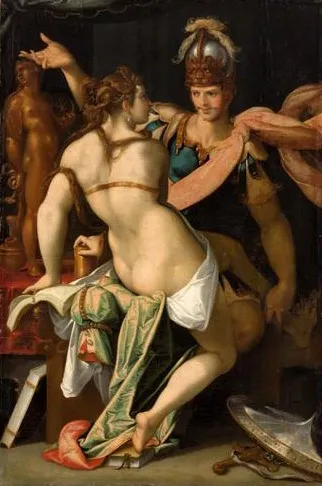
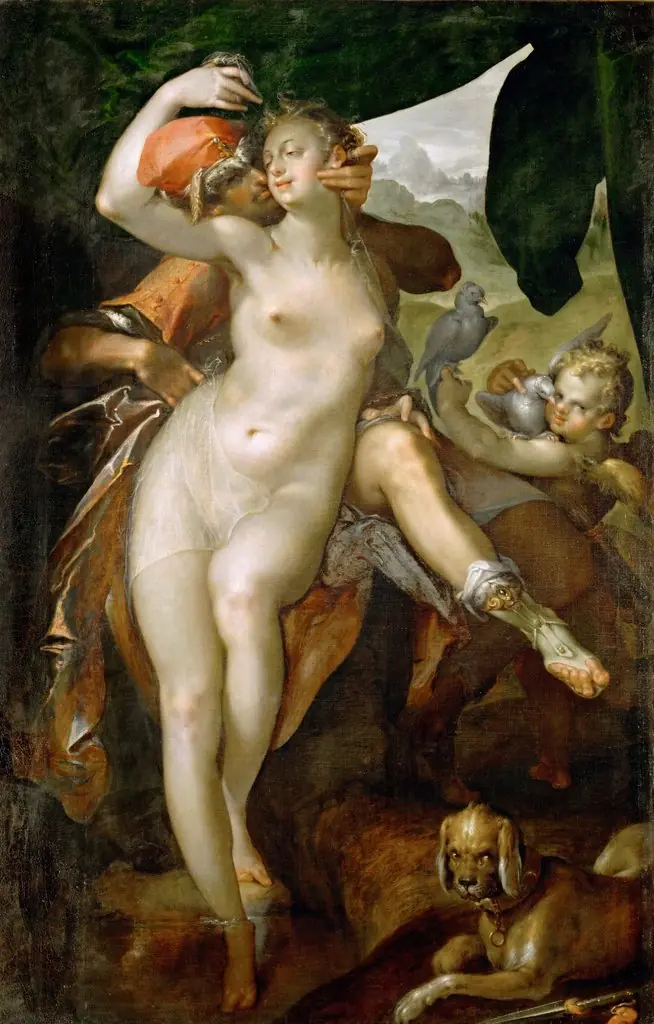
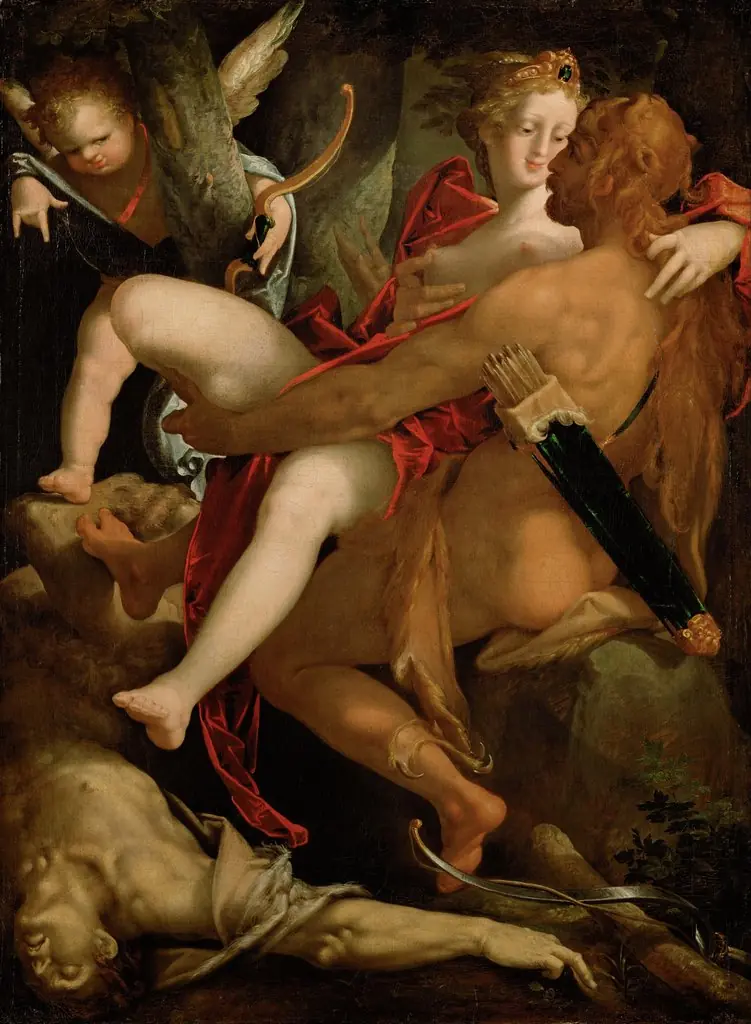
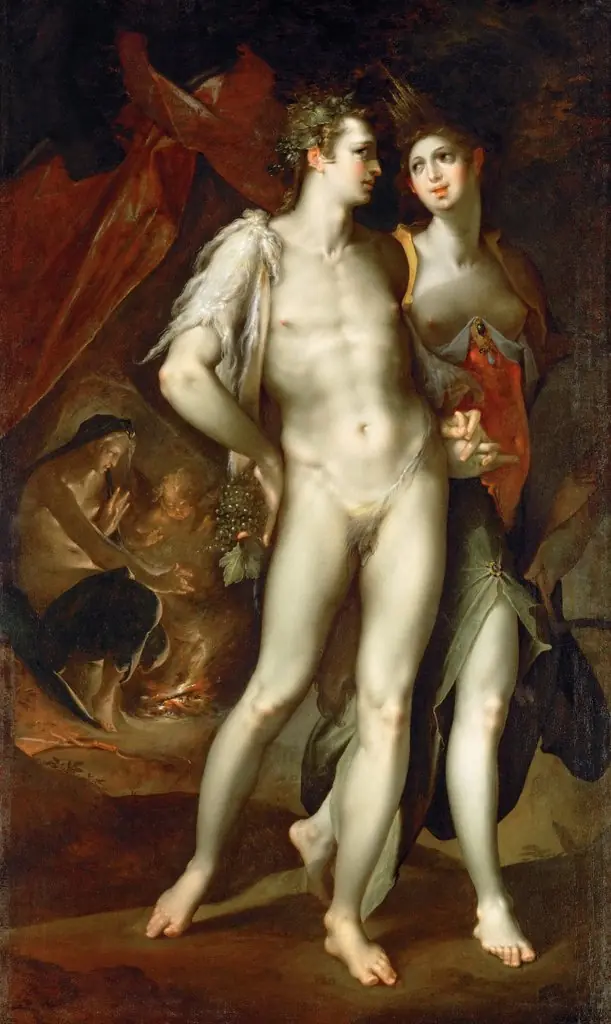
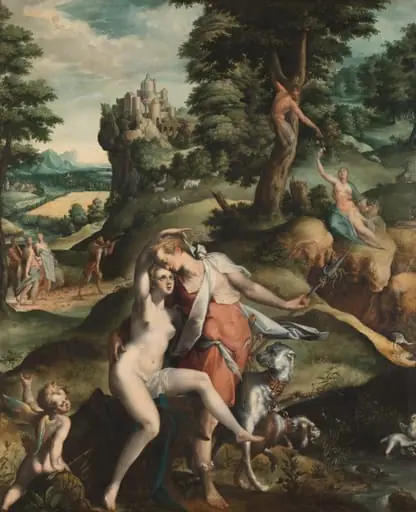
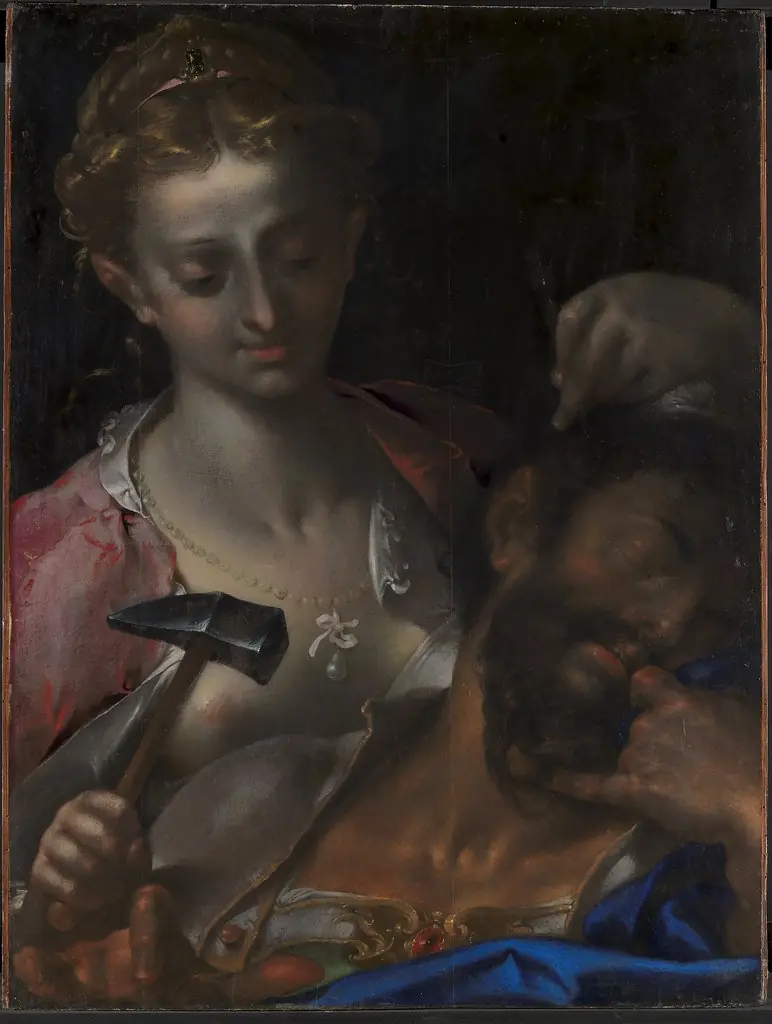
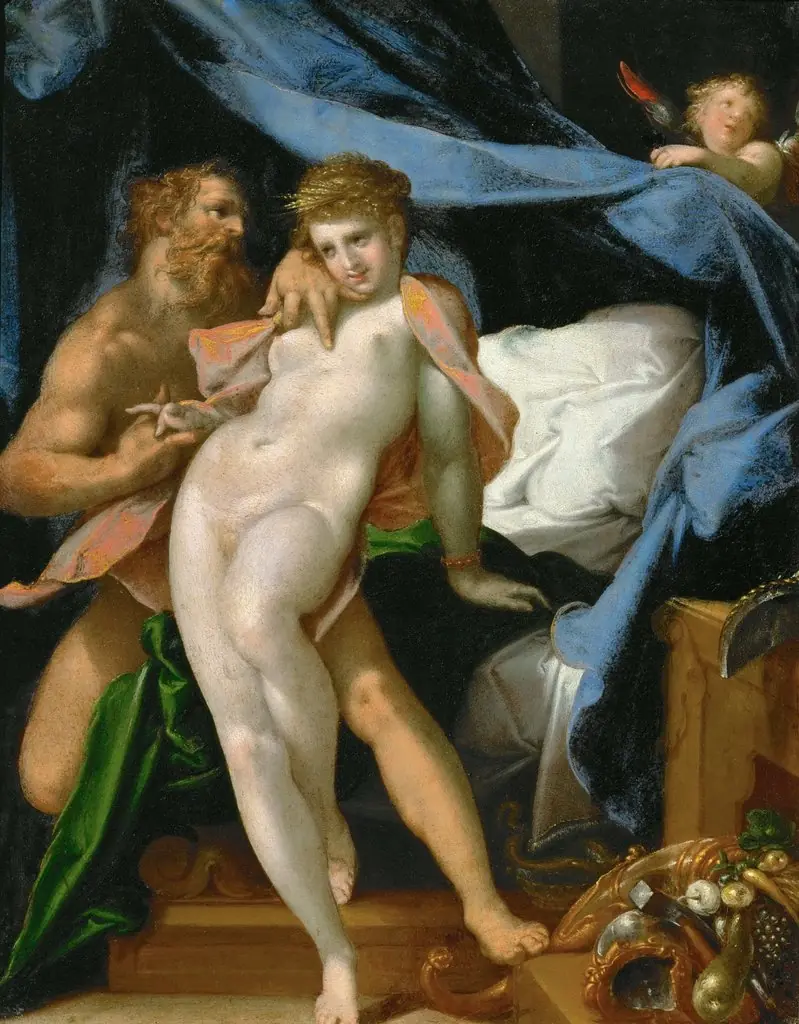
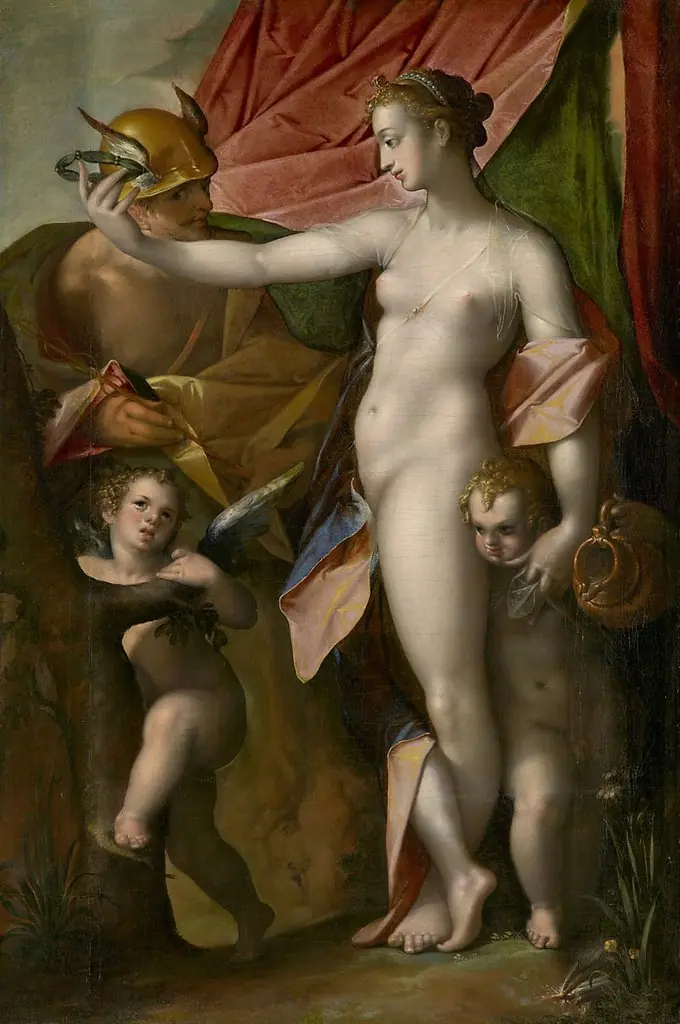
Ulysses and Circe is a color painting by the Mannerist artist Bartholomeus Spranger. It dates from 1594 and is held in the collection of the Kunsthistorisches Museum.
About this work
Subject & Meaning
This narrative is drawn from classical antiquity, specifically focusing on the moment where Circe, a powerful enchantress, interacts with the Greek hero.
The painting depicts the mythological encounter between Odysseus (also known as Ulysses) and the sorceress Circe. This narrative is drawn from classical antiquity, specifically focusing on the moment where Circe, a powerful enchantress, interacts with the Greek hero. The work illustrates the central figures of the story, presenting the dynamic between the mortal traveler and the divine woman who famously transformed his crew into animals.
As a Mannerist composition by Bartholomeus Spranger, the piece visualizes this famous episode of temptation and magical power, capturing the tension inherent in their meeting.
Technique & Style
The work is executed in oil on canvas, reflecting Spranger's mature handling of color and compositional complexity. Its stylistic traits combine Mannerist elongation with rich, emotive coloration, emphasizing the mythic interaction between Odysseus and Circe. The painting measures 67 cm × 82 cm and remains well-preserved, showcasing the artist's delicate brushwork and nuanced tonal transitions.
History & Provenance
Ulysses and Circe was created by Bartholomeus Spranger in 1586, executed in color on canvas. The painting depicts the encounter between Odysseus and Circe and is held in the collection of the Kunsthistorisches Museum, where it is catalogued as KHM GG_1099. Beyond its date of inception and current institutional ownership, the available sources do not provide further details on a commission, prior ownership chain, or earlier provenance history.
The painting Ulysses and Circe is held in the collection of the Kunsthistorisches Museum in Vienna. It is catalogued under the inventory number GG_1099. The work has been featured in exhibitions at the museum, including a 2010 showcase of Baroque masterpieces from the museum’s holdings.
Context
Ulysses and Circe (1586) by Bartholomeus Spranger, housed in the Kunsthistorisches Museum, exemplifies late Renaissance interpretations of Homeric myth through its depiction of Odysseus and Circe. The work reflects Spranger’s broader oeuvre of mythological subjects, situating it within the artistic milieu of Northern Mannerism and the cultural exchange between Habsburg court patronage and imperial collections. Its reception and scholarly analysis underscore its significance as a visual narrative of classical transformation, studied within the context of 16th-century European art historiography and museum-based art historical discourse.
Overview
Bartholomeus Spranger’s 1594 oil painting Ulysses and Circa belongs to the Northern Mannerist tradition that flourished in the late 16th‑century Habsburg courts. Executed for the collection of Holy Roman Emperor Rudolf II in Prague, the work now resides in Vienna’s Kunsthistorisches Museum. It portrays a moment from the Homeric saga in which the hero Odysseus confronts the sorceress Circe, rendered in a vivid colour palette characteristic of Spranger’s court commissions.
Artist & collection
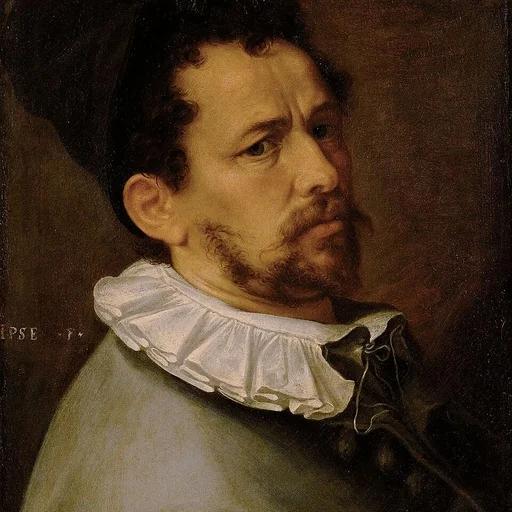
Artist
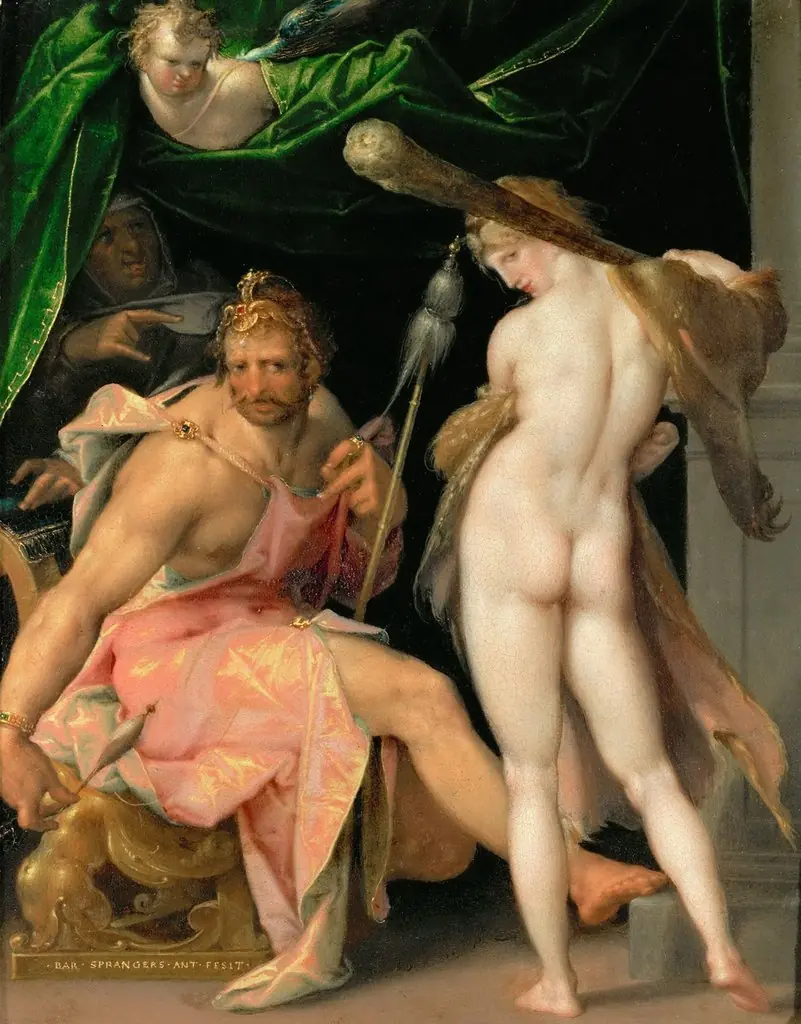
Bartholomeus Spranger or Bartholomaeus Spranger (21 March 1546 – 27 June 1611) was a Flemish painter, draughtsman, sculptor, and designer of prints.