Artwork
Portrait of a Man
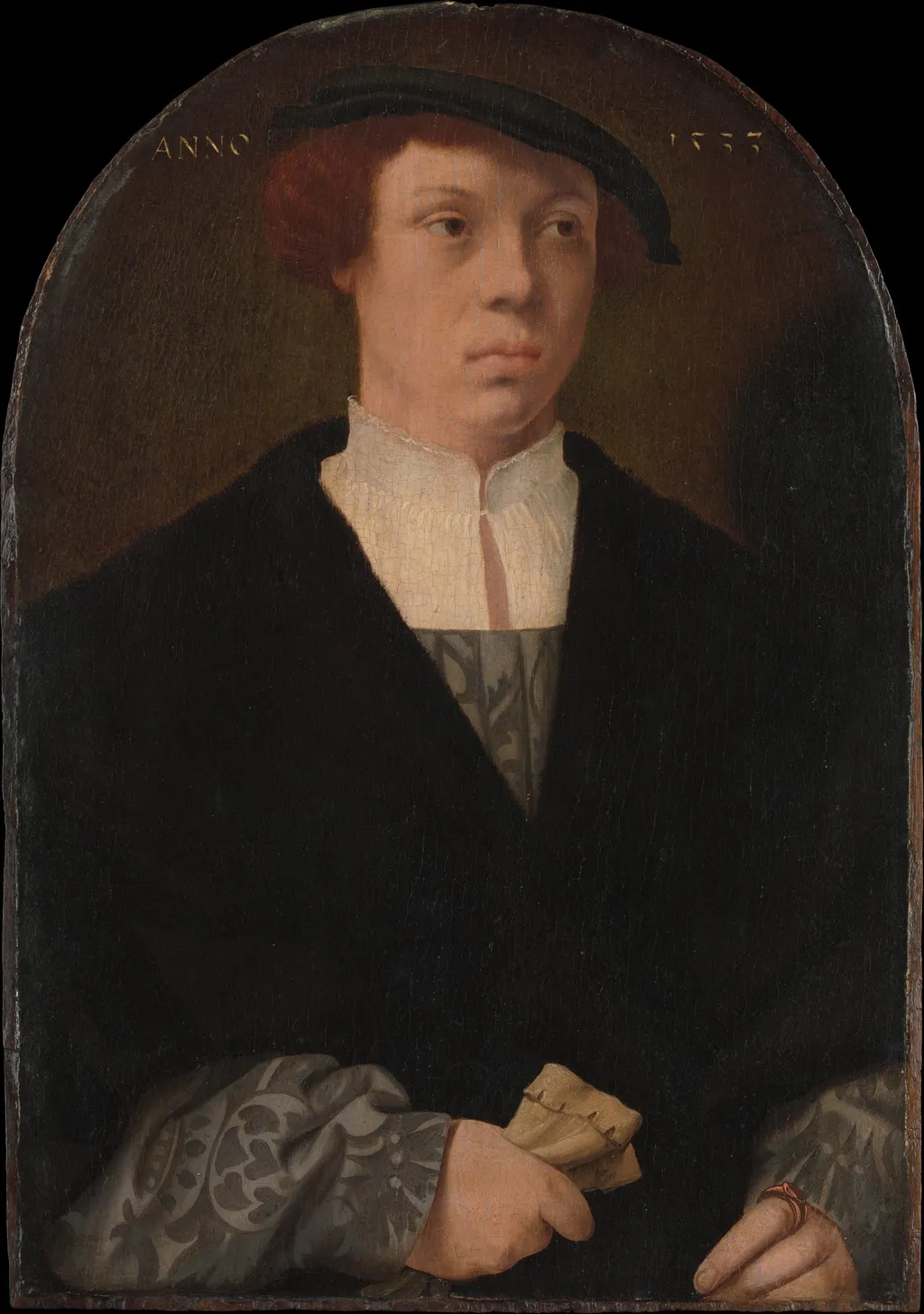
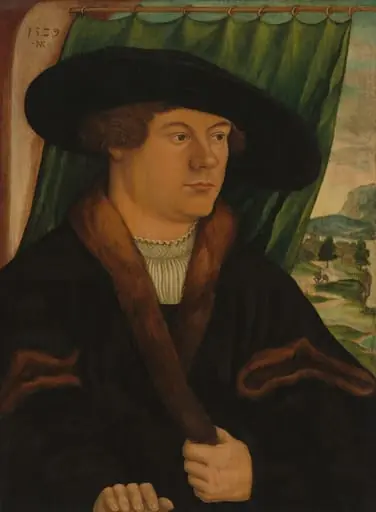
Portrait of a Man is an oil painting by the Northern Renaissance artist Bartholomaeus Bruyn the Elder. It dates from 1533 and is held in the collection of the Metropolitan Museum of Art.
About this work
His face is framed by a dark background, and the top of the painting has faded writing that looks like the year "1533.
This painting shows a serious-looking man in a black robe with a white collar. He’s holding a folded piece of paper in one hand and resting his other hand on a patterned sleeve. His face is framed by a dark background, and the top of the painting has faded writing that looks like the year "1533."
The man’s outfit suggests he might have been someone important, like a scholar or official. The way the light hits his face and the dark background creates a strong contrast, making him stand out.
If you like this style, look up chiaroscuro.
Subject & Meaning
The painting depicts a man, identified in the catalogue record simply as an unnamed male sitter. No attributes, inscriptions, or symbolic objects are documented in the available sources, so the work's iconography is limited to the straightforward presentation of a single male portrait subject in the manner typical of mid-16th-century German portraiture.
Because the sources provide no information about the sitter's identity, profession, or any emblematic elements, the broader meaning of the work cannot be determined beyond its function as a likeness of an individual man.
Technique & Style
Portrait of a Man is executed in oil paint on panel, a standard support combination for Northern European portraiture of the early sixteenth century. The painting is small in scale, measuring 29.8 cm in height by 20.6 cm in width, a format consistent with intimate, closely observed likenesses of the period.
Stylistically, the work belongs to the portrait tradition developed by Bartholomaeus Bruyn the Elder, who was active in Cologne and known for sharply characterized depictions of sitters rendered with linear precision and sober coloring. The composition focuses on a single male subject, treated as a bust-length portrait in the manner typical of Bruyn's practice.
History & Provenance
The Portrait of a Man was created by Bartholomaeus Bruyn the Elder in 1533. Executed in oil paint on a panel, the work depicts a male subject and measures 29.8 cm in height by 20.6 cm in width. Historical records indicate that the painting was owned by Marcus Kappel. The piece is currently held in the collection of the Metropolitan Museum of Art.
The painting is held in the collection of the Metropolitan Museum of Art. According to Wikidata records, the work is associated with the Metropolitan Museum of Art as both its collection and location, and was previously owned by Marcus Kappel.
No accession number is recorded in the available sources, and no exhibition history is documented.
Overview
Bartholomaeus Bruyn the Elder, a prominent painter in Cologne during the German Renaissance, created this oil painting titled Portrait of a Man in 1533. The work exemplifies his established reputation for capturing individual likenesses, a key aspect of Northern Renaissance portraiture. Bruyn was known for both his altarpieces and his numerous portraits, and this piece demonstrates the refined skill that made him a leading figure in his artistic community.
Own this work as a print
Artist & collection

Artist
Bartholomäus Bruyn (1493–1555), usually called Barthel Bruyn or Barthel Bruyn the Elder, was a German Renaissance painter active in Cologne. He painted altarpieces and portraits, and was Cologne's foremost portrait painter of his day.

 Portrait of a Man
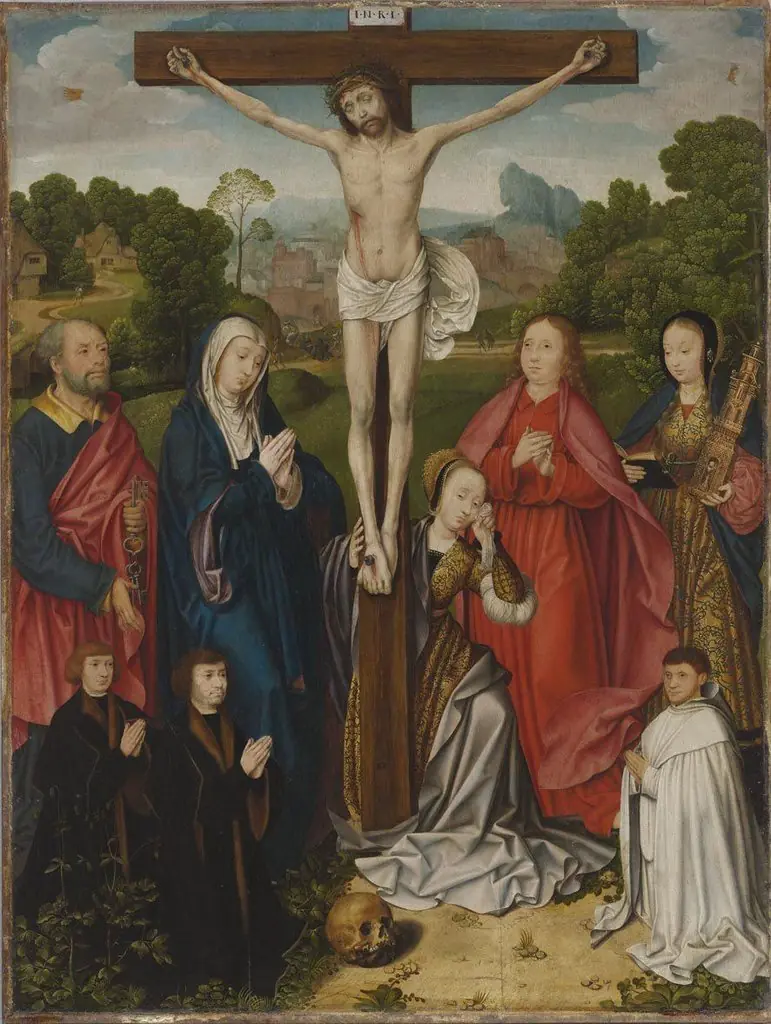 Christ on the cross with the saints Peter, Mary, Mary Magdalene, John the Evangelist and Barbara, with three donors
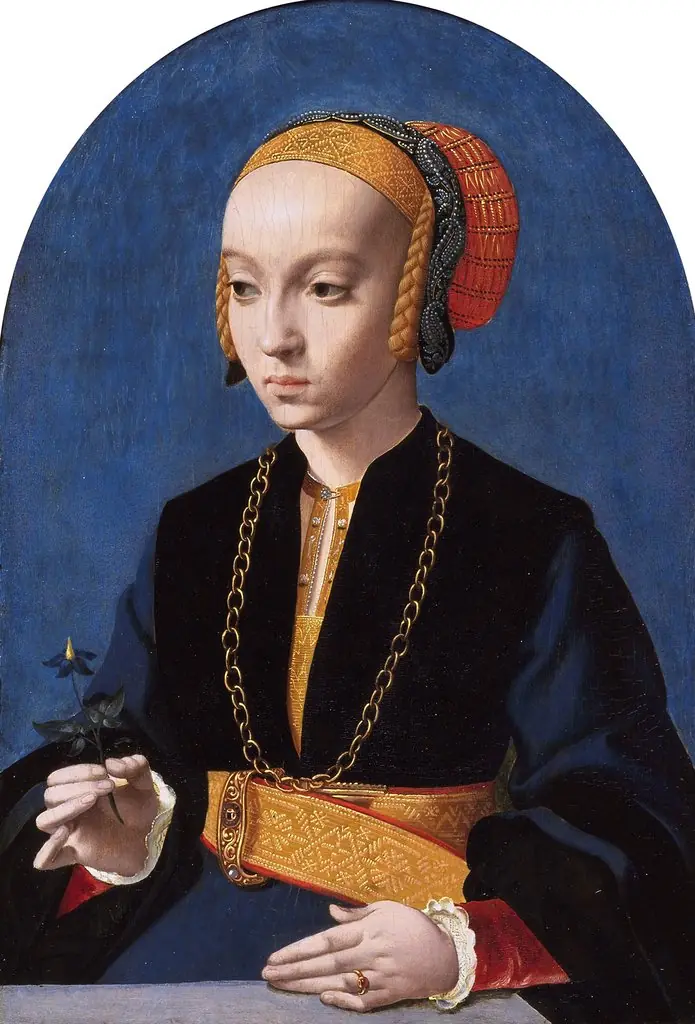 Portrait of Elisabeth Bellinghausen
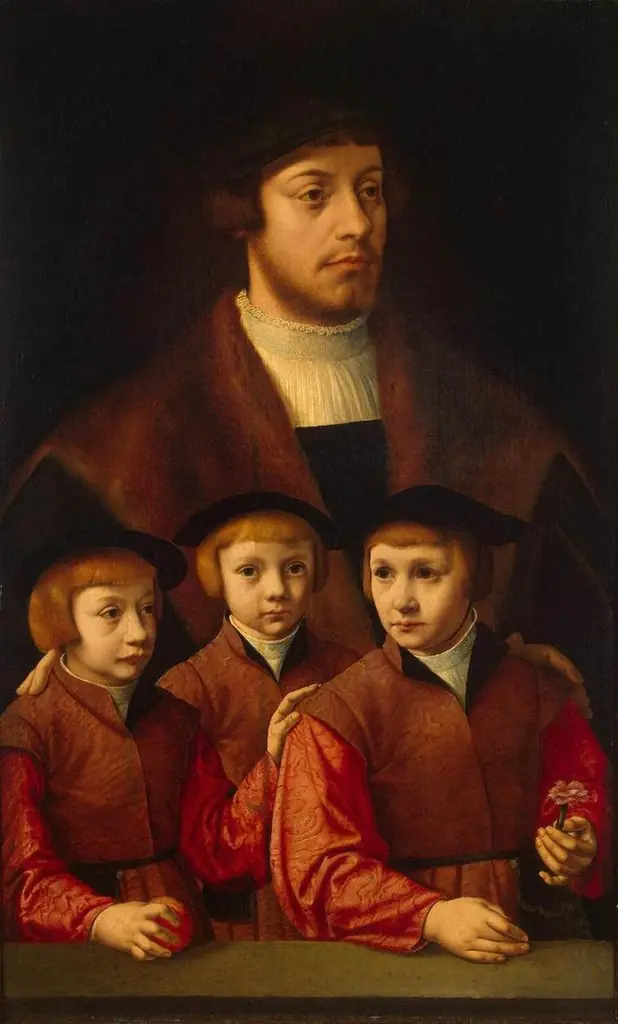 Portrait of a Man and His Three Sons
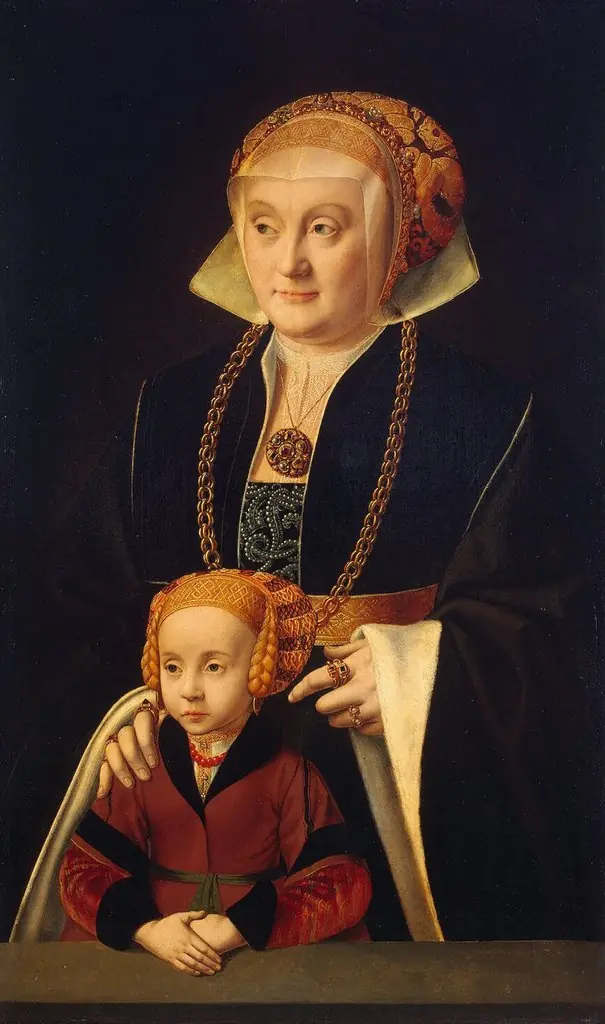 Portrait of a Lady and Her Daughter
 Rinck-Altar II:Saint Catherine with donor Hermann Rinck
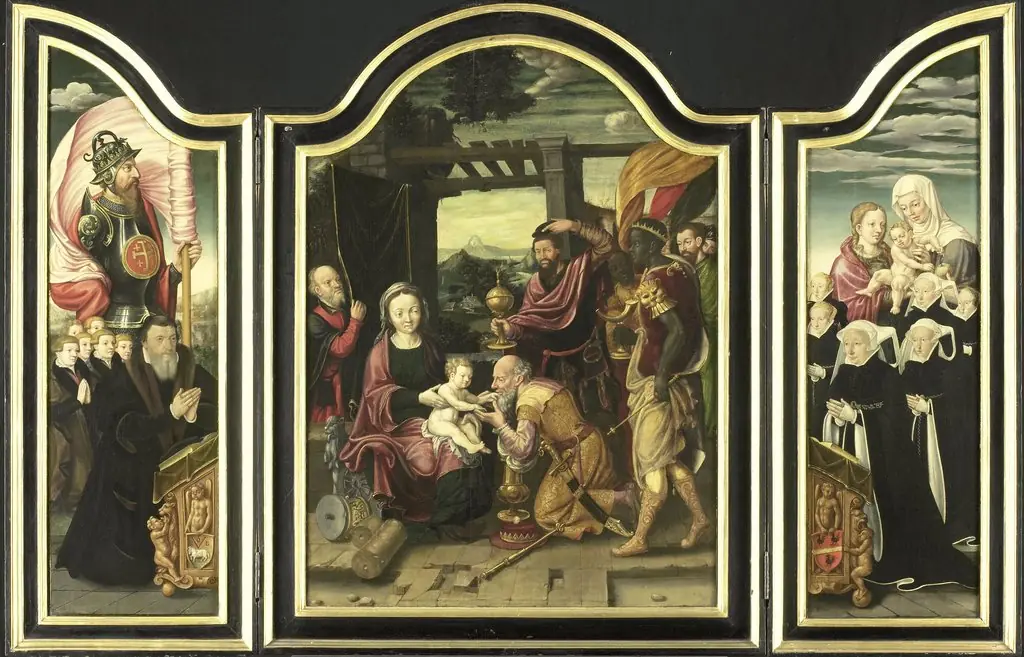 Triptych with the Adoration of the Magi
- Portrait of a Man
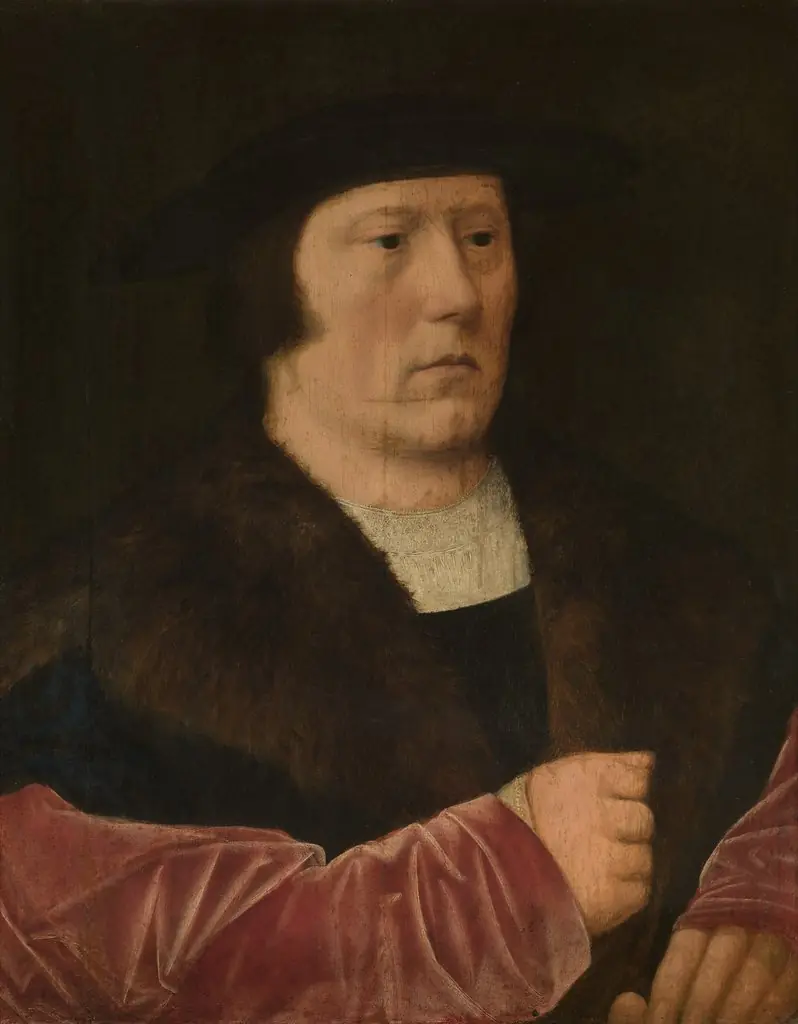 Portrait of a Man
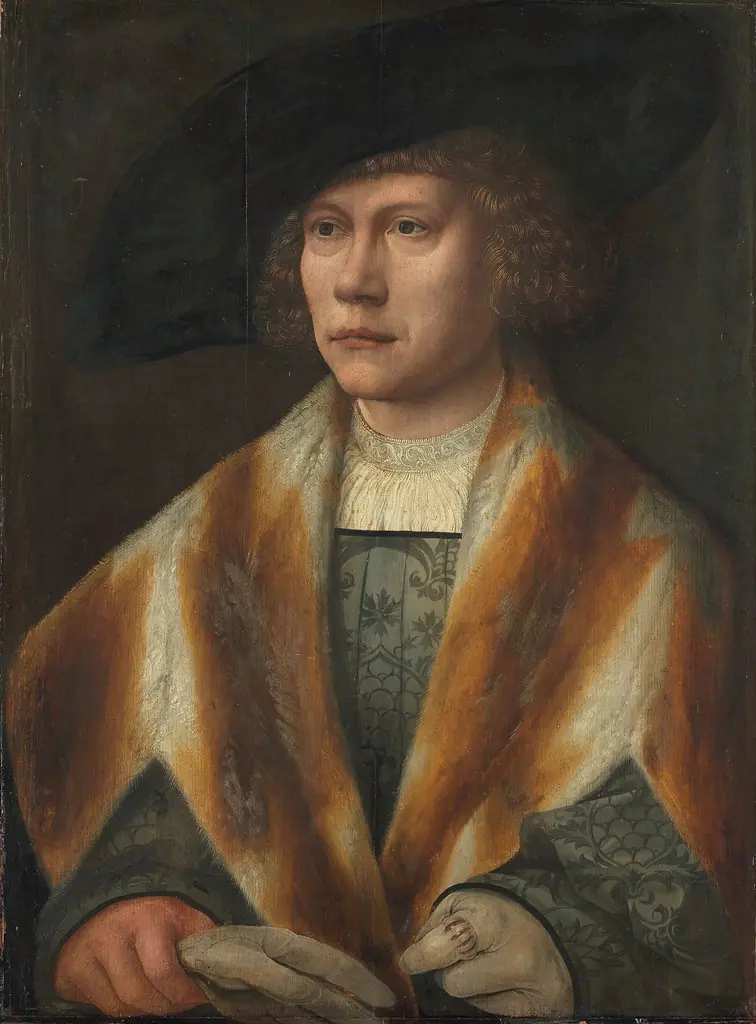 Portrait of a young Man
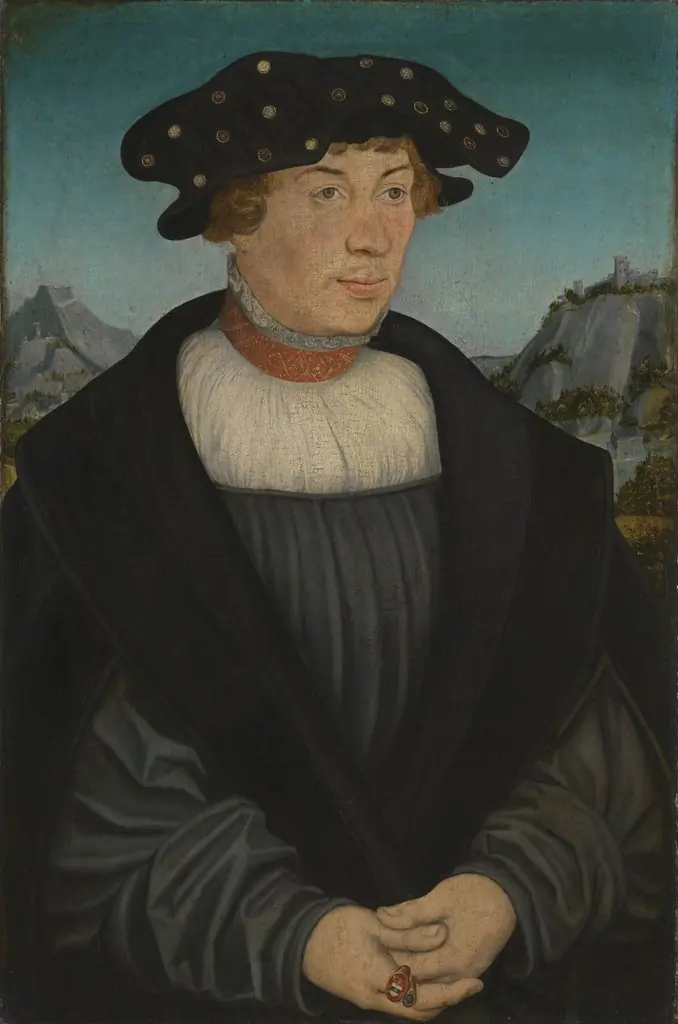 Hans Melber
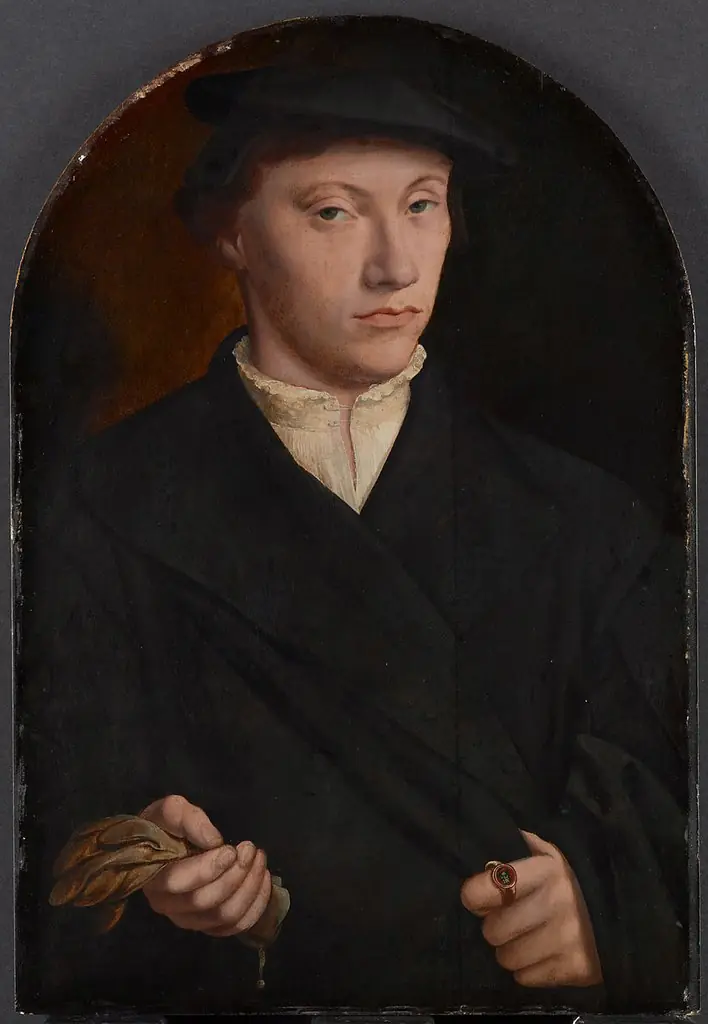 Portrait of a young man holding gloves
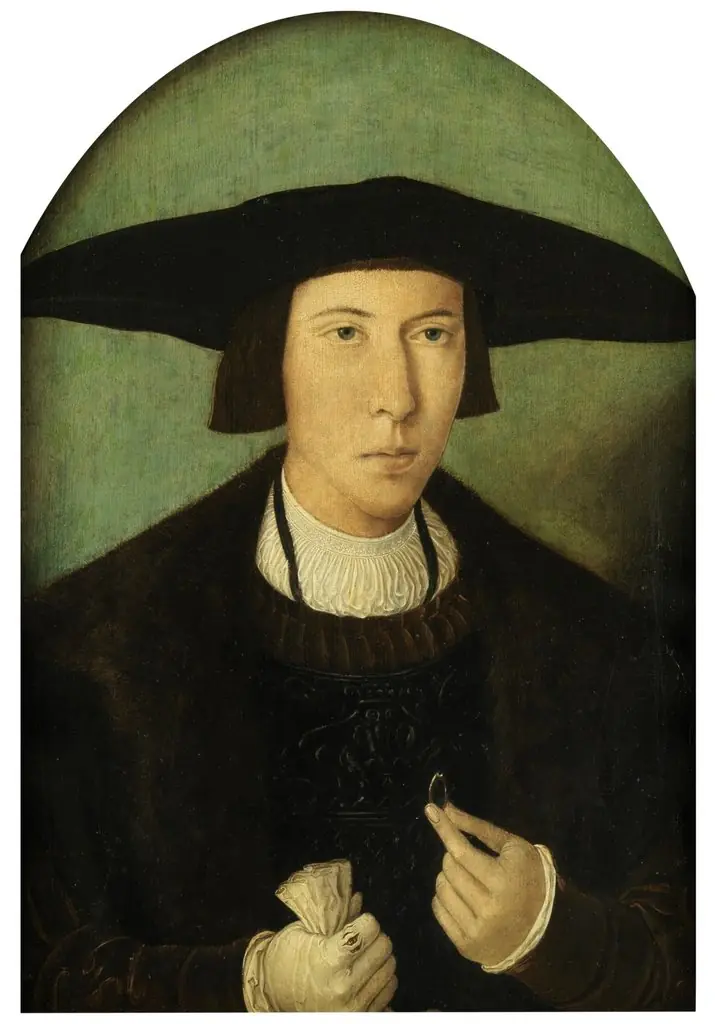 Portrait of a Young Gentleman
![Hans Roth [obverse], by Bernhard Strigel](https://artifactworldgallery.com/img/bernhard-strigel--hans-roth-obverse--9904e8cf2692db0d-w320.webp) Hans Roth [obverse]
Hans Roth [obverse]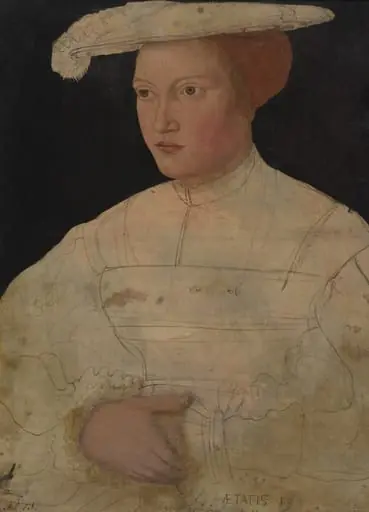 Maria Markgräfin zu Brandenburg
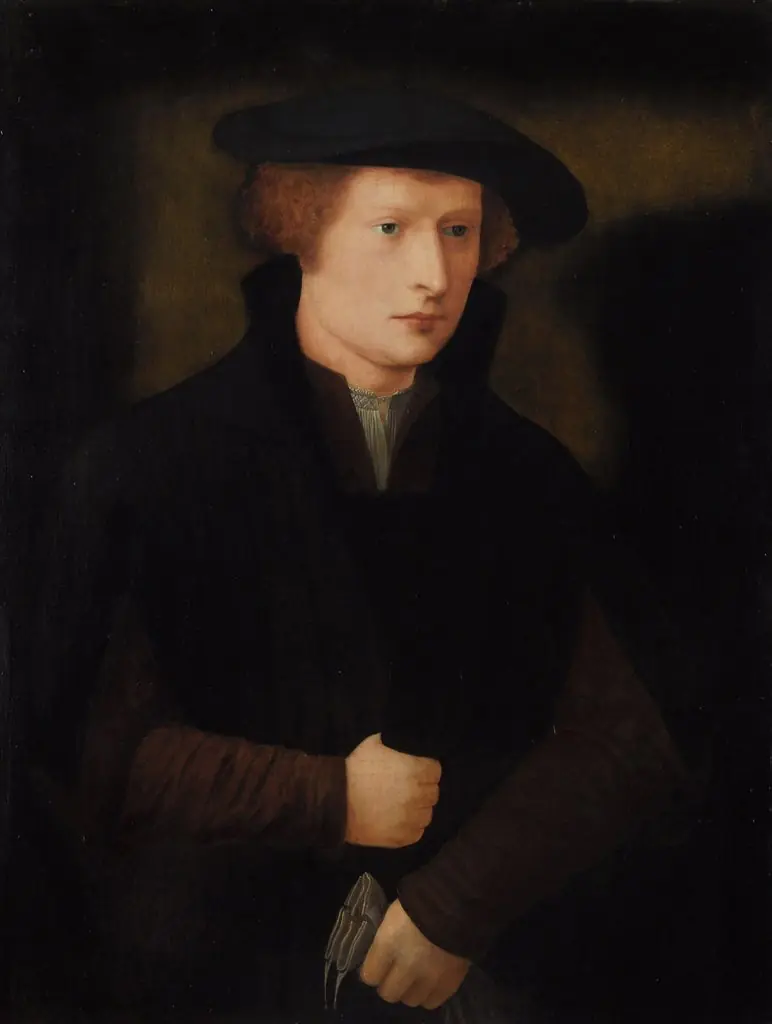 Portrait of a Young Man
 Portrait of Sibilla Eiselin aged 29
 Portrait of a Nobleman
 Portrait of young aristocrat of the Rava family