Artwork
Portrait of Elisabeth Bellinghausen
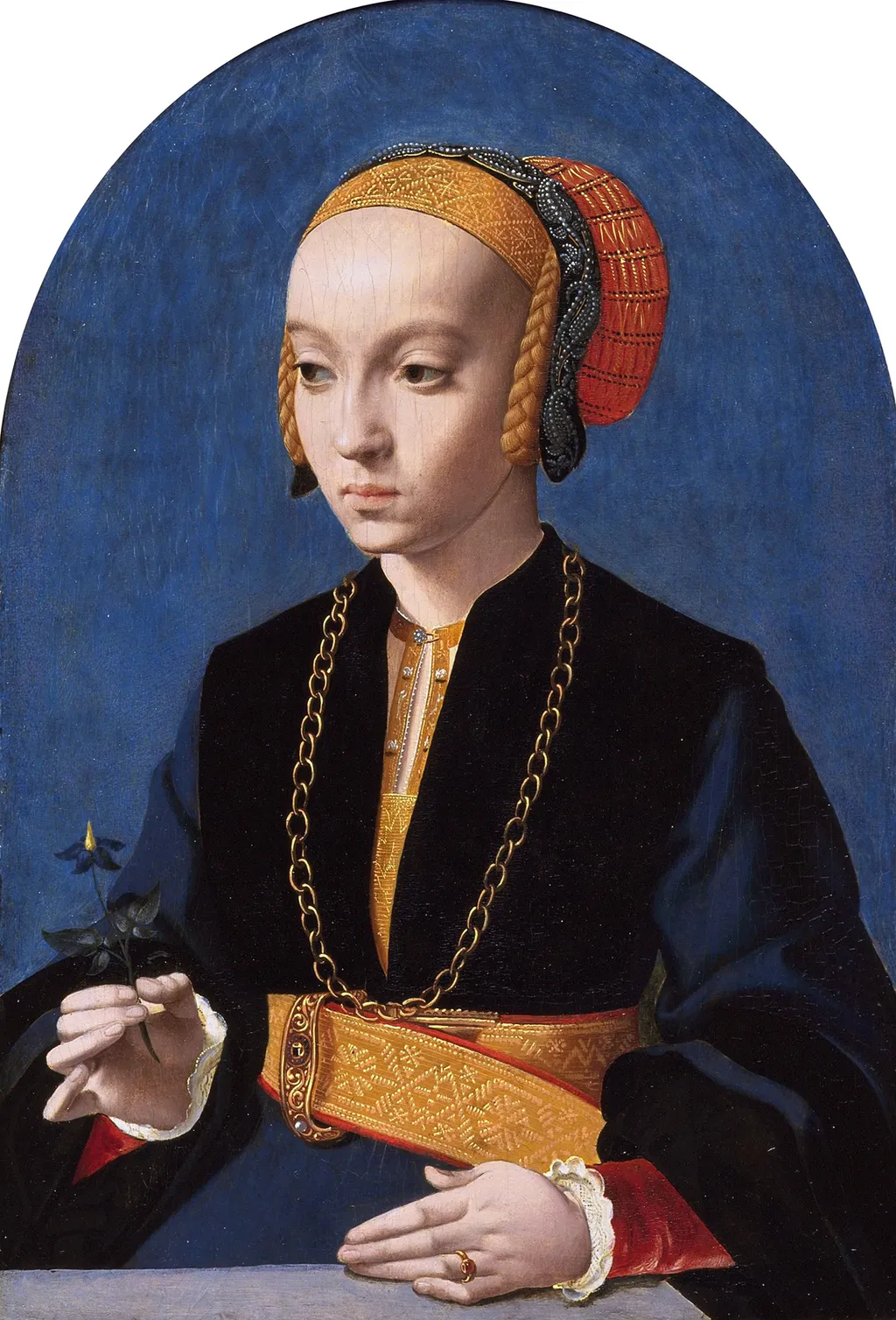
Portrait of Elisabeth Bellinghausen is an oil painting by the Northern Renaissance artist Bartholomaeus Bruyn the Elder. It dates from 1530 and is held in the collection of the Rijksmuseum.
About this work
Subject & Meaning
The painting is part of the Mauritshuis collection and currently displayed in Room 7 of the Mauritshuis in The Hague.
The portrait shows a young woman identified as Elisabeth Bellinghausen, holding a sprig of Solanum dulcamara, a plant associated with marital fidelity in Renaissance symbolism. Executed by Bartholomaeus Bruyn the Elder in 1530, the work exemplifies Northern Renaissance portraiture through its precise rendering of texture and psychological presence. The painting is part of the Mauritshuis collection and currently displayed in Room 7 of the Mauritshuis in The Hague.
Technique & Style
The Portrait of Elisabeth Bellinghausen is executed in oil paint on a wooden panel, a support typical of Northern European portraiture of the early sixteenth century. The work is relatively small in scale, measuring 34.5 cm in height by 24 cm in width, a format suited to intimate domestic display.
Stylistically, the painting belongs to the tradition of the Northern Renaissance portrait, with the sitter depicted alongside a sprig of Solanum dulcamara (bittersweet nightshade), a symbolic botanical motif. The handling is consistent with Bartholomaeus Bruyn the Elder's refined approach to panel painting in Cologne during the 1530s, emphasizing precise detail and clear characterization within a portrait format.
History & Provenance
The portrait was painted in 1530 by Bartholomaeus Bruyn the Elder. By the late 19th century it belonged to Cornelis Hoogendijk, a Dutch collector whose holdings later passed to the Rijksmuseum. The painting entered the collection of the Mauritshuis in The Hague, where it remains in Room 7. The work depicts Elisabeth Bellinghausen and is dated to 1530 by the artist.
The Portrait of Elisabeth Bellinghausen is held by the Mauritshuis in The Hague, specifically located in Room 7. While the work is currently part of the Mauritshuis collection, historical records indicate it was previously owned by Cornelis Hoogendijk and associated with the Rijksmuseum. The painting was created in 1530 by Bartholomaeus Bruyn the Elder and executed in oil on panel.
No specific inventory or accession numbers are provided in the available sources, nor is there any record of its exhibition history.
Context
The portrait of Elisabeth Bellinghausen, painted by Bartholomaeus Bruyn the Elder in 1530, exemplifies Northern Renaissance portraiture through its meticulous rendering and symbolic inclusion of Solanum dulcamara, reflecting contemporary botanical interests and social status markers. Its display at the Mauritshuis in Room 7 underscores its significance within Dutch Golden Age collections, situating it among other works by Bruyn that explore civic identity and domestic virtue. Scholarship emphasizes the painting's role in illustrating the intersection of portraiture and moral allegory during the 16th century, highlighting its contribution to understanding artistic exchanges between the Netherlands and broader European contexts.
Legacy
The portrait contributed to the development of early Netherlandish portraiture through its naturalistic rendering and psychological depth. Its inclusion in major collections such as the Mauritshuis and Rijksmuseum reinforced its status as a benchmark for 16th-century portraiture, influencing later artists' approaches to representation and status depiction. The work's continued scholarly attention underscores its significance within Dutch Renaissance art.
Overview
Bartholomaeus Bruyn the Elder, a prominent Cologne portraitist of the early sixteenth century, painted this oil portrait in 1530. The work belongs to the Northern Renaissance tradition and is currently part of the Rijksmuseum’s collection. It presents a seated woman rendered with careful detail, set against a dark, oval background that isolates the figure.
Own this work as a print
Artist & collection

Artist
Bartholomäus Bruyn (1493–1555), usually called Barthel Bruyn or Barthel Bruyn the Elder, was a German Renaissance painter active in Cologne. He painted altarpieces and portraits, and was Cologne's foremost portrait painter of his day.

 Portrait of a Man
 Portrait of a Man
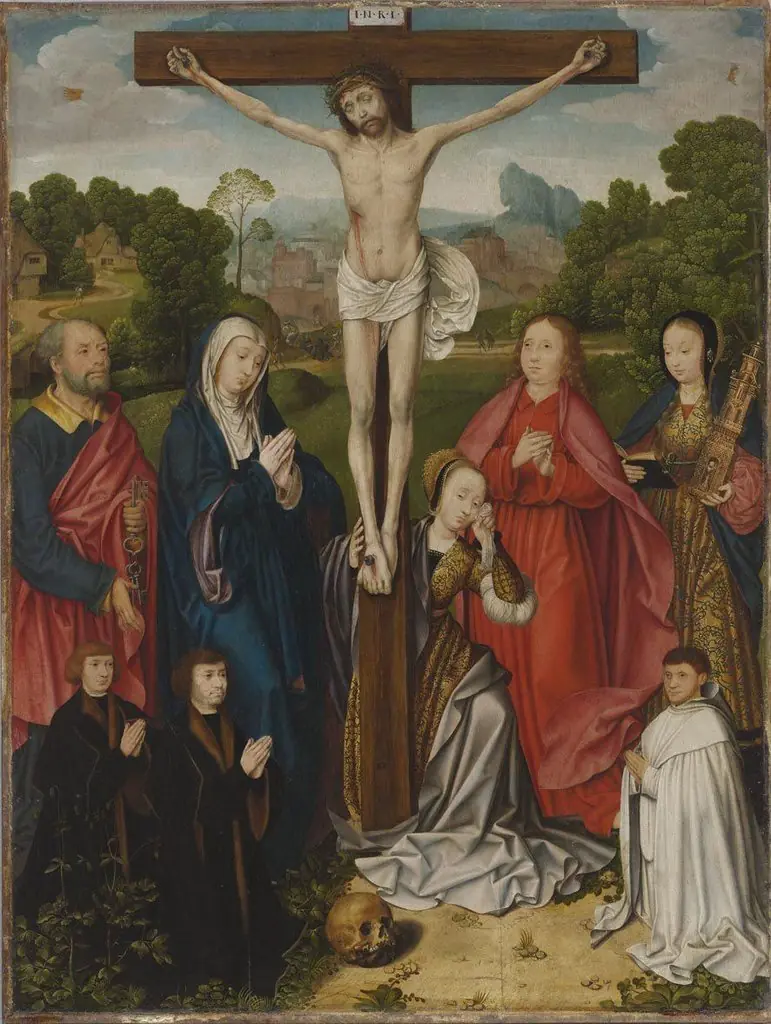 Christ on the cross with the saints Peter, Mary, Mary Magdalene, John the Evangelist and Barbara, with three donors
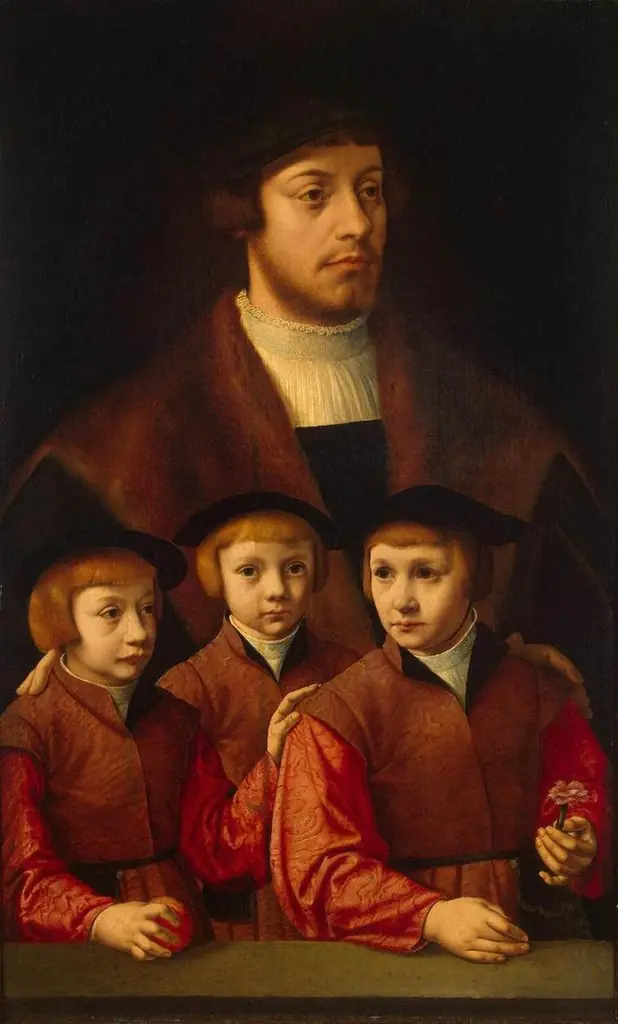 Portrait of a Man and His Three Sons
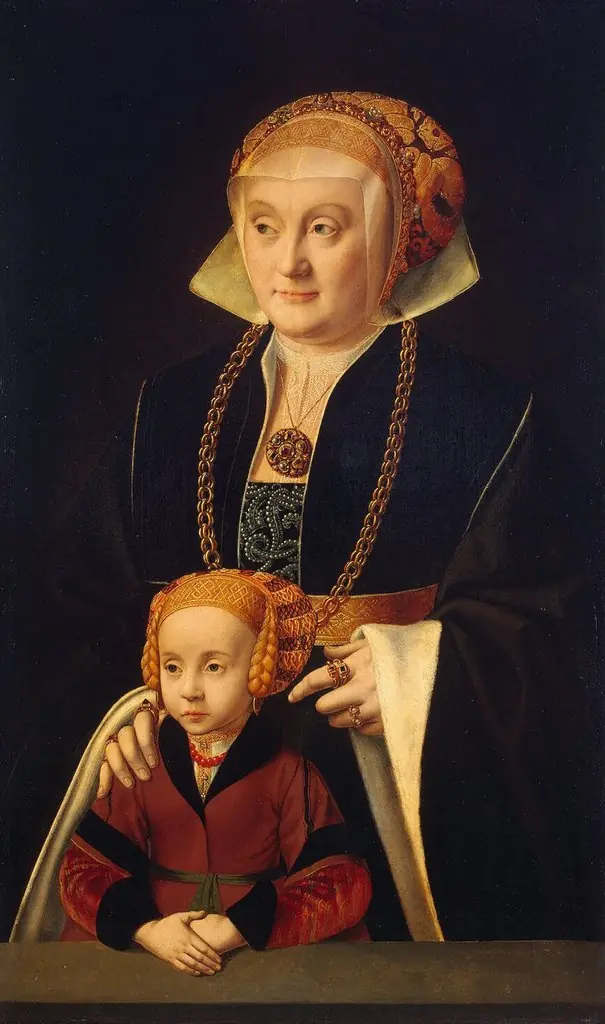 Portrait of a Lady and Her Daughter
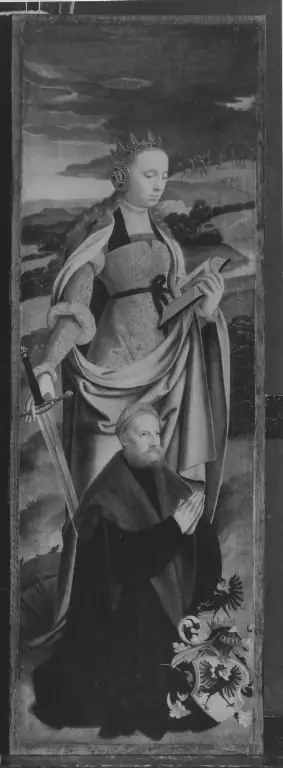 Rinck-Altar II:Saint Catherine with donor Hermann Rinck
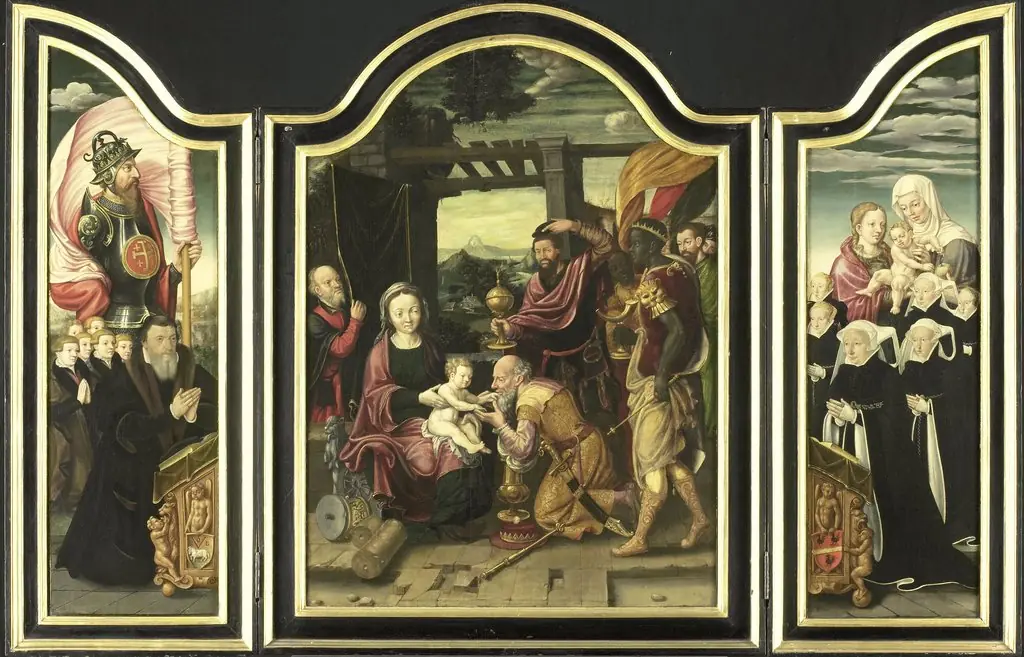 Triptych with the Adoration of the Magi
- Portrait of a Woman
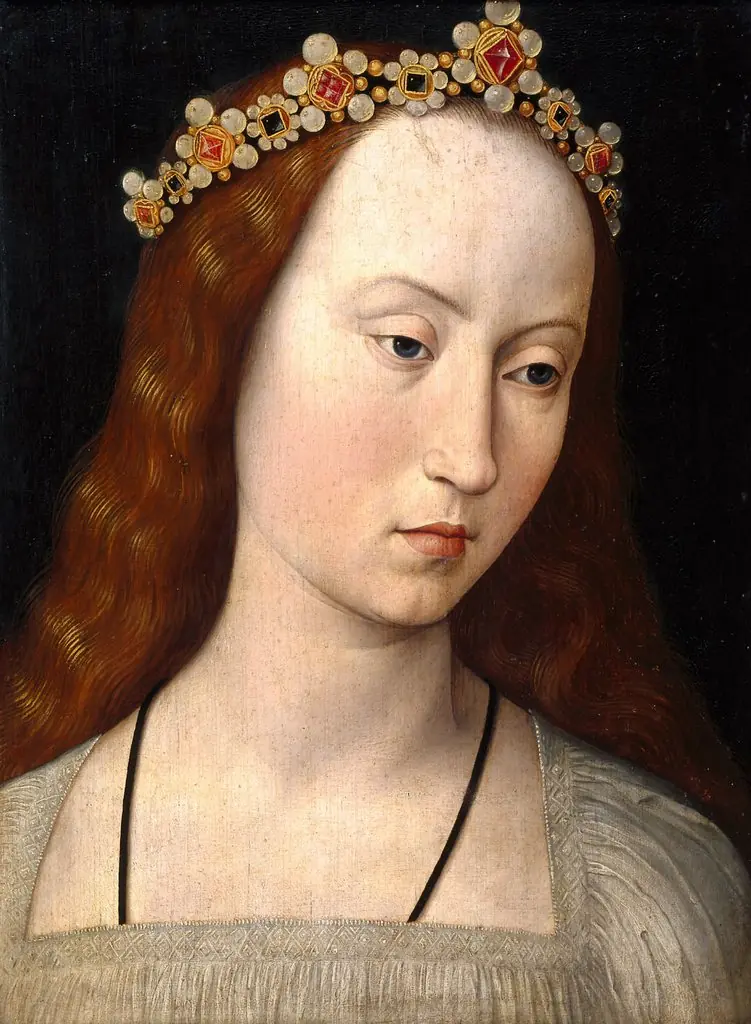 Mädchenkopf
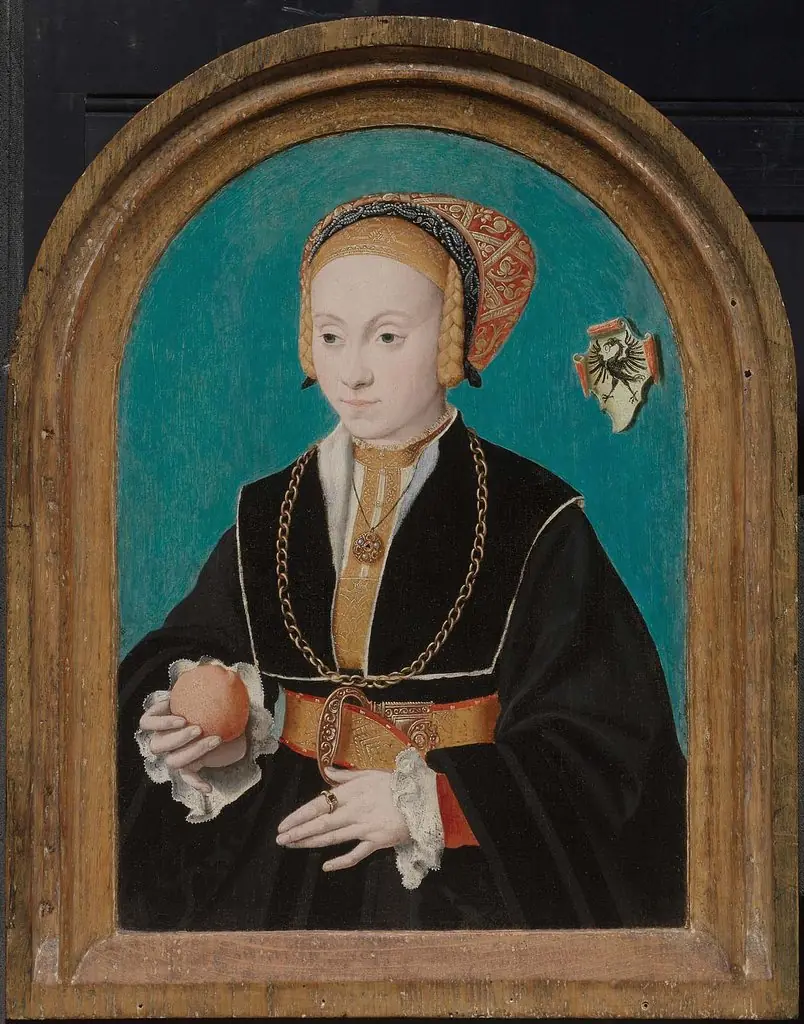 Margarethe von Aich (1517–1570)
 Portrait of a Nineteen-Year-Old Woman
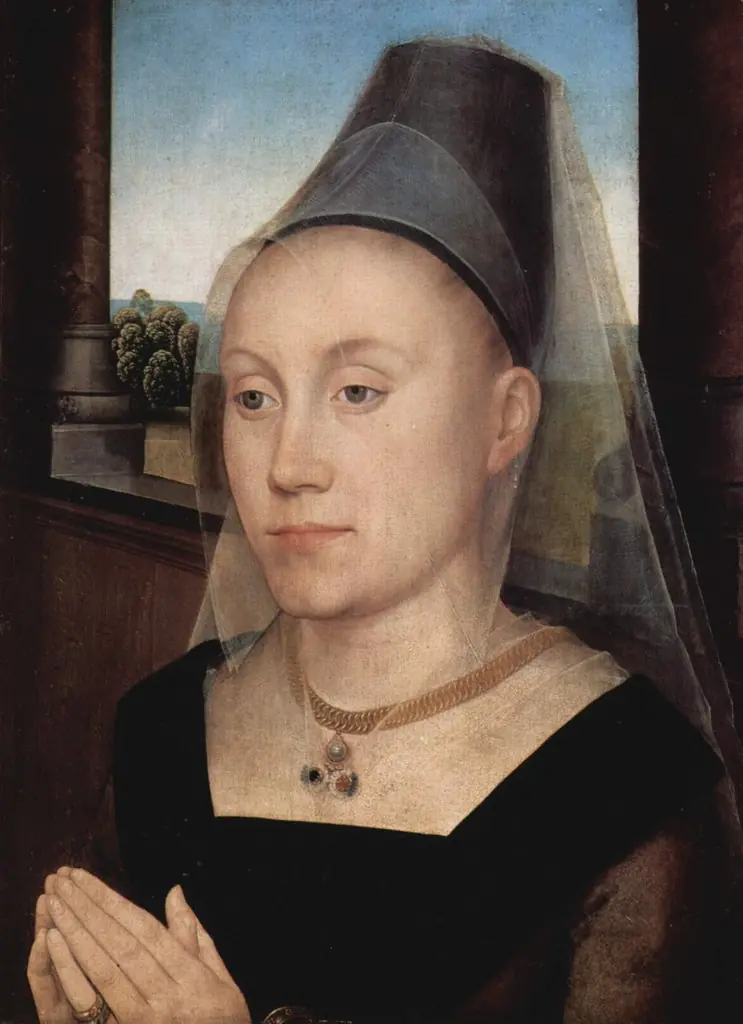 Portrait of Barbara van Vlaendenbergh
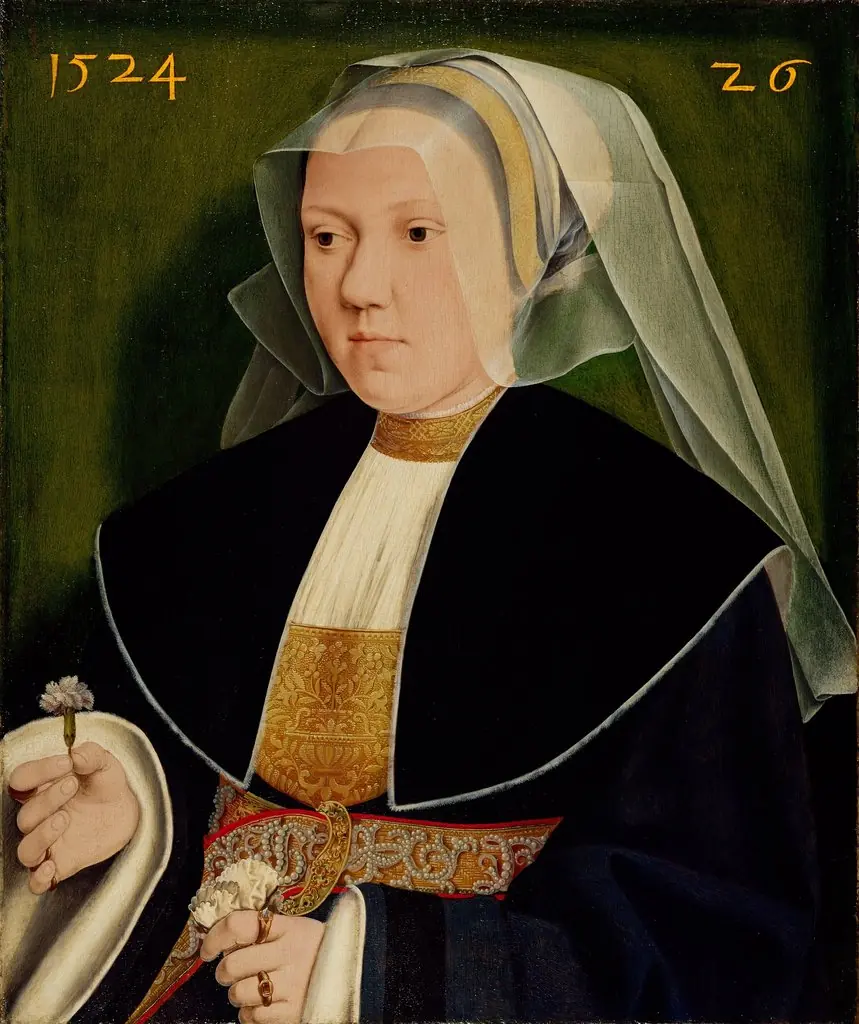 Portrait of Margaretha von Mochau, wife of Gerhard von Westerburg
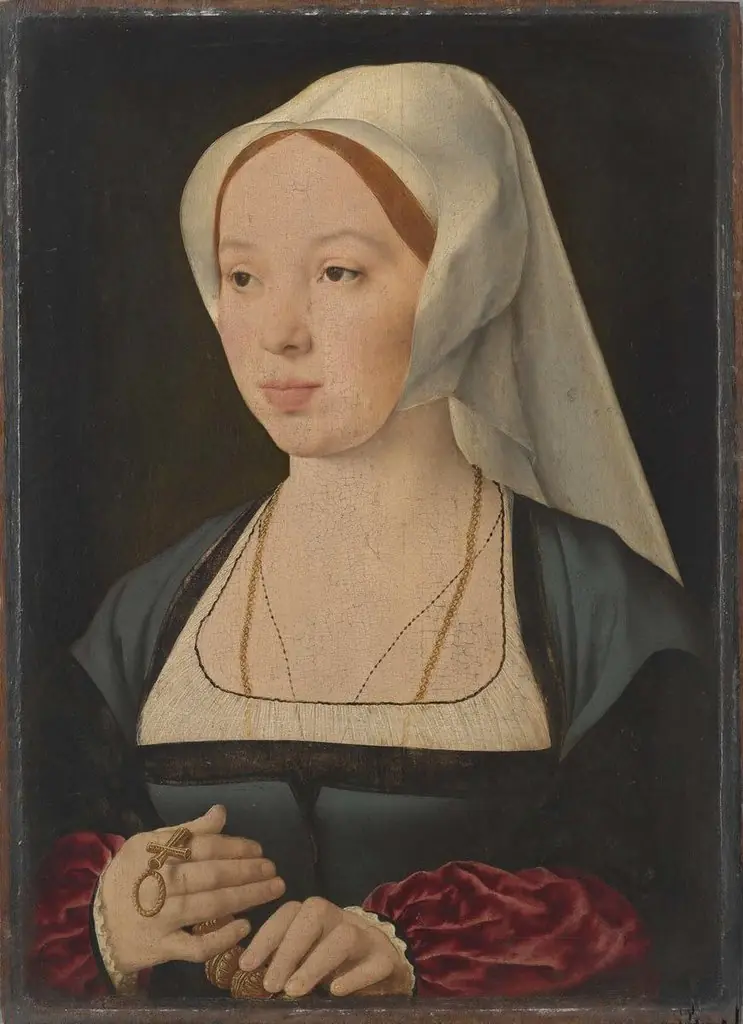 Portrait of a Lady
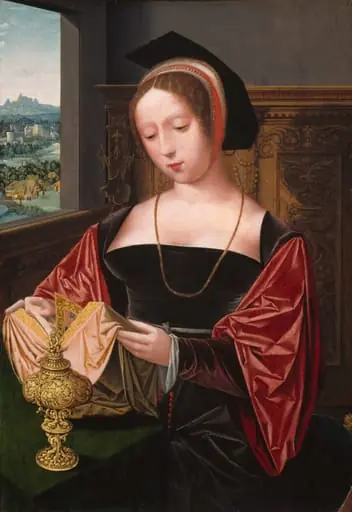 A Lady Reading (Saint Mary Magdalene)
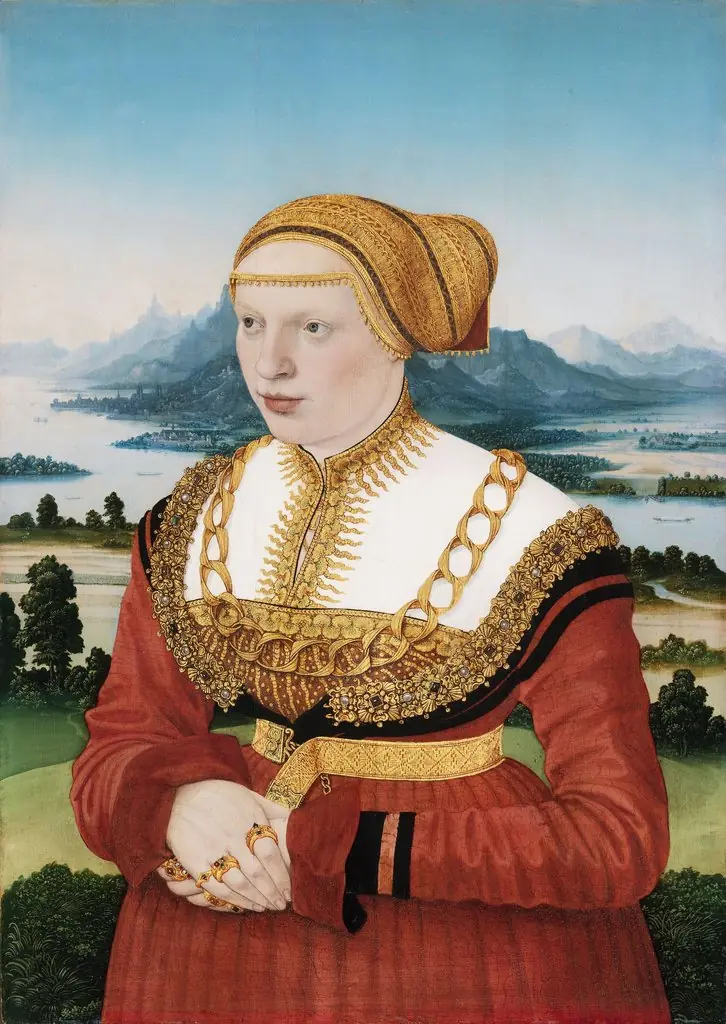 Portrait of Katherina Knoblauch (1513-1542)
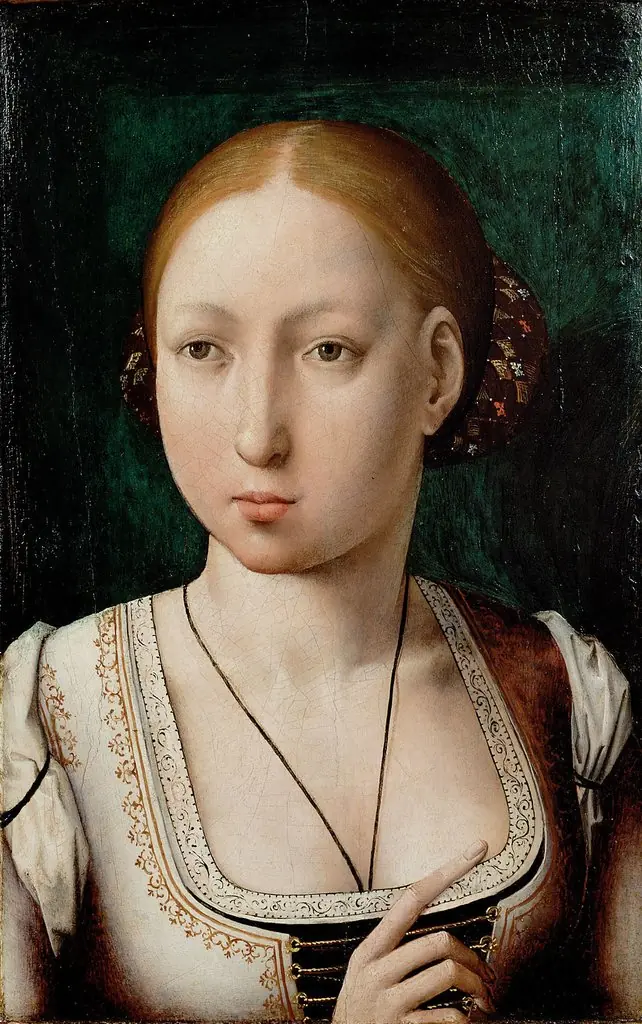 Portrait of Joan the Mad
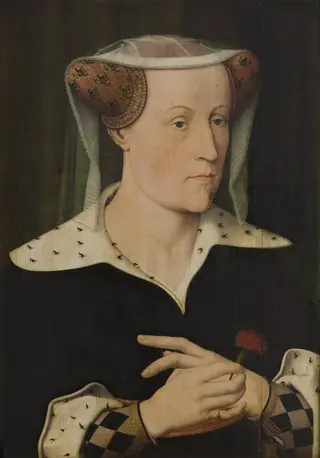 Jacoba of Bavaria, Countess of Holland and Zeeland
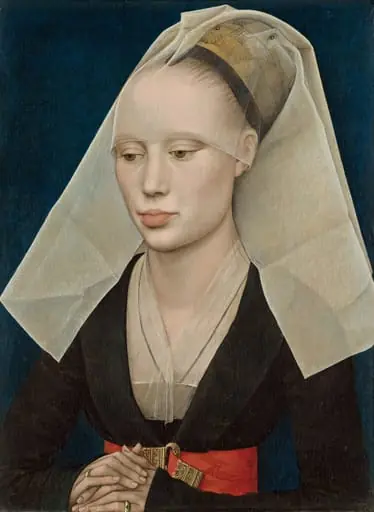 Portrait of a Lady