Artwork
The Betrayal of Christ
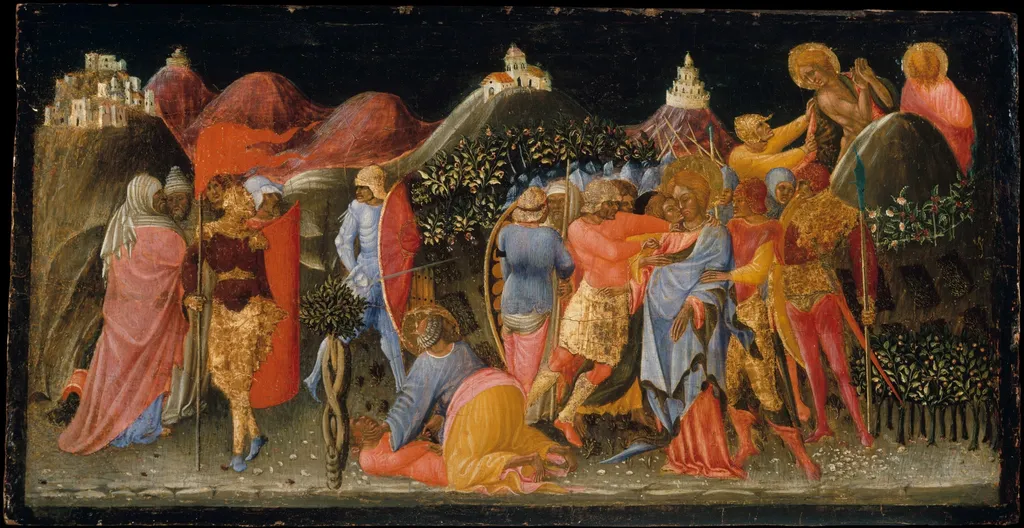
The Betrayal of Christ is a tempera painting by the Early Renaissance artist Bartolomeo di Tommaso. It dates from 1445 and is held in the collection of the Metropolitan Museum of Art.
About this work
Subject & Meaning
Its iconography centers on the apostle and Christ, underscoring themes of sacrifice and foreknowledge inherent in the Passion story.
The Betrayal of Christ depicts the moment of Jesus' arrest, identified as the main subject in the painting. The composition includes the figure of Christ alongside an apostle, highlighting the act of betrayal within a religious narrative. As a tempera work on panel created in 1445 by Bartolomeo di Tommaso, the piece belongs to the genre of religious art and was originally housed in the Metropolitan Museum of Art.
Its iconography centers on the apostle and Christ, underscoring themes of sacrifice and foreknowledge inherent in the Passion story.
Technique & Style
The Betrayal of Christ is executed in tempera on a wooden panel, measuring approximately 19.7 cm in height by 41 cm in width and dated to 1445;. The work, part of the Metropolitan Museum of Art collection, depicts the arrest of Jesus surrounded by apostles, a composition typical of early Renaissance religious painting. Its surface retains the matte finish characteristic of tempera, and the panel support provides a smooth, stable ground for the delicate pigment layers. No detailed condition report is available in the documented sources.
History & Provenance
The Betrayal of Christ, an oil-on-panel religious painting, was created in 1445 by the artist Bartolomeo di Tommaso. Executed in tempera on a wooden support, the work measures approximately 19.7 cm in height and 41 cm in width. The piece depicts the arrest of Jesus, featuring the central figures of Christ and an apostle.
While the specific details regarding its original commission or the complete chain of private ownership prior to its acquisition are not detailed in the available records, the work is currently held in the collection of the Metropolitan Museum of Art. The dating of 1445 aligns with the mid-15th-century production period of the artist, establishing its historical context within the Renaissance era of religious art.
Overview
Bartolomeo di Tommaso, an Italian artist from the Umbro-Sienese tradition, completed The Betrayal of Christ in 1445. This tempera painting captures a pivotal religious narrative from the early Renaissance period. It depicts the dramatic moment when Judas Iscariot identifies Jesus to the Roman soldiers, leading to his arrest. The work is now part of The Metropolitan Museum of Art's collection.
Artist & collection
Artist
Bartolomeo di Tommaso, also known as Bartolomeo da Foligno (born in Foligno, c. 1400, active by 1425, died 1453–54) was an Italian painter of the Umbro-Sienese school.

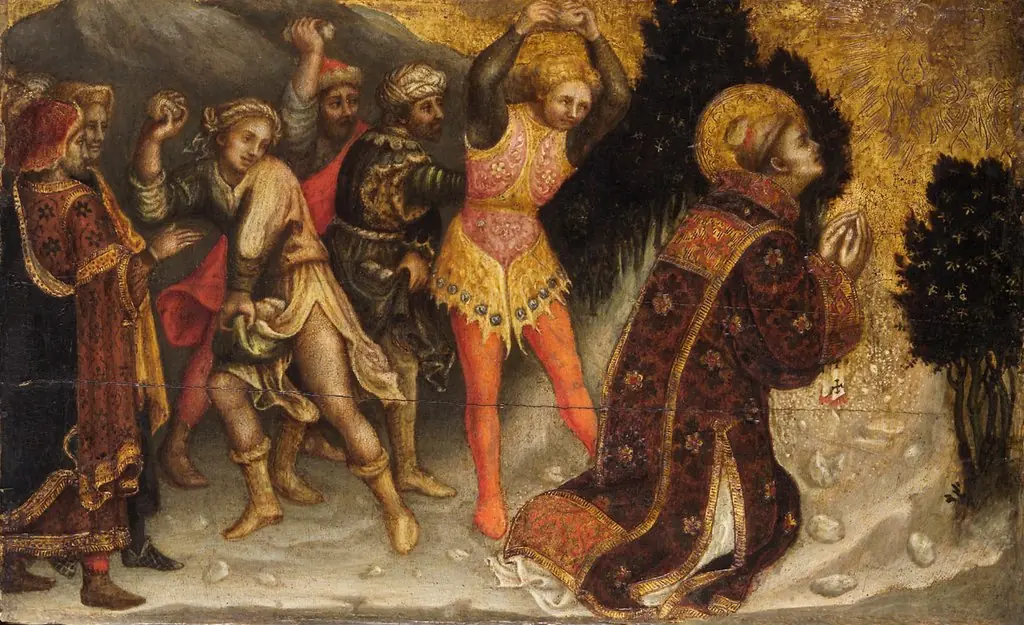 Stoning of St. Stephen
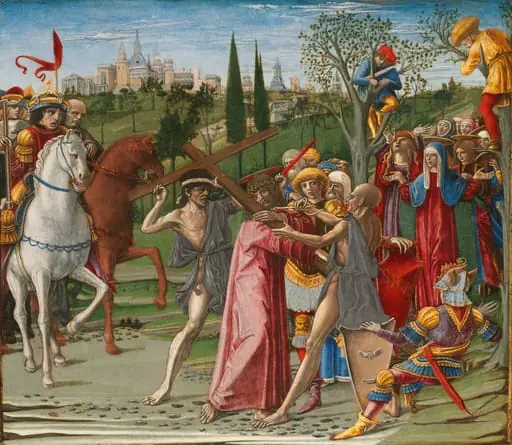 Christ Carrying the Cross
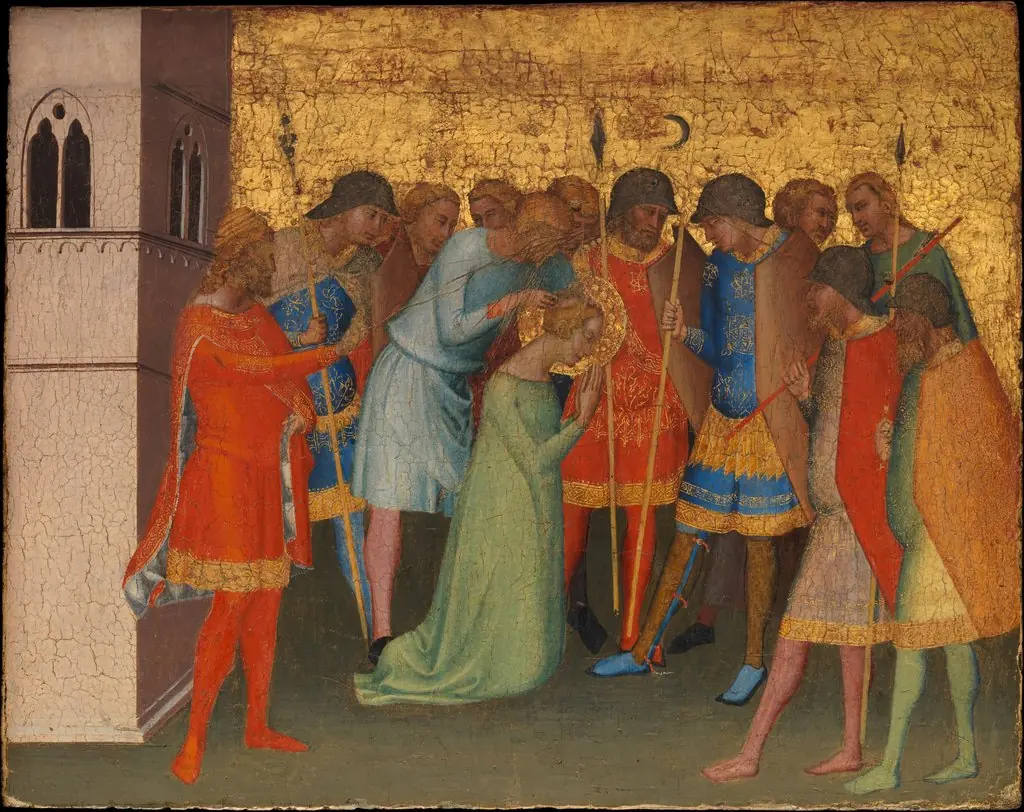 Saint Reparata Being Prepared for Execution
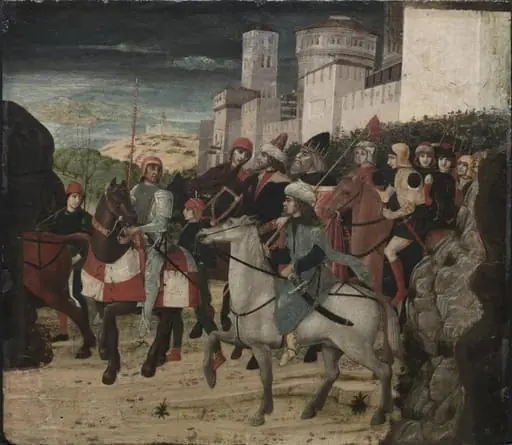 Procession of the Magi
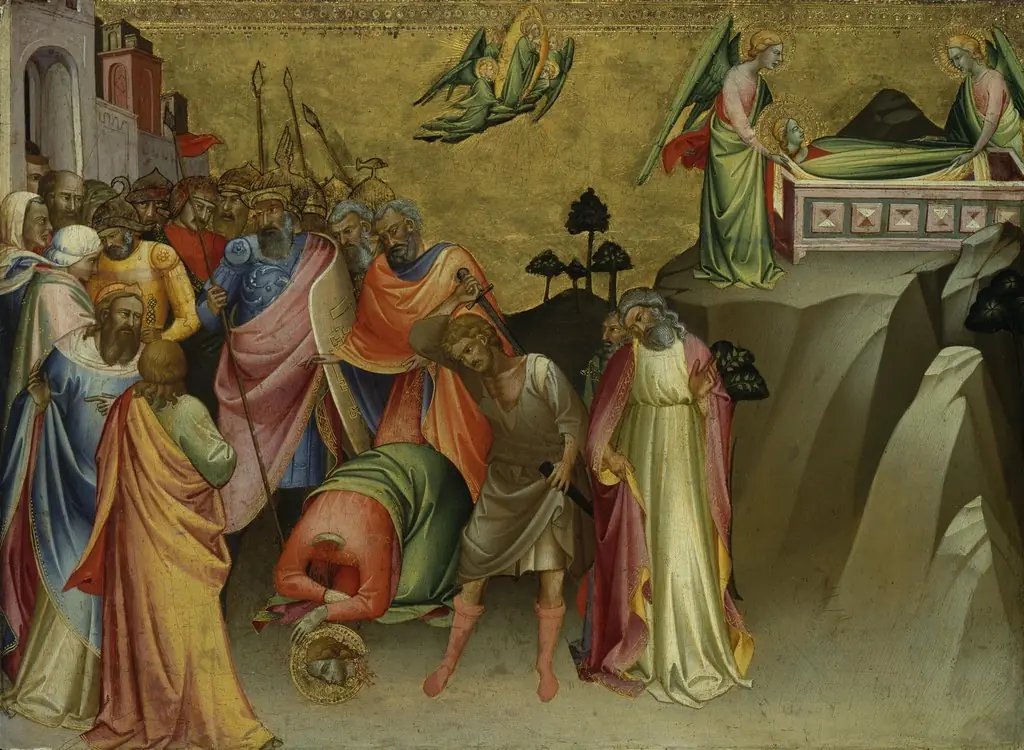 The Beheading of St. Catherine of Alexandria
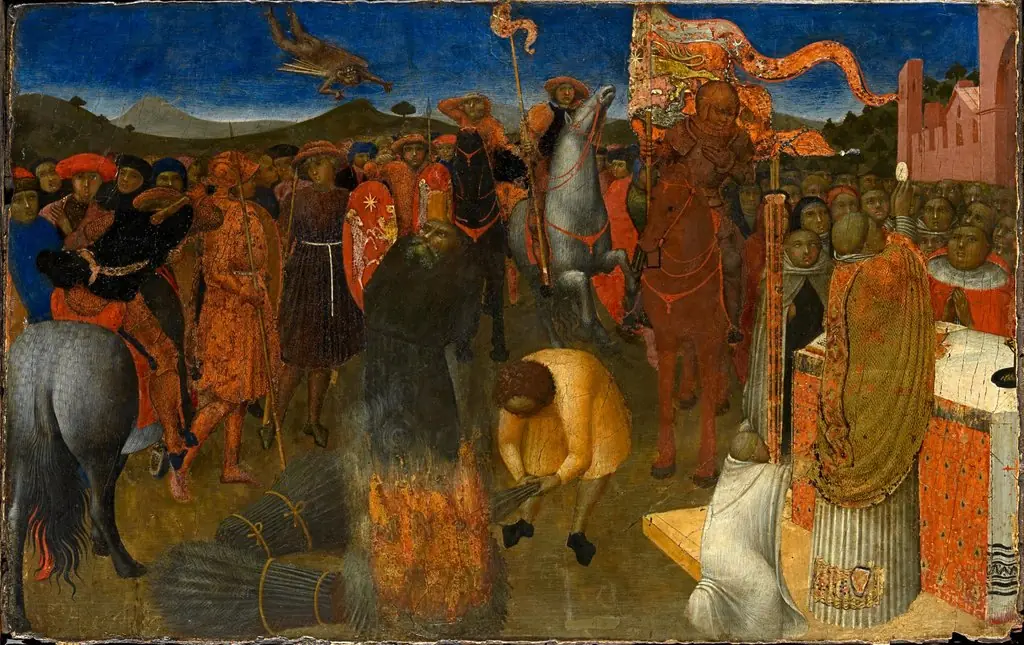 The burning of a heretic
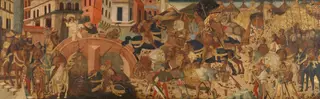 Horatius Cocles Defending the Sublician Bridge
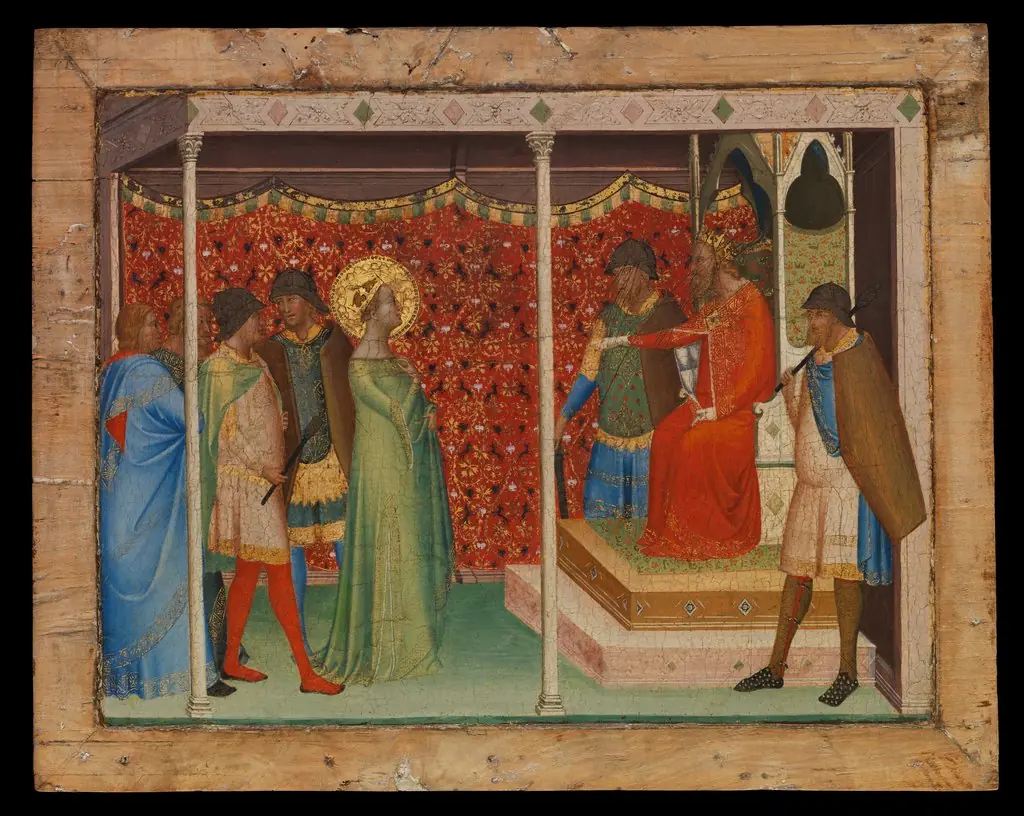 Saint Reparata before the Emperor Decius
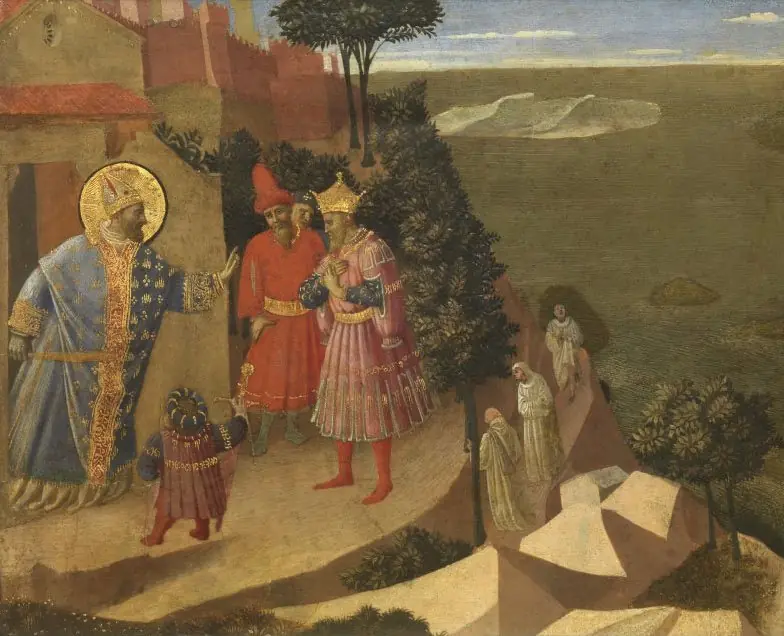 Saint Romuald Forbidding Entry to the Monastery to Emperor Otton III
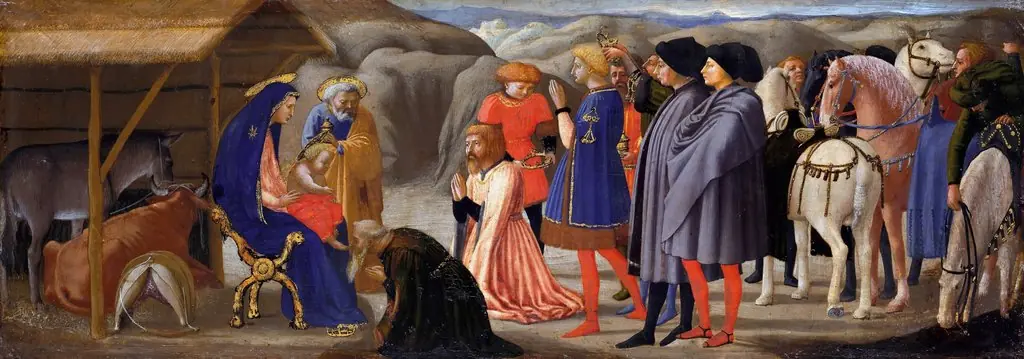 The Adoration of the Magi
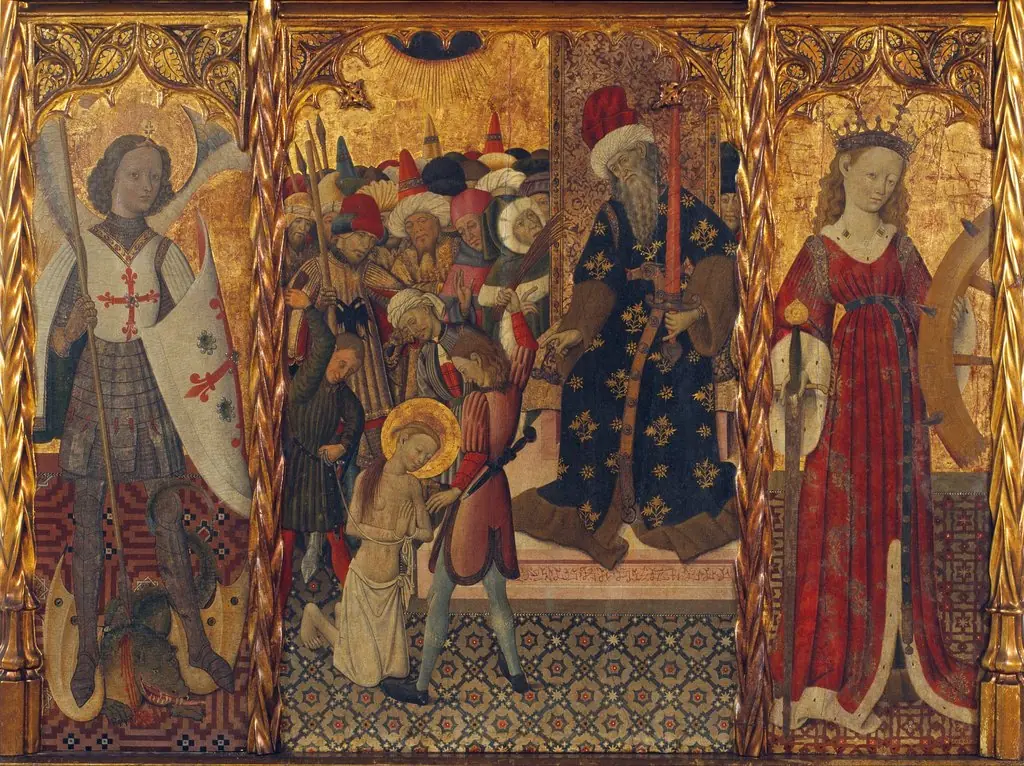 Saint Michael, Martyrdom of Saint Eulalia and Saint Catherine
- The Betrayal of Christ