Artwork
Leg of a gnat, highly magnified
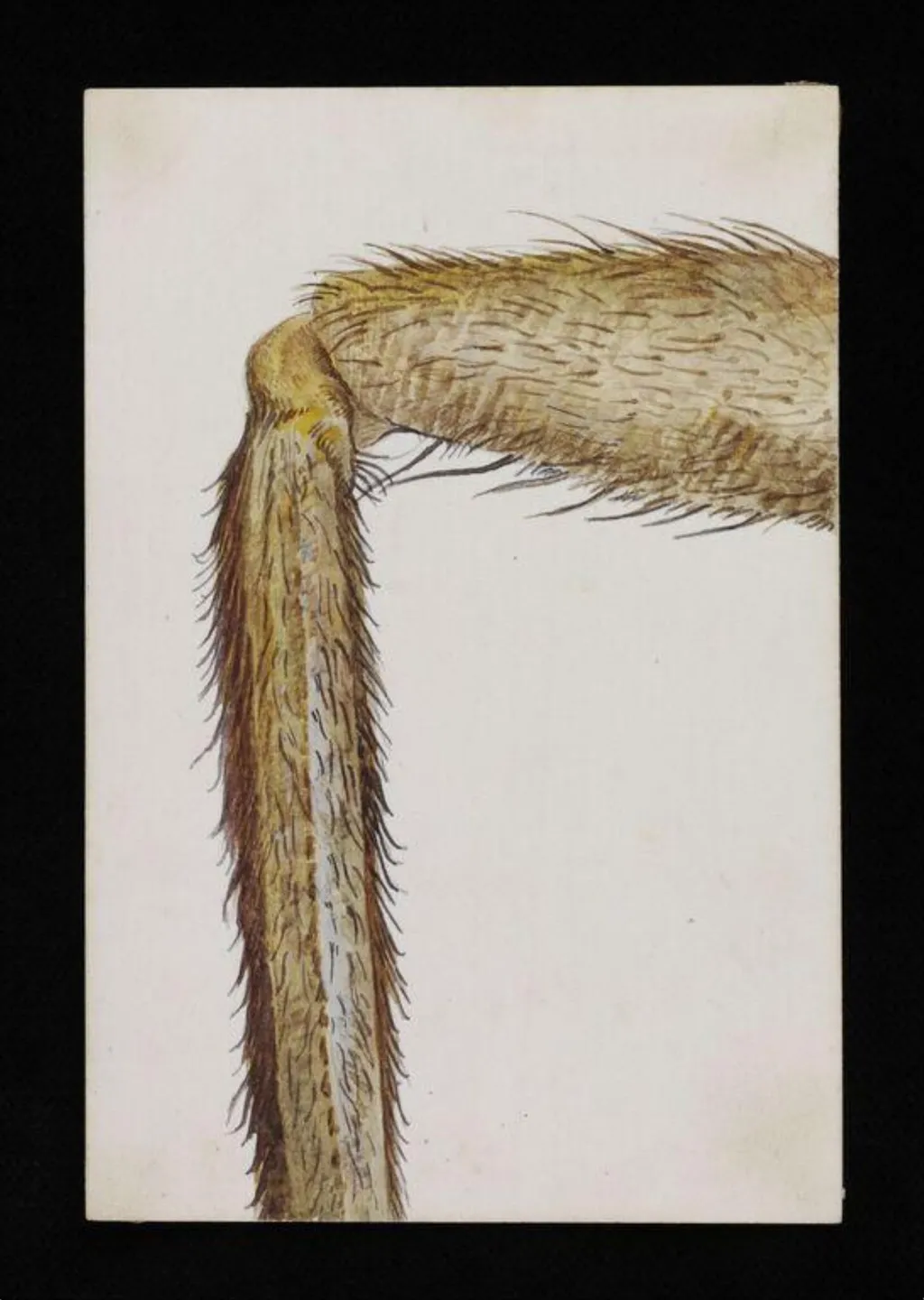
Leg of a gnat, highly magnified is a watercolor work on paper by the Impressionist artist Beatrix Potter. It dates from 7 and is held in the collection of the Victoria and Albert Museum. Created in 1886, this small watercolour depicts a gnat’s leg rendered at an extreme scale.
About this work
Beatrix Potter painted a watercolour called Leg of a gnat, highly magnified in 1886.
Beatrix Potter painted a watercolour called Leg of a gnat, highly magnified in 1886. It fits in the Impressionism and Realism movements. The Victoria and Albert Museum holds this small but precise study.
Potter kept many pets as a child. She sketched them in detail, even adding notes about their species. This gnat leg was part of that careful look at nature.
Look up the next: movement Impressionism, Realism.
Overview
Created in 1886, this small watercolour depicts a gnat’s leg rendered at an extreme scale. Executed in a precise, highly detailed manner, the work exemplifies Beatrix Potter’s early interest in scientific observation combined with the visual sensibilities of late‑nineteenth‑century art. The piece is part of the Victoria and Albert Museum’s collection.
Subject & Meaning
The drawing isolates a single insect limb, magnified far beyond its natural size, allowing the viewer to examine its structure and texture. By focusing on such a minute element, Potter underscores the complexity of even the smallest living forms, reflecting her lifelong fascination with natural history.
Technique & Style
Rendered in watercolour, the study balances fine line work with subtle washes, achieving a realistic rendering while retaining the loose, light‑filled qualities associated with Impressionism. The meticulous attention to anatomical detail aligns the piece with the realist tradition of scientific illustration.
History & Provenance
Beatrix Potter produced the work while still a teenager, during a period of intensive study of insects and other specimens using magnifying tools. The watercolour entered the Victoria and Albert Museum’s holdings in the early twentieth century, where it remains on display as part of the museum’s decorative arts collection.
Context
Potter’s childhood involved keeping a variety of pets and collecting natural specimens, activities that cultivated her observational skills. Her visits to the Natural History Museum and personal cabinet of insects informed the quasi‑scientific approach evident in this study, bridging art and taxonomy.
Own this work as a print
Artist & collection
Artist
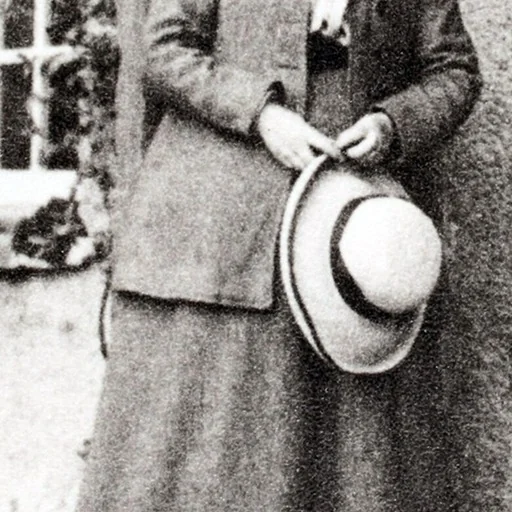
Helen Beatrix Heelis (née Potter; 28 July 1866 – 22 December 1943), usually known as Beatrix Potter ( BEE-ə-triks), was an English writer, illustrator, natural scientist, and conservationist.

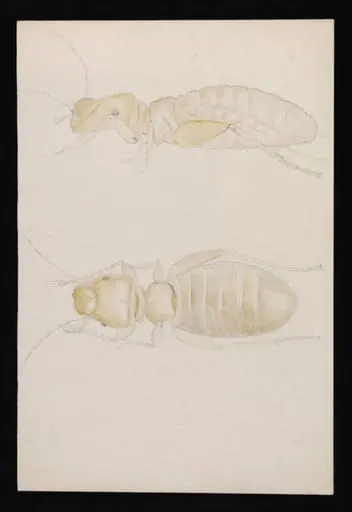
- Ecorche drawing of a dog's leg
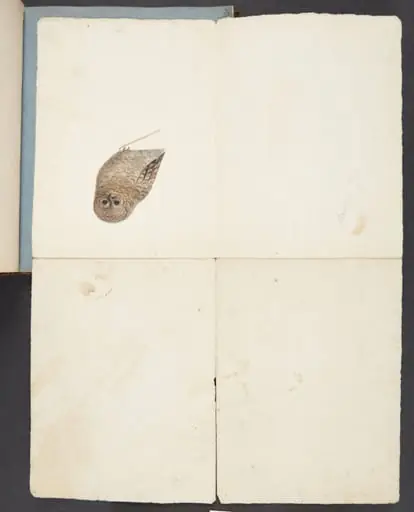 Studie af ugle
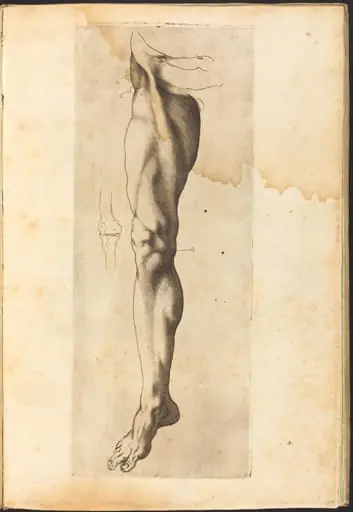 Print from Drawing Book
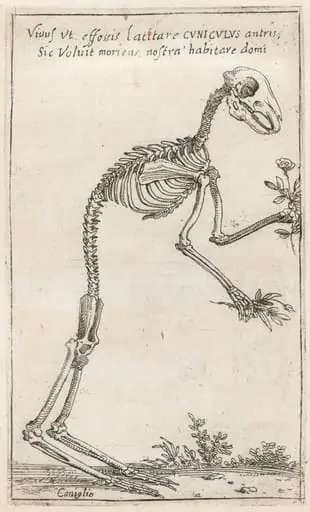 Skeleton of a Rabbit
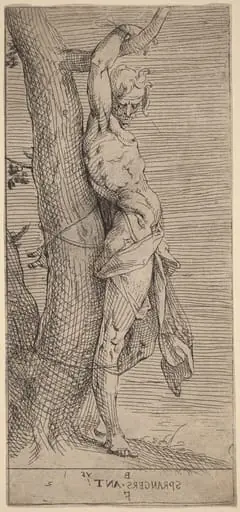 St. Sebastian, Bound to a Tree
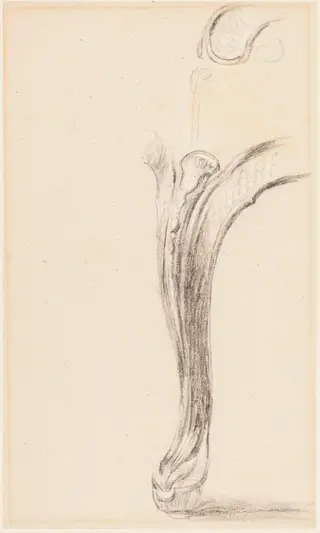 Study of a Chair Leg
 Studiu de peisaj. În prim-plan, iarbă colorată în culorile toamnei (verde, ocru, roșu, indigo). În plan îndepărtat, un gard negru, în spatele căruia se observă culoarea roșie reflectorizantă, indigo și albastru spre marginea de sus. Tușe surte care agită suprafața. Disonanță cromatică. Semnat cu indigo, dreapta jos: Victor M. Craiu.
 Pyrgoteles
 Dagger Sheath with Gentleman Holding a Parrot
 Ornament for Knife Handle
 A Lock
 Portret (Criticul Francisc Sarcey)