Subject
Fur
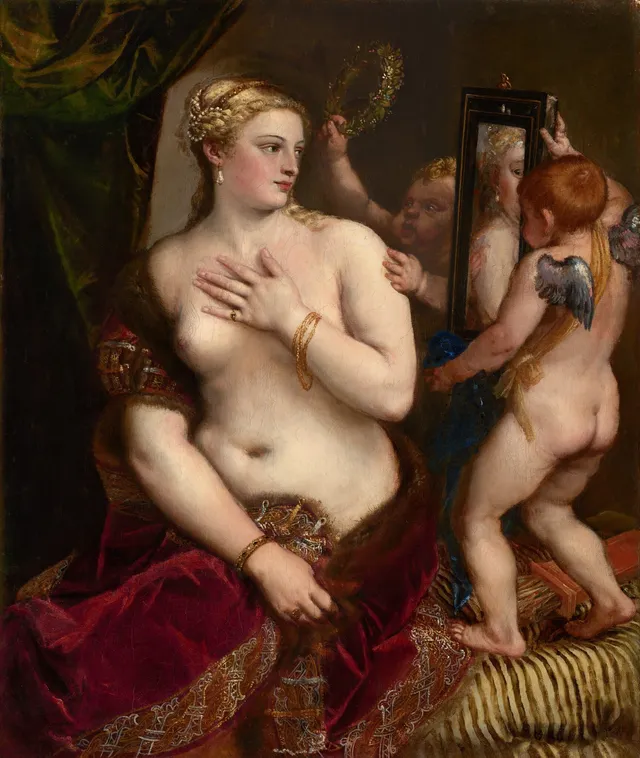
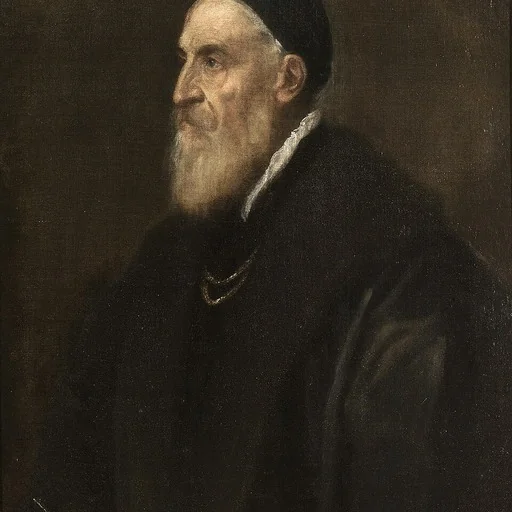
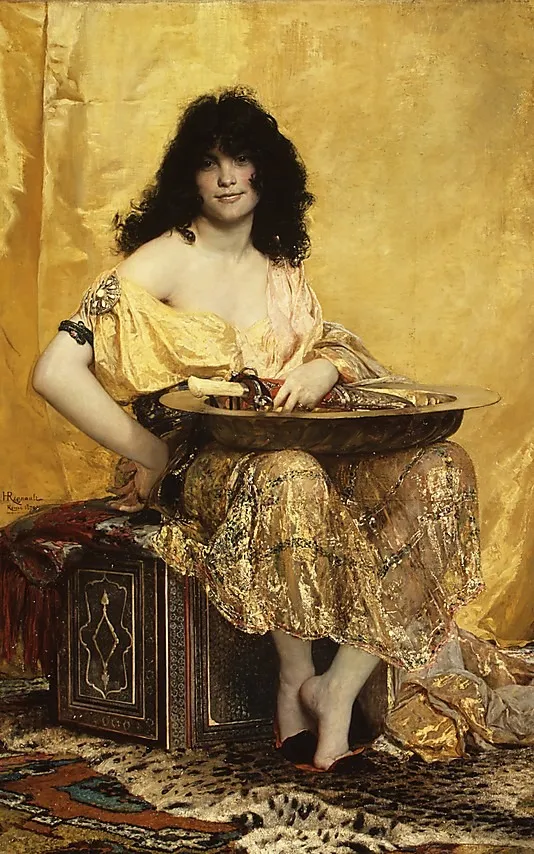
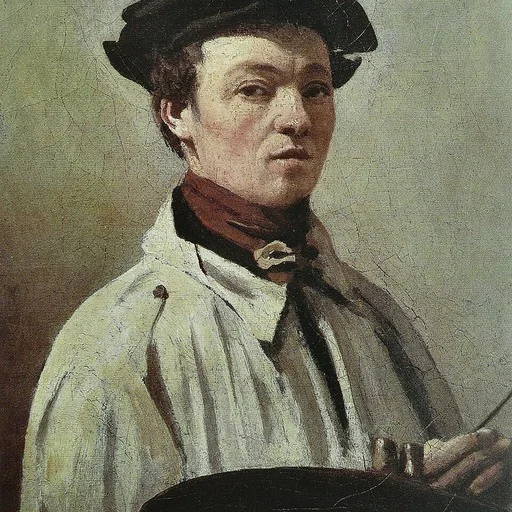
Fur is a subject in art. The gallery holds 43 works in this subject in art, including works by Titian, Jean Baptiste Camille Corot and Henri Regnault.
A fur is a soft, thick growth of hair that covers the skin of almost all mammals. It consists of a combination of oily guard hair on top and thick underfur beneath.
Key artists
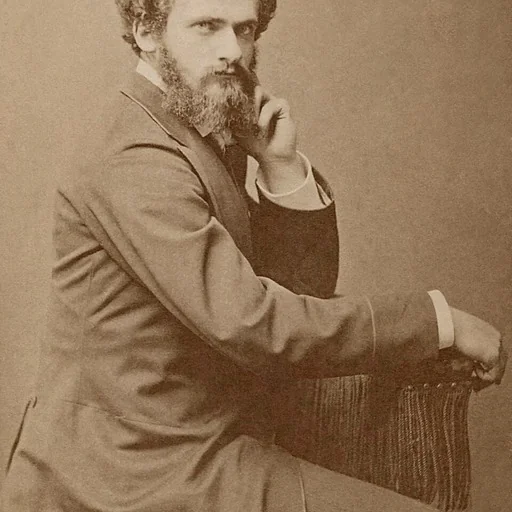

Overview
Fur, the dense coat of hair that covers the skin of most mammals, has served as a recurring motif in art for millennia, appearing in at least 43 works in the collection under discussion. Composed of oily guard hairs atop thick underfur, fur functions biologically as thermoregulation, protection, camouflage, and sensory apparatus in animals. In artistic representation, fur transcends its zoological reality to become a vehicle for expressing texture, luxury, sensuality, status, and the boundary between civilization and nature. Artists have depicted fur in diverse contexts: draped over mythological figures, adorning portraits of the wealthy, signifying wildness or eroticism, and even transformed into surreal objects that challenge perception. The motif appears across paintings, sculptures, and digital media, demonstrating remarkable versatility in conveying both surface realism and deeper symbolic meaning.
Iconography & meaning
The iconography of fur in art carries multiple layers of significance. As clothing or accessory, fur historically denoted wealth, status, and power, since genuine fur required expensive sourcing and craftsmanship. In religious and mythological contexts, fur could signify penitence, asceticism, or connection to the animal world, as seen in depictions of John the Baptist or hermit saints wearing animal skins. Conversely, fur-lined garments on courtesans or mythological figures like Venus suggested sensuality and tactile pleasure. The texture of fur allows artists to demonstrate technical mastery in rendering complex surfaces, creating visual contrast against smooth skin, polished metal, or fine fabrics. In the 20th century, fur acquired new meanings through Surrealist intervention, where its unexpected application to everyday objects generated psychological dissonance. The material's associations with animality, domesticity, luxury, and the erotic could be mobilized to challenge rational expectations and provoke subconscious responses. Fur's capacity to signify both civilization (as refined garment) and wildness (as animal pelt) makes it a potent site for exploring human-animal boundaries.
Across movements & periods
The treatment of fur in art has evolved significantly across periods and movements. In Renaissance and Baroque painting, artists developed sophisticated techniques for depicting fur's complex texture through layered glazes and precise brushwork, using it to showcase virtuosity and to clothe religious, mythological, and aristocratic subjects in garments that proclaimed wealth. Dutch Golden Age portraiture particularly excelled in rendering fur collars and trim as markers of bourgeois prosperity. The 19th century saw continued academic attention to fur's realistic depiction, particularly in history painting and Orientalist scenes where exotic furs enhanced narrative atmosphere. The radical break came with Surrealism in the 1930s, when Meret Oppenheim's Object (Le Déjeuner en fourrure) of 1936 displaced fur from representation to actual material, covering a purchased teacup, saucer, and spoon with Chinese gazelle fur to create tactile and conceptual paradox. This transformation of fur from depicted subject to sculptural medium marked a fundamental shift. Contemporary practice has further expanded fur's possibilities, with digital artists such as Murat Yıldırım reimagining canonical paintings by replacing brushstrokes with simulated fur textures, creating novel interpretations of works by Van Gogh, Munch, Monet, da Vinci, Dalí, and Vermeer.
Notable depictions
Among the most significant artistic engagements with fur, Meret Oppenheim's Object (Le Déjeuner en fourrure) of 1936 stands as the paradigmatic modern example. Created when the artist was nearly 23, following a conversation with Pablo Picasso and Dora Maar at a Paris café, the work consists of a mass-produced teacup, saucer, and spoon purchased from Monoprix and covered with the speckled tan fur of a Chinese gazelle. André Breton renamed the piece with reference to Manet's Le Déjeuner sur l'herbe and Leopold von Sacher-Masoch's Venus in Furs. Exhibited first at the Galerie Charles Ratton in Paris, then at the London International Surrealist Exhibition, and subsequently at MoMA's 1936-37 Fantastic Art, Dada, Surrealism exhibition, it was acquired by Alfred H. Barr, Jr. for MoMA in 1946, where it remains under accession number 130.1946.a-c. The work's notoriety caused Oppenheim lasting difficulties, leading her to produce ironic 'souvenirs' of the piece in 1972. In the digital realm, Murat Yıldırım's Furry Artworks project reinterprets masterpieces including The Starry Night, The Scream, Impression, Sunrise, The Mona Lisa, The Persistence of Memory, and The Girl with the Pearl Earring through simulated fur textures, with the artist noting particular challenge and satisfaction in rendering Van Gogh's swirling brushstrokes in directional fur.
Legacy
The legacy of fur in art extends from technical demonstration to conceptual provocation and digital reinvention. Oppenheim's Object achieved canonical status as what visitors to MoMA identified as 'the quintessential Surrealist object,' generating responses ranging from rage to delight according to Barr's contemporary account. Its influence persists in subsequent art that employs unexpected material juxtapositions to challenge functional and categorical boundaries. The work also exemplifies broader debates about gender in Surrealism, as scholars have analyzed how Oppenheim's transformation of a domestic, feminized object through animal fur complicated assumptions about feminine refinement. More recently, digital artists have extended fur's artistic life through computational means, with Yıldırım's project explicitly framing itself within traditions of artistic imitation that pay homage while innovating. The tension between fur's associations, luxury and ethics, nature and culture, touch and repulsion, continues to animate contemporary practice. Meanwhile, the collection's 43 works demonstrate the motif's enduring hold on artistic imagination across centuries, from dismissible detail to central subject, from realistic rendering to conceptual material, fur maintains its capacity to engage viewers through the complex interplay of visual, tactile, and symbolic registers.
Works
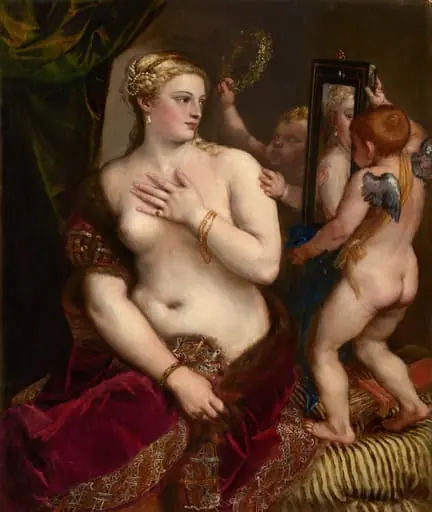 Venus with a Mirror
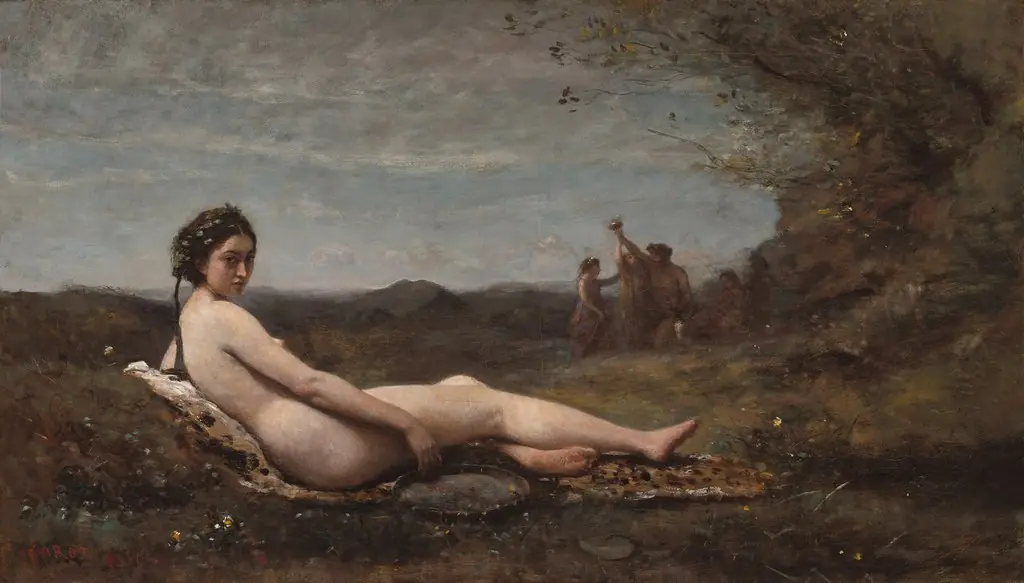 The Repose
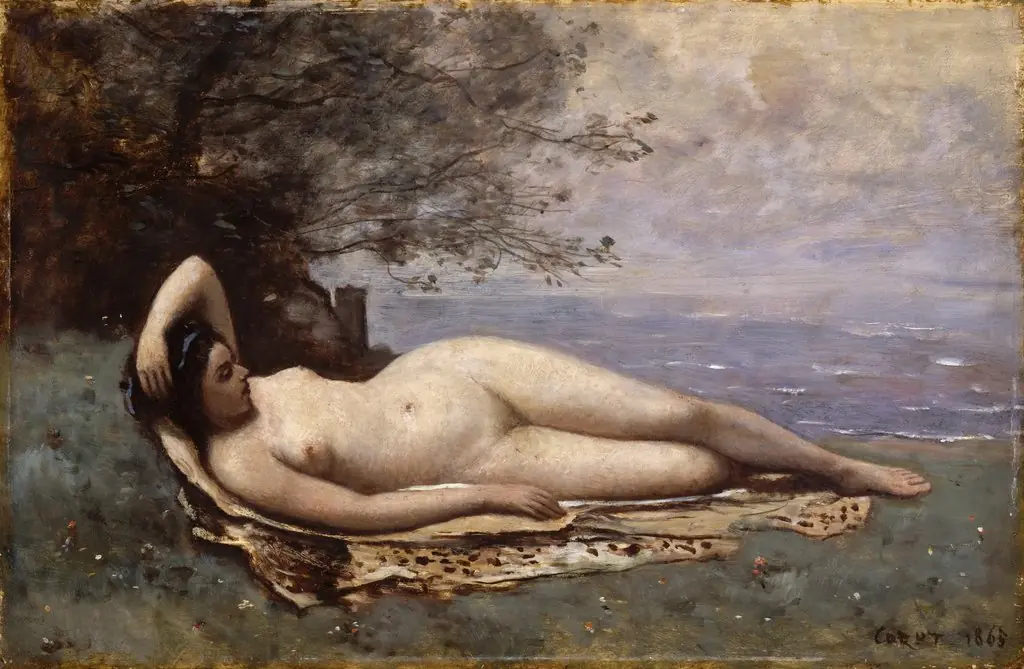 Bacchante by the Sea
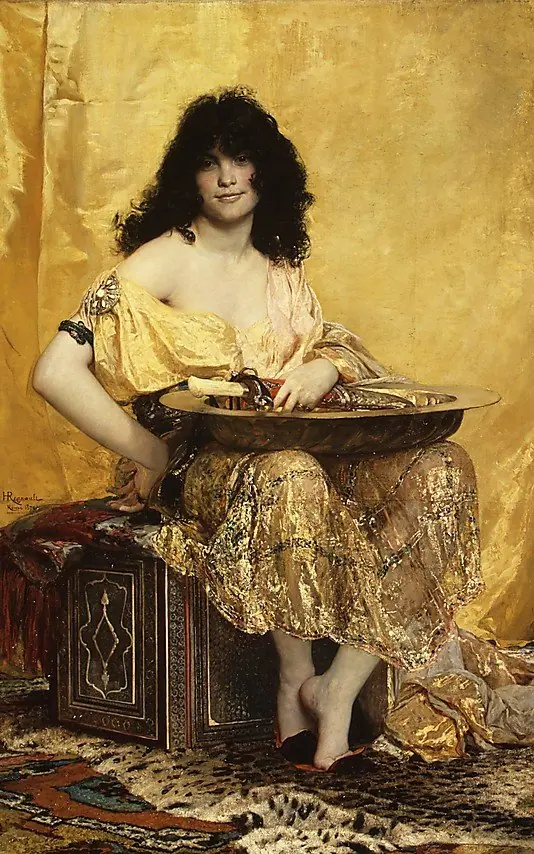 Salome
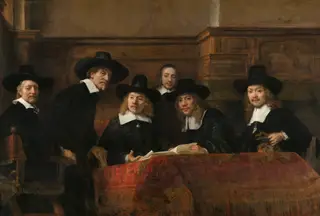 Syndics of the Drapers' Guild
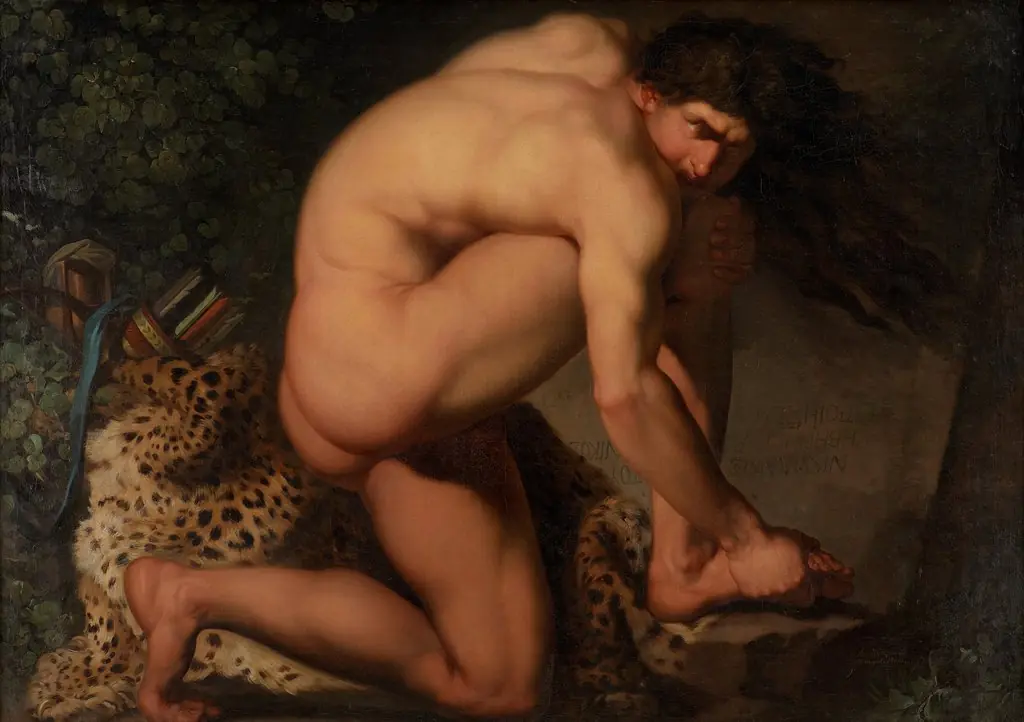 The Wounded Philoctetes
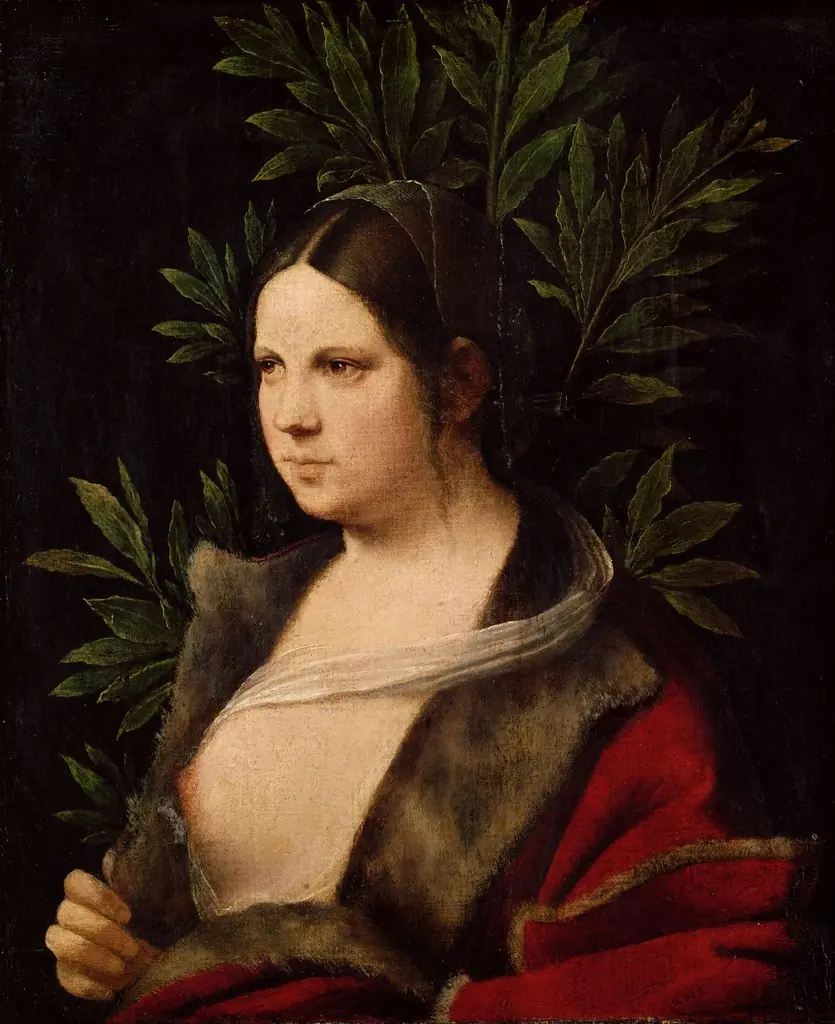 Laura
Laura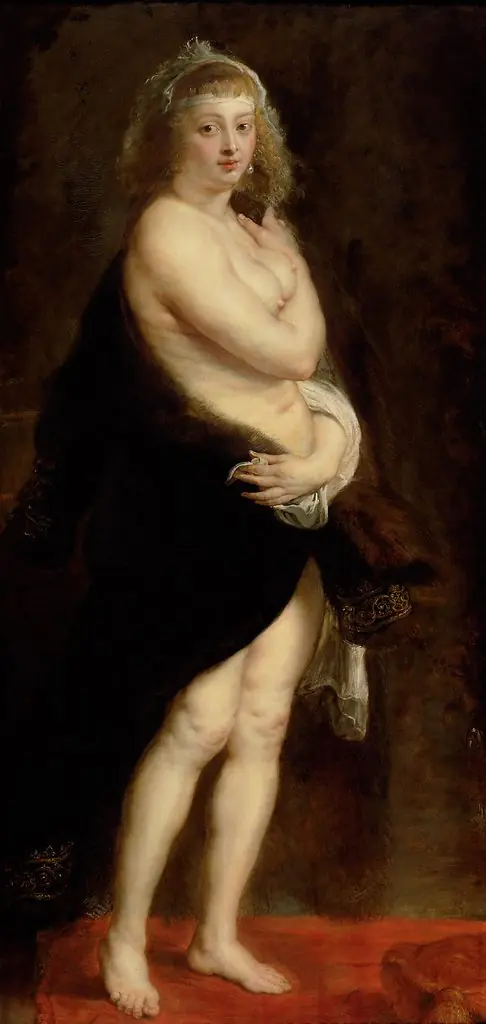 Helena Fourment in a Fur Robe
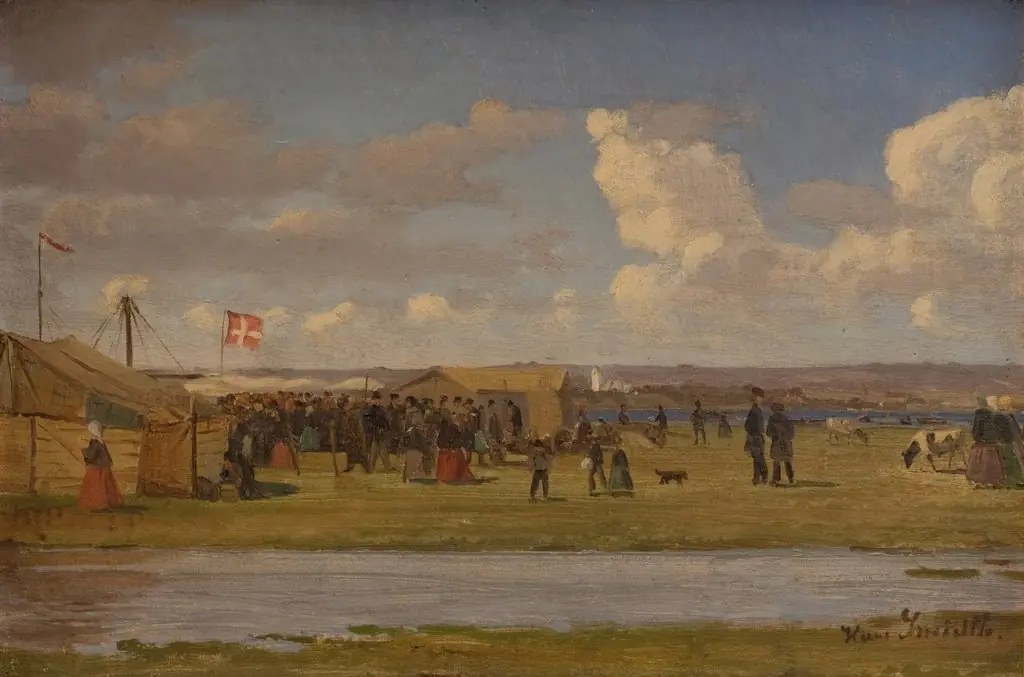 Fur marked
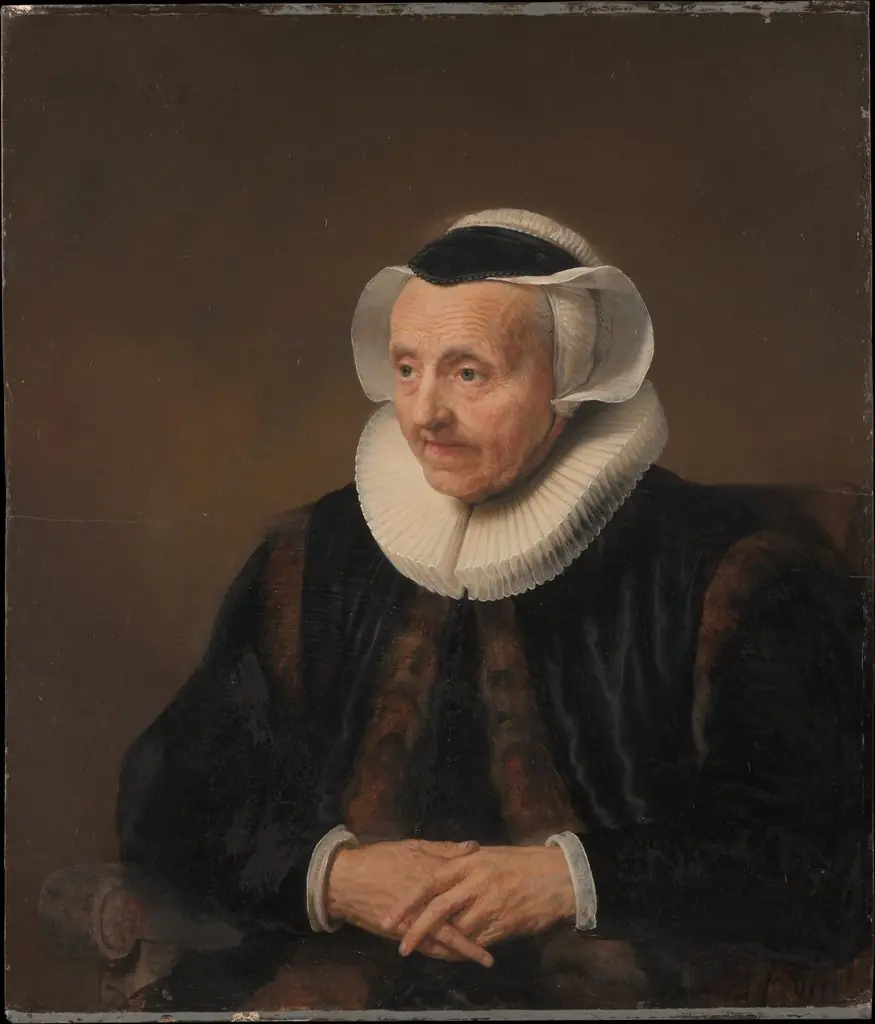 Portrait of an Old Woman
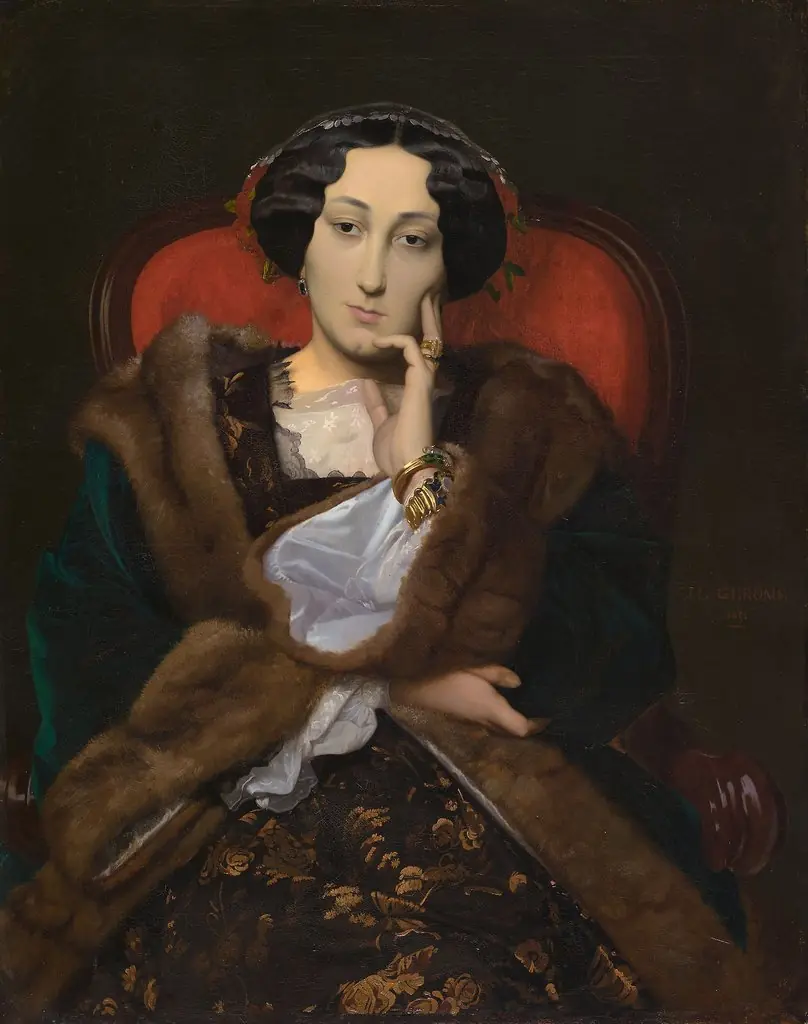 Portrait of a Woman
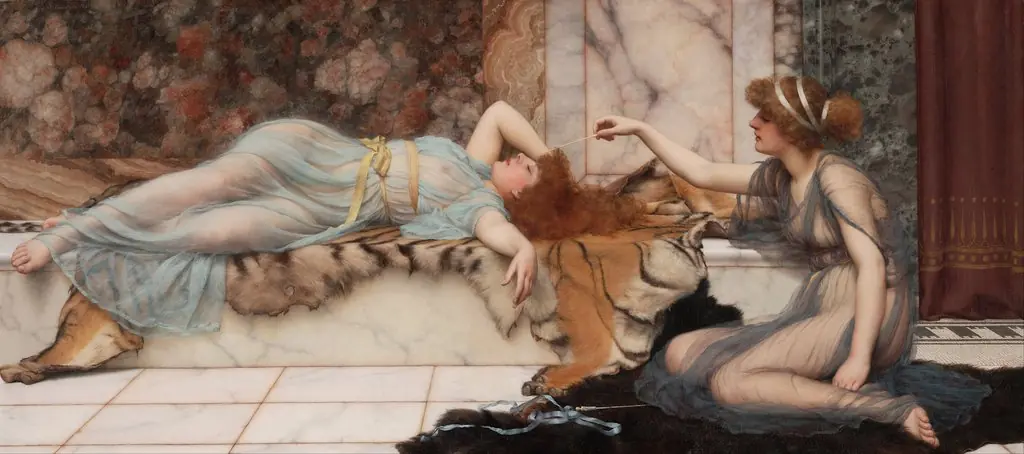 Mischief and Repose
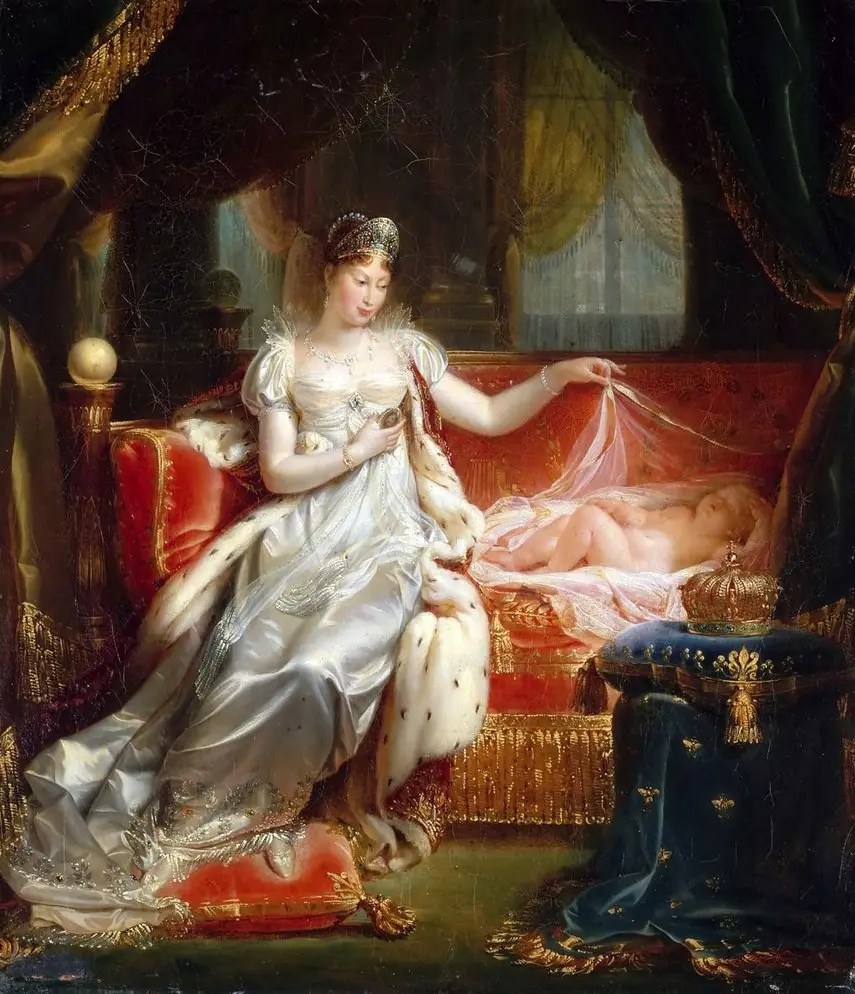 The Empress Marie-Louise watching over the sleep of the King of Rome
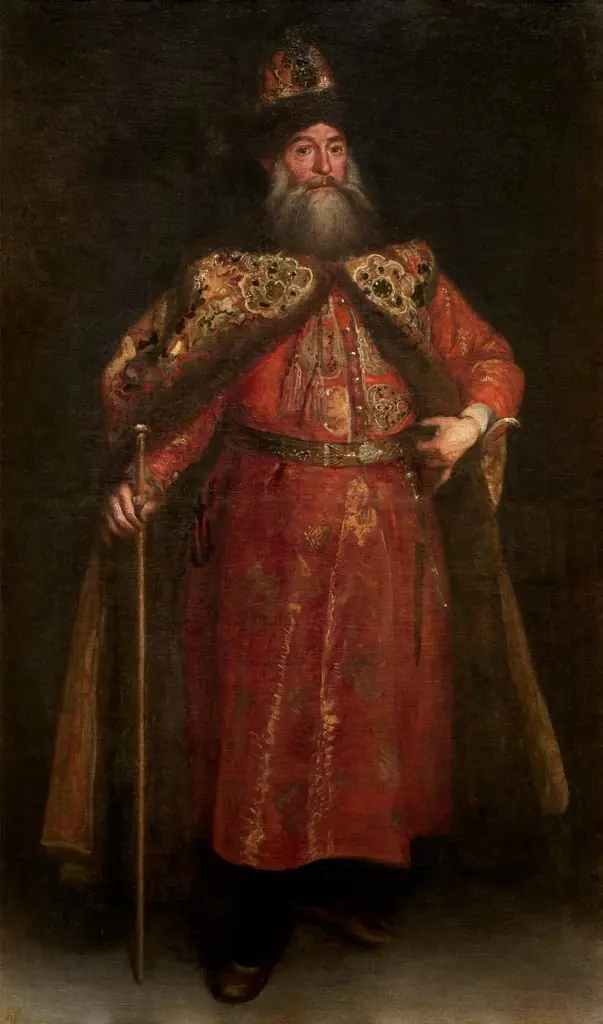 Peter Ivanowitz Potemkin, The Russian Ambassador
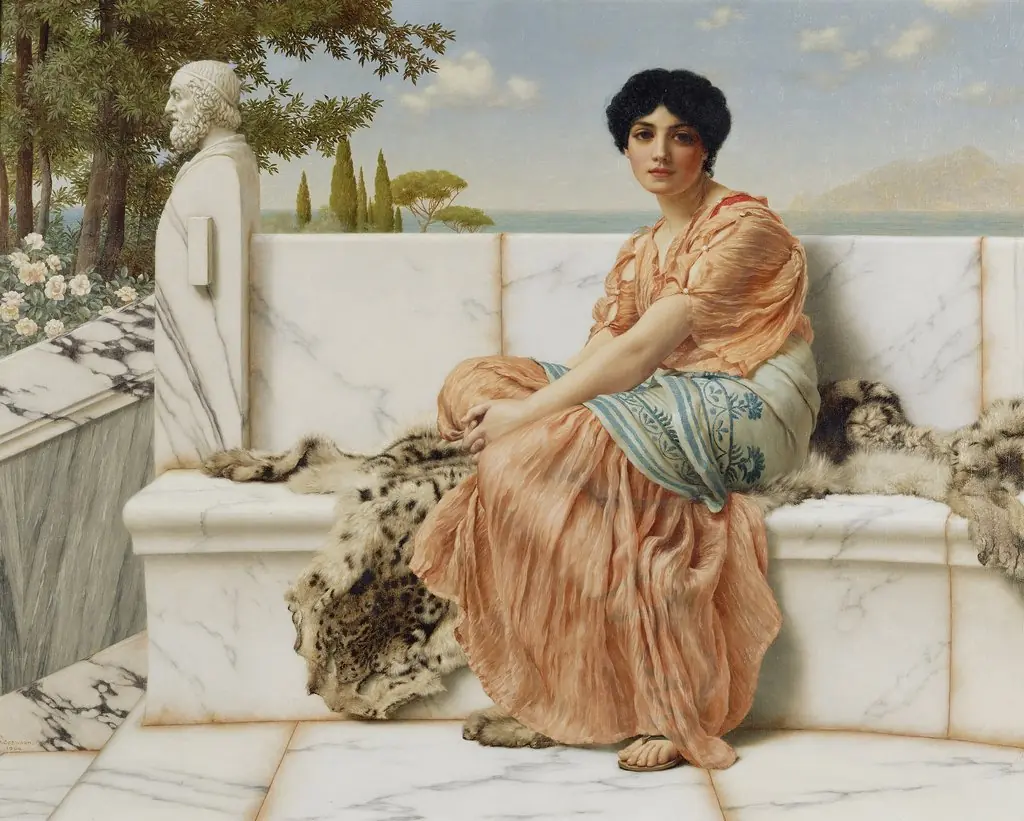 Reverie
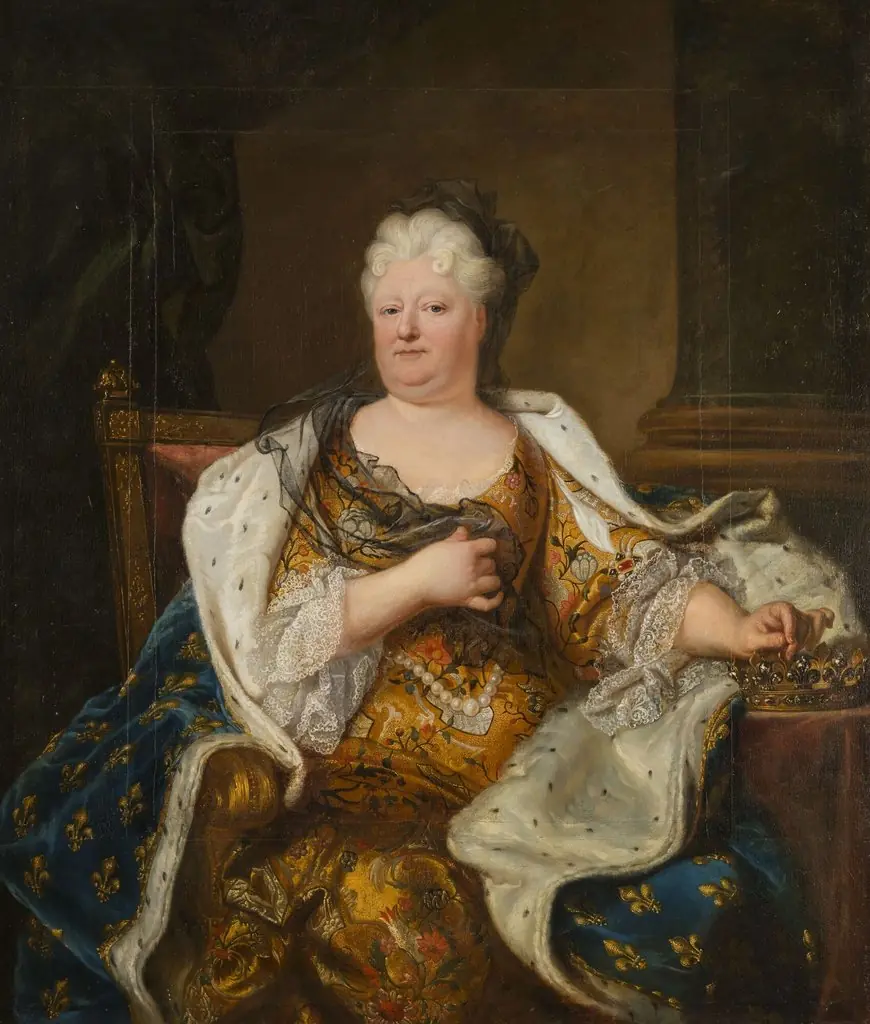 Elizabeth Charlotte, Princess Palatine
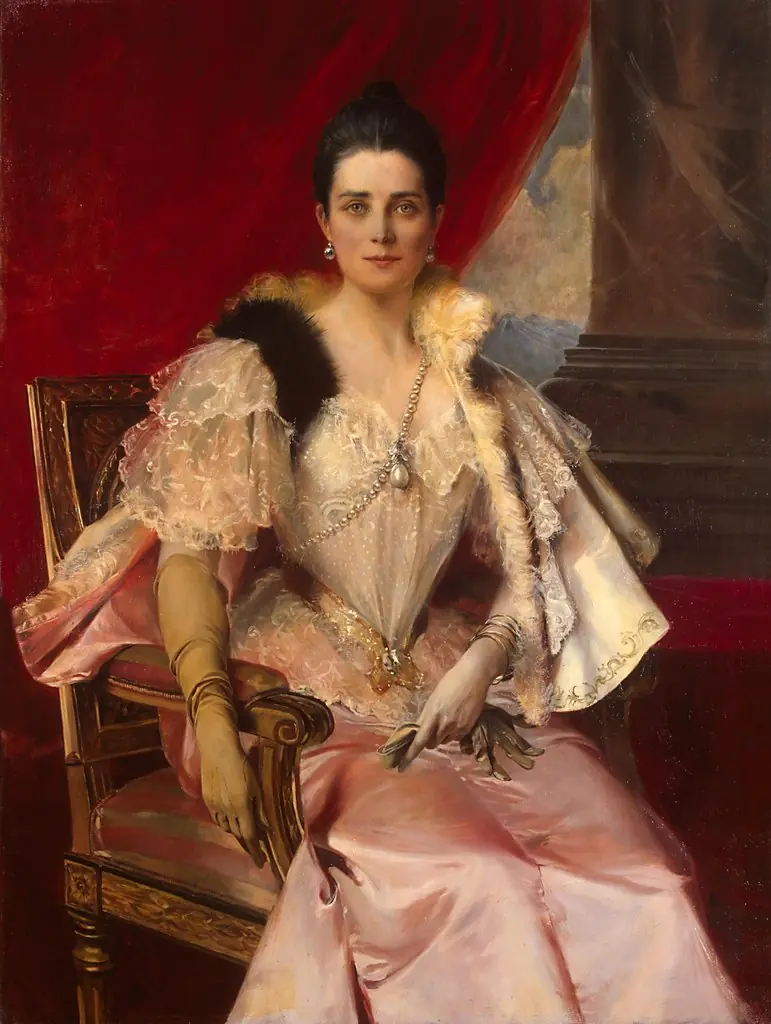 Portrait of Princess Z. N. Yusupova
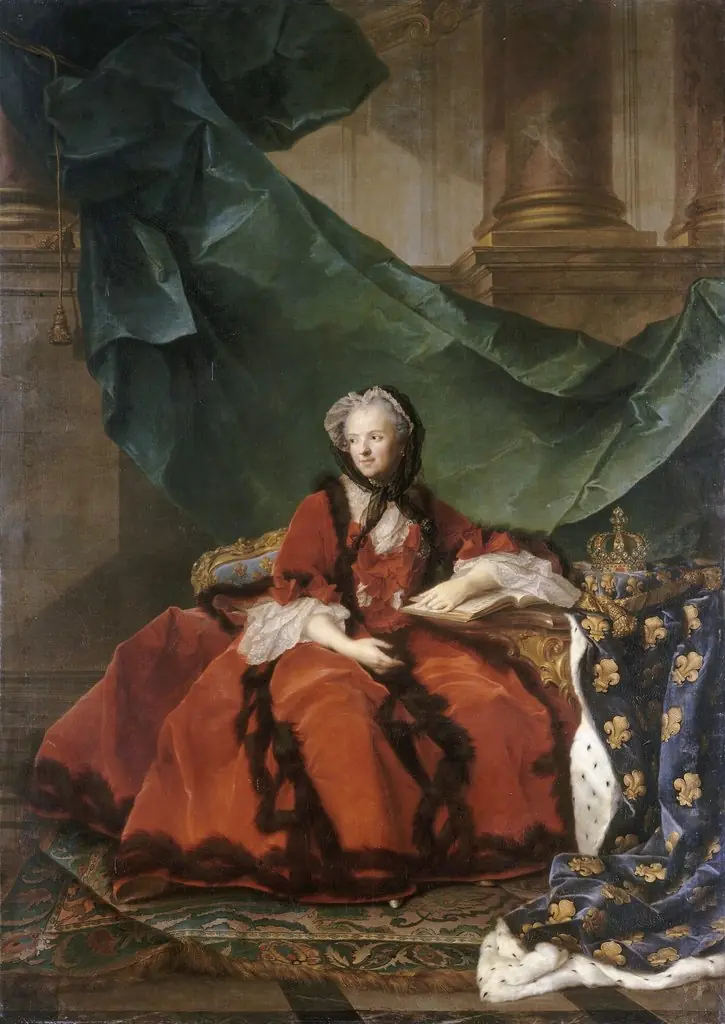 Marie Leszczyńska, Queen of France (1703–1768)
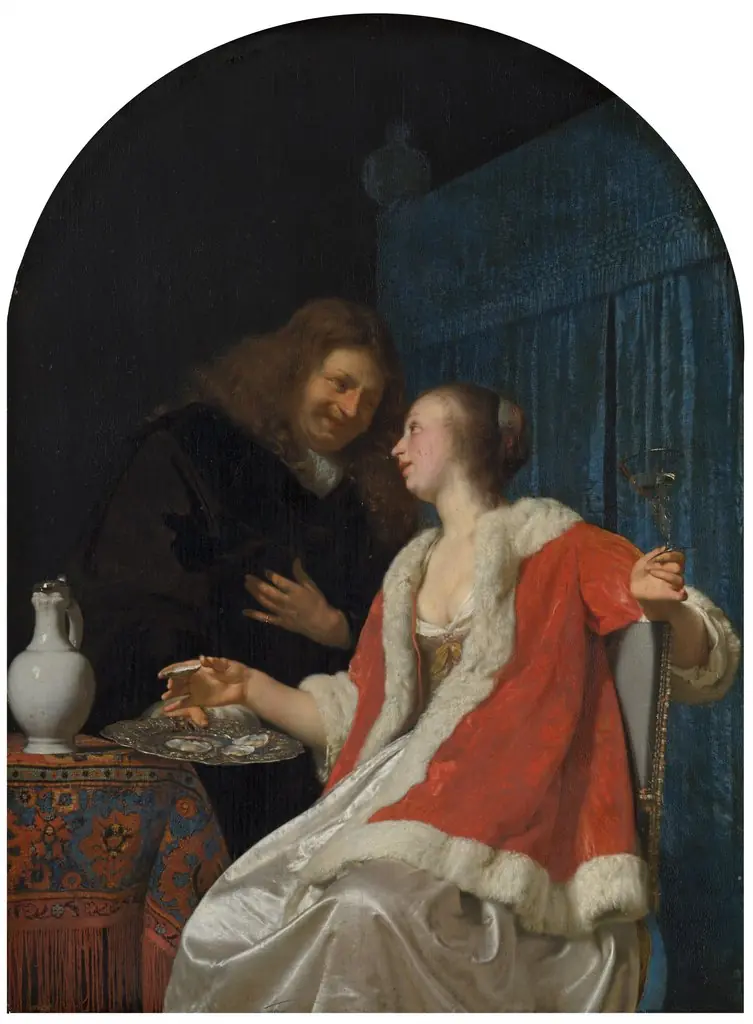 A Meal of Oysters
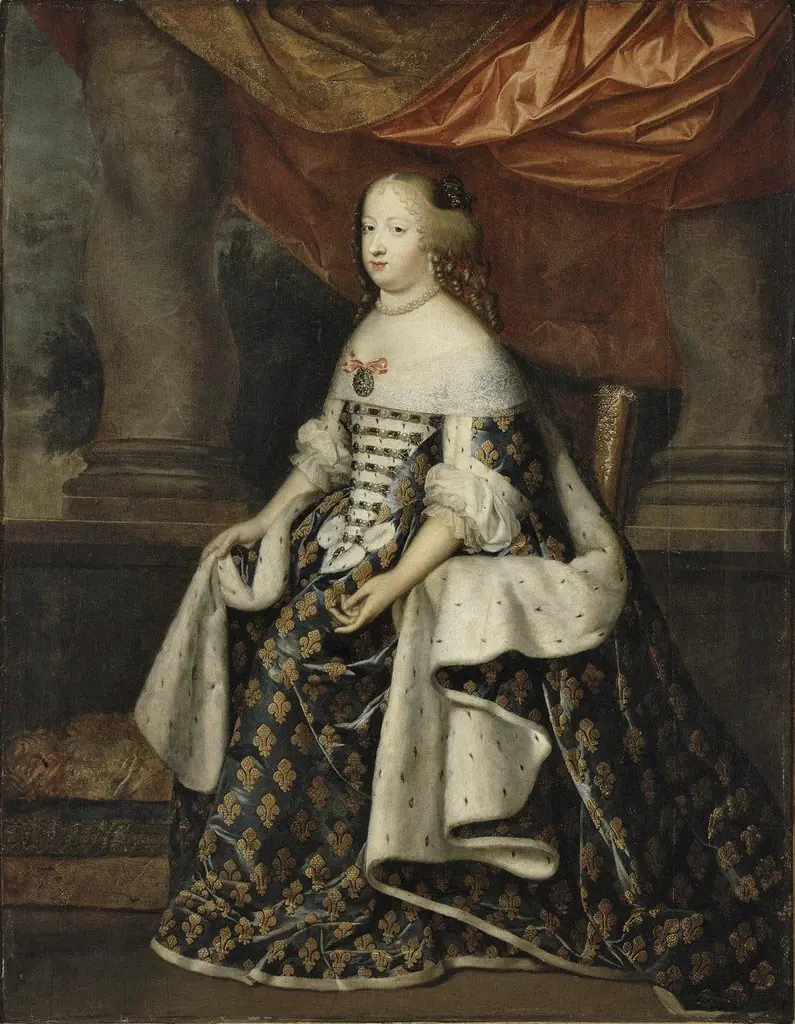 Marie Thérèse of Austria in Royal Costume
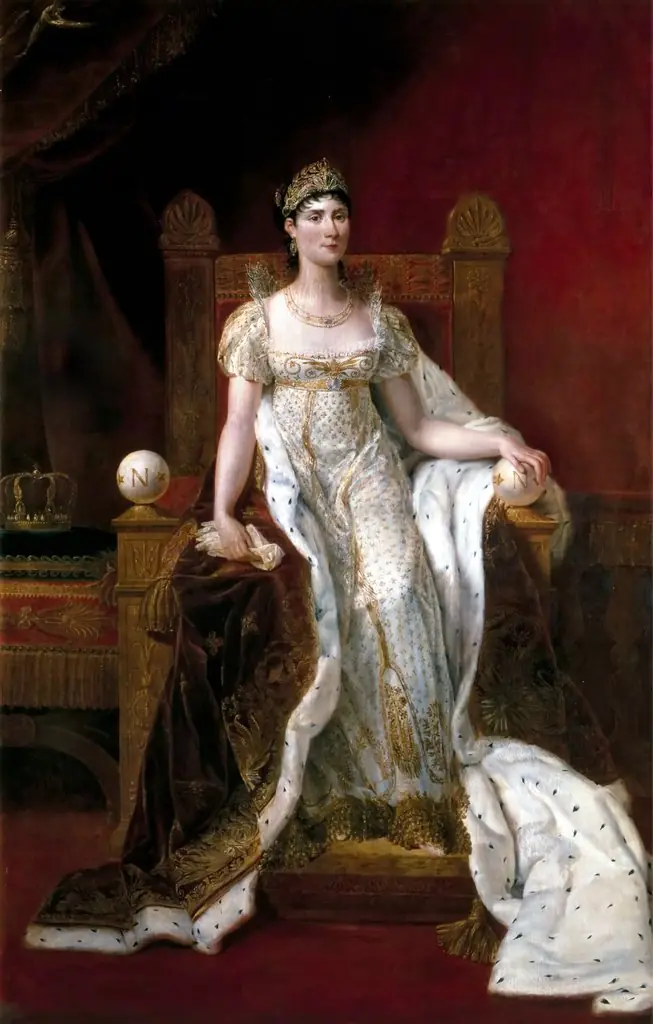 Joséphine, Empress of the French
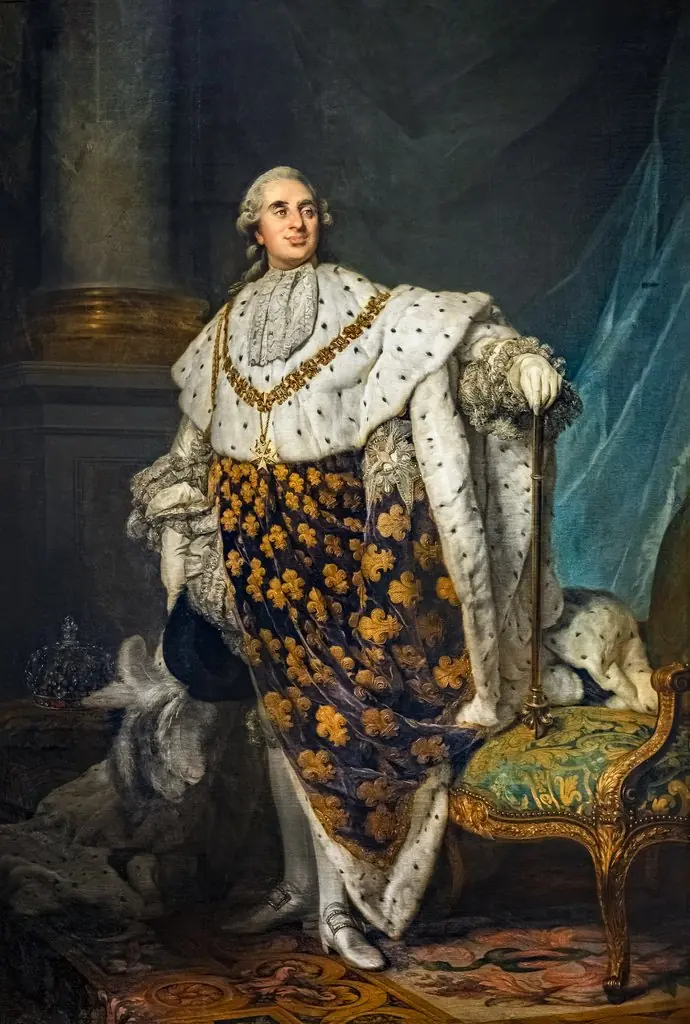 Louis XVI in Coronation Robes
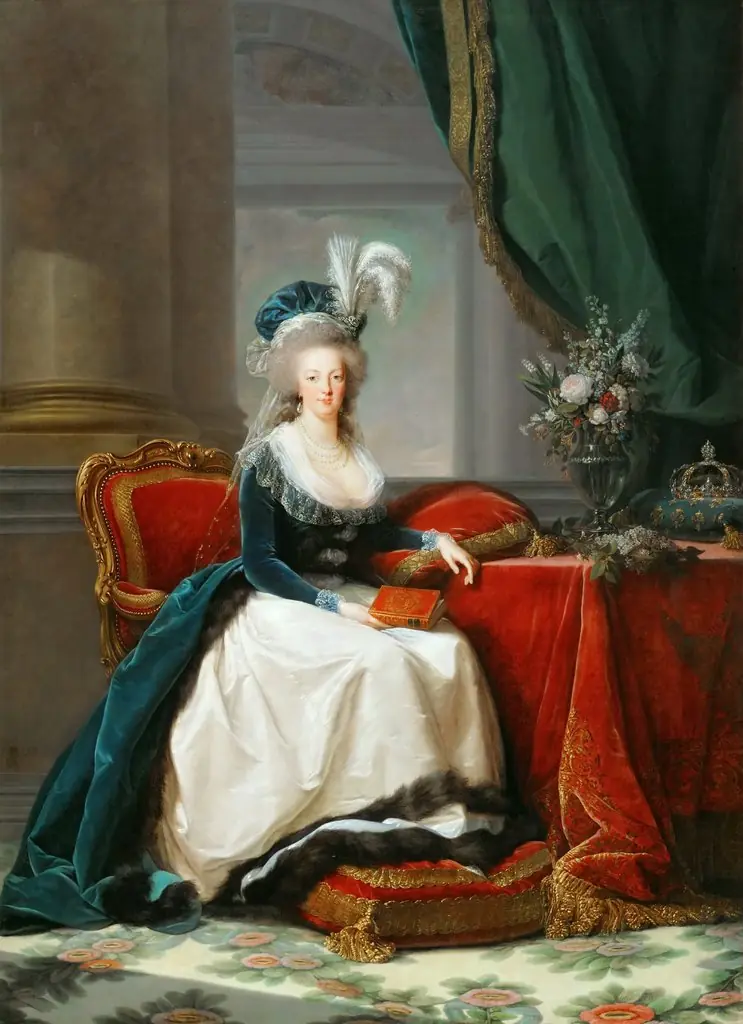 Marie-Antoinette seated, in blue coat and white dress, holding a book in her hand
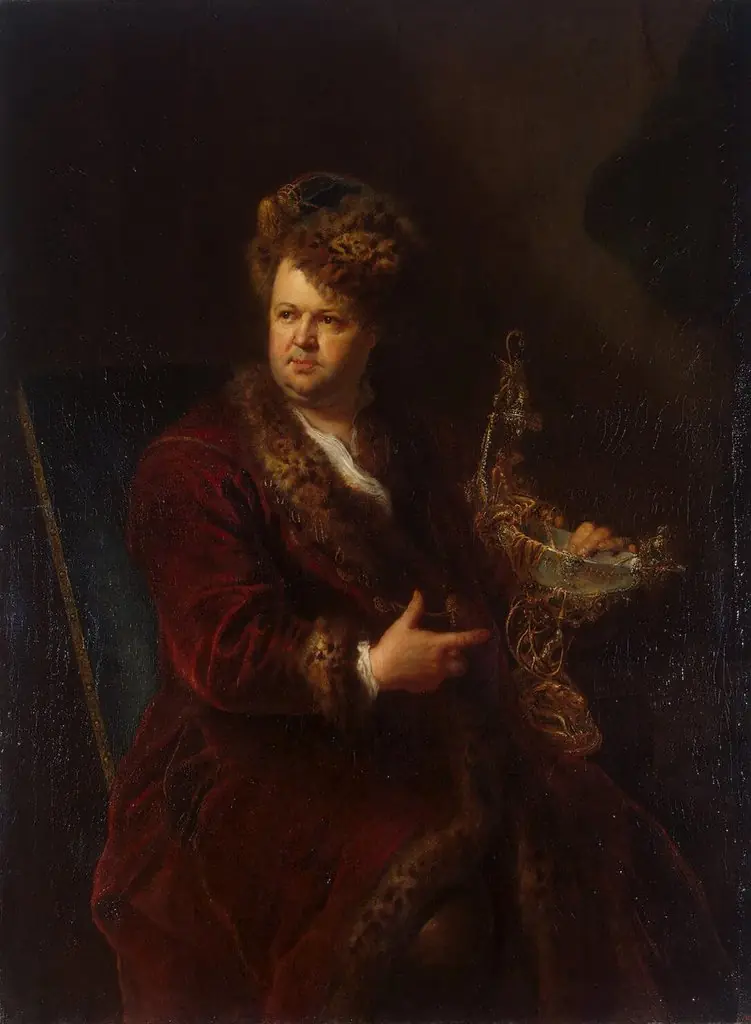 Portrait of Johann Melchior Dinglinger
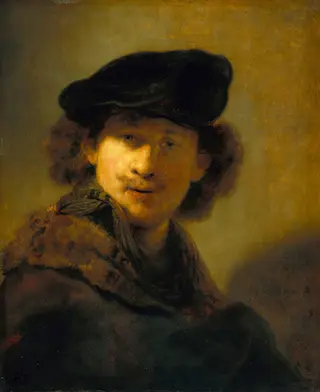 Self-portrait in a Velvet Beret
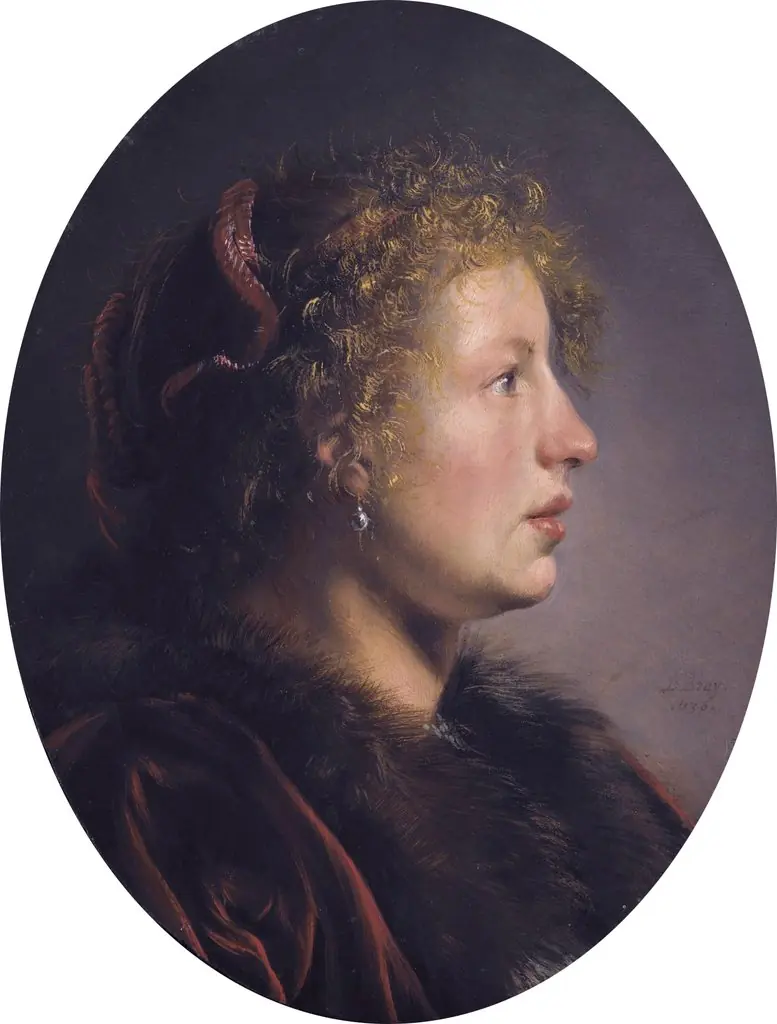 Study of a young woman in profile
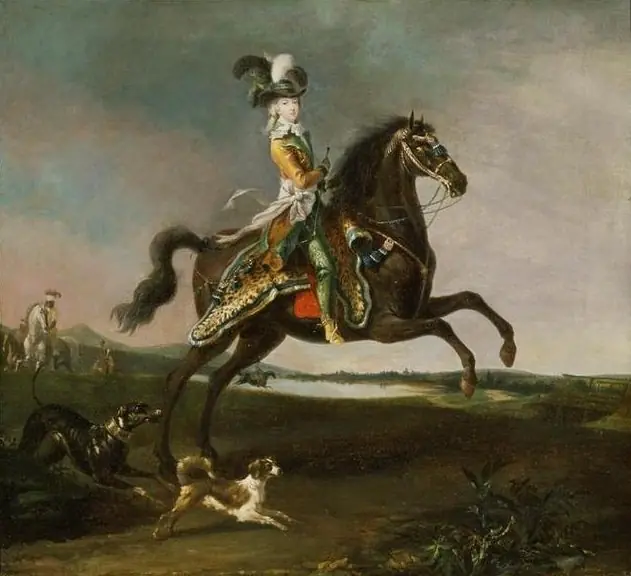 Marie-Antoinette, queen of France on horseback
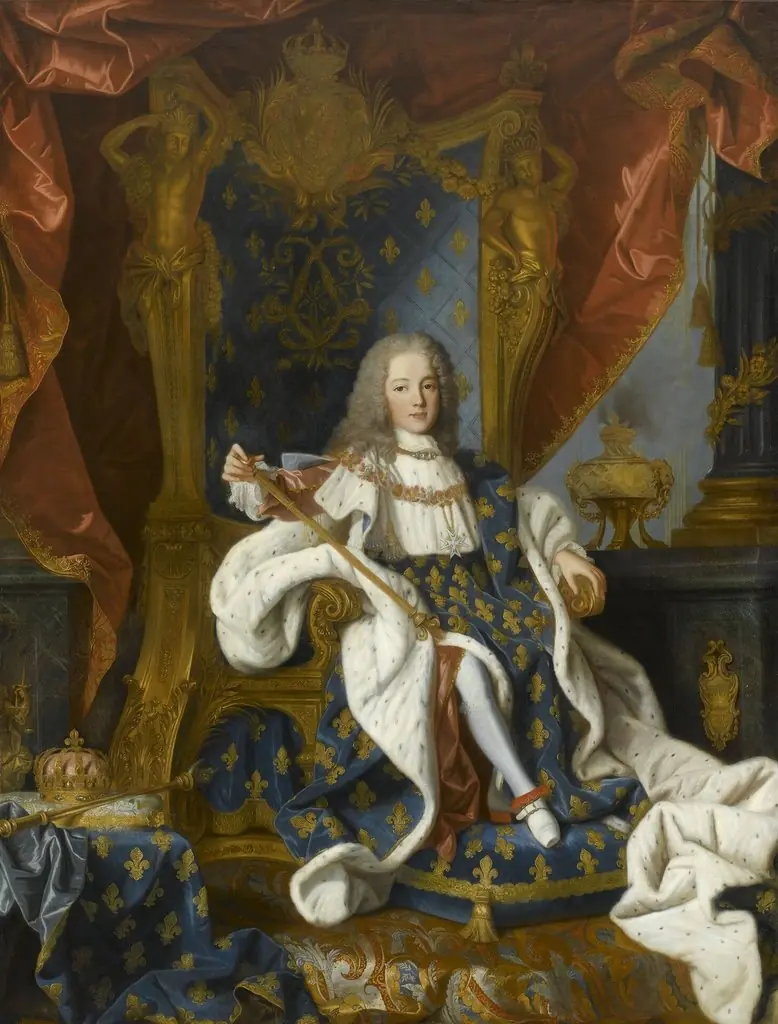 Louis XV, King of France (1710-1774)
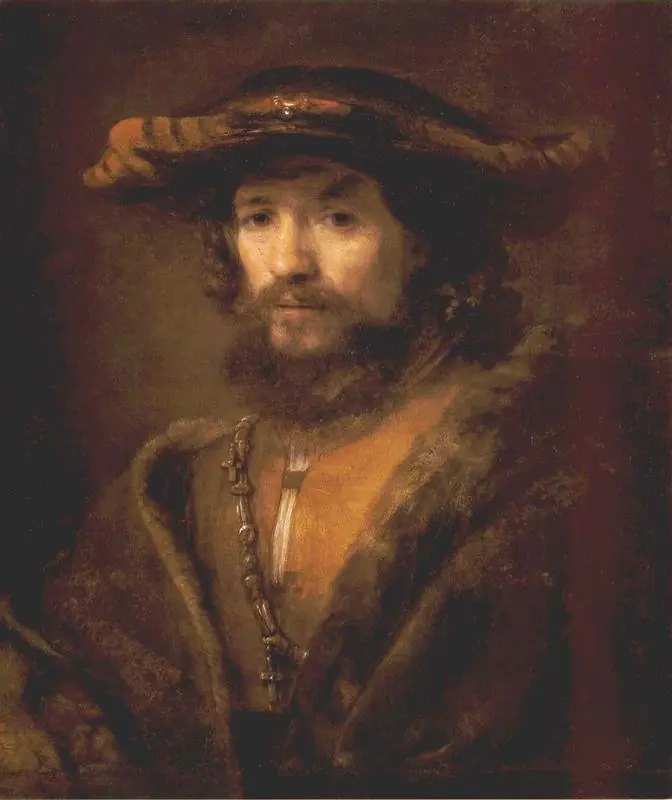 Bust of man wearing a large-brimmed hat
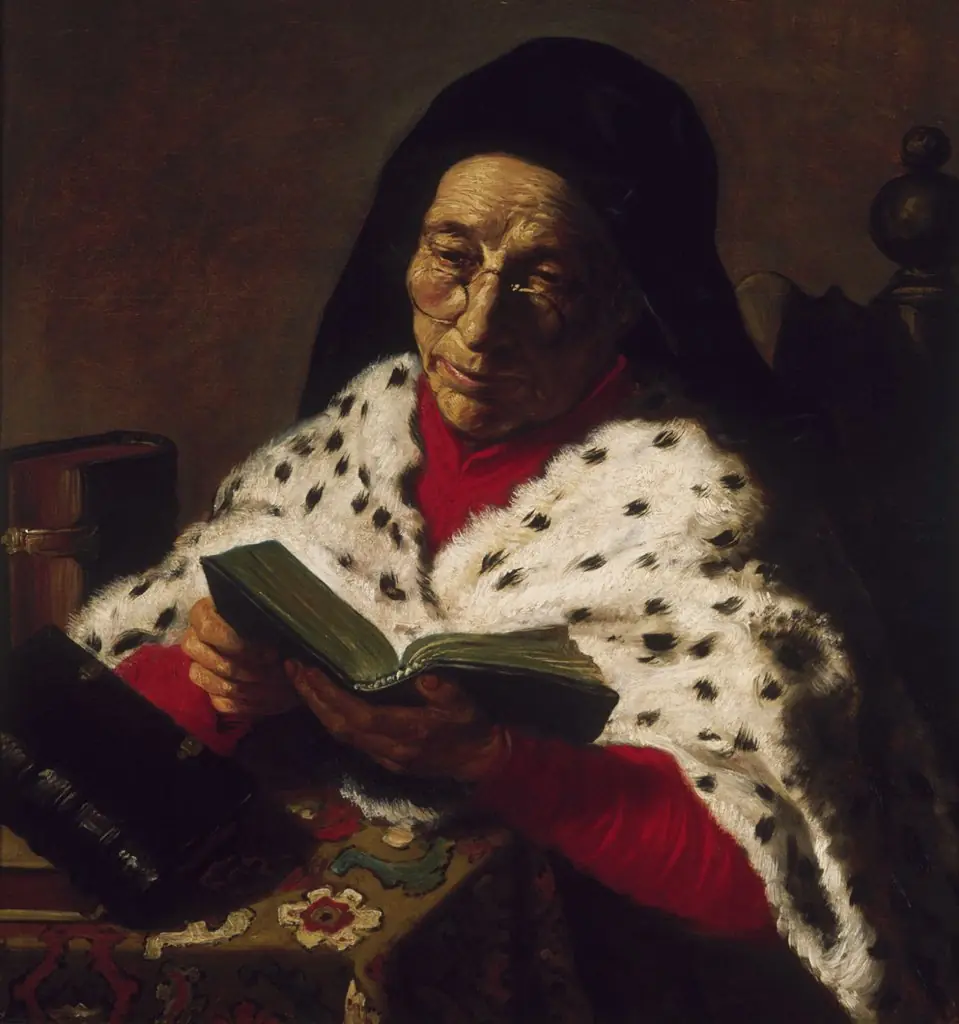 Old Woman Reading
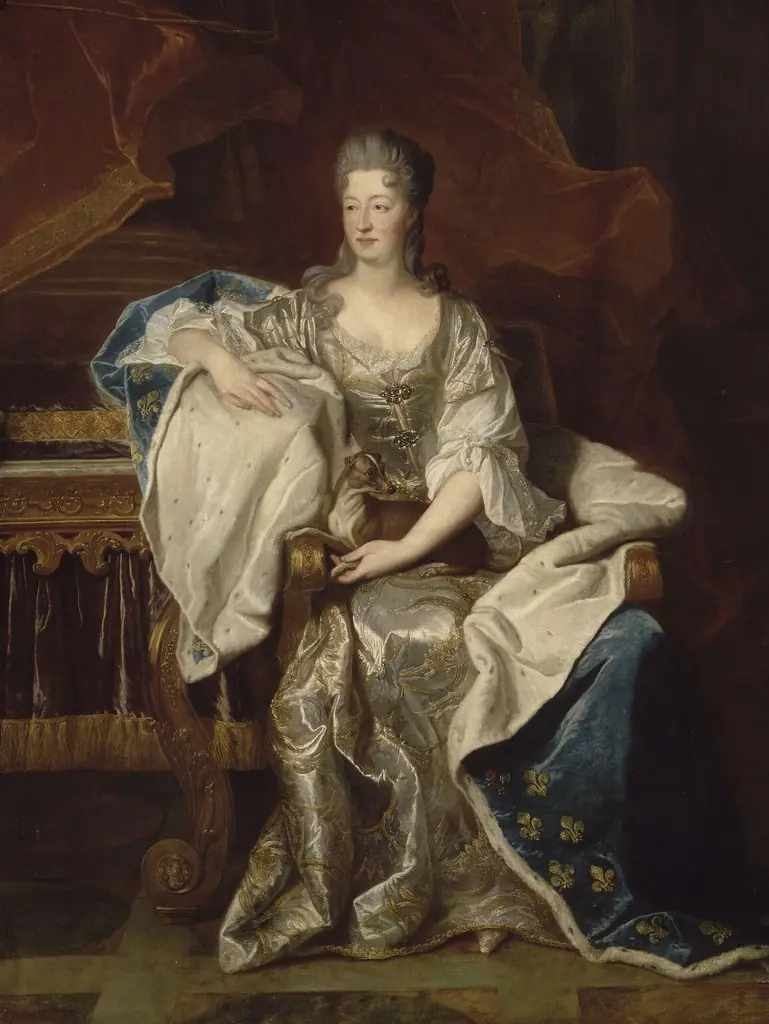 Portrait of Marie Anne de Bourbon, Princess of Conti
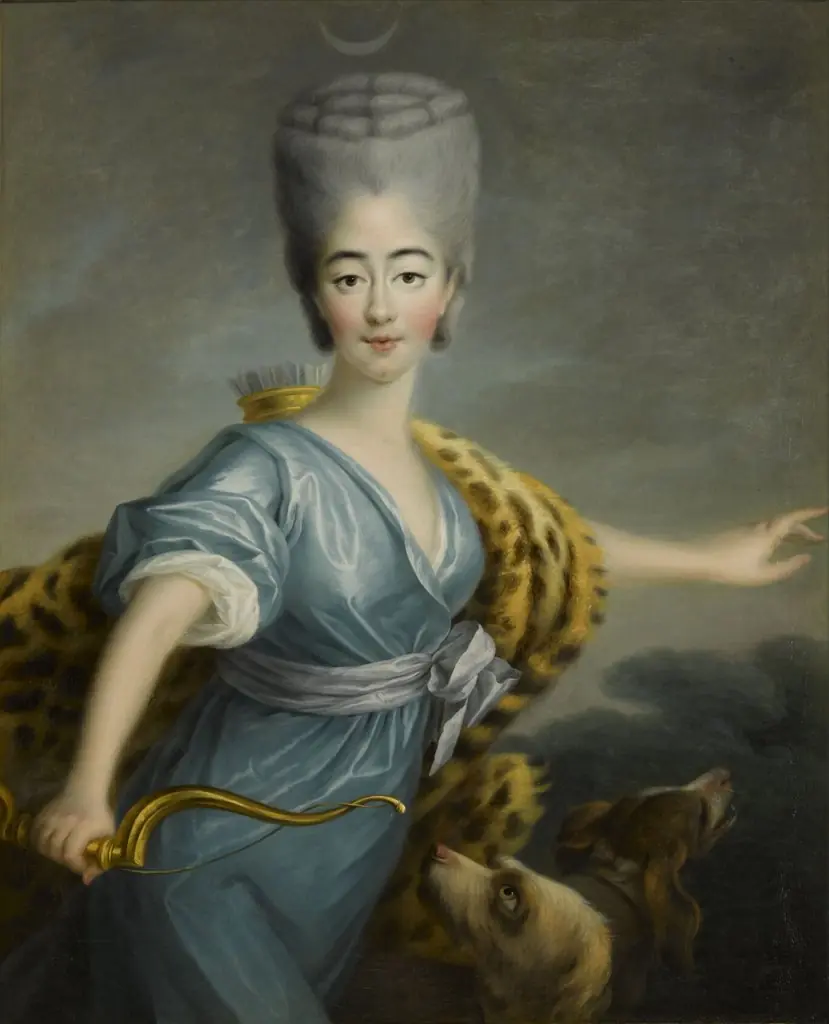 Marie Joséphine of Savoy as Diana
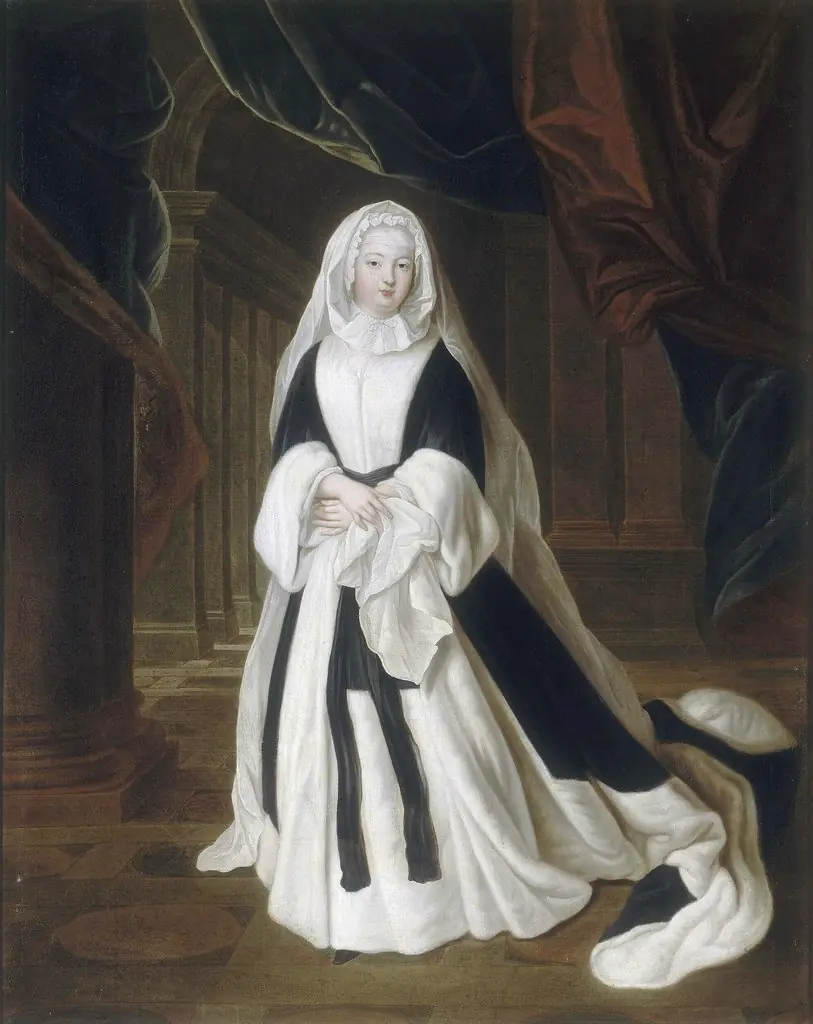 Louise Françoise de Bourbon, Duchess of Bourbon
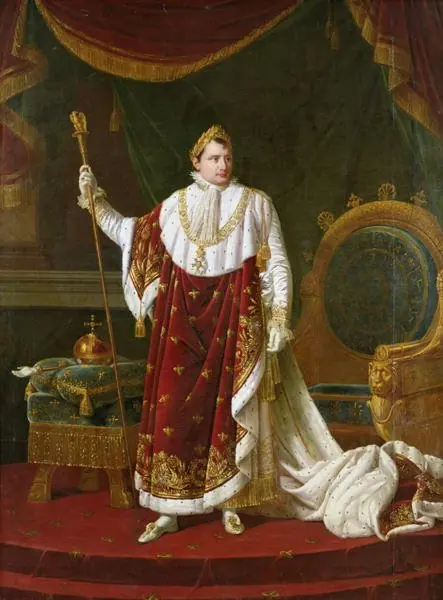 Napoleon I, Emperor of the French
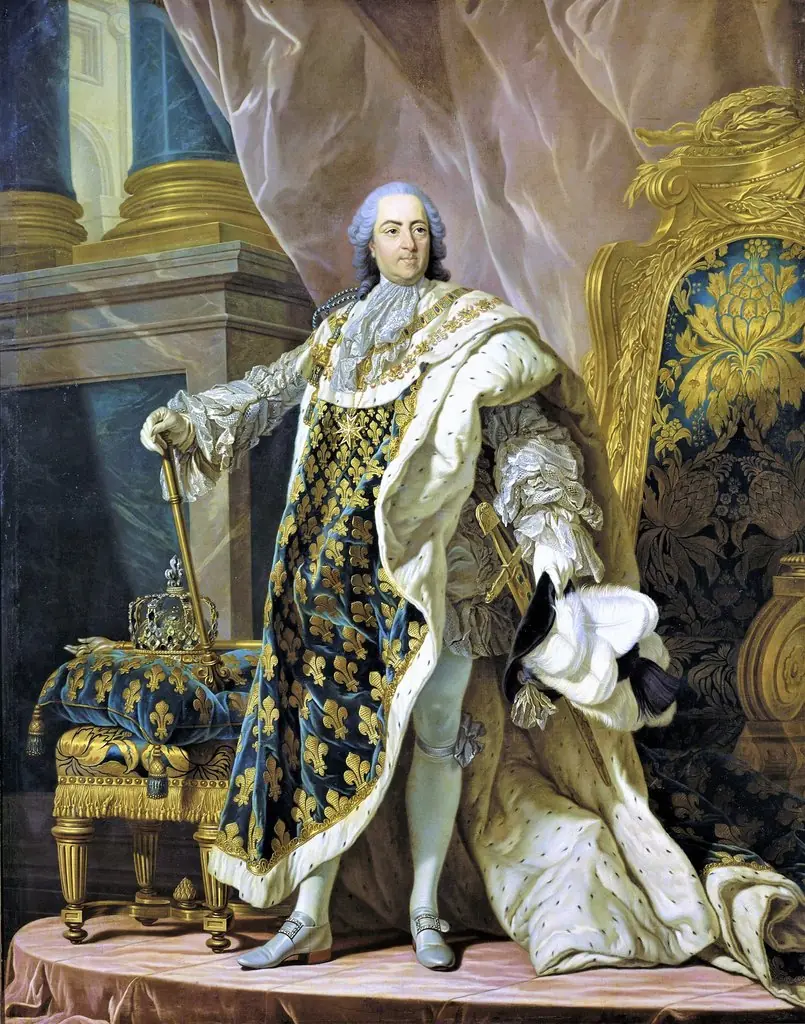 Portrait of Louis XV of France (1710-1774)
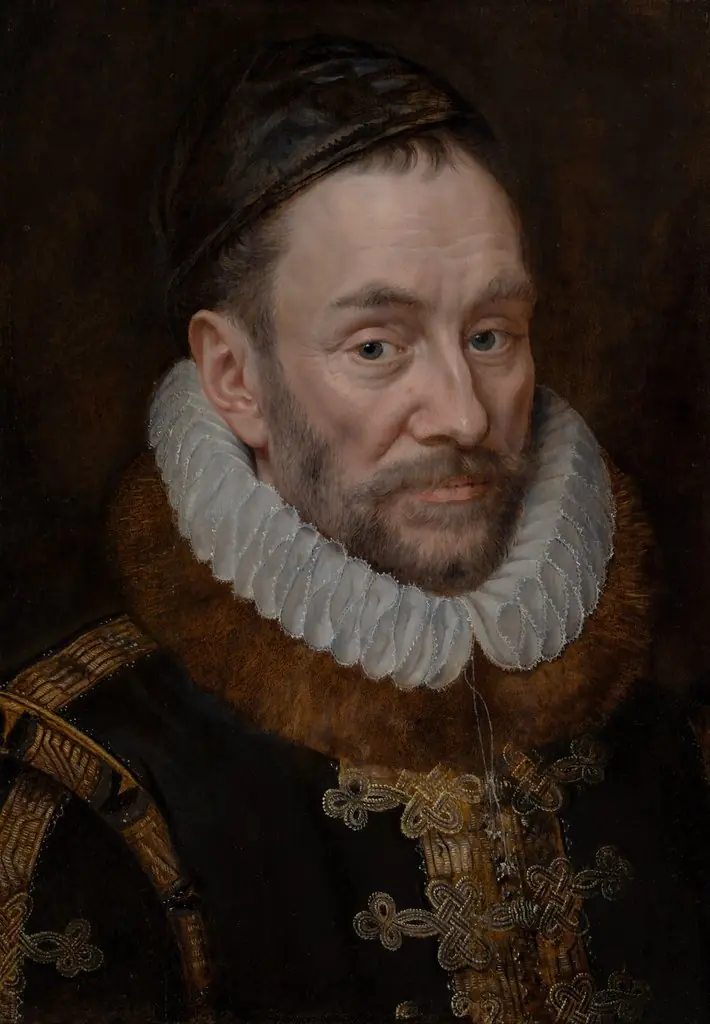 Portrait of William I (1533-1584), Prince of Orange
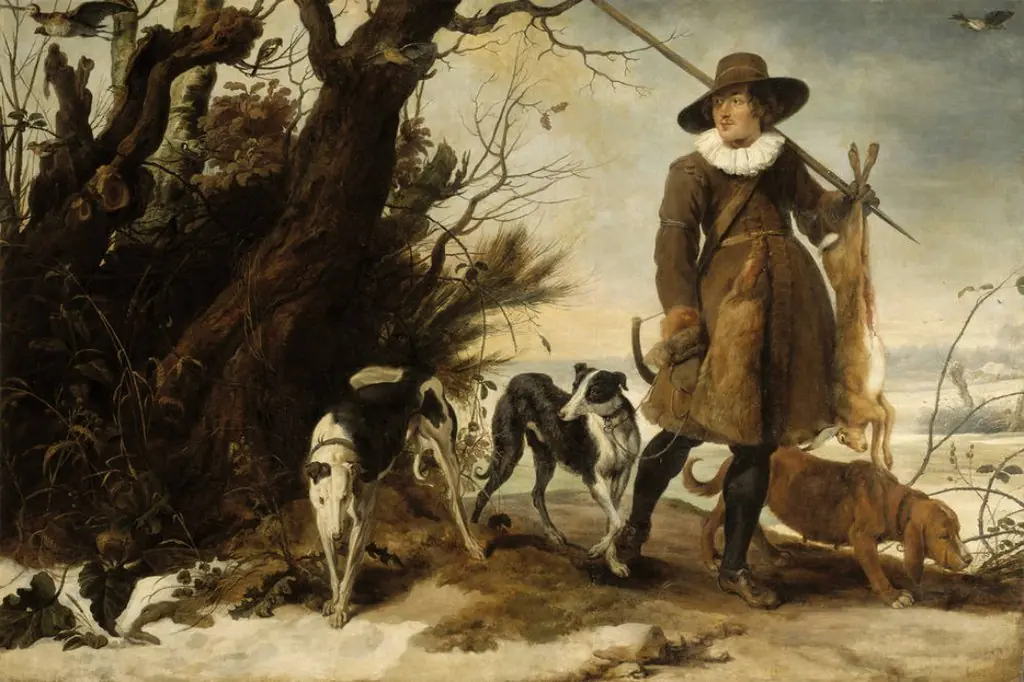 Hunter in a Winter Landscape with Dogs
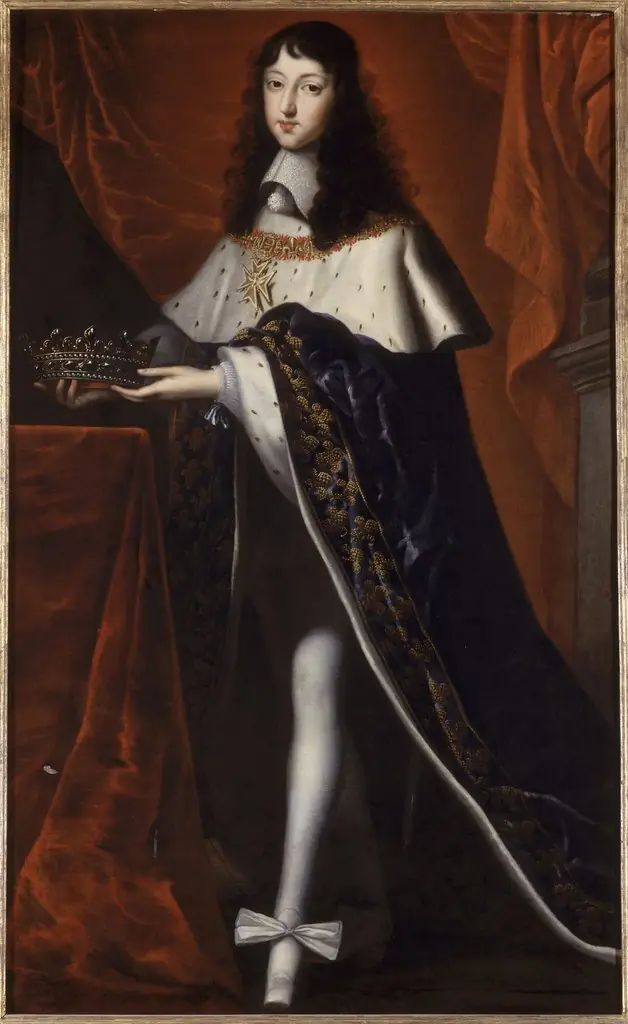 Philippe of France, Duke of Orleans
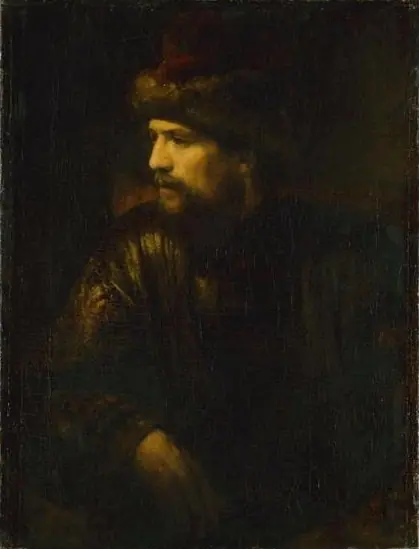 Man in a Red Kolpak
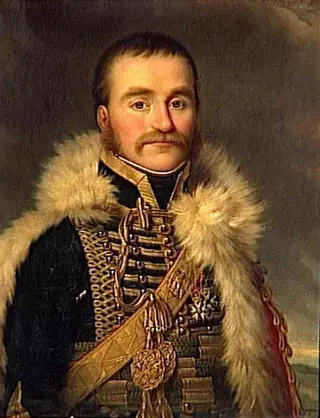 Nicolas Dahlmann, brigadier general (1769-1807)
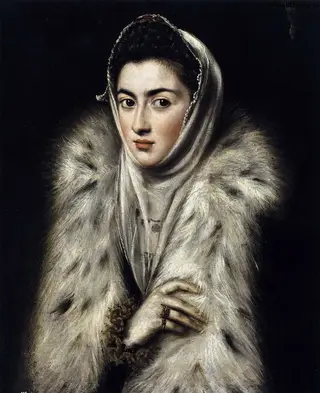 Lady in a Fur Wrap
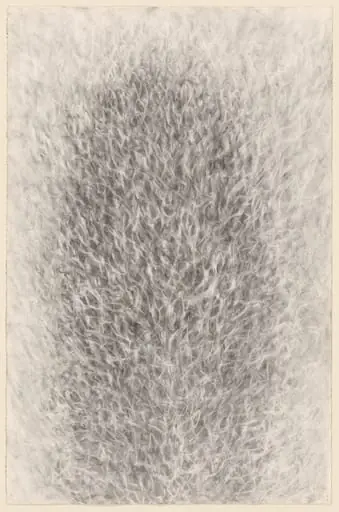 Untitled
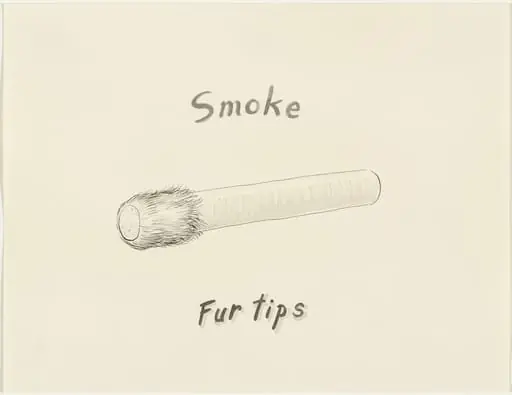 Untitled
Frequently asked questions
What is Fur?
Fur is a subject in art. A fur is a soft, thick growth of hair that covers the skin of almost all mammals.
How many Fur works does Artifact World Gallery have?
Artifact World Gallery holds 43 public-domain Fur works, all free to view and download.
Who are the key Fur artists?
Key Fur artists in the collection include Titian, Jean Baptiste Camille Corot and Henri Regnault.
Where can I see Fur works?
Fur works in the collection are held by Palace of Versailles, Metropolitan Museum of Art and Kunsthistorisches Museum.