Artwork
Design for a silver Basin
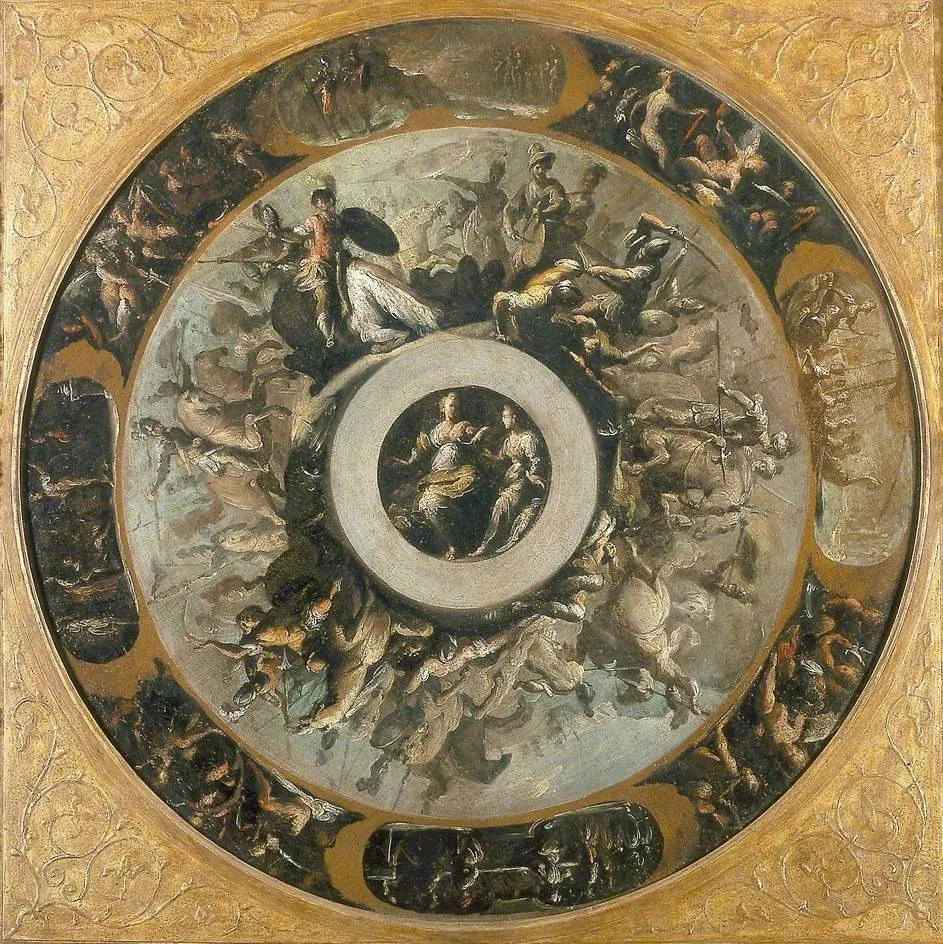
Design for a silver Basin is an oil painting by Bernardo Strozzi. It dates from 1622 and is held in the collection of the Ashmolean Museum.
About this work
Overview
Painted circa 1622 in oil, this work by Bernardo Strozzi serves as a preparatory study for a silver basin, likely intended for liturgical or aristocratic use.
Painted circa 1622 in oil, this work by Bernardo Strozzi serves as a preparatory study for a silver basin, likely intended for liturgical or aristocratic use. Though classified as a painting, its function was practical rather than decorative, reflecting the artist’s engagement with applied arts. Strozzi, active in both Genoa and Venice, was known for bridging religious and secular subjects with a heightened sensitivity to material texture.
Subject & Meaning
The subject, a silver basin, points to its ceremonial purpose, possibly for ritual washing or as a display object in elite households. Rendered with careful attention to form and surface, the basin is not merely an object but a symbol of refinement and sacred function. Strozzi’s focus on the vessel suggests an interest in the interplay between utility and aesthetic dignity, common in Counter-Reformation contexts where material beauty served spiritual ends.
Technique & Style
Strozzi employed rich, luminous pigments and soft modeling to evoke the reflective quality of polished silver. His brushwork balances precision with atmospheric warmth, avoiding rigid realism in favor of a tactile, almost tactile glow. The composition is tightly framed, emphasizing the basin’s curvature and the play of light across its surface, a hallmark of his approach to still-life elements within broader Baroque sensibilities.
History & Provenance
The painting’s early history is undocumented, but its style aligns with Strozzi’s Genoese period before his move to Venice. It likely originated in a private or ecclesiastical commission, given the subject’s association with ritual objects. No definitive record of its ownership prior to the 19th century exists, though its survival suggests it was valued as both artistic and functional study.
Context
In early 17th-century Italy, artists often designed objects for metalworkers, blending painting with craft. Strozzi’s work reflects this interdisciplinary practice, where painters contributed to the visual language of luxury goods. His treatment of the basin aligns with broader trends in Northern Italian art, where naturalism and devotional symbolism merged in domestic and ecclesiastical settings.
Legacy
Though a study rather than a finished work, this painting illustrates Strozzi’s role in elevating still-life elements within Baroque painting. His ability to infuse utilitarian objects with emotional resonance influenced later Venetian painters who explored materiality and light. The work remains a quiet testament to the artist’s versatility and his contribution to the visual culture of sacred and secular life.
Artist & collection
Artist
Bernardo Strozzi, named il Cappuccino and il Prete Genovese (c. 1581 – 2 August 1644), was an Italian Baroque artist who was a painter and engraver. A canvas and fresco artist, his wide subject range included history,…

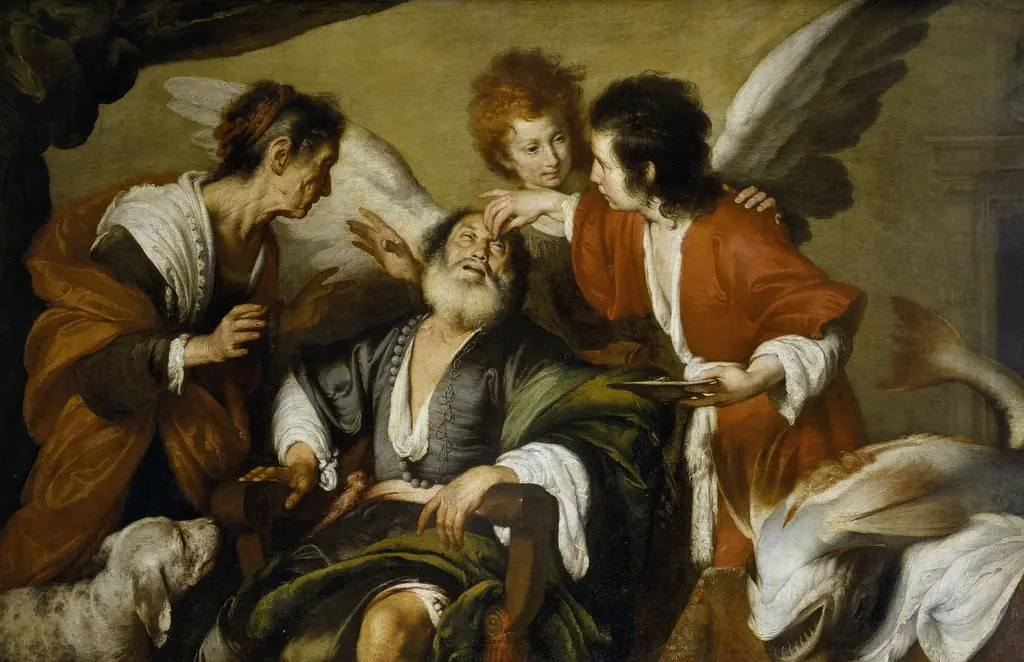
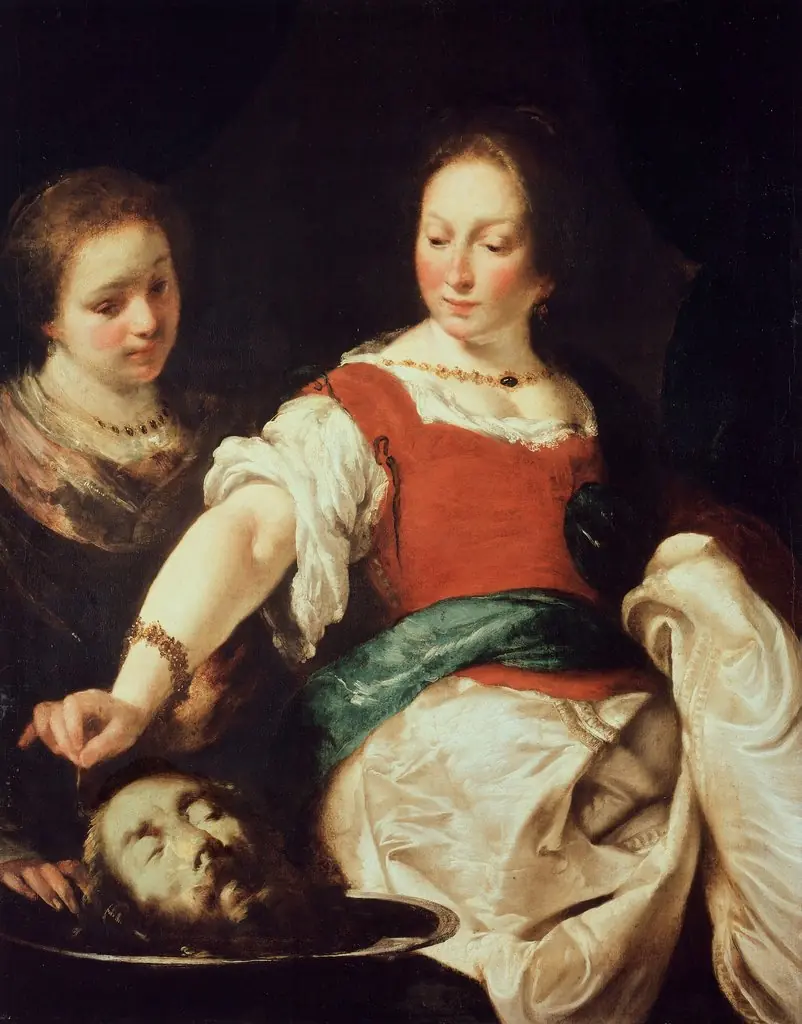
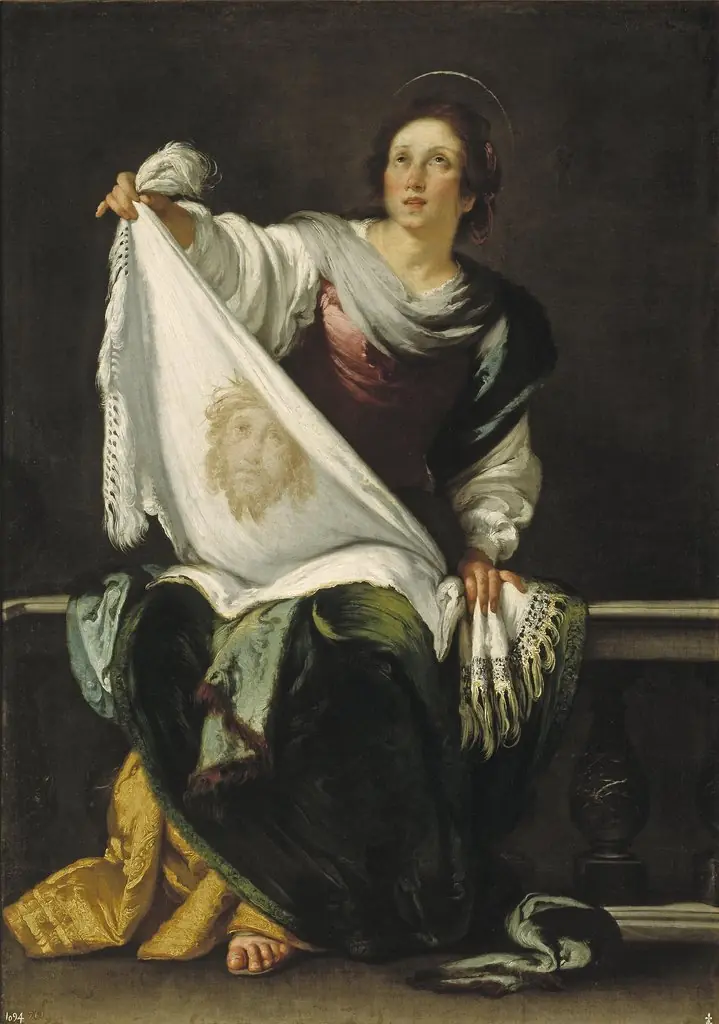
- Allegory of the Planets and Continents
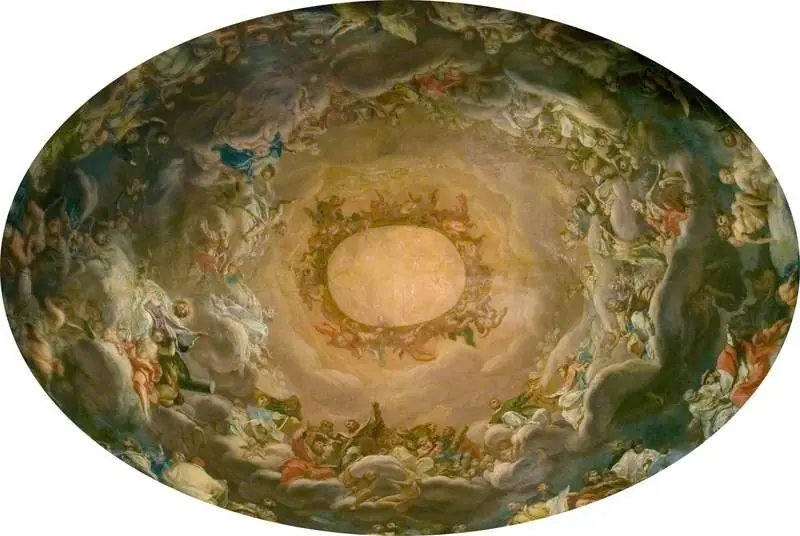 Paradise (sketch model for a painted cupola)
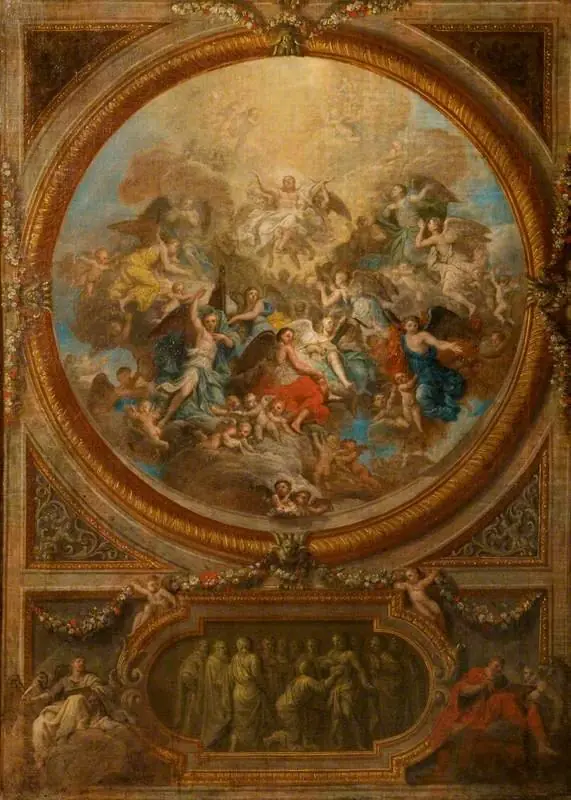 The Ascension and the Incredulity of Saint Thomas (sketch for the decoration of the chapel at Chatsworth)
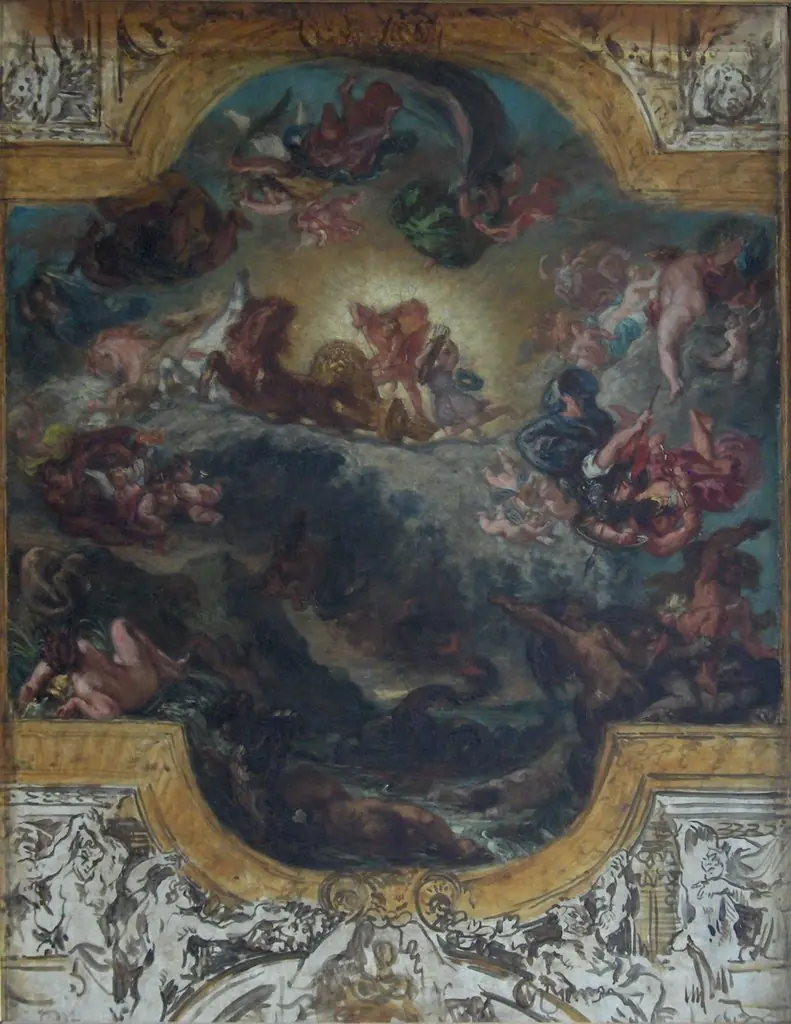 Apollo, victor of the snake Python
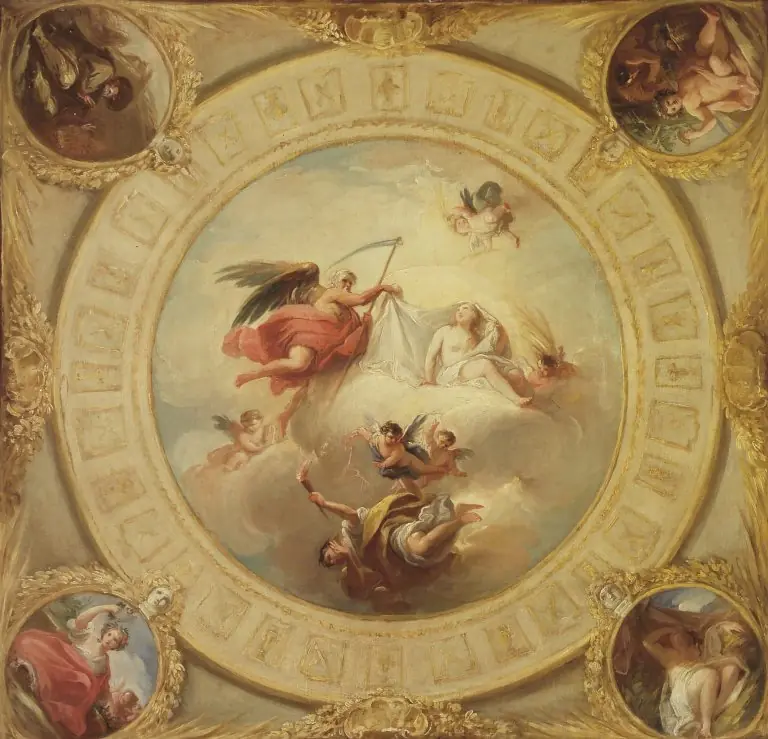 Time Discovering Truth, sketch
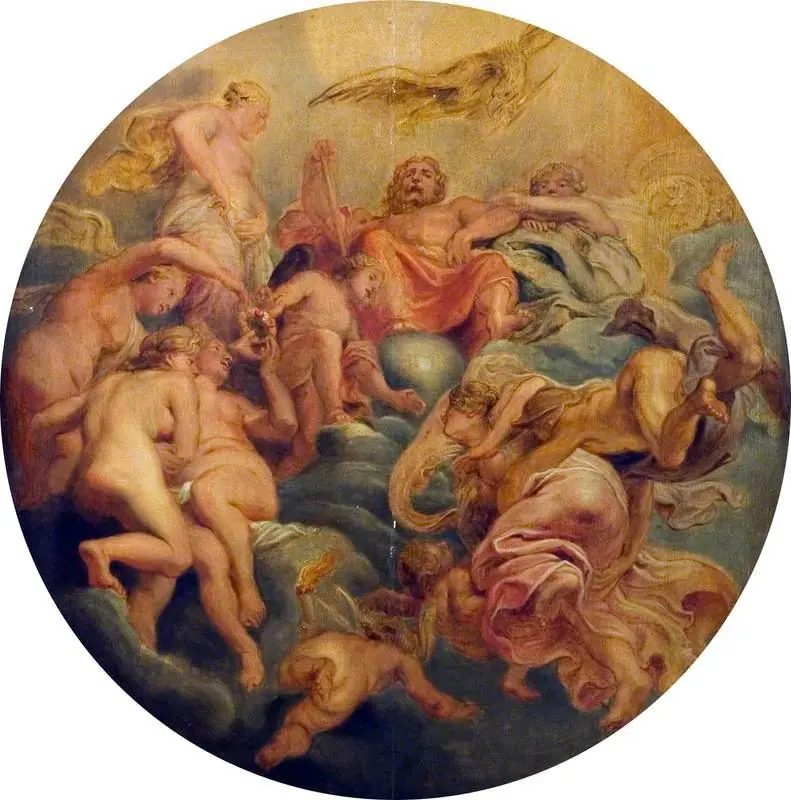 Mercury Conducting Psyche to Olympus
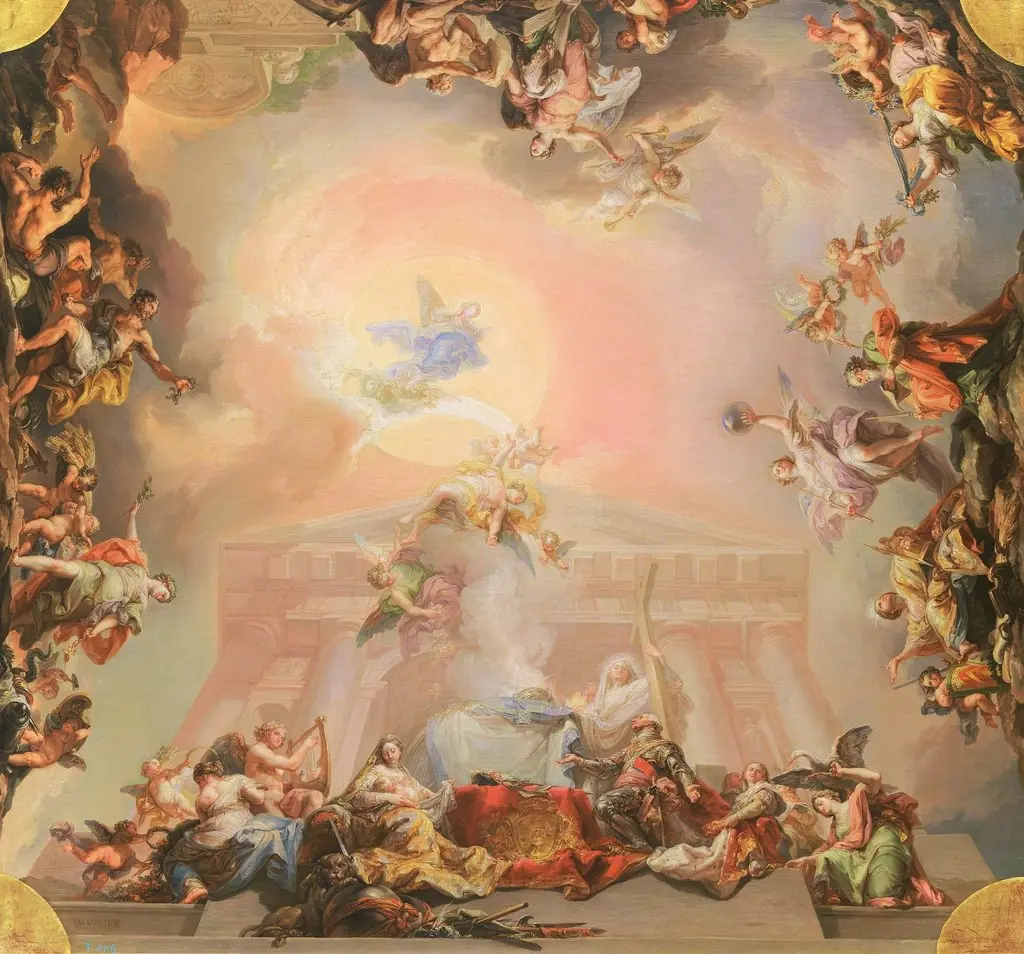 Sketch for Allegory of the Institution of the Order of Charles III
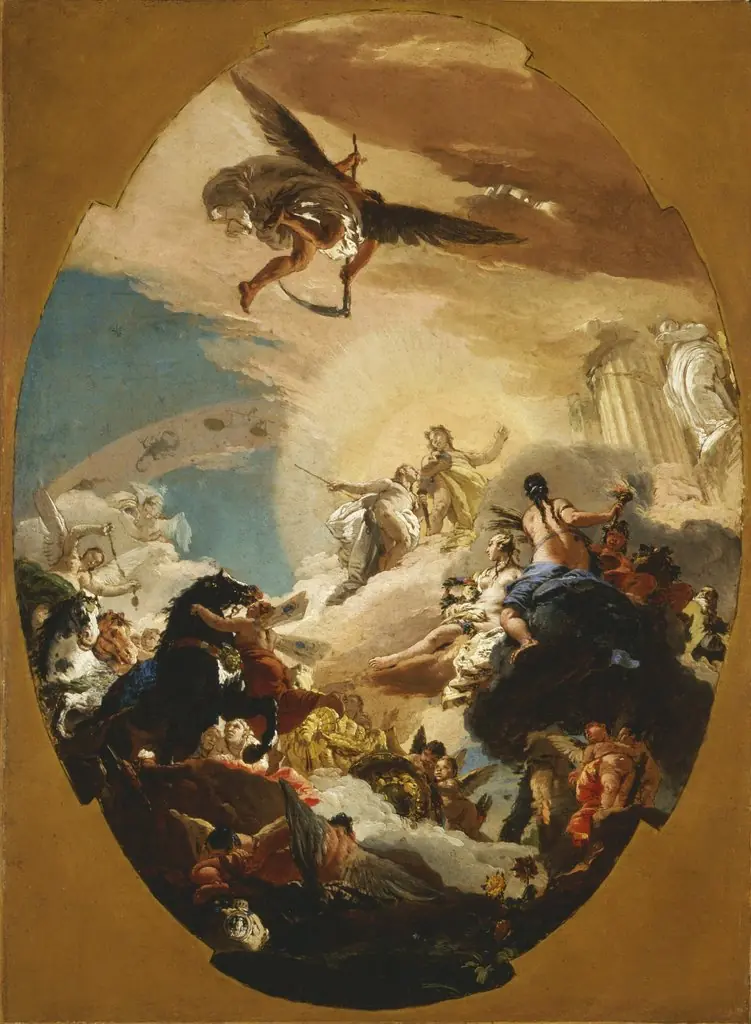 Apollo and Phaëthon
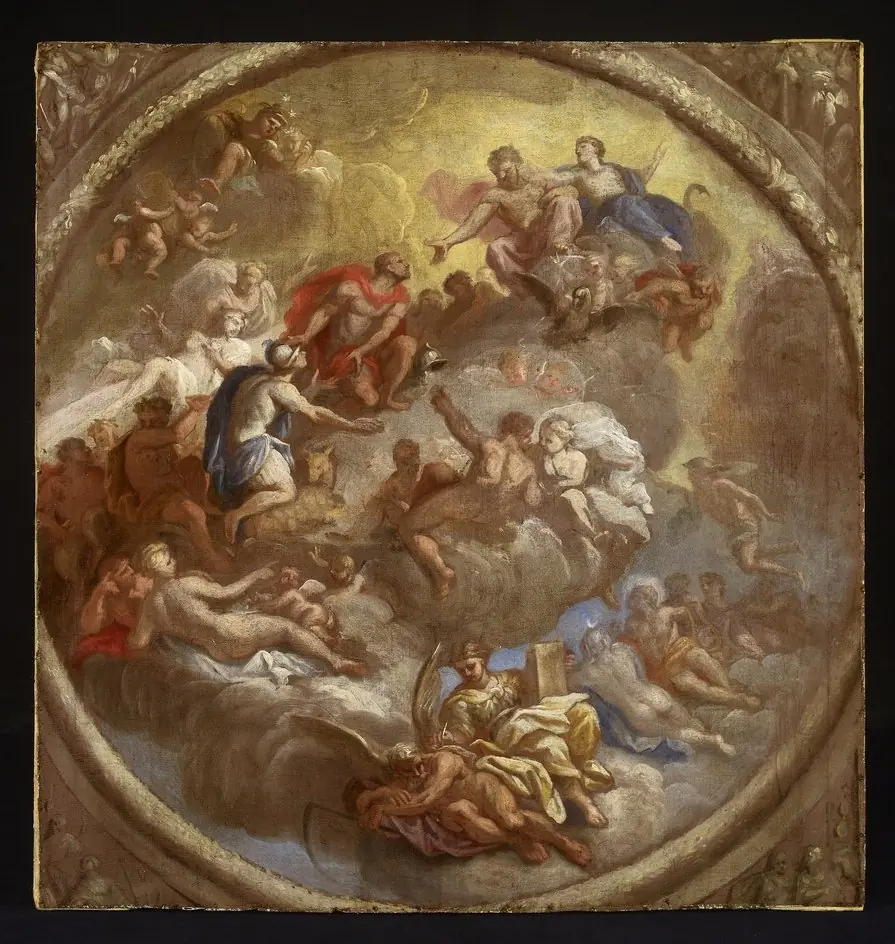 Sketch for a Ceiling Design
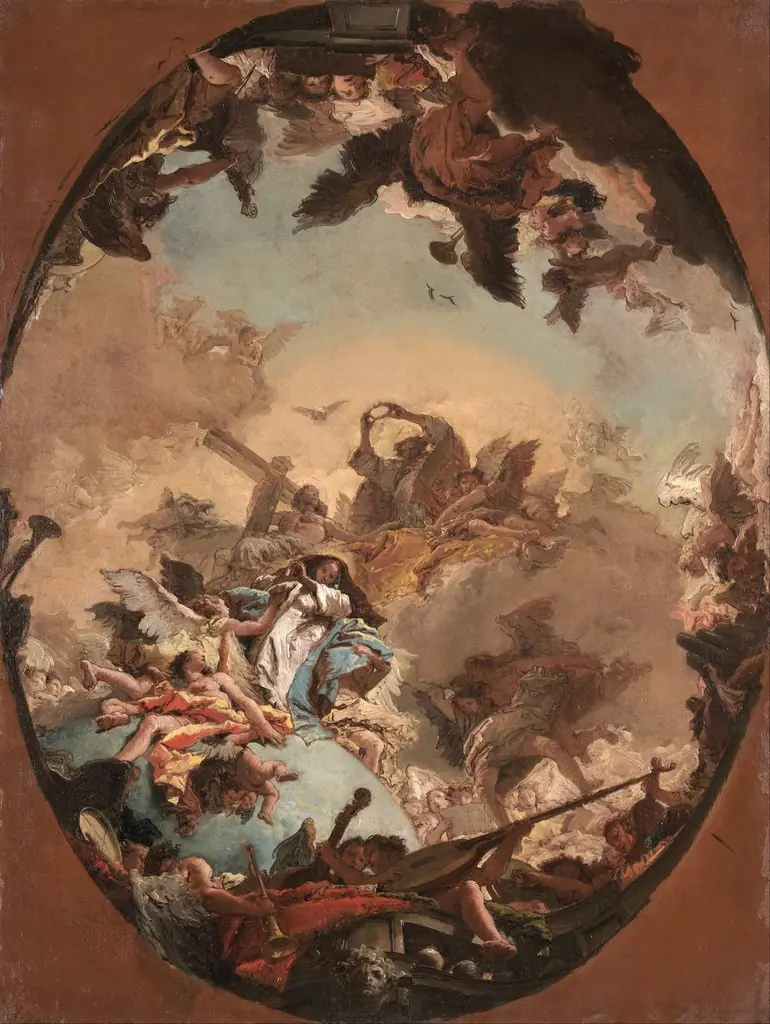 The Coronation of the Virgin
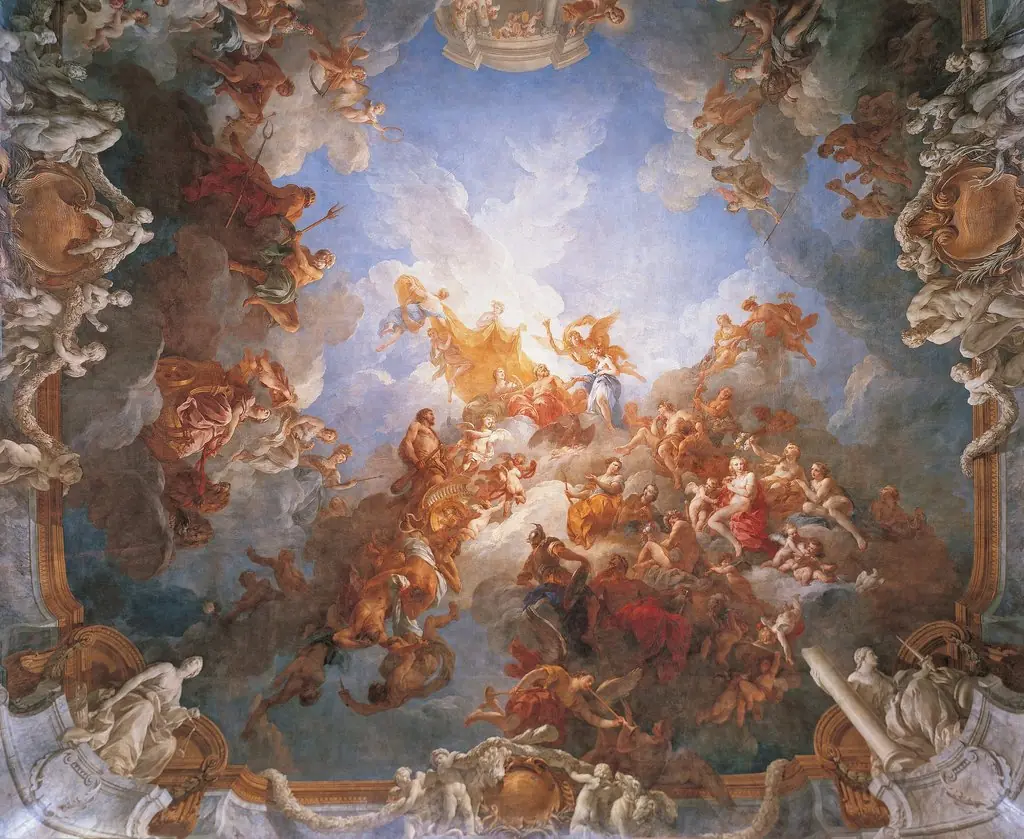 The Apotheosis of Hercules
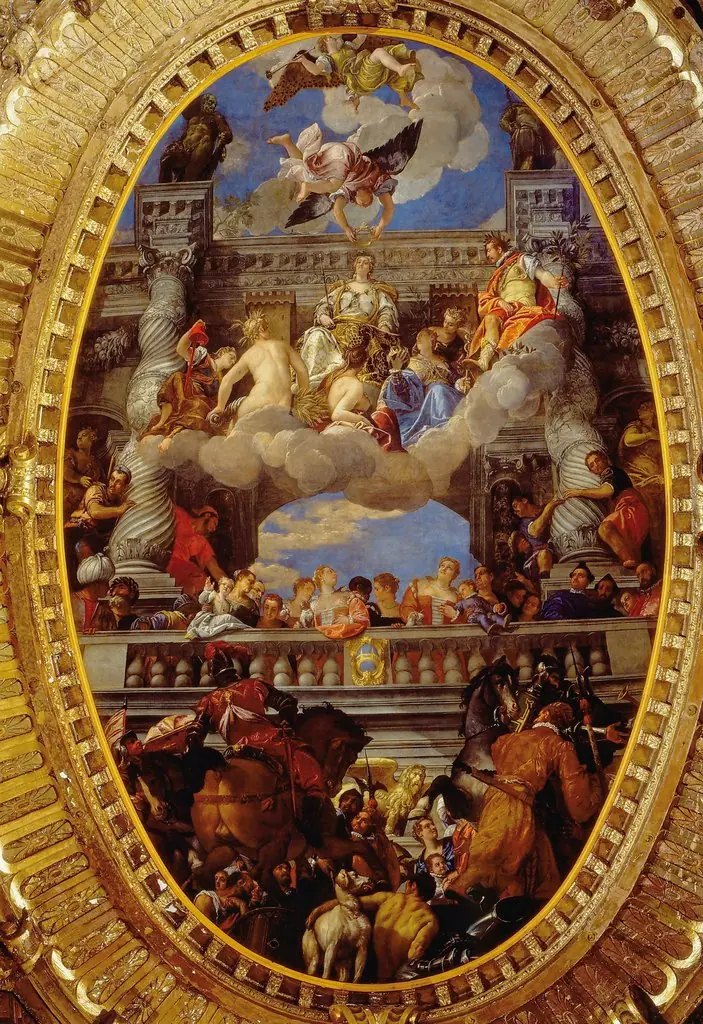 Triumph of Venice