Artwork
Bishop Alvise Grimani
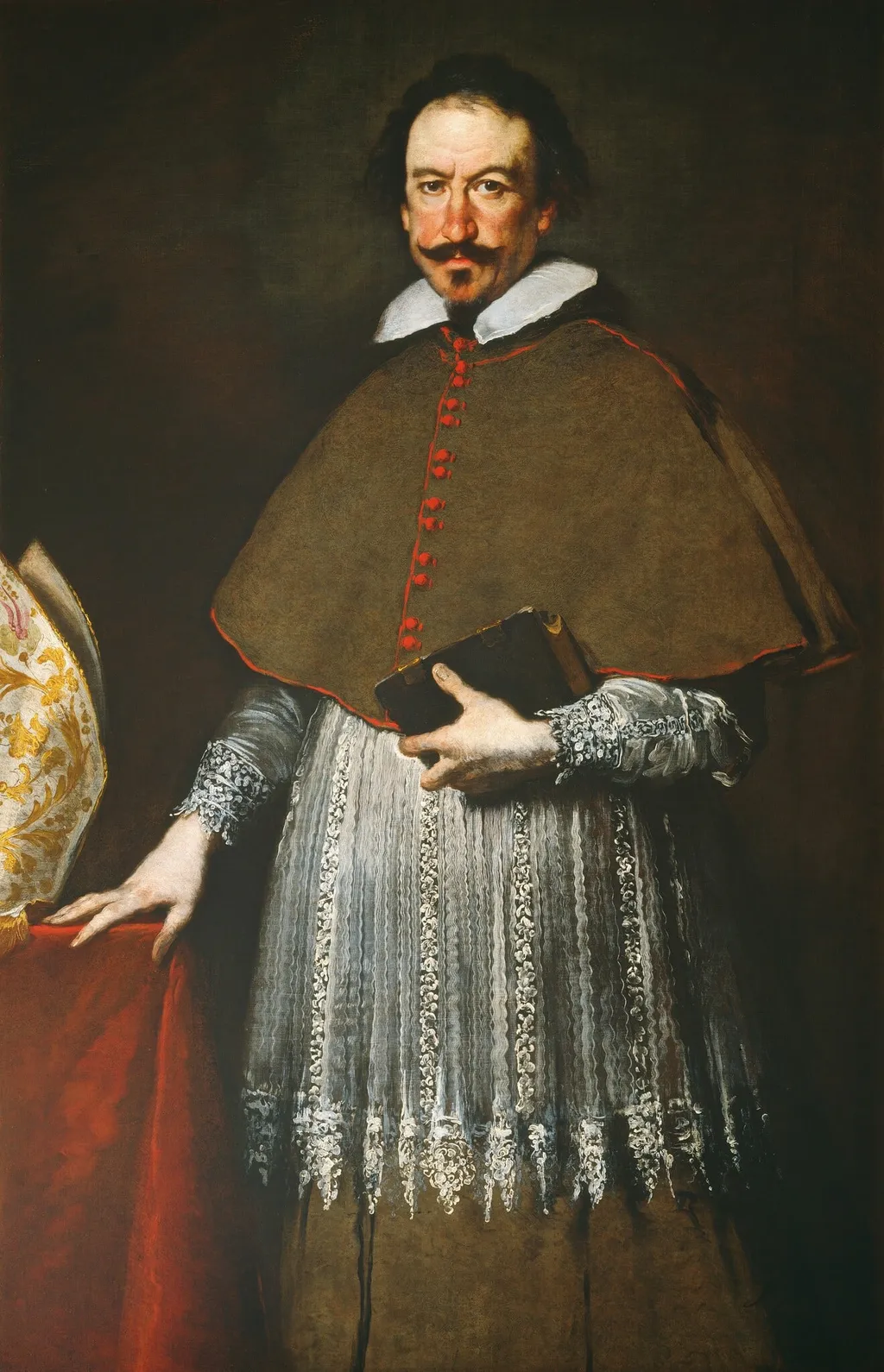
Bishop Alvise Grimani is an oil painting by the Baroque artist Bernardo Strozzi. It dates from 1633 and is held in the collection of the National Gallery of Art.
About this work
Subject & Meaning
The painting shows Bishop Alvise Grimani standing, facing the viewer, and holding a book of hours, a symbol of his clerical authority and personal devotion.
The painting shows Bishop Alvise Grimani standing, facing the viewer, and holding a book of hours, a symbol of his clerical authority and personal devotion. By presenting the bishop in full length and life-size, the work emphasizes his status within the church and invites contemplation of his spiritual role. The portrait, executed in oil on canvas in 1633, was created by Bernardo Strozzi and later entered the collection of the National Gallery of Art in Washington, D.C., where it remains on public display.
Its iconography links the subject to both his episcopal office and the devotional practices associated with the book of hours.
Technique & Style
Bernardo Strozzi's Bishop Alvise Grimani is executed in oil paint on a canvas support, created in 1633. The work is a full-length, life-size portrait depicting the bishop facing forward while holding a book of hours. The painting measures 146.7 cm in height and 95.1 cm in width.
History & Provenance
Painted in 1633 by Bernardo Strozzi, this portrait likely originated in the collection of Countess Lauredana Gatterburg-Morosini in Venice. Following her death in 1884, the work appeared in the Palazzo Morosini estate sale of 1894, where it was described as a life-sized bishop holding a book of hours. The painting subsequently entered the holdings of Florentine dealer Stefano Bardini before being sold at Christie's in London in 1902 under a misattribution to Anthony van Dyck as a cardinal.
It was offered again in New York in 1918 as an Italian School work depicting a Spanish cardinal.
After passing through the E. & A. Silberman Galleries, the Samuel H. Kress Foundation acquired the canvas in 1946. The foundation donated the piece to the National Gallery of Art in Washington, D.C., in 1961, where it remains part of the Kress Collection.
Context
The portrait of Bishop Alvise Grimani by Bernardo Strozzi has been situated within Venetian portraiture of the early seventeenth century, where Strozzi's work is recognized for its vivid realism and psychological penetration. The painting's attribution shifted over time, initially confused with Anthony van Dyck in the 1902 sale and later catalogued under generic Italian or Spanish schools, reflecting the fluid boundaries of connoisseurship in transatlantic art markets of the early twentieth century. Its eventual acquisition by the Samuel H. Kress Foundation in 1946 and subsequent gift to the National Gallery of Art placed the work within a canonical American collection, where it has been studied as part of the broader corpus of Strozzi's portraits executed during his Genoese period.
Scholarly attention has focused on the painting's provenance, which traces through Venetian aristocratic collections before entering the market via Stefano Bardini, whose handling of Italian old masters shaped early twentieth-century collecting in the United States.
Overview
Bernardo Strozzi, an Italian Baroque painter known as il Cappuccino, rendered this oil-on-canvas portrait of Bishop Alvise Grimani in 1633. The artwork showcases Strozzi's characteristic use of rich color and dynamic composition, elements central to his development of the Baroque style. It formally presents the bishop in his clerical attire, conveying his significant status and dignified bearing.
Own this work as a print
Artist & collection
Artist
Bernardo Strozzi, named il Cappuccino and il Prete Genovese (c. 1581 – 2 August 1644), was an Italian Baroque artist who was a painter and engraver. A canvas and fresco artist, his wide subject range included history,…

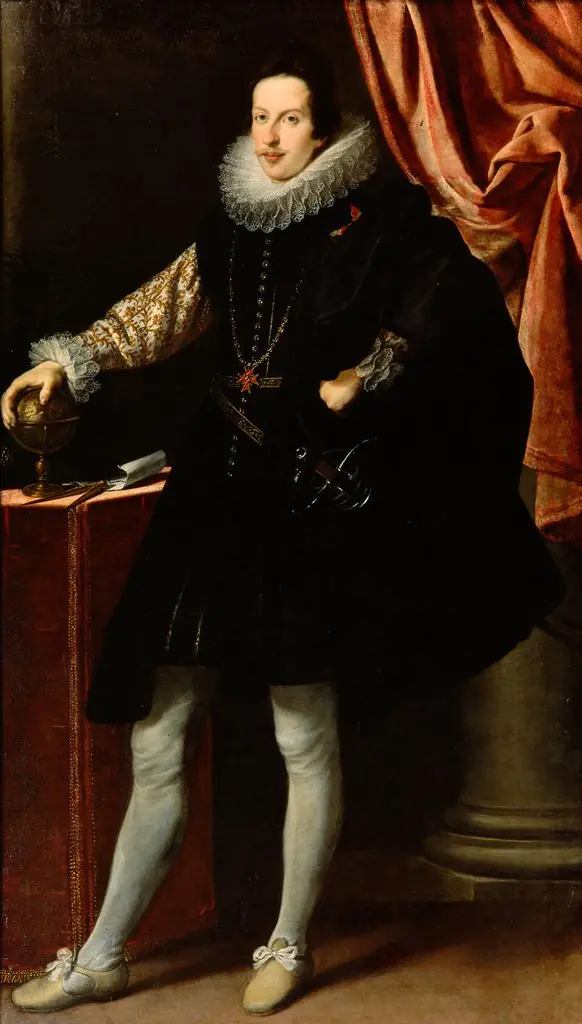
- Portrait of Cosimo II de' Medici, Grand Duke of Tuscany
 Don Sebastián rey de Portugal
 Portrait of Philip IV, King of Spain
 Cardinal Francesco Cennini
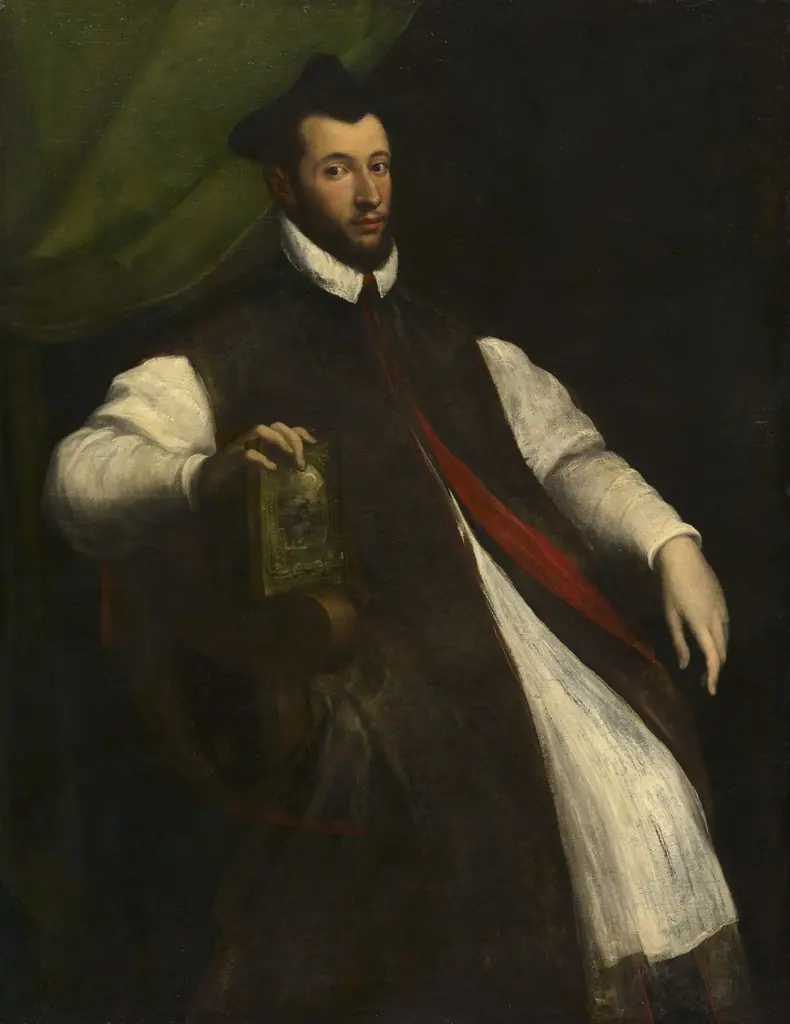 Portrait of a Prelate
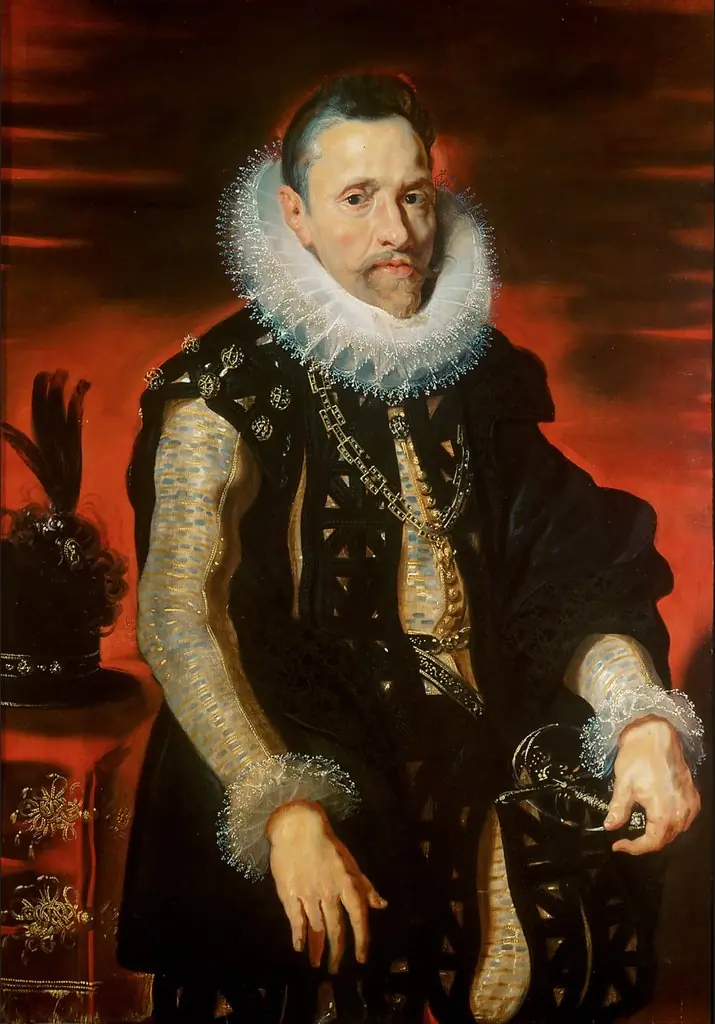 Albert VII, Archduke of Austria
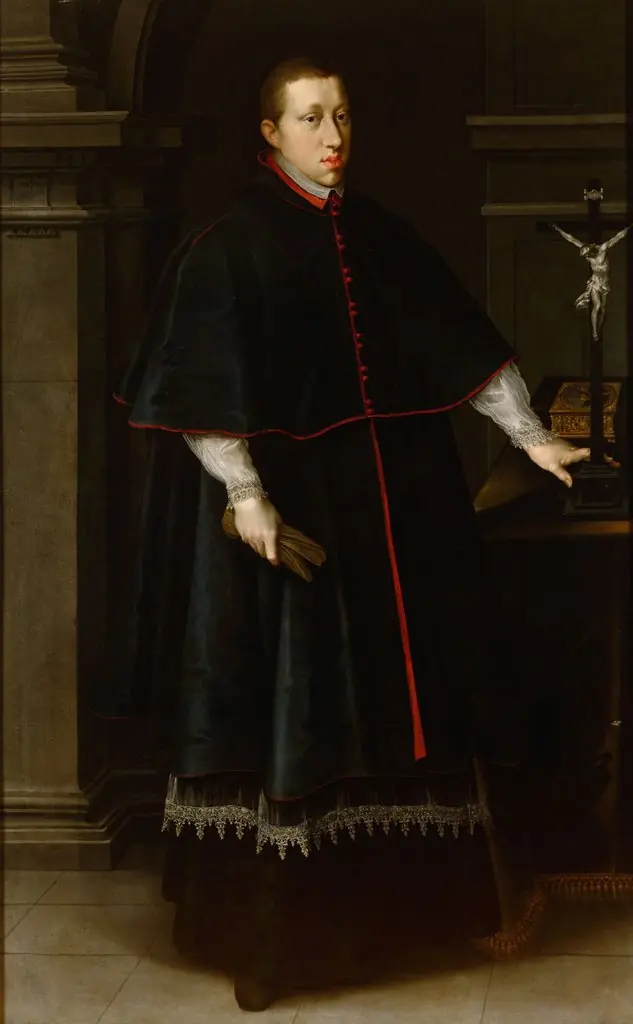 Archduke Leopold V (1586-1632) in the Spiritual Garment
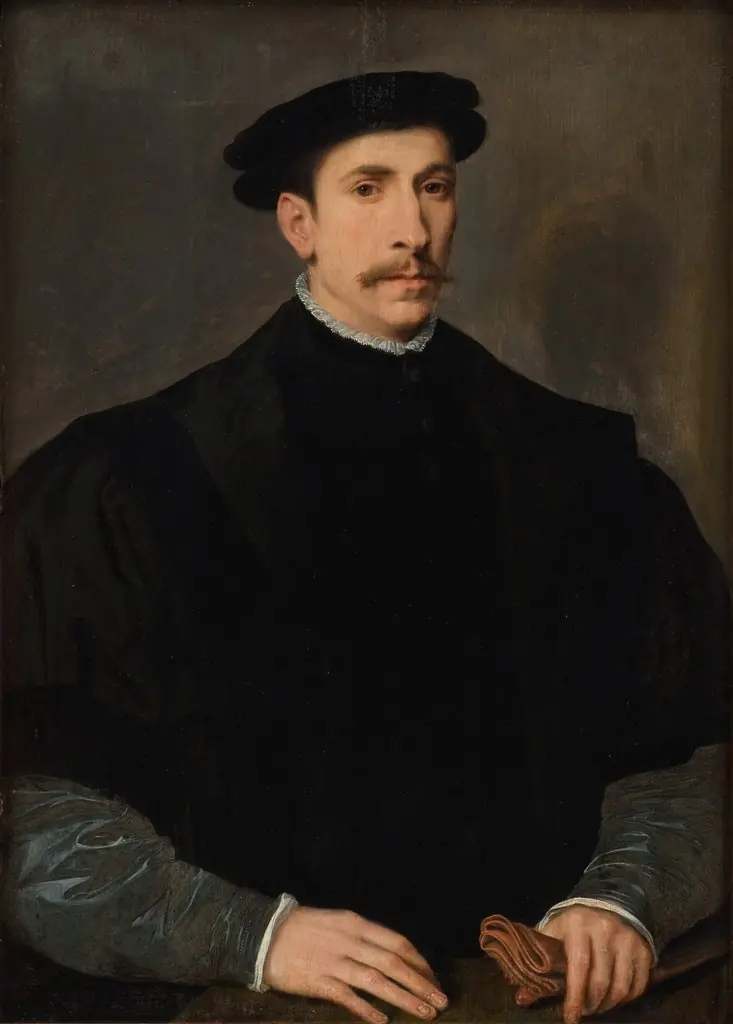 Portrait of a Man
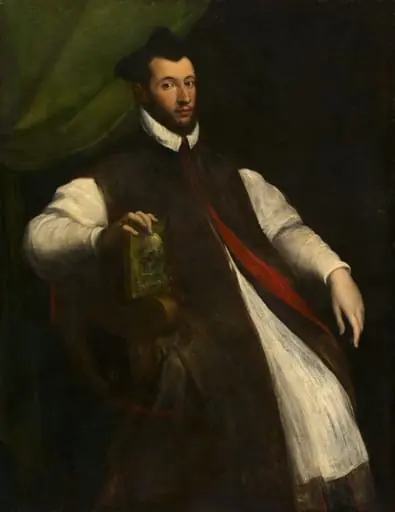 Portrait of a Prelate
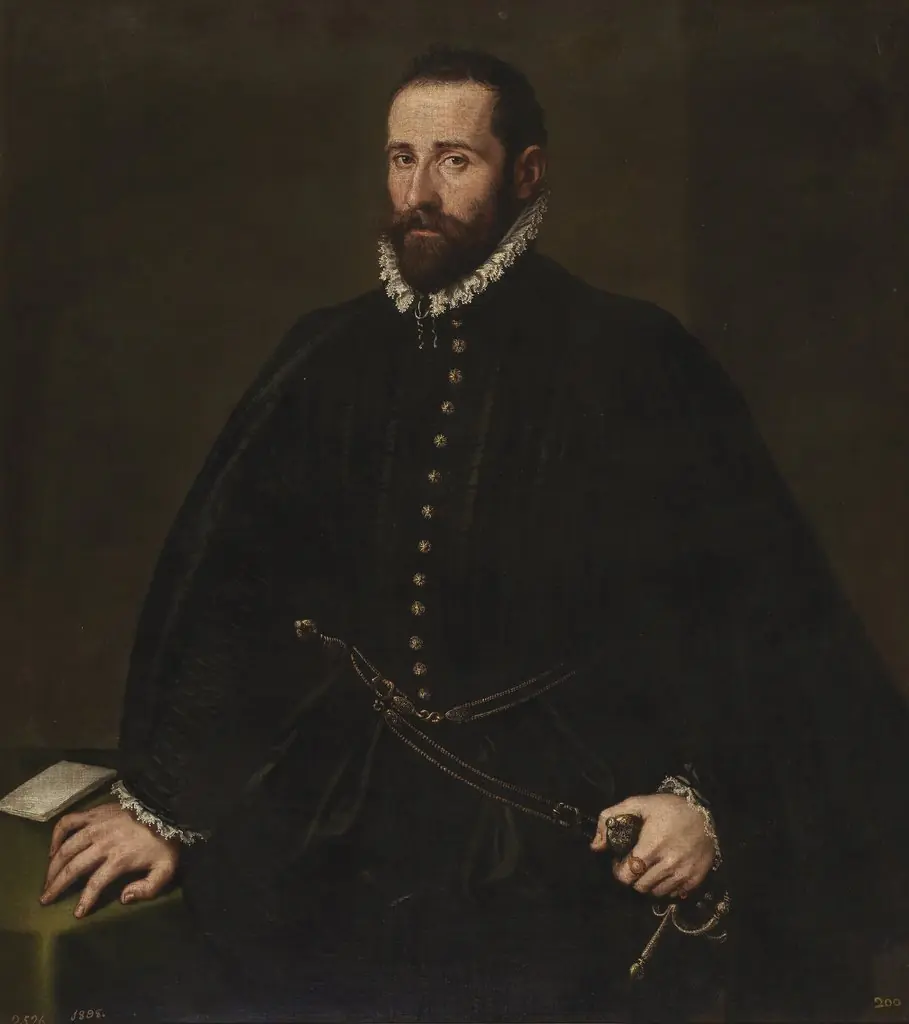 Portrait of a Gentleman
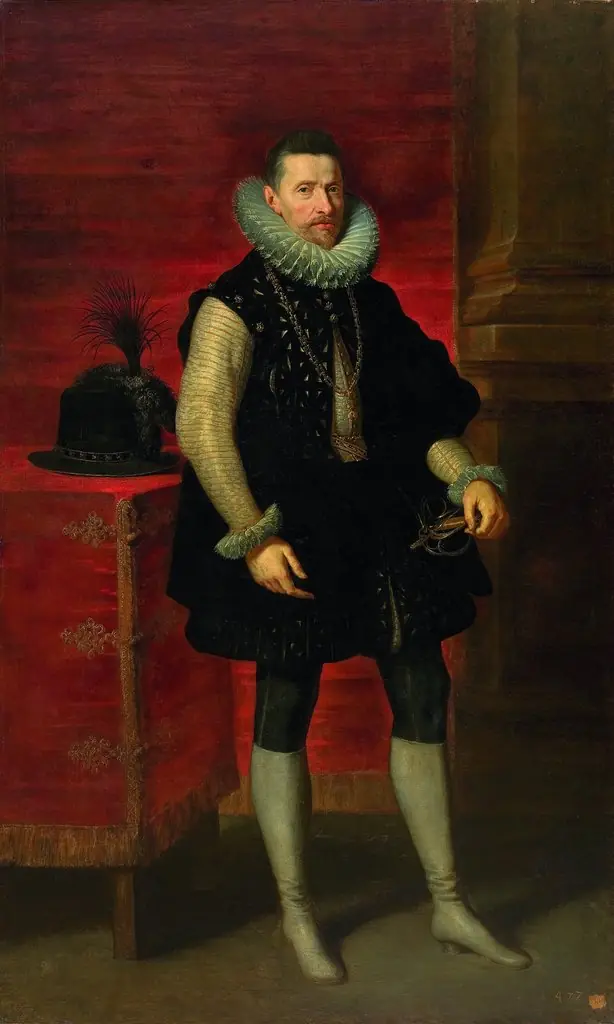 Portrait of Albert VII, Archduke of Austria
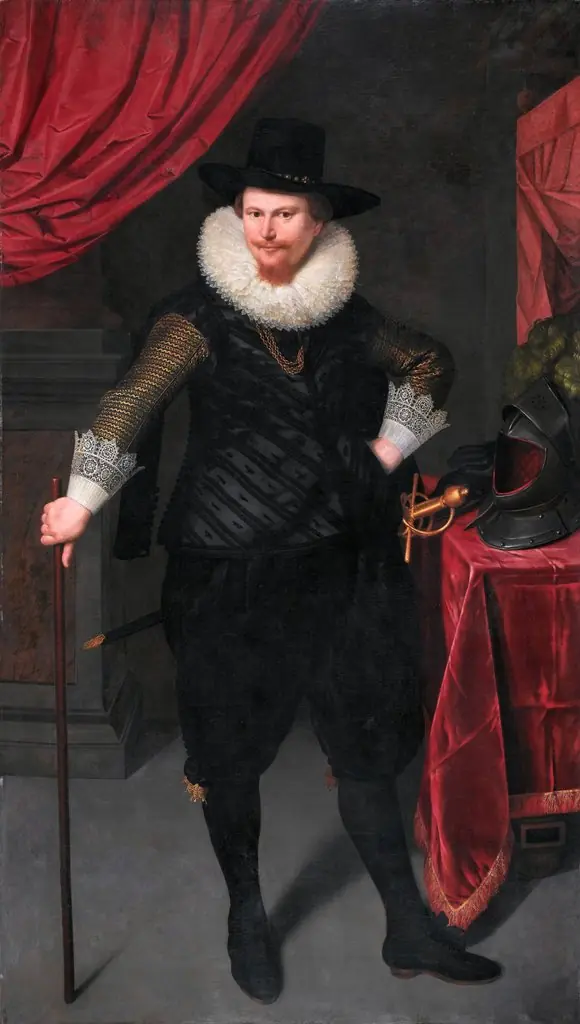 Portrait of Laurens Reael