Artwork
Allegorical Figure
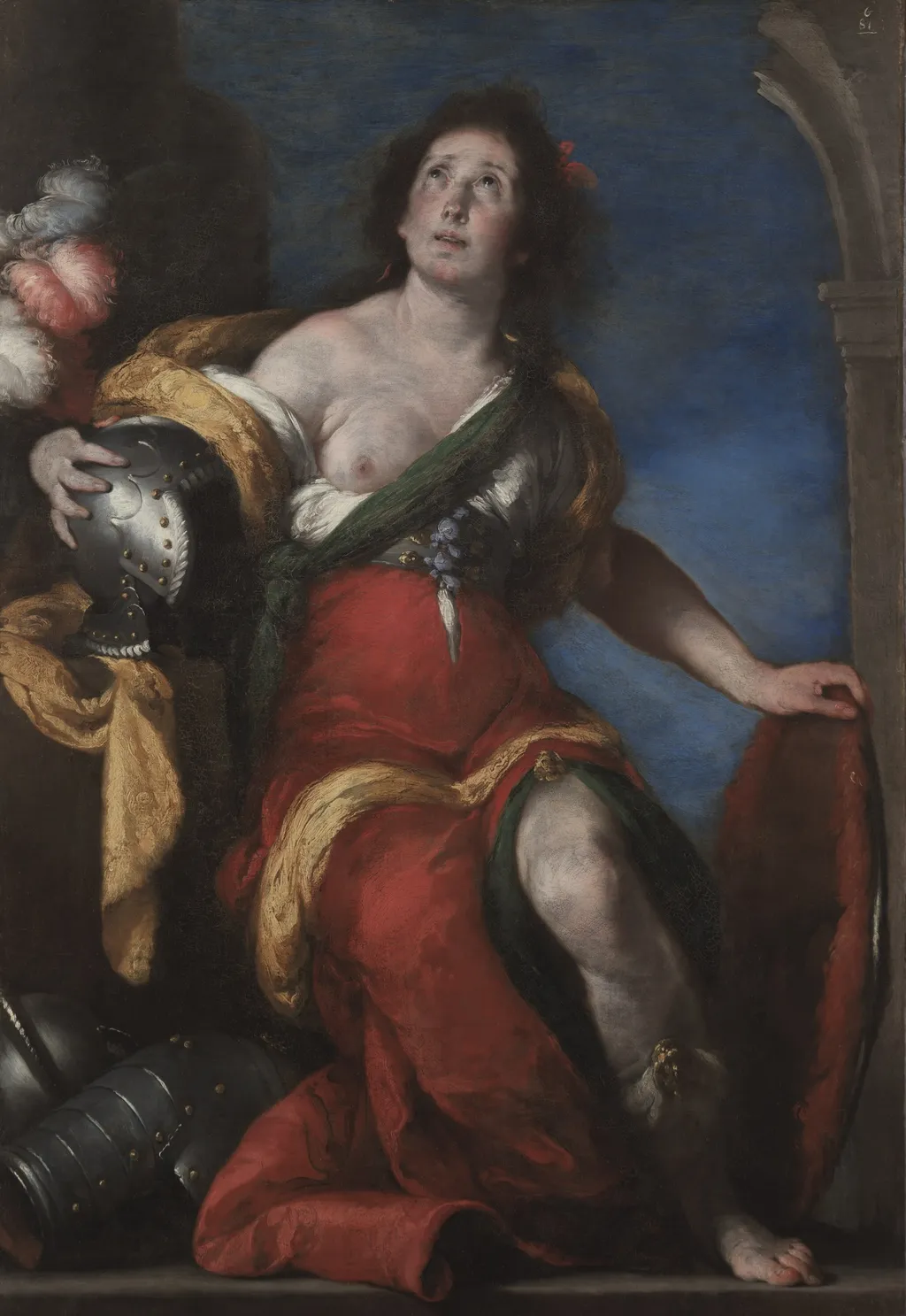
Allegorical Figure is an oil painting by the Early Baroque Italian artist Bernardo Strozzi. It dates from 1636 and is held in the collection of the Cleveland Museum of Art.
About this work
Subject & Meaning
As an allegory, the work utilizes a personified figure to represent abstract concepts or moral qualities, a common practice in Italian Baroque art.
Bernardo Strozzi's Allegorical Figure, created in 1636, is an oil painting on canvas that belongs to the allegorical genre. As an allegory, the work utilizes a personified figure to represent abstract concepts or moral qualities, a common practice in Italian Baroque art. While the specific identity of the virtue or concept depicted is not detailed in the available records, the classification confirms the painting's intent to convey meaning through symbolic imagery rather than literal narrative.
The work stands as a representative example of Strozzi's engagement with allegorical subjects during his career in Italy.
Technique & Style
The Allegorical Figure by Bernardo Strozzi, painted in 1636, is an oil on canvas work measuring about 145.8 cm in height and 99.8 cm in width. The painting was created in Italy and entered the collection of the Cleveland Museum of Art, where it remains. Strozzi employs a naturalistic rendering of the figure, using delicate chiaroscuro to model form and convey narrative symbolism typical of early Baroque allegory.
The surface retains its original canvas support, and the paint layer shows a smooth, blended application characteristic of the artist’s mature technique. No specific conservation records detail its present condition.
History & Provenance
The allegorical painting Allegorical Figure was created by Bernardo Strozzi in 1636. Executed in oil on canvas, the work originated in Italy and measures 145.8 cm in height by 99.8 cm in width. It is currently held in the collection of the Cleveland Museum of Art, where it is cataloged under the accession number 1929.133.
The painting Allegorical Figure by Bernardo Strozzi, executed in 1636, is an oil on canvas work measuring approximately 145.8 cm in height and 99.8 cm in width. It belongs to the allegorical genre and is classified as a painting.
The work is presently held by the Cleveland Museum of Art, where it is part of the museum’s collection of paintings. Its presence in the museum’s galleries allows public access to the piece within the institution’s exhibition schedule.
Overview
Bernardo Strozzi, an Italian Baroque artist also known as il Cappuccino or il Prete Genovese, painted Allegorical Figure in 1636. This oil painting exemplifies the early Baroque style in Italy. Strozzi, active first in Genoa and later in Venice, was a versatile painter and engraver whose work encompassed various genres, including allegories like this piece. It is currently part of the collection at The Cleveland Museum of Art.
Own this work as a print
Artist & collection
Artist
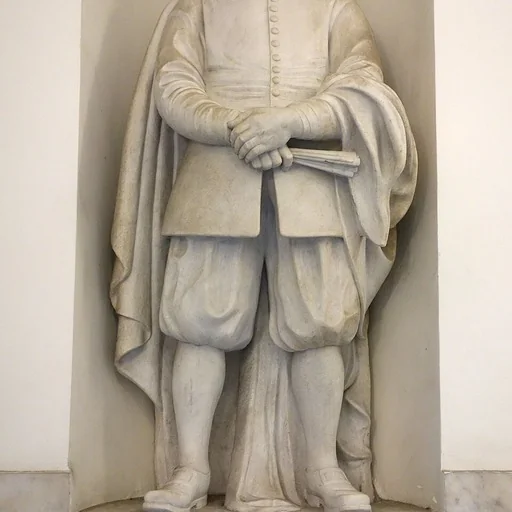
Bernardo Strozzi, named il Cappuccino and il Prete Genovese (c. 1581 – 2 August 1644), was an Italian Baroque artist who was a painter and engraver. A canvas and fresco artist, his wide subject range included history,…

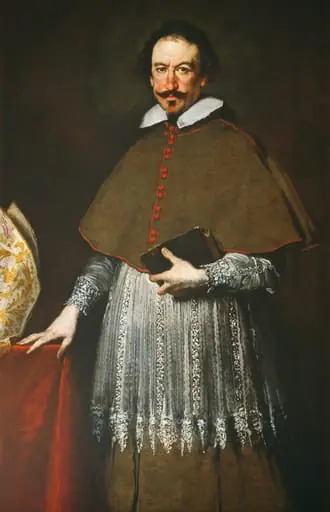

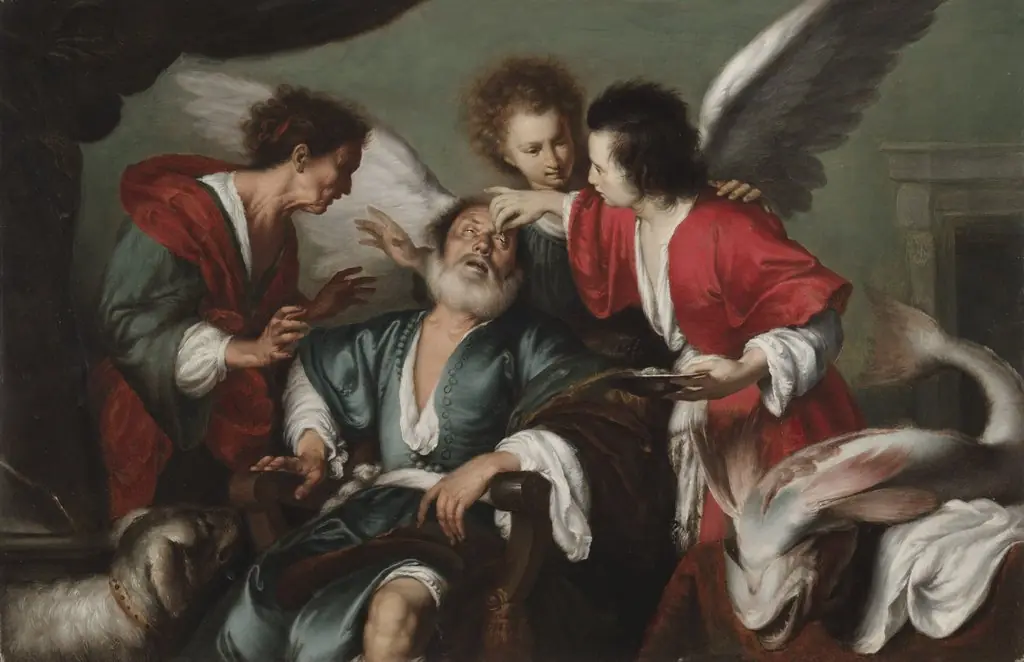
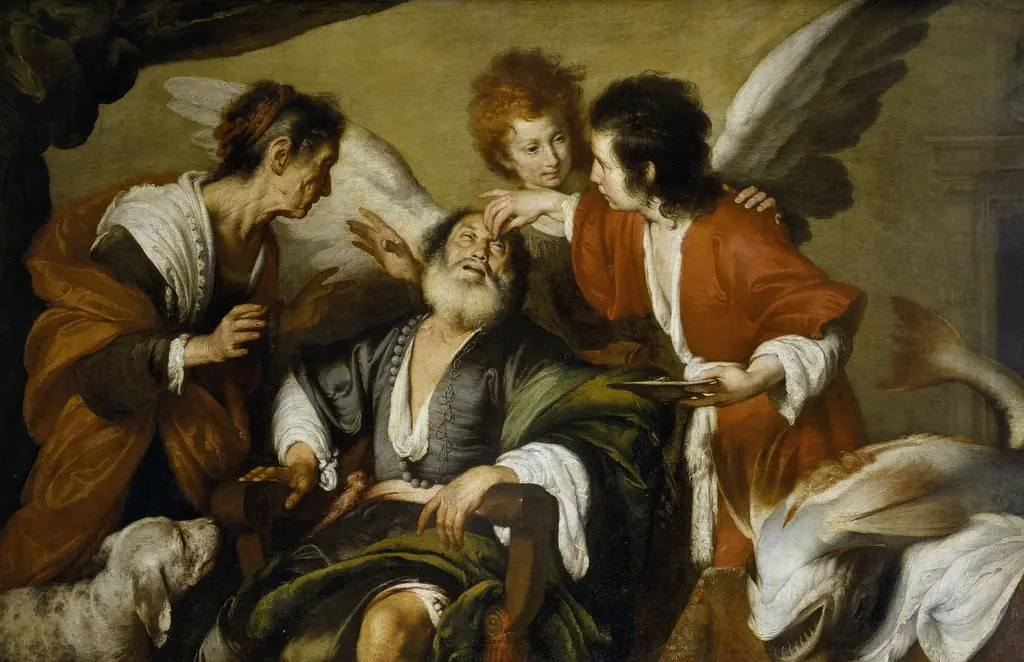
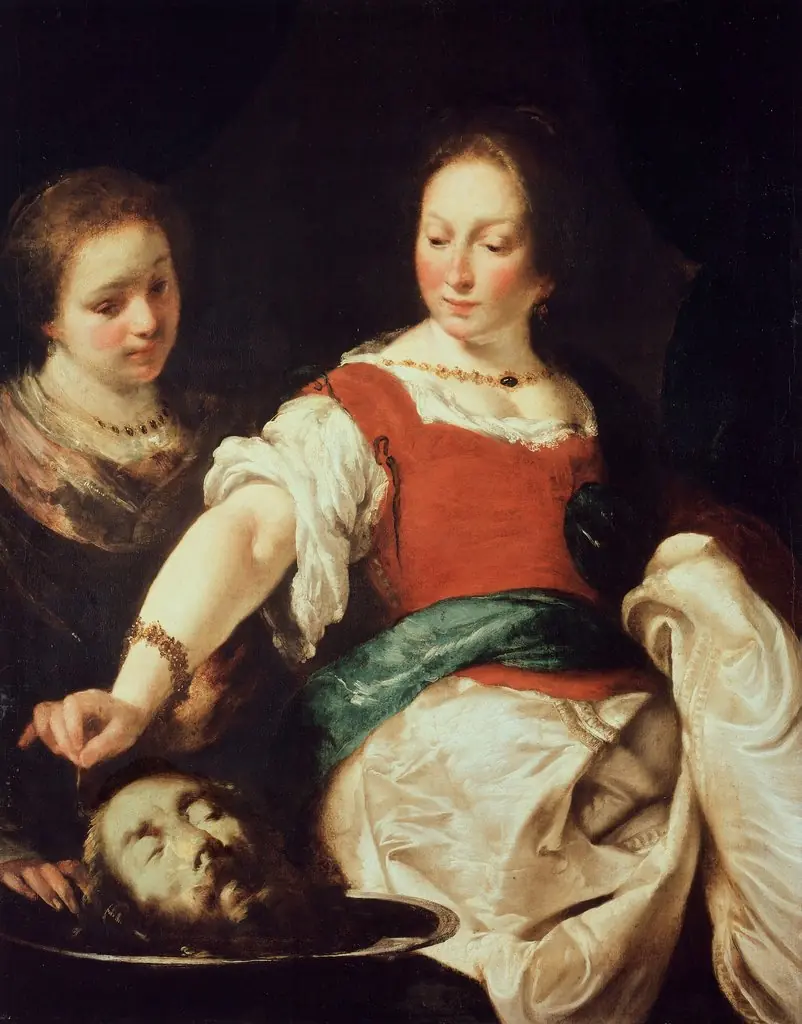
- Judith with the head of Holofernes
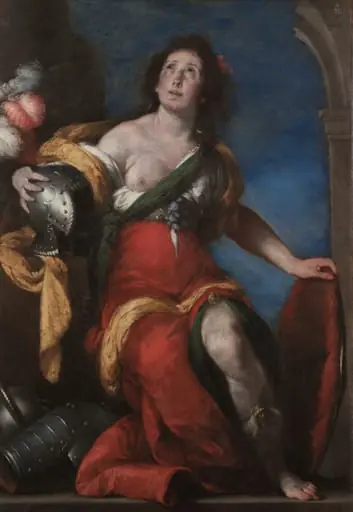 Allegorical Figure
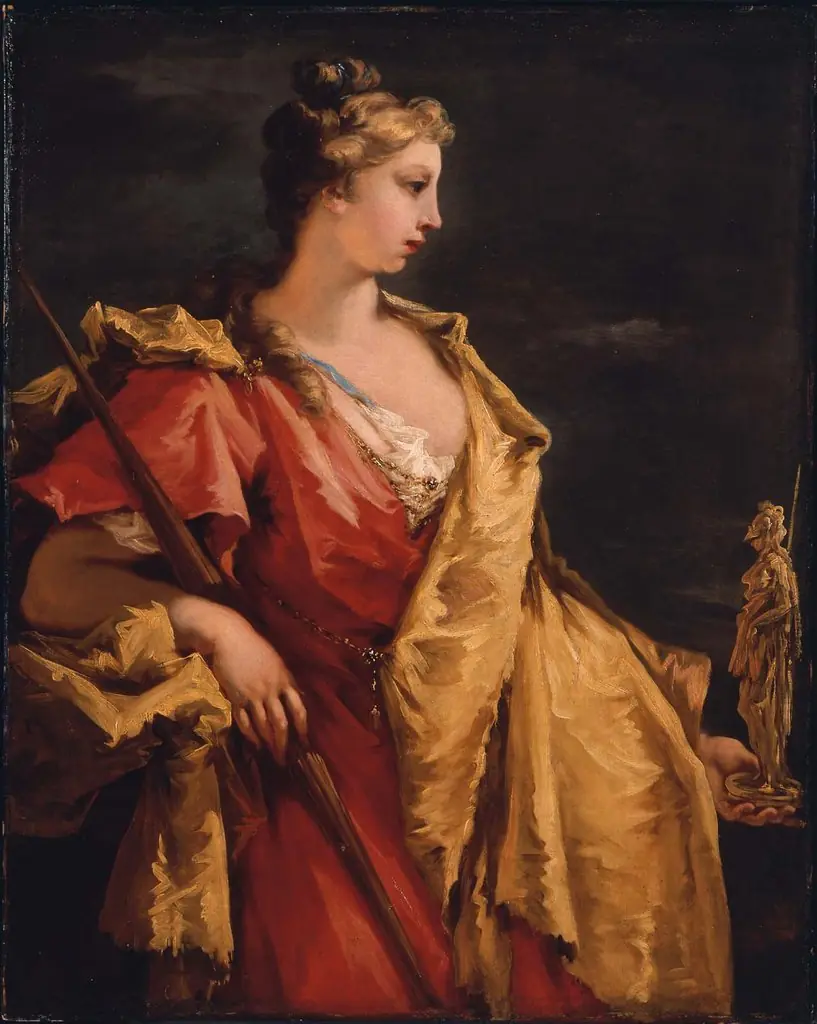 Nobility Holding a Statue of Athena
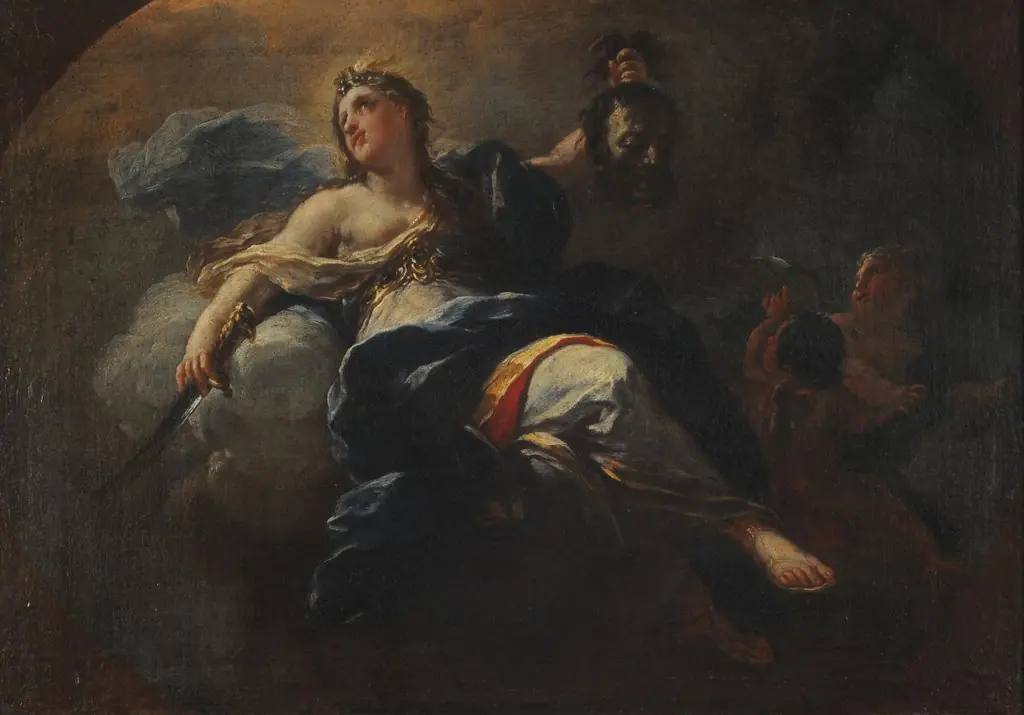 Apoteosis de Judith (Tit. Ant.: Judith llevando -en triunfo- la cabeza de Holofernes)
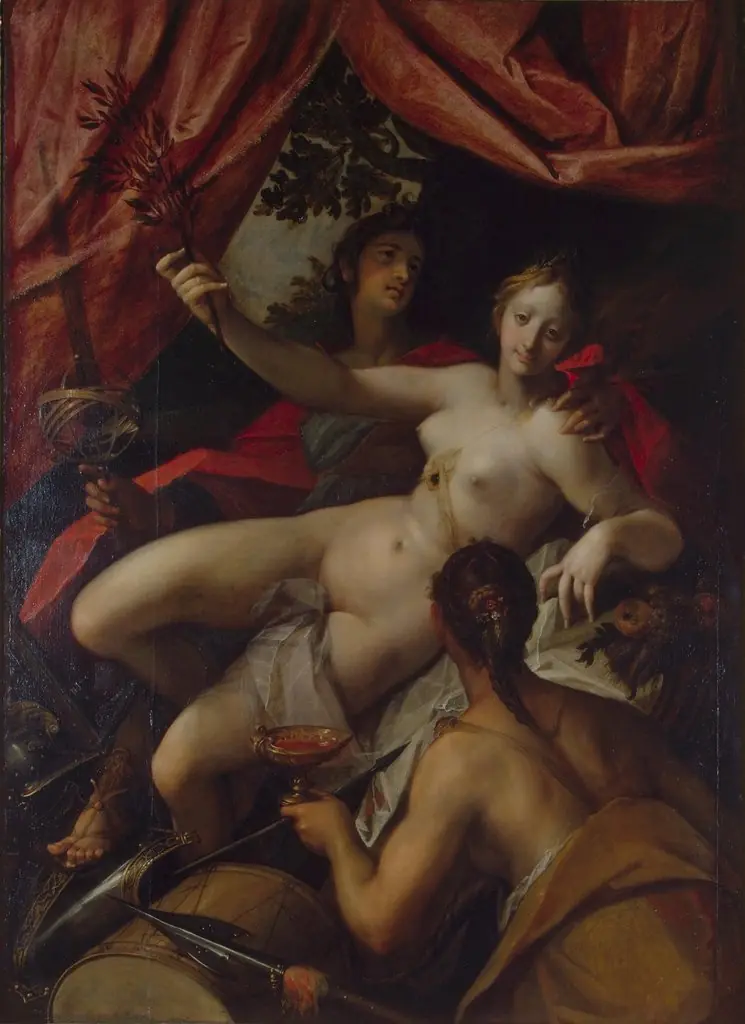 Allegory of Peace and Abundance
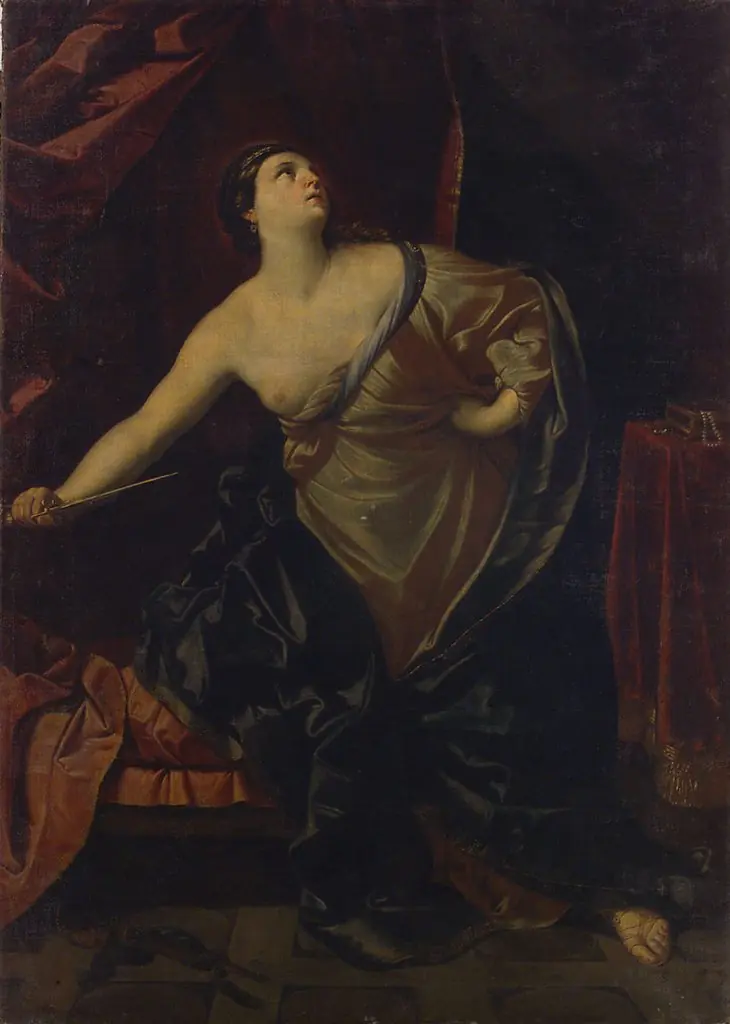 Lukrezia
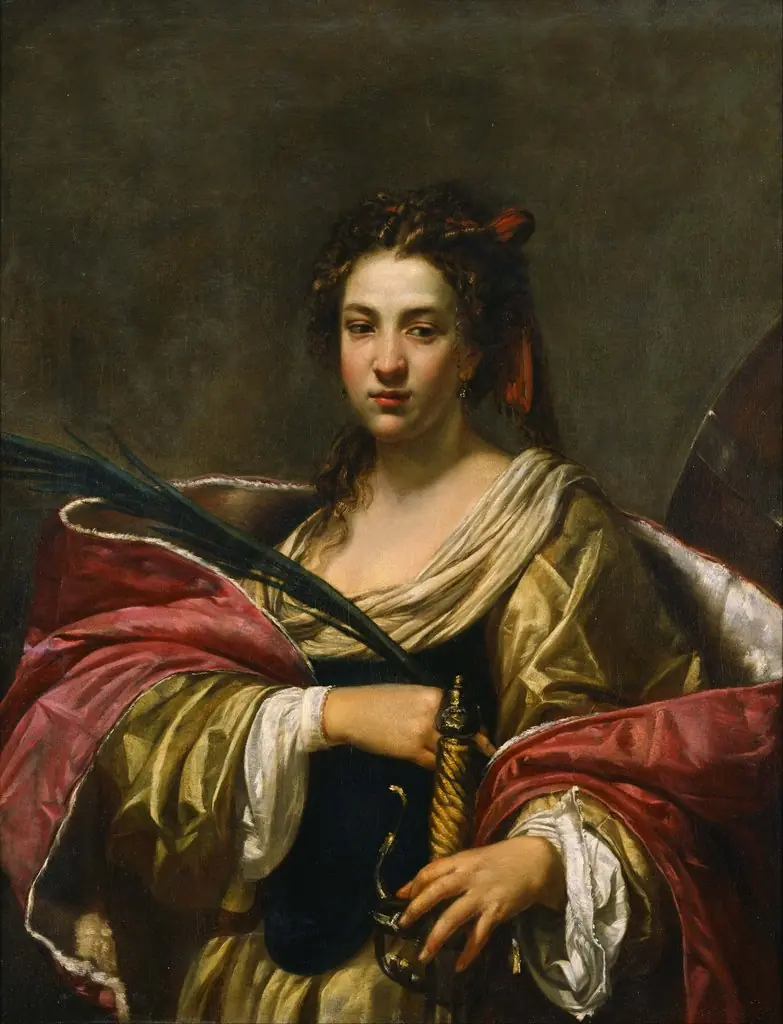 Saint Catherine of Alexandria
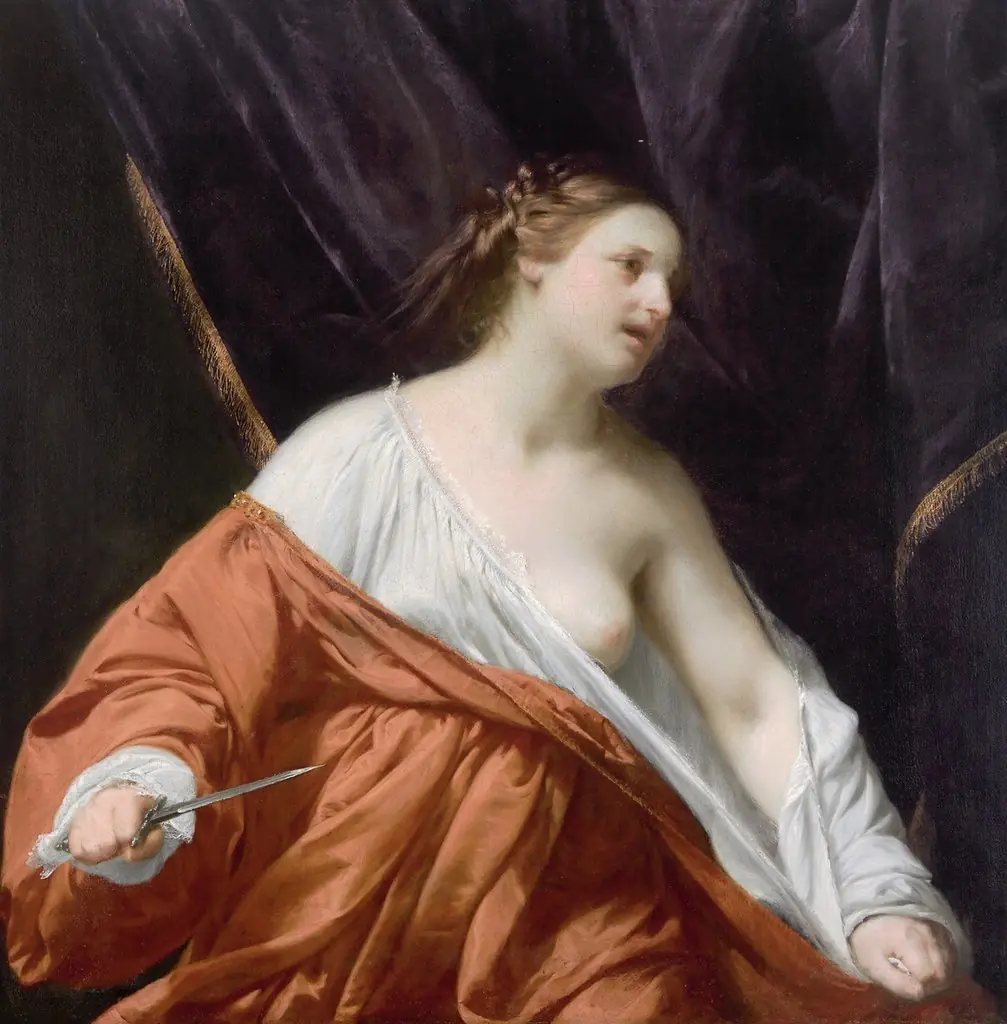 La Mort de Lucrèce
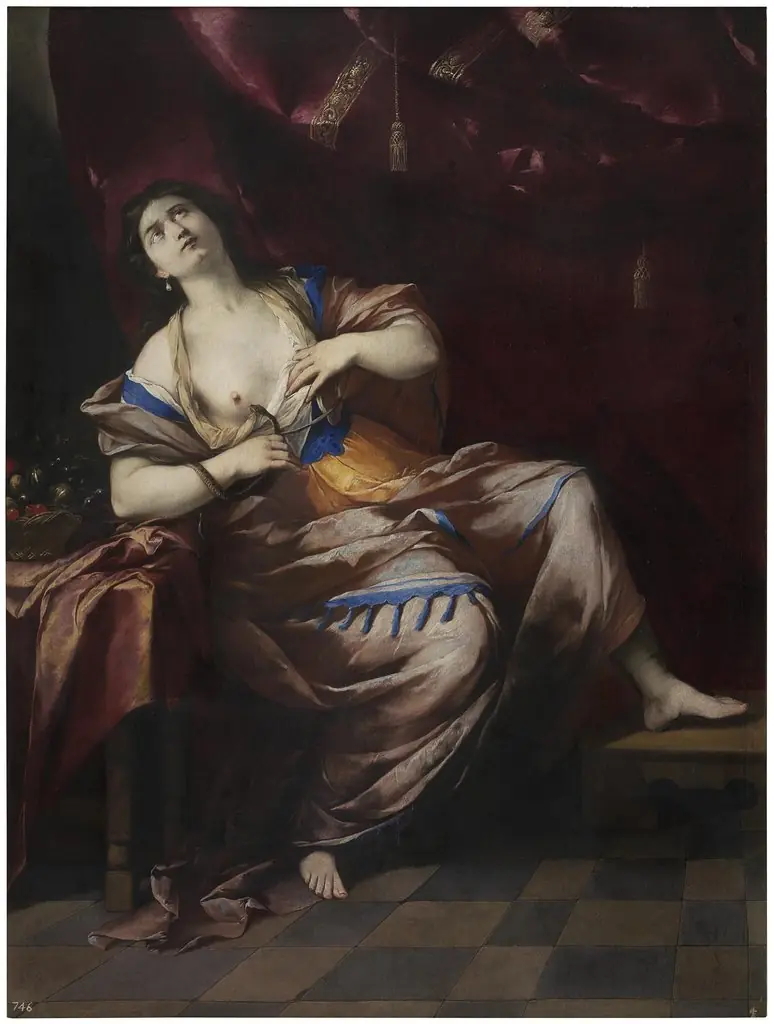 The death of Cleopatra
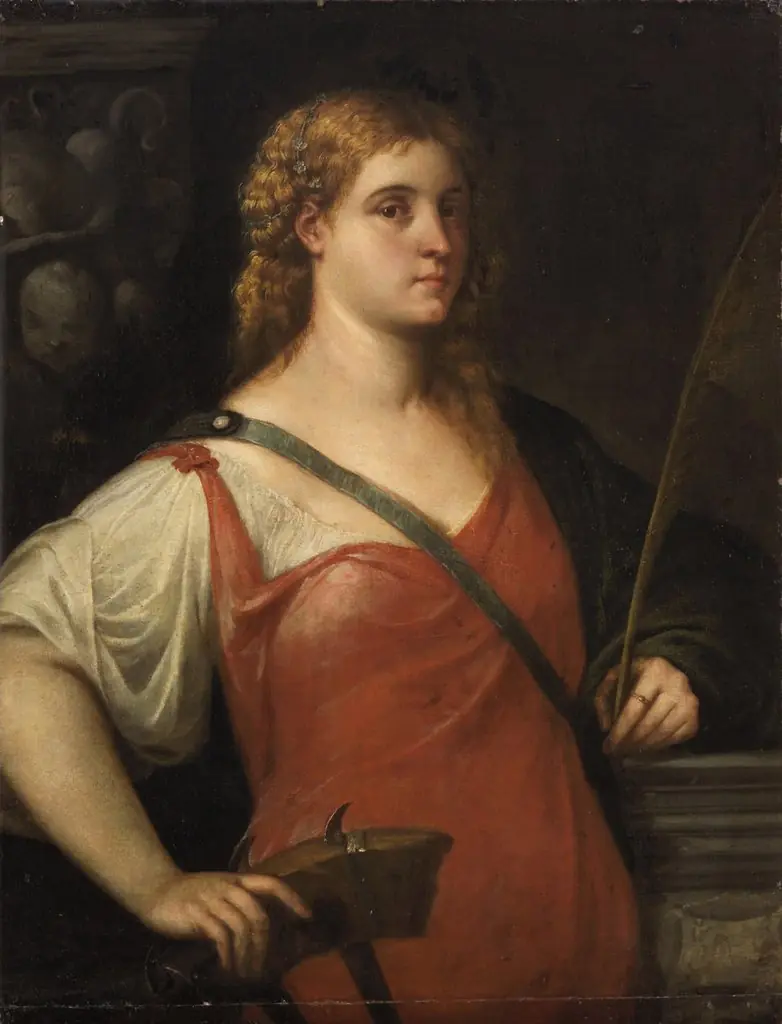 Saint Catherine
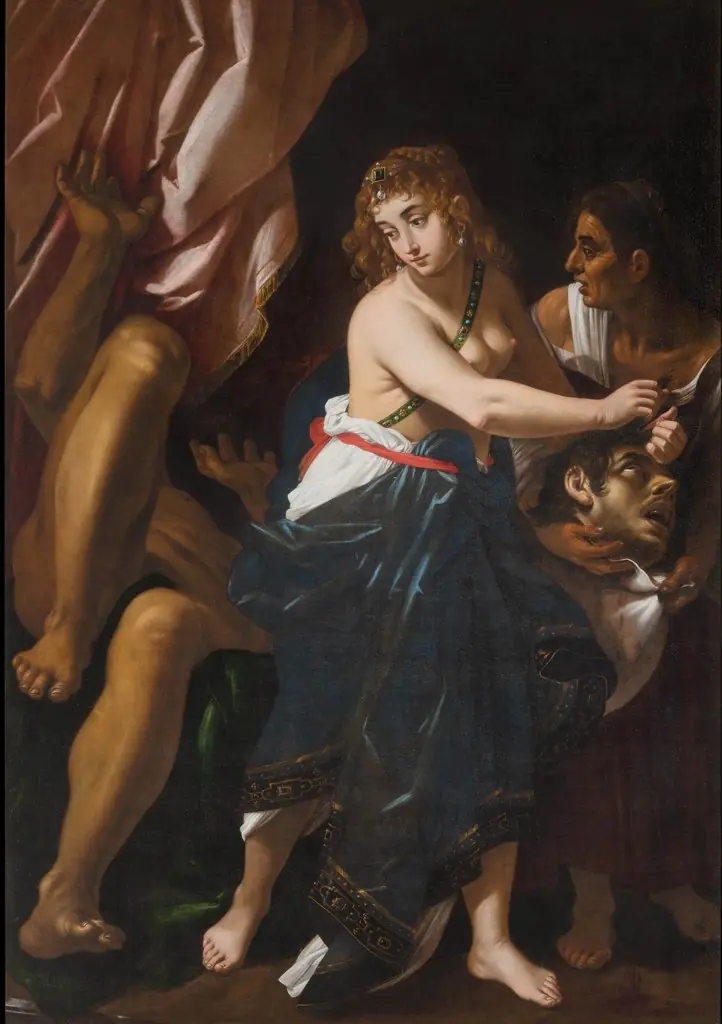 Judith and the Head of Holofernes
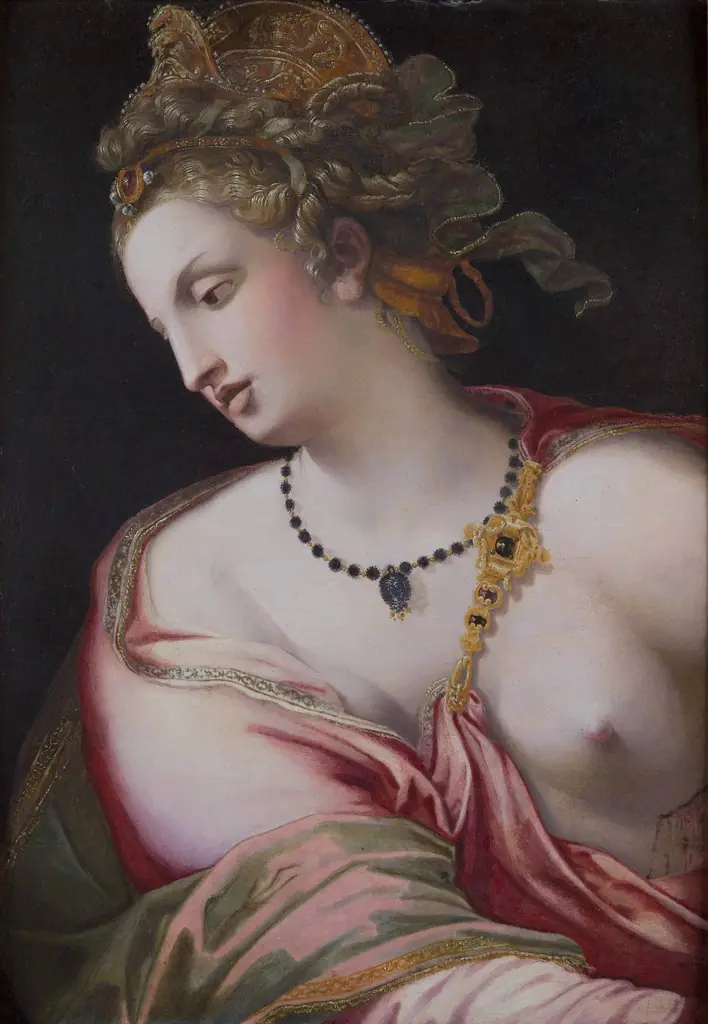 Lucrèce