Artwork
Sleeping Girl
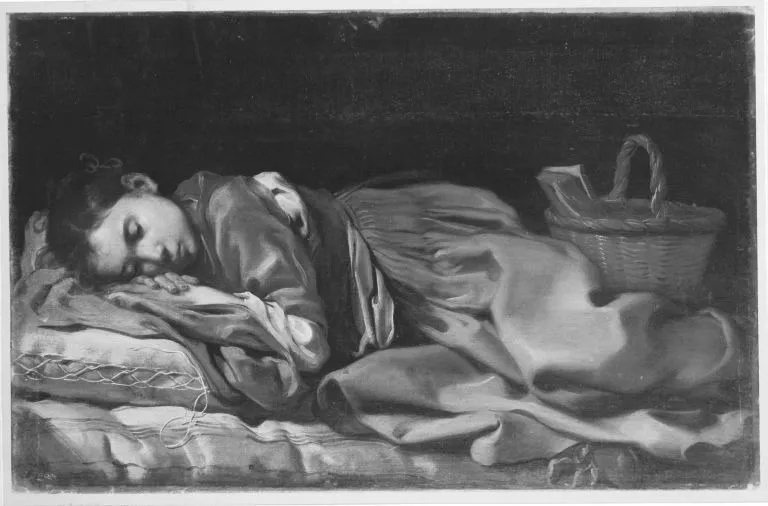
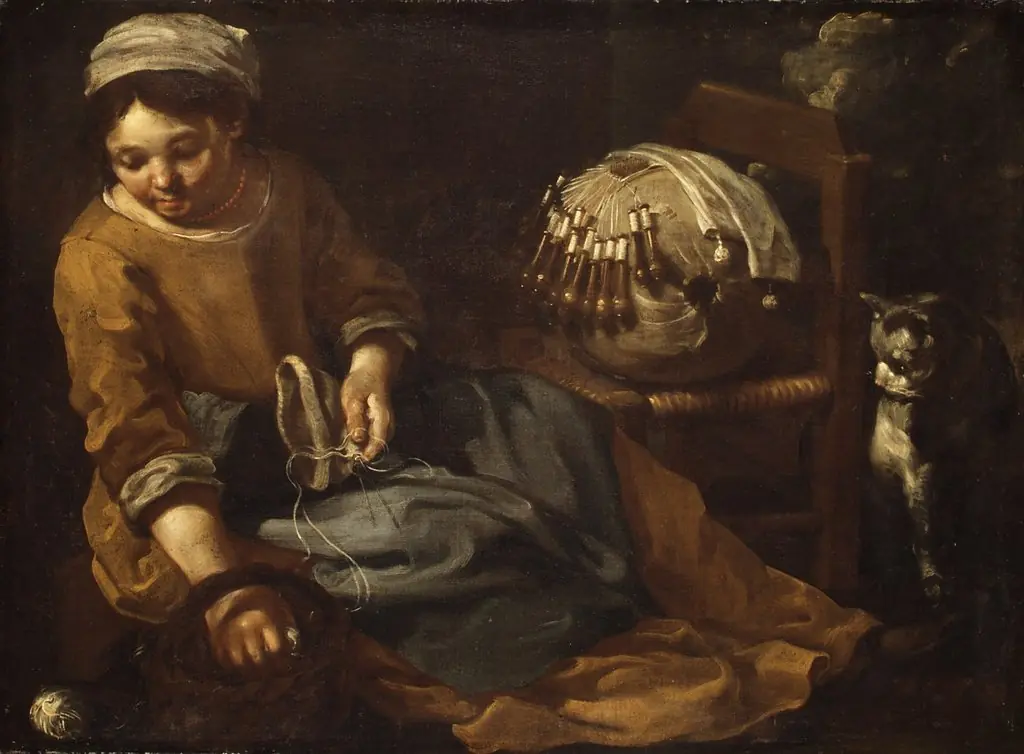
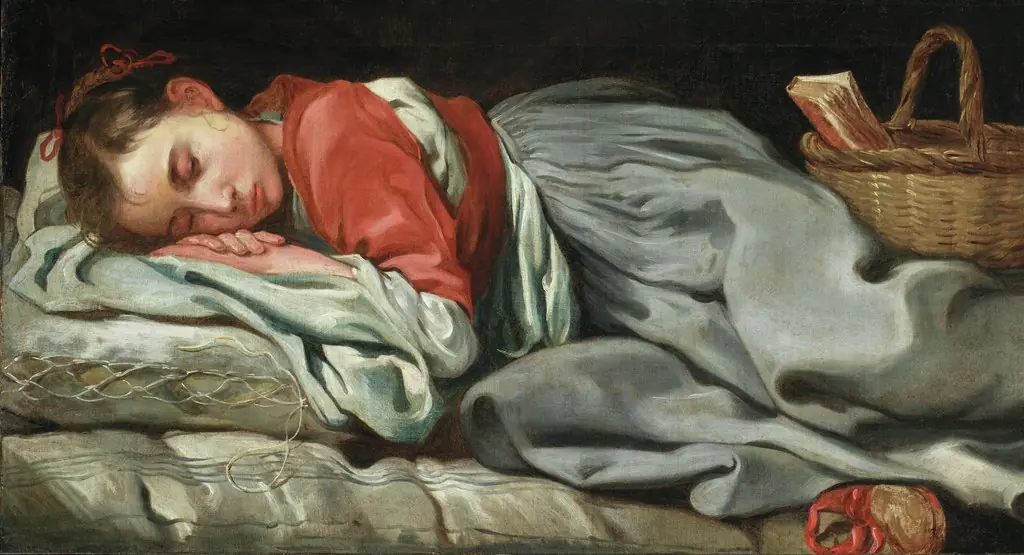
Sleeping Girl is an unspecified painting by the Flemish Baroque painting artist Bernhard Keil. It dates from 1655 and is held in the collection of the Bavarian State Painting Collections.
About this work
Subject & Meaning
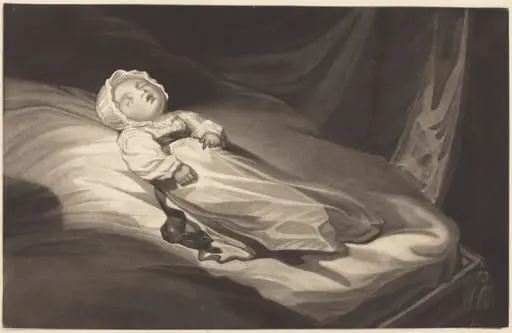
The subject is a young girl asleep, rendered in a genre scene by Bernhard Keil in 1655.
The subject is a young girl asleep, rendered in a genre scene by Bernhard Keil in 1655. The figure is depicted in quiet repose, emphasizing stillness and vulnerability, which aligns with the period’s interest in capturing intimate, everyday moments. The girl’s relaxed posture and closed eyes focus attention on the stillness of sleep rather than narrative action, suggesting themes of innocence and transience.
Within Keil’s oeuvre, such scenes often reflect the broader Dutch and Flemish tradition of moralizing genre imagery, where quietude could carry undertones of youthful fragility or the fleeting nature of childhood.
Technique & Style
Executed in oil on canvas in 1655, the work measures 62 cm in height by 96.4 cm in width. The handling is characterized by softly blended modeling and a muted palette dominated by earth tones, which lend a quiet, nocturnal atmosphere to the scene. The girl’s prone pose and closed eyes are rendered with restrained naturalism, capturing a vulnerable intimacy through understated chiaroscuro.
The composition’s reduced detail and subdued lighting reinforce the stillness of sleep, aligning with mid-seventeenth-century Dutch-influenced genre traditions.
History & Provenance
The painting titled Sleeping Girl was created by Bernhard Keil in 1655. It is classified as a genre scene depicting a sleeping girl. The work is currently held in the collection of the Bavarian State Painting Collections, specifically located at the Alte Pinakothek.
No further details regarding the original commission, specific patron, or the detailed chain of ownership prior to its current location are provided in the available records.
Context
Bernhard Keil's Sleeping Girl (1655) occupies a transitional moment in 17th-century Dutch genre painting, blending Caravaggesque chiaroscuro with emerging naturalistic observation. Contemporary scholarship notes its nuanced psychological dimension within the tradition of low-life scenes, distinguishing it from more overtly moralizing works of the period. The painting's formal treatment of light on fabric and the sitter's downcast gaze reflect broader shifts toward intimate domestic realism in Northern European art circa mid-1600s.
Its placement within the Bavarian State Painting Collections at the Alte Pinakothek underscores institutional recognition of Keil's significance within the German school, though critical reassessment continues to position his work at the intersection of Dutch influence and local Bavarian artistic developments.
Overview
Bernhard Keil’s 1655 oil painting, Sleeping Girl, presents a quiet interior scene in which a young woman lies partially reclined on a modestly made bed. The work is part of the collection of the Alte Pinakothek in Munich and exemplifies the Dutch‑German genre tradition of the mid‑seventeenth century.
Artist & collection