Artwork
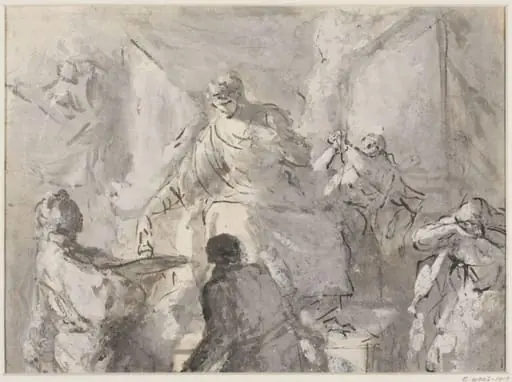
The Death of Sapphira
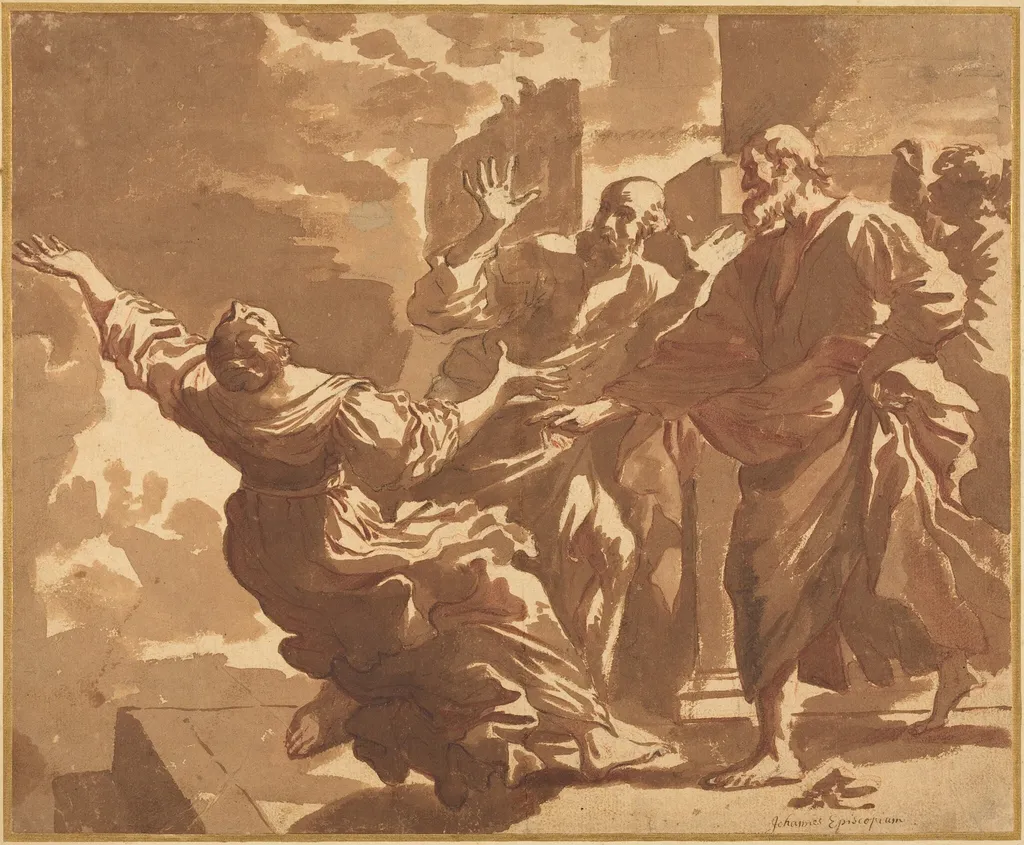
The Death of Sapphira is a paint drawing by the Baroque artist Jan de Bisschop. It dates from 1660 and is held in the collection of the National Gallery of Art.
- Inscription
- Inscribed:lower right in pen and brown ink: Johannes Episcopium; by later hand on mount, upper center verso in graphite: Bisschops; by later hand on mount, upper right verso in graphite: 52; by later hand on mount, upper right verso in pen and blue ink: B.28; by later hand on mount, lower right verso in graphite: Jan de Bisschops / Saint [Peter?] [?] Sapphira / [Sigund?] / Coll. [Jonathan] Richardson Sen (his mount). / Dionis Muilman (according to JG van Gelder 1970 / Denis Mahon points out that this is a / record of a lost composition by / Guercino; by later hand on mount, lower right verso in graphite: A0112; by later hand on mount, lower right verso in graphite: Mc1035; by later hand on mount, lower right verso in graphite: L? 280; by later hand on mount, lower right verso in graphite: 16 (in circle); by later hand on mat, lower center in pen and brown ink: J. Bischope
About this work
Overview
The Death of Sapphira is a 1660 drawing by Jan de Bisschop, a Dutch Golden Age artist who transitioned from law to art. Executed in brush and brown wash with black and red chalk on laid paper, the work exemplifies Bisschop's interest in historical and biblical themes.
Subject & Meaning
The drawing depicts a dramatic scene from the biblical account of Sapphira, who met a sudden death as punishment for deceit (Acts 5:1-11). The composition conveys chaos and emotional turmoil through the poses of the two main figures: one collapsing in the foreground, arms outstretched, and another standing, hands raised towards the sky.
Technique & Style
Bisschop achieved a sense of urgency in the drawing through sketchy lines and a predominantly brown and black color palette, with subtle accents of red chalk. The rough, expressive quality of the work contrasts with the refined draftsmanship characteristic of his training and the Dutch intellectual-artistic circles he frequented.
History & Provenance
Created in 1660, The Death of Sapphira reflects Bisschop's integration into a network of Dutch artists and intellectuals valuing classical and biblical subjects. Specific provenance details are not provided in the available information.
Context
This work is contextualized within the broader Baroque art movement, notable for its dramatic lighting and intense emotions, though Bisschop's monochromatic approach here lends a unique, subdued intensity to the scene.
Legacy
While The Death of Sapphira may not be widely recognized beyond specialized art historical circles, it contributes to the understanding of 17th-century Dutch engagement with biblical narratives through art. Its style and theme place it alongside other Baroque works exploring dramatic religious subjects.
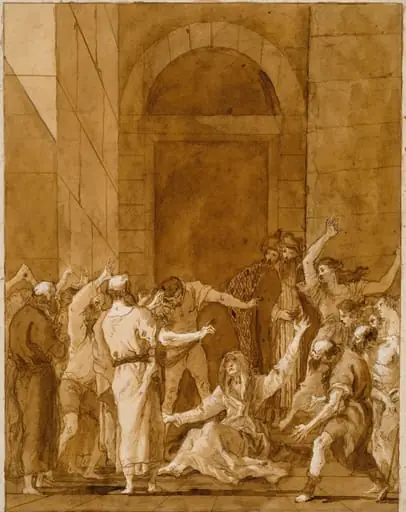
Own this work as a print
Artist & collection
Artist
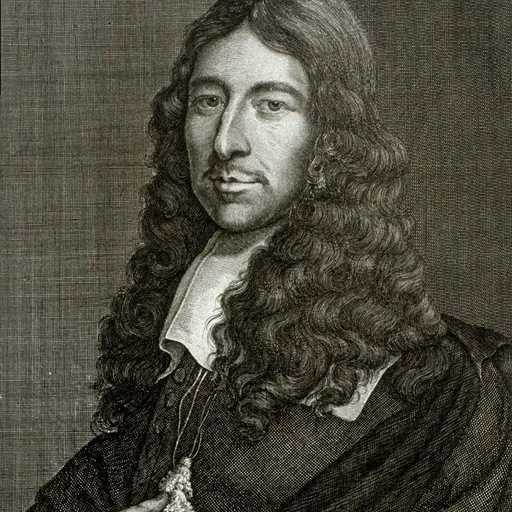
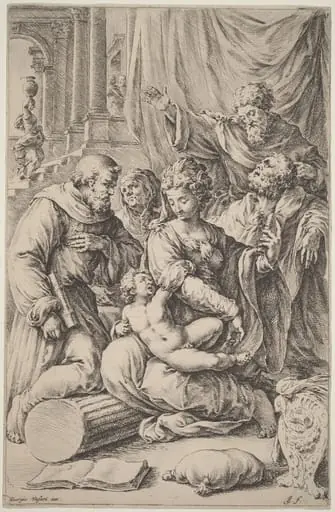
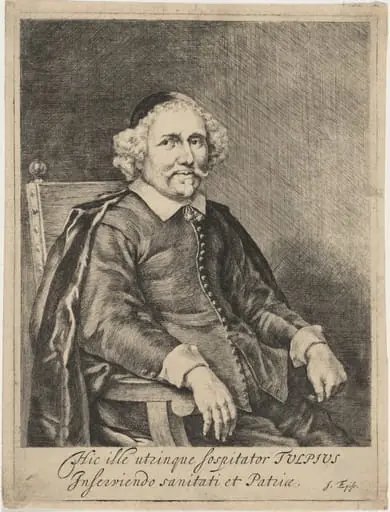
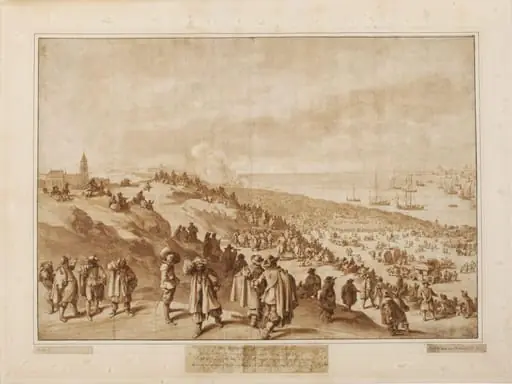
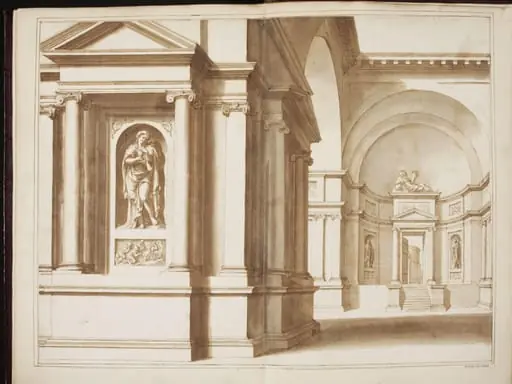
Jan de Bisschop, also known as Johannes Episcopius (1628–1671), was a lawyer, who became a Dutch Golden Age painter and engraver.

- The Raising of Tabitha
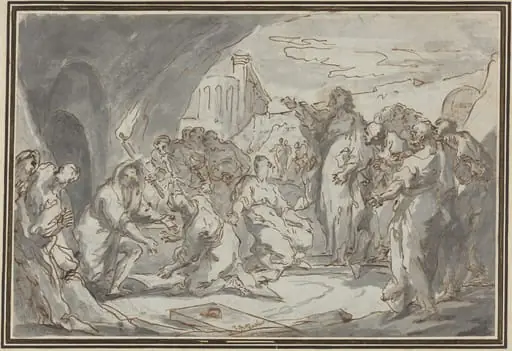 The Raising of Lazarus
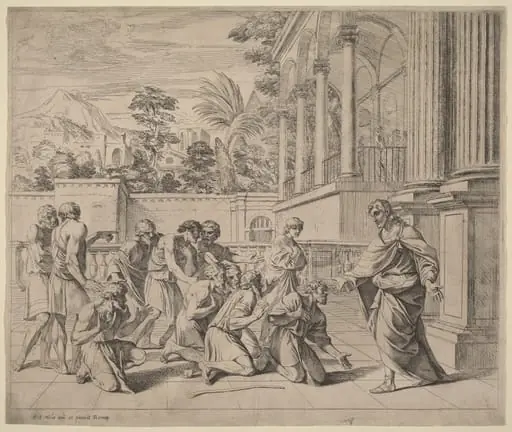 Joseph Identifying Himself to His Brothers
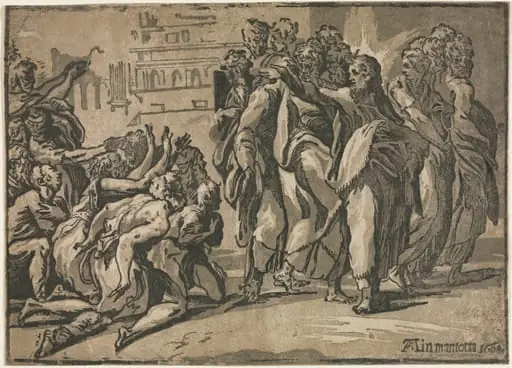 Christ Healing the Lepers
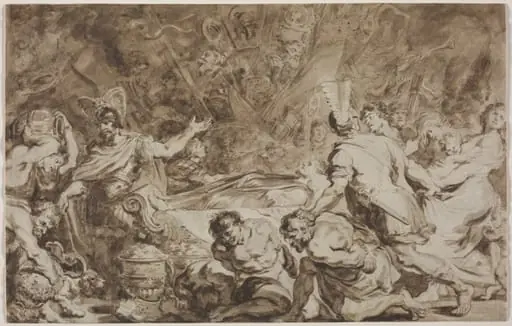 The Funeral of Decius Mus
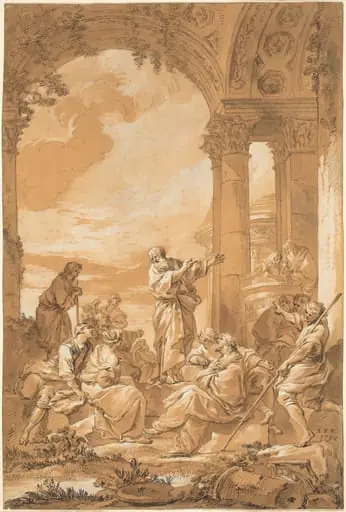 Saint Paul Preaching in Athens
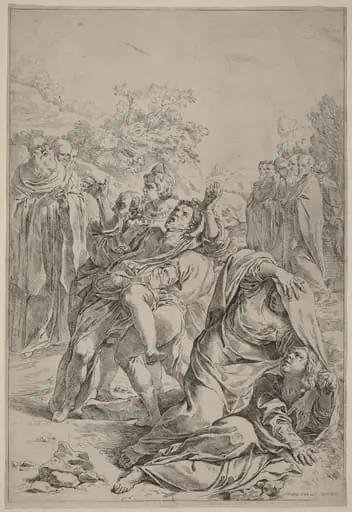 Saint Benedict Healing the Possessed
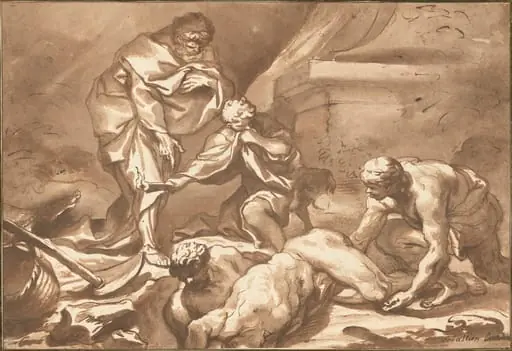 Tobit Burying the Dead
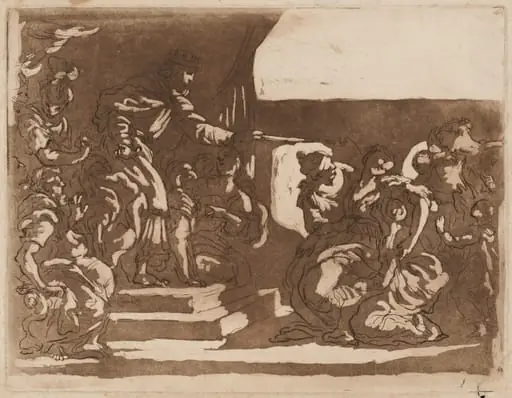 Esther before Ahasuerus
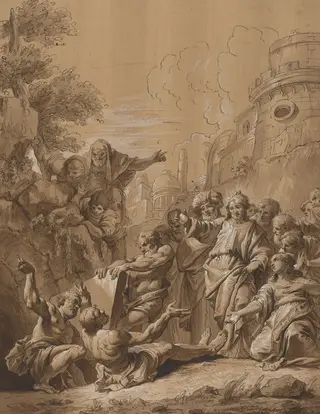 The Raising of Lazarus
 Christ among the Doctors
 A seated figure receiving an offering