Artwork
Le Déluge Universel
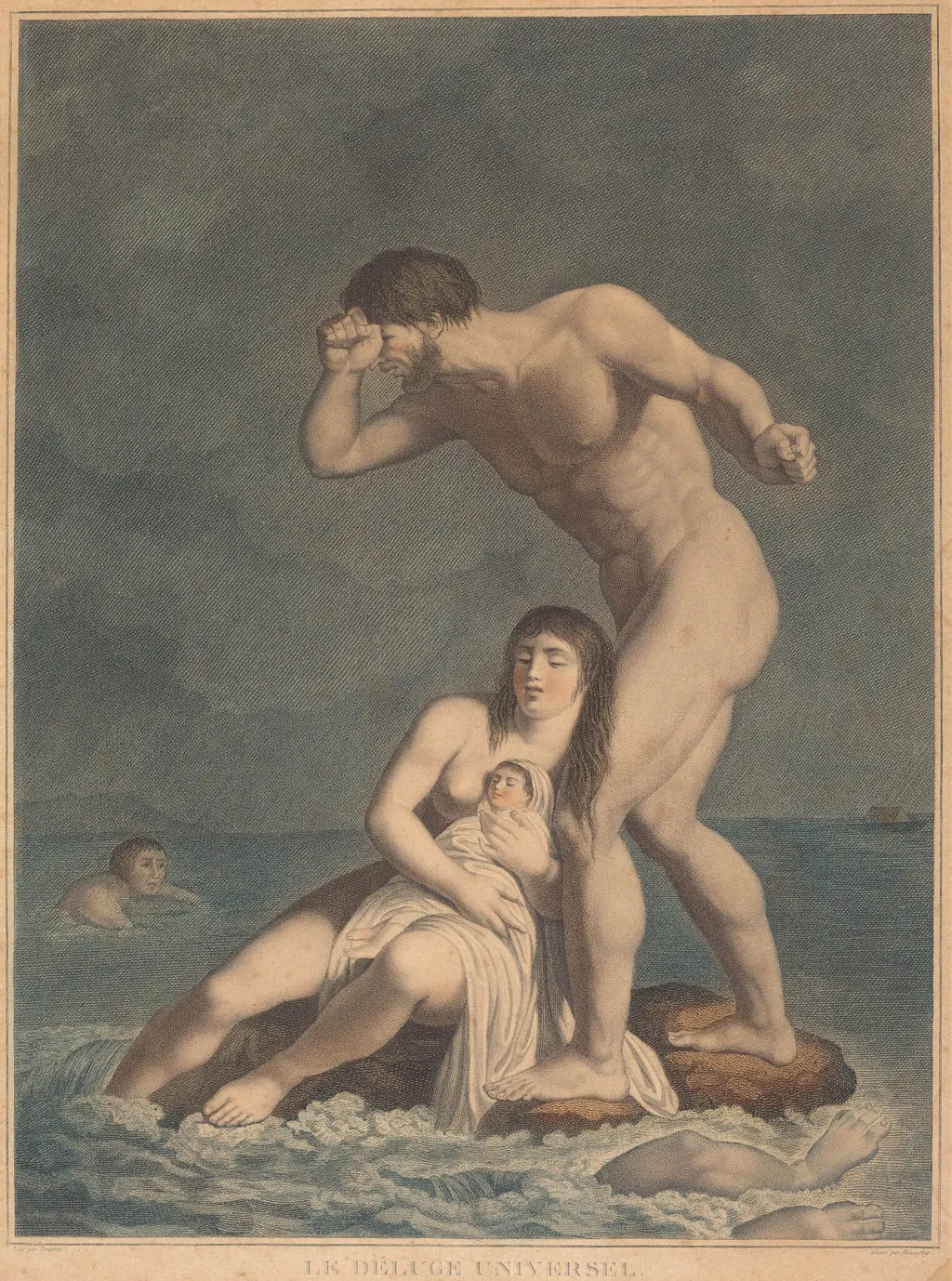
Le Déluge Universel is an ink print by the Romanticist artist Jacques Bonnefoy. It dates from 1783 and is held in the collection of the National Gallery of Art.
- Inscription
- Inscribed:across bottom in plate: Peint par Bougnu / Gravé par Bonnefoy / LE DÉLUGE UNIVERSEL
About this work
Overview
The composition centers on a man and woman surrounded by others in turbulent water, their postures and gazes conveying a quiet, intense emotional exchange.
Le Déluge Universel is a color stipple engraving produced by Jacques Bonnefoy in 1783. Executed on wove paper, the print depicts a moment of human vulnerability amid a vast flood. The composition centers on a man and woman surrounded by others in turbulent water, their postures and gazes conveying a quiet, intense emotional exchange. The muted blues and grays reinforce the somber tone of the scene.
Subject & Meaning
The scene illustrates a universal deluge, likely referencing biblical or mythological flood narratives. A man stands on a rock, gazing downward at a woman seated beside him, clutching an infant. Their locked eyes suggest a moment of silent connection amid chaos.
Surrounding figures in the water imply widespread suffering, emphasizing human fragility against overwhelming natural forces without overt moralizing.
Technique & Style
Bonnefoy employed stipple engraving to achieve subtle gradations of tone, avoiding sharp lines in favor of textured dots that blend into soft atmospheric effects. The limited palette of blues and grays enhances the mood of melancholy and immersion. The technique aligns with late 18th-century printmaking trends that prioritized emotional nuance over dramatic chiaroscuro, reflecting a shift toward introspective realism.
History & Provenance
Created in 1783, the print emerged during a period of growing interest in natural disasters as metaphors for societal upheaval. Though Bonnefoy was not a widely documented artist, this work was likely circulated among collectors and intellectuals drawn to moral and emotional themes in print form. Its survival suggests it was valued for its quiet intensity rather than its spectacle.
Context
In the years before the French Revolution, European art increasingly turned to themes of human suffering and nature’s power. Le Déluge Universel reflects this cultural current, resonating with Enlightenment-era anxieties about fate and mortality. While not overtly political, its depiction of collective peril aligns with broader artistic inquiries into human endurance under duress.
Legacy
Though not widely reproduced or exhibited today, the engraving remains a quiet example of how printmakers translated large-scale emotional narratives into intimate formats. Its restrained drama and technical precision offer insight into the quieter currents of late 18th-century visual culture, distinct from the more flamboyant expressions of Romanticism that followed.
Own this work as a print
Artist & collection


- The Dimission of Adan and Eve
 Rape of the Sabines
 Jealous Monster
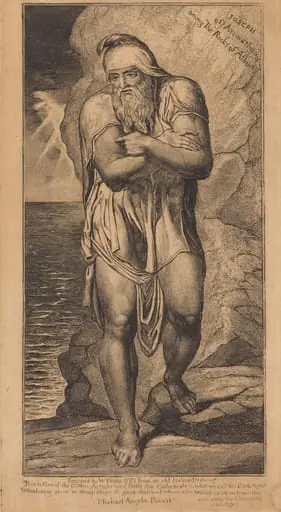 Joseph of Arimathea Among the Rocks of Albion
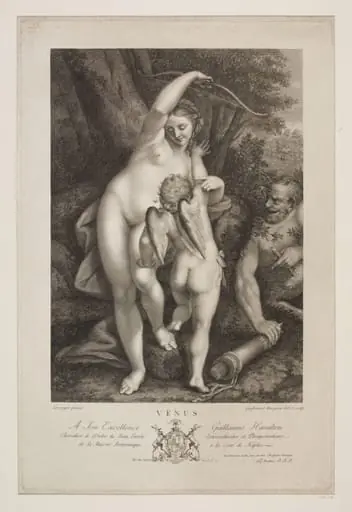 Venus disarming Love
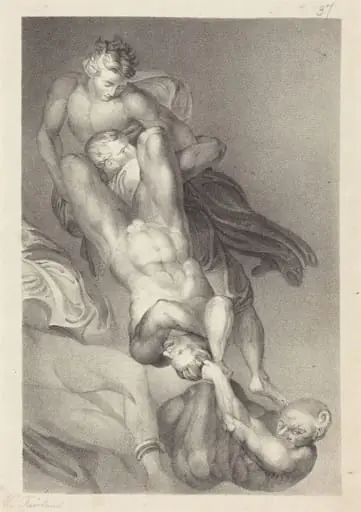 Part of the Last Judgment from Michael Angelo
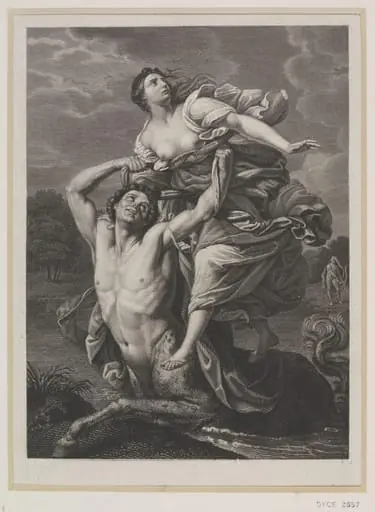 Rape of Deianeira
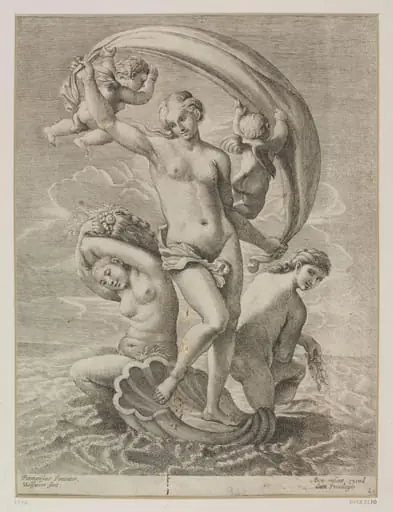 The Triumph of Galatea
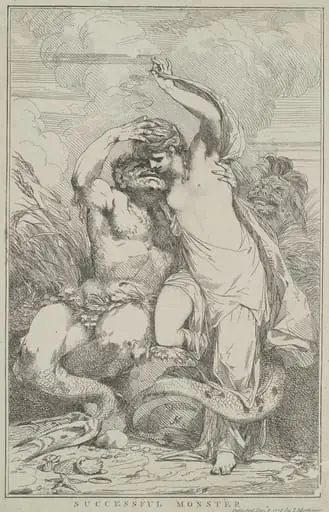 Successful Monster
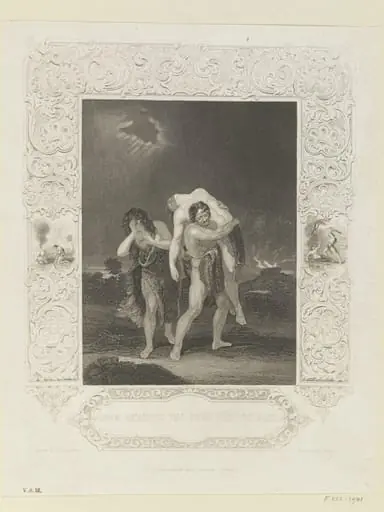 Adam bearing the body of Abel
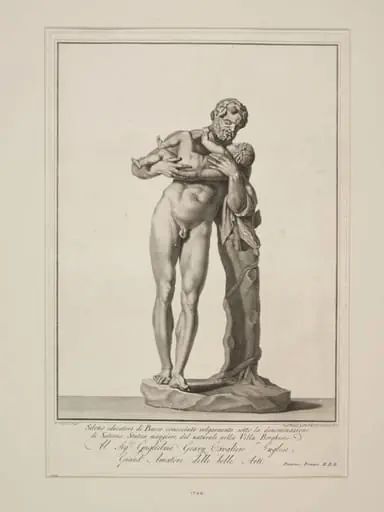 Sileno Educatore di Bacco
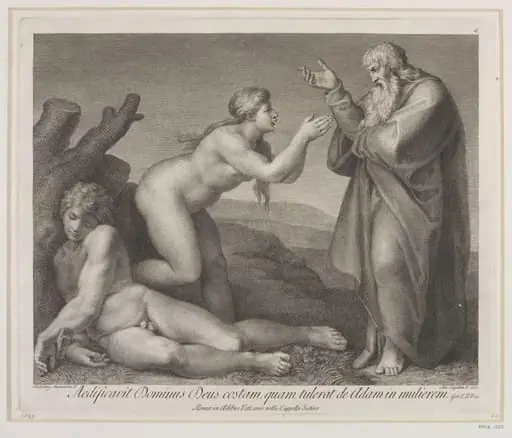 The Creation of Eve