Artwork
The Cobbler
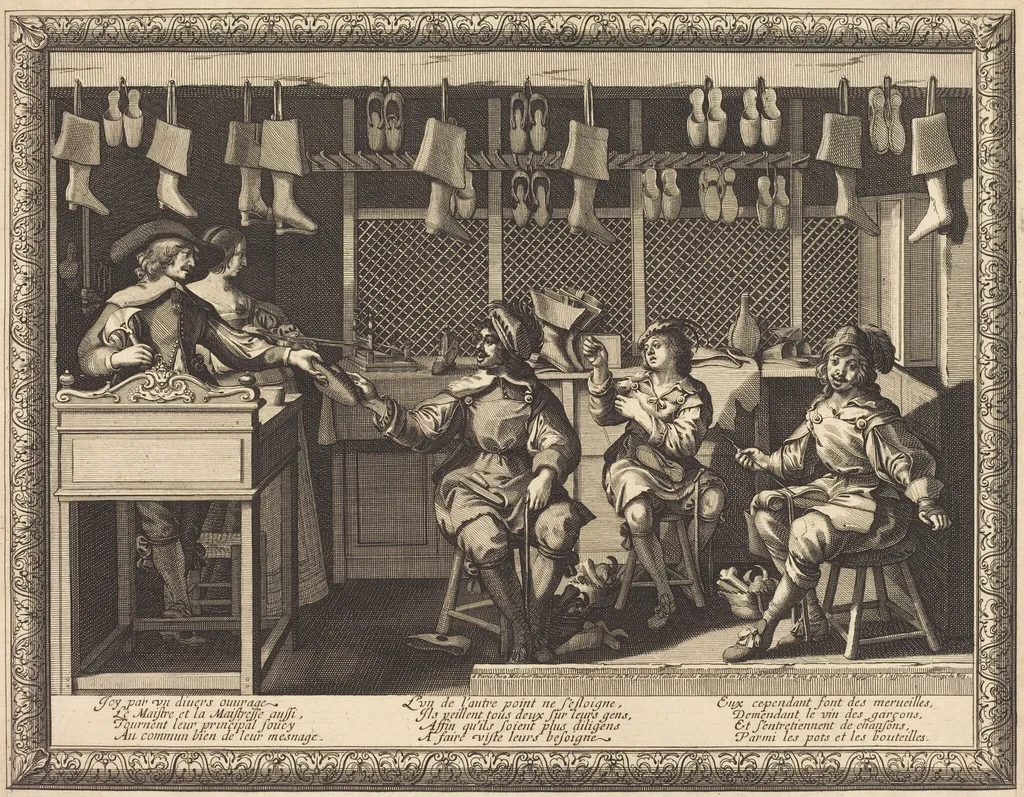
The Cobbler is an ink print by the Baroque artist Abraham Bosse. It dates from 1639 and is held in the collection of the National Gallery of Art.
- Inscription
- Inscribed:in plate, in image, on ledge at lower right: A Paris, chez Melchior Tauernier, Graveur et Imprimeur du Roy pour les tailles-douces demeurant en l'isle du Palais, sur le quay qui regarde la megisserie, à la spère. Avec Privilège du Roy.; in plate, in margin below central image: Icy par un divers ouvrage / Le maistre et la maistresse aussi / Tournent leur principal soucy / Au commun bien de leur mesnage. / L'un de l'autre point ne s'esloigne, / Ils veillent tous deux sur leurs gens, / Affin qu'ils soient plus diligens / A faire vite leur besoigne. / Eux cependant font des merveilles / Demendant le vin des garcons, / Et s'entretiennent de chansons, / Parmi les pots et les bouteilles. [Here by means of diverse tasks / The Master and Mistress too, / Turn their principal care / Into the common good of their household. // One never ventures far from the other, / They both watch their employees / To make them more diligent / And faster at their work // They work marvels, / They ask the boys for more wine, / And entertain themselves with song, / Amid the pots and bottles.]
About this work
Overview
Created in 1639 by French artist Abraham Bosse, The Cobbler is an etching on laid paper that captures a moment in a working artisan’s shop. Bosse, known for his precise graphic style, focused on scenes of daily life rather than grand historical or religious themes. This print exemplifies his interest in documenting ordinary labor through careful observation and controlled line work.
Subject & Meaning
The composition implies dignity in craft, presenting the cobbler’s trade as a structured, communal effort rather than a scene of poverty or spectacle.
The scene depicts a cobbler at work amid assistants and customers in a modest workshop. Tools, half-finished shoes, and hanging footwear suggest a functioning trade. Figures are engaged in quiet, focused activity, no overt drama, just the rhythm of labor.
The composition implies dignity in craft, presenting the cobbler’s trade as a structured, communal effort rather than a scene of poverty or spectacle.
Technique & Style
Bosse employed etching to achieve fine, controlled lines that render textures with precision: the weave of fabric, the grain of wood, and the curvature of leather. The plate was inked and pressed onto damp laid paper, producing a crisp, tonal image. His use of cross-hatching and delicate contours gives depth without shading, characteristic of Northern European printmaking traditions of the period.
History & Provenance
The print was made during Bosse’s most active period as a printmaker, when he was producing a series of genre scenes for a growing market of collectors. Though specific early ownership records are sparse, the work aligns with his broader output of urban life studies, circulated widely in France and beyond. Its survival in multiple institutional collections suggests early recognition of its technical and documentary value.
Context
In mid-17th century France, printmaking was increasingly used to record social customs beyond aristocratic life. Bosse’s work responded to this trend, influenced by Dutch genre painting and the rise of secular imagery. His prints served both as artistic expression and as visual records of trades, dress, and domestic spaces, reflecting a broader cultural interest in the everyday.
Legacy
Bosse’s The Cobbler contributed to the legitimization of genre subjects in printmaking. His technical clarity and attention to detail influenced later artists documenting labor and urban life. While not widely known today outside specialist circles, the work remains a reference point for historians studying the visual culture of early modern France and the evolution of print as a medium for social observation.
Own this work as a print
Artist & collection

Artist
Abraham Bosse (c. 1604 – 14 February 1676) was a French artist, mainly as a printmaker in etching, but also in watercolour.

- The Feast Celebrating the Return of the Prodigal Son
 Le pate d'anguilles
 The Prodigal Son: The Prodigal Bidding His Parents Farewell
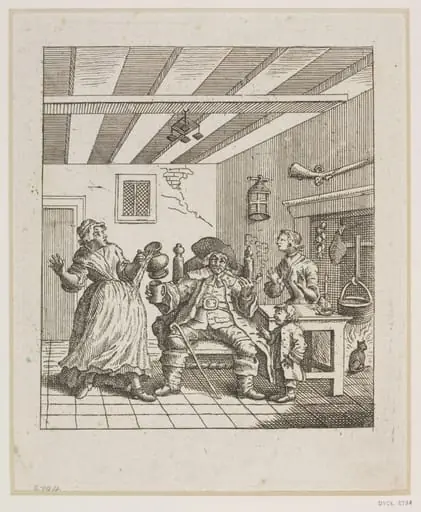 Frontispiece to The Farmer's Return
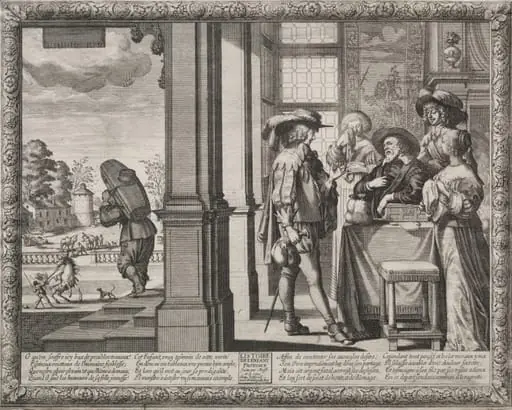 The Prodigal Son
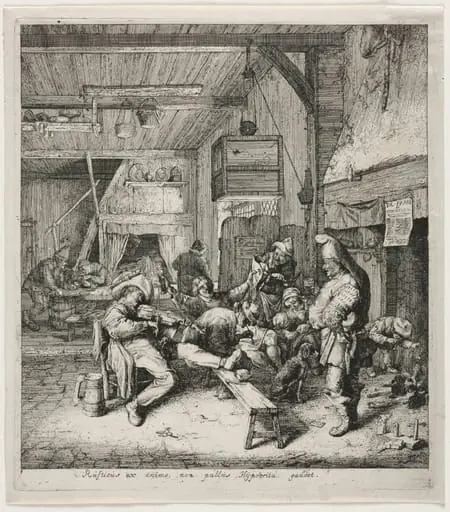 Violin Player Seated in the Inn
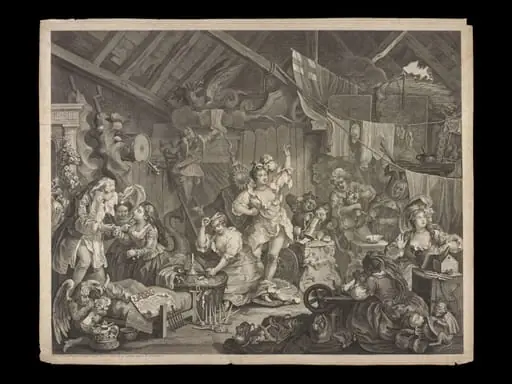 H Beard Print Collection
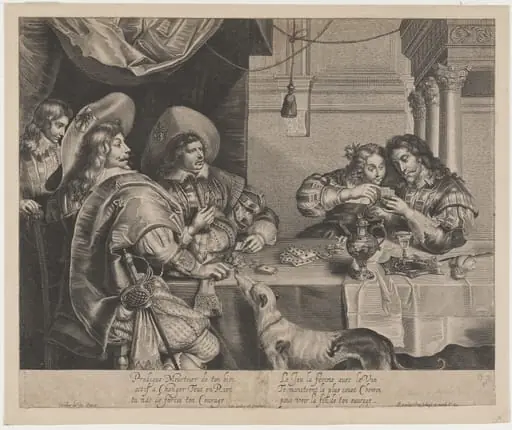 The Card Players
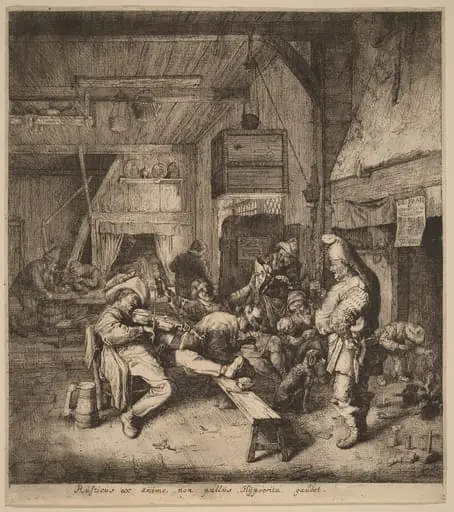 Violin Player Seated in a Tavern
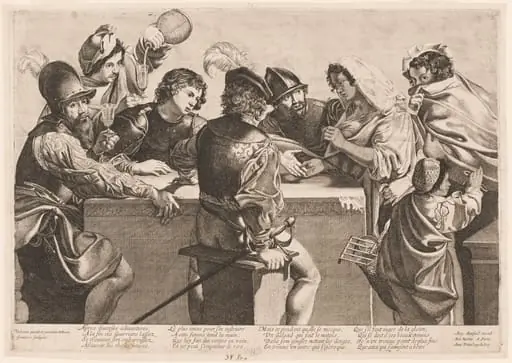 The Fortune Teller
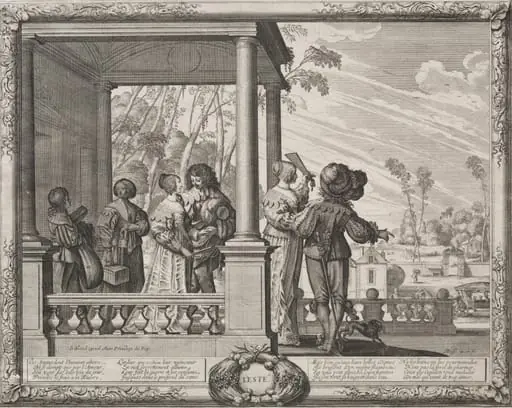 The Four Seasons: Summer
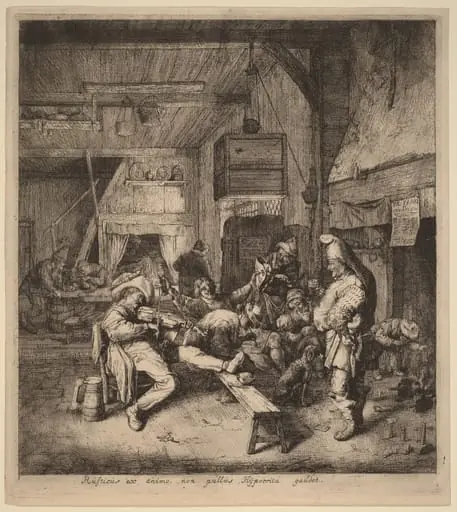 Violin Player Seated in a Tavern