Subject
Workshop
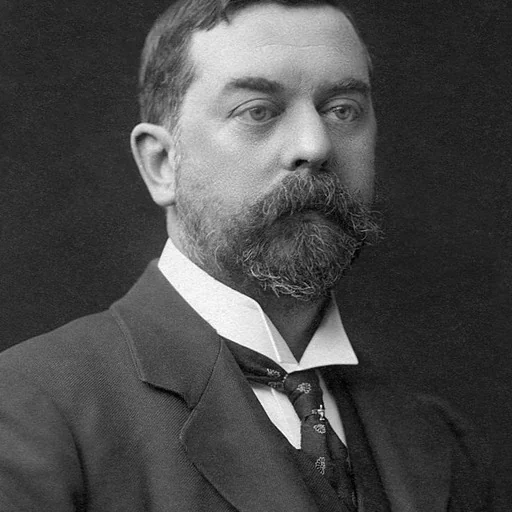
Workshop is a subject in art. The gallery holds 90 works in this subject in art, including works by John Singer Sargent, David Teniers the Younger and Adriaan de Lelie.
A studio, or workshop, is a space set aside for creative work of any kind—art, dance, music, theatre, or skilled craft. The word descends from the Italian *studio*, from the Latin *studium* (from *studere*, "to study" or "to apply oneself with zeal"), and the workshop has been both a place of making and a recurring subject of art for more than five centuries. Its earliest sustained appearance is devotional: the medieval and Renaissance theme of *Saint Luke Painting the Virgin*, which cast the evangelist as the patron of painters. Because guilds of painters across Europe were named for Saint Luke, the subject doubled as a professional emblem—Rogier van der Weyden's *Saint Luke Drawing the Virgin* was almost certainly made for the Brussels painters' guild, and a version of the theme was sometimes the masterpiece an artisan submitted to attain the rank of master.
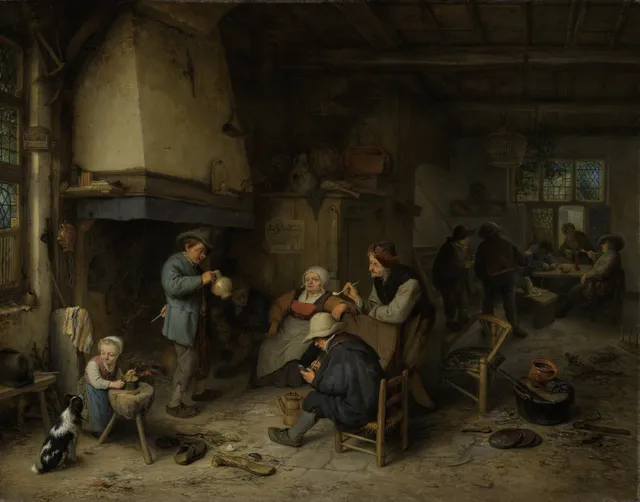
The workshop came fully into its own as a secular subject in the Dutch and Flemish seventeenth century, when genre painting—scenes of everyday life—became the most distinctive achievement of the age. Artists turned a documentary, sympathetic eye on trades and their interiors: cross-legged tailors at the window, weavers, spinners, smiths, and sculptors at work. Quirijn (Quiringh) van Brekelenkam, who in 1648 helped found the Leiden Guild of St Luke, returned again and again to *The Tailor's Workshop*, reworking a single composition of master and assistants amid the props of Leiden's thriving textile trade. Adriaen van Ostade painted both rough peasant interiors and a self-aware *Schildersatelier* (Painter's Studio), gently inventing the humble workshop in which his own pictures might have been made.
Running alongside the artisan's shop was the artist's own studio, a vehicle for reflection on the nature of painting itself. Rembrandt's *Artist in His Studio* (c. 1628) set an enduring precedent; Diego Velázquez's *Las Meninas* (1656) and Johannes Vermeer's *The Art of Painting* (c. 1666–68) made the studio a stage for dazzling play between real and fictive space. Two centuries later Gustave Courbet enlarged the theme to the scale of history painting in *The Painter's Studio* (*L'Atelier du peintre*, 1854–55), an allegory of his artistic and moral life that, indebted to Velázquez, in turn influenced Manet.
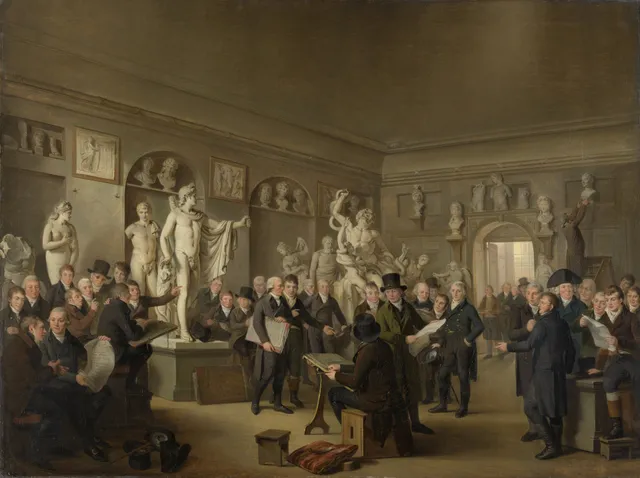
The workshop motif thus bridges devotional art, Golden Age genre painting, self-portraiture, and the modern manifesto. Pictures such as Balthasar van den Bossche's *Visit to a Sculptor* and Adriaan de Lelie's *Sculpture Gallery of the Felix Meritis Society* extend it toward the studio as a place of learning and display—a theme as alive in the contemporary atelier as in the guild hall.
Key artists
Overview
The workshop, or studio, is a space set aside for creative work of any kind, including art, dance, music, and theater. The word derives from the Italian studio, from Latin studium, from studere, meaning to study or zeal. In the visual arts, the term refers specifically to the working place set aside for an artist to work, generally applied to workspaces used by artists creating fine art, particularly from the 16th century to the present. The collection contains 190 works that depict this subject, with examples ranging from The Tailor's Workshop and Blacksmith Shop to The Painter in his Studio and An Architectural Fantasy with Male Figures. The workshop motif recurs throughout art history because it serves simultaneously as a site of production, a space of artistic identity, and a stage for the social and economic networks that sustain creative practice.
Iconography & meaning
The iconography of the workshop carries multiple layers of meaning. Fundamentally, it represents the space where raw materials are transformed through skill and imagination into finished works. The studio is frequently not merely a production site but also a locus of self-staging for the artist, as exemplified by the legendary atelier festivals in Hans Makart's Vienna studio during the Historicist period. Workshops could function as private exhibition spaces, gathering places for intimates, students, and potential clients, and even as sites of literary and intellectual exchange. From the 19th century until the early 1970s, the artist's workshop was a significant cultural space, a meeting ground for discussion and the contextualization of pictorial activity across disciplines. The workshop also carries symbolic weight as an allegory of art itself, with tools, half-finished works, and the figure of the artist serving as metonymic representations of the creative process. In educational contexts, the studio environment emphasizes open working spaces, peer collaboration, and directed criticism, preserving the etymological connection to study and zeal.
Across movements & periods
The treatment of the workshop evolved significantly across periods. In the Renaissance and early modern period, the workshop was primarily understood as a collective enterprise, with the studio of any artist from the 15th to the 19th centuries characterized by numerous assistants, leading to designations such as from the workshop of or studio of. Hans Burgkmair the Elder's woodcut of Emperor Maximilian in Burgkmair's workshop, created around 1514-1516 for Der Weisskunig, exemplifies this earlier period. The 19th century marked a crucial transformation, as the studio became itself a subject of pictorial representation and a site of artistic self-definition. The Dutch and Flemish Golden Age saw the emergence of the studio as a discrete subject, with Jan Vermeer's The Art of Painting or Allegory of Painting of around 1665 establishing a canonical model. The 19th-century Realist and Romantic movements intensified this focus, with works by Gustave Courbet, Adolph Menzel, and Georg Friedrich Kersting exploring the studio as social space and psychological environment. By the late 19th century, the studio had become a fully autonomous artistic subject, as in Henri Fantin-Latour's Un atelier aux Batignolles of 1870. The 1970s brought a critical reassessment, as artists such as Daniel Buren and practitioners of Land art abandoned the studio for in situ and public space practices, dismissing it as outdated artistic folklore. More recently, figures such as Jeff Koons and Xavier Veilhan have revived the studio as a corporate-style enterprise and stage for self-presentation.
Notable depictions
Canonical depictions of the workshop span from the early 16th century to the late 19th century. Hans Burgkmair the Elder's Emperor Maximilian in Burgkmair's Workshop, a woodcut of around 1514-1516 made for Maximilian I's Der Weisskunig, establishes an early precedent. Jan Vermeer's The Art of Painting or Allegory of Painting, painted around 1665 and now in the Kunsthistorisches Museum, Vienna, is perhaps the most celebrated studio image in Western art, presenting the artist in his atelier as an allegorical figure. Georg Friedrich Kersting's Caspar David Friedrich in His Studio of 1819, in Berlin's Alte Nationalgalerie, offers an intimate Romantic portrait of artistic solitude. Gustave Courbet's vast The Artist's Studio of 1855, in the Louvre, reimagines the space as a social and political microcosm. Frédéric Bazille's The Studio in the Rue La Condamine, shared with Auguste Renoir from 1868 to 1870 and now in the Musée d'Orsay, documents the collective studio life of the Batignolles group. Henri Fantin-Latour's Un atelier aux Batignolles of 1870, also in the Musée d'Orsay, similarly captures the communal dimension of artistic practice. Adolph Menzel's The Studio Wall of 1872, in Hamburg's Kunsthalle, takes a more fragmentary, material approach to the subject. James Ensor's Still Life in the Studio of 1889, in Munich's Neue Pinakothek, and Carl Spitzweg's The Portrait Painter of 1854, in the Schweinfurt Georg Schäfer Collection, represent further significant treatments.
Legacy
The workshop's legacy extends beyond art history into broader cultural and institutional formations. The Staatsgalerie Stuttgart's 2012-2013 exhibition Mythos Atelier: Von Spitzweg bis Picasso, von Giacometti bis Nauman demonstrated the enduring fascination with the subject across modern and contemporary art. Numerous artist studios have been preserved or reconstructed as museums, including the former home-studio of sculptor Ossip Zadkine in Paris, now the Musée Zadkine; the reconstructed studio of Constantin Brancusi near the Centre Pompidou, executed by architect Renzo Piano in the early 1990s; and the atelier of illustrator Dick Bruna, meticulously reconstructed in the Centraal Museum, Utrecht. In the Netherlands, organizations such as the SLAK (Stichting Leniging Ateliernood Kunstenaars) in Gelderland work to preserve affordable studio spaces for artists, while the Dooyewaard Stichting maintains original studios from the Laren artist colony. The workshop concept also persists in educational terminology, where studio-based learning has expanded beyond the arts into fields such as architecture and design, reflecting the enduring association of the studio with intensive, practice-based pedagogy. The tension between the studio as authentic creative space and as economic enterprise, articulated in the 1970s critique and subsequent revival, continues to structure debates about artistic labor and identity.
Works
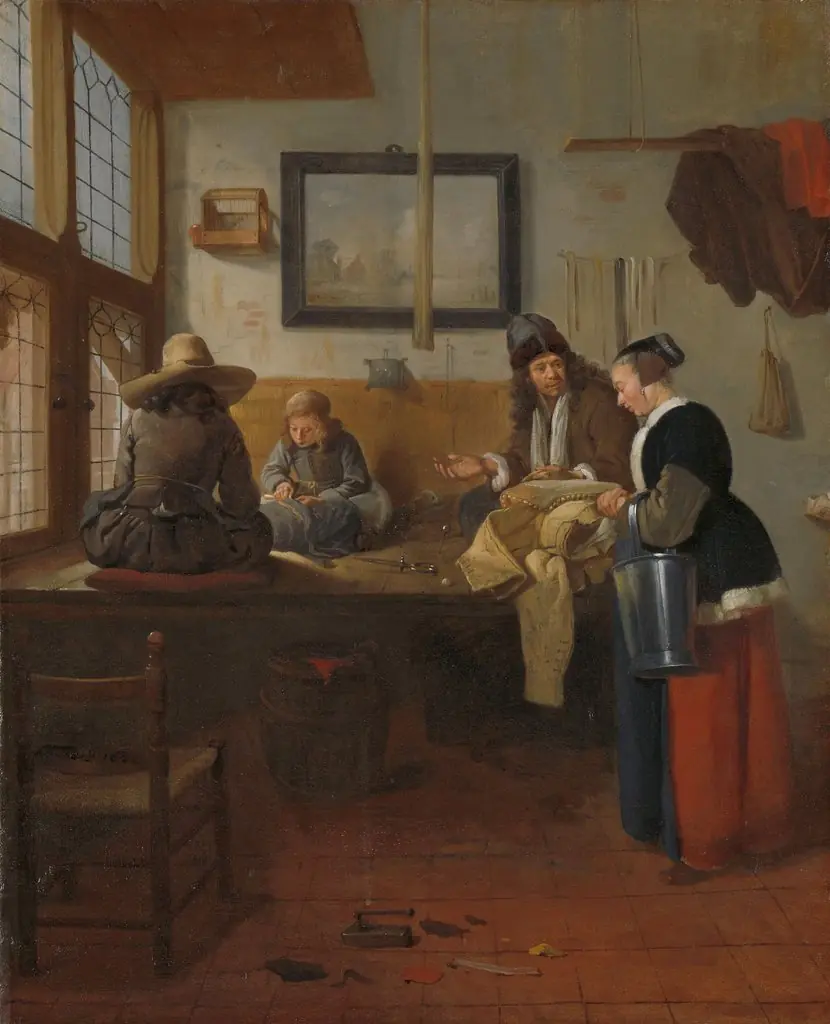 The Tailor’s Workshop
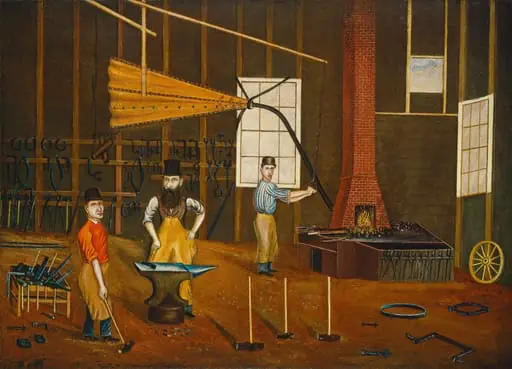 Blacksmith Shop
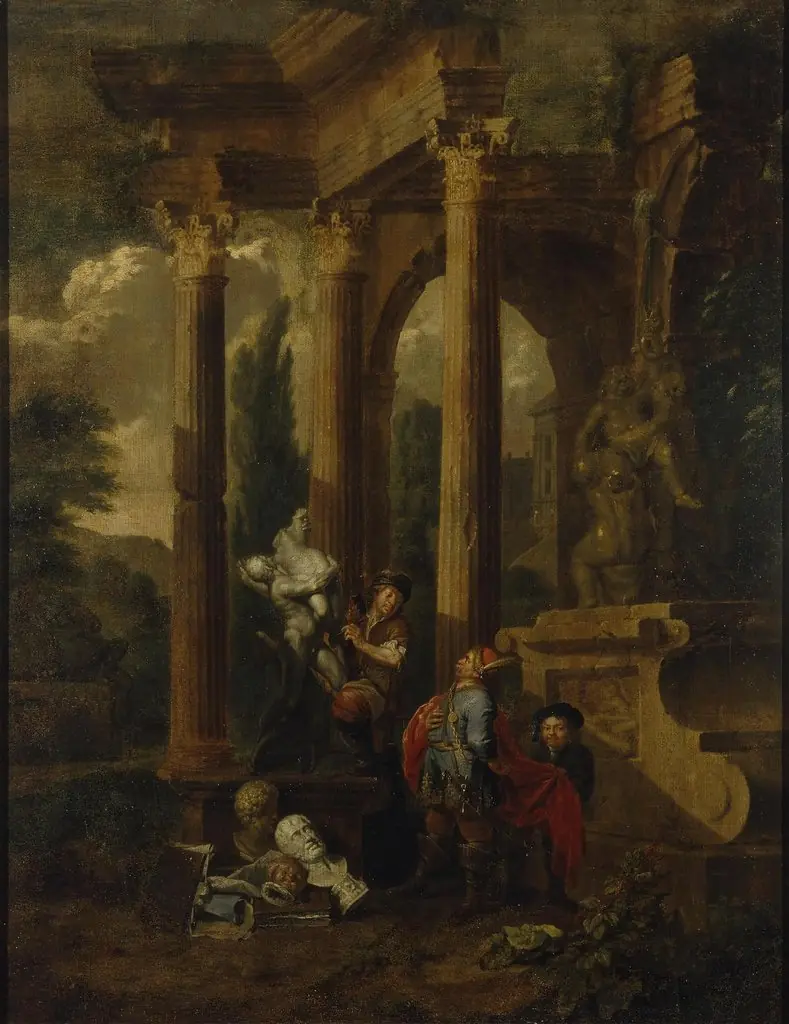 Visit to a Sculptor
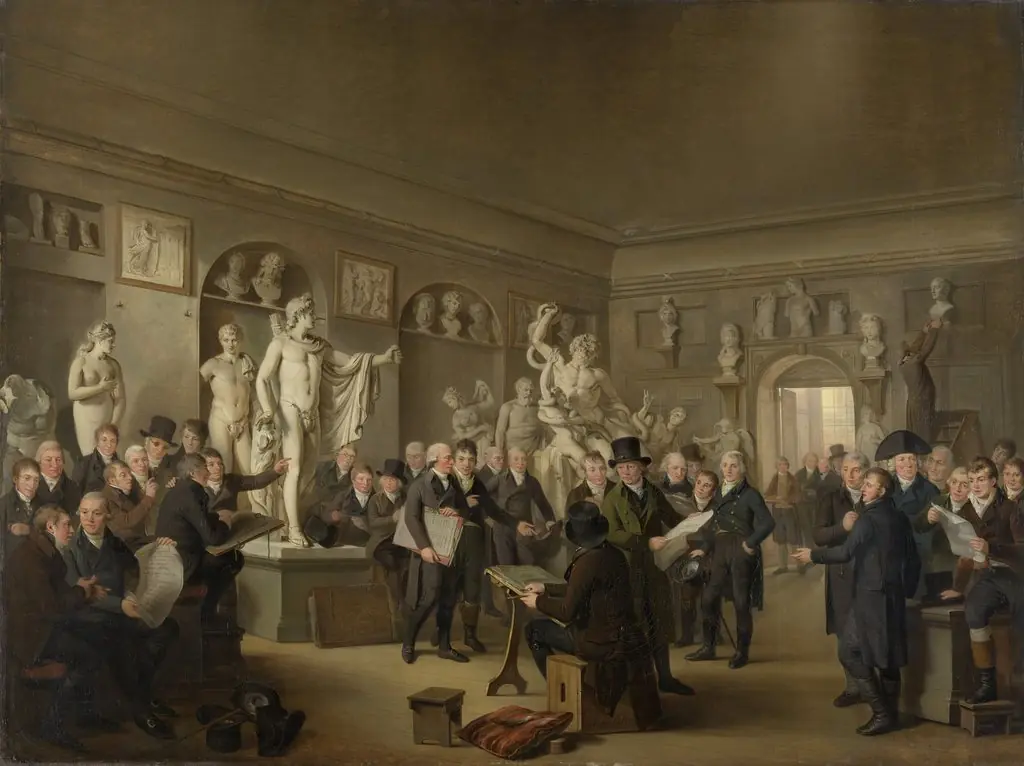 The Sculpture Gallery of the Felix Meritis Society
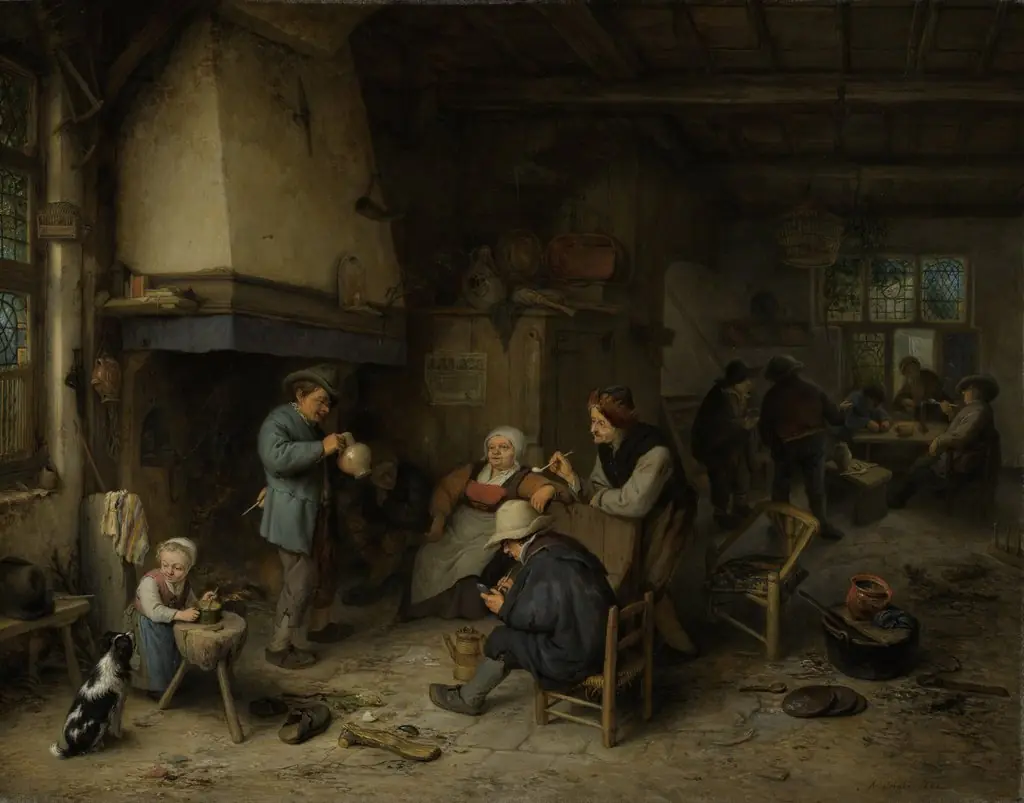 Peasants in an Interior
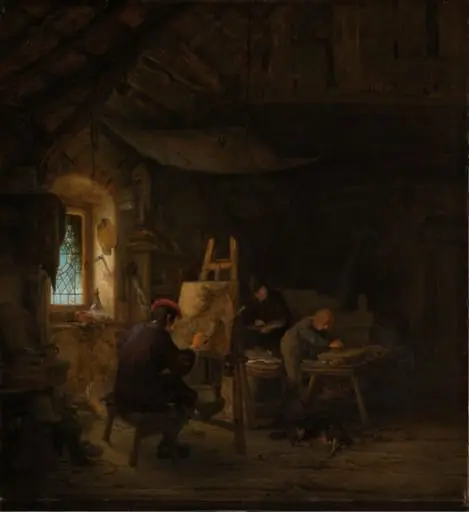 Schildersatelier
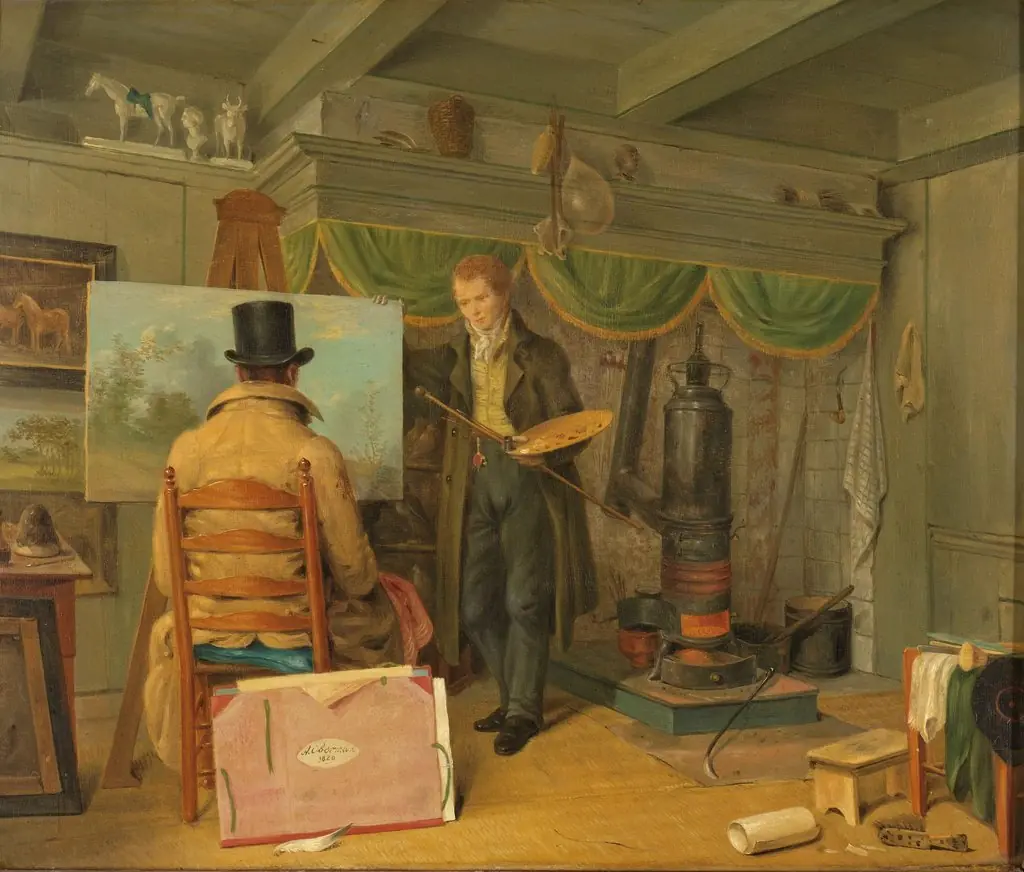 The Painter in his Studio
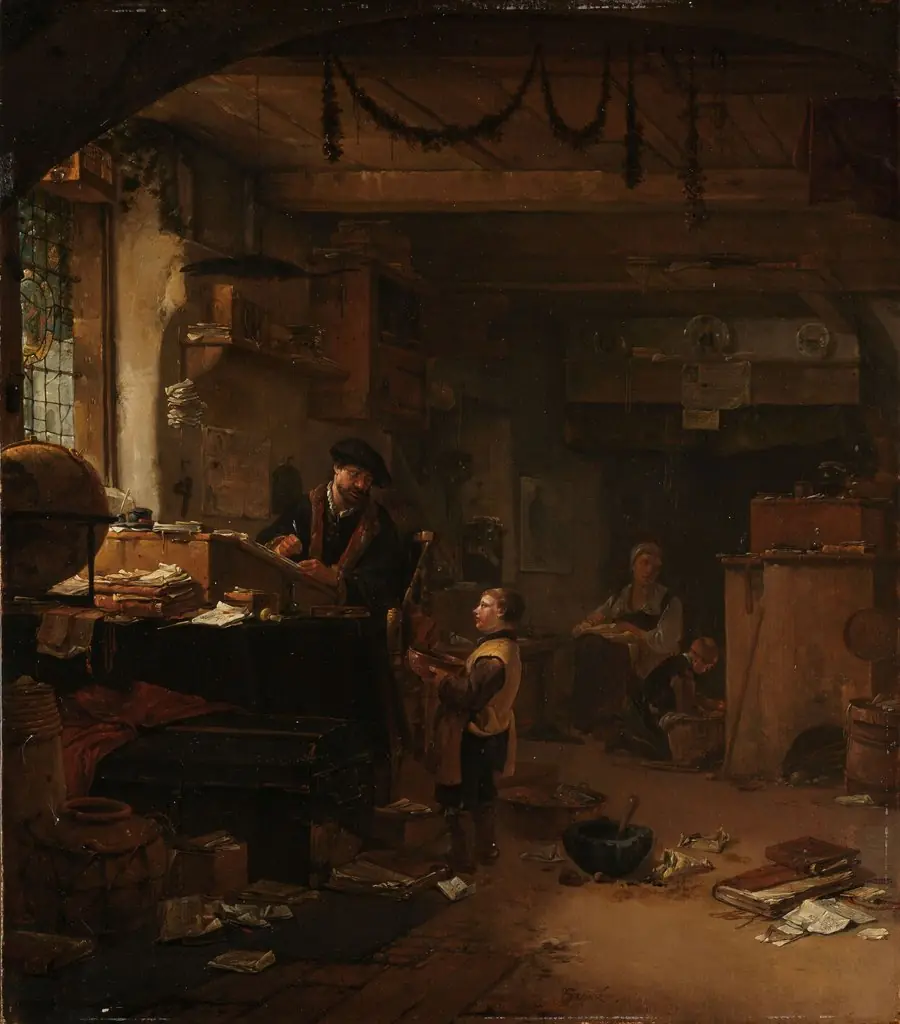 The alchemist
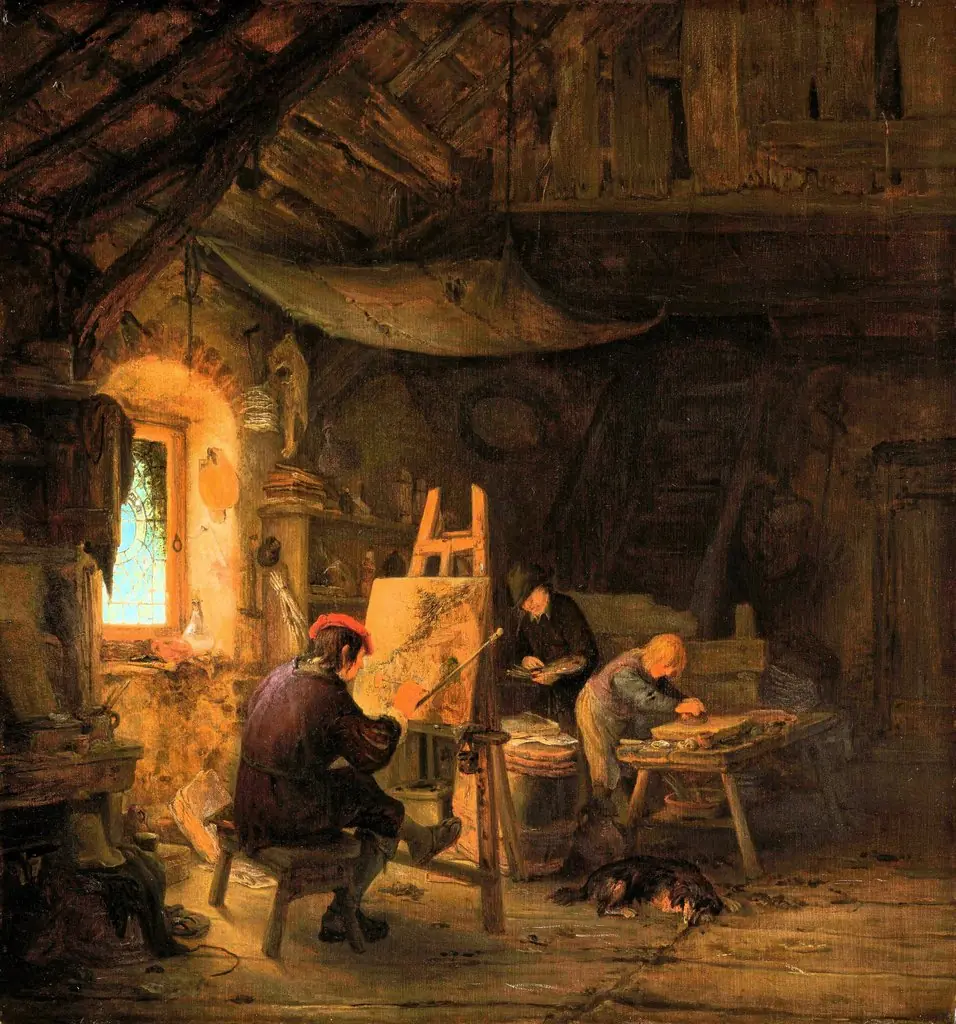 The Painter’s Studio
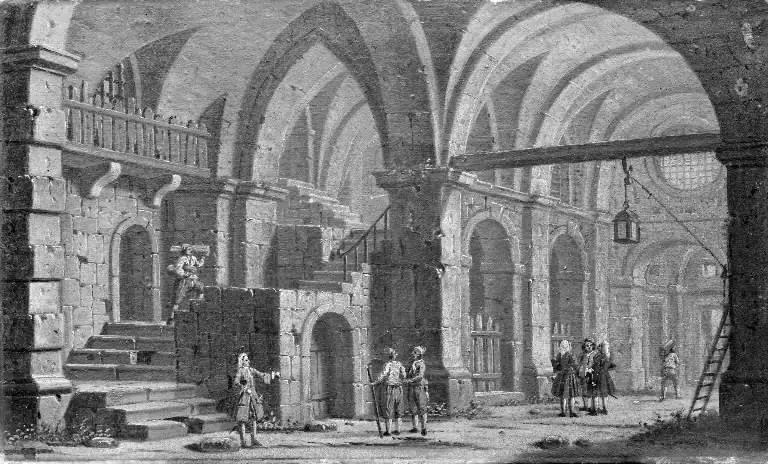 An Architectural Fantasy with Male Figures
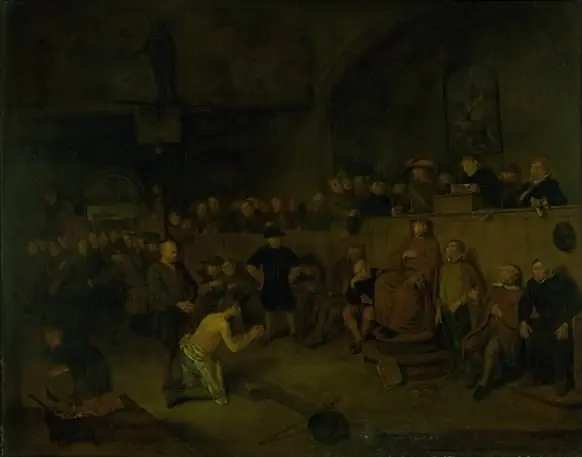 A Trial
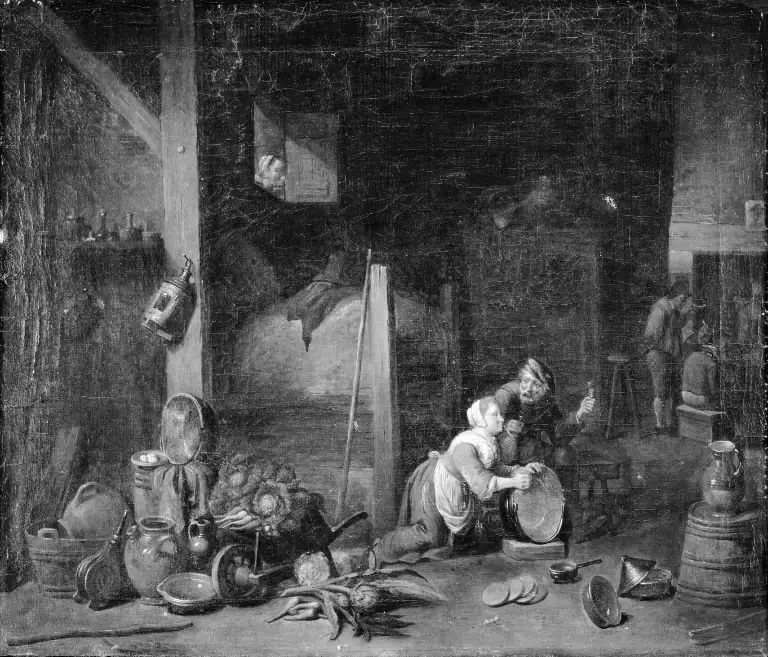 A Servant Girl Scrubbing a Brass Cauldron
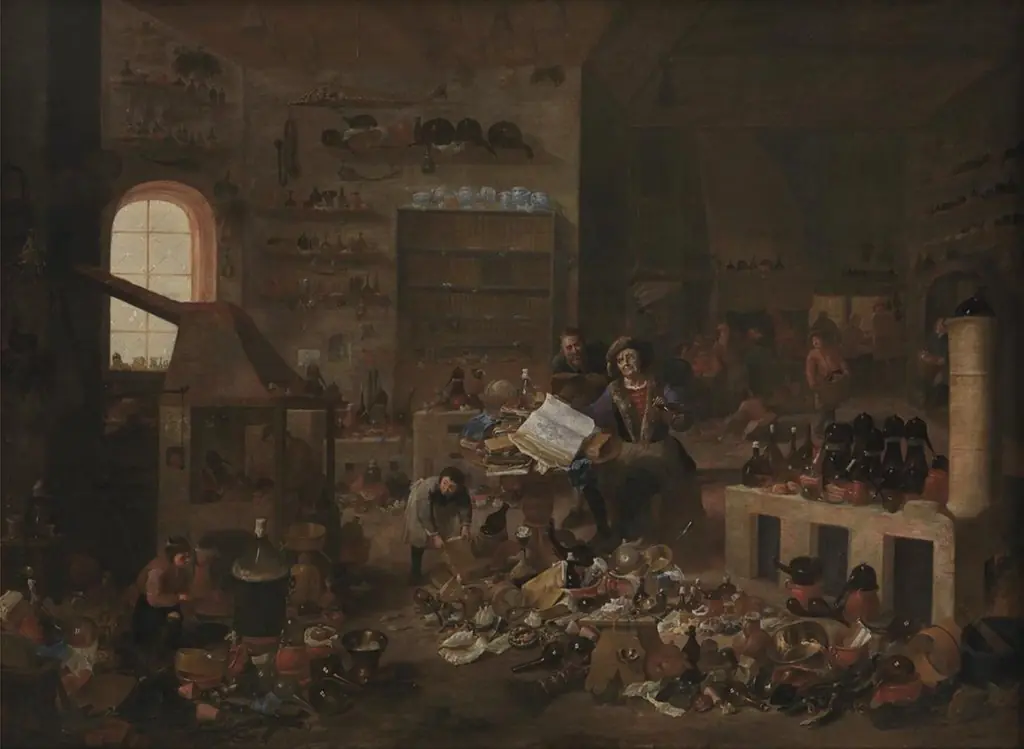 An Alchemist in his Laboratory
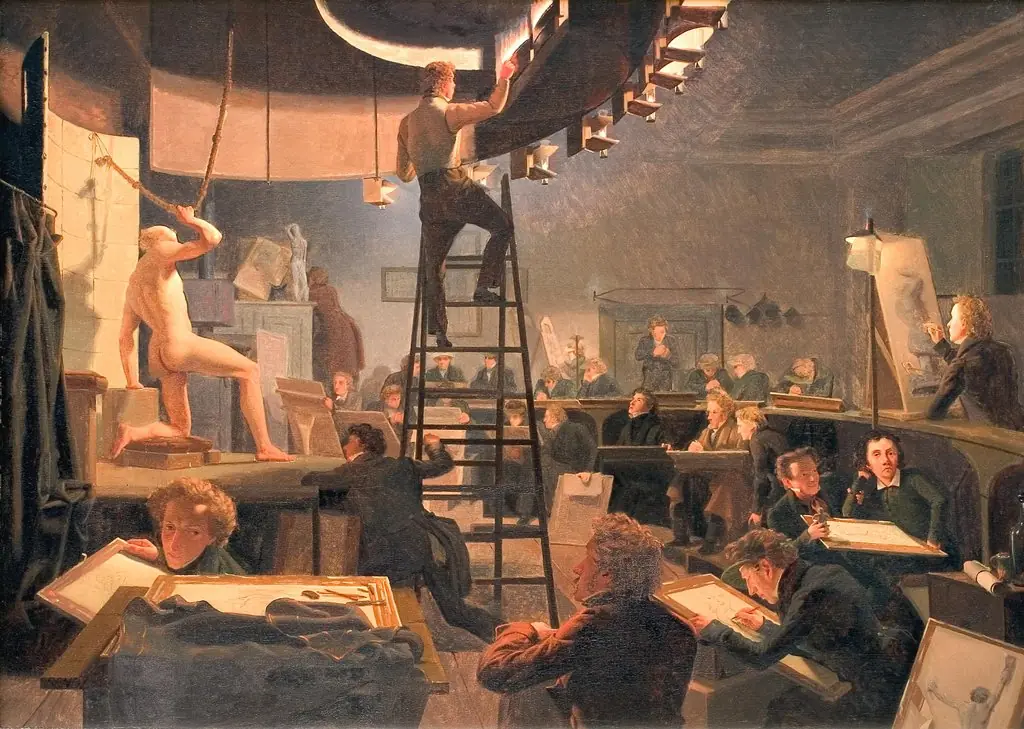 The Life Class at the Royal Academy of Fine Arts
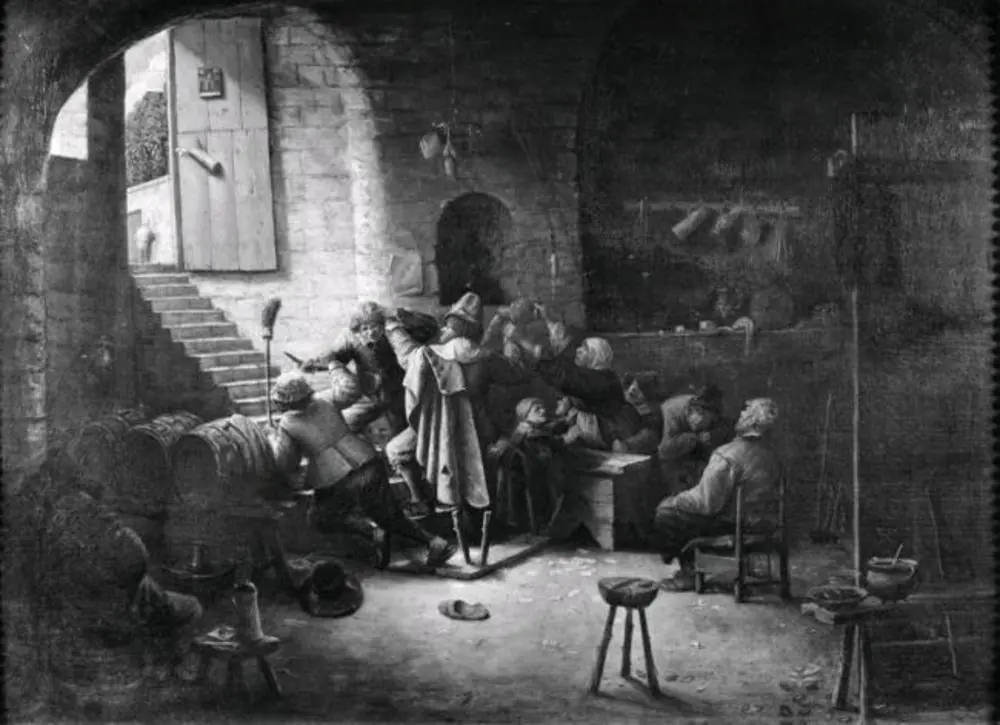 The Antwerp Arms", Tavern Scene
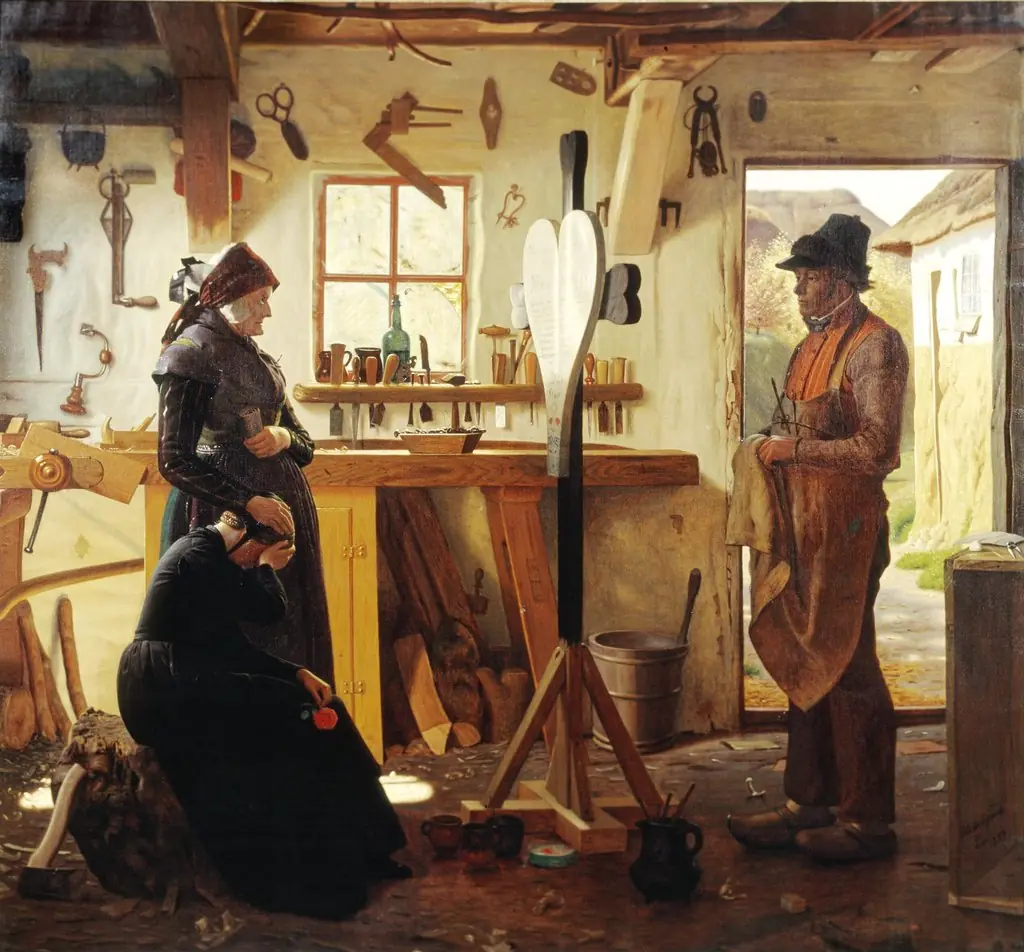 To kvinder besøger landsbykunstneren for at se det bestilte gravkors
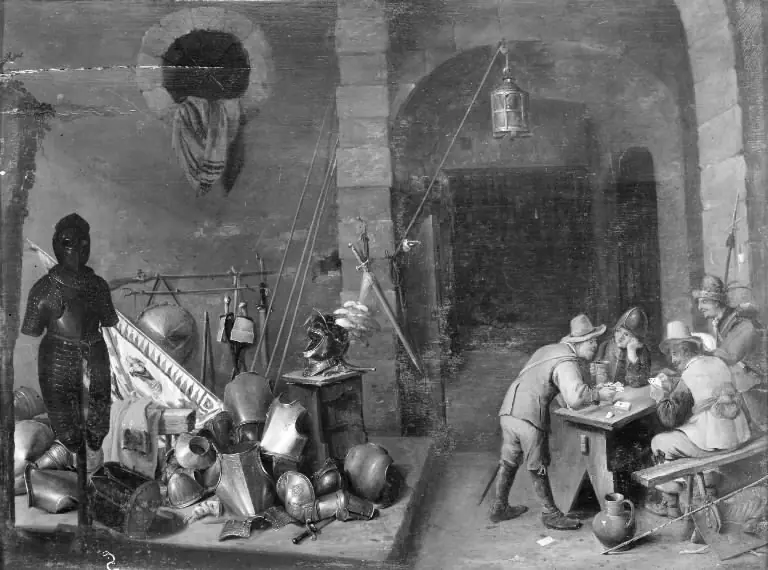 Casemate
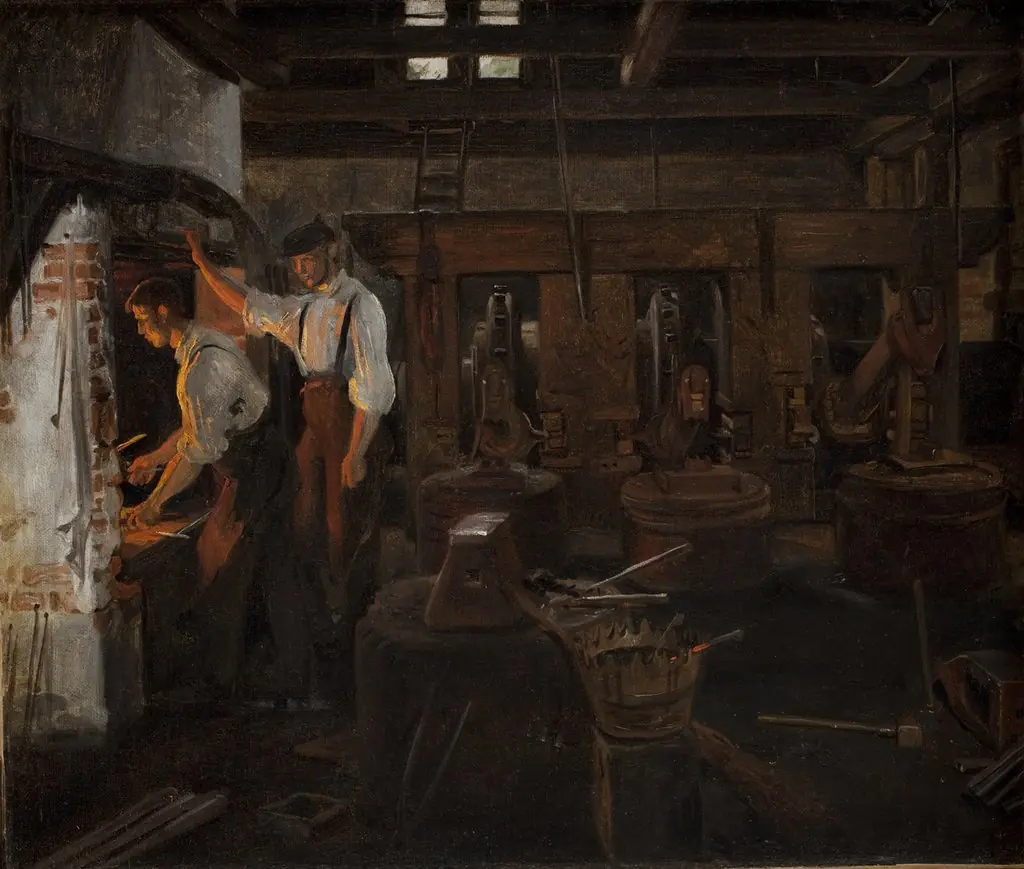 Det indvendige af den gamle hammermølle ved Hellebæk
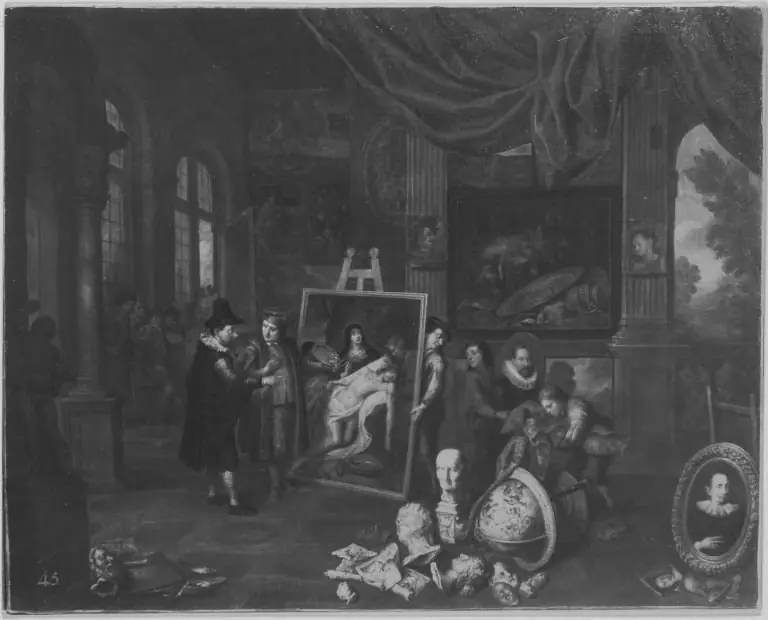 Maleratelier
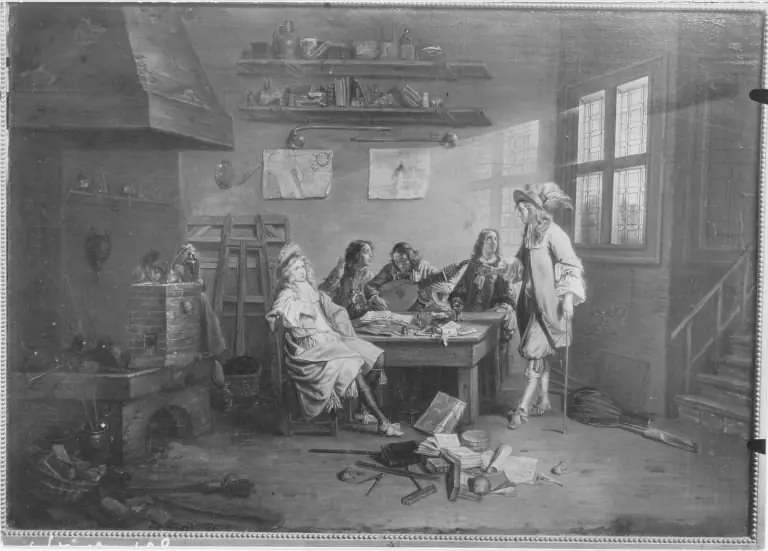 Musikgesellschaft
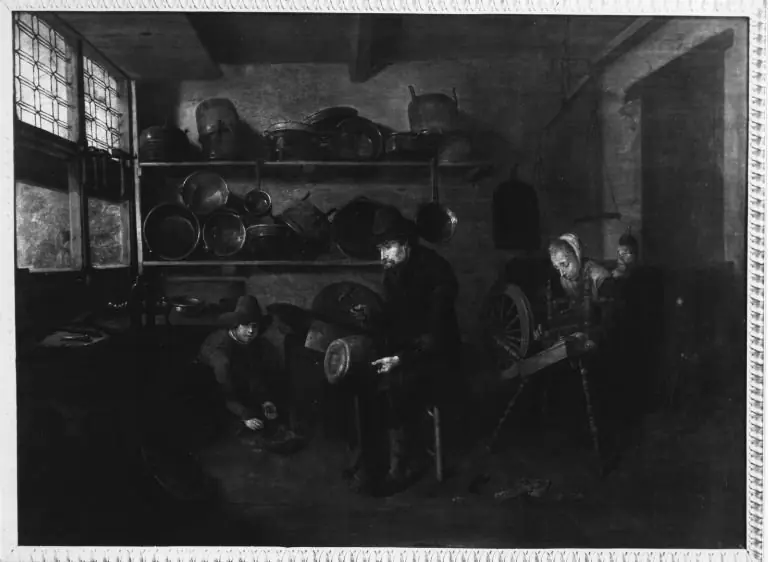 Copper smith and woman spinning in a workshop
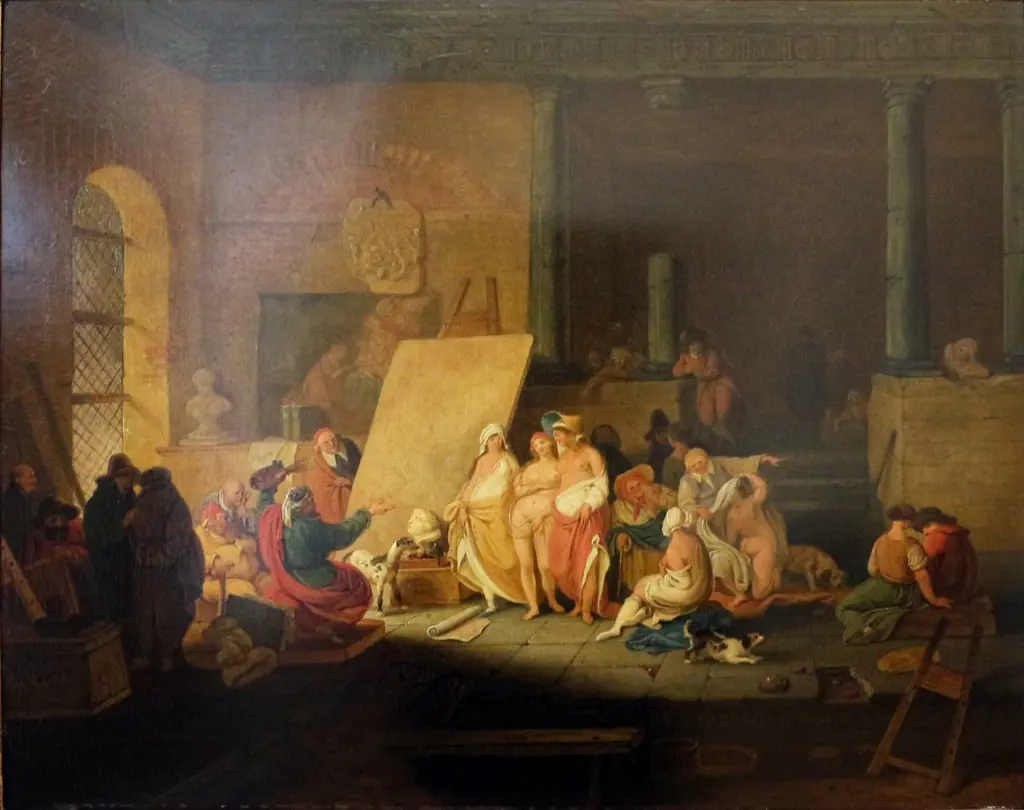 Parody of Zeuxis
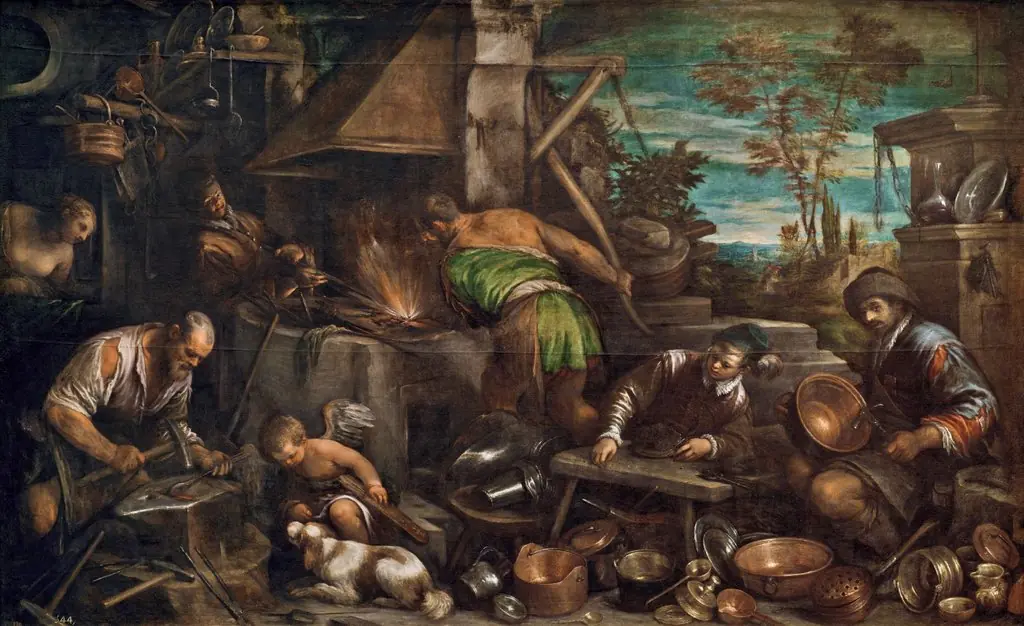 Vulcan's Forge
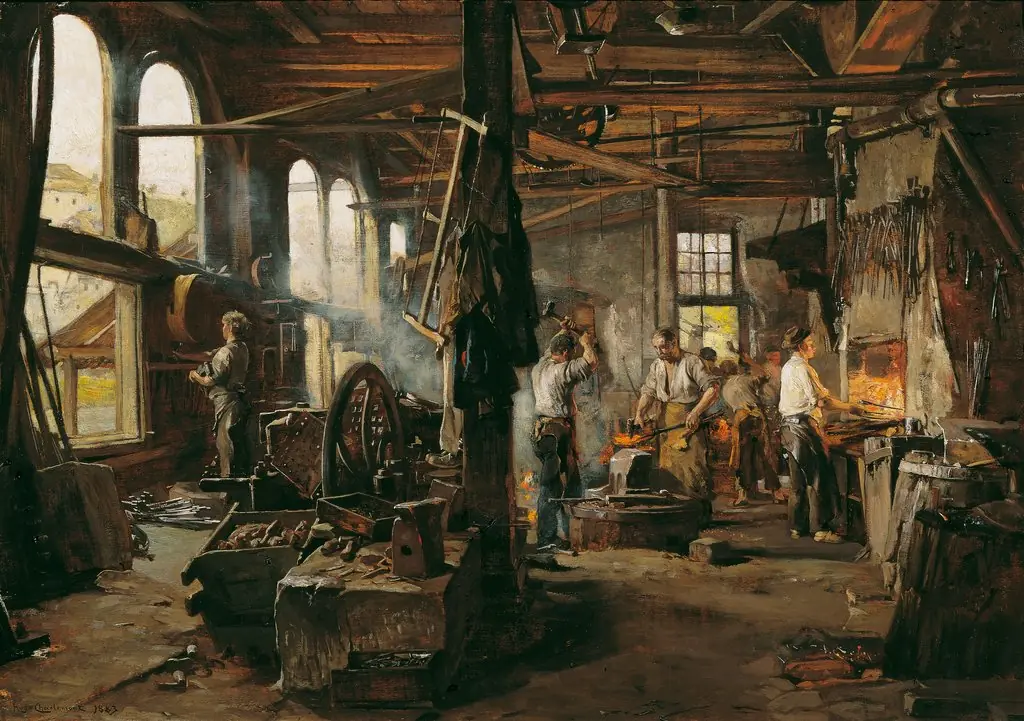 Interieur einer Hammerschmiede
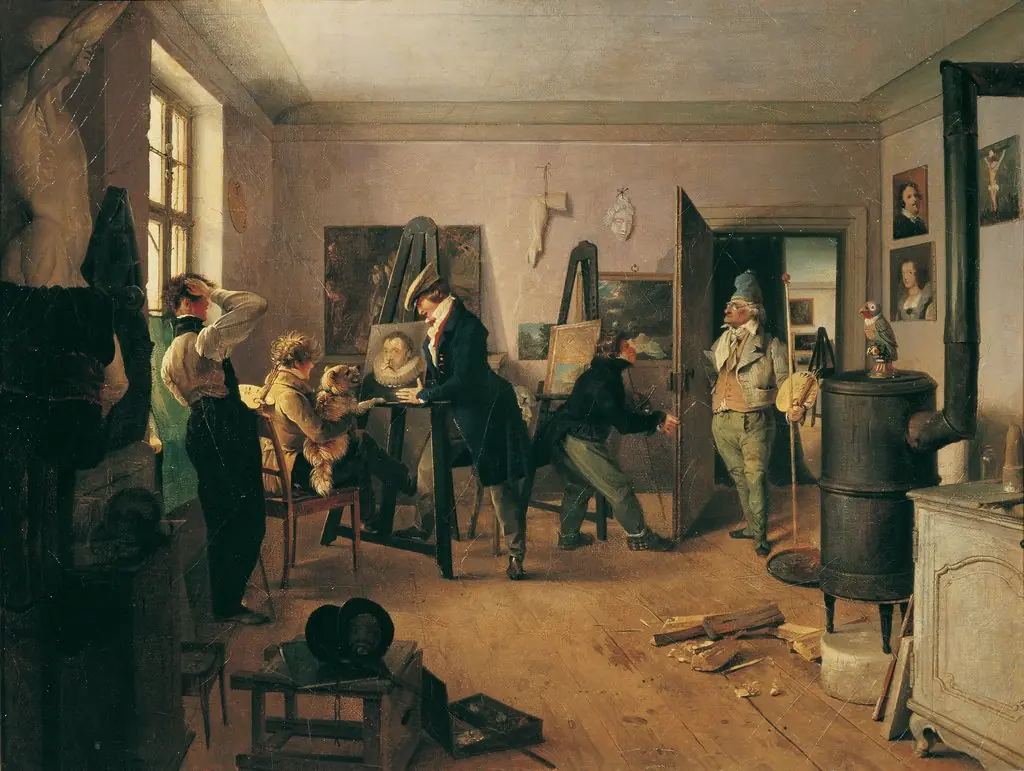 Atelier with painting students
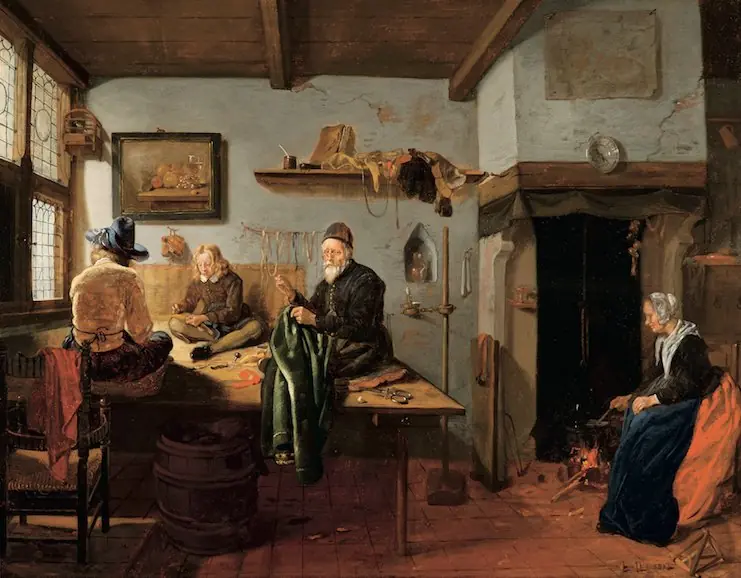 Interior of a Tailor's Workshop
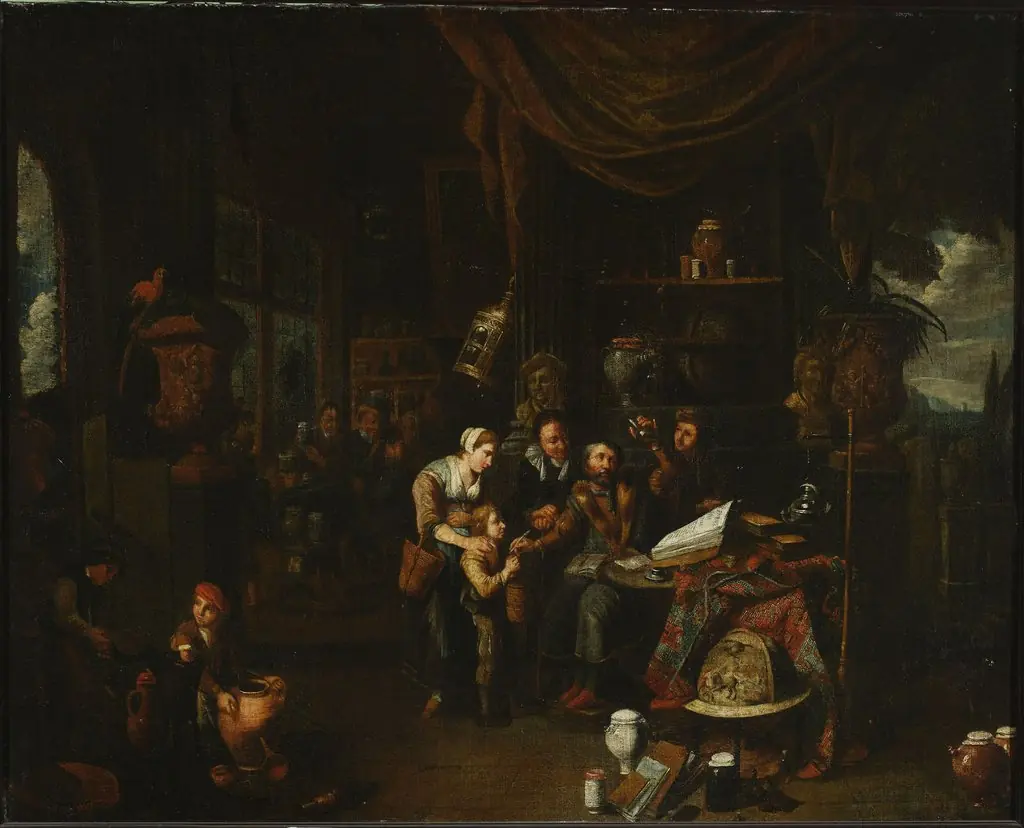 In the alchemist's study
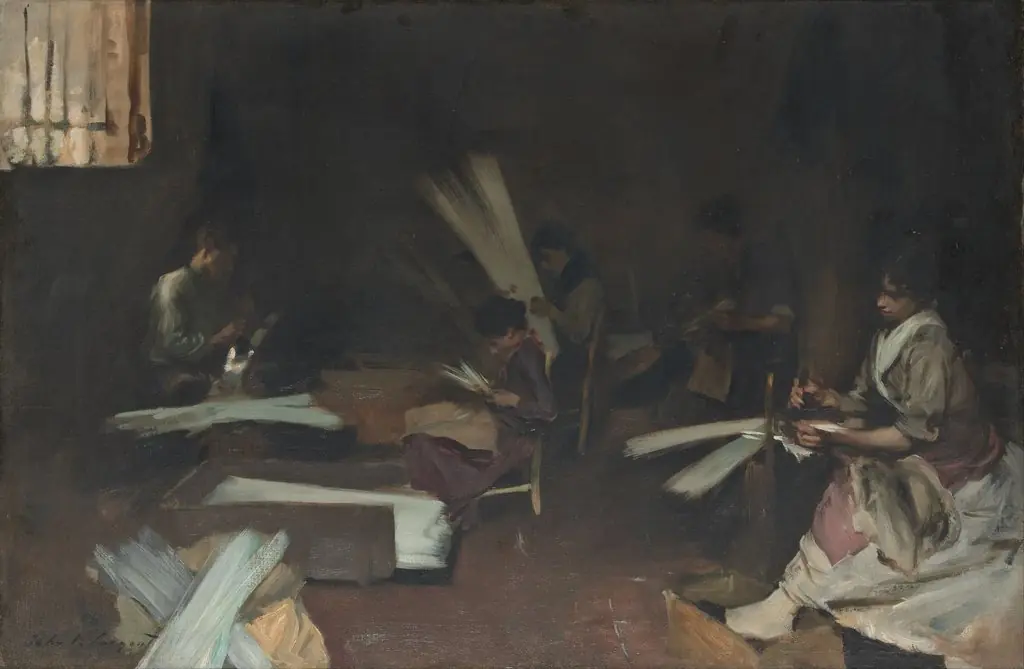 Venetian Glass Workers
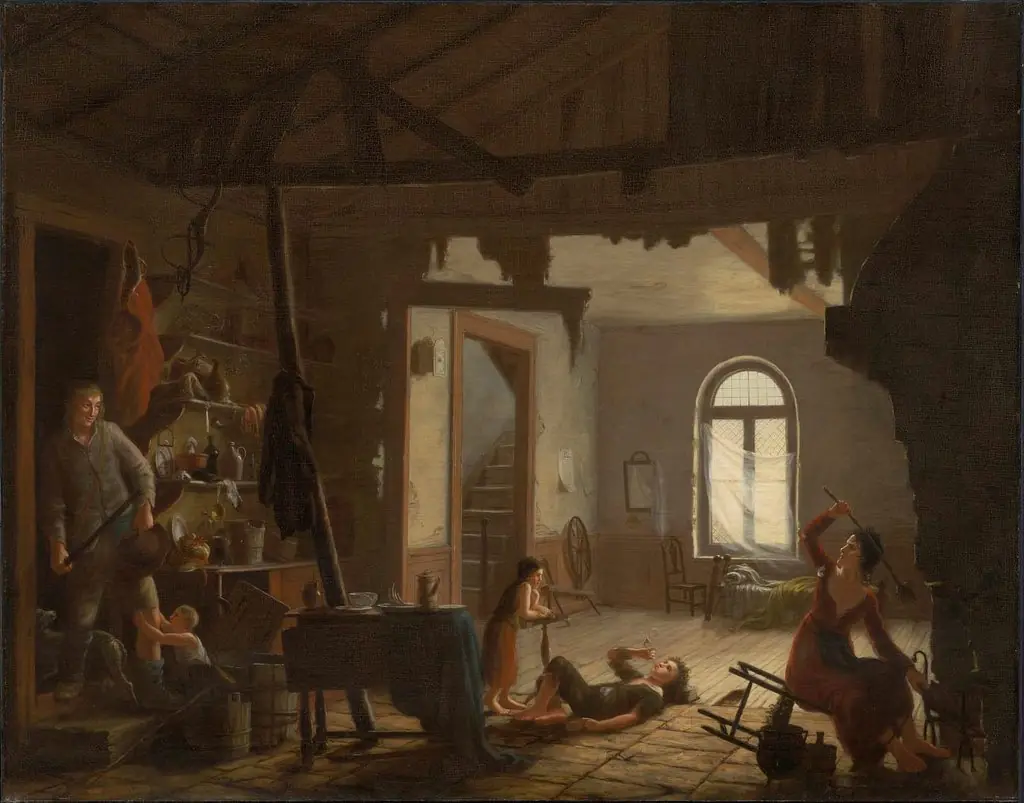 Rip van Winkle Returning from a Morning Lounge
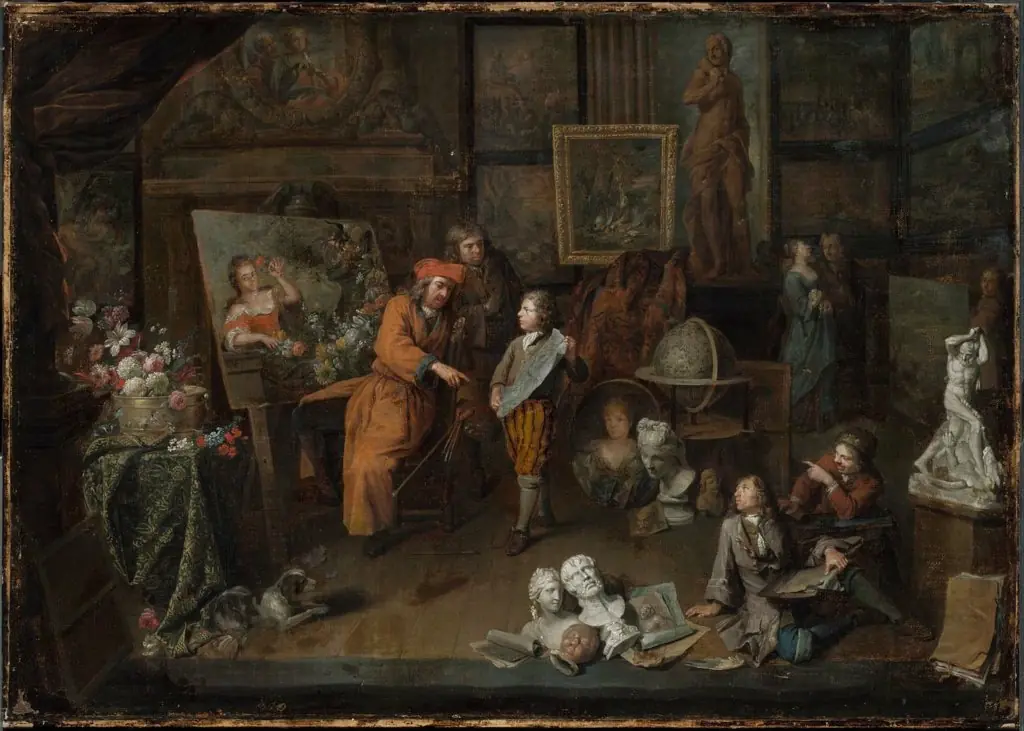 Artist's Studio
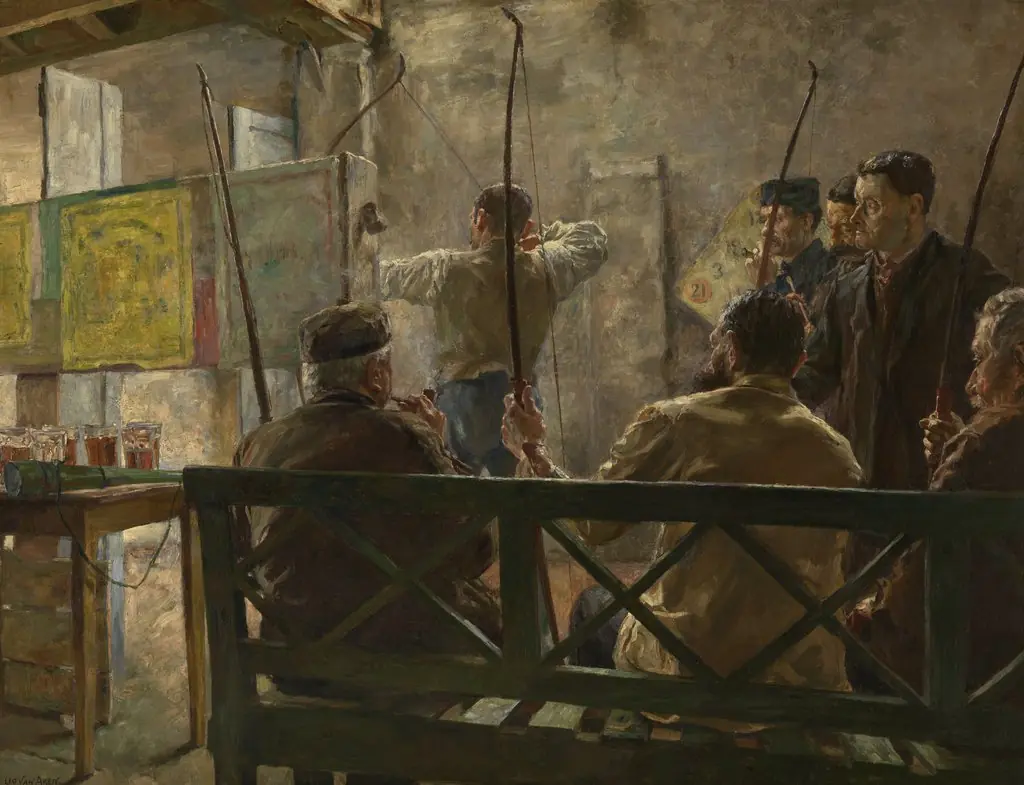 The Archers
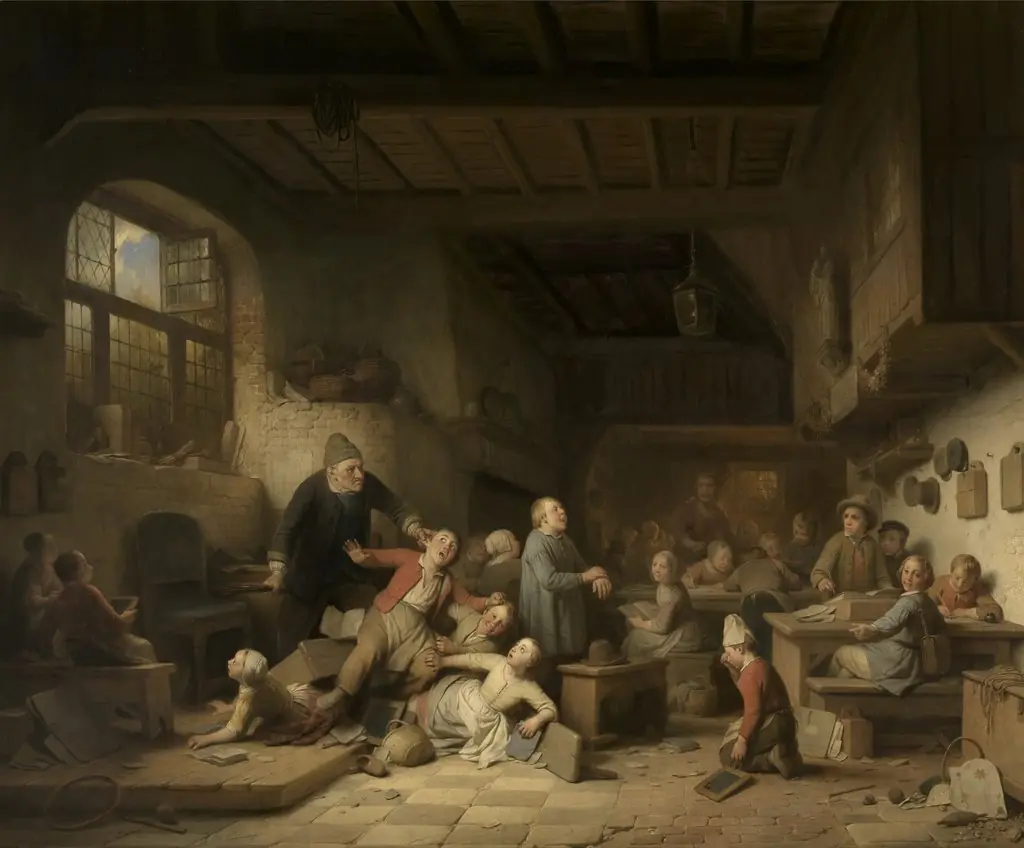 The Village School
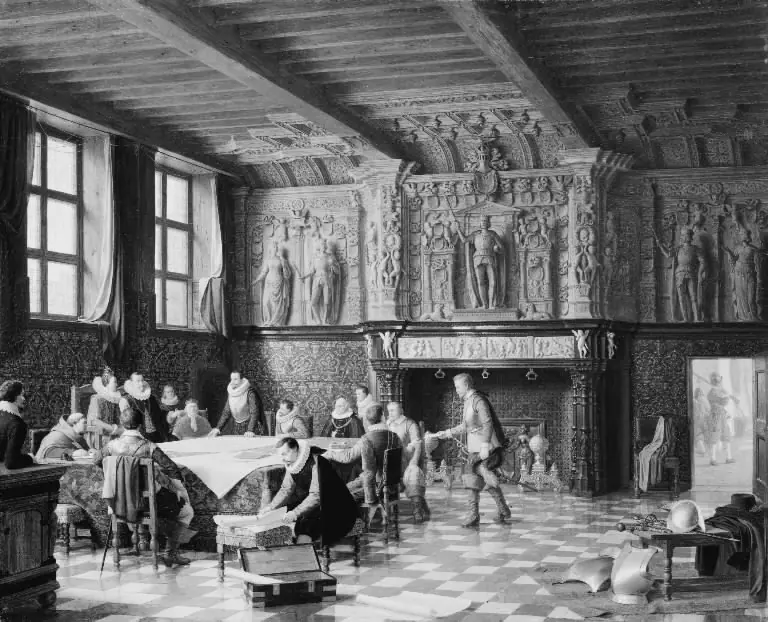 Et krigsråd i Salle des Francs i Brügge omkring år 1600
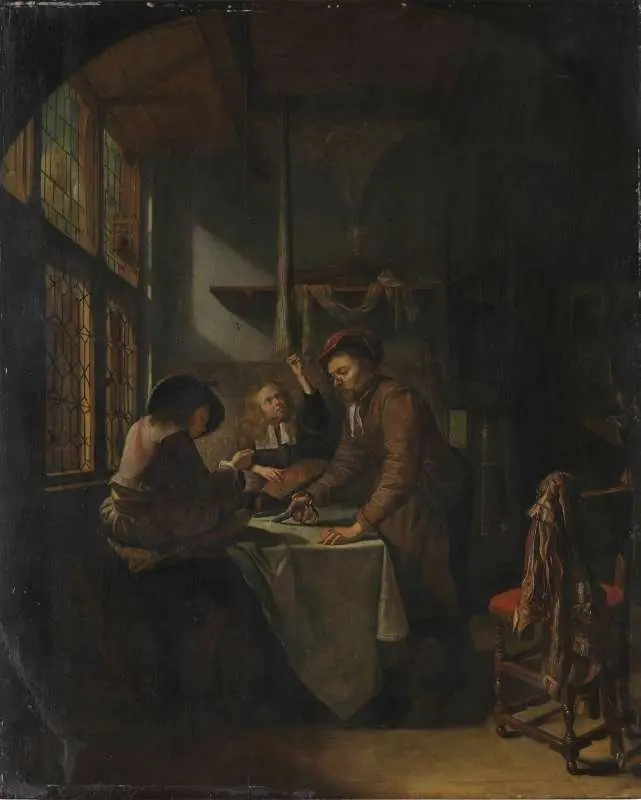 Tailor's Workshop
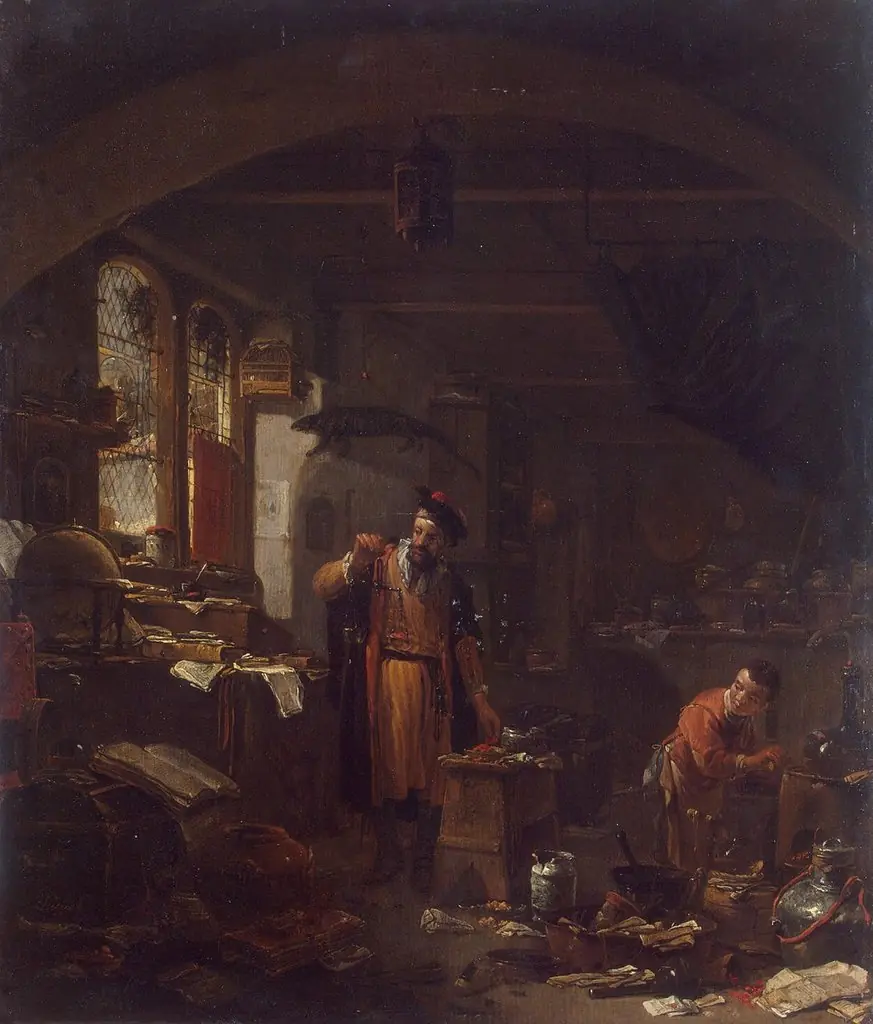 An Alchemist
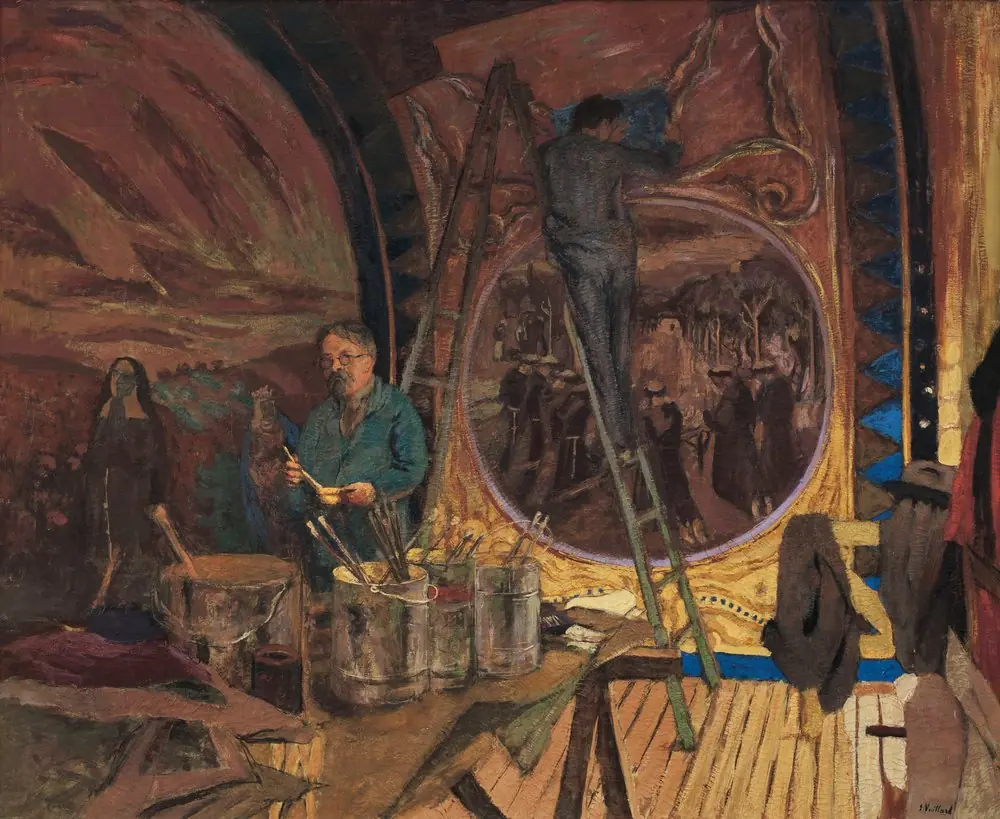 Portrait de Maurice Denis
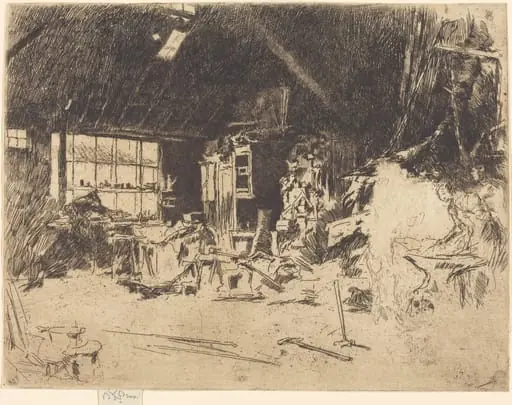 The Smithy
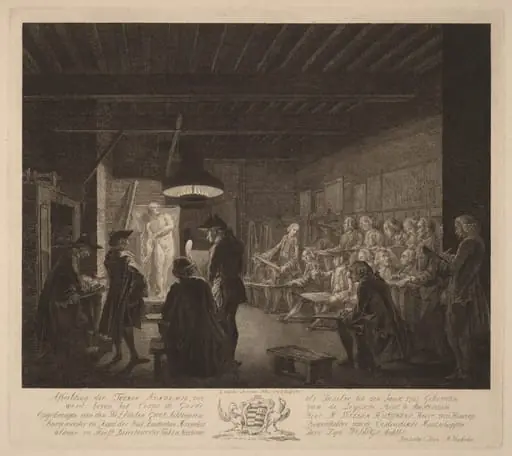 The Drawing Academy in Amsterdam
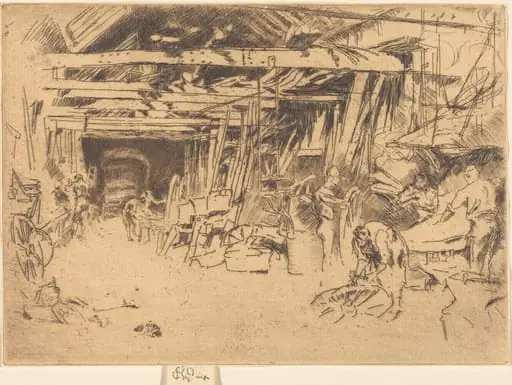 Wheelwright
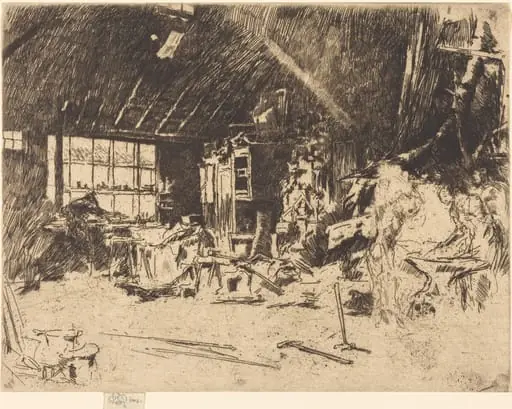 The Smithy
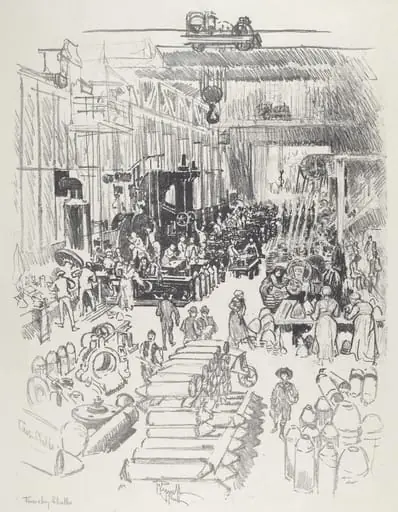 Finishing Shells
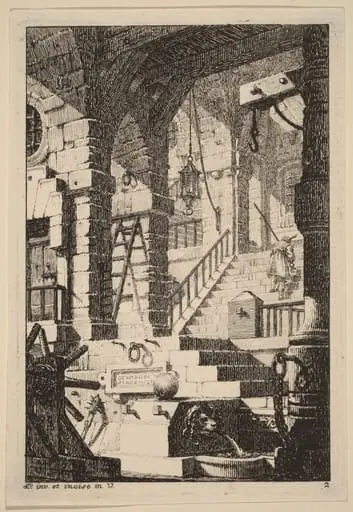 Fantasy of an Antique Prison
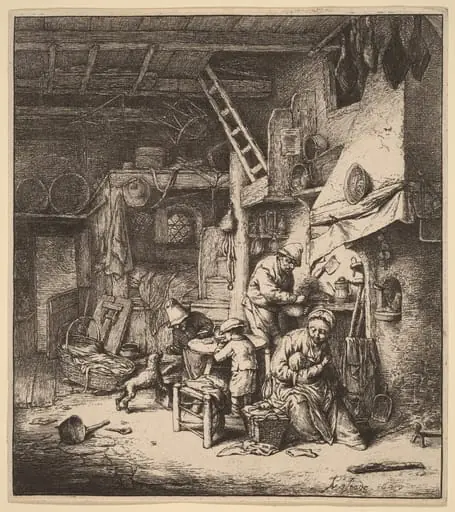 Peasant Family in an Interior with the Mother Feeding a Child
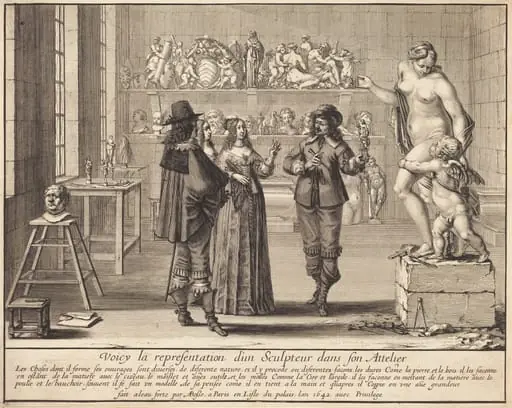 A Sculptor in His Atelier
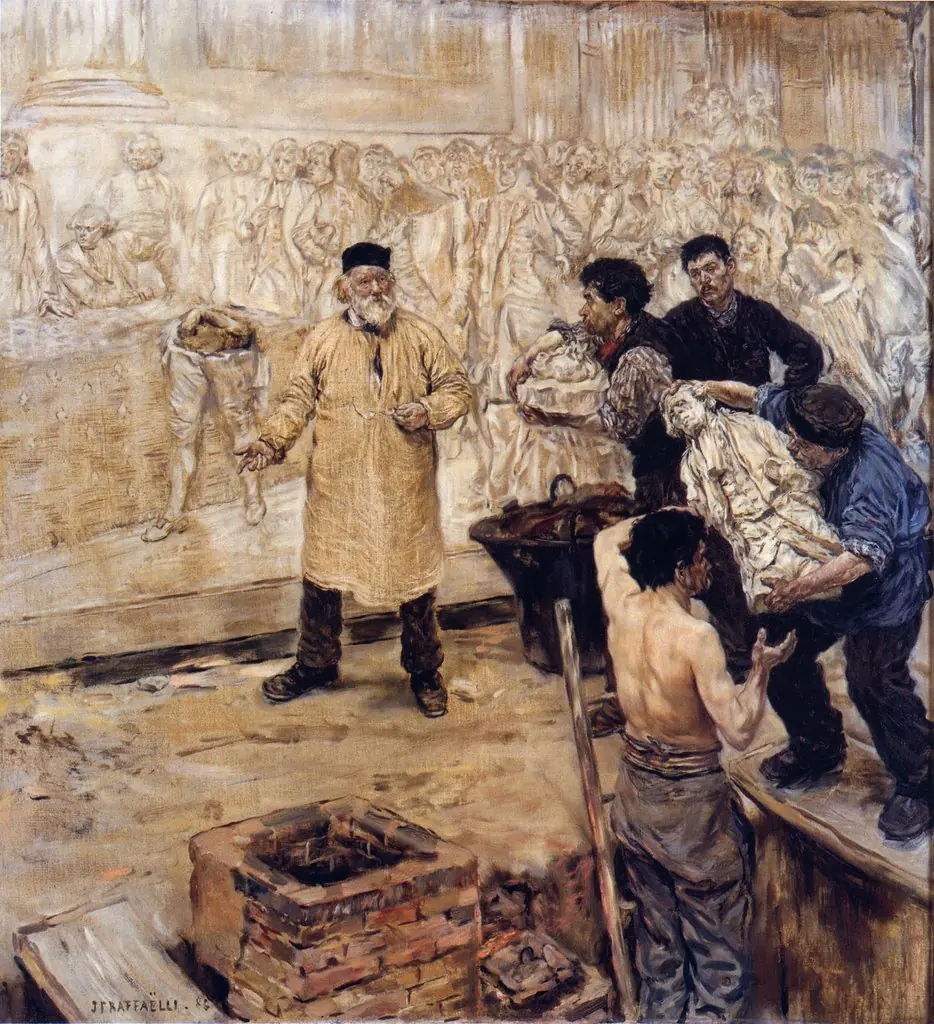 In the Smelter
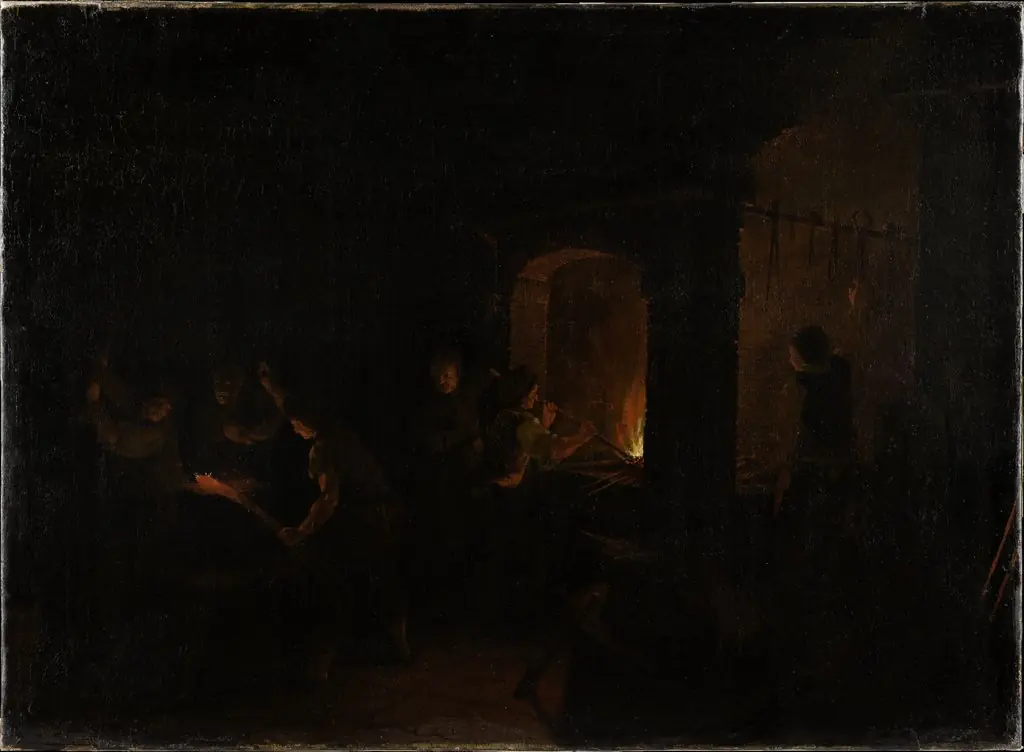 Interior of a Forge
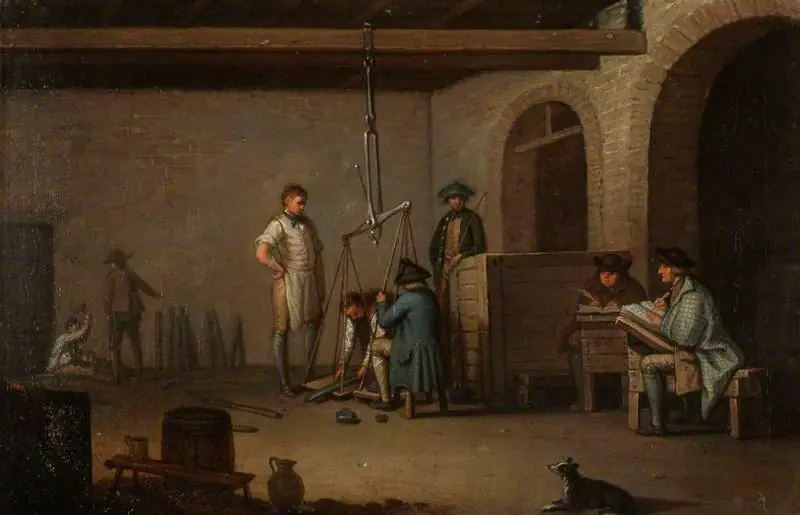 Lead Processing at Leadhills: Weighing the Lead Bars
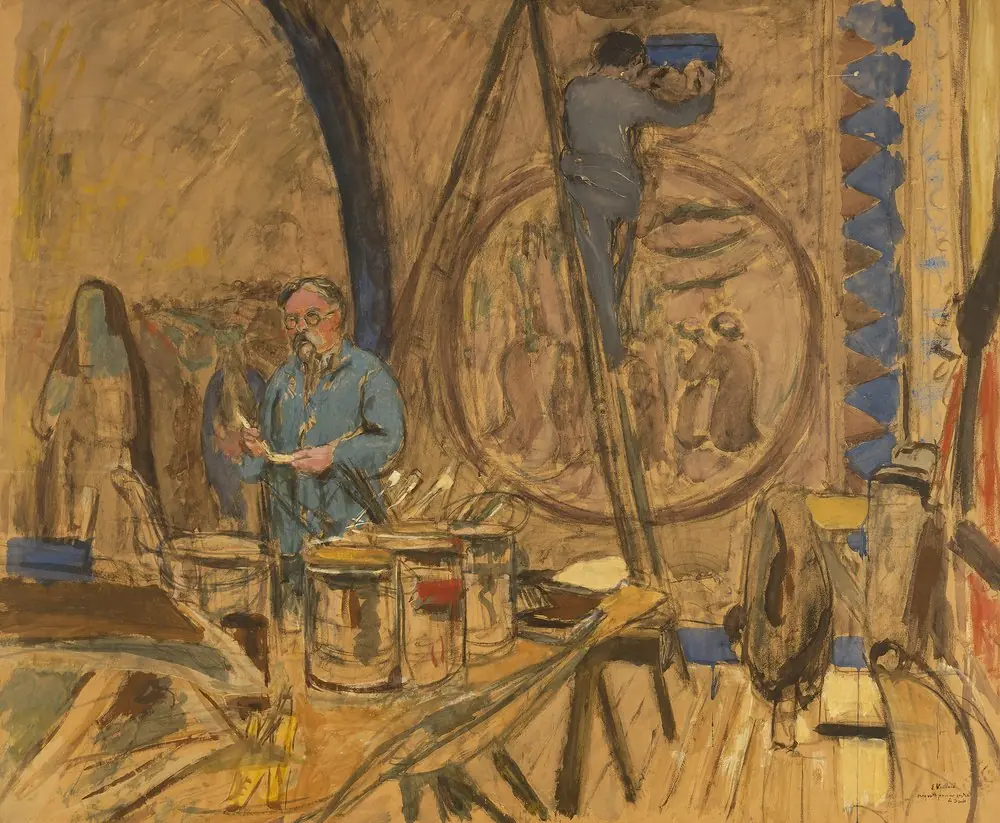 Maquette pour un portrait de Denis
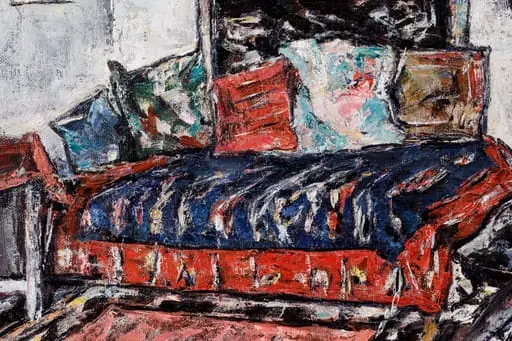 Interior de atelier la Târgoviște
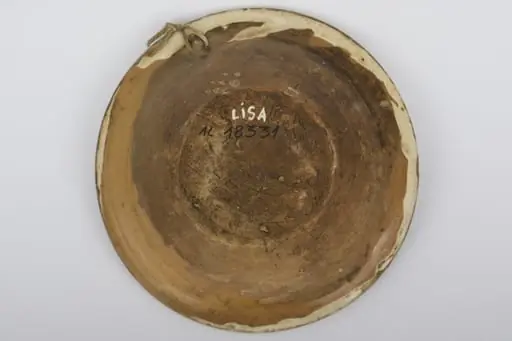 Vas ceramic smălțuit la interior, de formă tronconică, cu fundul plat, pereții ridicați și marginea evazată. Farfuria prezintă decor geometrizant și fitomorf stilizat. Pe fundul vasului, peste stratul crem de angobă, au fost realizate patru flori maro, cu mijlocul verde și albastru, fiind mărginite de patru grupuri a câte nouă puncte verzi și albastre (două câte două, în diagonală). Cel de-al doilea registru pictural a fost realizat marginal, pe buza piesei; fiind încadrat între două linii circulare drepte un șir de „V-uri” succesive. Farfuria era folosită în gospodărie pentru decorarea interioarelor sau servirea hranei. Prezintă uzură funcțională: Cromatică: fond: cărămiziu; crem; motive: maro; verde; albastru.
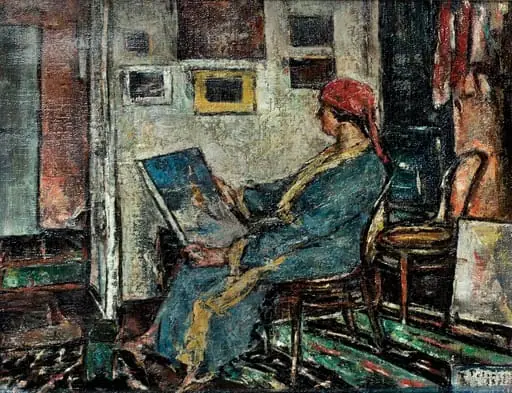 Interior cu femeie privind un tablou (Lucreția Petrașcu)
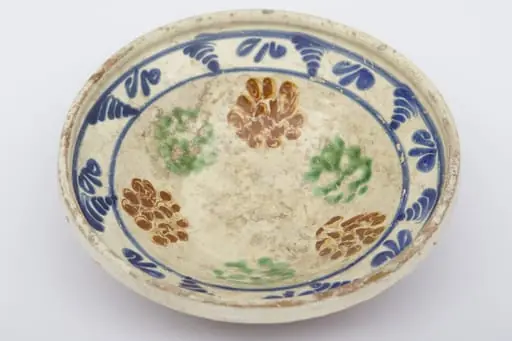 Vas ceramic de dimensiuni medii, smălțuit la interior, având formă tronconică. Blidul a fost decorat cu motive geometrizante și fitomorfe stilizate. Primul registru, dispus pe fundul piesei este format din șase flori verzi și maro, intercalate. Marginal, pe buza profilată a fost realizat cel de-al doilea registru, fiind trasate două linii circulare, care încadrează motive vegetale albastre, succesive. Blidul era folosit pentru servirea hranei. Prezintă uzură funcțională. Cromatică: fond: cărămiziu; crem; motive: albastru; maro; verde.
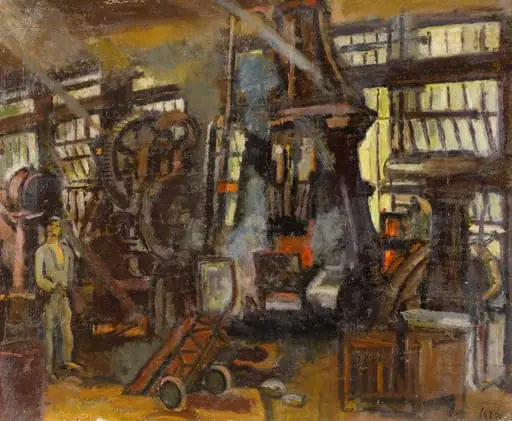 În uzină - studiu
 Interior de atelier
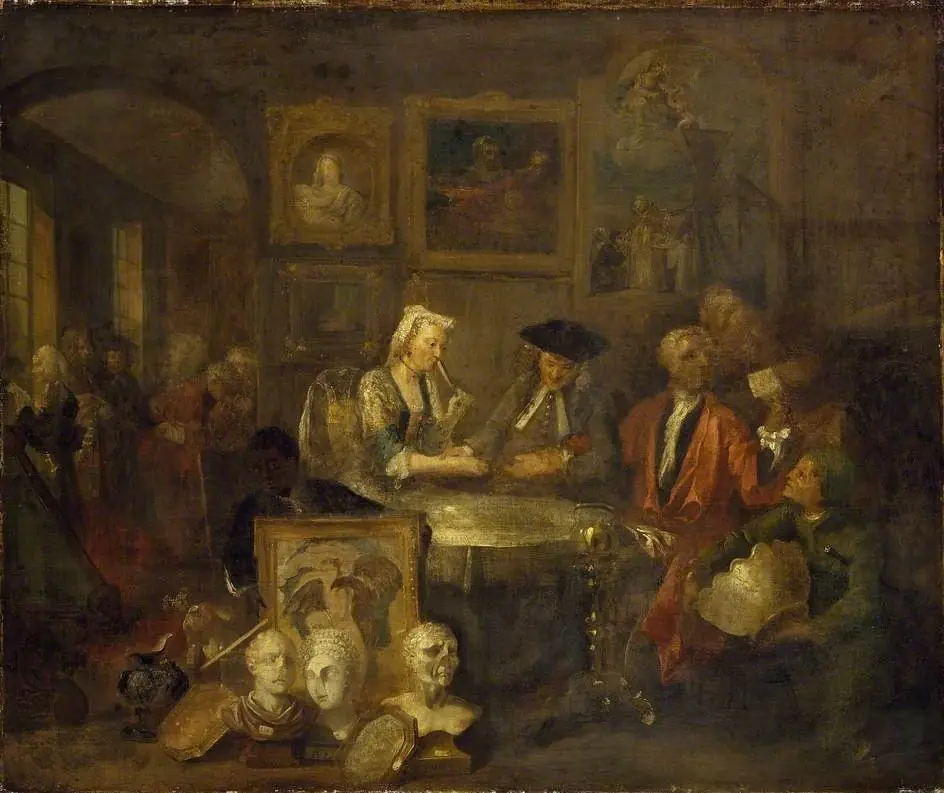 The Marriage Contract
 Interior
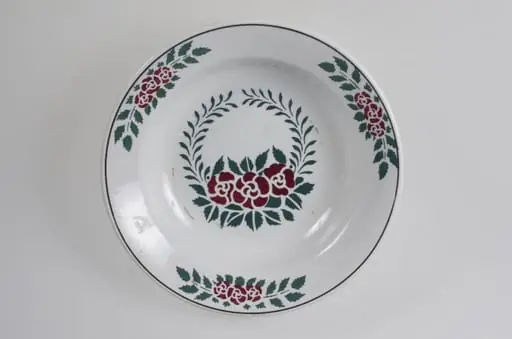 Vasul are formă tronconică, adâncită. Este decorat cu motive florale, vegetale și geometrice; are trei flori pe margine ce sunt delimitate de o linie; în centru este decorat cu un buchet format din trei trandafiri; pe fund are trei cercuri concentrice. Vasul este smălțuit interior-exterior. Cromatică: fond alb; motive: verde; roșu.
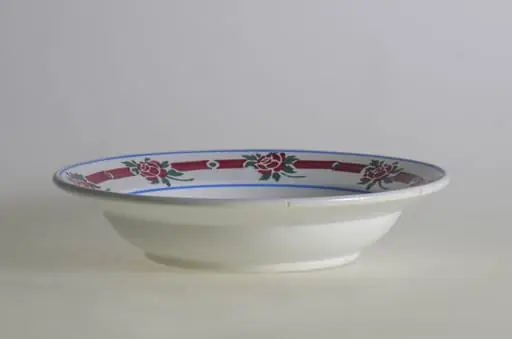 Vasul are formă tronconică; pe margine este decorat cu motive florale, despărțite de motive geometrice: linie, punct, care sunt încadrate de două cercuri concentrice; motive florale în centru (trandafiri); pe fund are trei cercuri concentrice. Cromatică: fond: alb; motive: roșu; verde; albastru. Vasul este smălțuit interior-exterior.
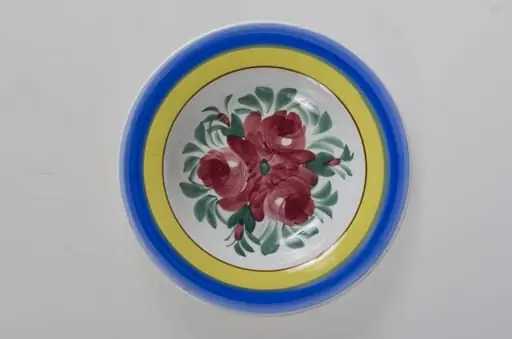 Farfurie de formă tronconică, adâncită; motive florale în centru (trandafiri); pe margine este decorat cu trei cercuri concentrice. Pe fund este o ștanță: o casă cu o pasăre pe acoperiș cu inscripție deasupra: ”MAGYAR” și dedesubt: ”1971” și un cuvânt indescifrabil. Pe fundul vasului sunt două incizii în care este introdus un șnur folosit la agățarea vasului pe perete. Vasul este smălțuit interior-exterior. Decor obținut prin pictare. Cromatică: fond: alb, motive: roșu; verde; albastru; galben.
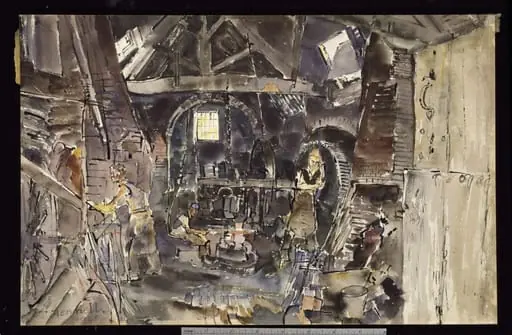 Scythe Smithy, Weybridge
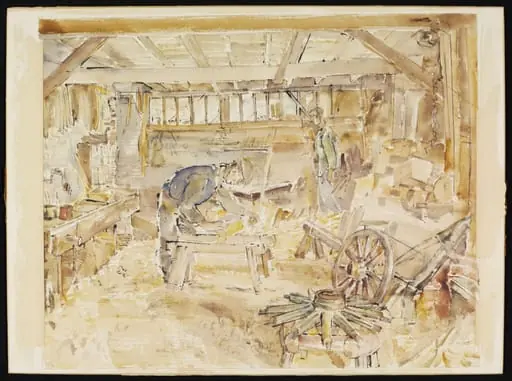 Wheelwrights at work in Mr. J. W. Brunt's Shop, Newington
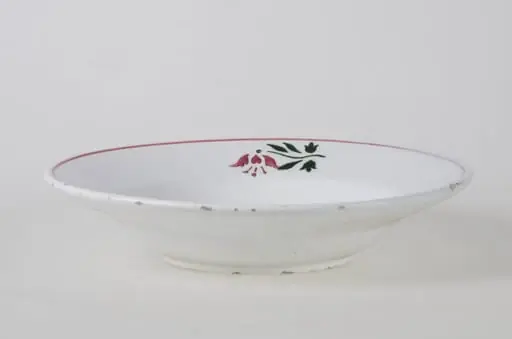 Recipient de formă tronconică, adâncit, cu gura mai largă decât baza. Este decorat cu motive florale și geometrice: trei flori și un cerc pe margine, precum și trei flori în centru. Pe fund are o ștanță indescifrabila: ”HOLLOHAZA”. Pe fundul vasului sunt două incizii în care este introdus un șnur folosit la agățarea vasului pe perete. Vasul este smălțuit interior-exterior. Cromatică: fond: alb; motive: roșu; verde.
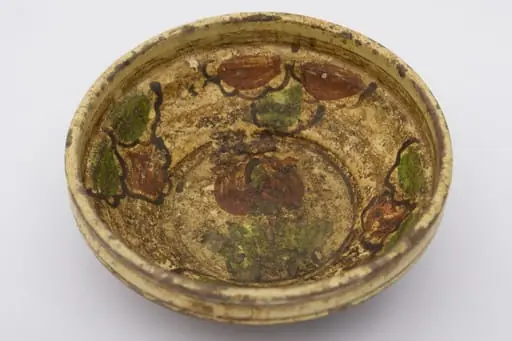 Vas din lut de formă circulară cu profil tronconic, smălțuit la interior și buza dreaptă. Decorat cu motive vegetal-florale pictate cu pensula pe suprafața interioară: pe fundul vasului, central, este pictată o floare cu frunze iar pe pereții vasului flori grupate câte trei. Pe dos, blidul este prevăzut cu un orificiu circular, pentru agățarea de perete. Rol decorativ. Prezintă urme de uzură funcțională. Cromatică: fundal exterior cărămiziu, fundal interior galben; motive: verde, cărămiziu, maro.
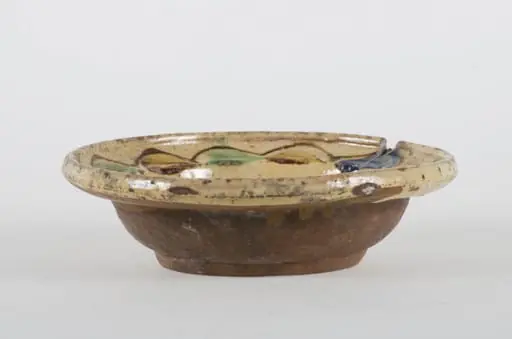 Vasul din lut de formă tronconică este lucrat la roata rapidă; prezintă buza puternic îngroșată, pereții abrupți, blidul fiind foarte adâncit. Este smălțuit în interior iar decorul este împărțit după cum urmează: pe interiorul buzei se identifică motive vegetale dispuse într-un registru continuu iar pe fundul vasului se regăsesc decorațiuni floral-vegetale. Cromatică: crem; verde; albastru; maro; galben.
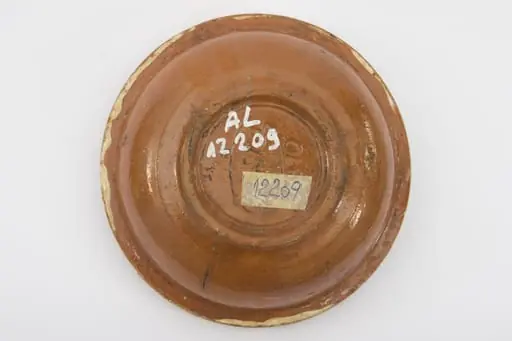 Obiect de uz casnic de formă tronconică foarte adâncită, cu buza foarte înaltă și ușor ieșită în afară în partea exterioară; este smălțuit interior și exterior (doar buza); în centru e decorat cu motive florale, iar pe margine cu o linie; pe fund are marca Granitul No 10; are gura puțin ciobită. Ccromatica: fond interior crem, fond exterior maro; motice: verde, albastru, maro.
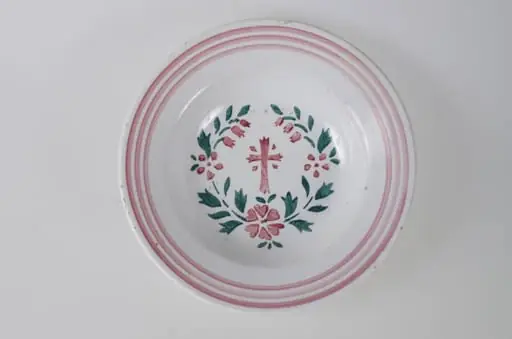 Farfurie de formă tronconică, adâncită; pe margine este decorată cu motive geometrice: trei cercuri concentrice. În centru este pictată o cruce, încadrată de flori și frunze dispuse circular. Pe exteriorul vasului de la bază spre buză se disting trei profile circulare. Cromatică: fond alb; motive: roșu; verde.
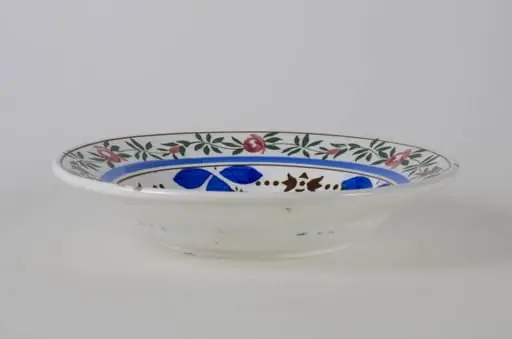 Farfurie de formă tronconică, adâncită; este decorată cu motive florale pe toată suprafața; florile de pe margine sunt încadrate de trei cercuri concentrice dintre care una spre exterior și două spre interior; cromatică: fond alb, motive: roșu; verde; albastru; maro; galben. Pe fund are o ștanță: trei cercuri concentrice. Tot pe fundul vasului sunt două incizii în care este introdus un șnur folosit la agățarea vasului pe perete.
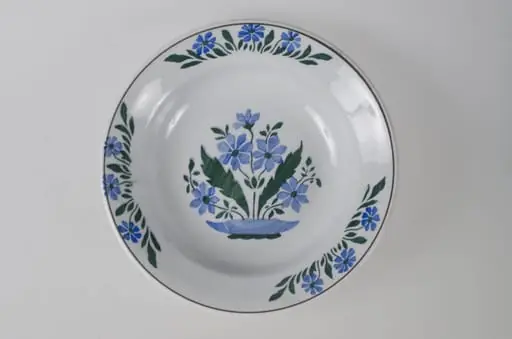 Vasul are formă tronconică, adâncită și este decorat cu motive florale dispuse în trei registre a câte trei flori pe margine, încadrate de o linie; în centru este decorat cu flori și frunze. Pe fund are trei cercuri concentrice care profilează trei registre. Vas evazat în partea superioară. Smălțuit interior-exterior. Cromatică: fond: alb; motive: verde; albastru; negru.
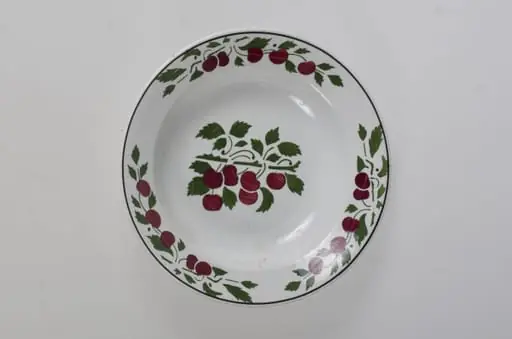 Farfurie de formă tronconică, adâncită; pe margine este decorat cu motive vegetale încadrate de o linie; în centru are o crenguță cu fructe (cireșe). Pe exterior la baza vasului prezintă trei cercuri concentrice și cifra ”26”. Cromatică: fond: alb; verde; roșu; negru. Pe fundul vasului sunt două incizii în care este introdus un șnur folosit la agățarea vasului pe perete.
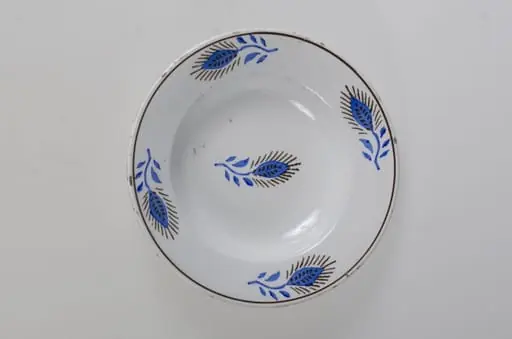 Vasul prezintă formă tronconică adâncită cu o bordură decorată cu motive florale și vegetale dispuse câte două în opoziție pe suprafața buzei (patru flori cu frunze). În centru este decorat cu o floare. Prezintă o marcă indescifrabilă pe exteriorul vasului. Cromatică: fond: alb; motive: albastru; maro.
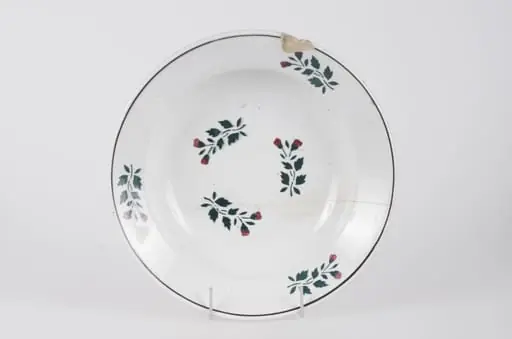 Farfurie din faianță smălțuită cu smalț alb. Vasul este de formă circulară, ușor adâncită. Pe fundul vasului decorul este floral-vegetal. Pe buza vasului se identifică trei flori, un decor geometric (cerc) ce încadrează decorul floral. Pe fundul vasului se identifică marca ”WILHELMSBURG”. Cromatică: fond alb; motive: verde; roșu.
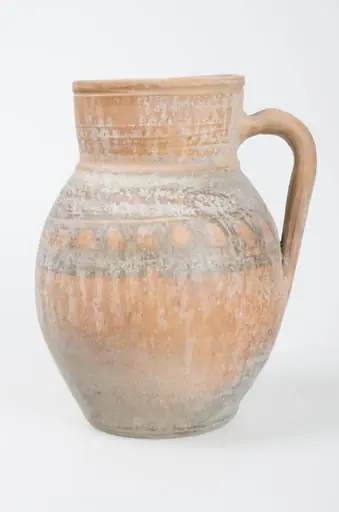 Piesă de ceramică cilindric realizat prin prelucrarea manuală la roată. Din bază plată pornesc pe vertical pereți arcuiți spre exterior ce se încheie prin îngustare printr-un gât drept și înalt cu buza rotunjită. De la jumătatea gâtului până la zona de bombare maximă, pe o parte este așezată o toartă rotunjită. Vasul este lustruit la exterior. Structura ornamentală este amplasată imediat sub gât până la baza toartei, trecând pe sub aceasta și este reprezentată prin motive geometrice, zig-zagul; pătratul; linia dreaptă. Cromatică: cărămiziu; negru.
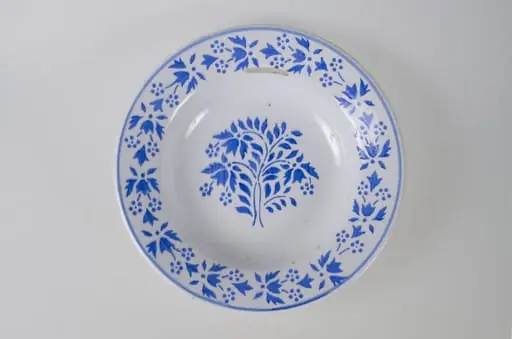 Farfuria are formă tronconică ușor adâncită. Pe buza vasului se identifică un registru decorativ floral, vegetal, continuu mărginit de o linie. Pe fund este o ștanță: o casă cu o pasăre pe acoperiș. Pe fundul vasului sunt două incizii în care este introdus șnurul folosit la agățarea vasului pe perete. Cromatică: fond: alb; motive: albastru.
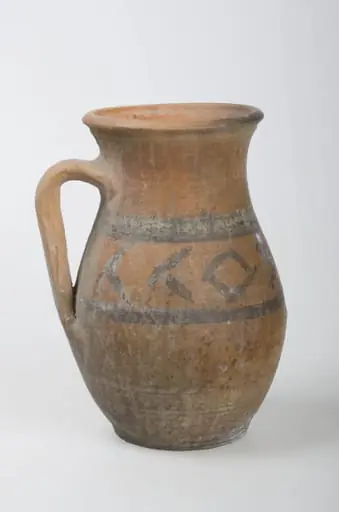 Recipient cilindric ușor bombat ce se îngustează în zona gâtului și apoi se continuă cu gura lată și buza evazată. Prezintă o toată ce pornește imediat din mijlocul gâtului și se termină în zona maximă de bombare. Structura ornamentala este realizată pe partea mediană, trecând pe sub toartă. Ornamentația se face cu ajutorul a două linii circulare, paralele între care sunt pictate motive geometrice de linii drepte așezate în unghi și romburi. Cromatică: cărămiziu; negru.
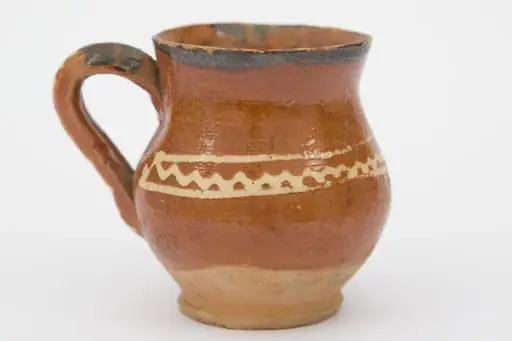 Recipientul este realizat din lut,având dimensiuni reduse, fiind de formă cilindrică, cu o gură largă și buza rotunjită. Acesta este prevăzut cu o toartă laterală având punctele de inserție în gatul și proeminența pântecului al vasului. Obiectul prezintă un decor median format din două linii orizontale de culoare albă, între acestea fiind realizată o linie sinusoidală de culoare albă, pictate pe fundalul maro cu care este decorat vasul. Obiectul este smălțuit la exterior. Cromatică: fond: maro; motive: alb.
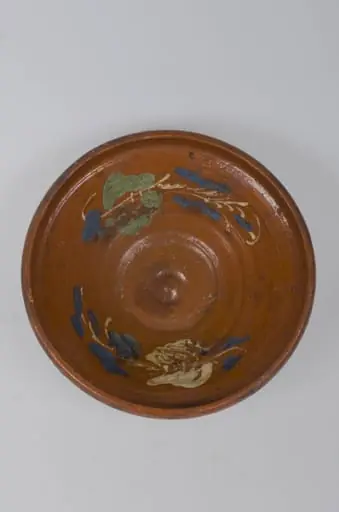 Castron de formă tronconică, adâncit. Marginea acestuia este foarte înaltă, fiind smălțuit în interior și exterior (buza). Pe margine este decorat cu motive vegetale și florale. Cromatică: fond cărămiziu; alb; verde; albastru. Castronul era folosit pentru depozitarea alimentelor.
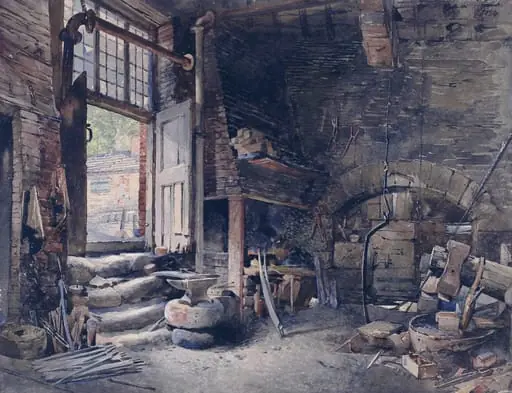 A Smith's Shop
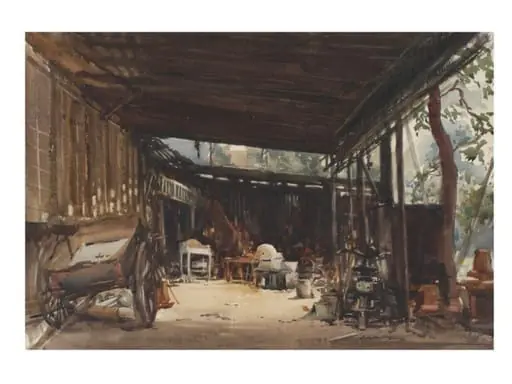 The Builder's Yard
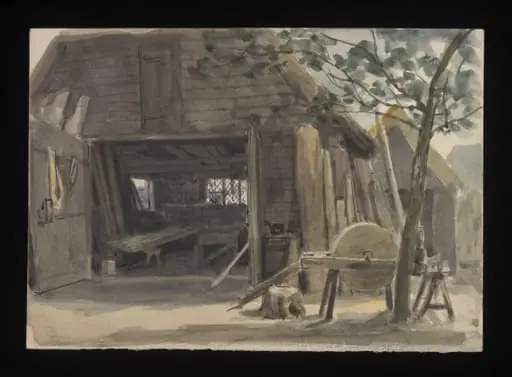 Watercolour drawing by the Grieve family, showing a workman's hut at Garlinge, Kent
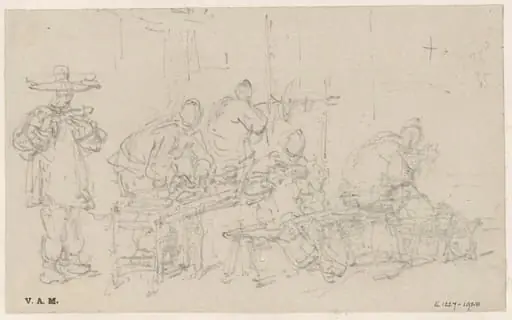 Sketches of figures at a foodstall
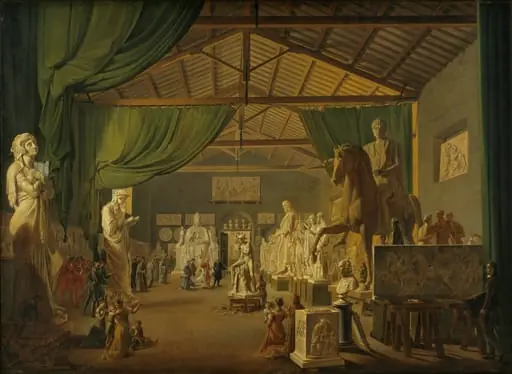 Pope Leo XII Visiting Thorvaldsen's Studios in the Piazza Barberini, 18 October 1826
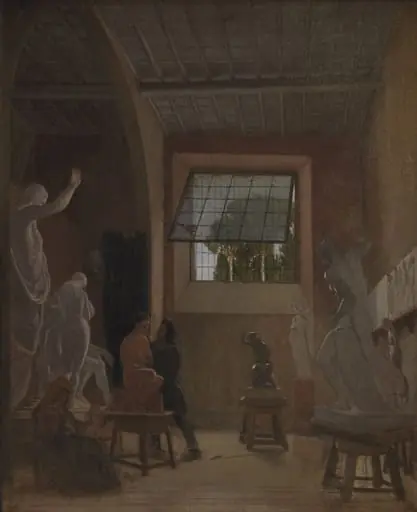 The Sculptor Jens Adolph Jerichau in his Studio in Rome
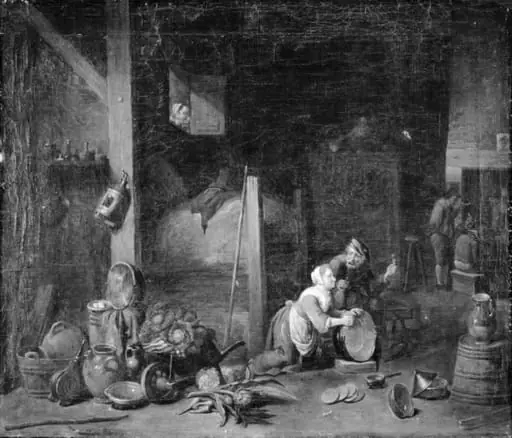 A Servant Girl Scrubbing a Brass Cauldron
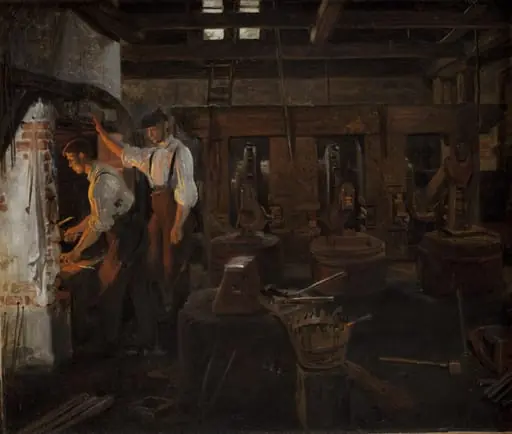 Det indvendige af den gamle hammermølle ved Hellebæk
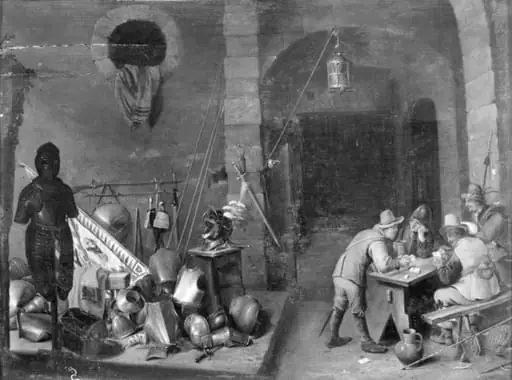 Casemate
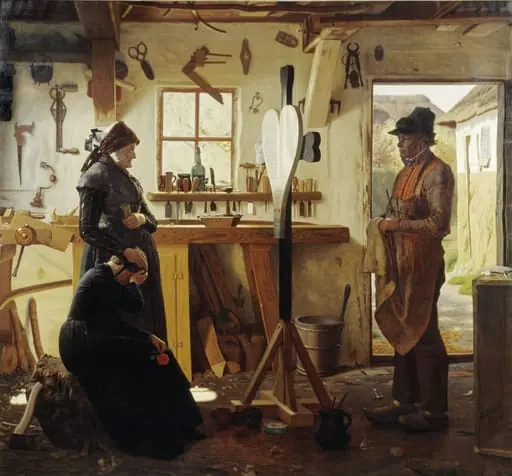 To kvinder besøger landsbykunstneren for at se det bestilte gravkors
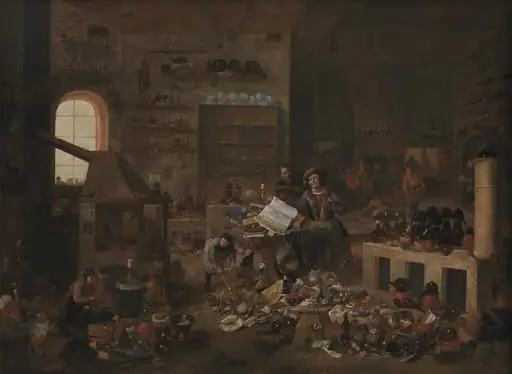 An Alchemist in his Laboratory
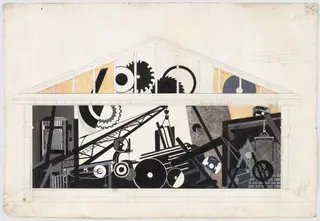 Untitled
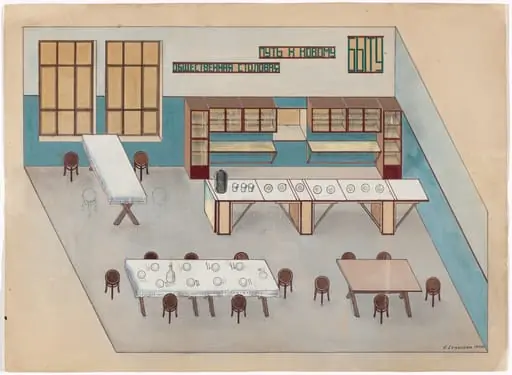 Untitled
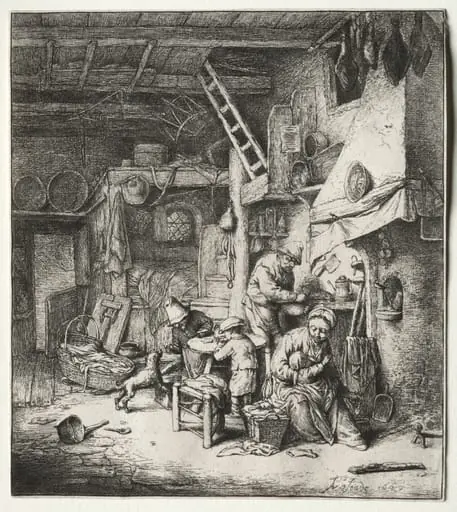 The Family
Frequently asked questions
What is Workshop?
Workshop is a subject in art. A studio is a space set aside for creative work of any kind, including art, dance, music and theater.
How many Workshop works does Artifact World Gallery have?
Artifact World Gallery holds 90 public-domain Workshop works, all free to view and download.
Who are the key Workshop artists?
Key Workshop artists in the collection include John Singer Sargent, David Teniers the Younger and Adriaan de Lelie.
Where can I see Workshop works?
Workshop works in the collection are held by ASTRA National Museum Complex, Statens Museum for Kunst and National Gallery of Art.