Artwork
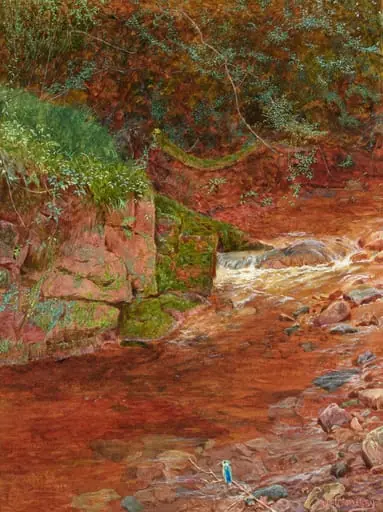
Luccombe Chine, Isle of Wight, 1860
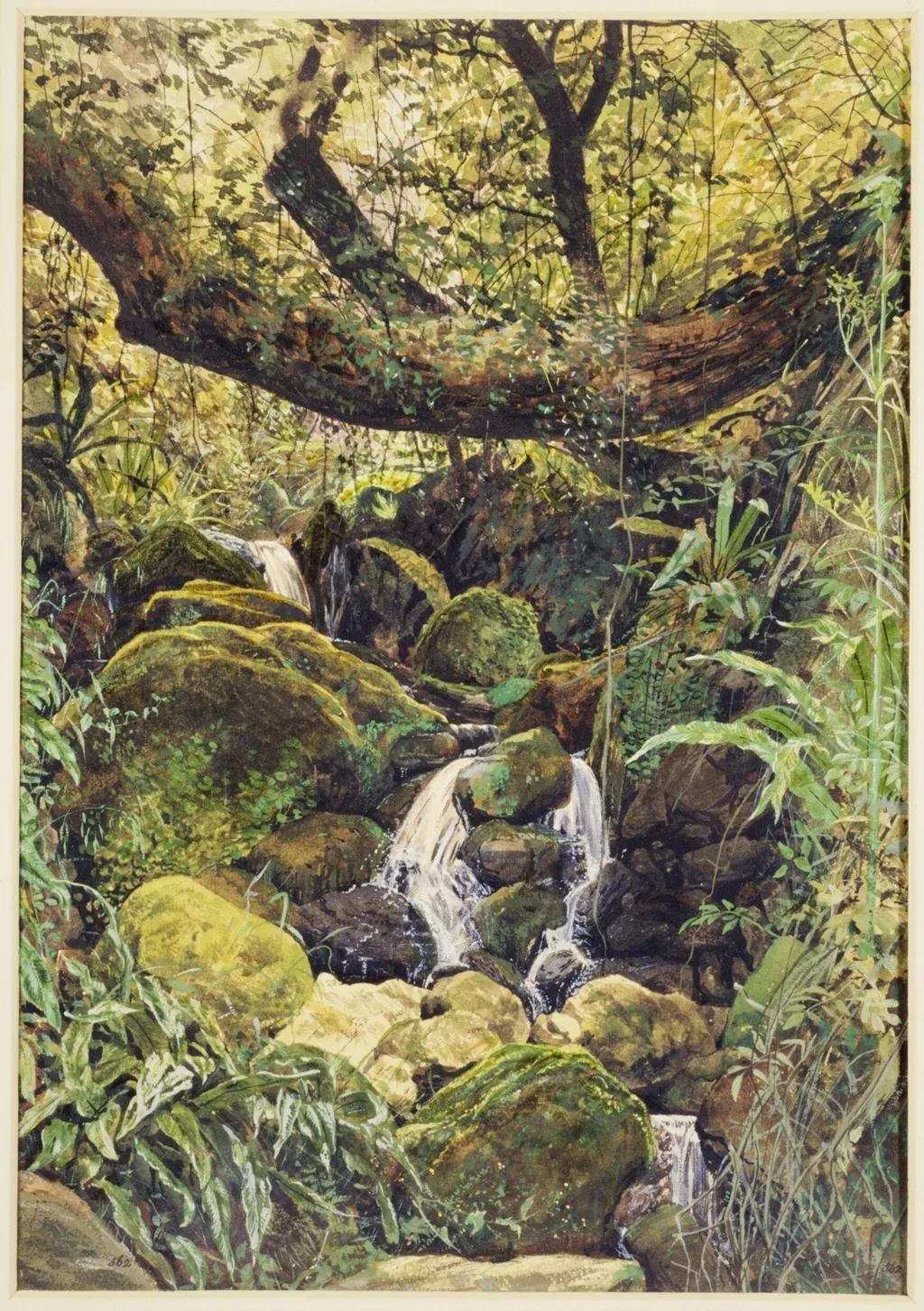
Luccombe Chine, Isle of Wight, 1860 is a watercolor work on paper by the British Romanticist artist Henry Alexander Bowler. It dates from 1860 and is held in the collection of the Victoria and Albert Museum.
About this work
Henry Alexander Bowler painted a watercolour of Luccombe Chine on the Isle of Wight in 1860. He worked as a teacher and administrator too. His style aimed for “truth to nature.” That meant careful detail and bright colours.
Bowler shared this aim with the Pre-Raphaelite Brotherhood, a group of British artists from the 1850s.
Next time you’re in London, visit the Victoria and Albert Museum.
Overview
Luccombe Chine, Isle of Wight, 1860, is a watercolour by Henry Alexander Bowler, an artist who also worked as a teacher and administrator. The piece exemplifies Bowler's adherence to the artistic principle of 'truth to nature'.
Subject & Meaning
The subject of the watercolour is Luccombe Chine, a location on the Isle of Wight, depicted with meticulous attention to natural detail, reflecting Bowler's commitment to accurately capturing the natural world.
Technique & Style
Characterized by careful observation, intricate detail, and clear, bright colours, the watercolour showcases Bowler's technical approach in pursuing 'truth to nature', resulting in a vivid and detailed representation.
History & Provenance
Created in 1860, the watercolour shares a philosophical alignment with the Pre-Raphaelite Brotherhood, a British art movement active from 1848 to 1853, despite Bowler's work here post-dating their peak activity.
Context
While Bowler's work aligns with Pre-Raphaelite ideals, his career spanned roles beyond art, including teaching and administration, situating him as a multifaceted figure in mid-19th-century British artistic and educational circles.
Legacy
Luccombe Chine, Isle of Wight, 1860, is now part of the Victoria and Albert Museum's collection in London, reflecting its significance within the broader context of British watercolour painting of the era.
Own this work as a print
Artist & collection
Artist
Henry Bowler painted soft, detailed watercolors of the English coast in the 1800s.

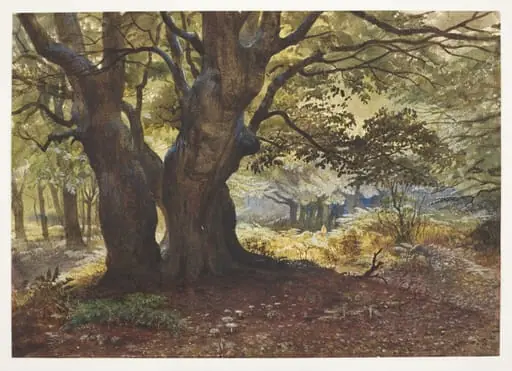
- Study of beeches at Epping
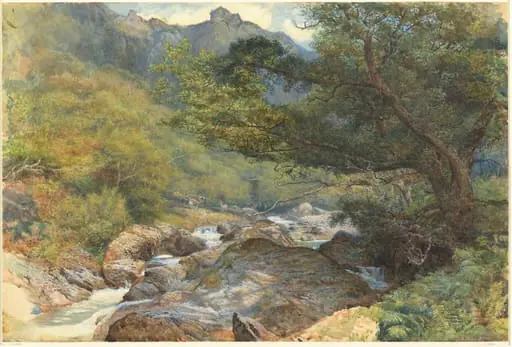 On the East Lyn, North Devon
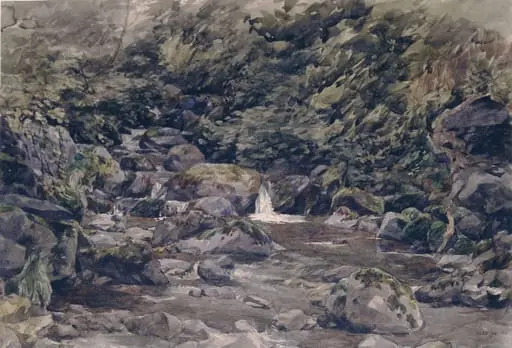 Mountain Stream with Trees
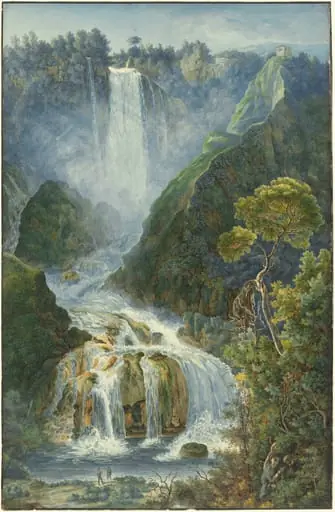 The Grand Waterfalls at Terni
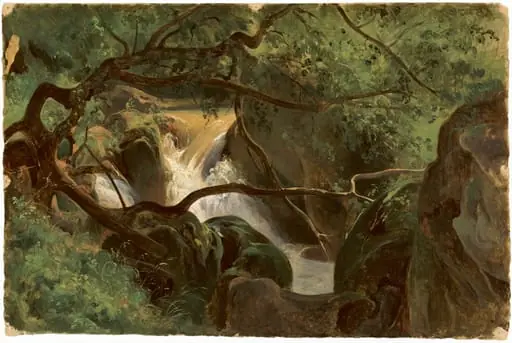 Forest Interior with a Waterfall, Papigno
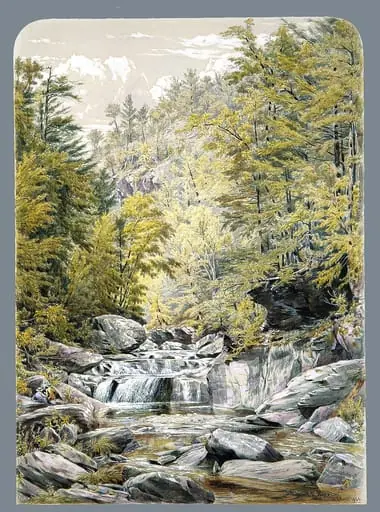 Catskill Clove
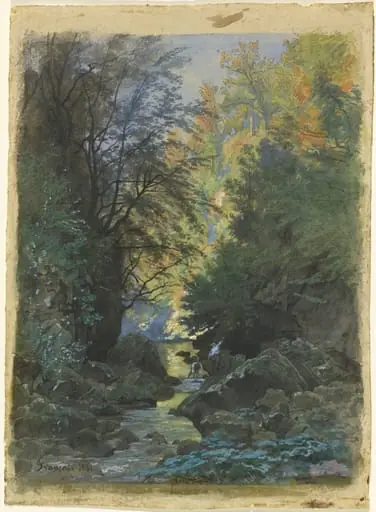 A Stream through a Dense Forest
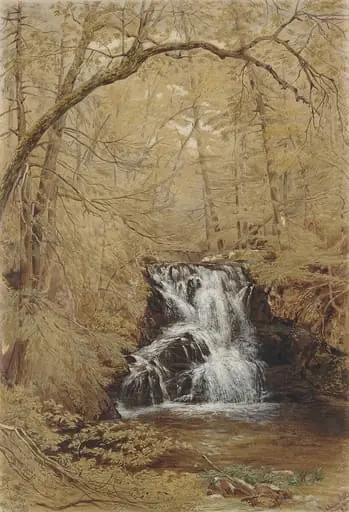 Indian Falls, Indian Brook, Cold Springs, New York
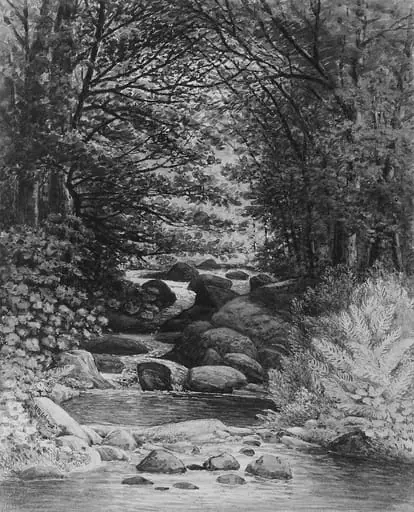 A Forest Cascade at Hiram, Maine
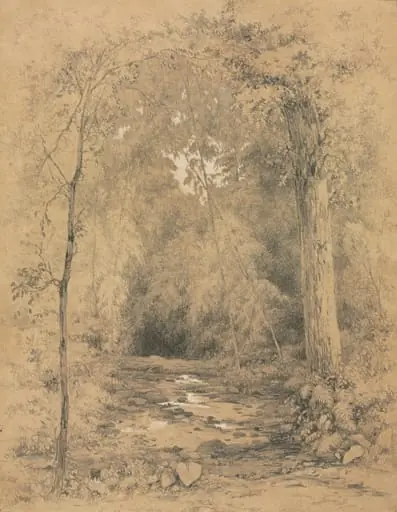 Forest Interior
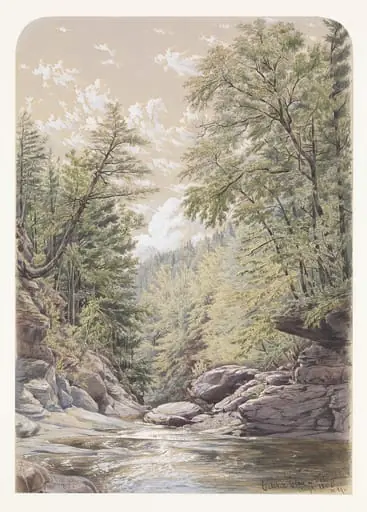 Catskill Clove in Palingsville
 The Kingfisher's Haunt