Artwork
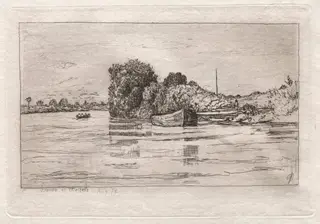
The Seine at Bas-Meudon
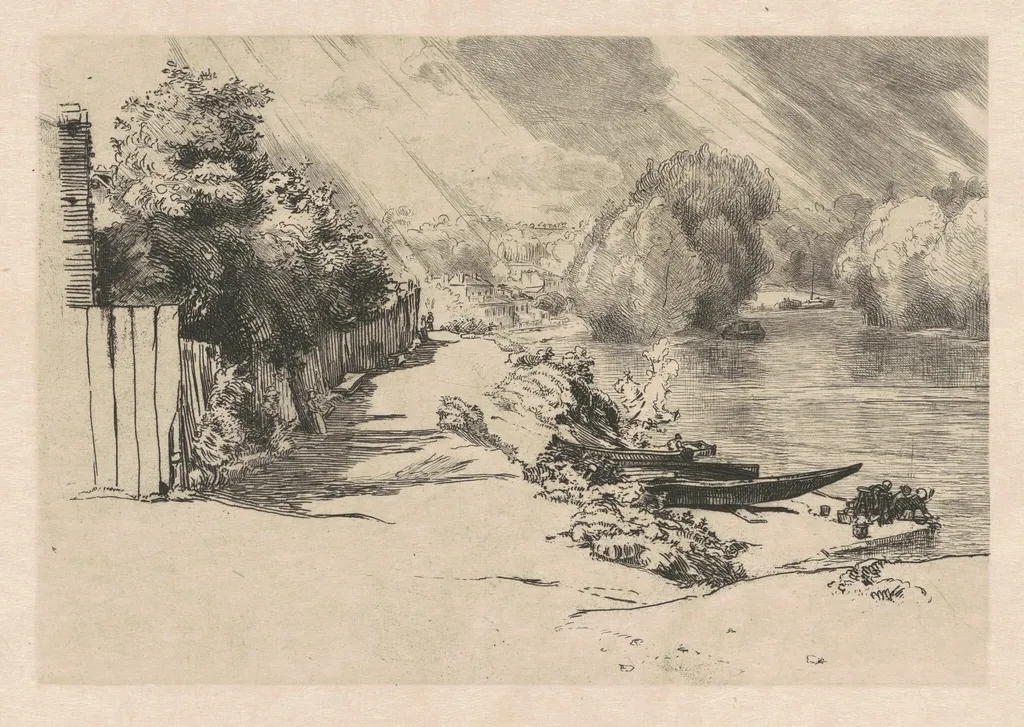
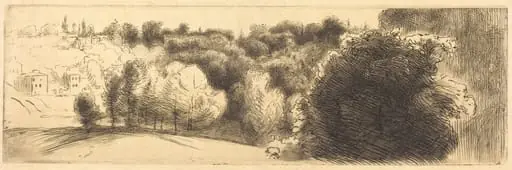
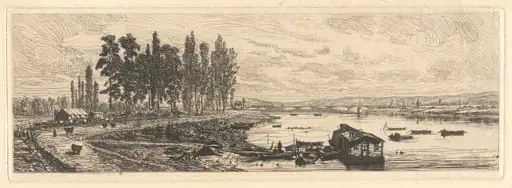
The Seine at Bas-Meudon is an ink print by the Impressionist artist Félix Bracquemond. It dates from 1868 and is held in the collection of the National Gallery of Art.
- Inscription
- Inscribed:recto: at lower left, in graphite, in later hand: "The Seine Near Bas-Meudon"; at lower right, in graphite, in later hand: Felix Bracquemond; verso: at lower left, in graphite, in later hand: 68 26, 866 / B 187; at lower right, in graphite, in later hand: Bracquemond
- Markings
- Marked:recto: none; verso: Frank Baker Bristow (Lugt 982a)
About this work
Overview
The Seine at Bas-Meudon is a print created by Félix Henri Bracquemond in 1868. It is an etching with drypoint on Japan paper.
Subject & Meaning
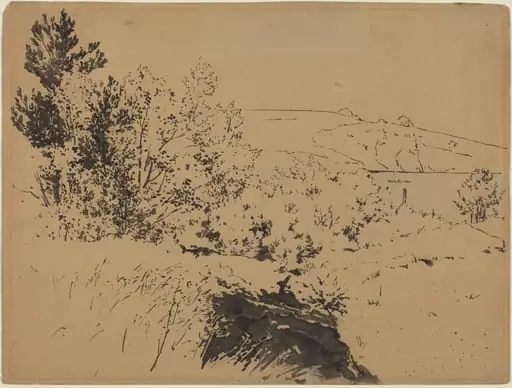
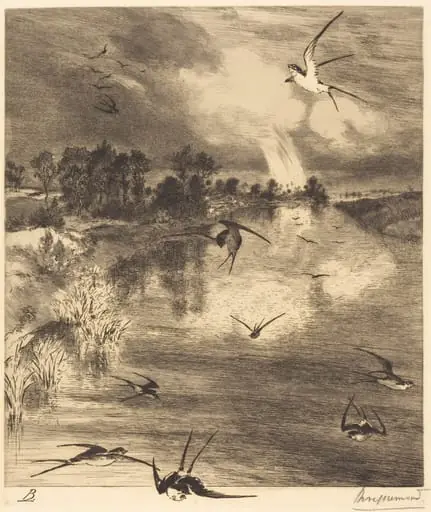
The print depicts a serene riverbank scene with a overturned small boat near the shore, surrounded by tall, tangled trees and distant buildings under a stormy sky. The stillness of the scene is punctuated by the boat's shape, suggesting a moment of activity.
Technique & Style
Bracquemond employed sharp lines and drypoint to capture textures such as tree bark and water ripples, creating a detailed representation of the landscape.
Context
As a key figure in the revival of printmaking, Bracquemond's work influenced contemporaries like Édouard Manet, Edgar Degas, and Camille Pissarro, contributing to the period's artistic developments.
Own this work as a print
Artist & collection
Artist
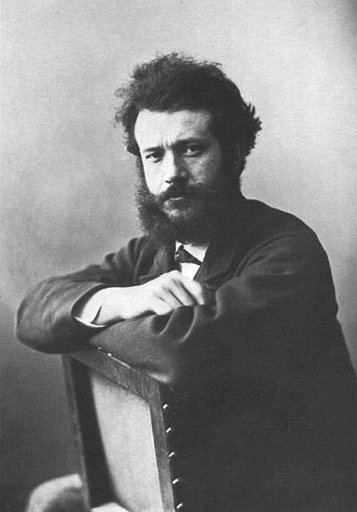
Félix Henri Bracquemond was a French painter, etcher, and printmaker. He played a key role in the revival of printmaking, encouraging artists such as Édouard Manet, Edgar Degas and Camille Pissarro to use this technique.