Artwork
The Adoration of the Shepherds
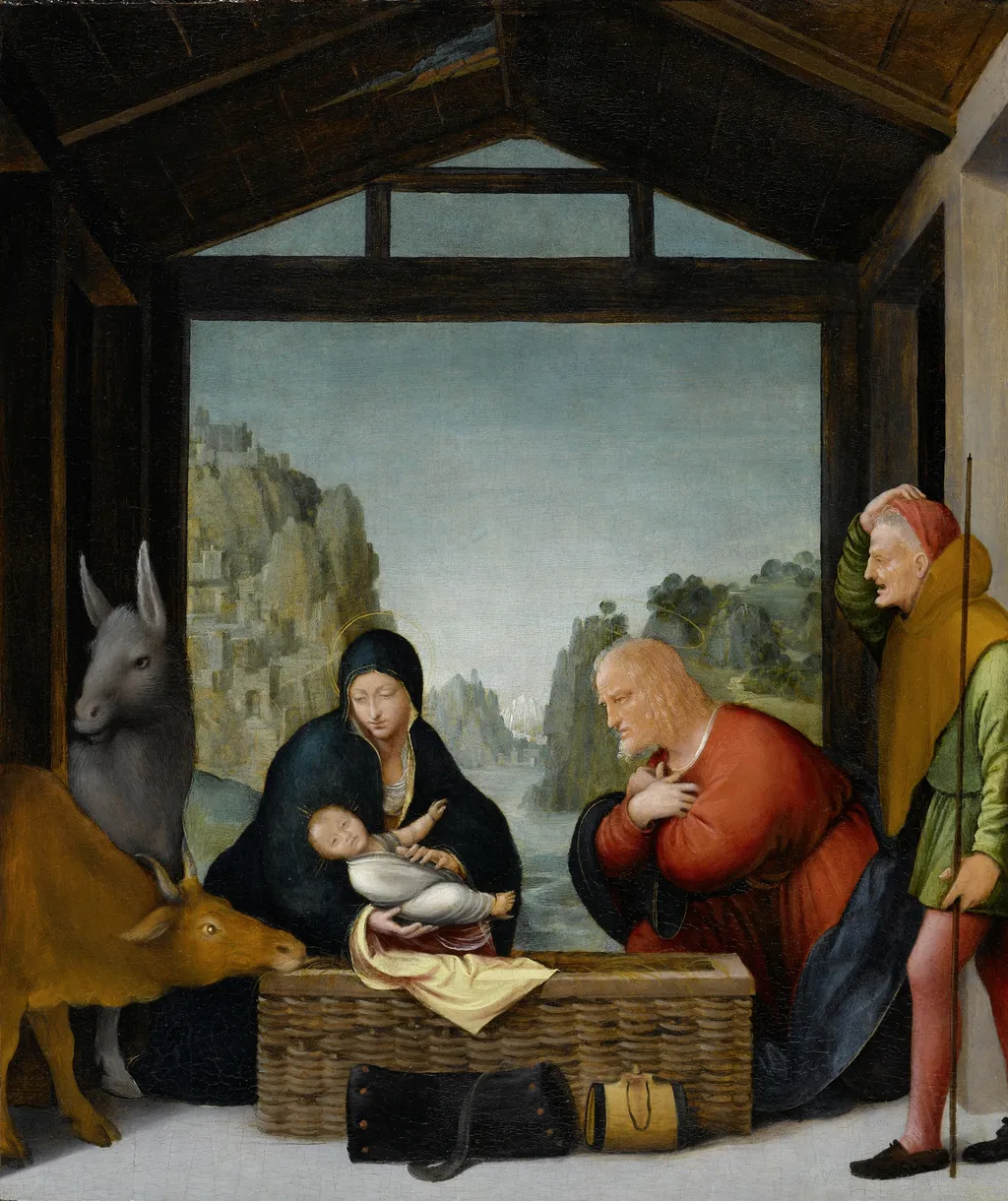
The Adoration of the Shepherds is an oil painting by the High Renaissance artist Bramantino. It dates from 1517 and is held in the collection of the Rijksmuseum.
About this work
Subject & Meaning
The work depicts the biblical event known as the Adoration of the Shepherds, a religious subject centered on the Christ Child.
The work depicts the biblical event known as the Adoration of the Shepherds, a religious subject centered on the Christ Child. As a piece of religious art, the painting illustrates the moment shepherds pay homage to the newborn Jesus. The composition focuses specifically on the figure of the Christ Child as the main subject of veneration within the scene.
Created in 1517, the painting serves as a devotional representation of this specific episode from the Nativity narrative.
Technique & Style
The Adoration of the Shepherds is executed in oil paint on a wooden panel support. Created in 1517 by Bramantino, the work measures 50.5 cm in height and 43.5 cm in width. Classified as a religious painting, the piece depicts the Christ Child as the central subject of the shepherds' adoration. The medium and dimensions are consistent with early 16th-century panel painting practices.
History & Provenance
The Adoration of the Shepherds was created by Bramantino in 1517, executed in oil paint on panel. The work entered the collection of the Rijksmuseum, where it is currently held. No information is available in the provided sources regarding a commission, prior ownership, or intermediate provenance prior to its acquisition by the museum.
The painting measures 50.5 cm in height by 43.5 cm in width. Its inception is recorded as 1517, with no further details on the circumstances of its creation supplied.
Overview
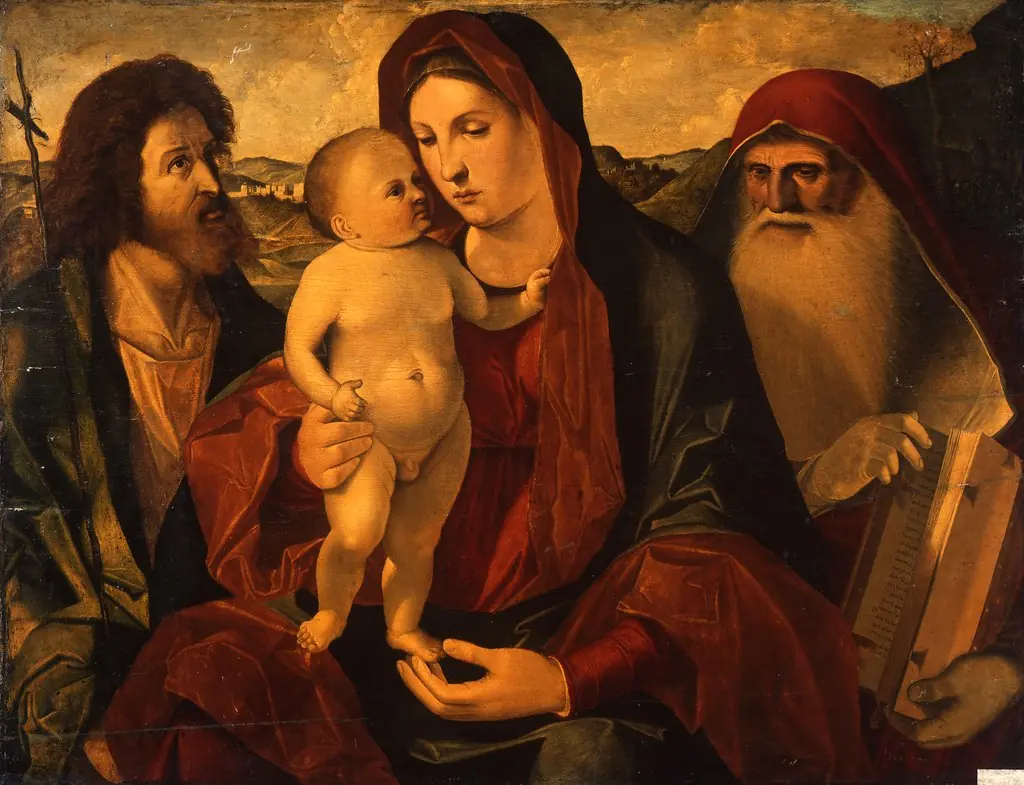
Bramantino’s oil on canvas, dated 1517, presents a nocturnal nativity scene titled Adoration of the Shepherds. The work is part of the Rijksmuseum collection and centers on a woman in dark blue cradling the infant Jesus, surrounded by a small group of figures within a modest stable.
Context
The work reflects the Lombard tradition of modest devotional images, aligning with contemporary trends that favored intimate, interiorized renditions of biblical narratives over grandiose public commissions. The inclusion of domestic animals and a distant landscape situates the holy event within a recognizable, everyday setting.
Own this work as a print
Artist & collection


- The Adoration of the Shepherds
 The Adoration of the Shepherds
 The Adoration of the Shepherds
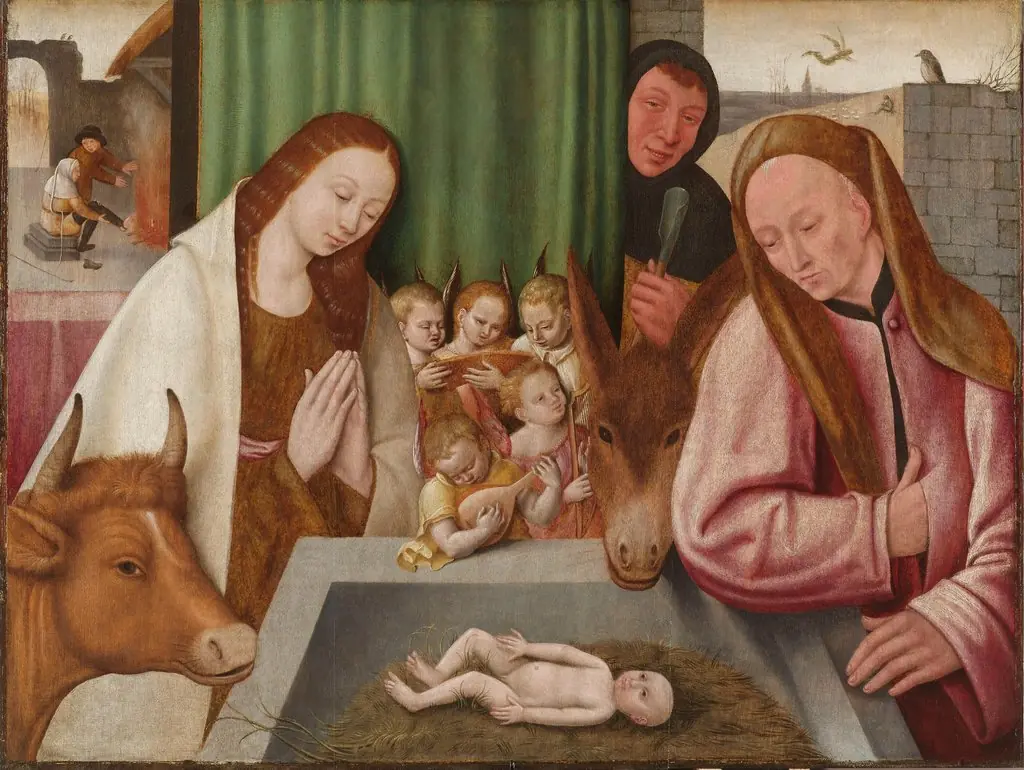 The Nativity
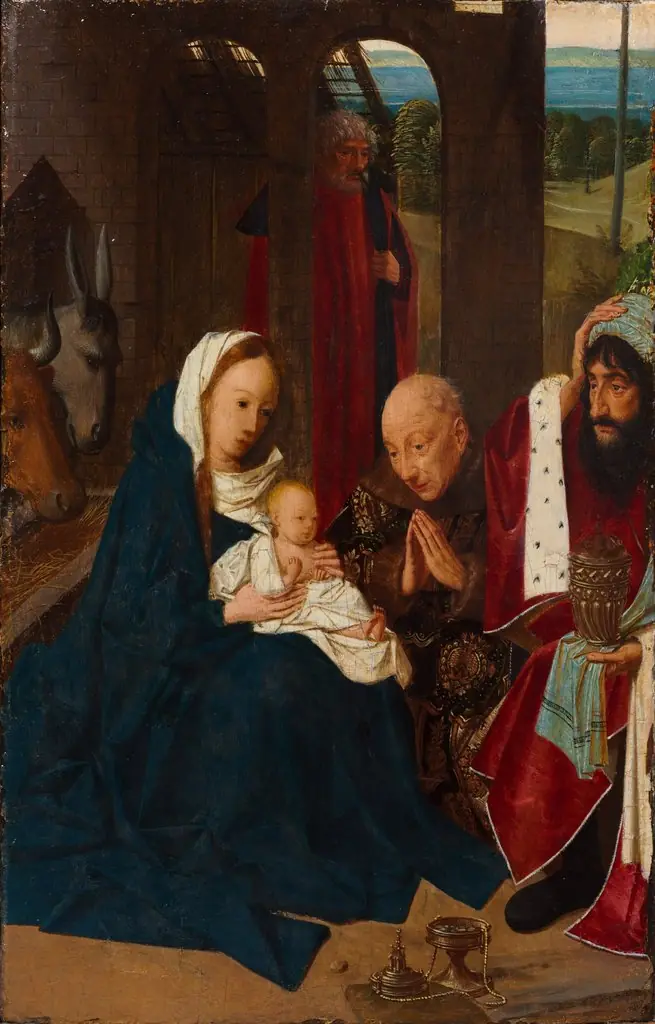 The Adoration of the Magi
 The Nativity - The Adoration of the Christ Child
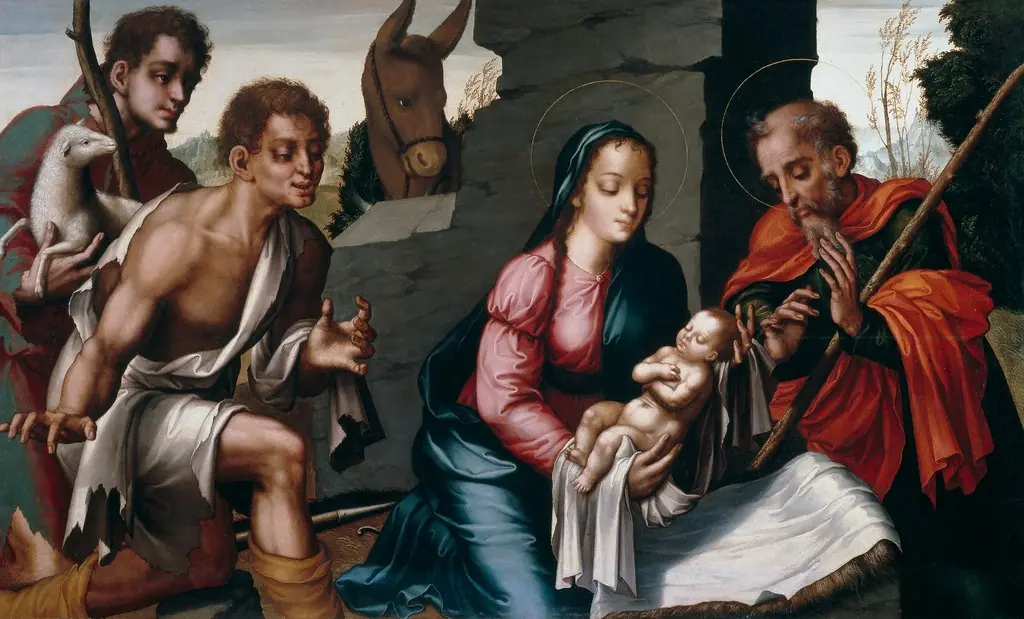 The Adoration of the Shepherds
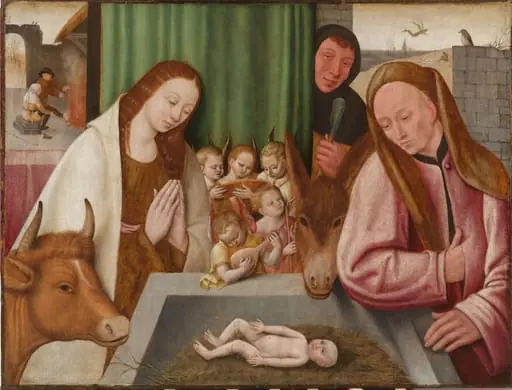 Nativity
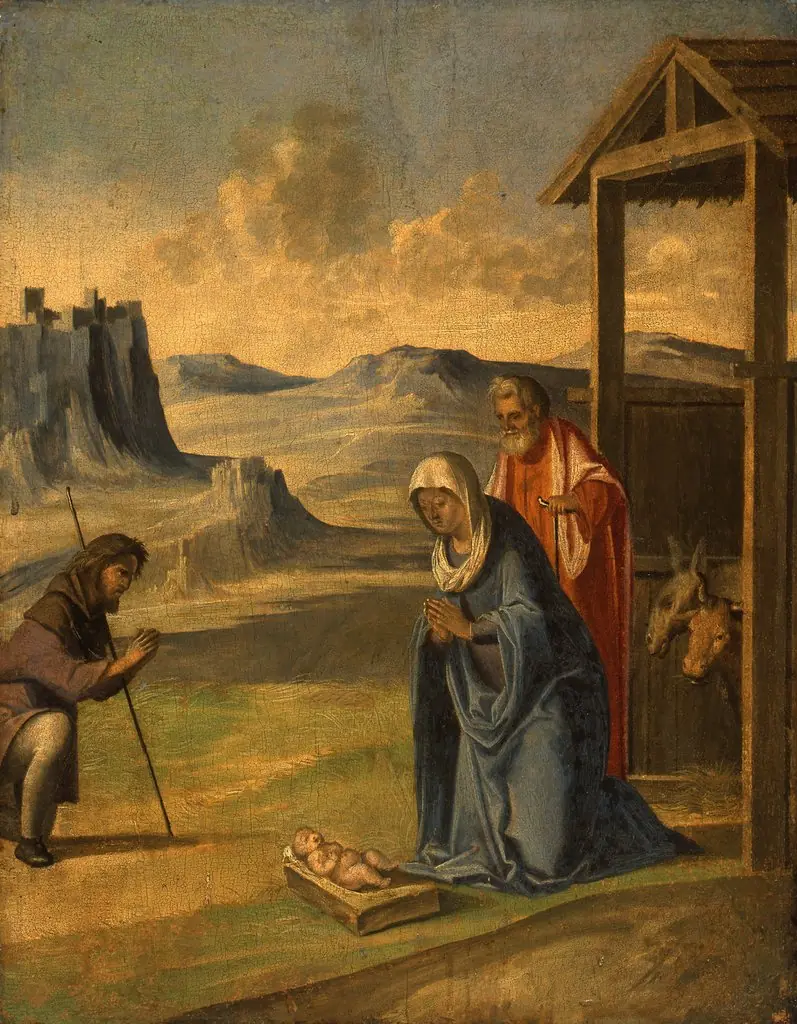 The Virgin Adoring the Child
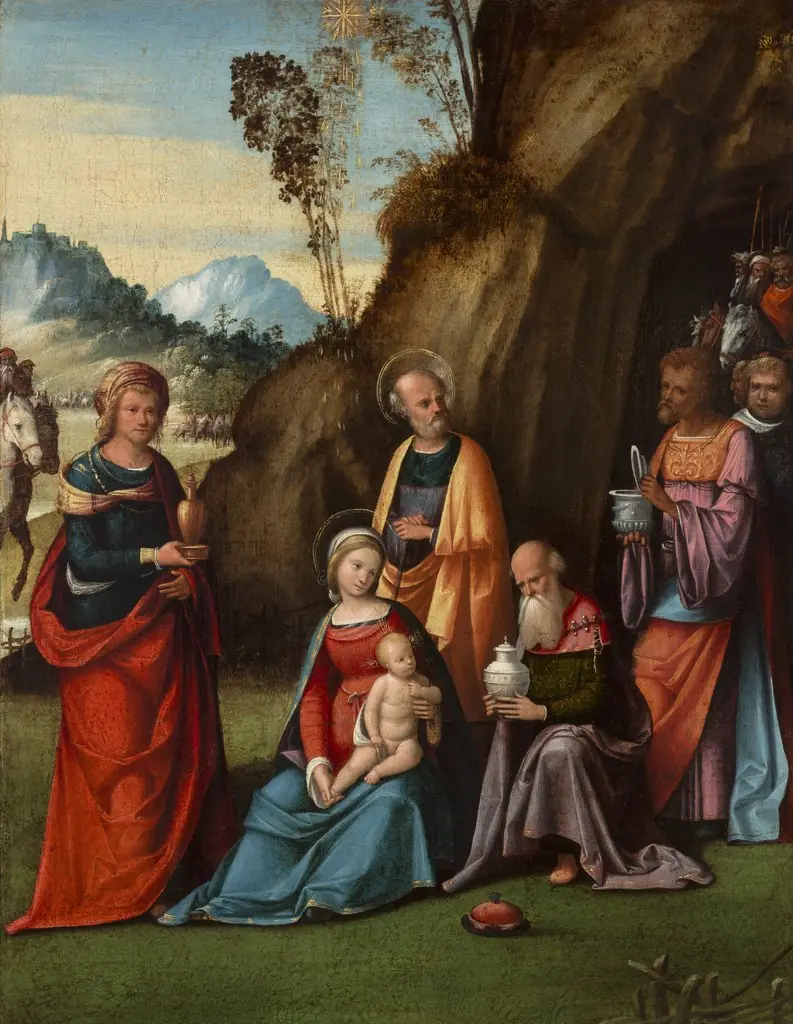 Adoration of the Magi
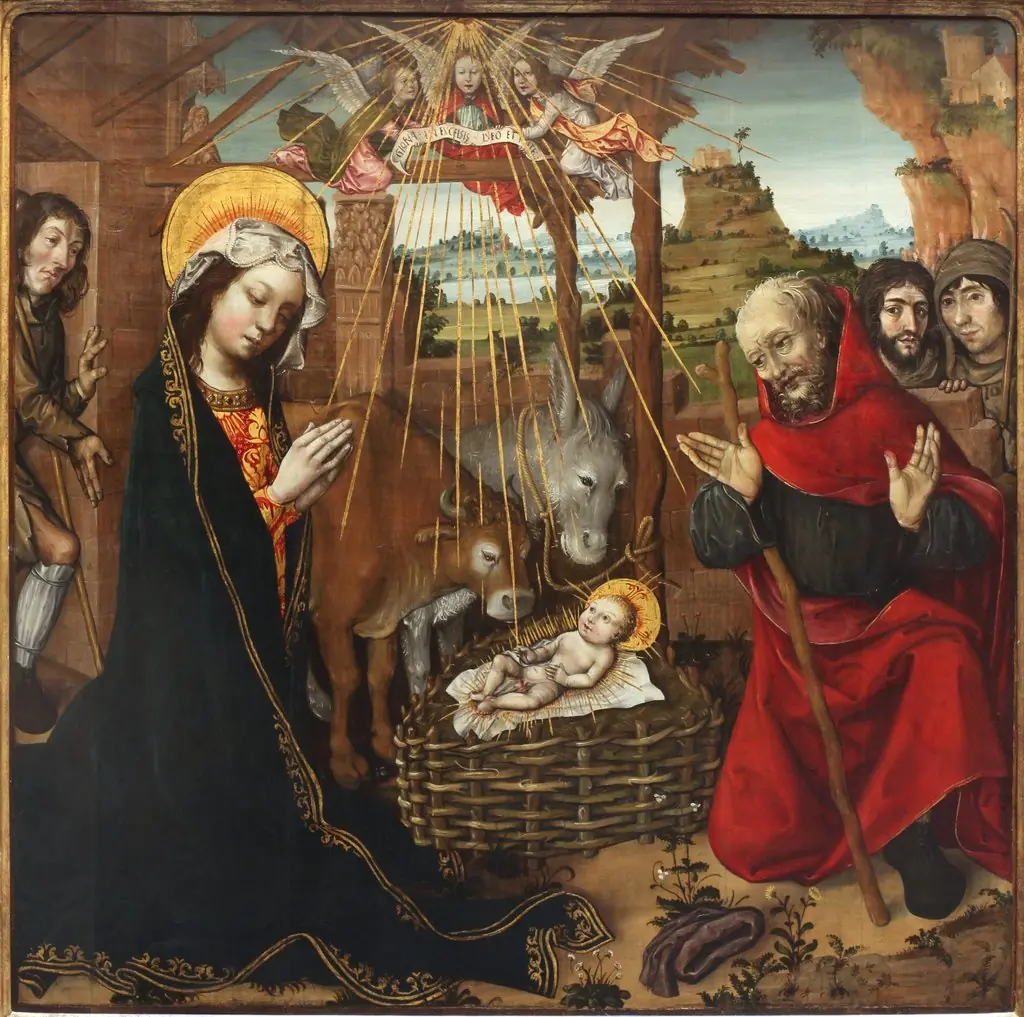 The adoration of the Child
 The Virgin and the Child with St. John the Baptist and St. Jerome