Artwork
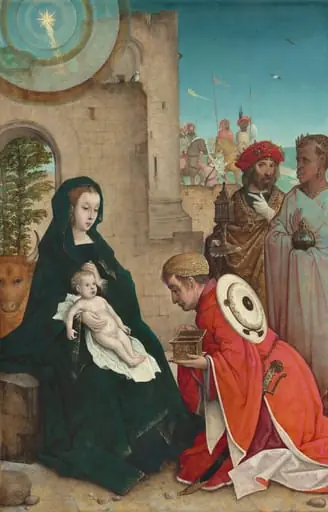
The Adoration of the Magi
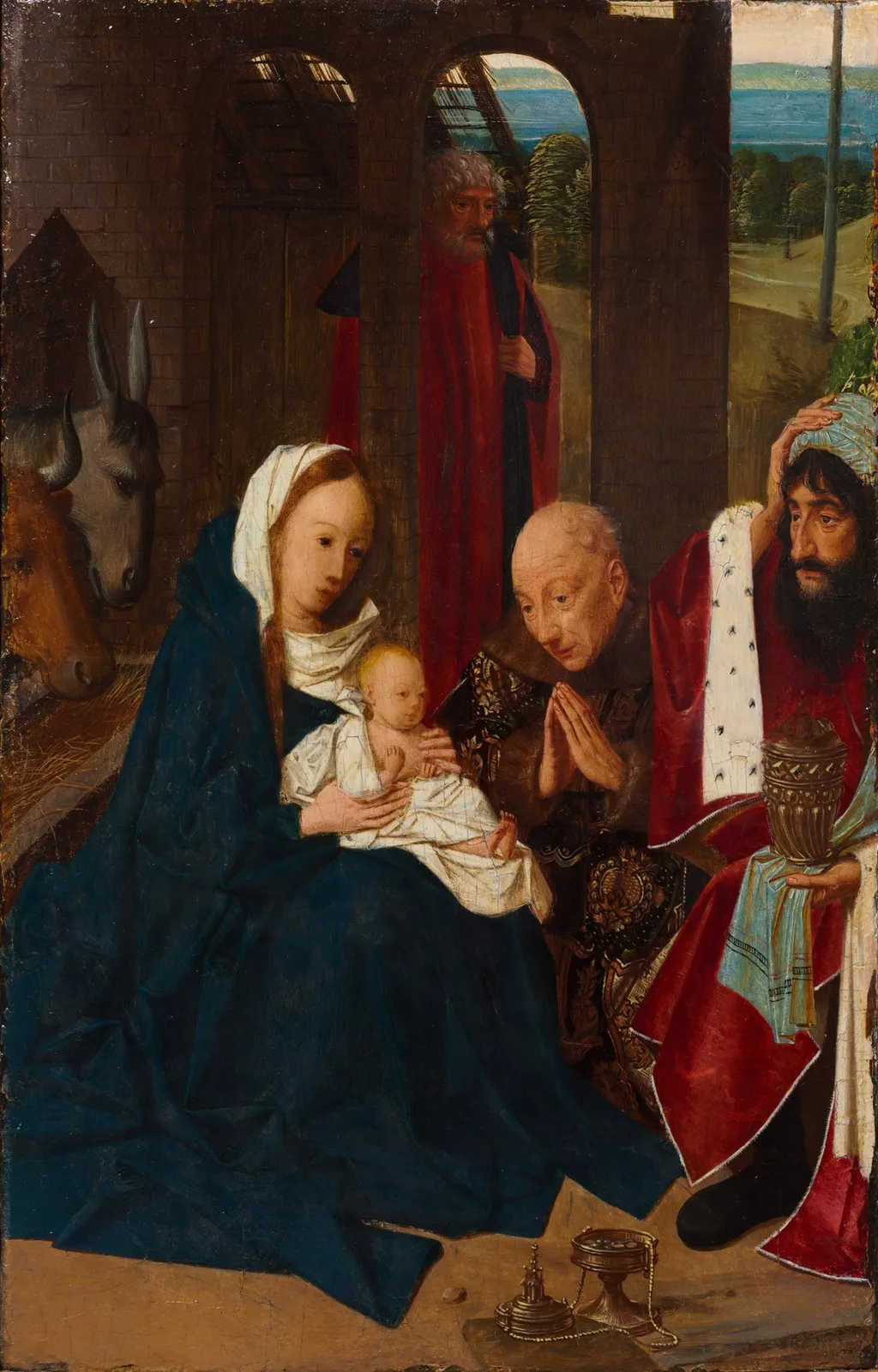
The Adoration of the Magi is a color painting by the Northern Renaissance artist Geertgen tot Sint Jans. It is held in the collection of the Cleveland Museum of Art.
About this work
Technique & Style
The work employs oil paint applied to a prepared panel support, a typical medium for Netherlandish devotional works of the late fifteenth century.
The Adoration of the Magi is a small oil painting on wood panel, measuring approximately 29 cm high and 19 cm wide. The work employs oil paint applied to a prepared panel support, a typical medium for Netherlandish devotional works of the late fifteenth century. The paint is described simply as 'color', indicating the use of pigmented oil medium to render the religious scene.
As a panel painting, the technique would involve building up layers of translucent glazes to achieve luminous color and fine detail, consistent with the artist's known style. No information on current condition or specific handling is provided in the sources.
History & Provenance
The Adoration of the Magi is an oil painting on panel created by Geertgen tot Sint Jans in 1484. The work, which depicts the Christ Child surrounded by the Magi, was executed using oil paint on a wooden support measuring approximately 29 cm in height and 19 cm in width. While the specific commissioning patron and the detailed chain of ownership prior to its current location are not detailed in the available records, the painting is currently held in the collection of the Cleveland Museum of Art.
The artwork remains a significant example of religious art from the late 15th century, attributed definitively to the Dutch painter based on its inception date and stylistic classification.
Context
The Adoration of the Magi is a 1484 oil panel painting by Geertgen tot Sint Jans, housed in the Cleveland Museum of Art. Executed in color, the work belongs to the religious genre and depicts the biblical scene of the Magi adoring the infant Christ. As an early Netherlandish religious painting, it exemplifies the devotional emphasis of the period and reflects the artist’s engagement with contemporary devotional practices.
Its presence in a major museum collection underscores its continued relevance for the study of early Netherlandish art and its role in shaping visual narratives of the Nativity.
Overview
Geertgen tot Sint Jans, an Early Netherlandish artist active in Haarlem, completed The Adoration of the Magi around 1492. This painting exemplifies the Northern Renaissance style, showcasing the artist's refined use of oil techniques. It depicts the traditional biblical scene of the Christ Child receiving homage and gifts from the three Magi. The work is now part of the collection at The Cleveland Museum of Art.
Subject & Meaning
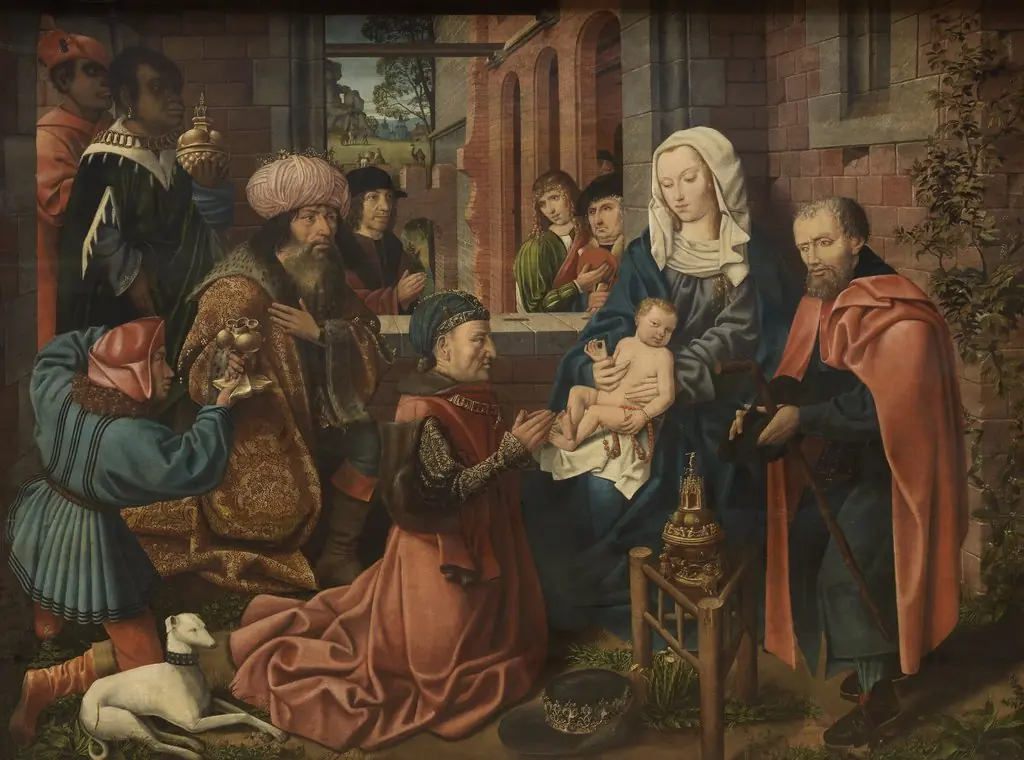
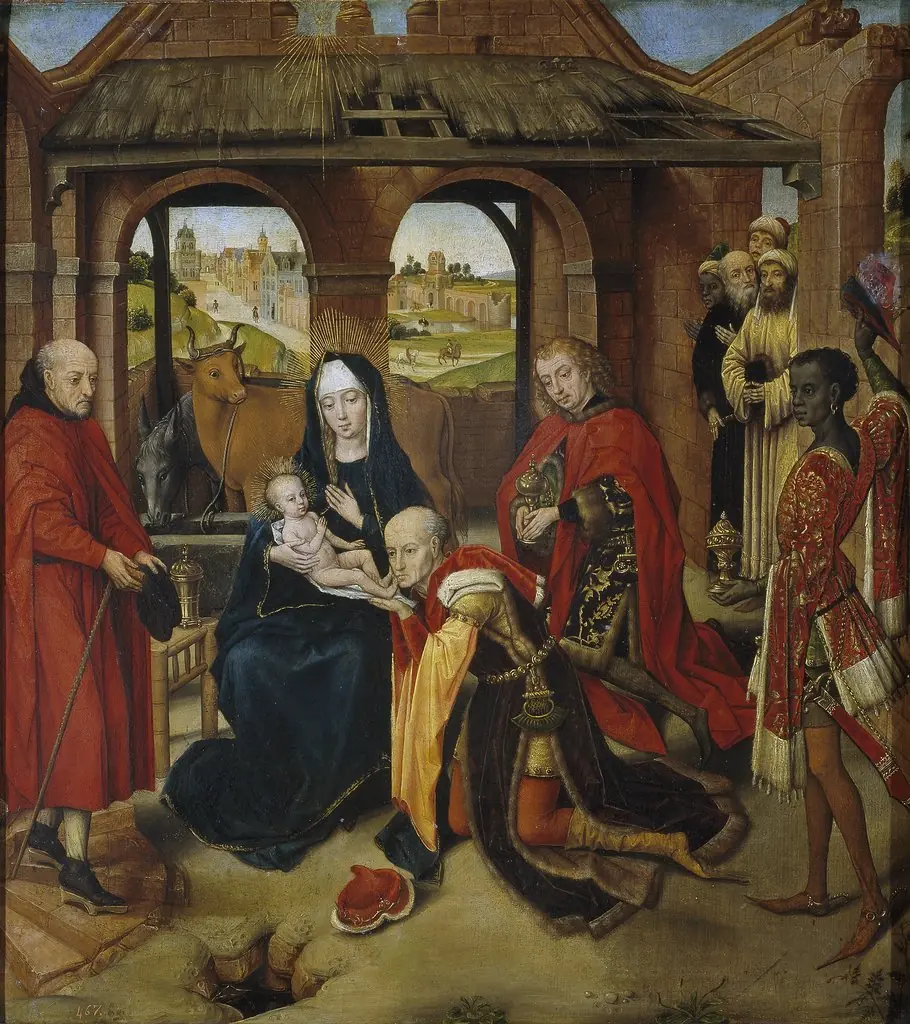
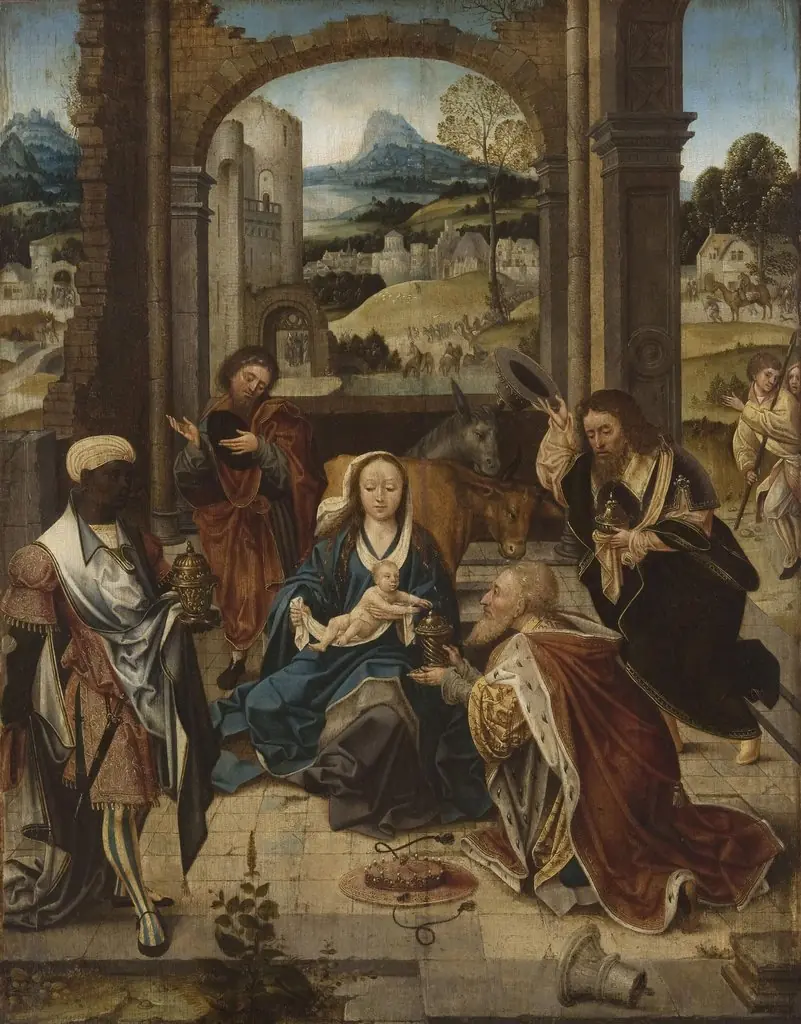
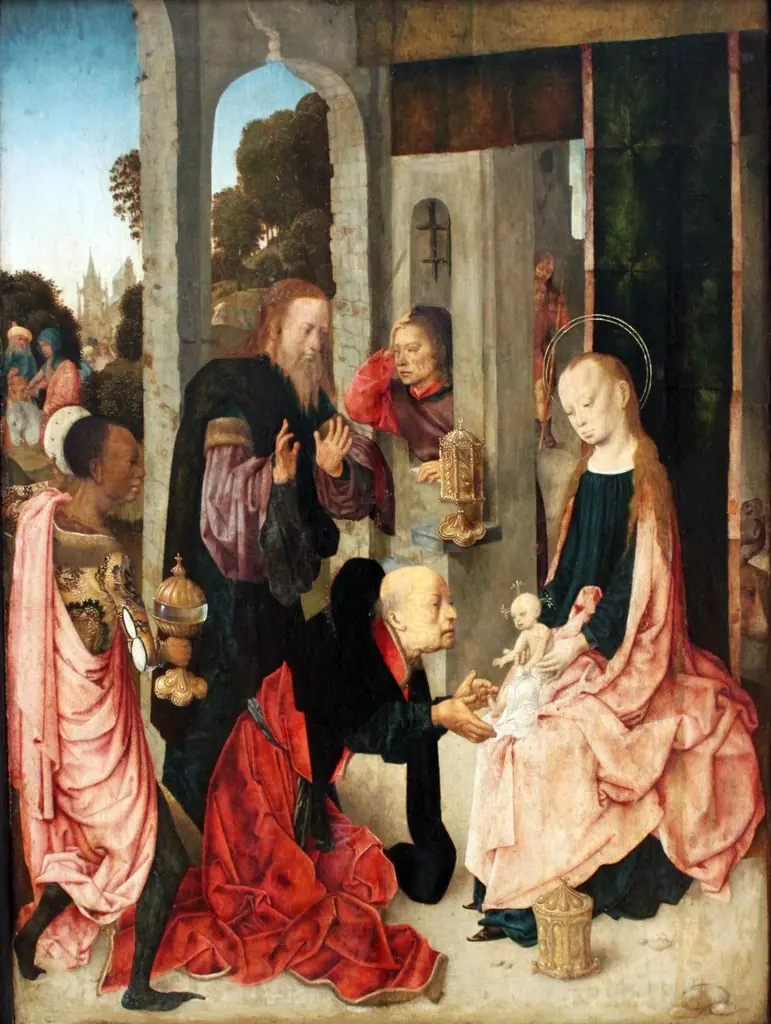
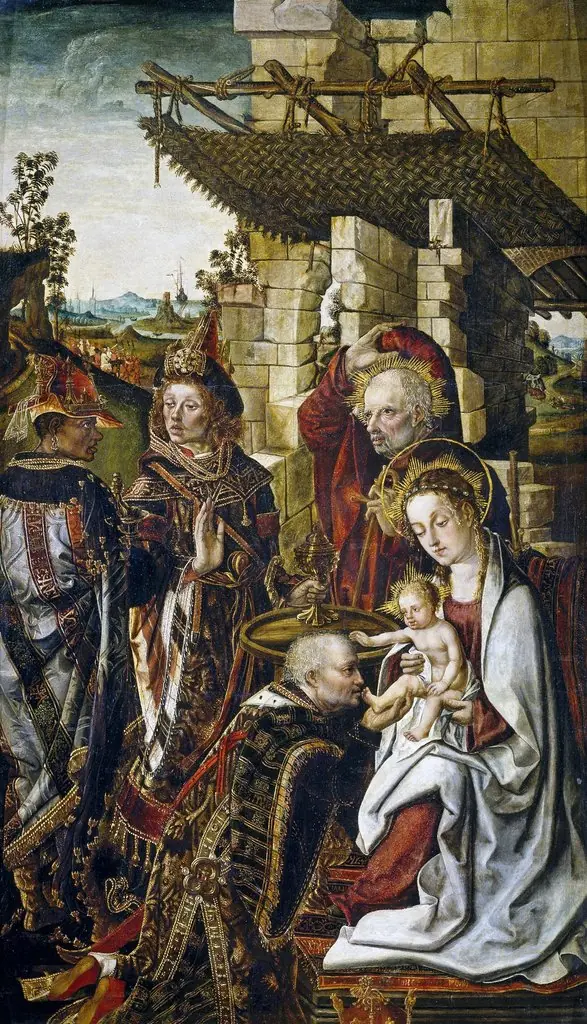
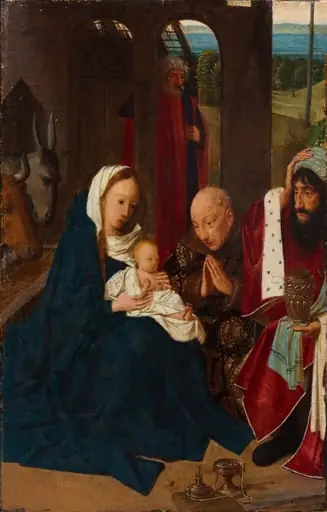
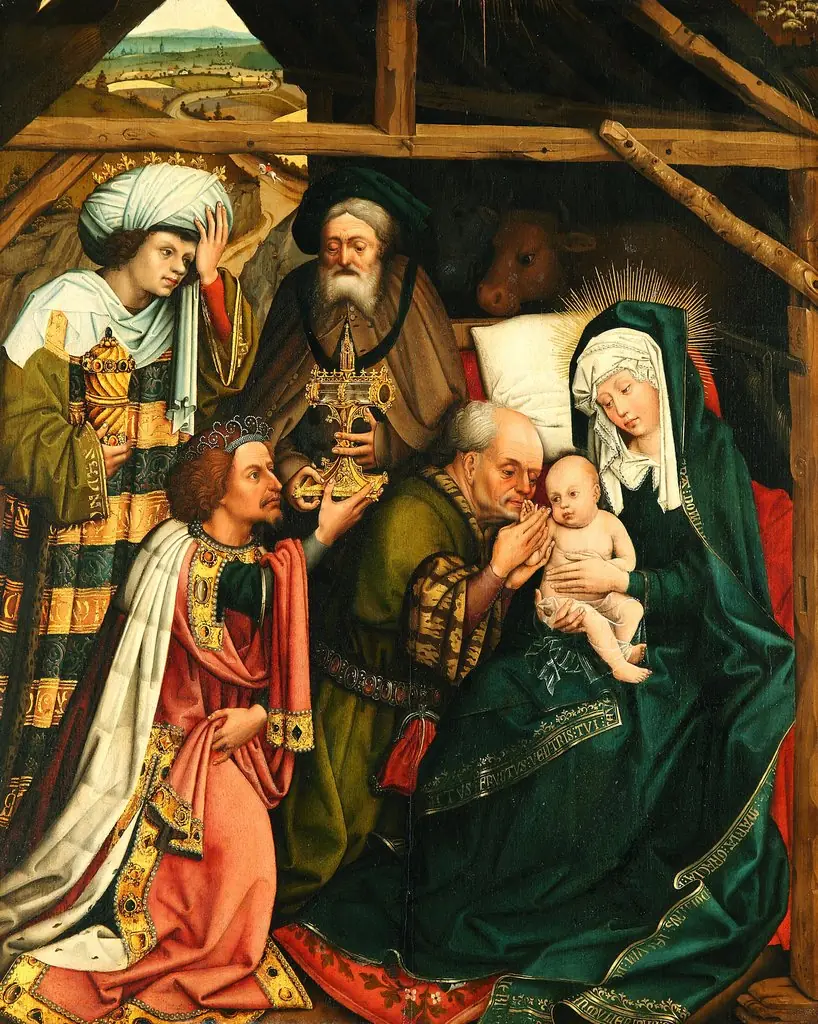
The painting illustrates the biblical account of the Adoration of the Magi, a pivotal moment in Christian tradition. The Virgin Mary, dressed in blue, cradles the Christ Child, who is wrapped in white. The three wise men, richly attired, present their offerings; one kneels in prayer while another holds a golden vessel.
A donkey stands in the background, completing the humble stable setting, characteristic of devotional art from the period.
Own this work as a print
Artist & collection
Artist
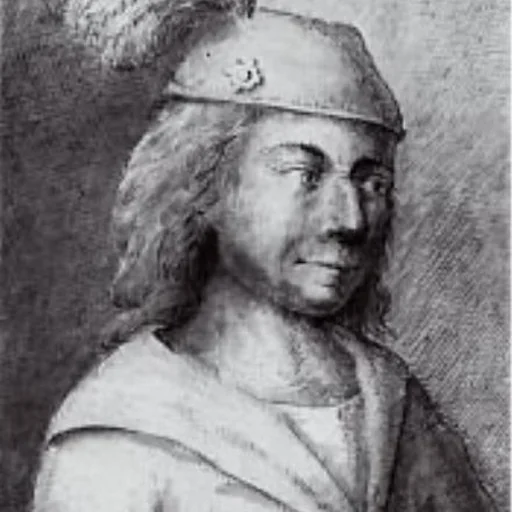
Geertgen tot Sint Jans (c. 1465 – c. 1495), also known as Geertgen van Haarlem, Gerrit van Haarlem, Gerrit Gerritsz, Gheertgen, Geerrit, Gheerrit, or any other diminutive form of Gerald, was an Early Netherlandish…