Artwork
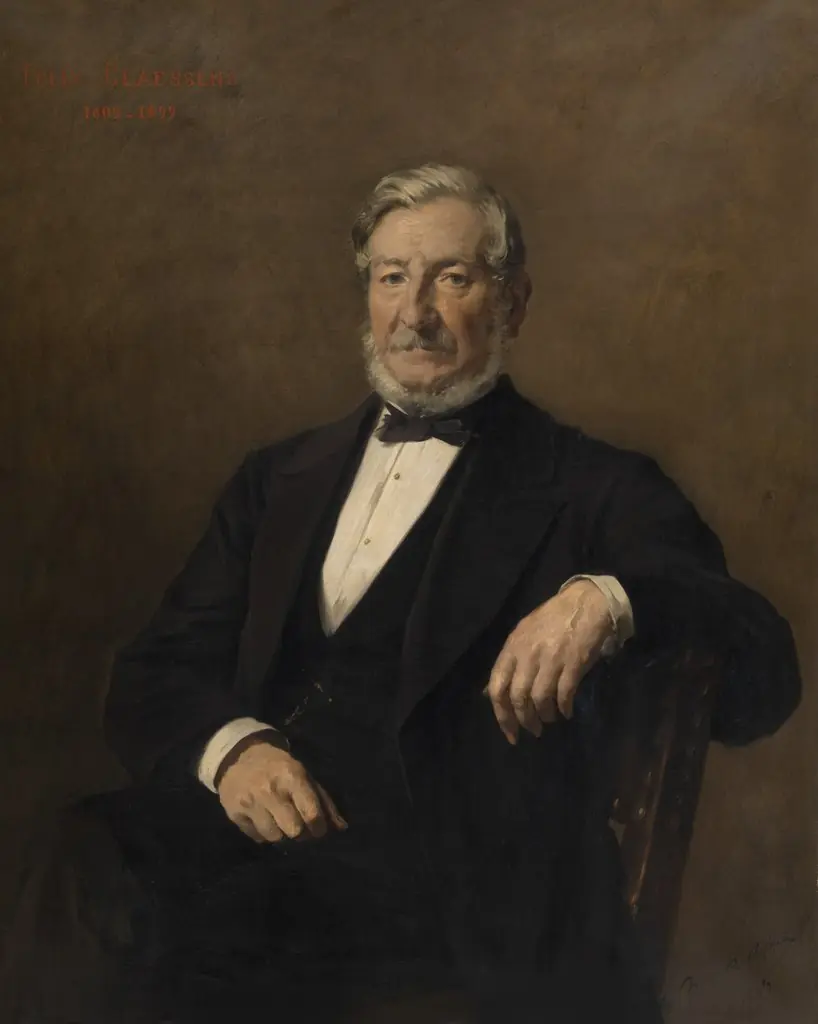
Professor Franciscus Donders (1818-89), Physiologist and Opthalmologist
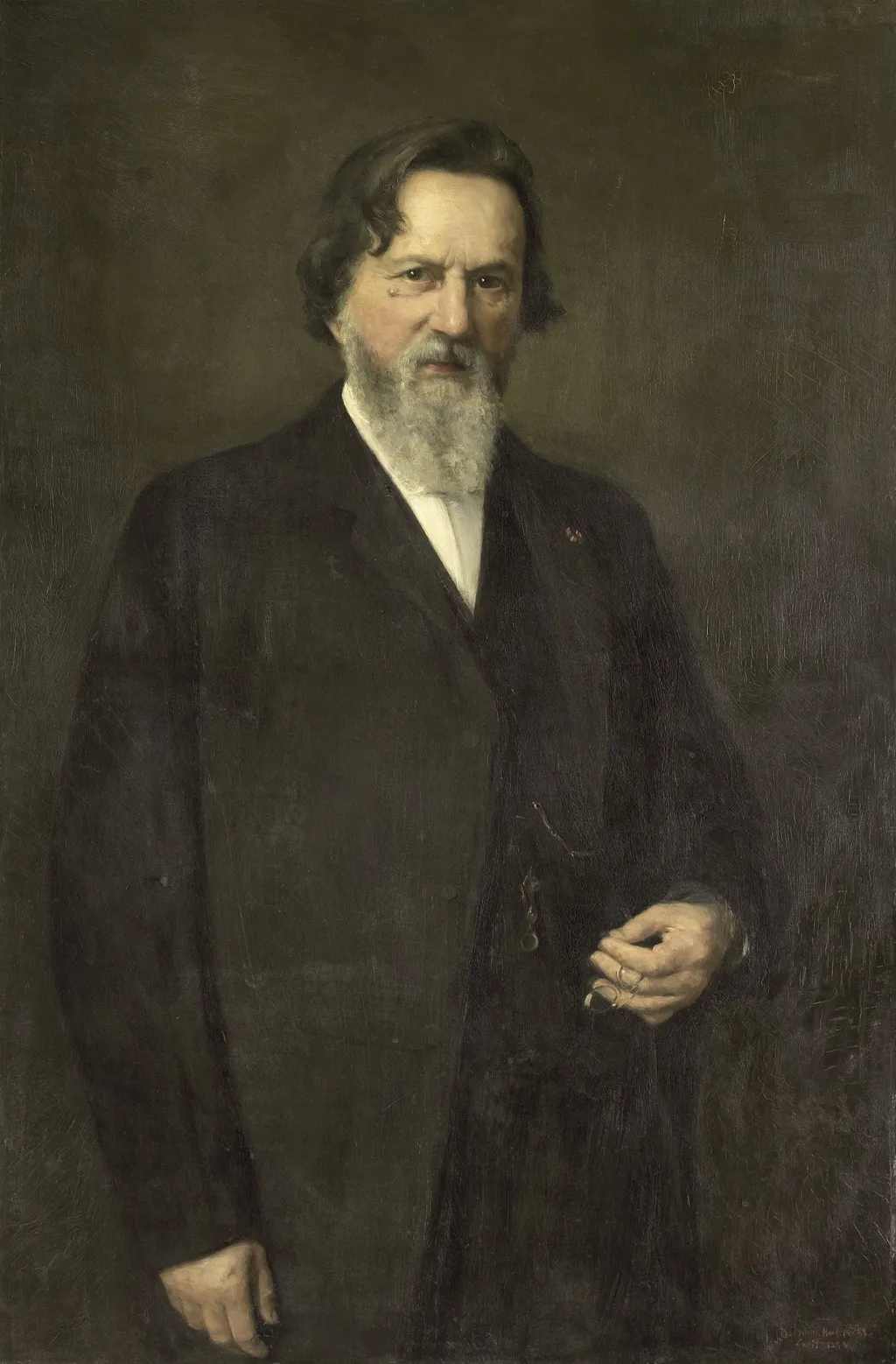
Professor Franciscus Donders (1818-89), Physiologist and Opthalmologist is an oil painting by the Impressionist artist Bramine Hubrecht. It dates from 1894 and is held in the collection of the Rijksmuseum.
About this work
Subject & Meaning
The portrait shows the renowned Dutch physiologist and ophthalmologist Franciscus Donders, rendered by Bramine Hubrecht in 1888.
The portrait shows the renowned Dutch physiologist and ophthalmologist Franciscus Donders, rendered by Bramine Hubrecht in 1888. Painted on canvas with oil, the work measures 142 cm by 95 cm and is housed in the Rijksmuseum, where it remains part of the museum’s collection of 19th‑century portraiture. The composition emphasizes Donders’s scholarly authority, reflecting his contributions to vision science and medical research.
Technique & Style
The portrait was executed in oil paint on canvas, a standard support for 19th-century portraiture. The work measures 142 cm in height by 95 cm in width and depicts Professor Franciscus Donders, reflecting a conventional approach to anatomical representation through realistic rendering of facial features and attire. Hubrecht's technique emphasizes chiaroscuro and fine brushwork to convey texture in both the subject's clothing and the background, aligning with formal conventions of Dutch portraiture during the period.
The painting's condition appears stable, with no noted structural damage or pigment degradation reported in the catalog entry. Its stylistic execution adheres to the academic realism characteristic of late 19th-century portraiture, balancing anatomical precision with compositional balance.
Overview
The oil portrait, executed in 1894 by Bramine Hubrecht, presents Professor Franciscus Donders (1818‑1889), a noted physiologist and ophthalmologist. The work is part of the Rijksmuseum’s collection and portrays the scholar from the waist upward in a formal pose.
History & Provenance
Created shortly after Donders’ death, the painting entered the Rijksmuseum’s holdings, where it remains on display. Its acquisition underscores the institution’s commitment to documenting prominent Dutch figures in science and medicine.
Own this work as a print
Artist & collection

- Joseph Sheridan Le Fanu
 Self Portrait
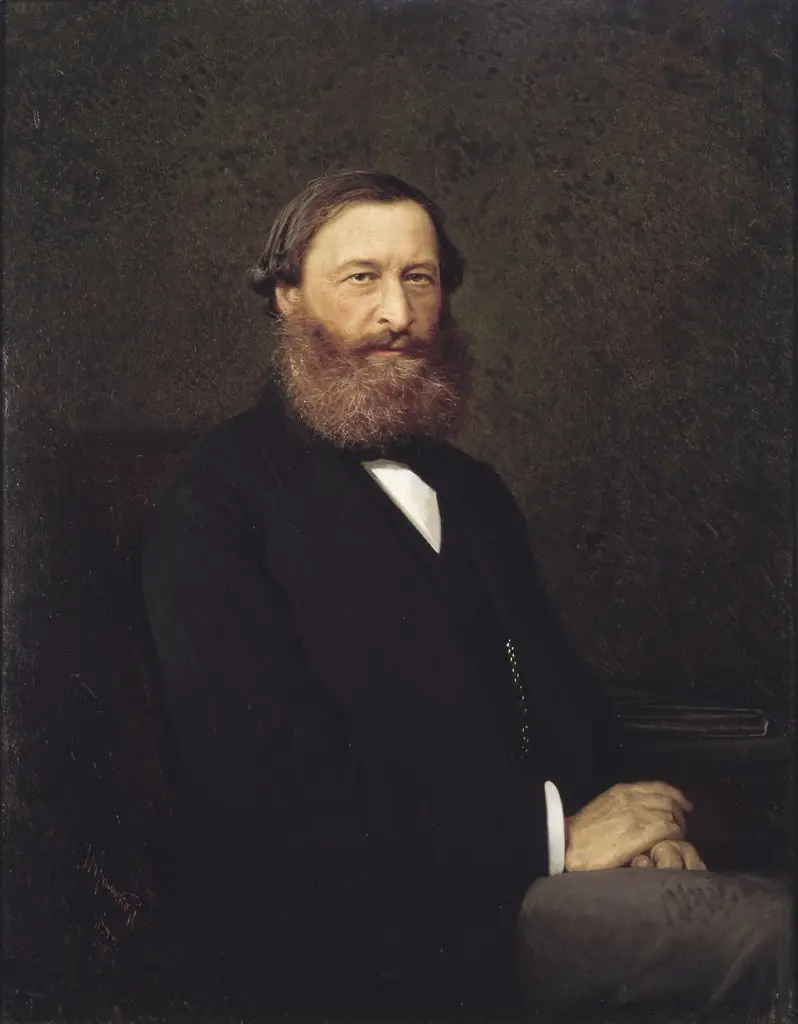 Portrait of the writer Y.F. Samarin
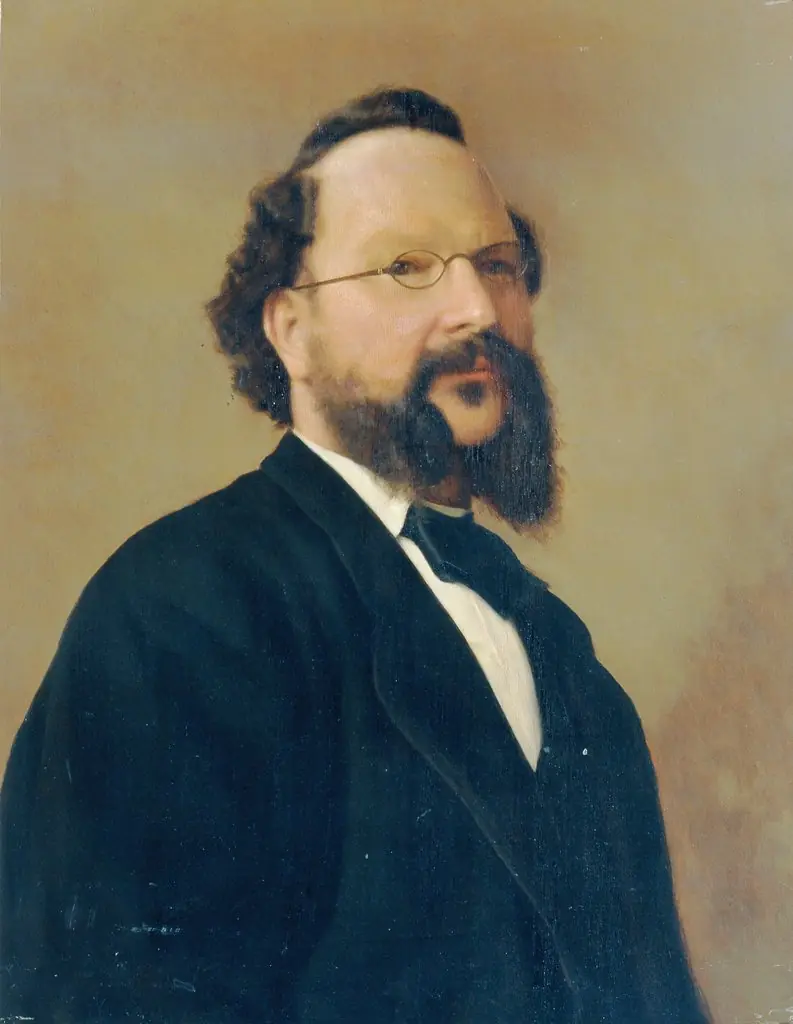 Der Maler Peter Johann Nepomuk Geiger
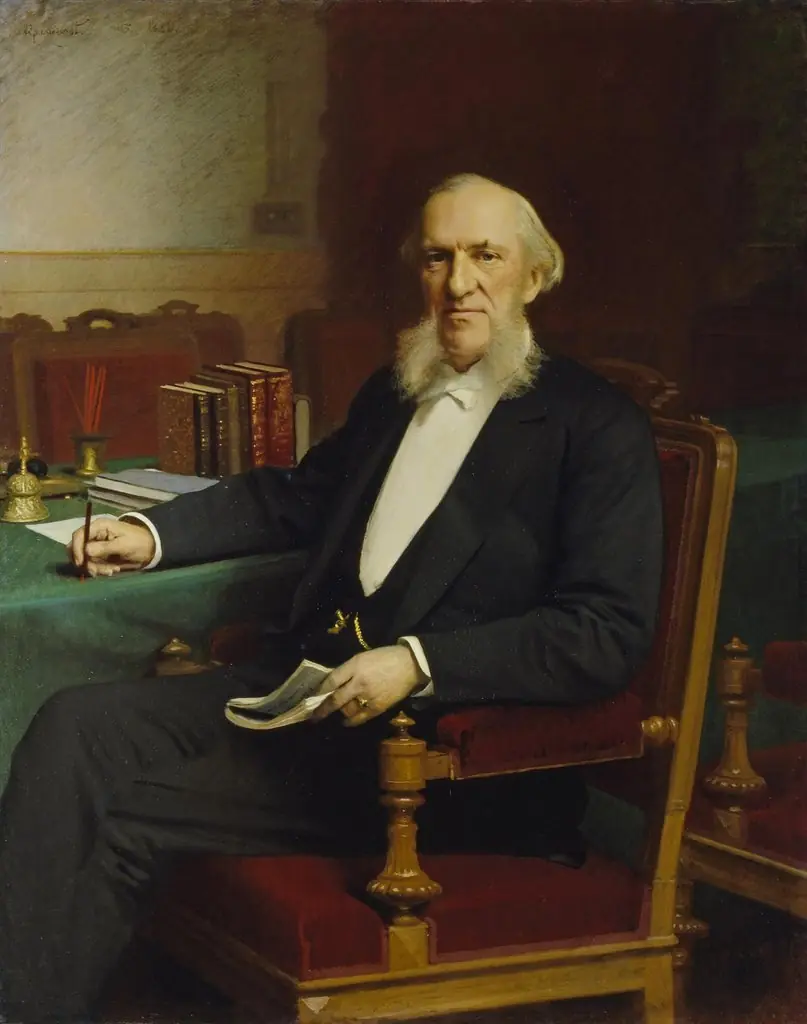 Portrait of the Banker Yevgeny Lamansky
 Portrait of the Manufacturer N.M. Brusnitsyn
 Præsten Gjerløv Christian Krog Schiøler
 Præsten Gjerløv Christian Krog Schiøler
 Reverend David Phillips
 Jan Verhaert, the Artist's Father
 Felix Claessens, the painter's uncle
 Predicator luteran din Brașov