Artwork
Antonio Zingano
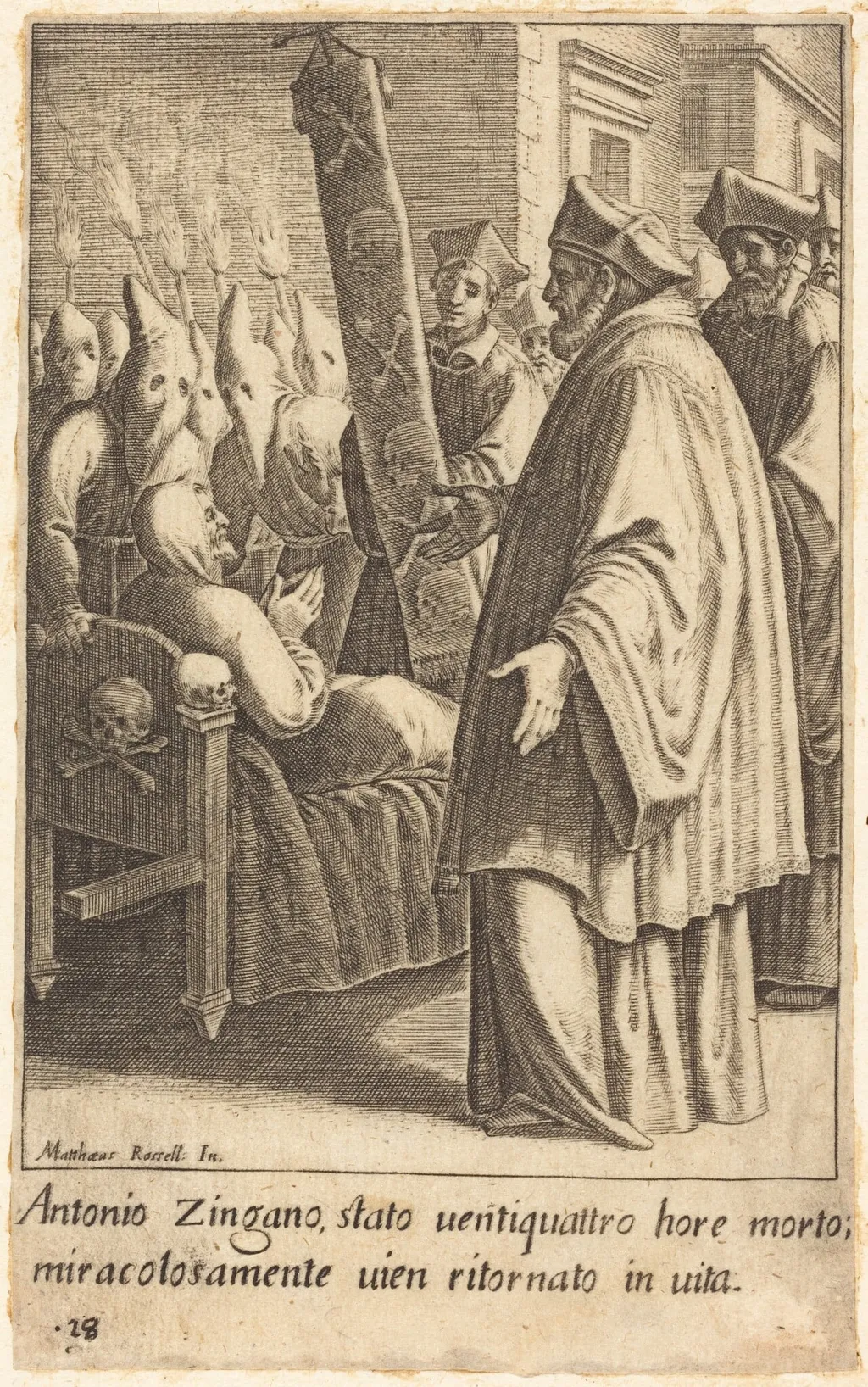
Antonio Zingano is an ink print by the Baroque artist Jacques Callot. It dates from 1619 and is held in the collection of the National Gallery of Art.
About this work
Overview
The print belongs to Callot’s extensive output of more than a thousand etched works, which often recorded everyday scenes and public spectacles.
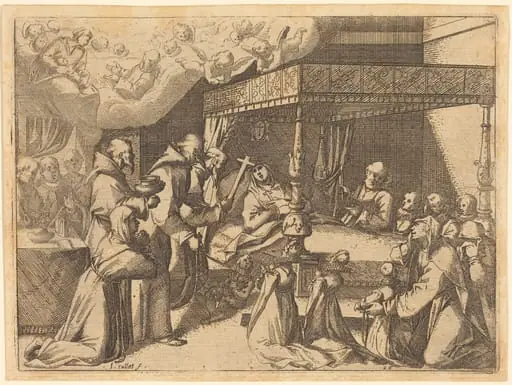
Antonio Zingano is a 1619 engraving executed on laid paper by Jacques Callot, the prolific French baroque draftsman from Lorraine. The print belongs to Callot’s extensive output of more than a thousand etched works, which often recorded everyday scenes and public spectacles. The image presents a crowded tableau surrounding a man lying on a table, rendered with Callot’s characteristic fine line work.
Subject & Meaning
The central figure, identified as Antonio Zingano, is depicted as recently deceased, with an inscription indicating he had been dead for twenty‑four hours before a reported miraculous revival. Surrounding onlookers hold candles, point, and stare, while a skull rests on a ledge, underscoring the tension between death and the possibility of resurrection that the composition conveys.
Technique & Style
Callot employs a dense network of incised lines to model forms and create deep chiaroscuro, a hallmark of his engraving practice. The use of laid paper enhances the texture of the image, allowing subtle gradations of tone. The composition balances crowded figures with a restrained landscape background, typical of Callot’s ability to integrate narrative detail within a cohesive visual field.
History & Provenance
Created in 1619, the print forms part of Callot’s early period, when he was actively documenting contemporary events and curiosities. While specific ownership records are limited, the work has been catalogued among his known prints and appears in several collections of 17th‑century French engravings, reflecting its circulation among collectors of the era.
Context
During the early 17th century, public fascination with miracles, medical anomalies, and theatrical displays was widespread in Europe. Callot’s choice to portray a purported resurrection aligns with this cultural climate, offering a visual record of a sensational episode that would have resonated with viewers familiar with similar pamphlet narratives and street spectacles.
Own this work as a print
Artist & collection
Artist
Jacques Callot (French: ; c. 1592 – 1635) was a baroque printmaker and draftsman from the Duchy of Lorraine. He is an important person in the development of the old master print. He made more than 1,400 etchings that…

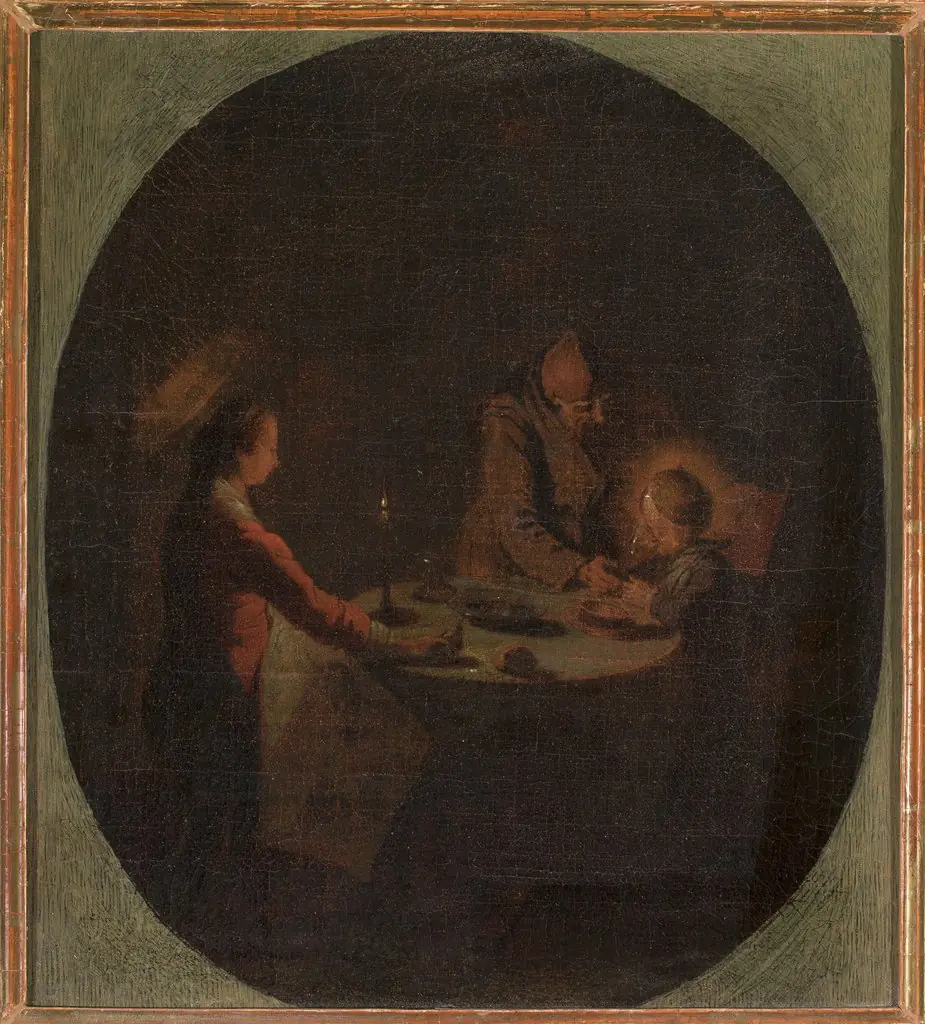 Holy Family at supper
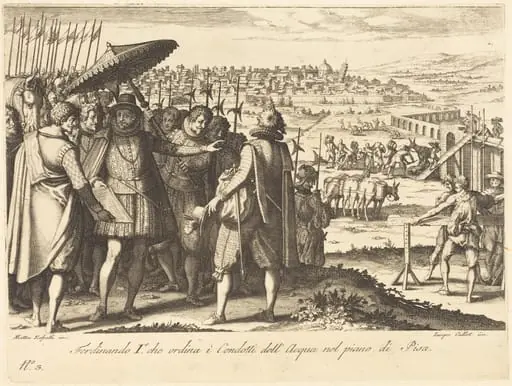 Restoration of the Aqueduct at Pisa
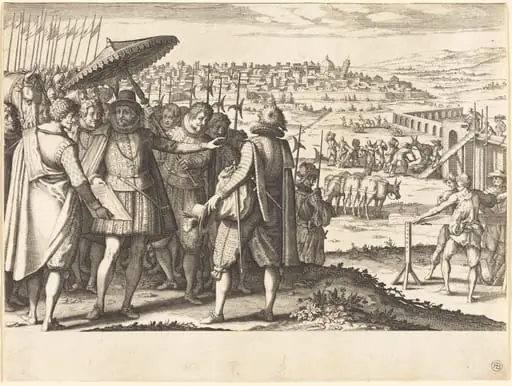 Restoration of the Aqueduct at Pisa
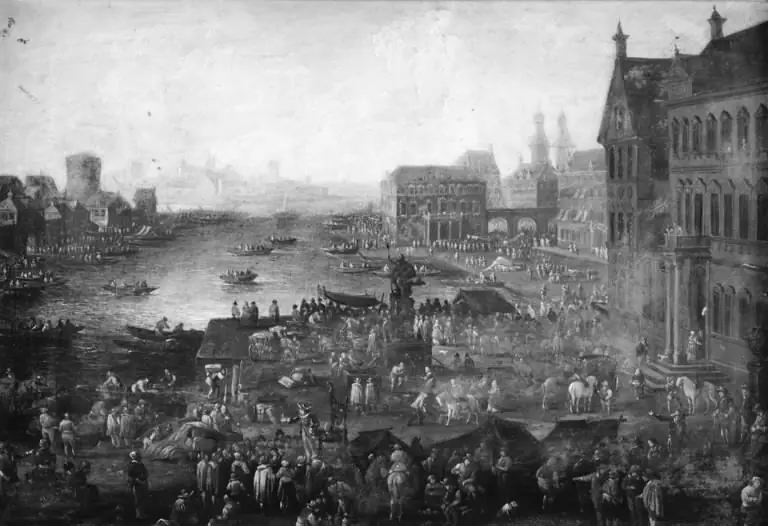 Square in Paris with Many Figures
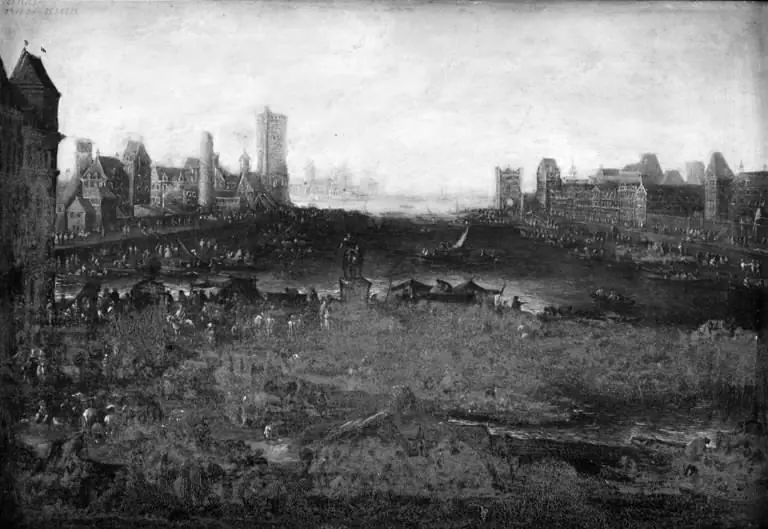 Square in Paris with Many Figures
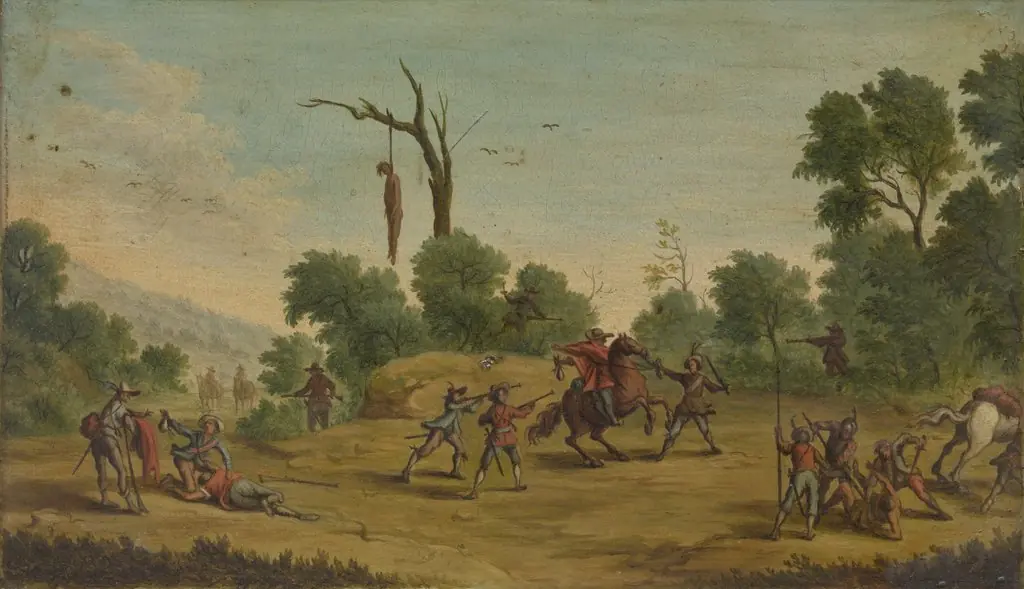 Horsemen Attacked by Robbers
 HOW WILL A COVERED PART BE CORRECTED?HOW WIKA A COVERED HEART DEED CORRECTED?
![Christ Walking on the Water [second plate], by Jacques Callot](https://artifactworldgallery.com/img/jacques-callot--christ-walking-on-the-water-second-plate--2069f3bfe4cb2126-w320.webp) Christ Walking on the Water [second plate]
Christ Walking on the Water [second plate]
![Papal Audience [verso], by Jacques Callot](https://artifactworldgallery.com/img/jacques-callot--papal-audience-verso--6b0096a1a8cfa8ba-w320.webp)