Artwork
Baptism of the Prince of Spain
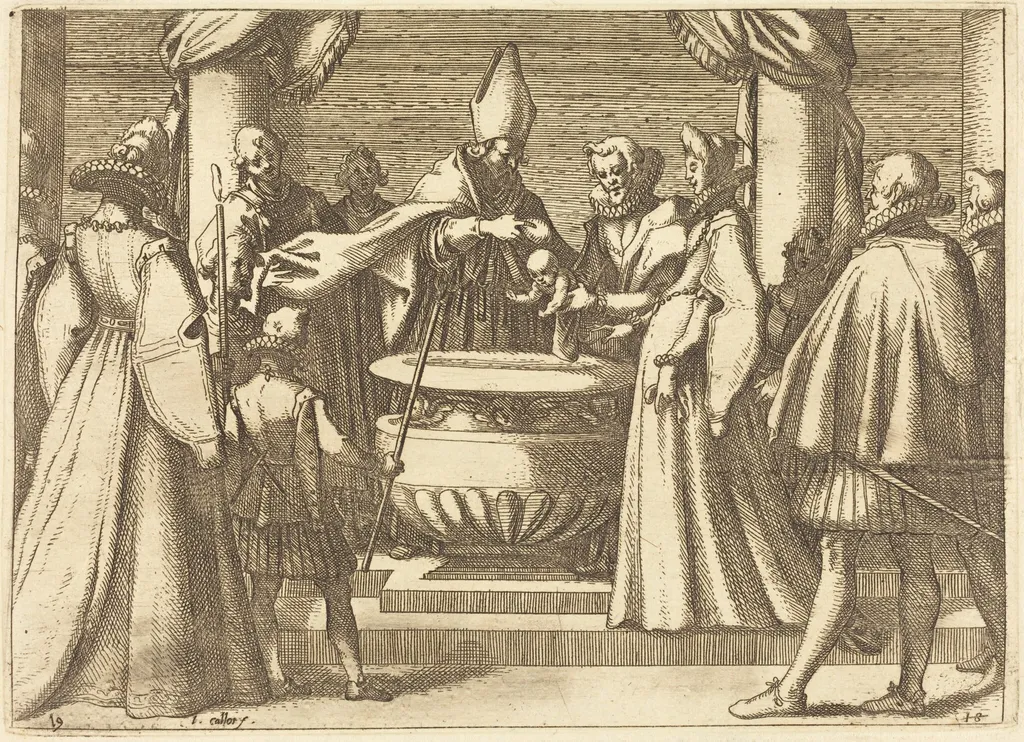
Baptism of the Prince of Spain is an ink print by the Baroque artist Jacques Callot. It dates from 1612 and is held in the collection of the National Gallery of Art.
About this work
Overview
Jacques Callot, a French printmaker active in the early seventeenth century, produced an etching titled Baptism of the Prince of Spain in 1612.
Jacques Callot, a French printmaker active in the early seventeenth century, produced an etching titled Baptism of the Prince of Spain in 1612. Executed on laid paper, the image records a formal baptismal ceremony, presenting a group of richly dressed figures gathered around a priest and a baptismal font. The work belongs to Callot’s extensive series of prints that document courtly and religious events.
Subject & Meaning
The composition centers on a priest holding an infant above a large font, flanked by a woman supporting the child and a man in a shorter tunic. The surrounding participants, arrayed in elaborate garments, convey the solemnity of a royal baptism, reflecting the ritual’s importance within the Spanish monarchy and the broader Catholic tradition of the period.
Technique & Style
Callot’s etching demonstrates his characteristic fine line work and careful texturing, achieved through multiple biting stages on the copper plate. The use of laid paper enhances the subtle tonal variations, while the intricate rendering of fabrics, drapery, and architectural elements such as columns creates a sense of depth and spatial order typical of his baroque sensibility.
History & Provenance
The print is a restrike, meaning it was produced after the original plate had been created, a common practice for Callot’s popular images. While the initial impression dates to 1612, later editions were issued to meet continued demand for the depiction of this ceremonial scene, extending the work’s circulation beyond its original context.
Context
Callot’s oeuvre frequently combined military, courtly, and religious subjects, often embedding detailed landscapes and architectural settings. This etching fits within his broader interest in documenting the rituals of aristocratic life, offering a visual record of the ceremonial practices that defined the political and spiritual identity of early‑modern Spain.
Legacy
The Baptism of the Prince of Spain remains a valuable example of early modern print culture, illustrating how etching served both as a documentary medium and as a means of disseminating images of royal events across Europe. Its detailed execution continues to inform scholars of baroque printmaking techniques and the visual representation of courtly rites.
![Baptism of the Prince of Spain [verso]](https://artifactworldgallery.com/img/jacques-callot--baptism-of-the-prince-of-spain-verso--7d8dcd8443134958-w320.webp)
Own this work as a print
Artist & collection
Artist
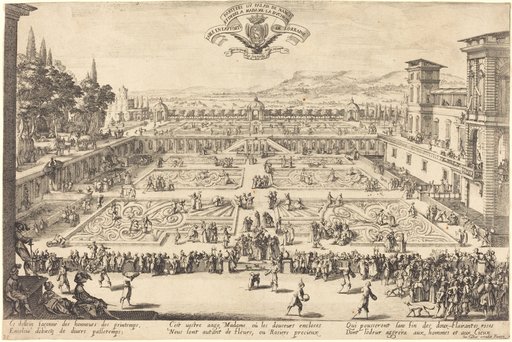
Jacques Callot (French: ; c. 1592 – 1635) was a baroque printmaker and draftsman from the Duchy of Lorraine. He is an important person in the development of the old master print. He made more than 1,400 etchings that…

 Holy Family at supper
 Restoration of the Aqueduct at Pisa
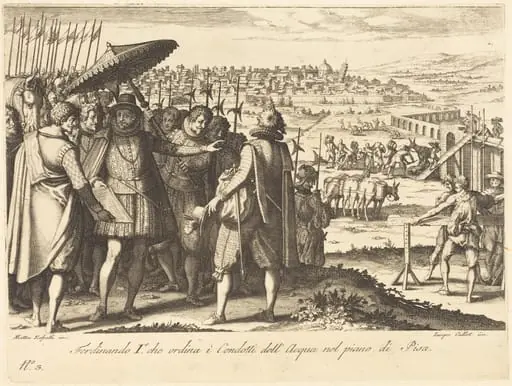
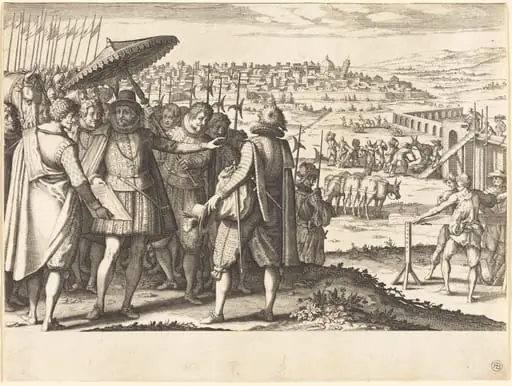 Restoration of the Aqueduct at Pisa
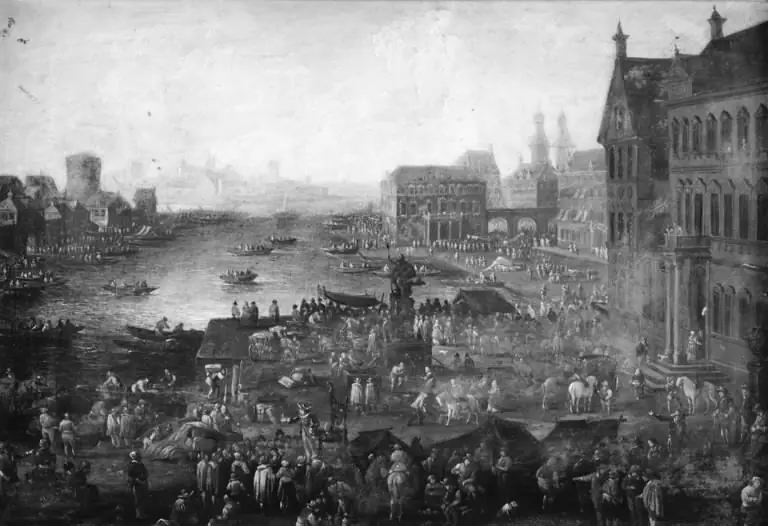 Square in Paris with Many Figures
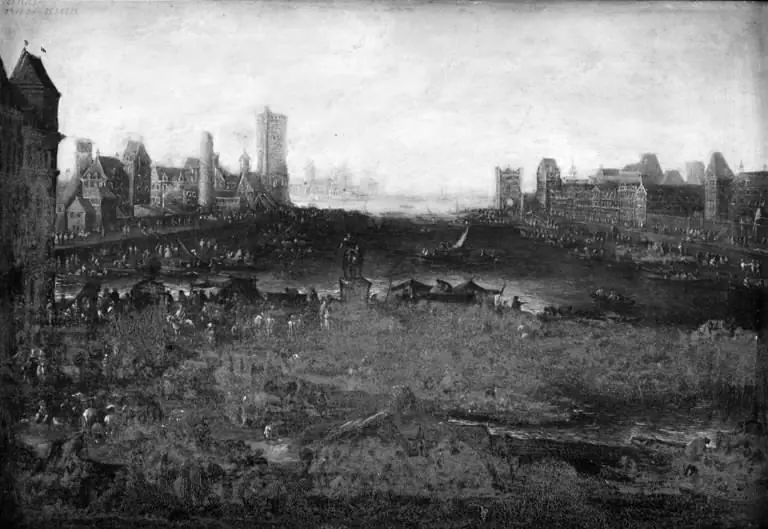 Square in Paris with Many Figures
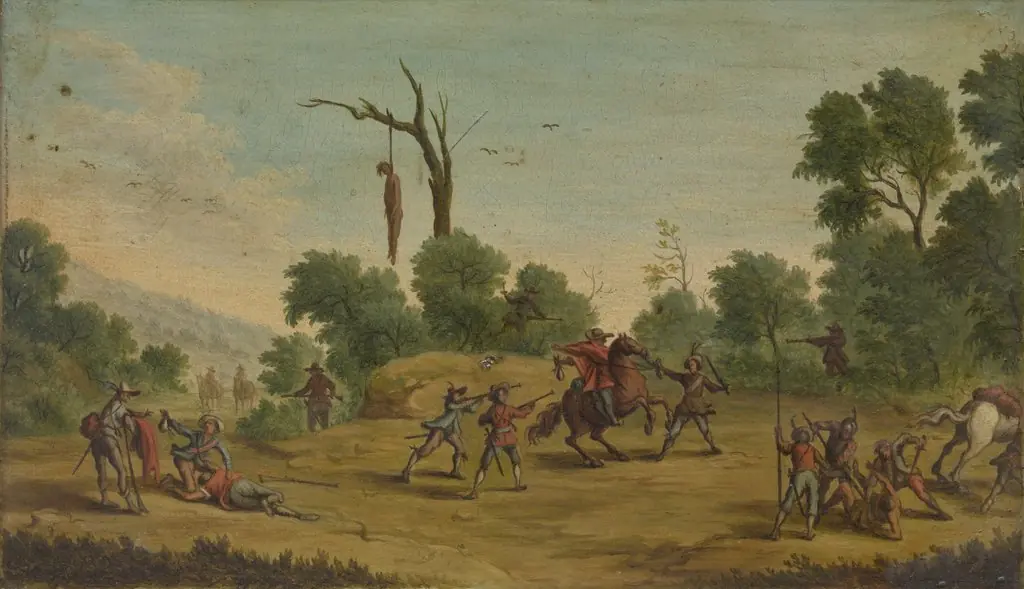 Horsemen Attacked by Robbers
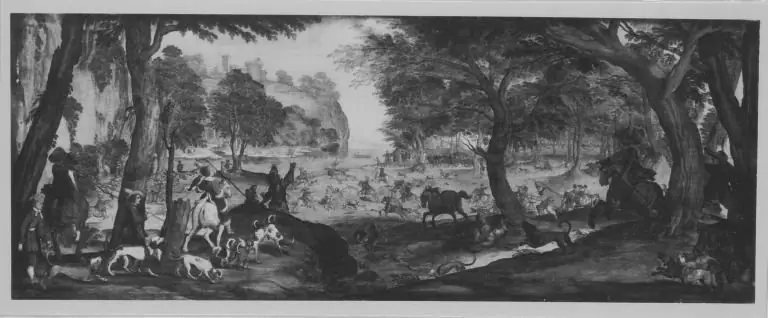 HOW WILL A COVERED PART BE CORRECTED?HOW WIKA A COVERED HEART DEED CORRECTED?
![Christ Walking on the Water [second plate], by Jacques Callot](https://artifactworldgallery.com/img/jacques-callot--christ-walking-on-the-water-second-plate--2069f3bfe4cb2126-w320.webp) Christ Walking on the Water [second plate]
Christ Walking on the Water [second plate]
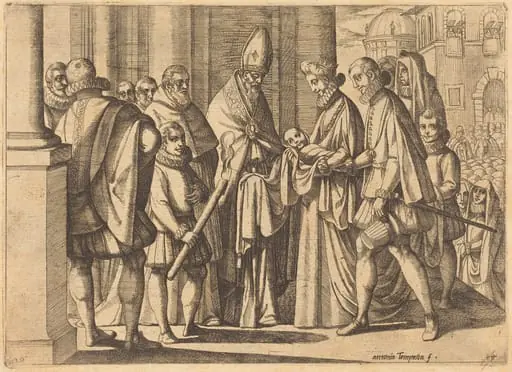 Philip as a Boy before Margaret of Austria
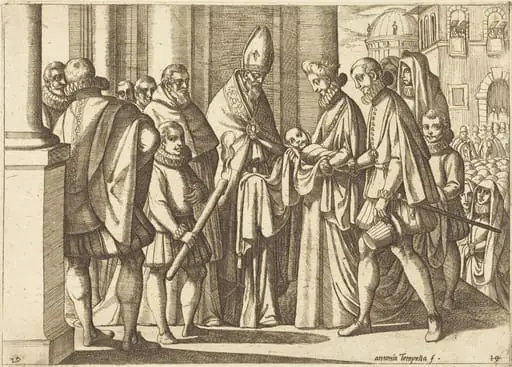 Philip as a Boy before Margaret of Austria
![Philip as a Boy Before Margaret of Austria [verso], by Antonio Tempesta](https://artifactworldgallery.com/img/antonio-tempesta--philip-as-a-boy-before-margaret-of-austria-verso--5d0bdff43e5d7fe9-w320.webp) Philip as a Boy Before Margaret of Austria [verso]
Philip as a Boy Before Margaret of Austria [verso]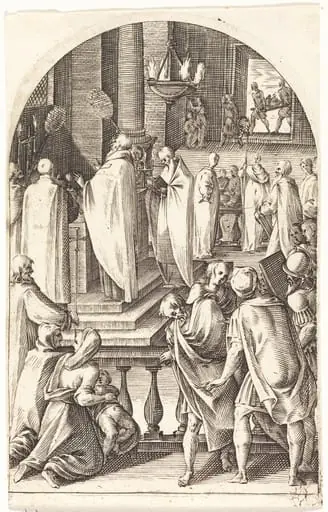 Saint Basil Celebrating the Mass
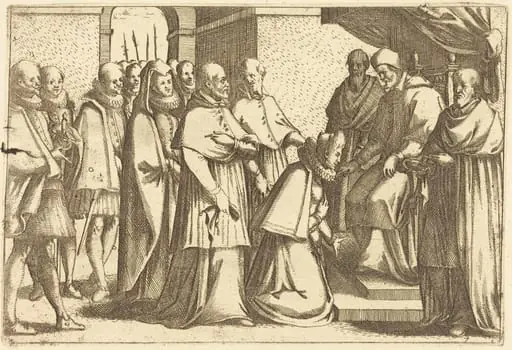 Papal Audience
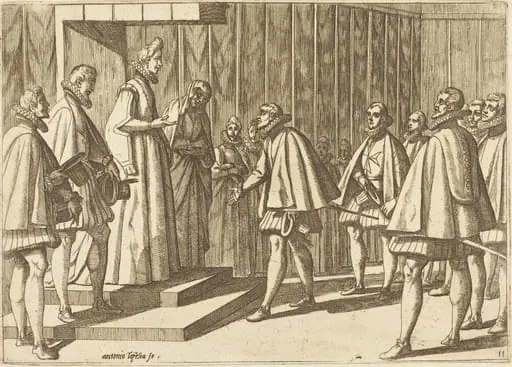 Italian Prince before Margaret of Austria
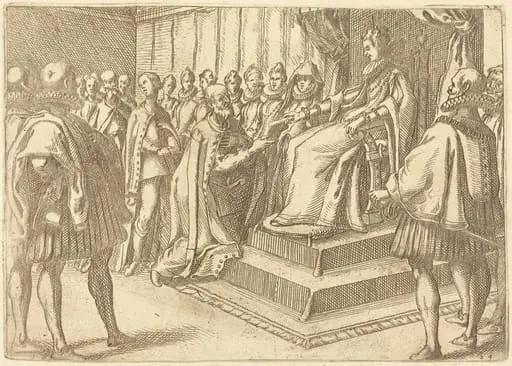 Reception of the Envoy of Poland
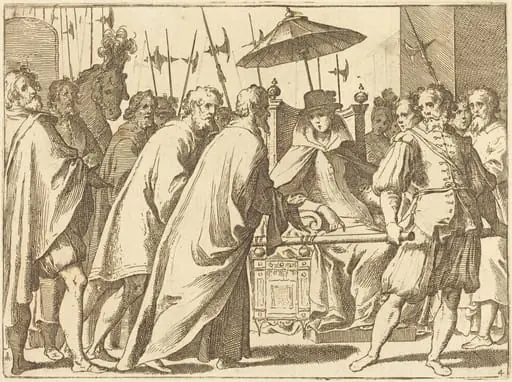 Margaret of Austria Being Carried in a Chaise
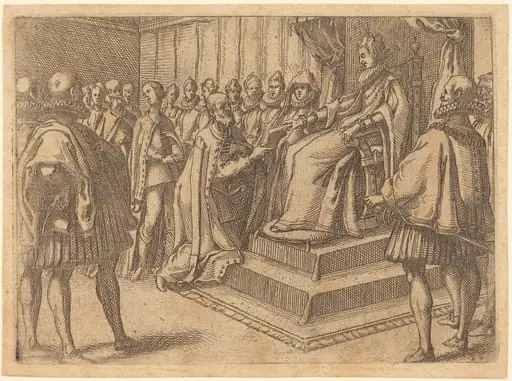 Reception of the Envoy of Poland
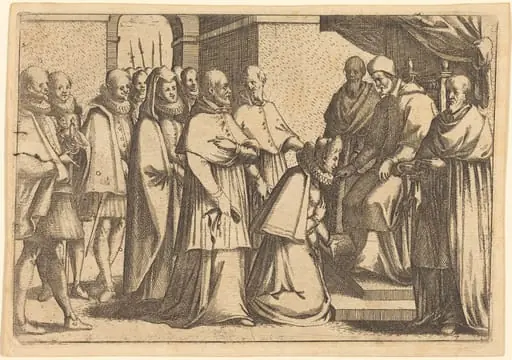 Papal Audience