Artwork
Four Women
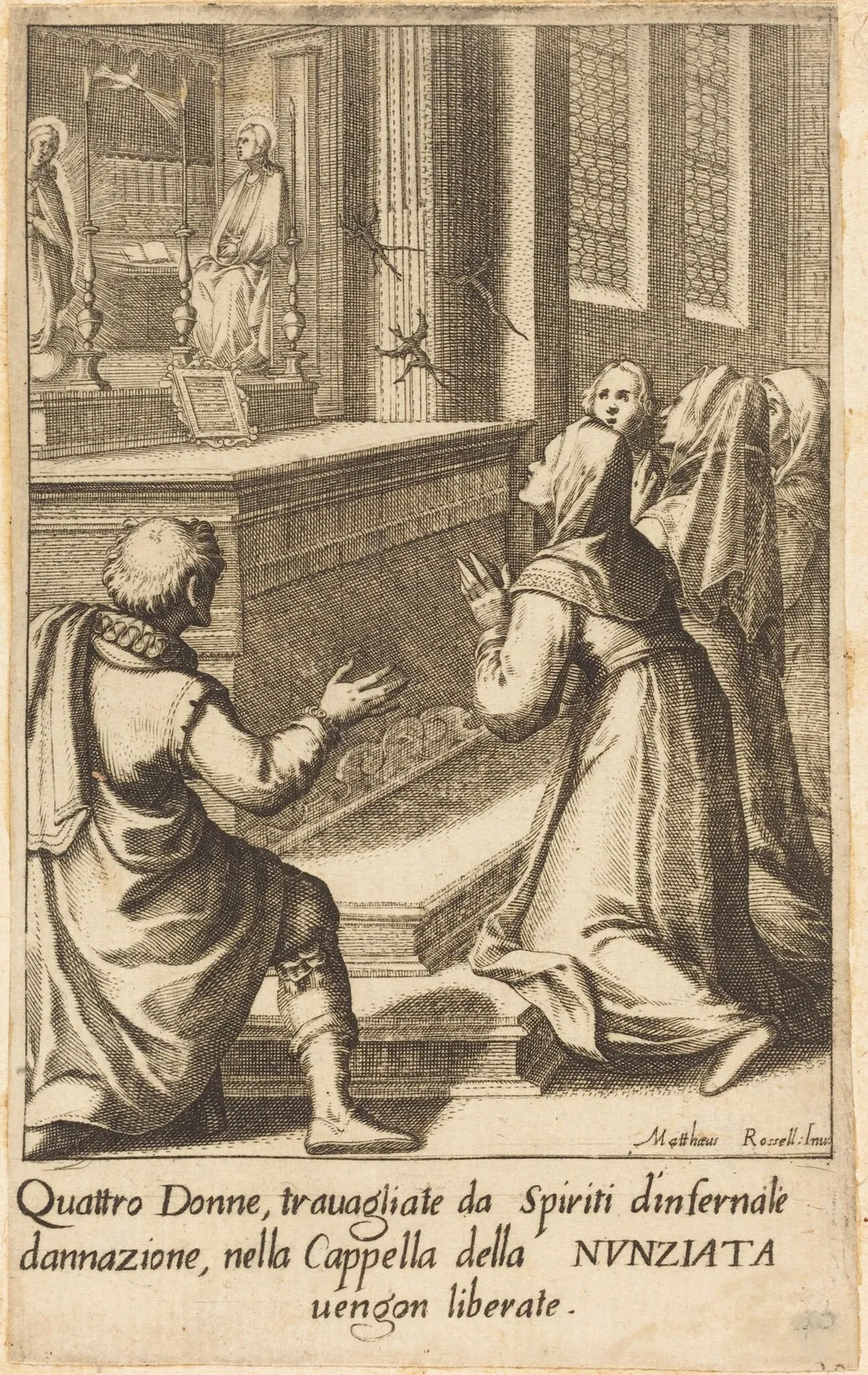
Four Women is an ink print by the Baroque artist Jacques Callot. It dates from 1619 and is held in the collection of the National Gallery of Art.
About this work
Overview
Four Women is an engraving on laid paper created by Jacques Callot in 1619. It is a representative work of the French Baroque printmaker, known for documenting everyday life and social contexts through his etchings and engravings.
Subject & Meaning
The print depicts four women in a dimly lit, cluttered room, possibly representing a scene from folklore or religion where the women are being freed from torment by spirits. Their varied postures and actions suggest different roles or states of being.
Technique & Style
Callot employed fine lines and shading to convey drama and tension within the confined space. The level of detail achieved through engraving is evident in the textured wallpaper and the statue in the corner, contributing to the overall atmosphere of the scene.
Context
As a work by Callot, Four Women reflects the artist's interest in capturing scenes of everyday life and broader social contexts, a theme consistent with his extensive body of work in etchings and engravings.
Own this work as a print
Artist & collection
Artist
Jacques Callot (French: ; c. 1592 – 1635) was a baroque printmaker and draftsman from the Duchy of Lorraine. He is an important person in the development of the old master print. He made more than 1,400 etchings that…

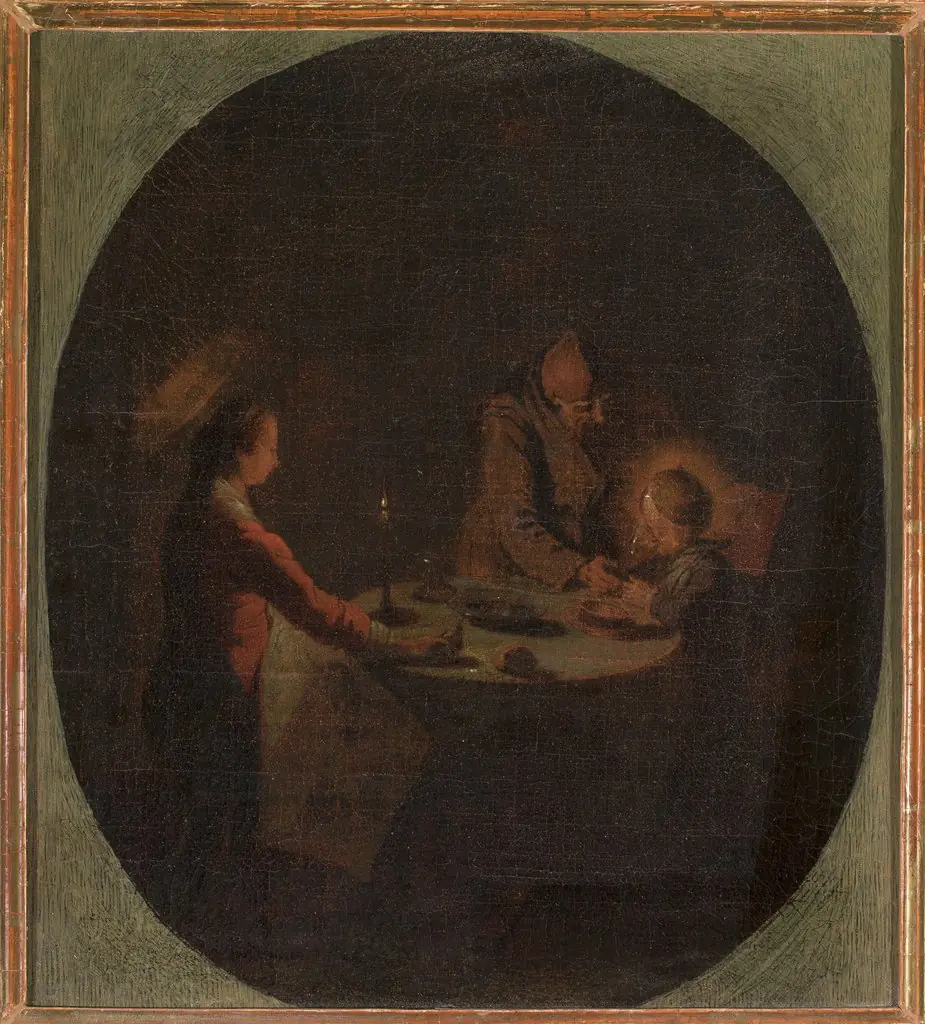 Holy Family at supper
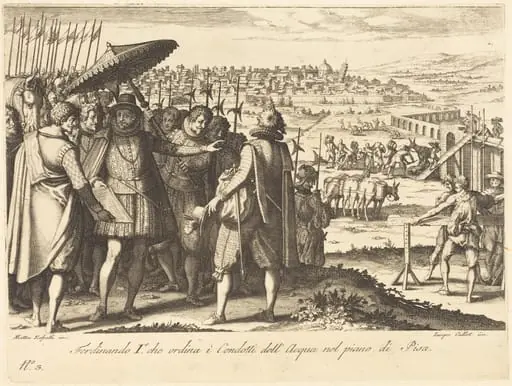 Restoration of the Aqueduct at Pisa
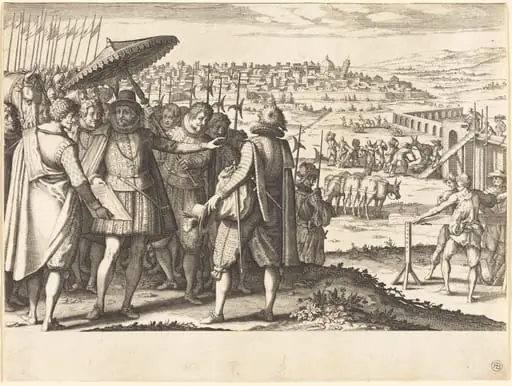 Restoration of the Aqueduct at Pisa
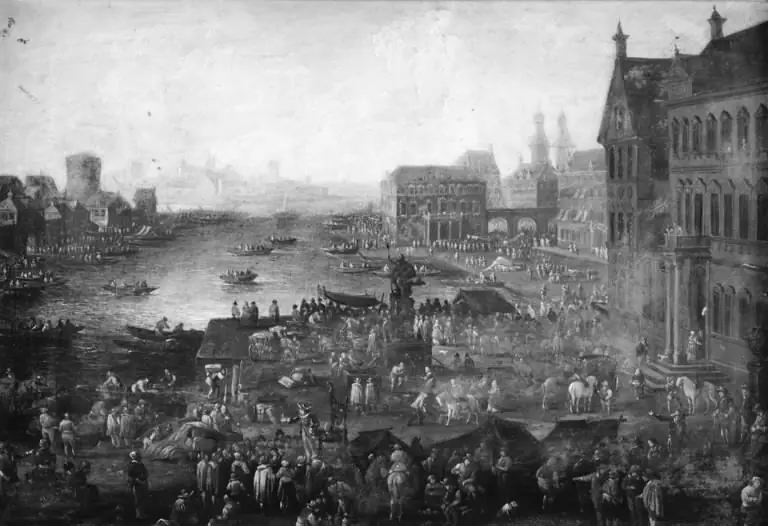 Square in Paris with Many Figures
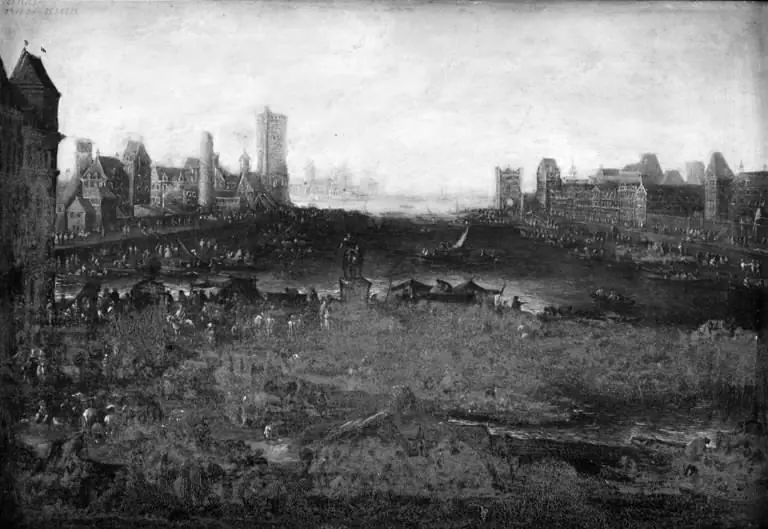 Square in Paris with Many Figures
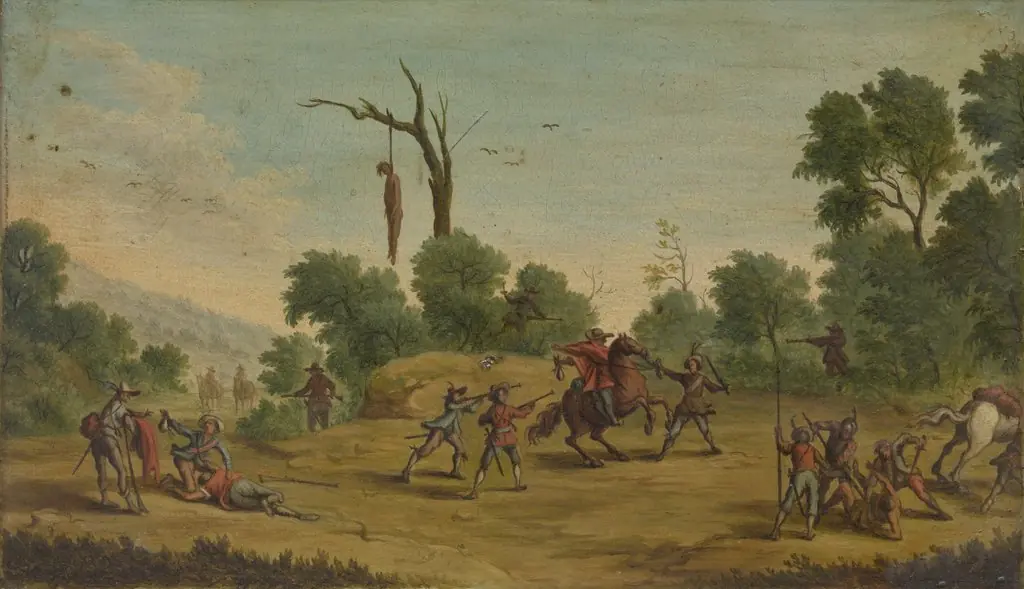 Horsemen Attacked by Robbers
 HOW WILL A COVERED PART BE CORRECTED?HOW WIKA A COVERED HEART DEED CORRECTED?
![Christ Walking on the Water [second plate], by Jacques Callot](https://artifactworldgallery.com/img/jacques-callot--christ-walking-on-the-water-second-plate--2069f3bfe4cb2126-w320.webp) Christ Walking on the Water [second plate]
Christ Walking on the Water [second plate]