Artwork
The Crossing of the Red Sea
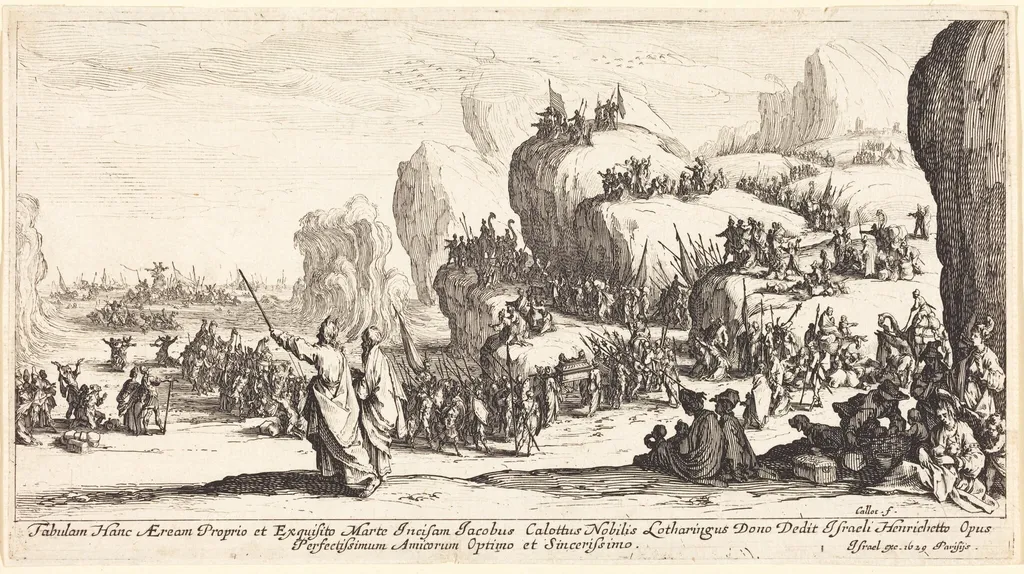
The Crossing of the Red Sea is an ink print by the Baroque artist Jacques Callot. It dates from 1629 and is held in the collection of the National Gallery of Art.
About this work
Overview
The Crossing of the Red Sea is an etching on laid paper created by Jacques Callot in 1629. It is one of over 1,400 etchings produced by the artist, a French printmaker and draftsman from the Duchy of Lorraine.
Subject & Meaning
The etching depicts a dramatic scene of figures fleeing on foot as a wall of water crashes behind them, referencing the biblical narrative of the Israelites' escape from the Egyptians. The image conveys a sense of chaos and panic, with detailed landscapes and figures.
Technique & Style
Callot's characteristic precision is evident in the tiny, precise lines that create a crowded yet clear image. The etching technique, involving scratching into metal plates, allowed for a high level of detail and narrative depth, capturing the dynamic movement of the scene.
Artist & collection
Artist
Jacques Callot (French: ; c. 1592 – 1635) was a baroque printmaker and draftsman from the Duchy of Lorraine. He is an important person in the development of the old master print. He made more than 1,400 etchings that…

 Holy Family at supper
 Restoration of the Aqueduct at Pisa
 Restoration of the Aqueduct at Pisa
 Square in Paris with Many Figures
 Square in Paris with Many Figures
 Horsemen Attacked by Robbers
 HOW WILL A COVERED PART BE CORRECTED?HOW WIKA A COVERED HEART DEED CORRECTED?
![Christ Walking on the Water [second plate], by Jacques Callot](https://artifactworldgallery.com/img/jacques-callot--christ-walking-on-the-water-second-plate--2069f3bfe4cb2126-w320.webp) Christ Walking on the Water [second plate]
Christ Walking on the Water [second plate]
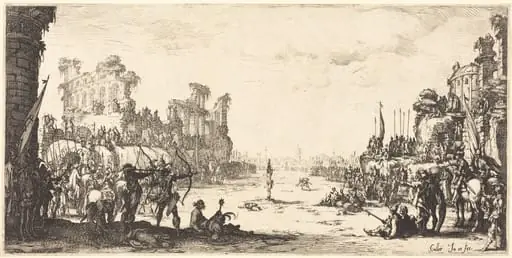 The Ordeal by Arrows (Saint Sebastian)
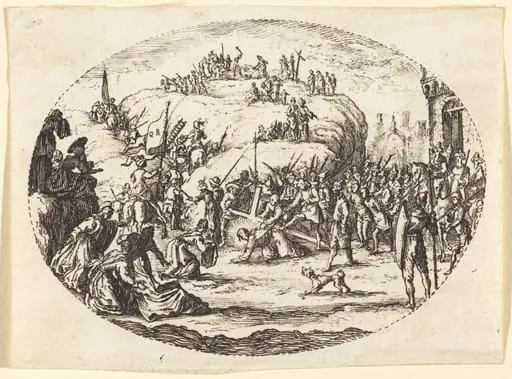 The Small Carrying of the Cross
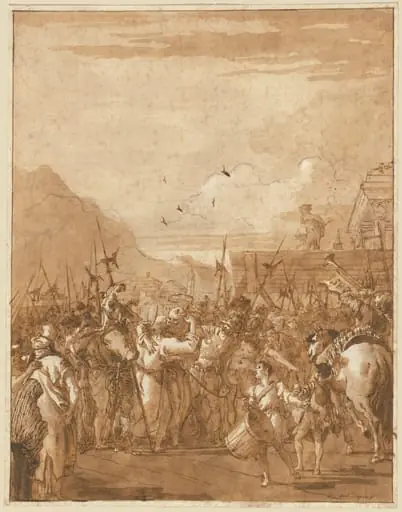 The Parting of Saints Peter and Paul
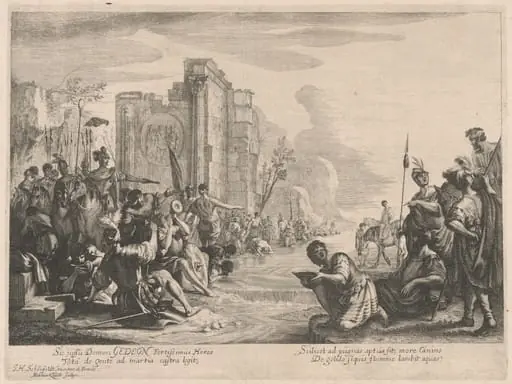 Gideon Selects His Army at the River Jordan
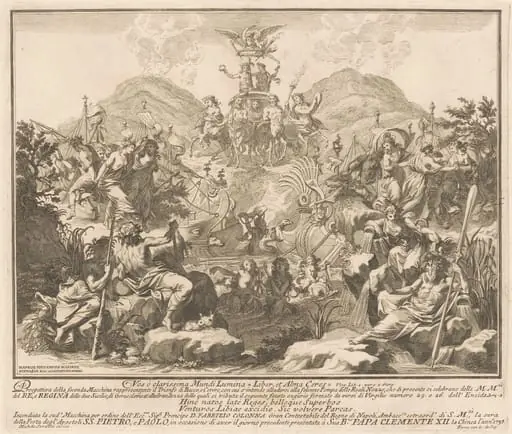 The Seconda Macchina for the Chinea of 1738: The Triumph of Bacchus and Ceres
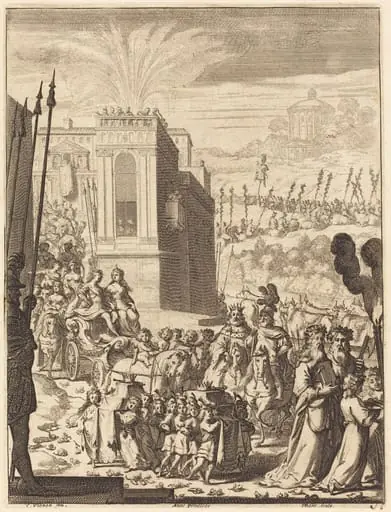 Illustration to Jean Desmarets' "L'Ariane"
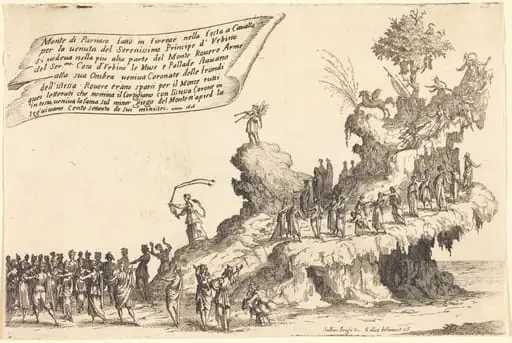 The Float of Mount Parnassus
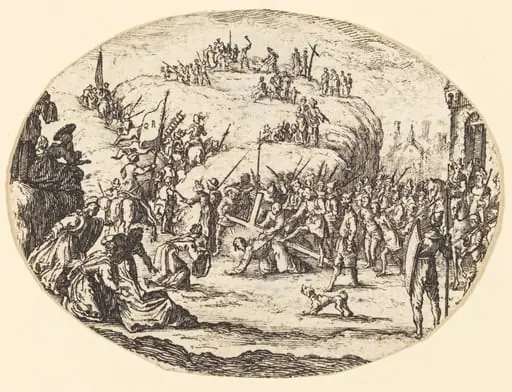 The Small Carrying of the Cross
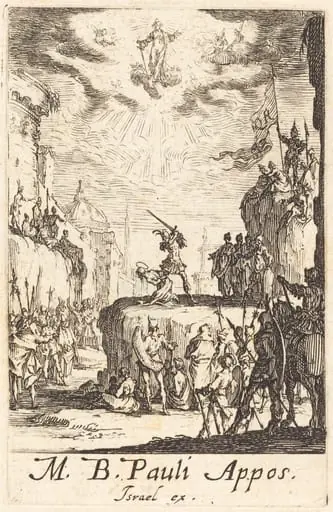 The Martyrdom of Saint Paul