Artwork
The Great Rock
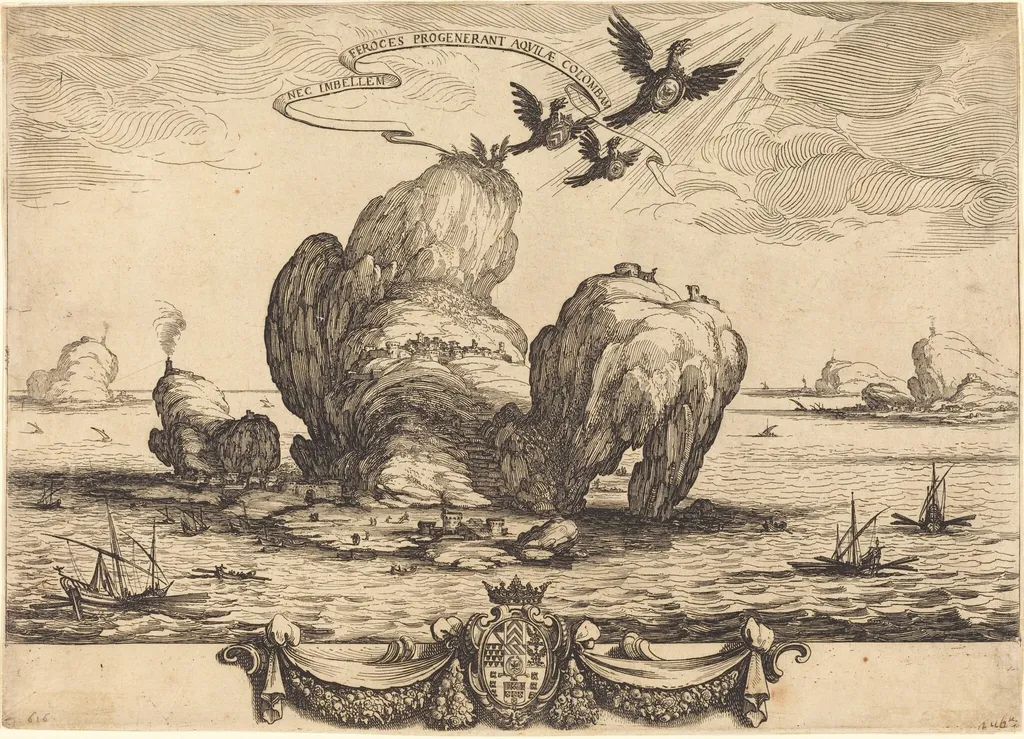
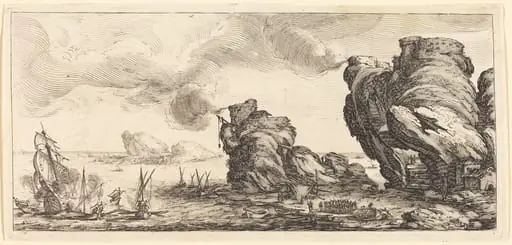
The Great Rock is an ink print by the Baroque artist Jacques Callot. It dates from 1623 and is held in the collection of the National Gallery of Art.
About this work
Overview
Created in 1623 by Jacques Callot, The Great Rock is an etching on laid paper that exemplifies the artist’s mastery of fine-line engraving.
Created in 1623 by Jacques Callot, The Great Rock is an etching on laid paper that exemplifies the artist’s mastery of fine-line engraving. As one of over 1,400 prints he produced, it reflects his focus on dramatic, often allegorical scenes drawn from contemporary life and myth. The work stands out for its intricate detail and atmospheric tension, combining natural elements with symbolic figures to convey a layered narrative beyond mere representation.
Subject & Meaning
The scene depicts towering, rock-like forms emerging from a turbulent sea, surrounded by ships in distress and distant explosions. Two eagles soar above, one bearing a banner inscribed with Latin text suggesting a link between courage and lineage. The imagery blends natural disaster with heraldic symbolism, possibly serving as a moral allegory about resilience, fate, or the consequences of human ambition amid forces beyond control.
Technique & Style
Callot employed etching to achieve extraordinary precision, using fine, controlled lines to render waves, clouds, and the jagged forms of the rocks. His use of layered textures and subtle tonal gradations creates depth and movement, characteristic of his mature style. The composition is densely packed yet carefully balanced, with each element, ships, birds, smoke, contributing to a unified sense of drama and unease.
History & Provenance
Produced during Callot’s time in Florence, where he worked for the Medici court, The Great Rock was likely made for a private or scholarly audience familiar with classical and moral symbolism. Though its early ownership is undocumented, it entered major collections in the 18th and 19th centuries, reflecting its recognition among connoisseurs of Northern European printmaking traditions.
Context
In early 17th-century Europe, prints like this served as both artistic expression and vehicles for political or philosophical commentary. Callot’s work emerged alongside growing interest in maritime exploration and the perceived dangers of the unknown. His use of allegory aligned with broader trends in Baroque art, where nature and myth were employed to reflect human vulnerability and virtue.
Legacy
Callot’s technical innovations in etching influenced generations of printmakers across Europe. The Great Rock remains a notable example of how narrative and symbolism could be compressed into a single, finely detailed image. While not widely reproduced in popular culture, it continues to be studied for its complex interplay of form, meaning, and craftsmanship within the printmaking tradition.
Own this work as a print
Artist & collection
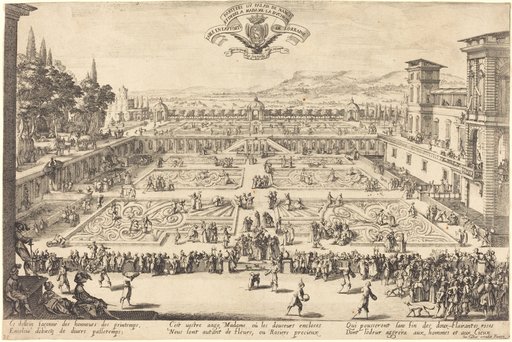
Artist
Jacques Callot (French: ; c. 1592 – 1635) was a baroque printmaker and draftsman from the Duchy of Lorraine. He is an important person in the development of the old master print. He made more than 1,400 etchings that…

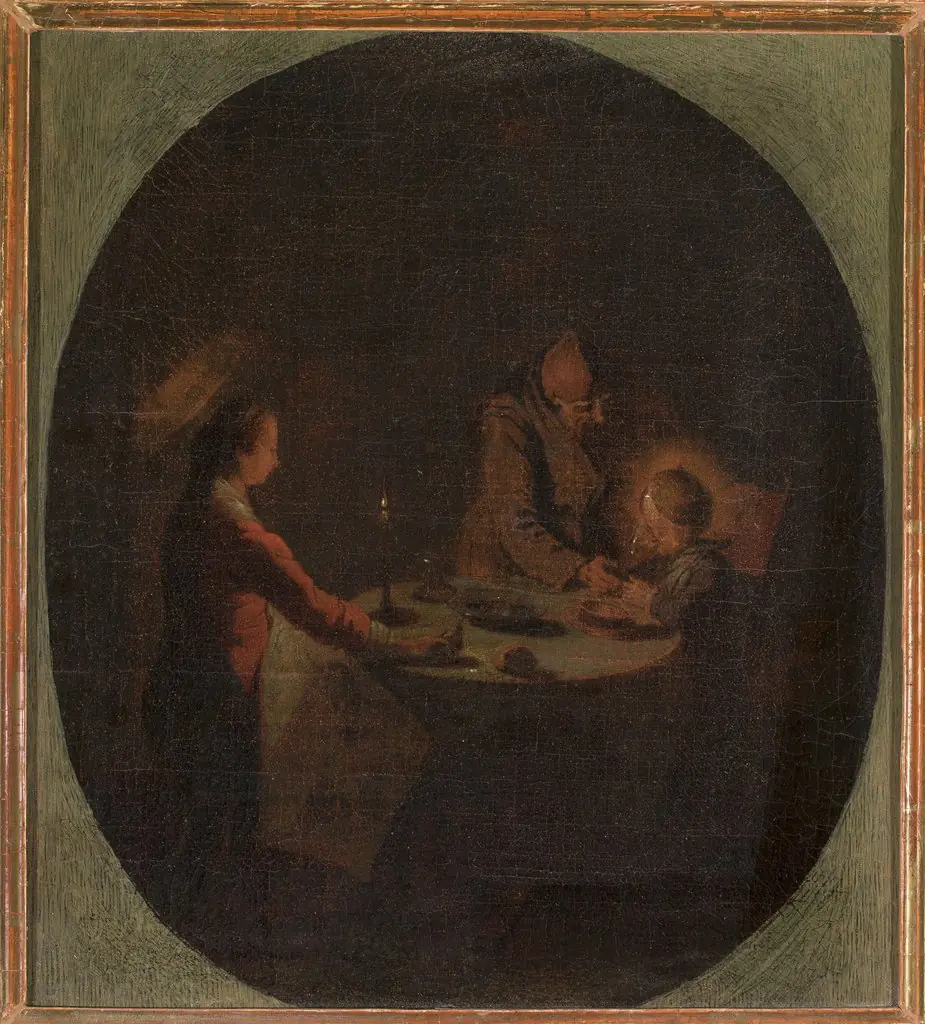 Holy Family at supper
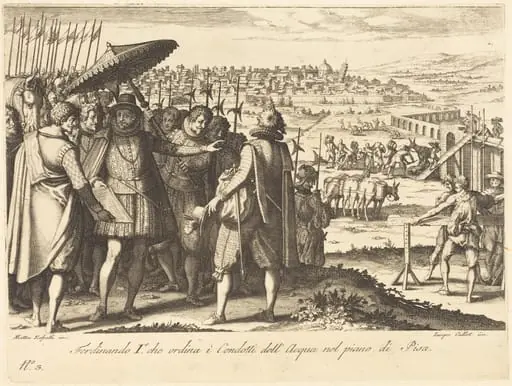 Restoration of the Aqueduct at Pisa
 Restoration of the Aqueduct at Pisa
 Square in Paris with Many Figures
 Square in Paris with Many Figures
 Horsemen Attacked by Robbers
 HOW WILL A COVERED PART BE CORRECTED?HOW WIKA A COVERED HEART DEED CORRECTED?
![Christ Walking on the Water [second plate], by Jacques Callot](https://artifactworldgallery.com/img/jacques-callot--christ-walking-on-the-water-second-plate--2069f3bfe4cb2126-w320.webp) Christ Walking on the Water [second plate]
Christ Walking on the Water [second plate]