Artwork
The Winder and the Spinner
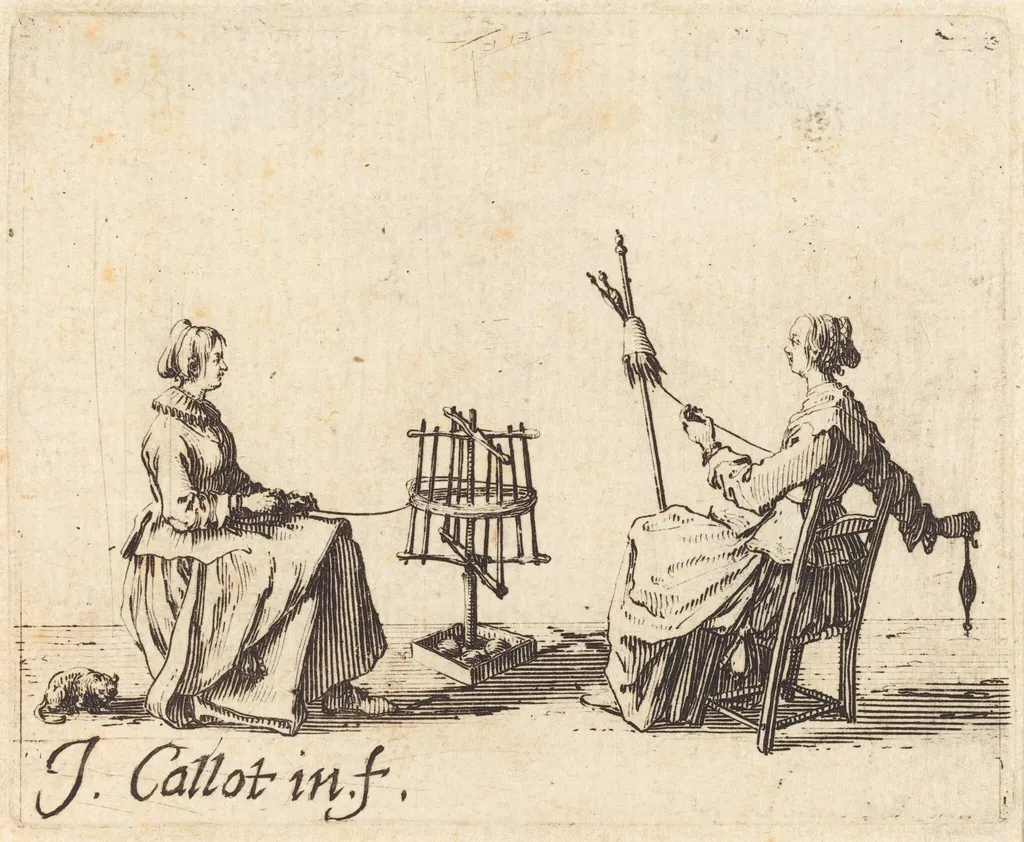
The Winder and the Spinner is an ink print by the Baroque artist Jacques Callot. It dates from 1623 and is held in the collection of the National Gallery of Art.
About this work
Overview
Created around 1623, The Winder and the Spinner is an etching on laid paper by Jacques Callot, a prominent printmaker from the Duchy of Lorraine.
Created around 1623, The Winder and the Spinner is an etching on laid paper by Jacques Callot, a prominent printmaker from the Duchy of Lorraine. Part of a vast body of over 1,400 works, this print exemplifies Callot’s focus on ordinary labor, rendered with precision and quiet dignity. The medium allowed for fine linear detail, enabling him to capture subtle textures and spatial depth uncommon in contemporary prints.
Subject & Meaning
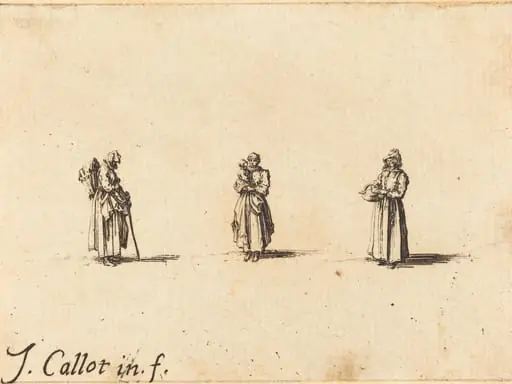
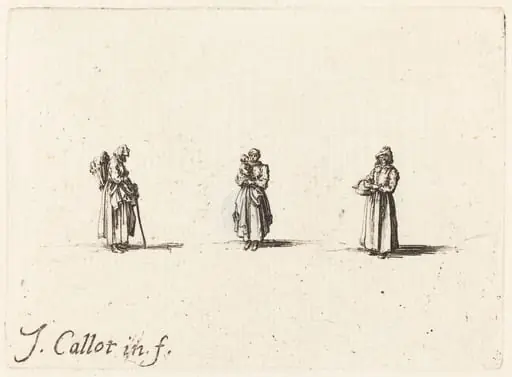
The scene depicts two women engaged in textile work: one spins thread using a distaff and spindle, while the other winds the yarn onto a bobbin. A dog rests nearby, and the floor’s striped pattern suggests a modest interior. Though seemingly documentary, the pairing of tasks may imply cooperation, rhythm, or the quiet endurance of domestic labor, values often embedded in early modern depictions of work.
Technique & Style
Callot employed etching to achieve remarkable clarity in fine lines and tonal gradations. His use of controlled acid biting allowed for delicate shading and intricate detail, particularly in the folds of clothing and the texture of yarn. The composition is tightly framed, focusing attention on the figures’ gestures, while the background remains minimally suggested, enhancing the intimacy of the moment.
History & Provenance
The print was produced during Callot’s most active period in Nancy and Paris, when he was commissioned by aristocratic patrons and publishers. While its early ownership is undocumented, it circulated widely through print markets, contributing to his reputation across Europe. Surviving impressions are held in major collections, reflecting its enduring status as a study of labor in early Baroque print culture.
Context
In early 17th-century Europe, textile production was a cornerstone of domestic and regional economies, especially for women. Callot’s interest in such scenes aligned with broader trends in Northern European art that elevated humble labor as worthy of artistic attention. His prints offered viewers both a record of daily life and a subtle commentary on social order and diligence.
Legacy
Callot’s detailed depictions of labor influenced later generations of printmakers, including Rembrandt and the Dutch genre painters. The Winder and the Spinner remains a key example of how etching could convey both technical mastery and human observation. It stands as a quiet testament to the dignity of unseen work, preserved through the precision of the artist’s hand.
Own this work as a print
Artist & collection
Artist
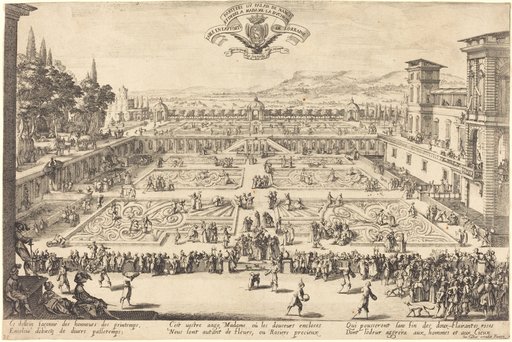
Jacques Callot (French: ; c. 1592 – 1635) was a baroque printmaker and draftsman from the Duchy of Lorraine. He is an important person in the development of the old master print. He made more than 1,400 etchings that…

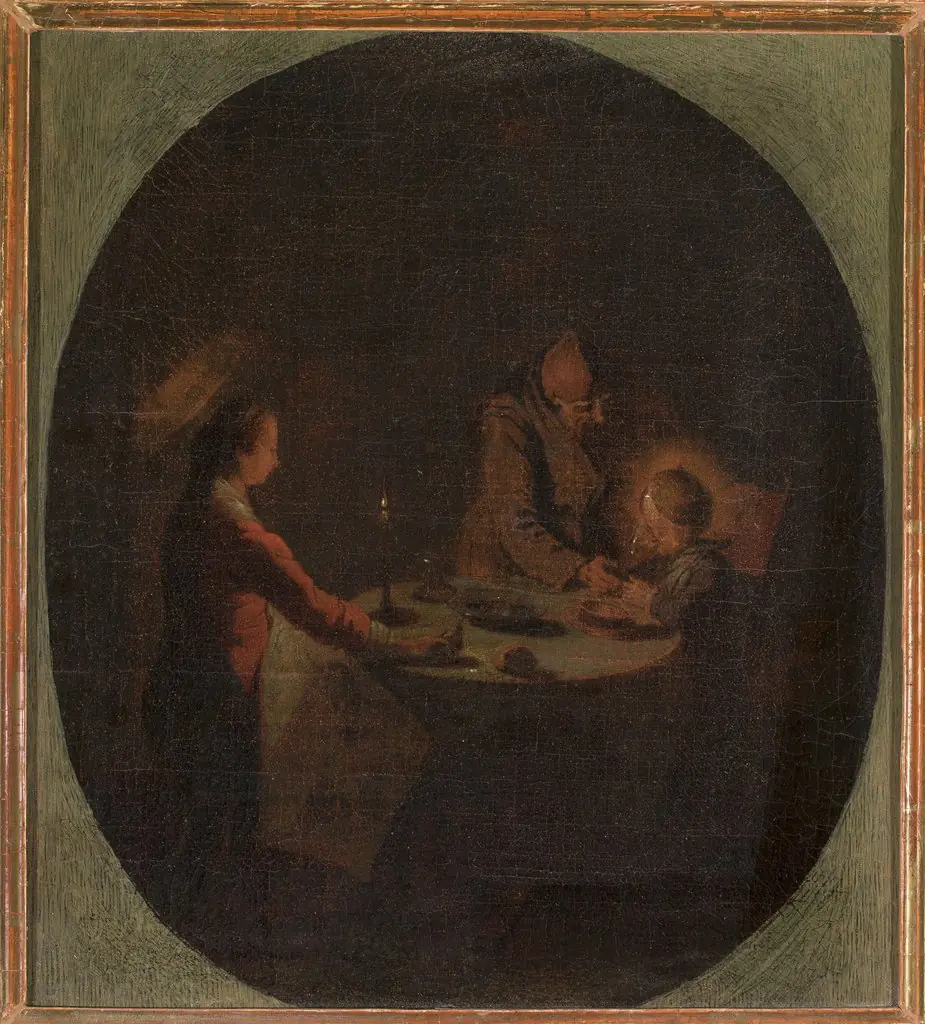 Holy Family at supper
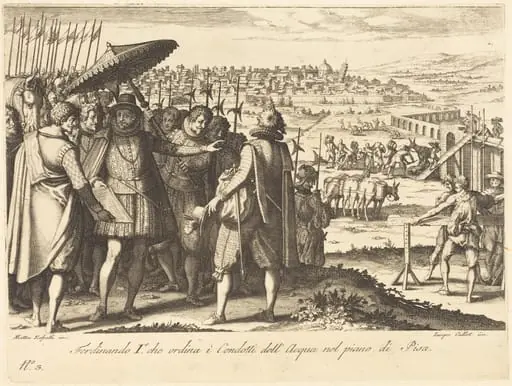 Restoration of the Aqueduct at Pisa
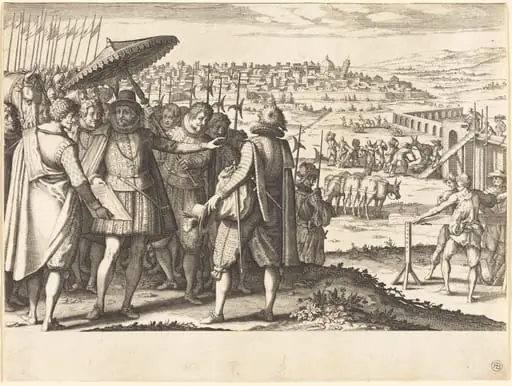 Restoration of the Aqueduct at Pisa
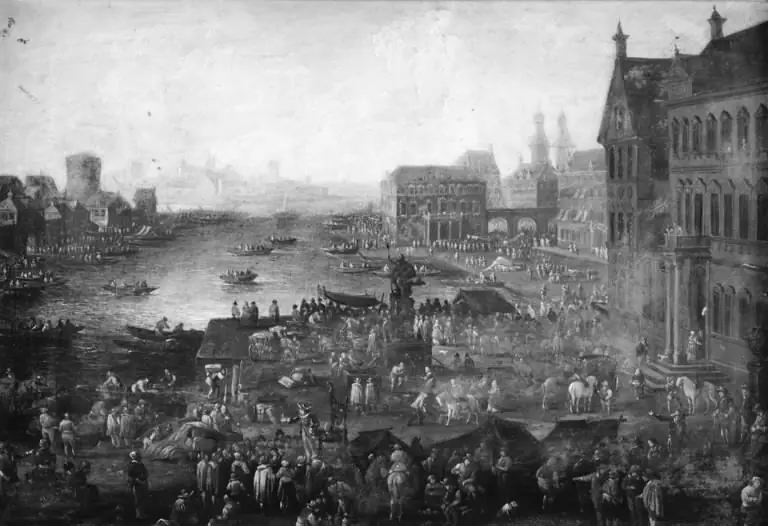 Square in Paris with Many Figures
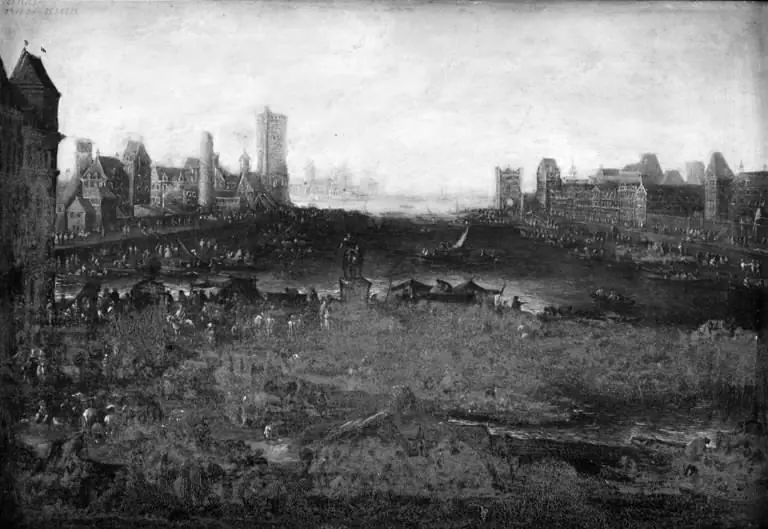 Square in Paris with Many Figures
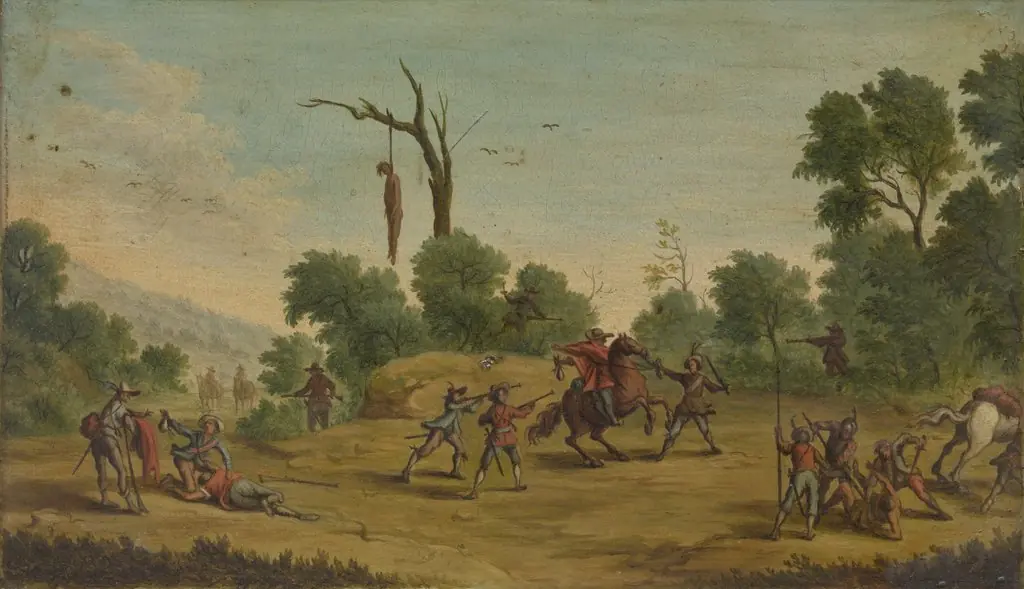 Horsemen Attacked by Robbers
 HOW WILL A COVERED PART BE CORRECTED?HOW WIKA A COVERED HEART DEED CORRECTED?
![Christ Walking on the Water [second plate], by Jacques Callot](https://artifactworldgallery.com/img/jacques-callot--christ-walking-on-the-water-second-plate--2069f3bfe4cb2126-w320.webp) Christ Walking on the Water [second plate]
Christ Walking on the Water [second plate]