Artwork
Arsène Carriere
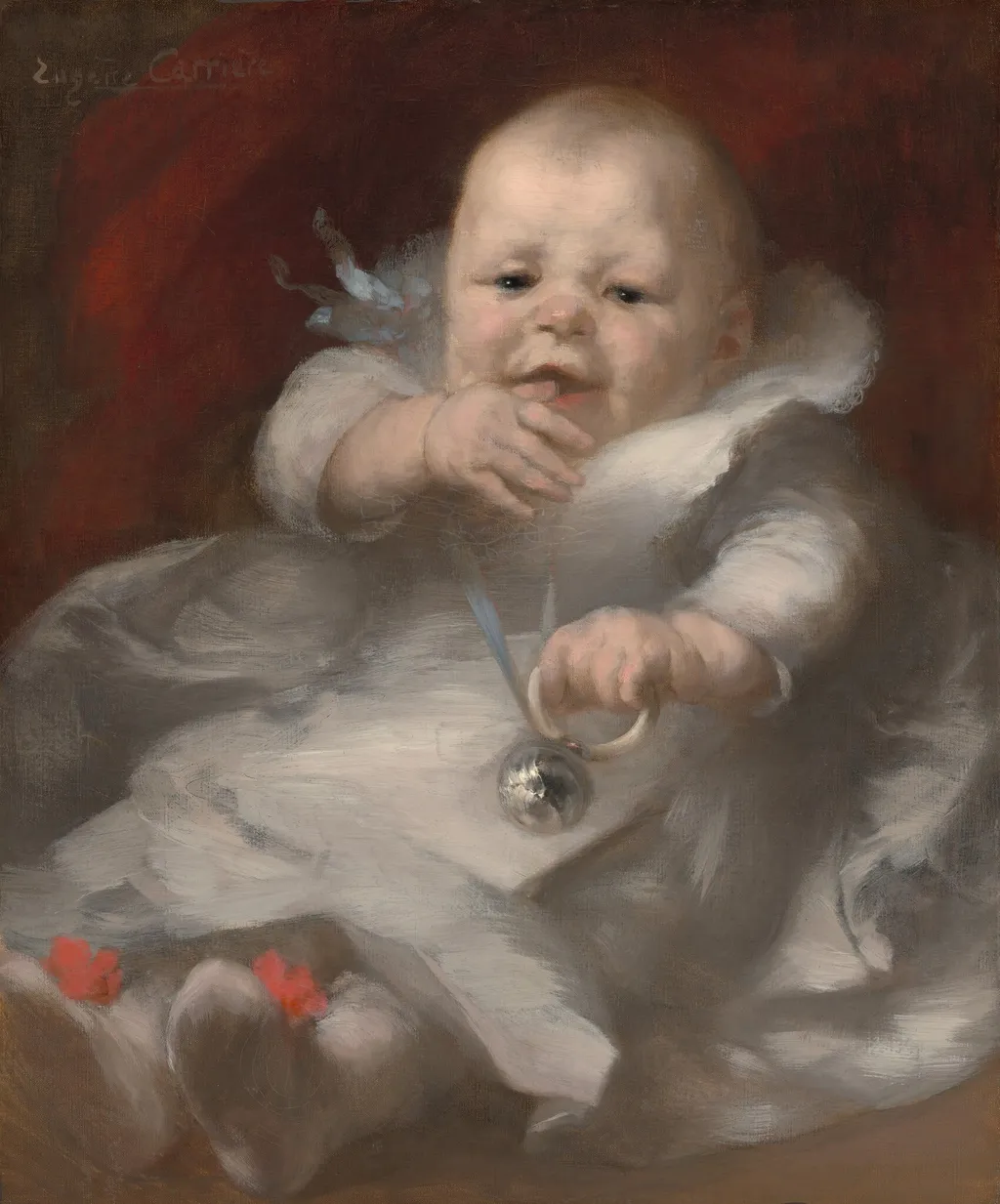
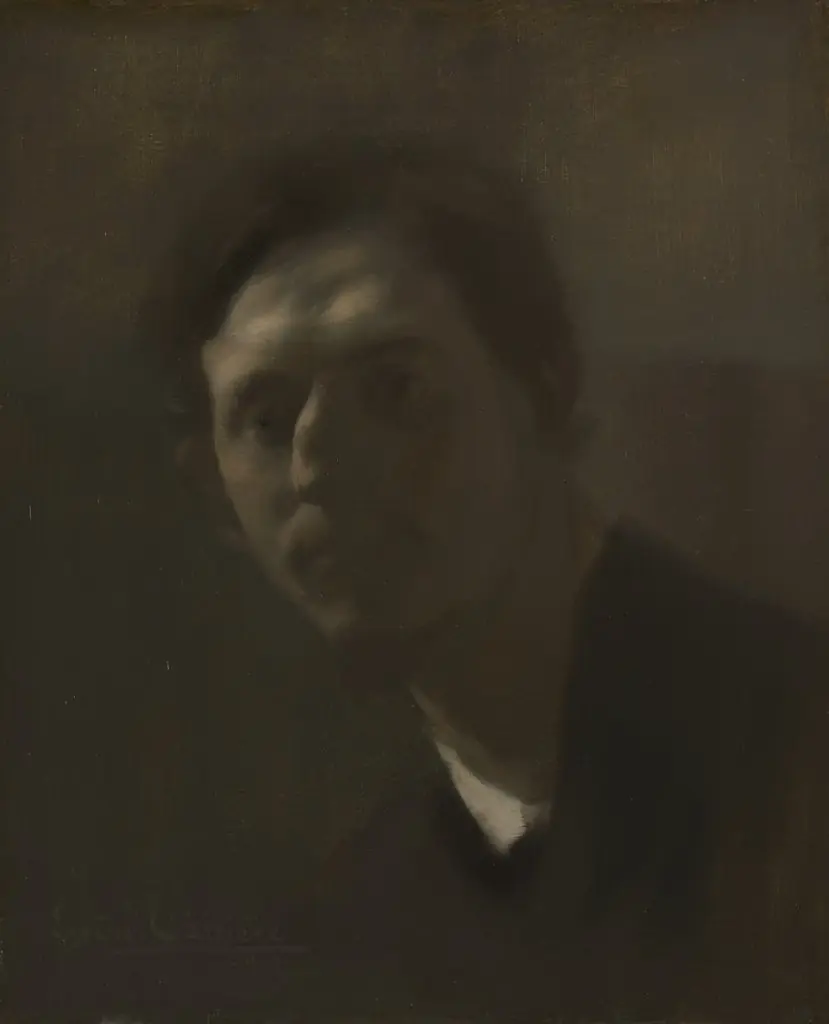
Arsène Carriere is an oil painting by the Impressionist artist Eugène Carrière. It dates from 1900 and is held in the collection of the National Gallery of Art.
- Inscription
- Inscribed:upper left: Eugène Carrière
About this work
Technique & Style
As a piece classified within the painting tradition, it utilizes standard oil pigments applied to a woven textile support.
Executed in 1899, this work is an oil painting on canvas. The composition measures 55.56 cm in height and 46.36 cm in width. As a piece classified within the painting tradition, it utilizes standard oil pigments applied to a woven textile support.
The physical dimensions indicate a relatively intimate scale, consistent with portraiture or small-scale figure studies often associated with the artist's late nineteenth-century output.
History & Provenance
Eugène Carrière painted Arsène Carrière in 1899, an oil on canvas work originally owned by Edward C. Walker and his wife Mary Griffin of Willistead Manor in Walkerville, Ontario. The couple bequeathed the painting to the Corcoran Gallery of Art in Washington in 1937. It entered the collection of the National Gallery of Art in Washington, D.C., following an acquisition in 2015.
The painting measures 55.56 cm in height by 46.36 cm in width, as recorded in its creation details.
Arsène Carriere is an oil on canvas painting by French artist Eugène Carrière, created in 1899. It entered the collection of the National Gallery of Art in Washington, D.C., through a series of transfers: it was originally owned by Edward C. Walker and Mary Griffin Walker of Willistead Manor, Ontario, who bequeathed it to the Corcoran Gallery of Art in 1937; the work was later acquired by the National Gallery of Art in 2015. The painting measures 55.56 cm in height and 46.36 cm in width.
Overview
Eugène Carrière’s 1900 oil on canvas portrait presents Arsène Carrière seated in a modest interior. The figure looks directly at the viewer, bathed in a soft, diffused light that creates a tranquil atmosphere. The composition is restrained, emphasizing the sitter’s presence over any elaborate background.
Subject & Meaning
The work focuses on the individual character of Arsène Carrière, conveying a sense of calm introspection. By minimizing decorative elements, Carrière directs attention to the subject’s demeanor, suggesting an inner serenity that aligns with the artist’s interest in psychological depth.
Context
Created at the turn of the twentieth century, the painting reflects the fin‑de‑siècle Symbolist preoccupation with mood and suggestion rather than literal representation. Carrière’s close association with sculptor Auguste Rodin placed him within a network of artists exploring emotive, atmospheric effects.
Legacy
While Carrière’s subtle tonal language influenced contemporaries, his approach is noted for anticipating aspects of later modernist tendencies, including the muted tonalities that would appear in Picasso’s early Blue Period.
Own this work as a print
Artist & collection

Artist
Eugène Anatole Carrière was a French Symbolist artist of the fin-de-siècle period.

- Maddalena Cattaneo
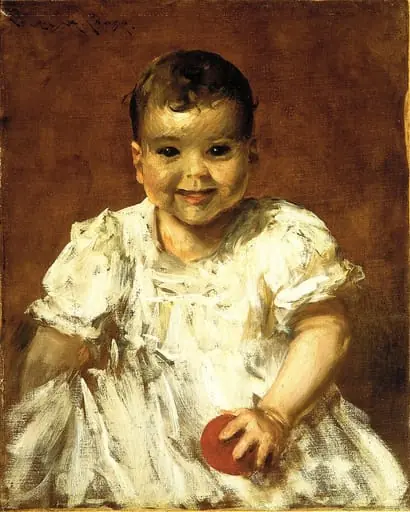 Roland
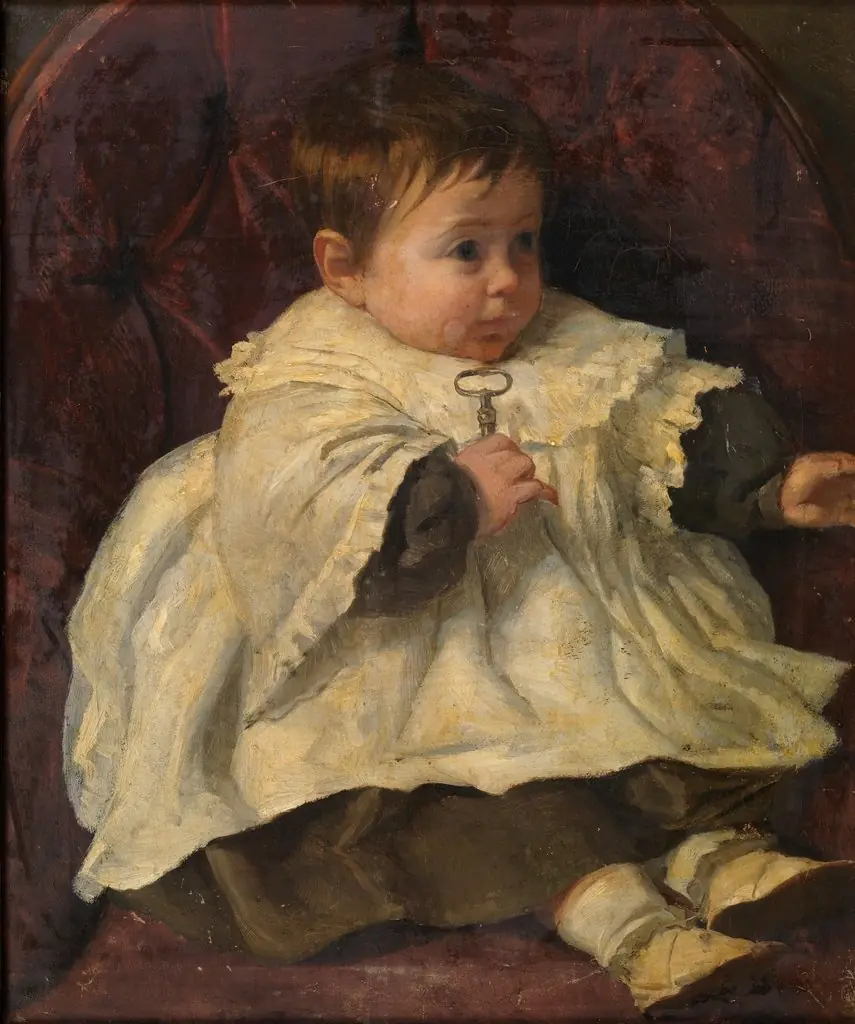 Fernando hijo del pintor con una llave en la mano
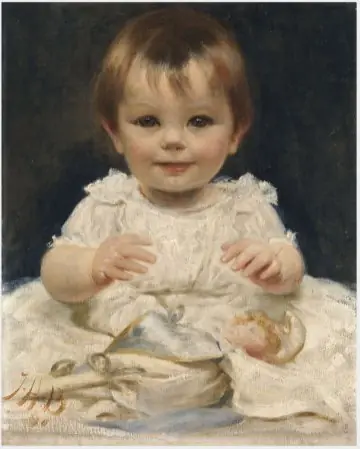 Portrait of a Child
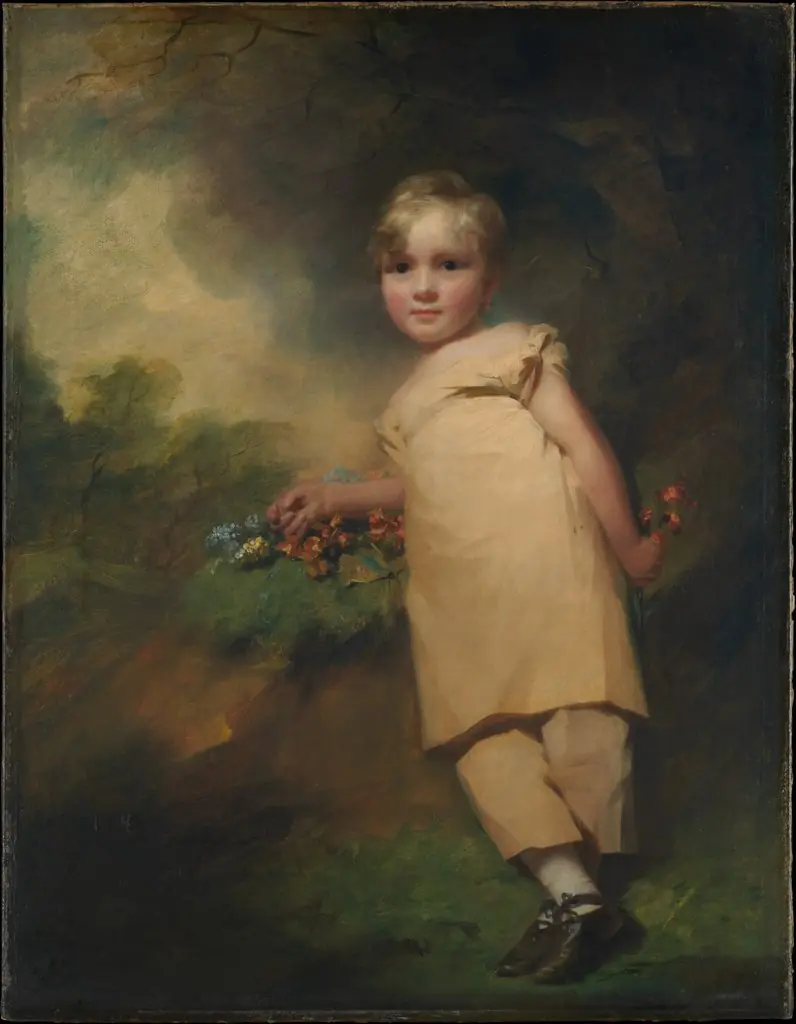 William Scott-Elliot of Arkleton (1811–1901)
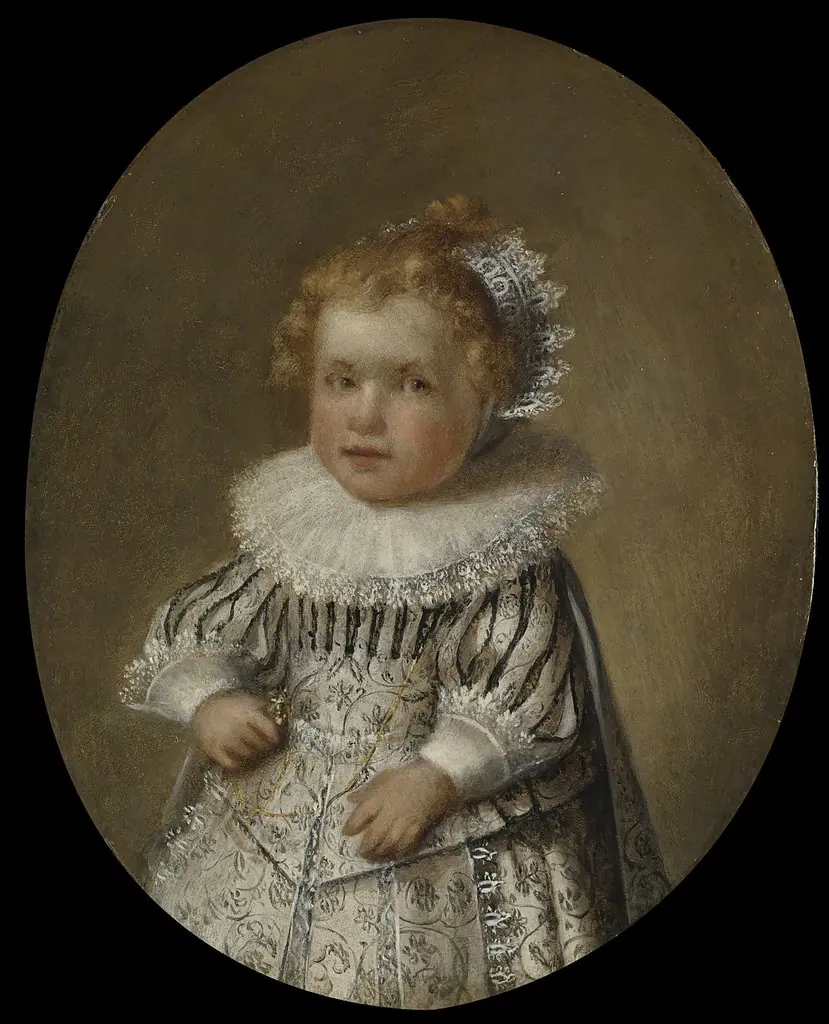 Portrait of Cornelis Cornelisz van Esch
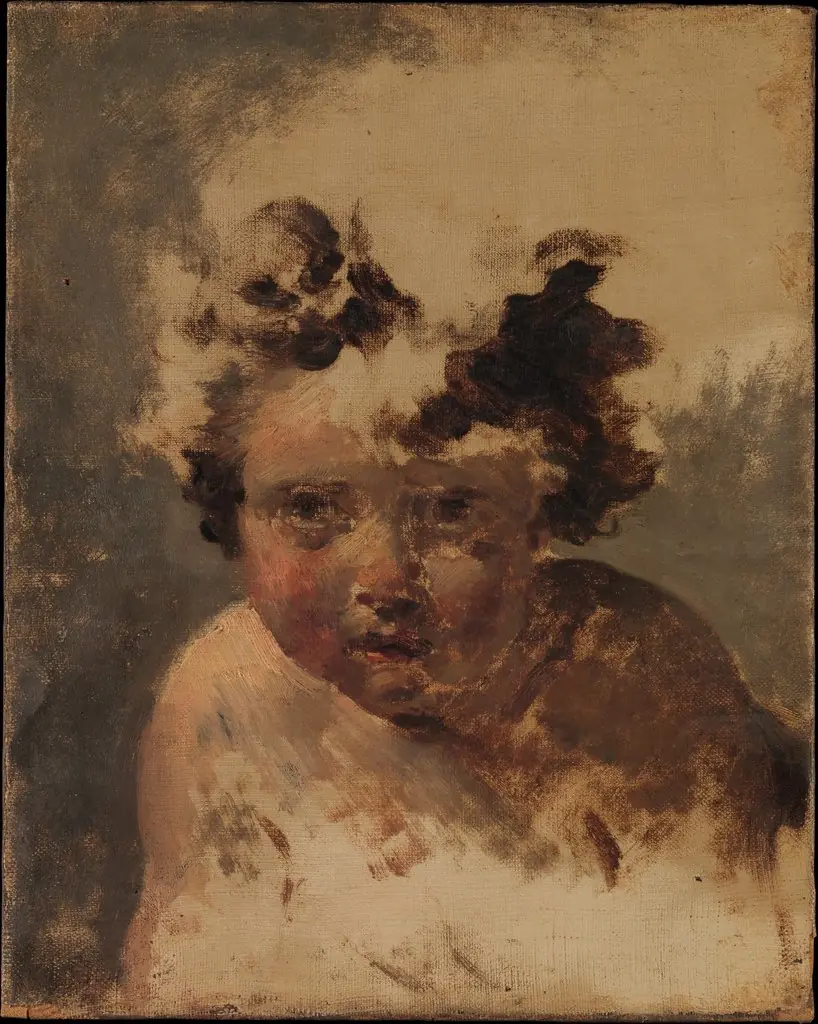 Head of a Child
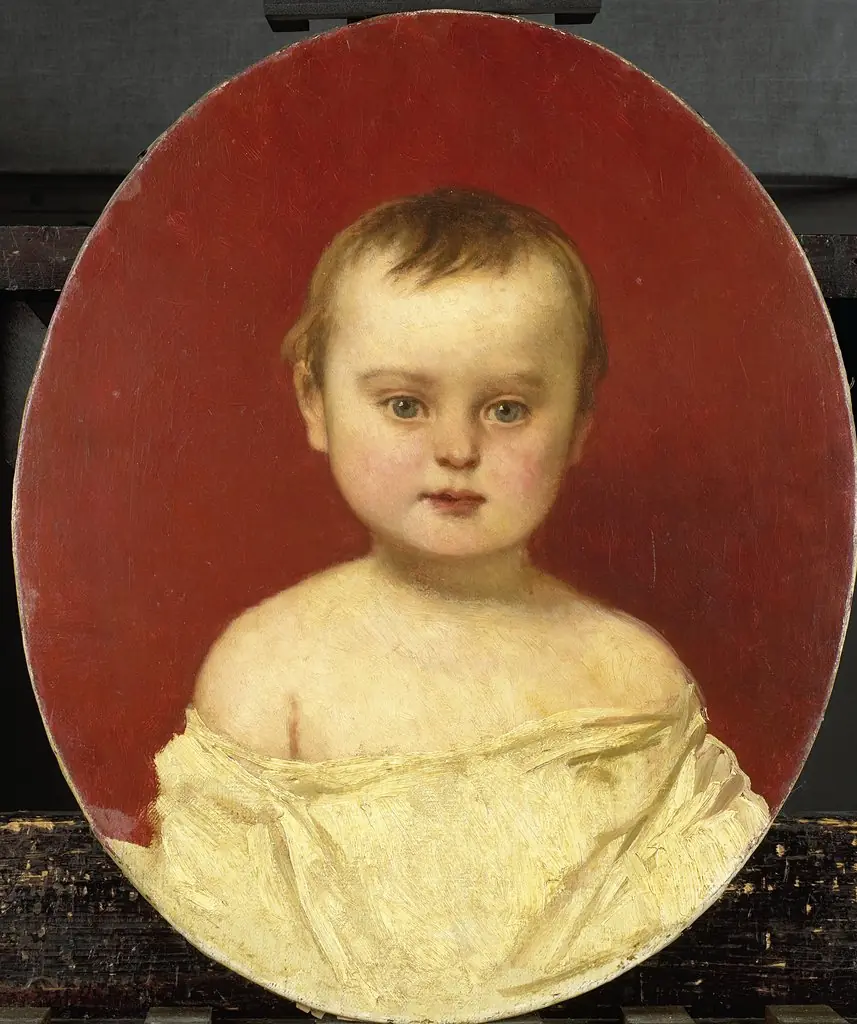 Henri Bernard van der Kolk at age 2
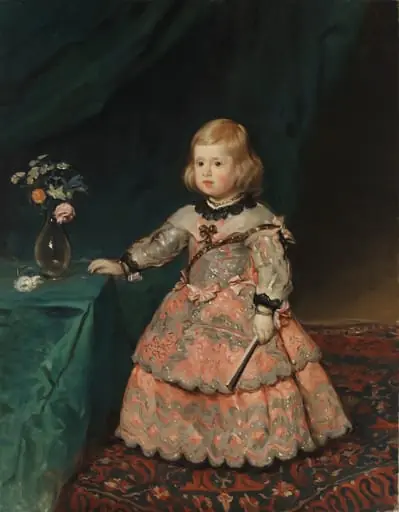 Infantinna Margarita vaaleanpunaisessa puvussa, kopio Velázquezin mukaan
 Antti Juhani
 Fernando hijo del artista
 Carolina Amalia LeDelier, daughter of Valentine De Give - leDelier