Artwork
Maddalena Cattaneo
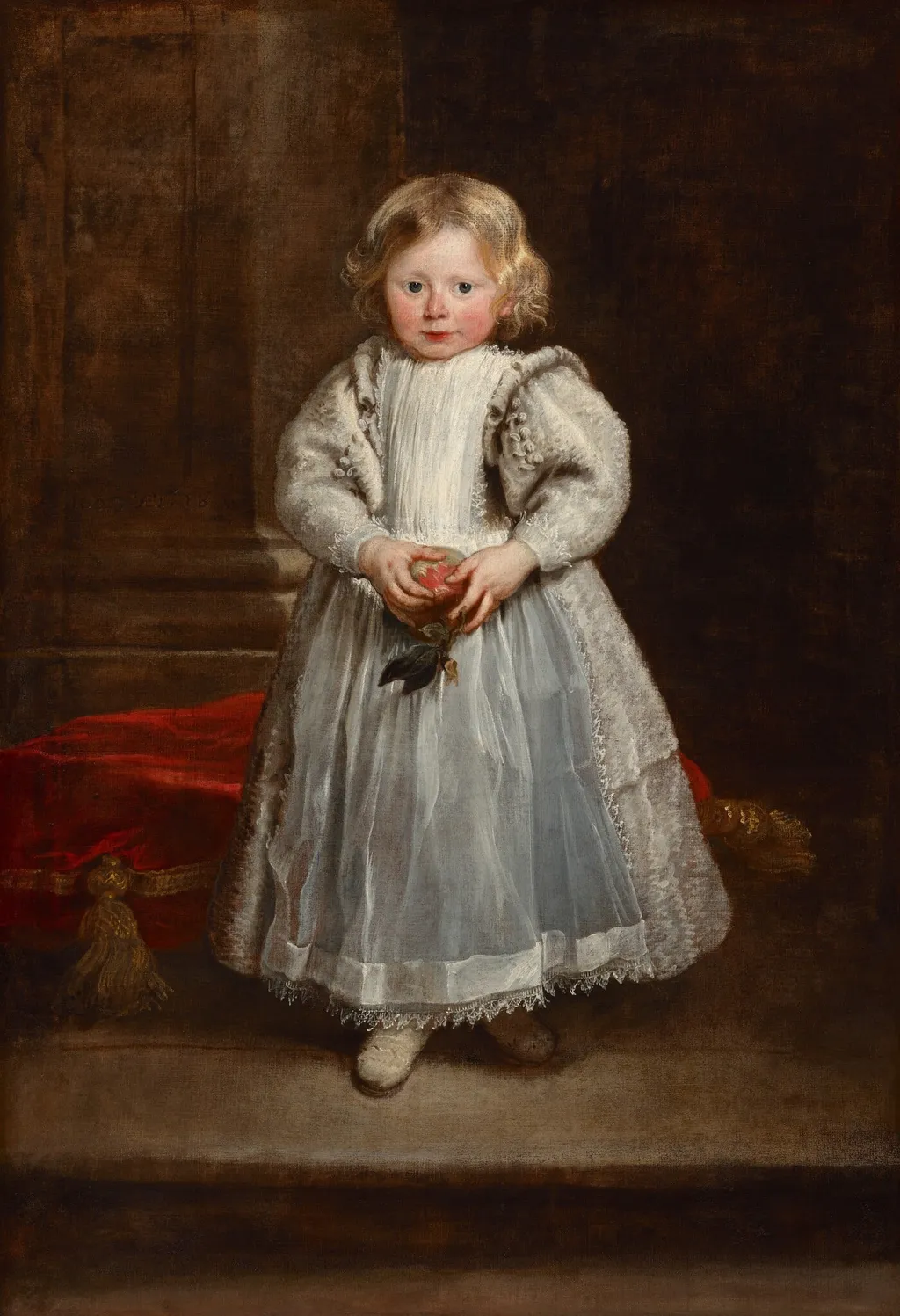
Maddalena Cattaneo is an oil painting by the Baroque artist Anthony van Dyck. It dates from 1623 and is held in the collection of the National Gallery of Art.
- Inscription
- Inscribed:center left: Ao 1623 AET. 18
About this work
Anthony van Dyck painted Maddalena Cattaneo in 1623, a young girl seated in finery with a grave expression. Careful attention to her dress and surroundings fixes the look of her world, and her seriousness lends the small figure unexpected dignity.
Subject & Meaning
As a pendant to other Cattaneo portraits, it functions as a visual record of aristocratic lineage and the sitter's elite status in early-17th-century Italy.
The work is a 1623 oil portrait of a young girl identified as Maddalena Cattaneo, a member of a prominent Genoese noble family. As a pendant to other Cattaneo portraits, it functions as a visual record of aristocratic lineage and the sitter's elite status in early-17th-century Italy. The depiction of a girl in fine attire reflects contemporary ideals of femininity and familial prestige, while the painting's provenance through the Cattaneo household and later American collectors underscores its role as a dynastic artifact.
The composition, typical of Van Dyck's portraiture, conveys both individual likeness and the broader cultural emphasis on heritage.
Technique & Style
Executed in 1623, this portrait is an oil painting on canvas measuring 122.5 by 84.1 centimeters. The work depicts a young girl, rendered with the characteristic fluidity and attention to textile detail associated with Anthony van Dyck's Genoese period. As a formal portrait, the composition focuses on the sitter's presence and attire, using the oil medium to achieve subtle variations in tone and texture.
The painting survived for centuries within the same family lineage before entering a major public collection, remaining part of a cohesive group of family portraits.
History & Provenance
Maddalena Cattaneo was painted by Anthony van Dyck in 1623. The work originated as a commission from Giacomo Cattaneo (born 1593) of Genoa, father of the sitter, as part of his patronage of Van Dyck documented by Piero Boccardo. After Giacomo's death the portrait passed by inheritance to his sons Filippo Cattaneo (1619–1684) and Gio.
Giacomo Cattaneo (1628–1712) in Genoa; it then descended in 1712 to their great-nephew Nicolò Cattaneo (1676–1746). The painting remained with the Cattaneo family, passing to Giambatista Cattaneo by 1780, to Nicola Cattaneo by 1827, and remaining in the Cattaneo della Volta Collection until 1906. It was then sold to Antonio Monti of Ferrara, acting with or for Trotti et Cie. of Paris, before entering joint accounts with P. & D. Colnaghi in London in December 1906 and with M. Knoedler and Co. in New York in February 1907.
In 1908 it was purchased by Peter A.B. Widener of Lynnewood Hall, Elkins Park, Pennsylvania, descending through Joseph E. Widener before being gifted to the National Gallery of Art in 1942. It is part of the Widener Collection at the National Gallery of Art in Washington, D.C., and was included in the 1997 Genoa exhibition catalogue documenting Van Dyck's Genoese patronage.
Overview
This oil on canvas painting, titled Maddalena Cattaneo, was completed by Sir Anthony van Dyck in 1623. It presents a formal portrait of a young girl, capturing her likeness and the elaborate attire typical of the era. The work exemplifies van Dyck's skill in depicting aristocratic subjects with a sense of dignity and detailed realism, characteristic of his early career.
Own this work as a print
Artist & collection
Artist
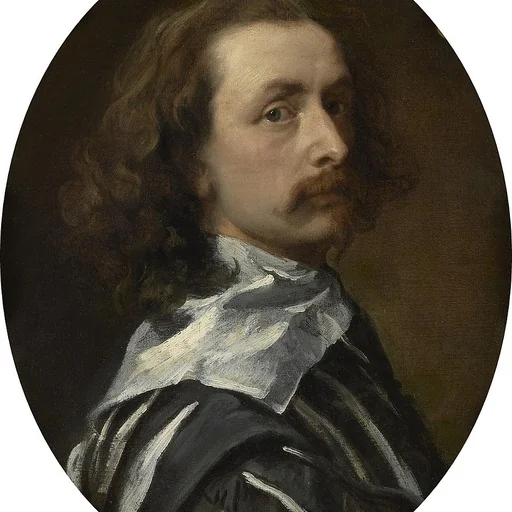
Sir Anthony van Dyck (; Dutch: Antoon van Dijck; 22 March 1599 – 9 December 1641) was a Flemish Baroque artist, who became the leading court painter in England after success in the Spanish Netherlands and Italy.

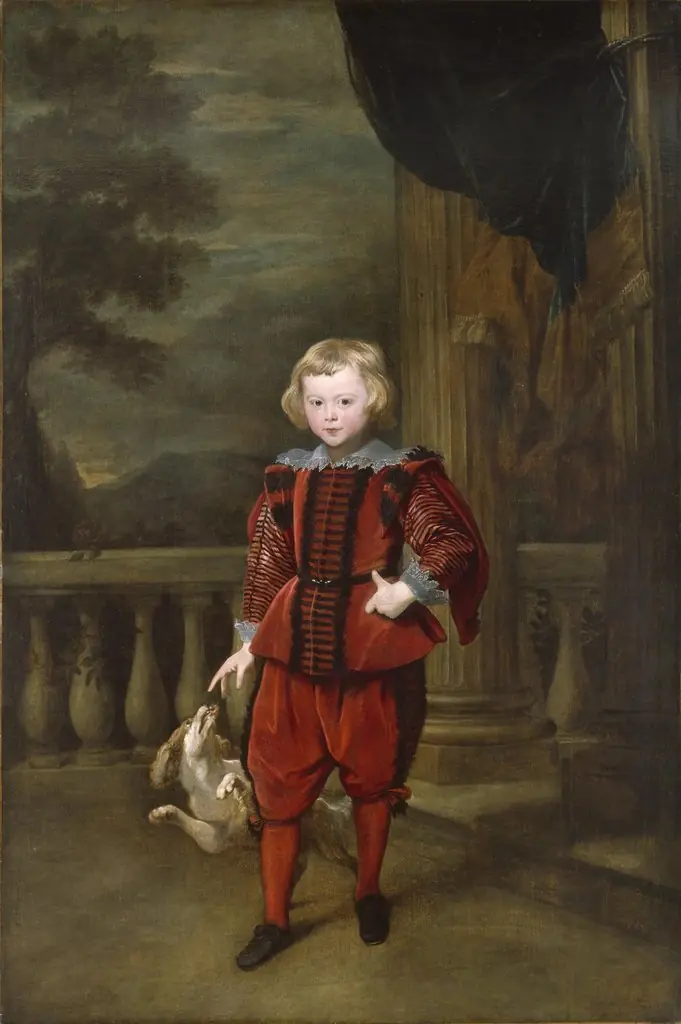 A Boy Standing on a Terrace
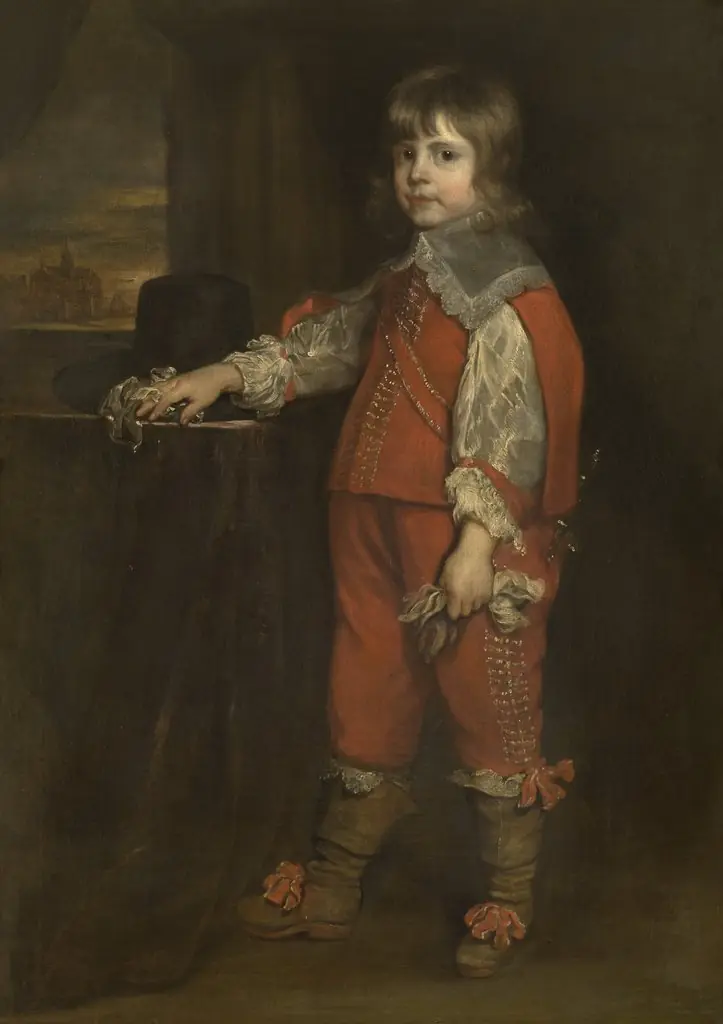 Charles II, when Prince of Wales
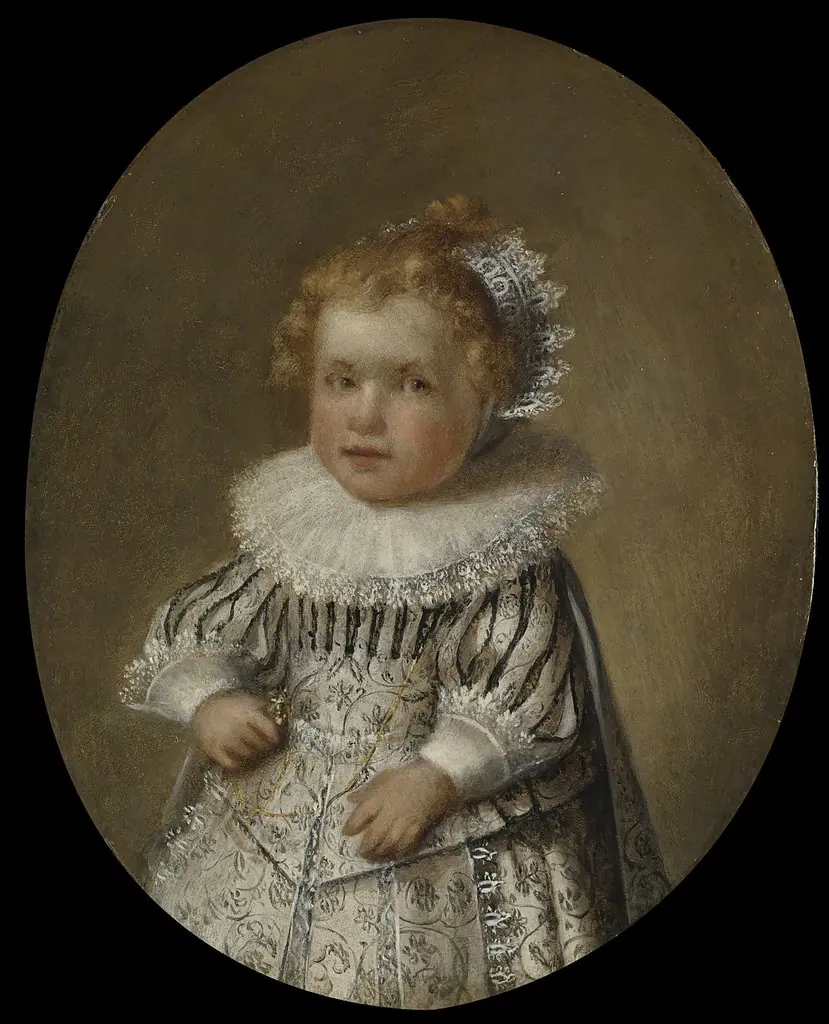 Portrait of Cornelis Cornelisz van Esch
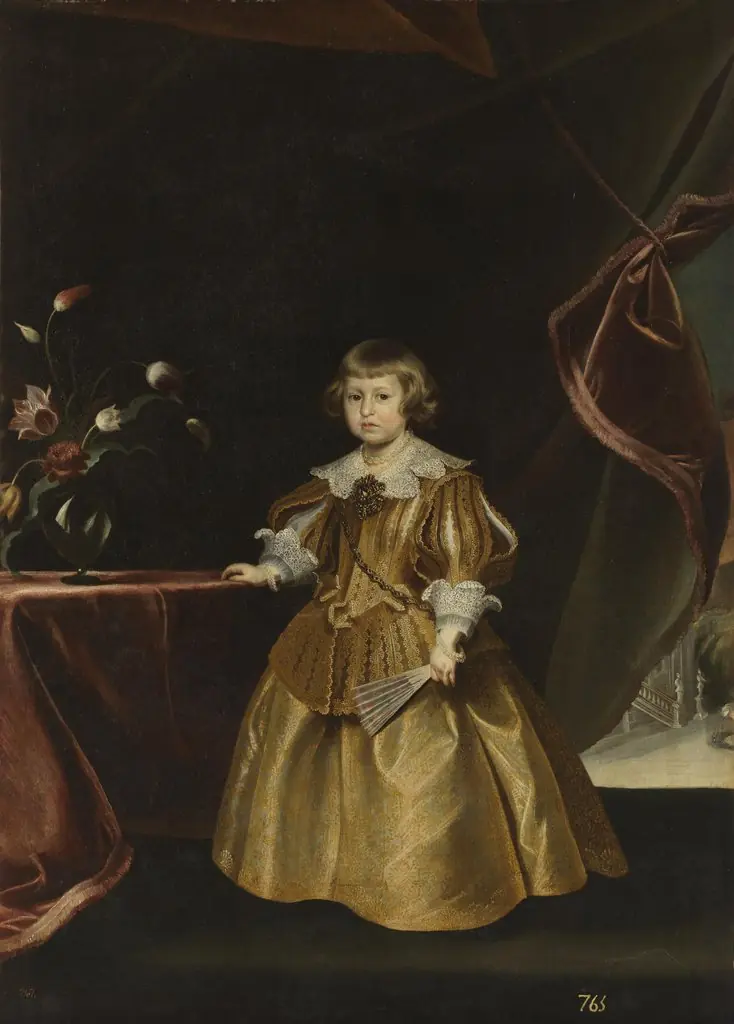 Portrait of an infanta
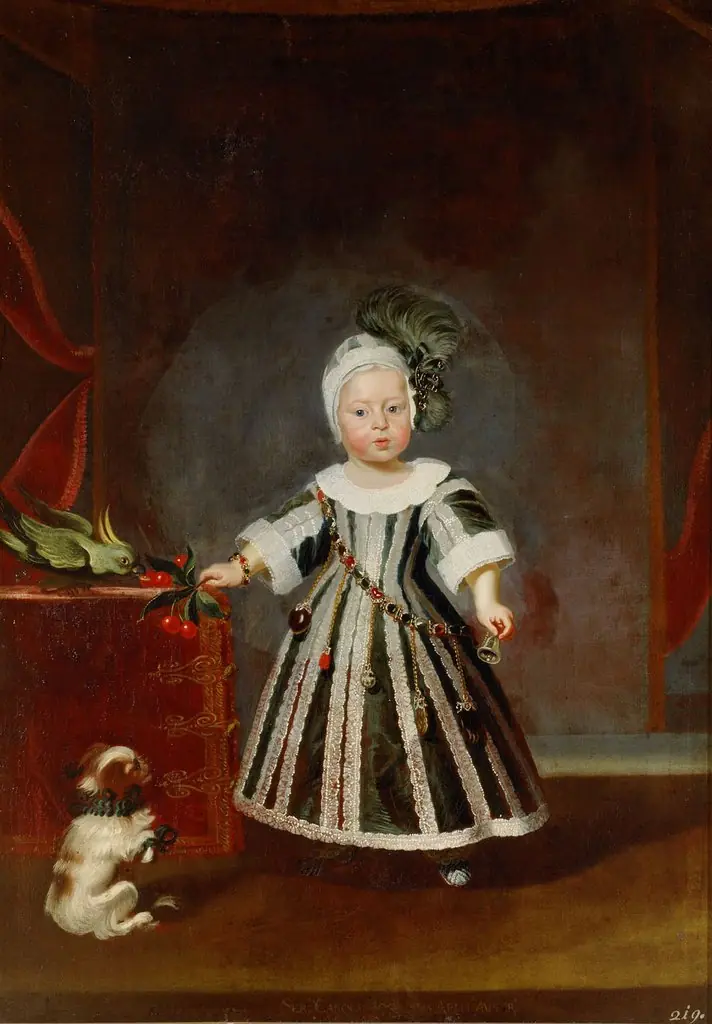 Portrait of Charles Joseph, Archduke of Austria (1745-1761)
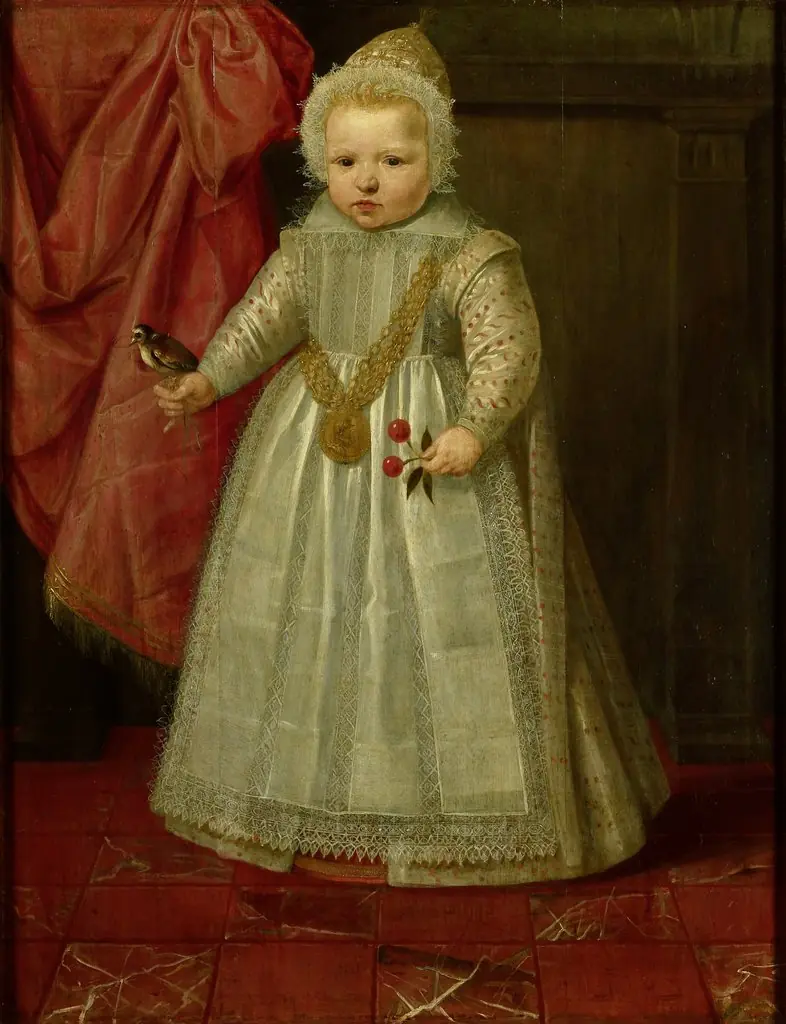 Portrait of a Boy, possibly Louis of Nassau, later Lord of Beverweerd, De Leck, Odijk and Lekkerkerk, Illegitimate Son of Maurice, Prince of Orange, and Margaretha van Mechelen
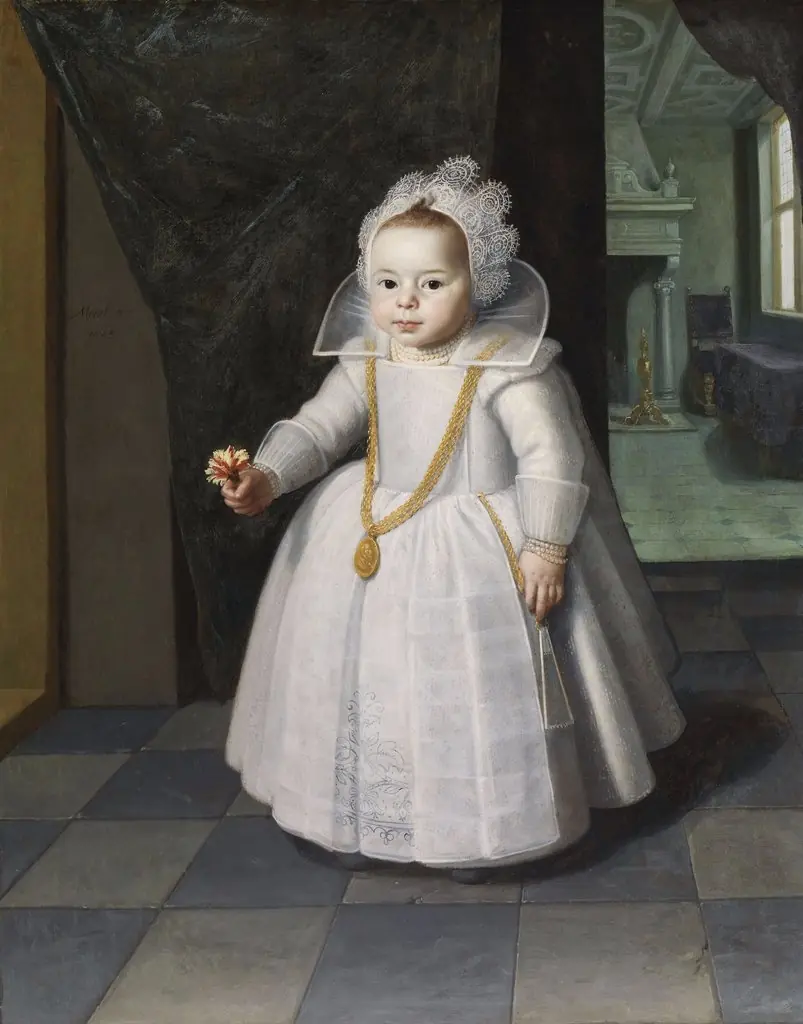 Portrait of a girl
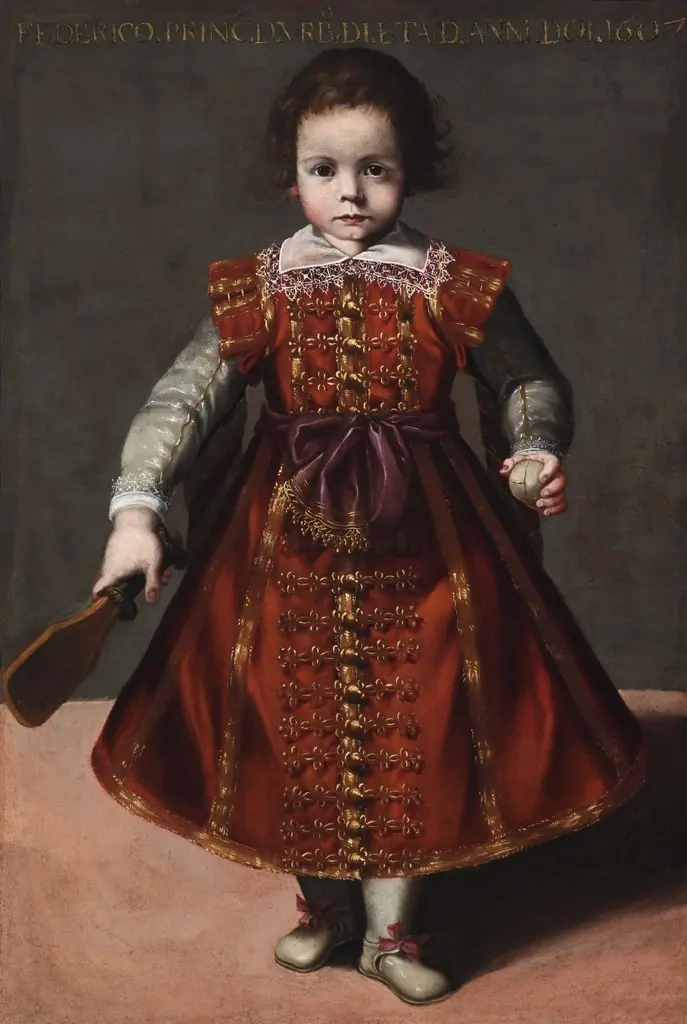 Federico, Prince of Urbino, at the Age of Two Years
 Infantinna Margarita vaaleanpunaisessa puvussa, kopio Velázquezin mukaan
 Infantin Anna (1601-1666), Königin von Frankreich, Bildnis in ganzer Figur im Alter von neun Monaten