Artwork
Madame Case
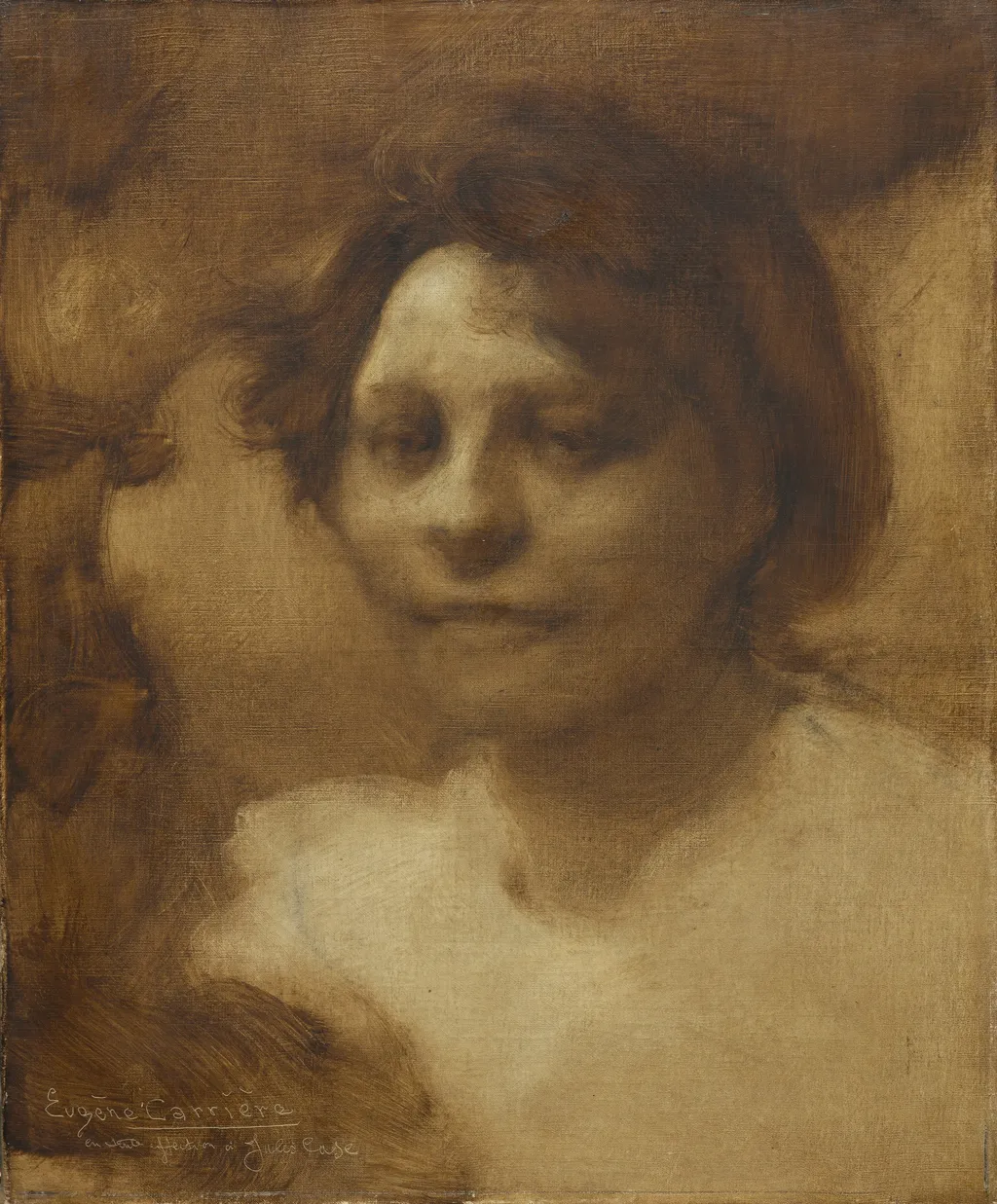
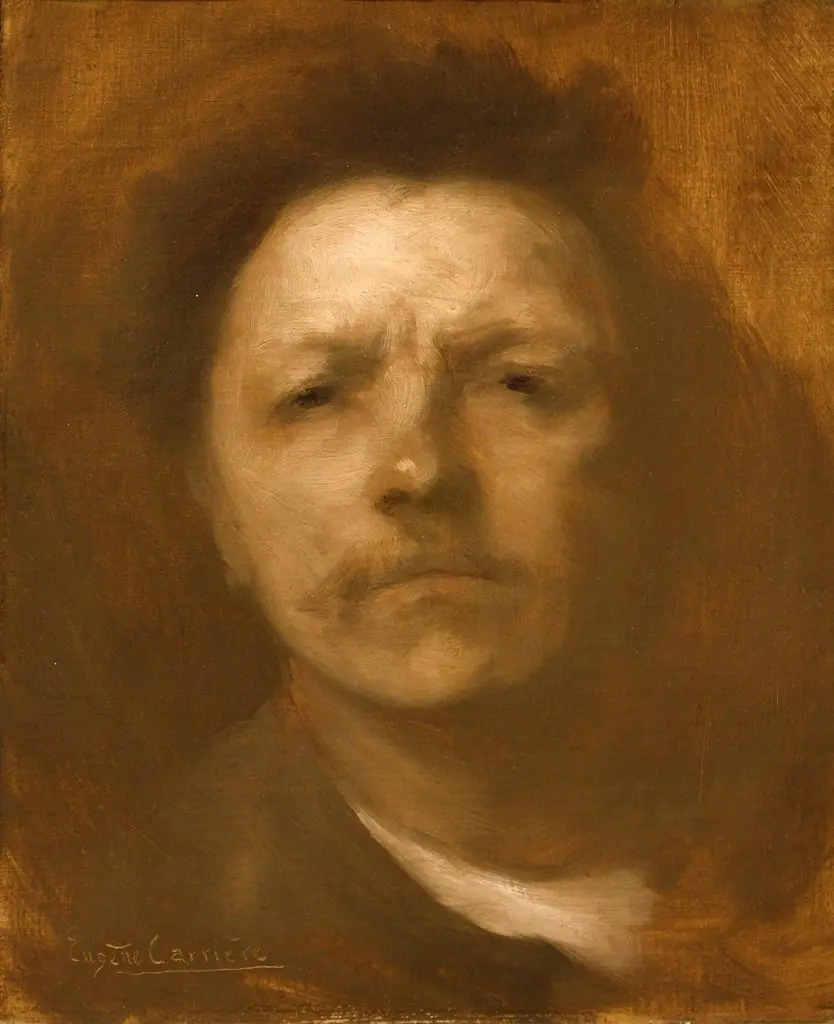
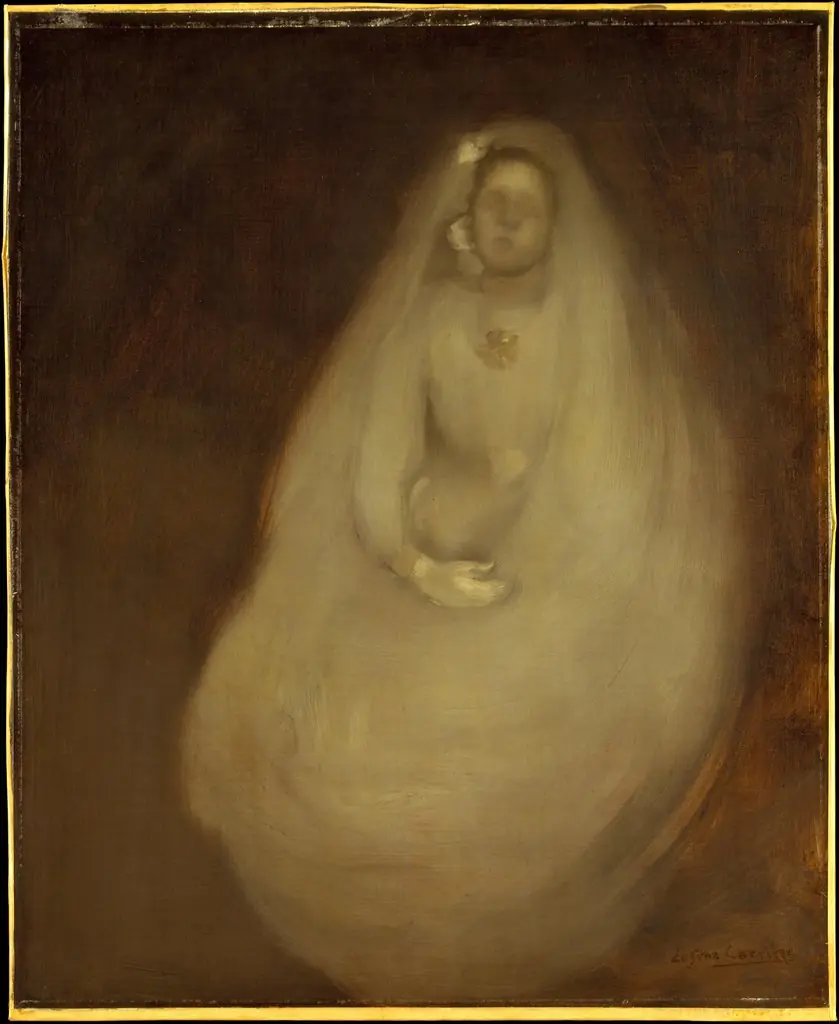
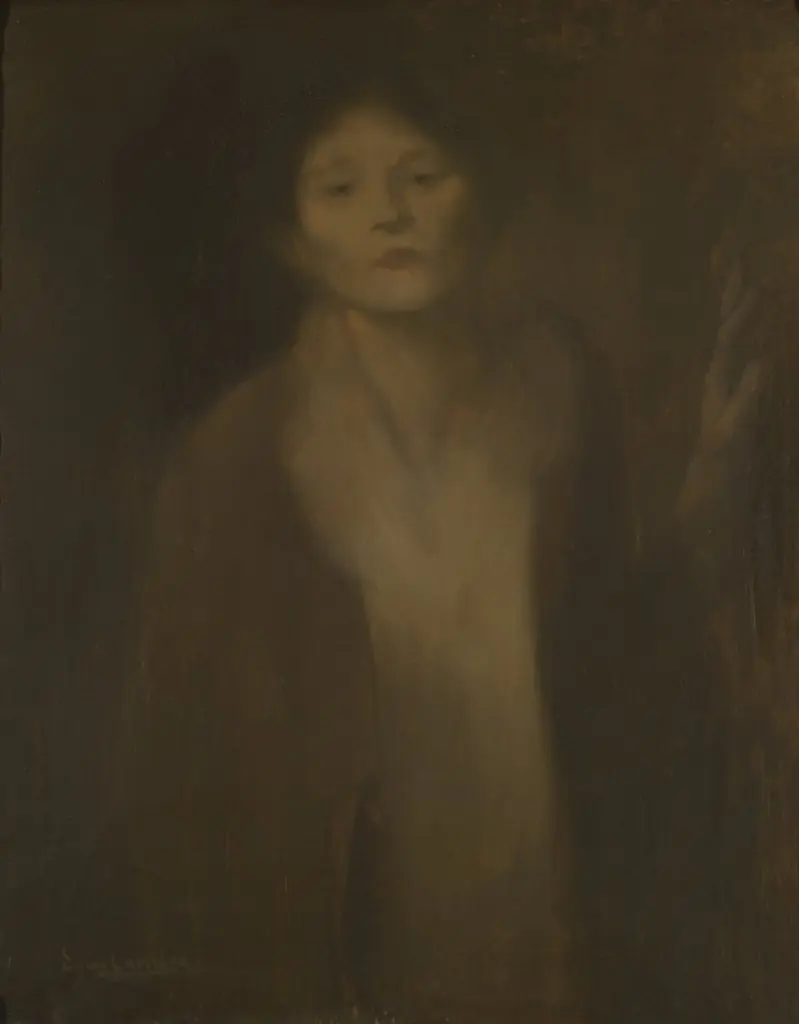
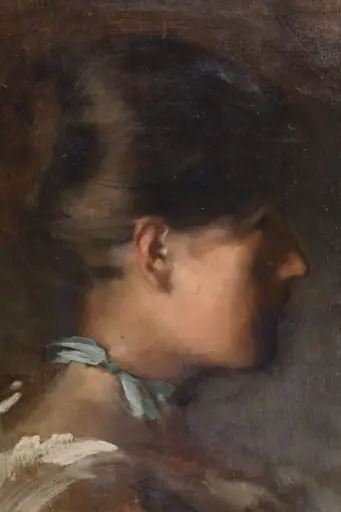
Madame Case is an unspecified painting by the Post-Impressionist artist Eugène Carrière. It dates from 1900 and is held in the collection of the Cleveland Museum of Art.
About this work
Technique & Style
The palette is restricted to muted earths and greys, heightening the introspective mood and emphasizing the sitter’s inward focus.
Painted in 1900, the work is executed in oil on canvas and exhibits Carrière’s characteristic sfumato handling, with softly blended tonalities that dissolve contour into atmosphere.
The palette is restricted to muted earths and greys, heightening the introspective mood and emphasizing the sitter’s inward focus. Subtle impasto is used sparingly around the eyes and mouth to model form, while the surrounding areas are rendered in thin, translucent glazes that produce a vaporous, almost sculptural presence.
History & Provenance
The work was commissioned in 1900 and painted by Eugène Carrière that same year. It entered the collection of the Cleveland Museum of Art in 1967 as accession number 1967.126, where it remains held. Dimensions recorded at acquisition are 46.2 cm in height and 38.1 cm in width.
Madame Case is held in the collection of the Cleveland Museum of Art, where it is catalogued under accession number 1967.126. The painting entered the museum's holdings in 1967 and has remained there since.
No exhibition history beyond its permanent placement at the Cleveland Museum of Art is documented in the available sources.
Context
Madame Case (1900) by Eugène Carrière is situated within his Symbolist practice and the broader turn-of-the-century interest in intimate, psychologically charged domestic scenes. The painting entered the Cleveland Museum of Art collection, where it remains on view, reflecting the museum's early 20th-century acquisitions of European modernist works. Its formal qualities, monochromatic tonality and soft focus, align with Carrière's exploration of memory and spirituality, positioning it alongside contemporaries who rejected naturalist representation in favor of emotional resonance.
The work's significance has been noted in scholarship on Symbolist painting, though comprehensive exhibition histories remain limited in public documentation.
Overview
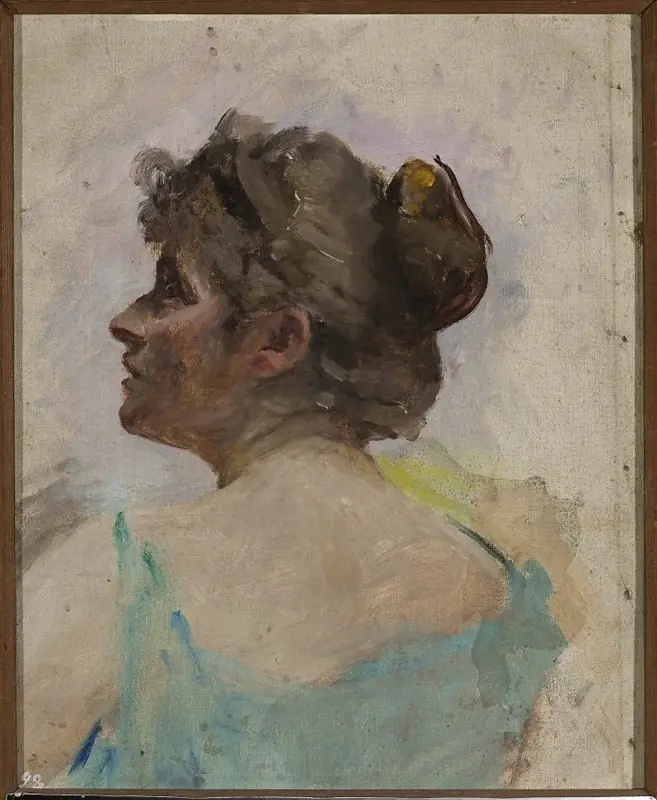
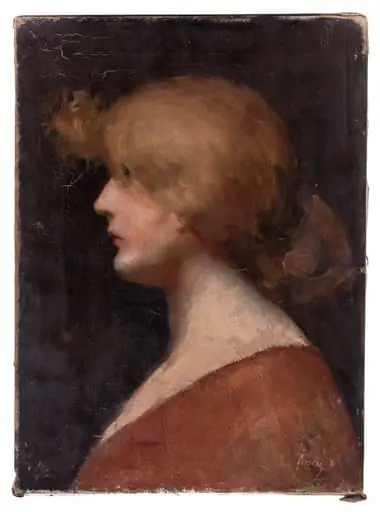
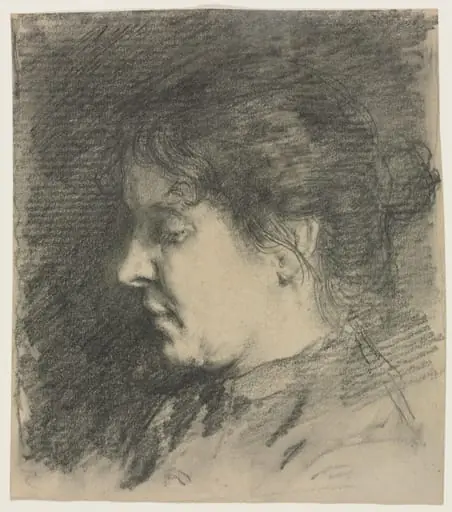
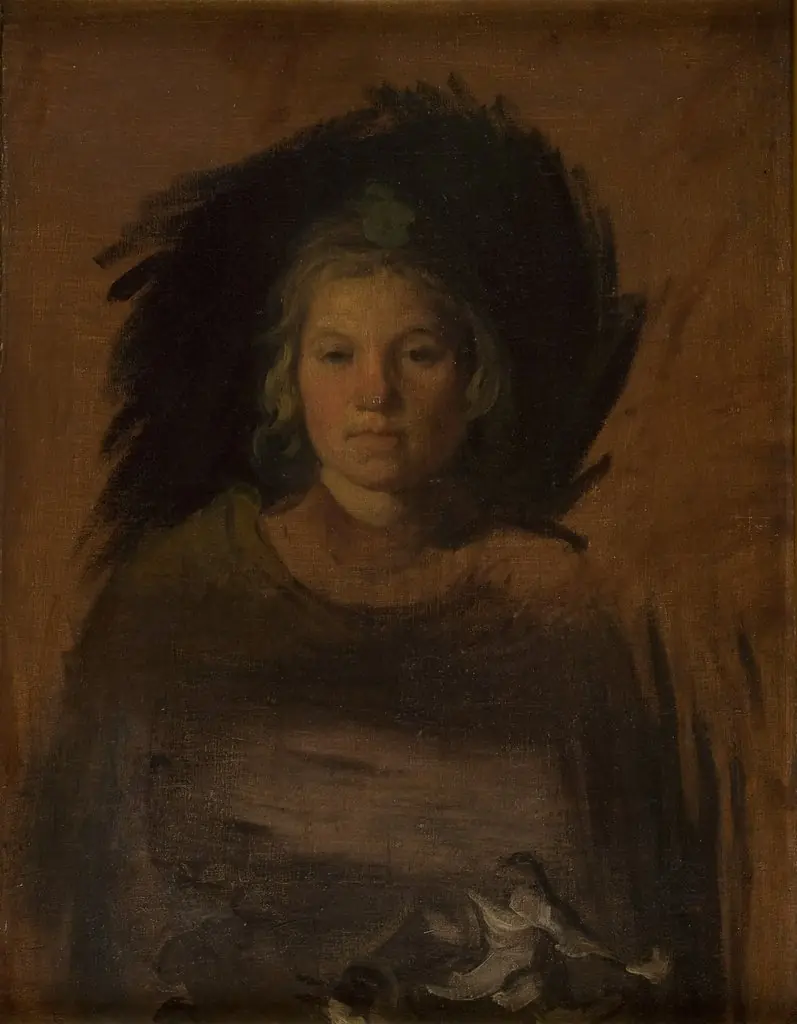
Madame Case, painted by Eugène Carrière in 1900, is part of the collection at the Cleveland Museum of Art. The work presents a profile view of a woman, her hair gathered back and her shoulders draped in a light, unadorned dress. The composition is set against a muted backdrop of blended brown and beige tones, emphasizing the figure’s quiet presence.
Subject & Meaning
The portrait captures a solitary female sitter, rendered in a restrained manner that suggests introspection. By limiting detail to the face, hair, and shoulders, Carrière directs attention to the sitter’s serene expression and the subtle play of light across her features, evoking a sense of calm contemplation without overt narrative cues.
Own this work as a print
Artist & collection

Artist
Eugène Anatole Carrière was a French Symbolist artist of the fin-de-siècle period.