Artwork
Roland
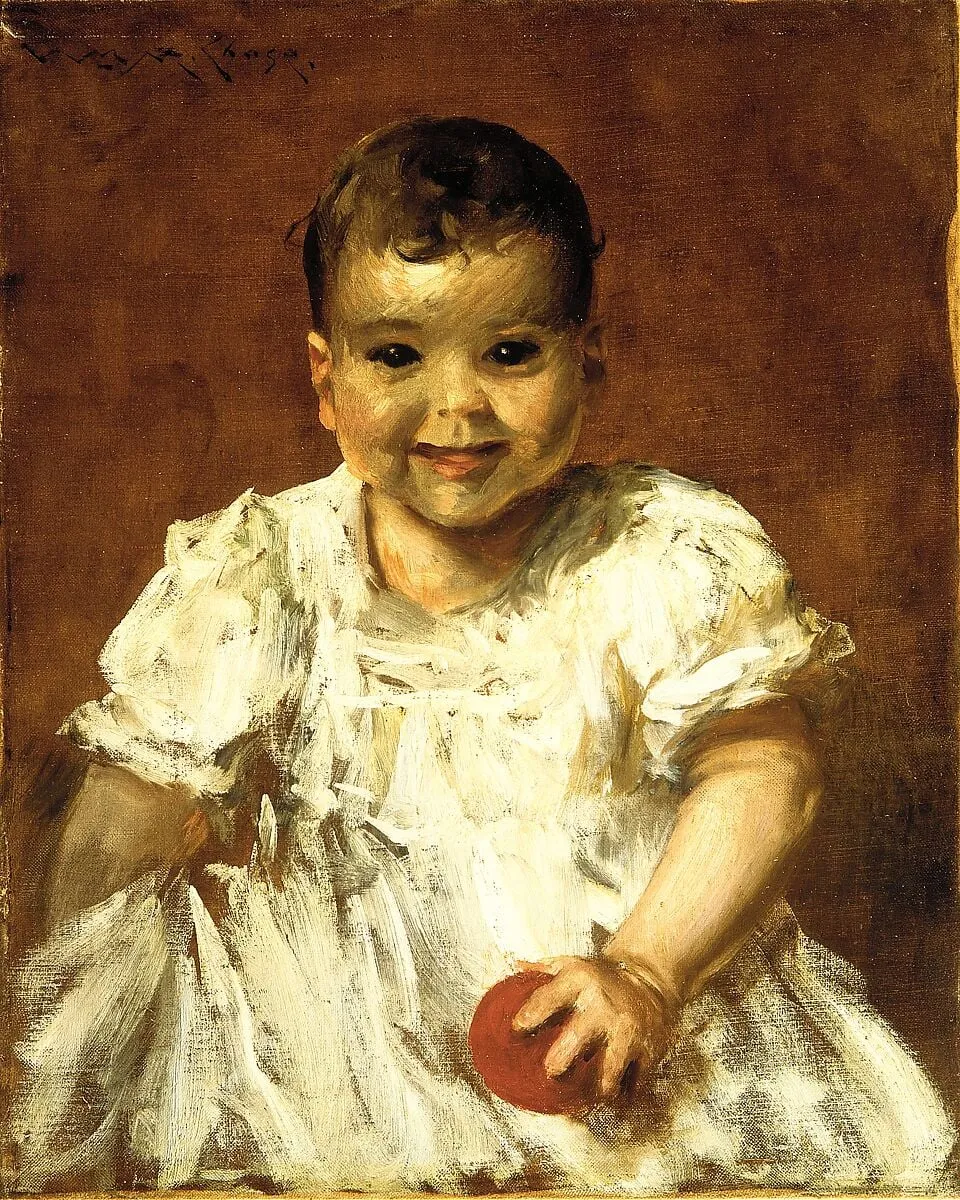
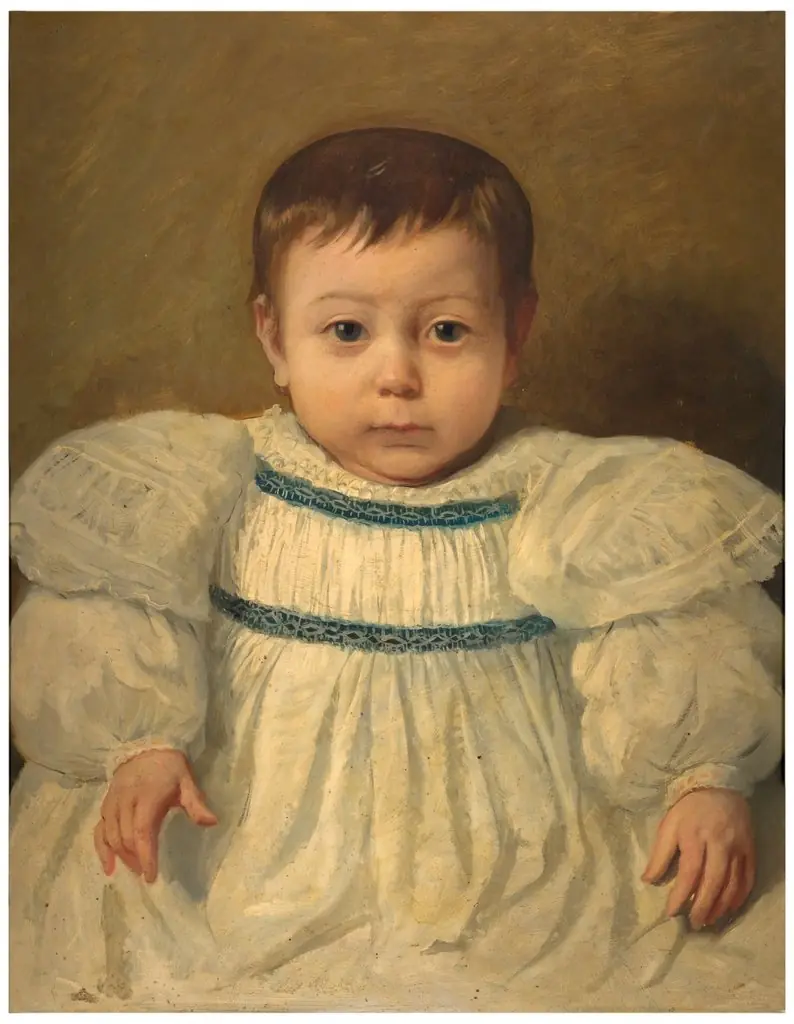
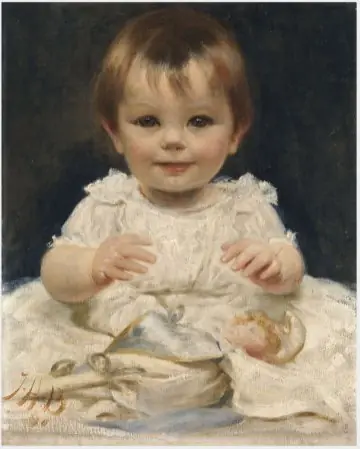
Roland is an oil painting by the American Impressionist artist William Merritt Chase. It dates from 1902 and is held in the collection of the Metropolitan Museum of Art.
About this work
Subject & Meaning
Its subject matter reflects contemporary interests in capturing the innocence and individuality of youth during the early twentieth century.
The work titled Roland, painted by William Merritt Chase in 1902, portrays a young boy rendered in oil on canvas. As a portrait within the American Impressionist tradition, it emphasizes the sitter’s fleeting expression and the play of light, characteristic of Chase’s approach to character study. The painting is part of the Metropolitan Museum of Art’s collection in the American Wing, where it is classified as a portrait and noted for its modest scale (approximately 51.8 × 41.3 cm).
Its subject matter reflects contemporary interests in capturing the innocence and individuality of youth during the early twentieth century.
Technique & Style
Created in 1902, Roland is an oil painting on canvas by William Merritt Chase. The work exemplifies the American Impressionist movement through its medium and handling. Measuring 51.8 by 41.3 units, the portrait depicts a young boy.
As a piece classified within the American Wing of the Metropolitan Museum of Art, the composition utilizes traditional oil paints applied to a woven canvas support. The stylistic approach aligns with Chase's known facility in portraiture, capturing the subject with the characteristic immediacy associated with late nineteenth-century American Impressionism.
History & Provenance
William Merritt Chase painted Roland in 1902 as an oil on canvas portrait of a boy, exemplifying American Impressionism. The work, classified as a portrait and listed under The American Wing, measures 51.8 × 41.3 cm. It entered the collection of the Metropolitan Museum of Art, where it remains in the museum’s collection. Documentation from the museum and Wikidata record the painting’s creation date, dimensions, and material, confirming its provenance from the artist’s studio to the museum’s holdings.
Roland is held in the collection of the Metropolitan Museum of Art, classified within the institution's American Wing. The painting entered the museum's holdings as part of that curatorial department, which oversees American art. No specific inventory or accession number is recorded in the available documentation.
Likewise, the provided sources do not document any exhibition history for the work, leaving its display record beyond what can be confirmed here.
Overview
William Merritt Chase's Roland, an oil-on-canvas portrait from around 1902, represents a notable example of American Impressionism. This work captures a young boy in a seated pose, showcasing Chase's characteristic blend of detailed observation and expressive brushwork. The painting reflects the artist's significant contributions to American art, both through his own practice and his role in popularizing Impressionist aesthetics in the United States.
Context
William Merritt Chase was a prominent figure in American art during the late 19th and early 20th centuries. Beyond his prolific painting career, he was a highly influential educator, instrumental in disseminating Impressionist principles throughout the United States. His legacy extends to the founding of the Chase School, which later became known as the Parsons School of Design, cementing his impact on subsequent generations of artists.
Artist & collection
Artist
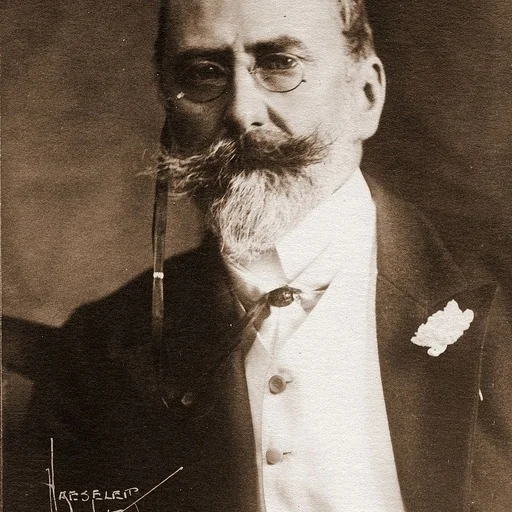
William Merritt Chase (November 1, 1849 – October 25, 1916) was an American painter, known as an exponent of Impressionism and as a teacher.