Artwork
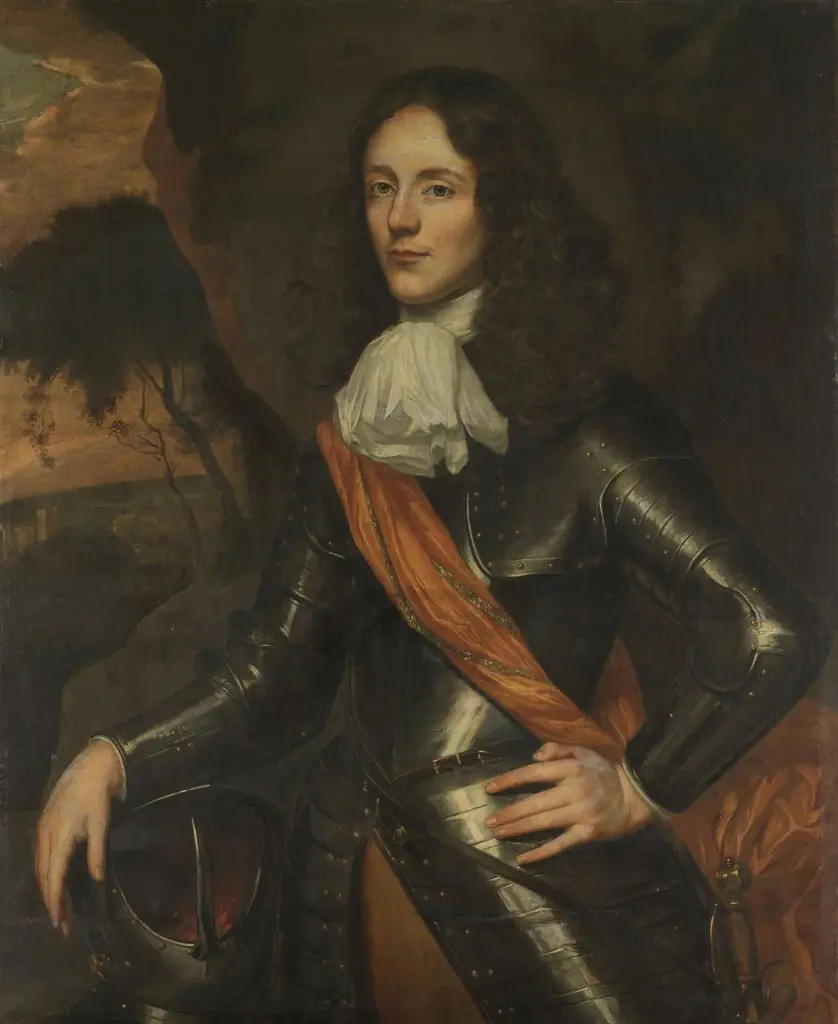
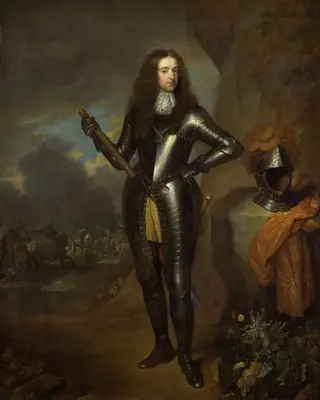
Portrait of William III, Prince of Orange, Stadtholder, after 1689 King of England
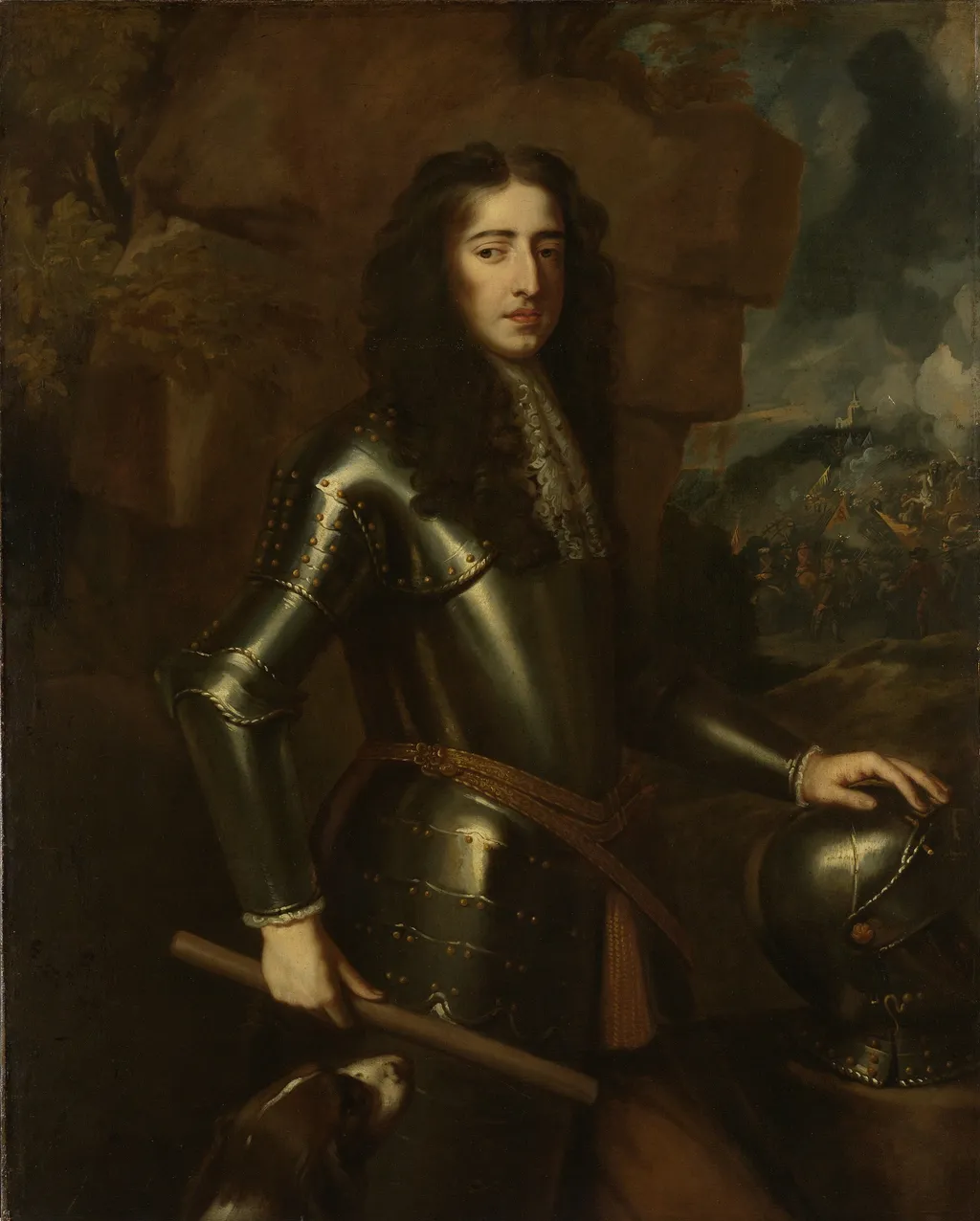
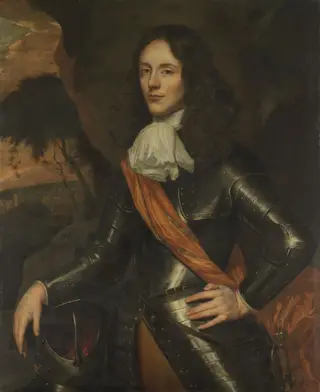
Portrait of William III, Prince of Orange, Stadtholder, after 1689 King of England is an oil painting by the Dutch Golden Age artist Willem Wissing. It is held in the collection of the Rijksmuseum.
About this work
Subject & Meaning
The portrait shows William III of England in his role as Prince of Orange, rendered in oil on canvas. It was created by Willem Wissing around 1695 and is part of the Rijksmuseum collection, reflecting the sitter’s dual status as both Dutch Stadtholder and later English monarch.
Technique & Style
The condition appears stable, with no structural damage reported; the canvas support remains intact under the original oil medium.
The painting is executed in oil on canvas with a vertical format measuring 130 cm in height and 103 cm in width. Handling emphasizes the sitter’s three-quarter pose turned slightly to the right, with direct engagement of the viewer’s gaze. The costume, lavishly rendered in silvery whites and deep blacks, contrasts with the subdued background, while the face and hands are modeled with delicate transitions to convey naturalistic presence.
Stylistic traits include crisp detailing in lace and drapery, and a restrained yet authoritative composition that aligns with late seventeenth-century court portraiture conventions.
The condition appears stable, with no structural damage reported; the canvas support remains intact under the original oil medium.
History & Provenance
The portrait of William III, Prince of Orange and later King of England, was created in 1695 by the artist Willem Wissing. Executed in oil paint on canvas, the work measures 130 cm in height and 103 cm in width. It depicts William III during his reign, following his accession to the English throne in 1689.
The painting is currently held in the collection of the Rijksmuseum in Amsterdam, where it is cataloged under the inventory number SK-A-879. Some records describe the piece as being executed in the manner of Wissing, indicating its attribution within his artistic circle.
The painting is held in the collection of the Rijksmuseum in Amsterdam, where it is cataloged under the inventory number SK-A-879. Executed in oil on canvas, the work measures 130 cm in height and 103 cm in width. While the piece is dated to 1695 and depicts William III, the available records do not list specific past exhibitions or detailed provenance events beyond its current institutional location.
Legacy
The 1695 portrait of William III by Willem Wissing, housed at the Rijksmuseum, has been cited in art historical literature for shaping later royal portraiture in Britain, particularly in its rendering of regal authority and drapery treatment. Its depiction of the sitter in a blend of Dutch naturalism and English ceremonial symbolism influenced subsequent court painters such as Sir Godfrey Kneller, who adapted elements of Wissing’s composition in his own portrayals of William III. The work’s presence in a major national collection has also reinforced scholarly interest in Wissing’s role in disseminating Stuart-era imagery across the North Sea.
Overview
Willem Wissing’s 1698 oil portrait presents William III, Prince of Orange, who ascended to the English throne after 1689. Executed in the late Dutch Golden Age, the work now belongs to the Rijksmuseum’s collection. The composition centers on the monarch in full armor, set against a muted landscape that recedes into darkness, emphasizing his presence.
Context
The work belongs to a period when Dutch artists were in demand across Europe, especially in England, where political alliances heightened interest in portraiture of the new monarch. Wissing’s training in the Dutch tradition combined with English courtly expectations, resulting in a portrait that merges Dutch realism with the ceremonial grandeur expected by royal patrons.
Own this work as a print
Artist & collection
Artist
Willem Wissing, known in England as William Wissing (1656 – 10 September 1687), was a Dutch portrait artist who worked in England.

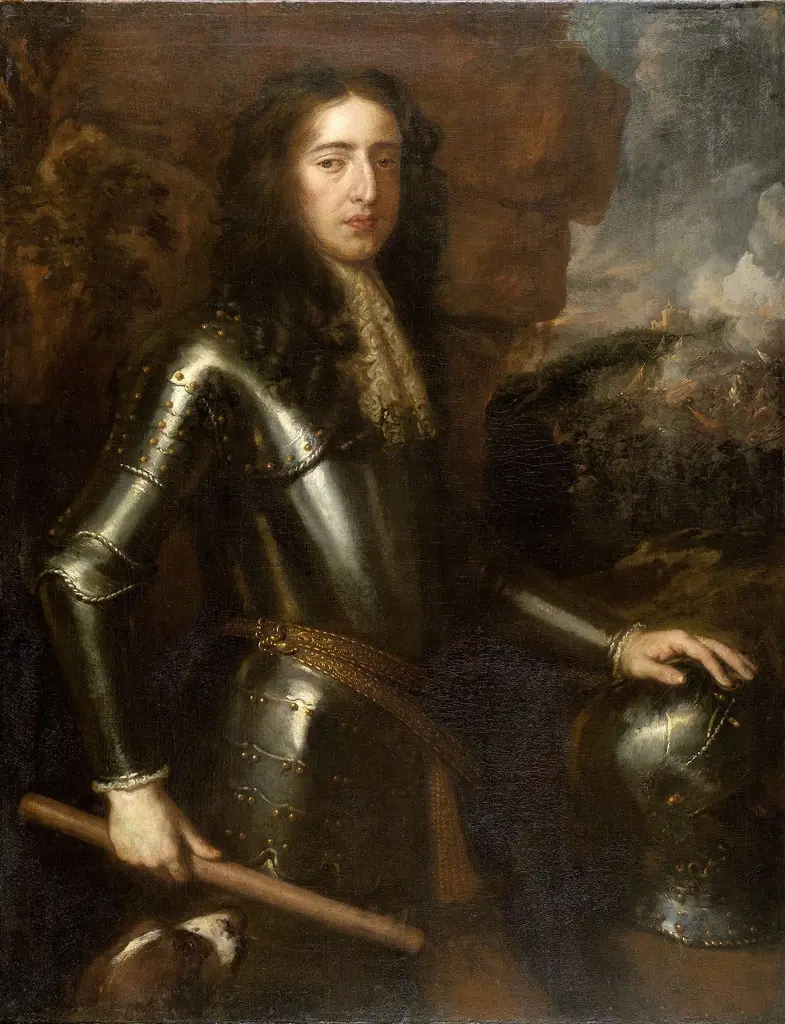
- Portrait of William III (1650-1702), Prince of Orange
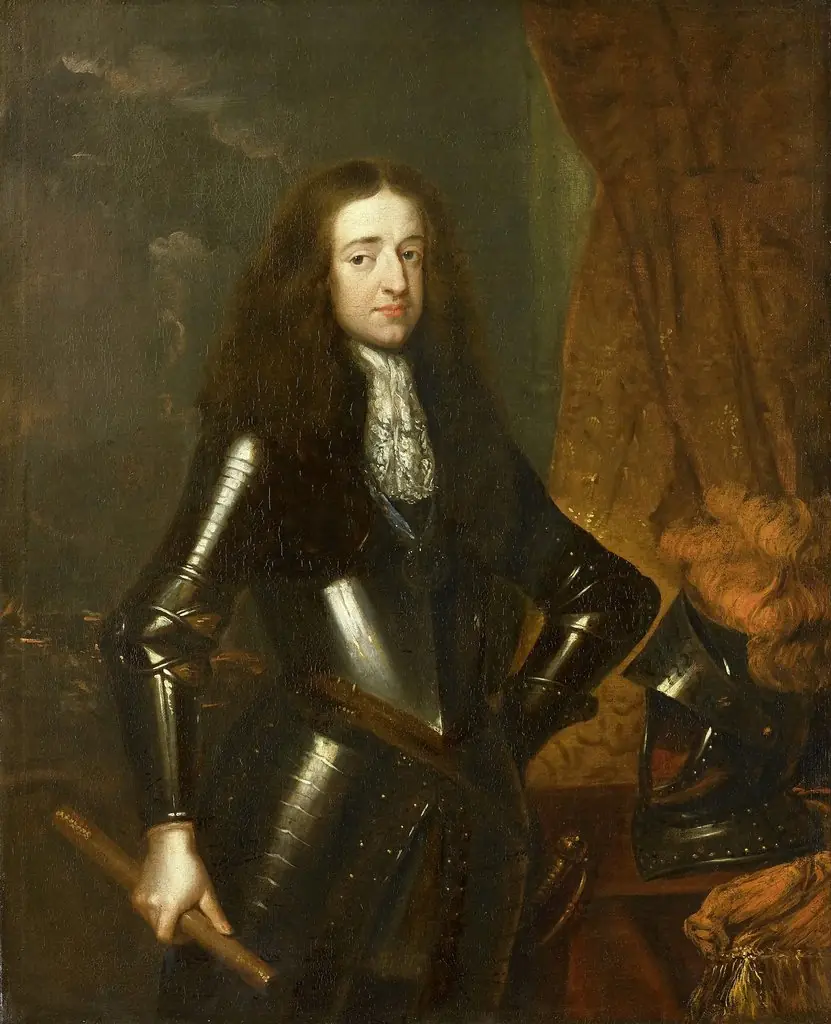 Portrait of Willem III (1650-1702), Prince of Orange and since 1689, King of England
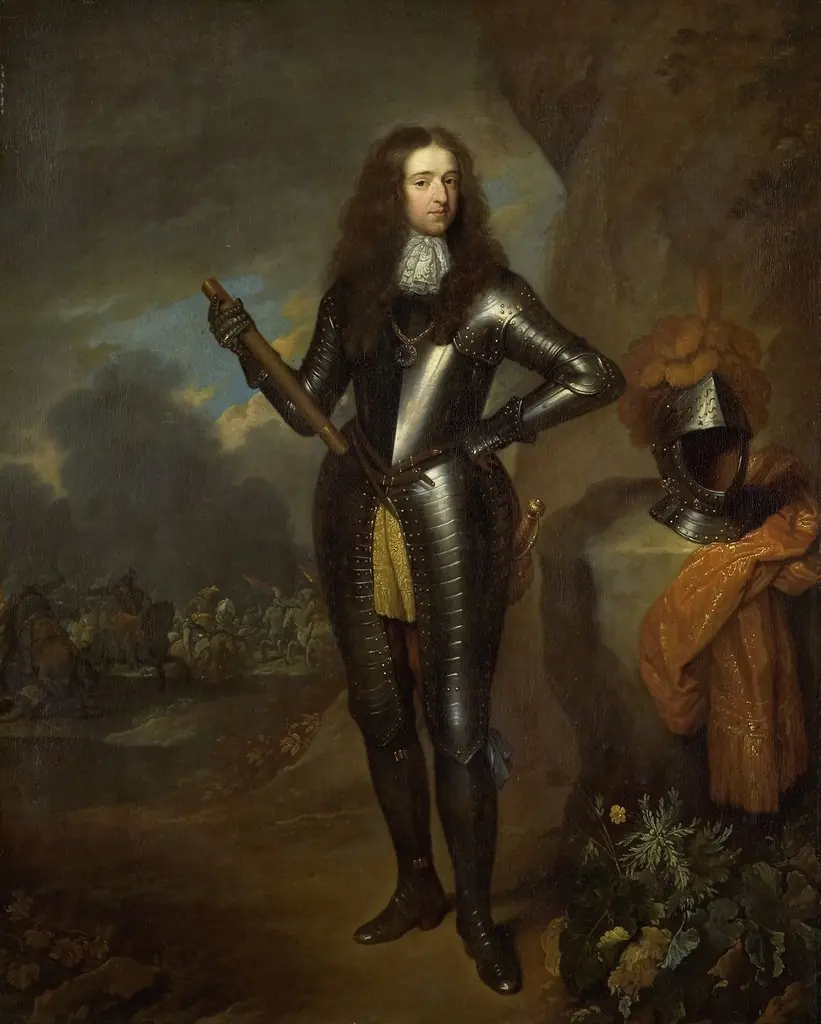 William III (1650-1702), Prince of Orange and since 1689, King of England
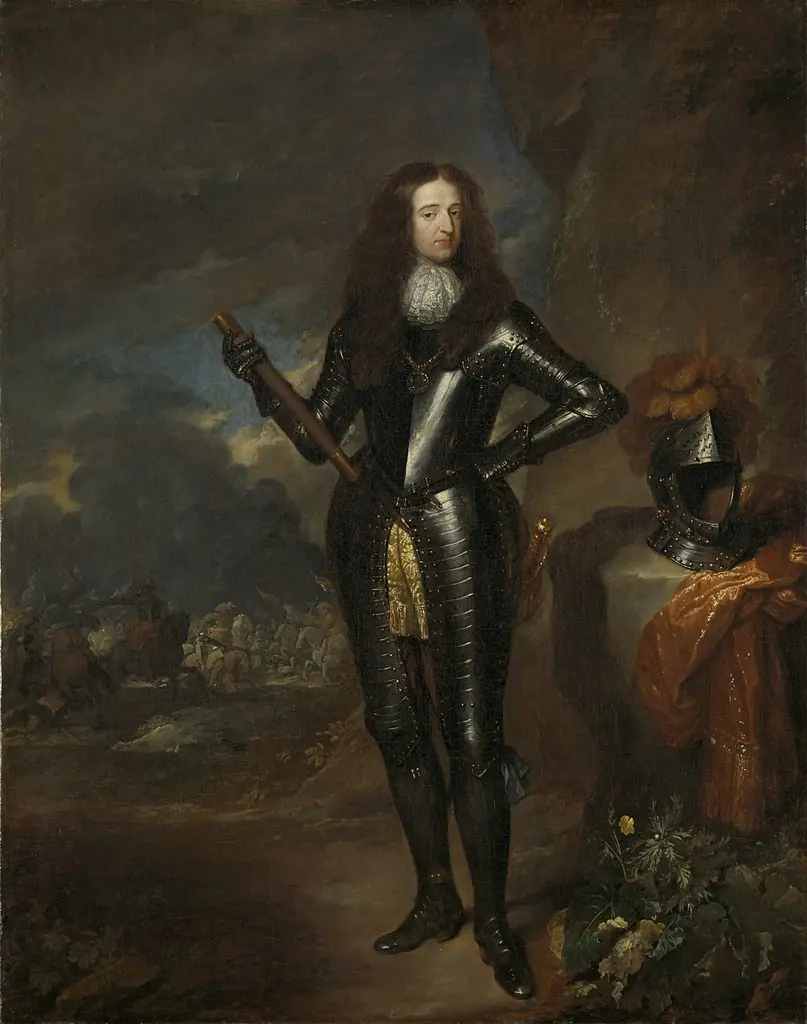 William III (1650-1702), Prince of Orange and since 1689, King of England
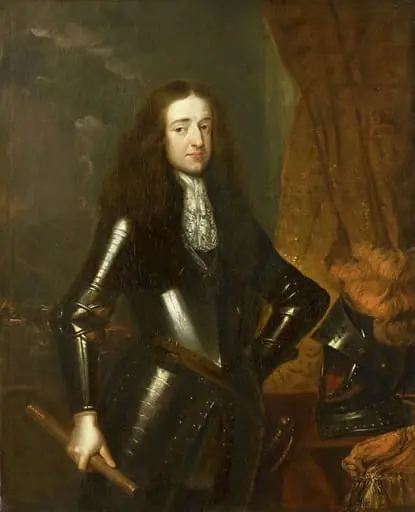 Portrait of Willem III (1650-1702), Prince of Orange and since 1689, King of England
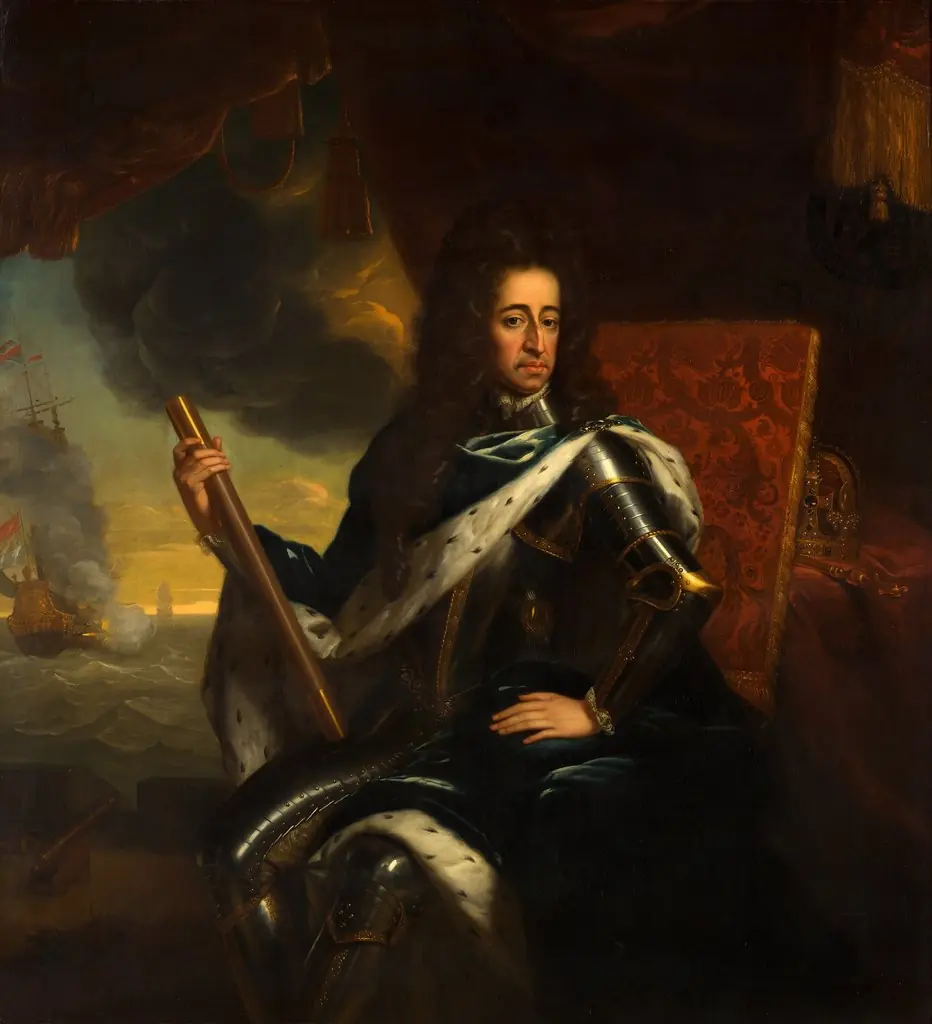 Portrait of Stadholder-King William III (1650- 1702)
 William III (1650-1702), Prince of Orange and since 1689, King of England