Artwork
William III (1650-1702), Prince of Orange and since 1689, King of England
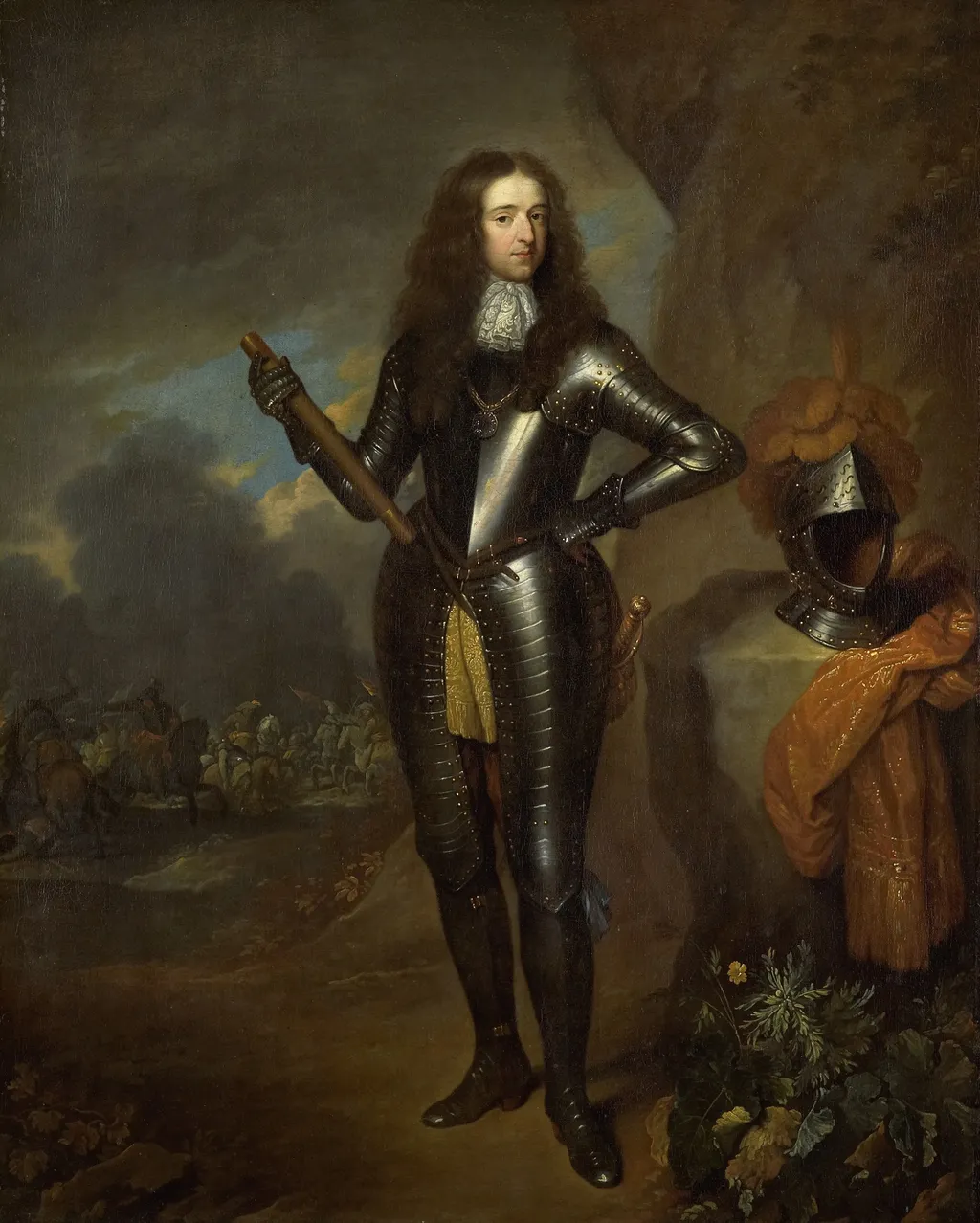
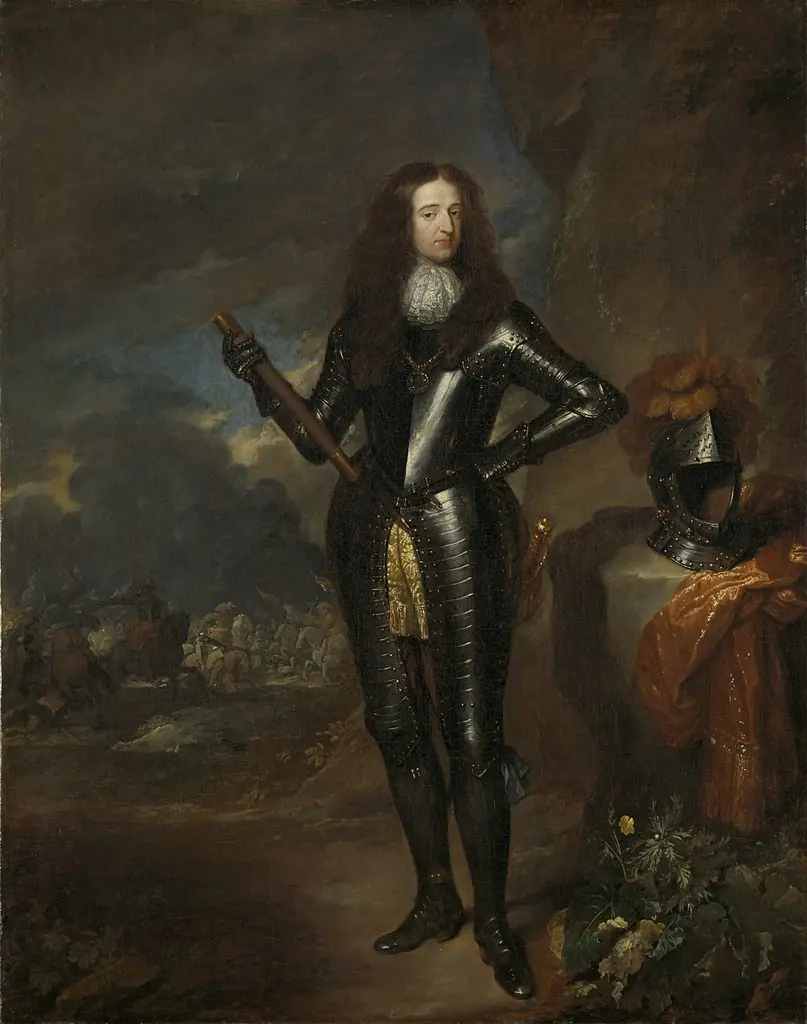
William III (1650-1702), Prince of Orange and since 1689, King of England is an oil painting by the Dutch Golden Age artist Caspar Netscher. It is held in the collection of the Rijksmuseum.
About this work
Subject & Meaning
The portrait depicts William III of England, who at the time of the 1677 painting was Prince of Orange and would later become King of England in 1689.
The portrait depicts William III of England, who at the time of the 1677 painting was Prince of Orange and would later become King of England in 1689. As a formal portrait, the work presents its royal subject in the conventions of late seventeenth-century state portraiture, recording his likeness and status for posterity. The composition by Caspar Netscher served as the basis for a later painted version by Jan van Huchtenburg, indicating that the image carried enough prestige to be reproduced.
The painting's meaning lies in its function as an official representation of William III during his years as Prince of Orange, before his accession to the English throne. By circulating his image in portrait form, the work contributed to the visual construction of his authority and dynastic identity, a common purpose for portraits of European princes and monarchs of the period.
Technique & Style
The portrait was executed in oil paint on canvas. The work measures 80 cm in height and 64 cm in width. It was created by Caspar Netscher and later reproduced by Jan van Huchtenburg.
The piece depicts William III of England, shown as Prince of Orange and King of England since 1689. The formal composition follows typical portrait conventions of the period, with a restrained palette and precise rendering of the sitter's attire and pose.
History & Provenance
The portrait of William III was created in 1677 by Caspar Netscher, depicting the Dutch stadtholder who became King of England in 1689. It was painted on canvas using oil paint and measures 80 cm in height by 64 cm in width. The work entered the collection of Maurits Cornelis van Hall before being acquired by the Rijksmuseum in Amsterdam, where it remains part of the museum's holdings.
The attribution draws on the original artist Netscher, with later scholarly reattribution to Jan van Huchtenburg based on stylistic analysis.
Overview
Caspar Netscher’s 1689 oil portrait presents William III, Prince of Orange and newly crowned King of England, in a formal, martial pose. The work, now part of the Rijksmuseum collection, captures the monarch at the moment of his accession, emphasizing his royal authority through costume and setting.
Context
The image reflects the late‑17th‑century Dutch tradition of combining portraiture with historical narrative, a hallmark of Netscher’s oeuvre. It aligns with contemporary depictions of monarchs that stress both personal virtue and sovereign power amid the political upheavals of the Glorious Revolution.
Own this work as a print
Artist & collection

Artist
Caspar Netscher was a Dutch painter. He was a master in depicting oriental rugs, silk and brocade and introduced an international style to the Northern Netherlands.

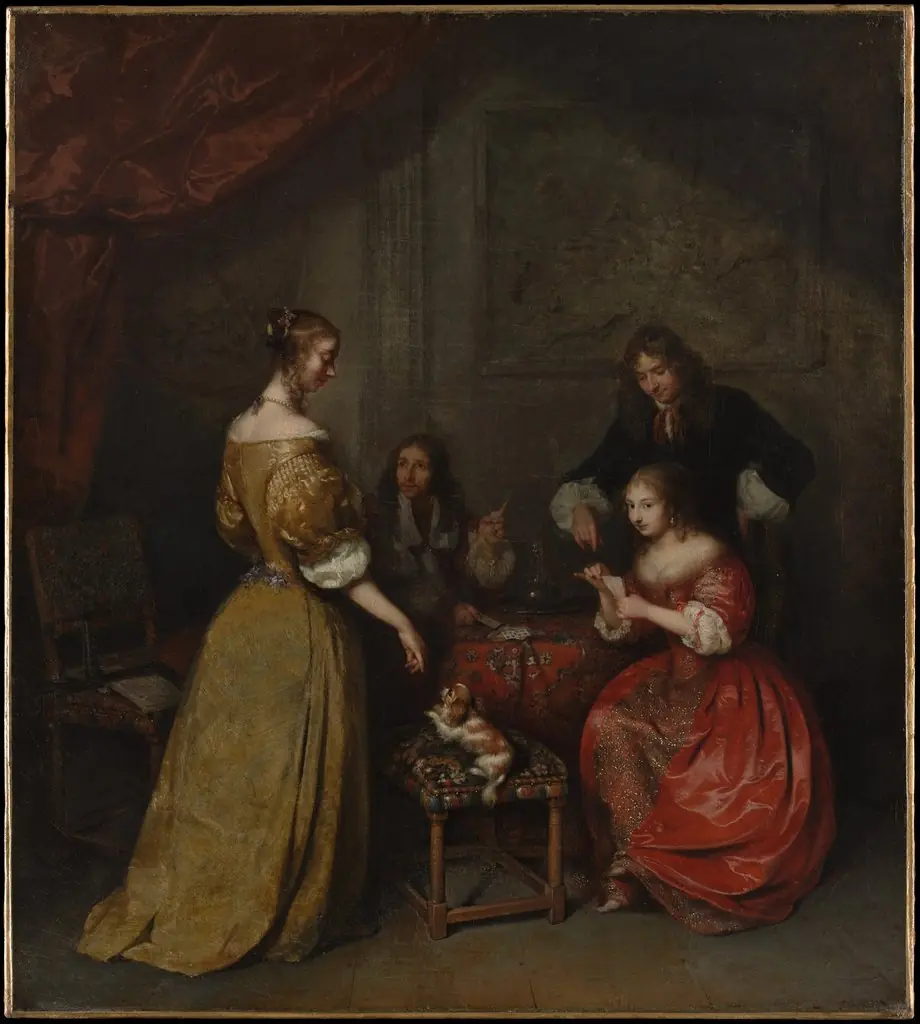 The Card Party
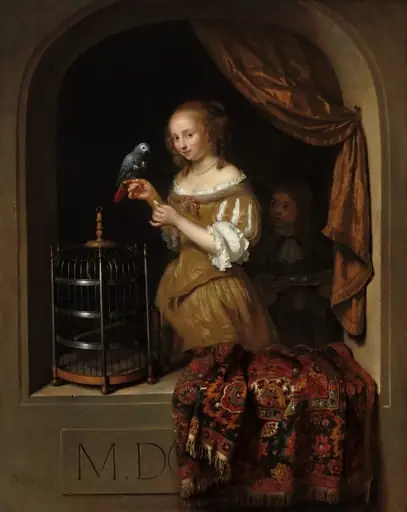 A Woman Feeding a Parrot, with a Page
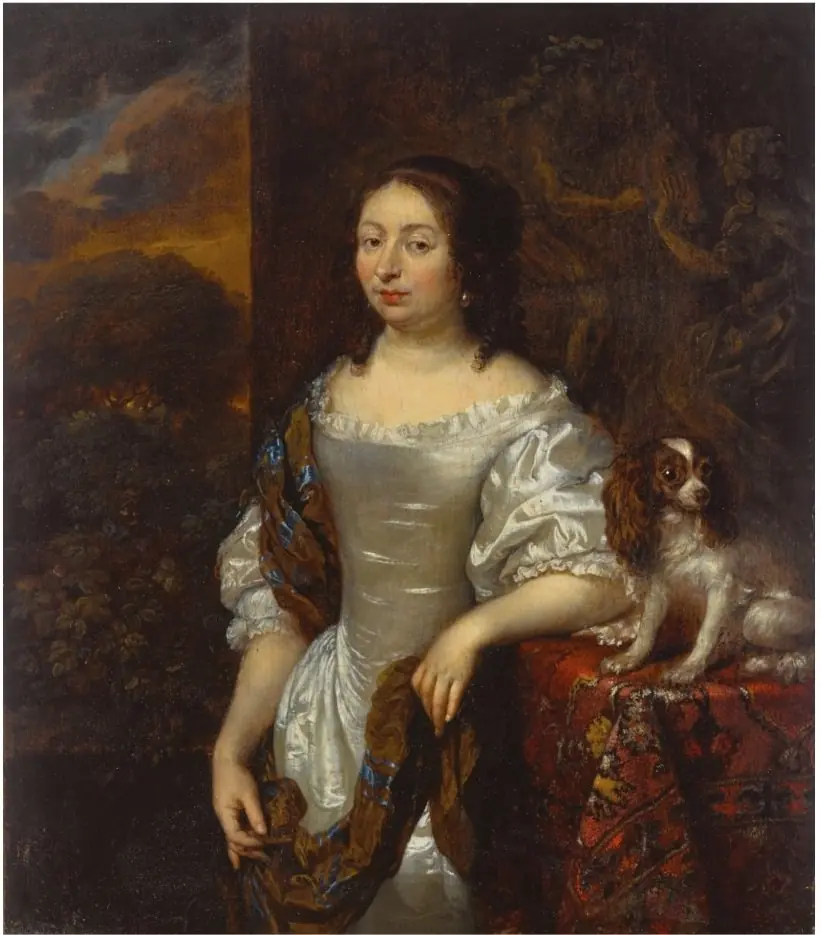 Portrait of a Lady with a Dog on a Table
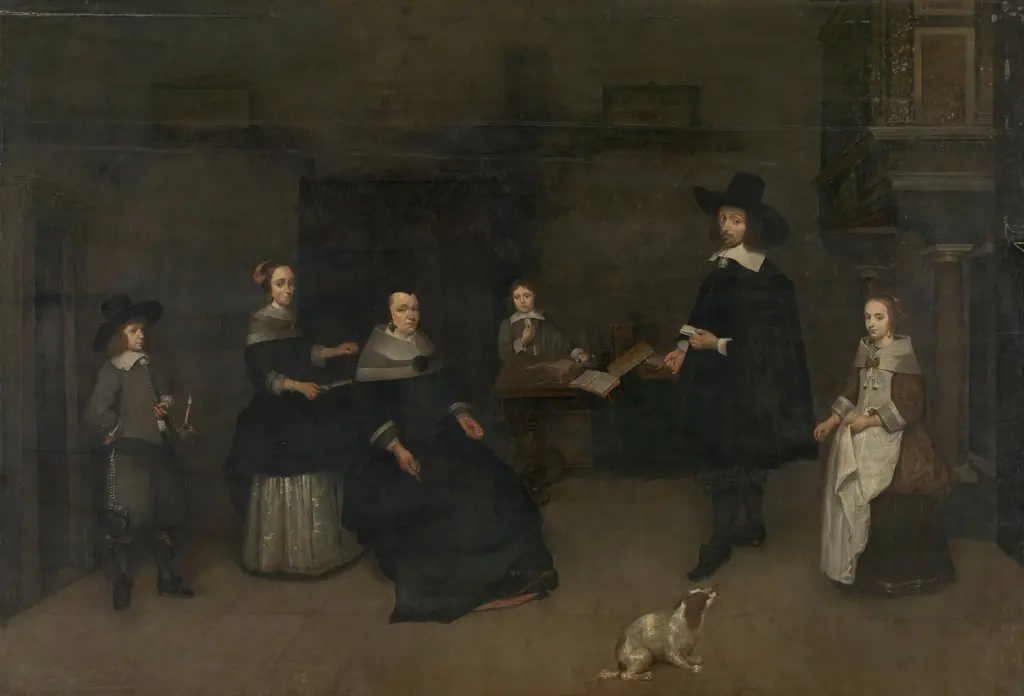 Family scene
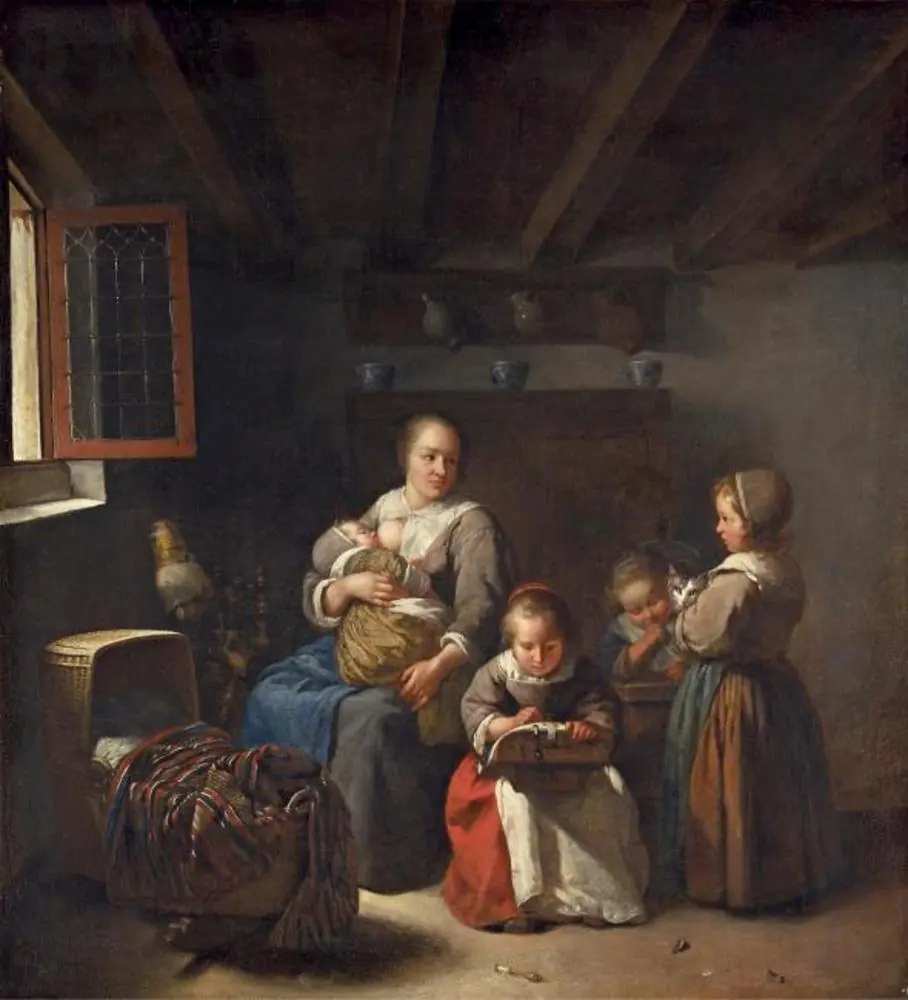 Nursing mother with three girls
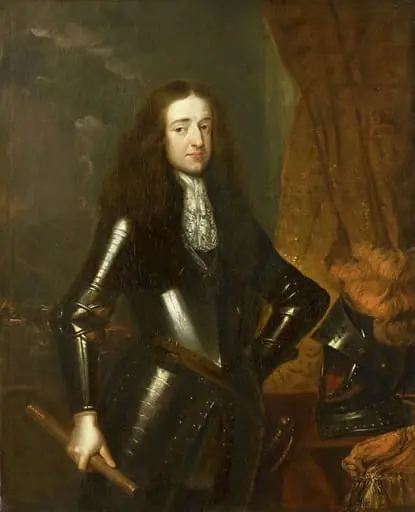 Portrait of Willem III (1650-1702), Prince of Orange and since 1689, King of England
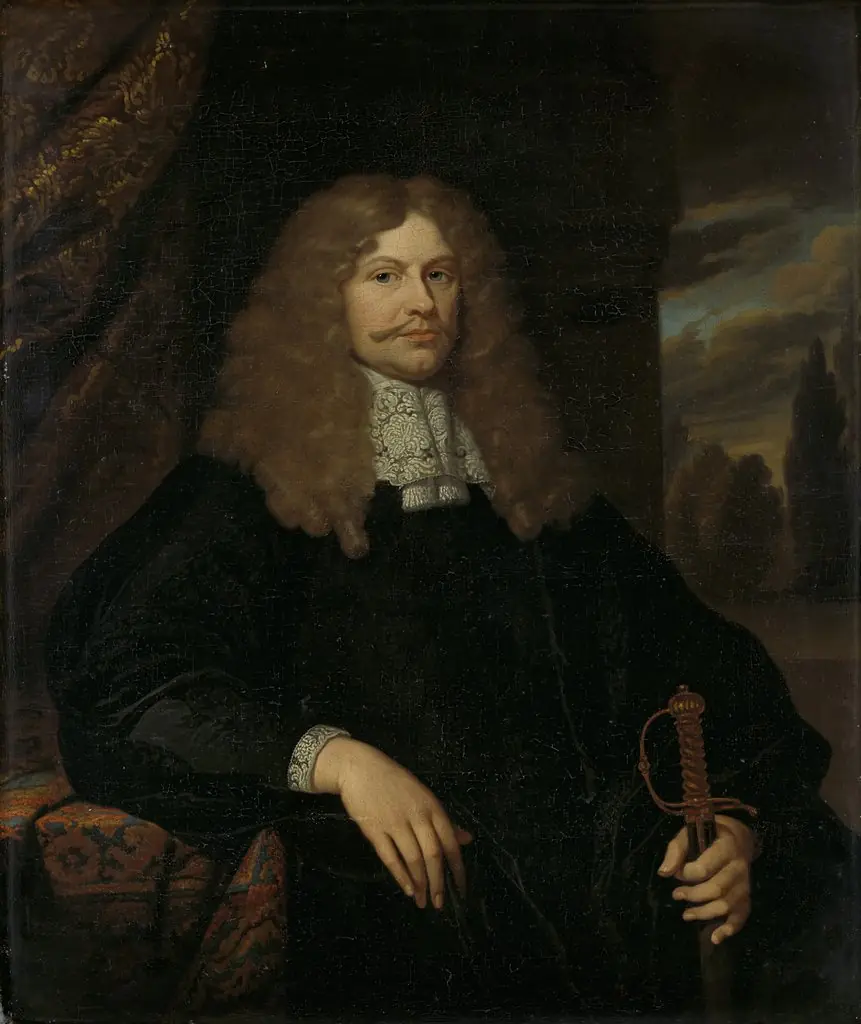 Portrait of Cornelis Backer (1633-81), councillor, alderman, and colonel of the Amsterdam militia
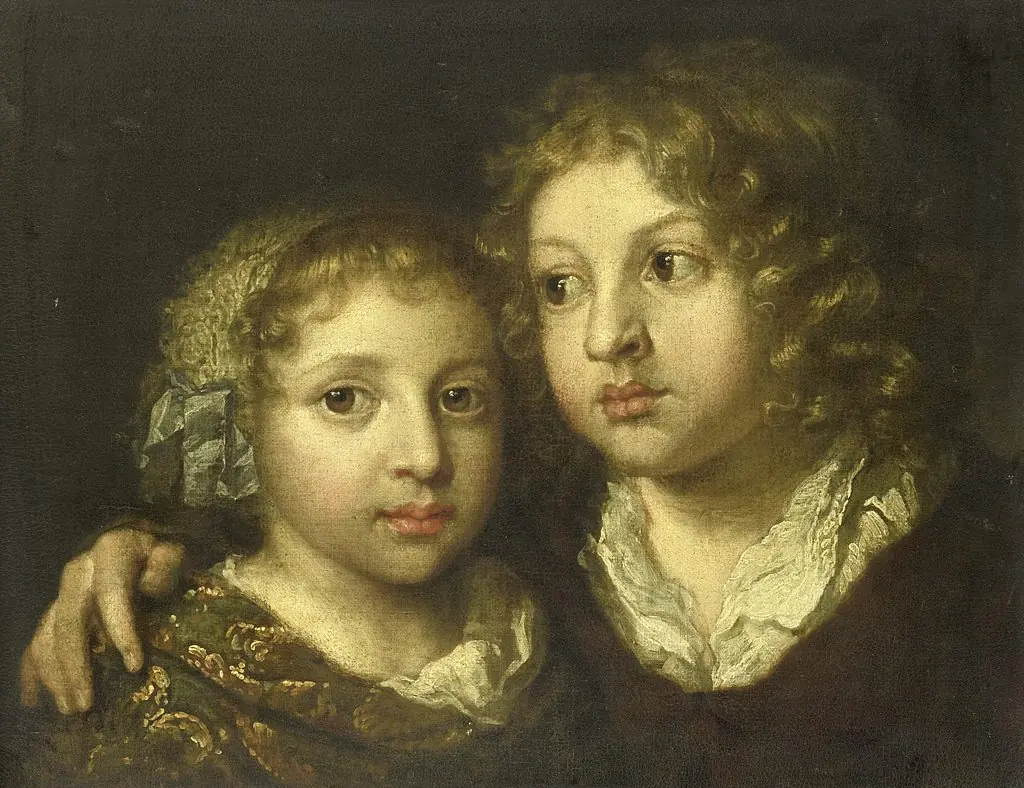 A daughter and a son (Constantijn?) of the artist
- William III (1650-1702), Prince of Orange and since 1689, King of England
 William III (1650-1702), Prince of Orange and since 1689, King of England
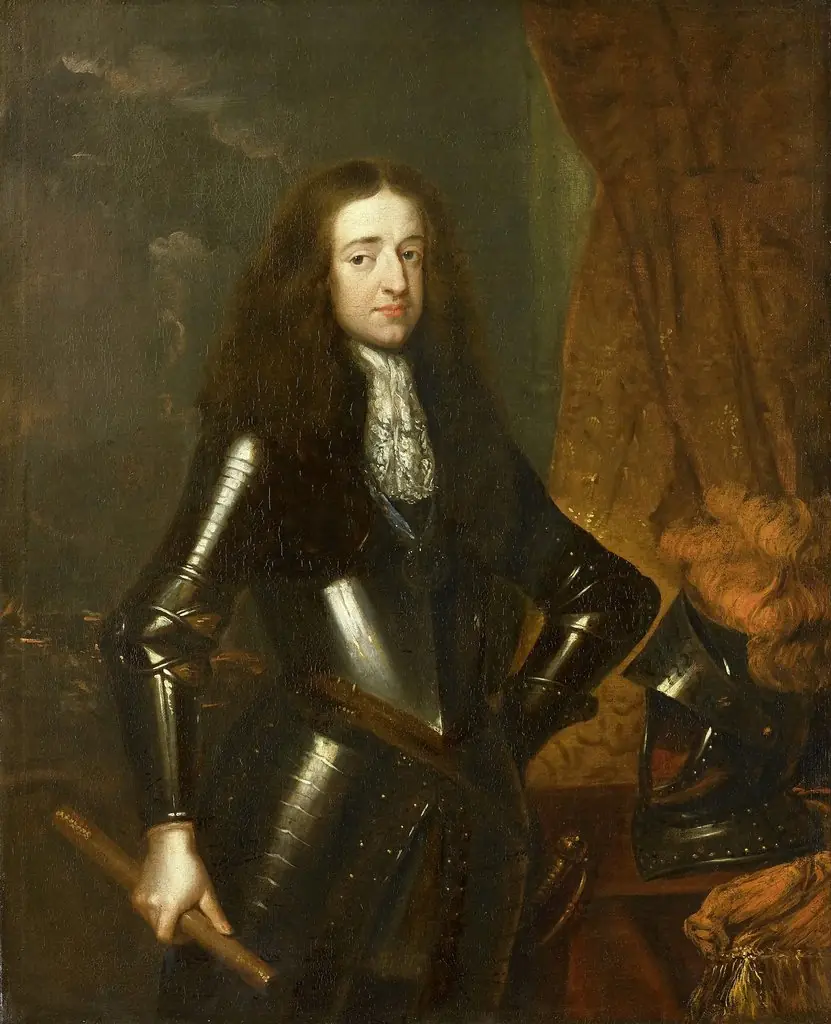 Portrait of Willem III (1650-1702), Prince of Orange and since 1689, King of England
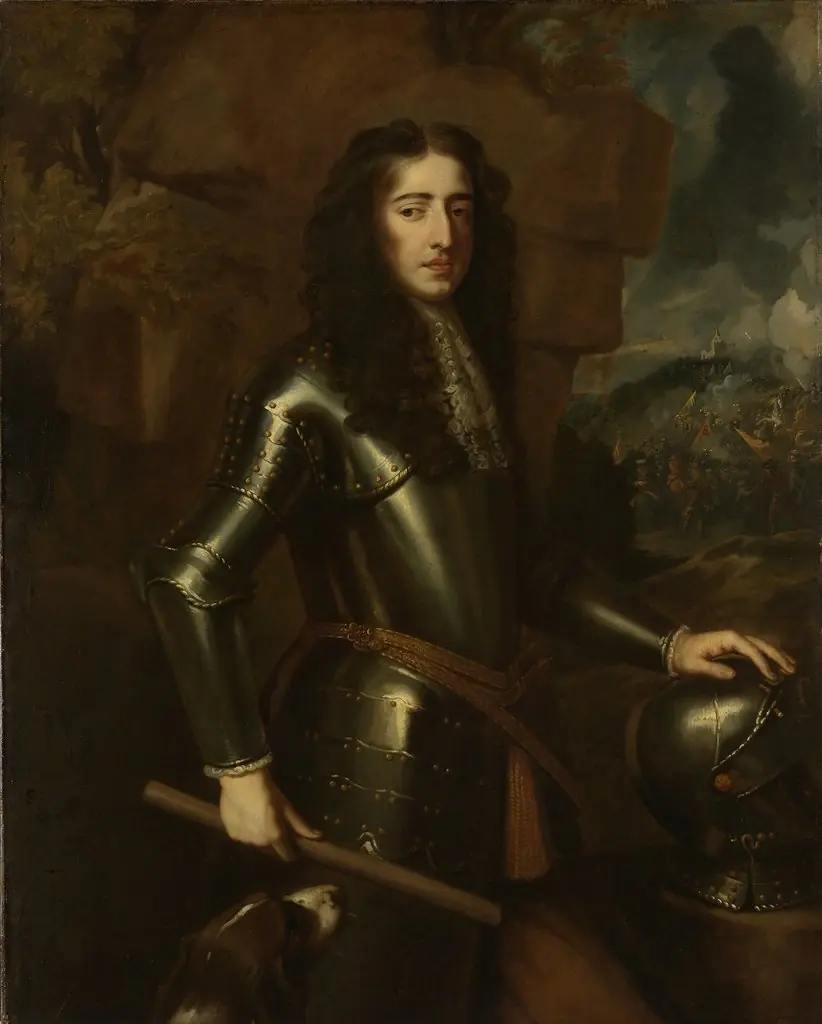 Portrait of William III, Prince of Orange, Stadtholder, after 1689 King of England
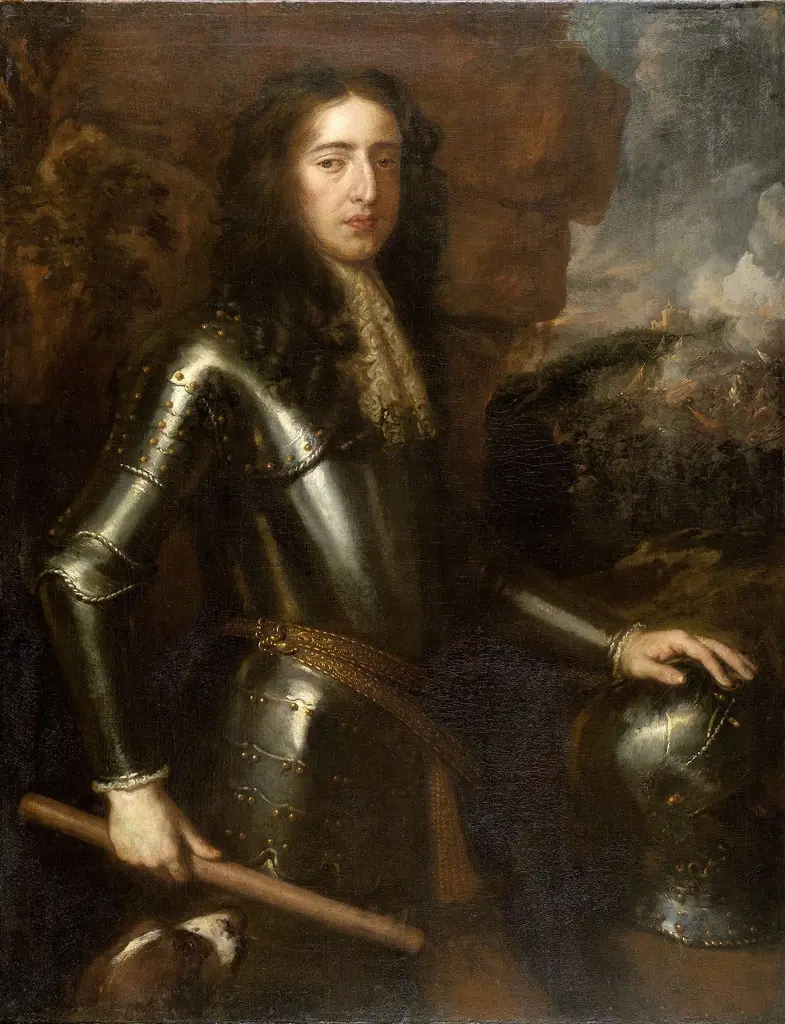 Portrait of William III (1650-1702), Prince of Orange
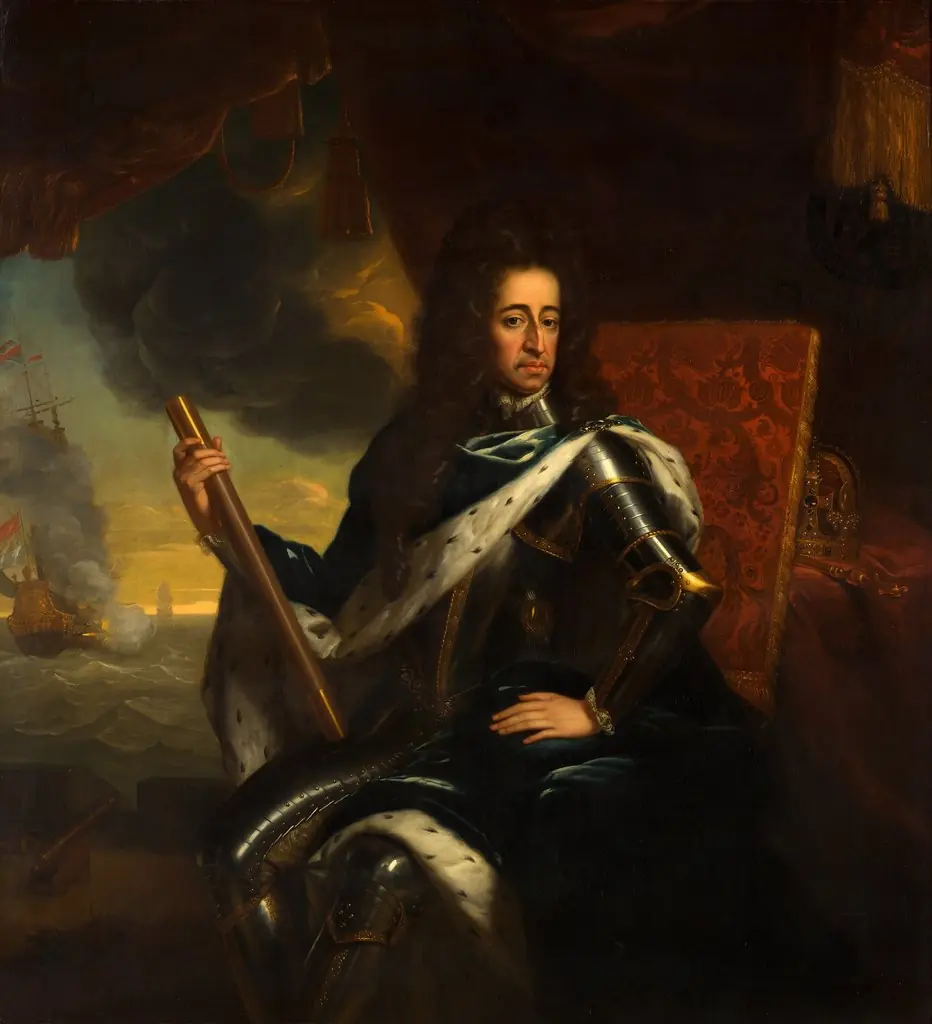 Portrait of Stadholder-King William III (1650- 1702)