Artwork
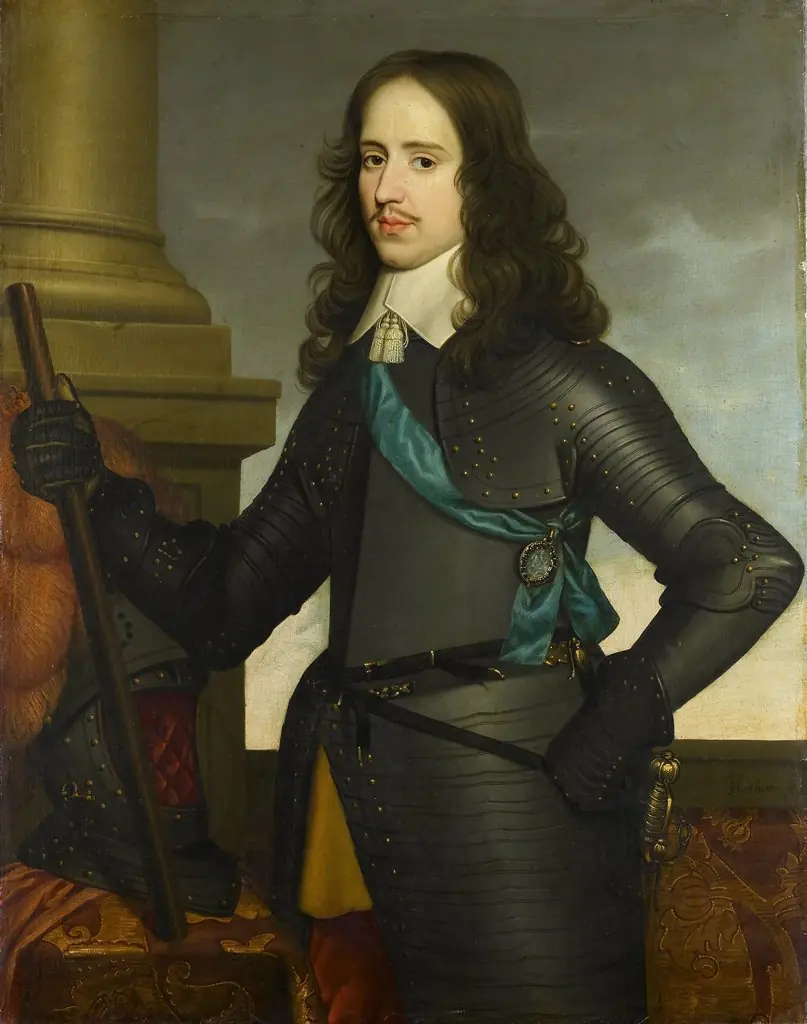
Portrait of William III (1650-1702), Prince of Orange
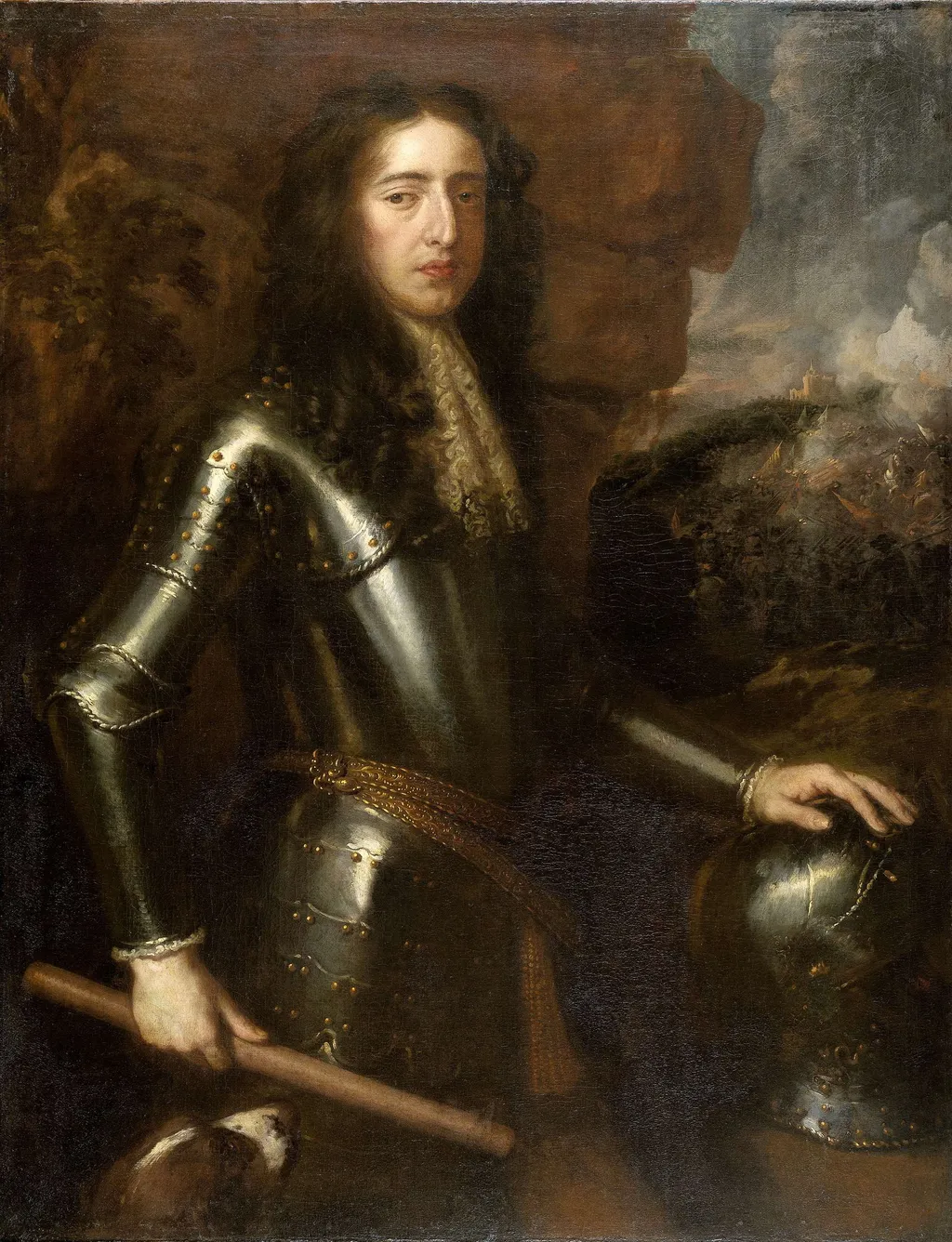
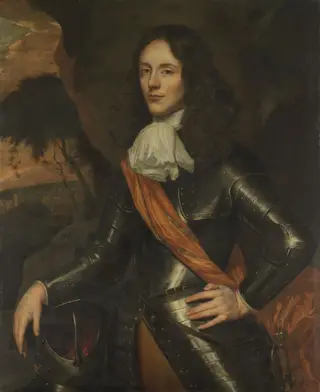
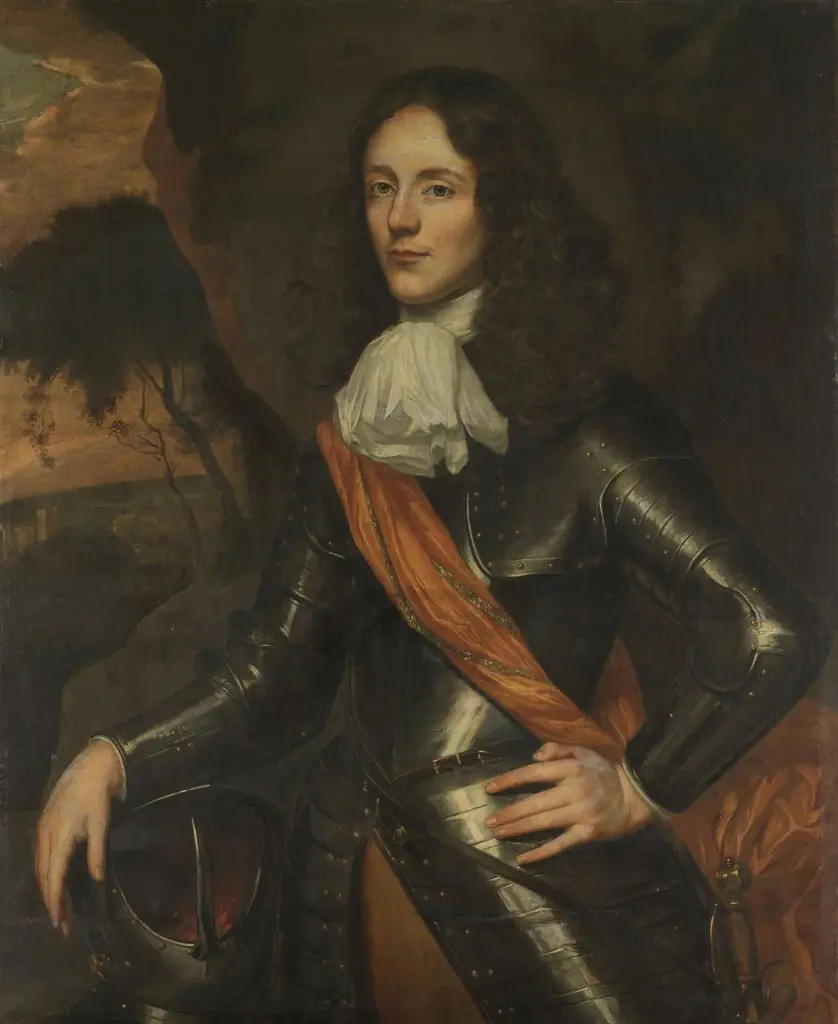
Portrait of William III (1650-1702), Prince of Orange is an oil painting. It dates from 1698 and is held in the collection of the Rijksmuseum. The oil painting portrays William III, Prince of Orange, in a richly detailed, darkly lit composition.
About this work
Subject & Meaning
The composition focuses entirely on the figure of the prince, establishing his visual presence within the context of late 17th-century portraiture.
The work depicts William III of England, who held the title Prince of Orange. Created in 1695, this oil painting on canvas identifies the monarch as its main subject. As a formal portrait, the image serves to represent the ruler's status and identity during his reign, capturing his likeness in the style associated with the manner of Willem Wissing.
The composition focuses entirely on the figure of the prince, establishing his visual presence within the context of late 17th-century portraiture.
Technique & Style
Created in 1695, this portrait is executed in oil paint on a canvas support. The work measures 113 cm in height and 89 cm in width, adhering to the standard proportions for a formal portrait of the period. Stylistically, the painting is attributed to the manner of Willem Wissing, reflecting the artistic conventions associated with his workshop during the late seventeenth century.
The piece functions as a formal depiction of William III of England, capturing the subject within the established genre of royal portraiture.
History & Provenance
This oil-on-canvas portrait of William III, Prince of Orange, was executed in 1695. The work is attributed to the manner of Willem Wissing rather than being a direct autograph piece. It depicts the monarch who reigned from 1650 to 1702.
The painting currently resides in the collection of the Rijksmuseum, having been acquired as part of the Cultural Heritage Agency of the Netherlands Art Collection. The canvas measures 113 cm in height and 89 cm in width.
The portrait of William III, dated 1695, is held within the Cultural Heritage Agency of the Netherlands Art Collection at the Rijksmuseum in Amsterdam. While the work is part of this national inventory, the specific accession number is not provided in the available records. The painting, executed in oil on canvas, depicts William III of England and is attributed to the manner of Willem Wissing. No exhibition history is documented in the provided sources.
Overview
The oil painting portrays William III, Prince of Orange, in a richly detailed, darkly lit composition. He is dressed in an elaborate black costume trimmed with gold, a lace collar, and a silver breastplate fastened with gold rivets. His right hand rests on a helmet, while his left holds a wooden staff, set against a muted, shadowy backdrop that hints at a landscape.
Context
William III, who later became King of England, Scotland, and Ireland, was a prominent military and political figure. Portraits of this type served to reinforce his sovereign image, often displaying regalia and weaponry to underscore his leadership during a period of European conflict and dynastic change.
Artist & collection

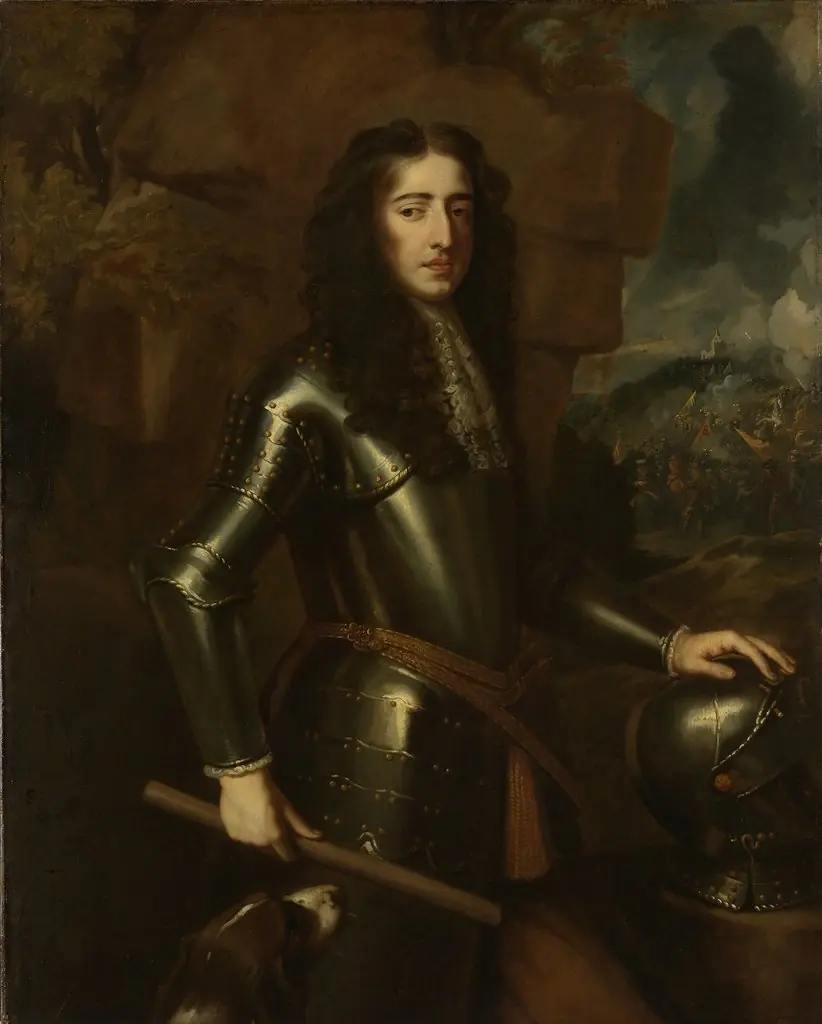
- Portrait of William III, Prince of Orange, Stadtholder, after 1689 King of England
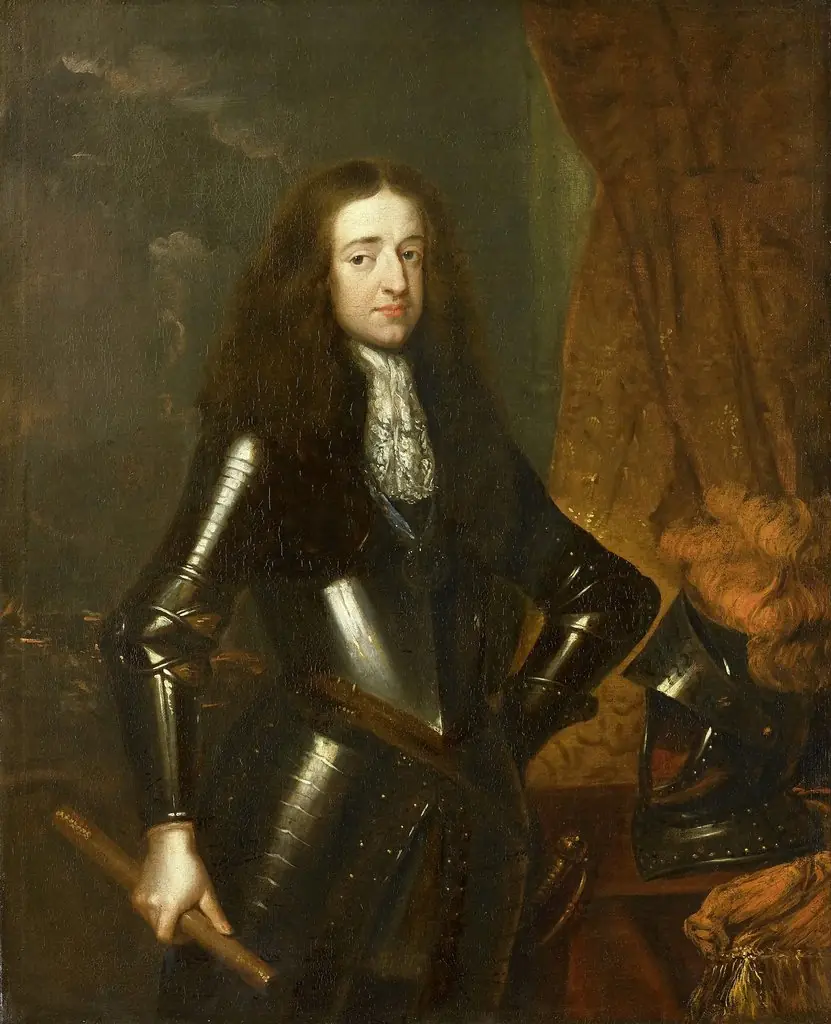 Portrait of Willem III (1650-1702), Prince of Orange and since 1689, King of England
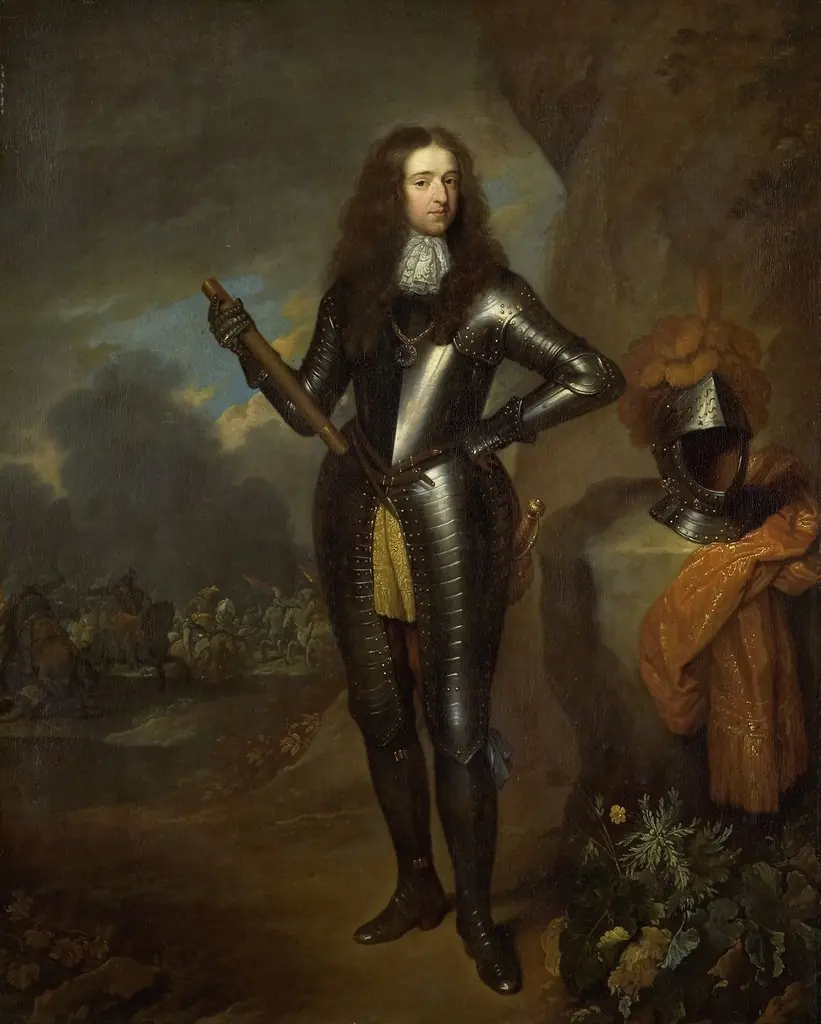 William III (1650-1702), Prince of Orange and since 1689, King of England
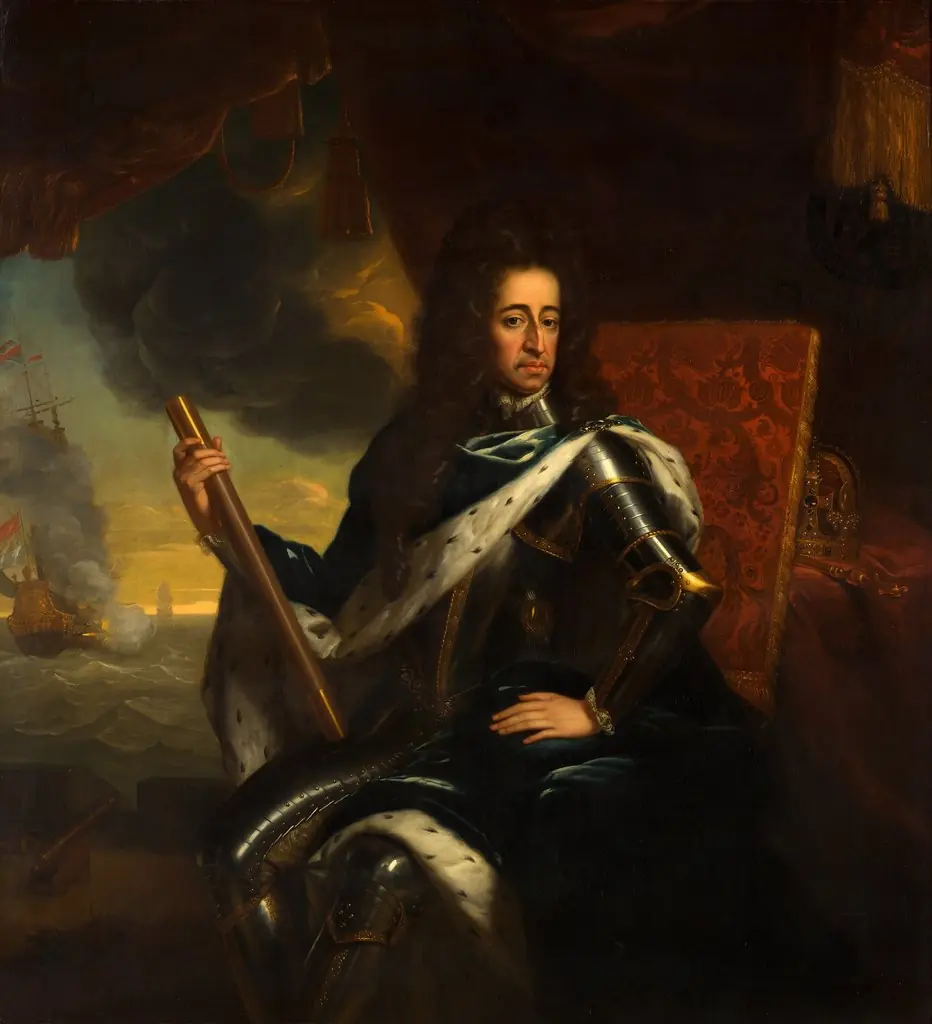 Portrait of Stadholder-King William III (1650- 1702)
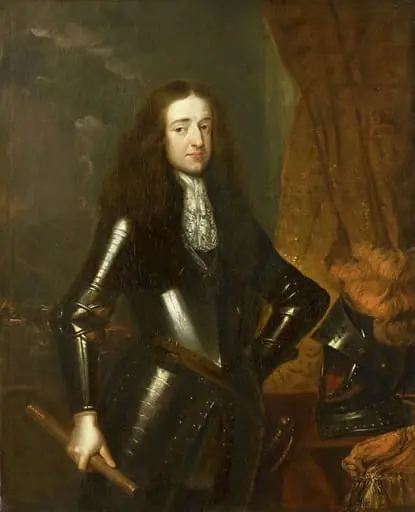 Portrait of Willem III (1650-1702), Prince of Orange and since 1689, King of England
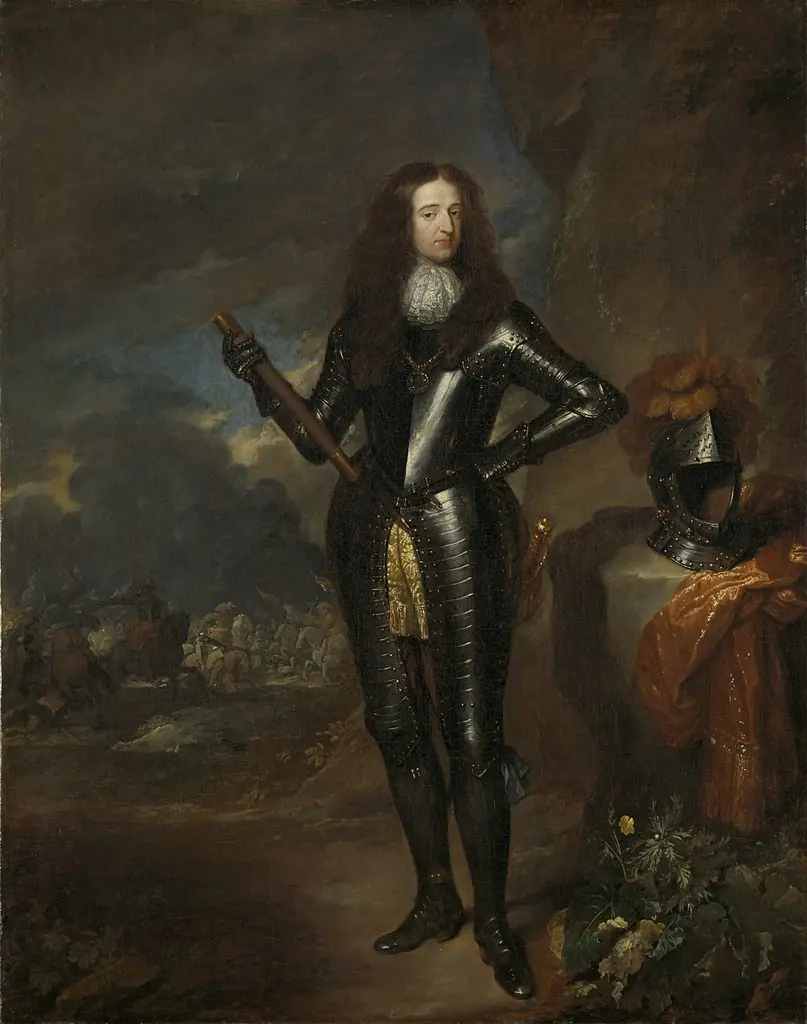 William III (1650-1702), Prince of Orange and since 1689, King of England
 William III (1650-1702), Prince of Orange and since 1689, King of England
 Portrait of Willem II (1626-50), Prince of Orange