Artwork
William III (1650-1702), Prince of Orange and since 1689, King of England
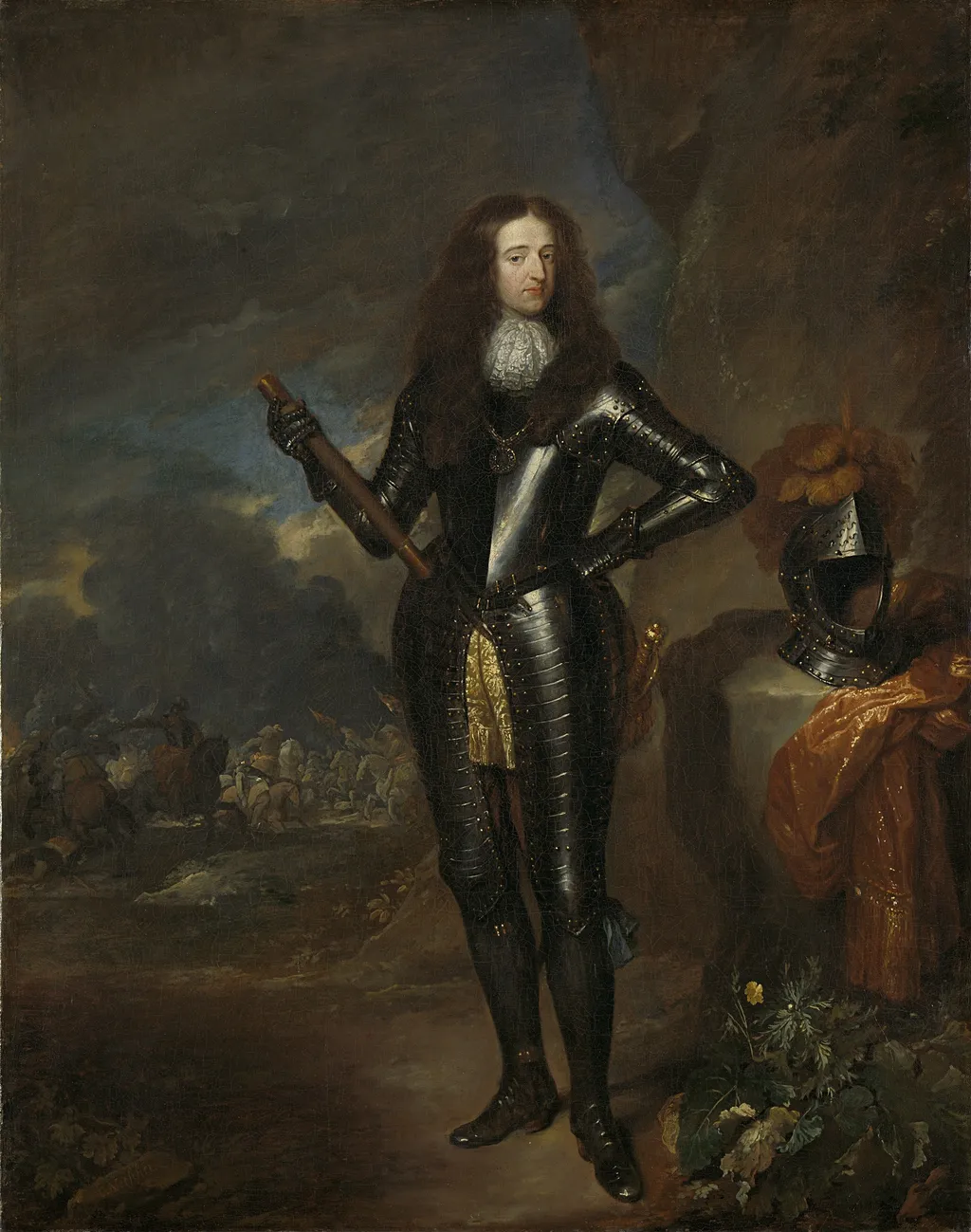
William III (1650-1702), Prince of Orange and since 1689, King of England is an oil painting by the Dutch Golden Age artist Caspar Netscher. It is held in the collection of the Rijksmuseum.
About this work
Subject & Meaning
The painting is a portrait whose sole subject is William III during his years as Prince of Orange, executed in 1677, four years before he became Stadtholder of the Dutch Republic and twelve years before his accession to the English throne in 1689. By depicting him at this earlier stage of his life, the work represents him in his role as a young leader of the House of Orange-Nassau rather than as a monarch.
As a formal court portrait by Caspar Netscher, the painting belongs to a tradition of dynastic image-making, presenting the sitter as a figure of political authority and noble lineage. Its identity as a portrait of William III, confirmed through the main subject recorded for the work, anchors its meaning as a record of his appearance and status in the late 1670s, intended to convey rank and presence to viewers.
The work carries no documented allegorical or symbolic attributes beyond its function as a likeness; its significance lies in the historical stature of the man portrayed and in its preservation across collections associated with Adriaan van der Hoop and the Rijksmuseum.
Technique & Style
5 cm in height by 63 cm in width, reflecting the standard portrait dimensions of the period, and is executed on a canvas support typical of Netscher's practice.
The work is an oil portrait painted on canvas, employing the conventional oil paint technique of the Dutch Golden Age to render fine detail and subtle modeling in the depiction of William III. The surface retains its original handling, though minor craquelure is noted across the support, contributing to its aged formal presence. The composition emphasizes the sitter's authority through a restrained palette and precise brushwork, aligning with the stylistic norms of late 17th-century portraiture.
The painting measures 80.5 cm in height by 63 cm in width, reflecting the standard portrait dimensions of the period, and is executed on a canvas support typical of Netscher's practice.
History & Provenance
The portrait of William III, Prince of Orange, was painted by Caspar Netscher in 1677, executed in oil on canvas. It entered the collection of Adriaan van der Hoop, a noted Dutch collector, and is recorded as having been held jointly by the Rijksmuseum and the Amsterdam Museum. The work depicts William III of England as its principal subject and remains associated with these Amsterdam-based institutions.
The painting was created during the period when William was still Prince of Orange, seven years before his accession to the English throne in 1689. Its early patronage history prior to Adriaan van der Hoop's ownership is not documented in the available sources.
Context
Caspar Netscher painted this full-length portrait of William III shortly after the monarch’s accession to the English throne. Contemporary records indicate the work was commissioned by wealthy Amsterdam merchant Adriaan van der Hoop, reflecting the king’s increasing visibility within Dutch mercantile networks. The painting entered public view at the Rijksmuseum following its acquisition from van der Hoop’s collection, where it remains part of the national portrait gallery.
Scholars view the work as emblematic of late Dutch Golden Age portraiture, blending courtly symbolism with emerging Enlightenment ideals of rulership. Its formal composition and rich materiality underscore the technical conventions of 17th-century Dutch oil painting while documenting the political alliances between the House of Orange and Amsterdam’s elite.
Overview
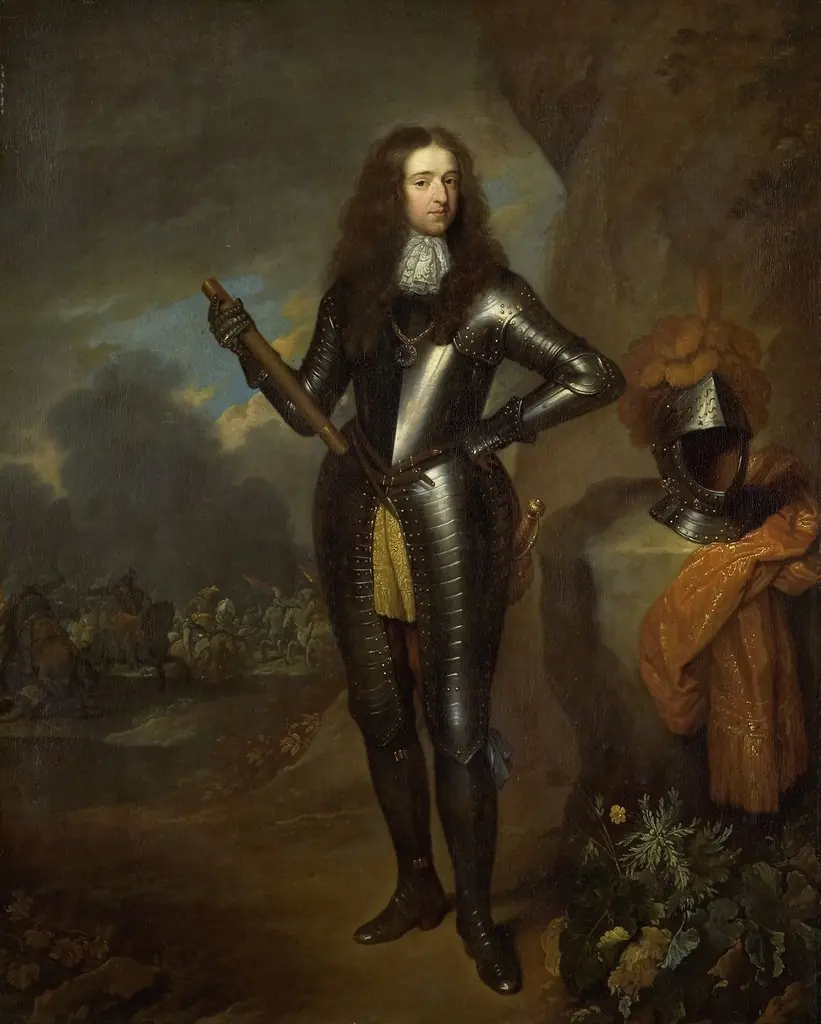
This oil painting, created in 1689 by Caspar Netscher, is a portrait of William III, who was both Prince of Orange and King of England. The work is held in the Rijksmuseum.
Own this work as a print
Artist & collection

Artist
Caspar Netscher was a Dutch painter. He was a master in depicting oriental rugs, silk and brocade and introduced an international style to the Northern Netherlands.

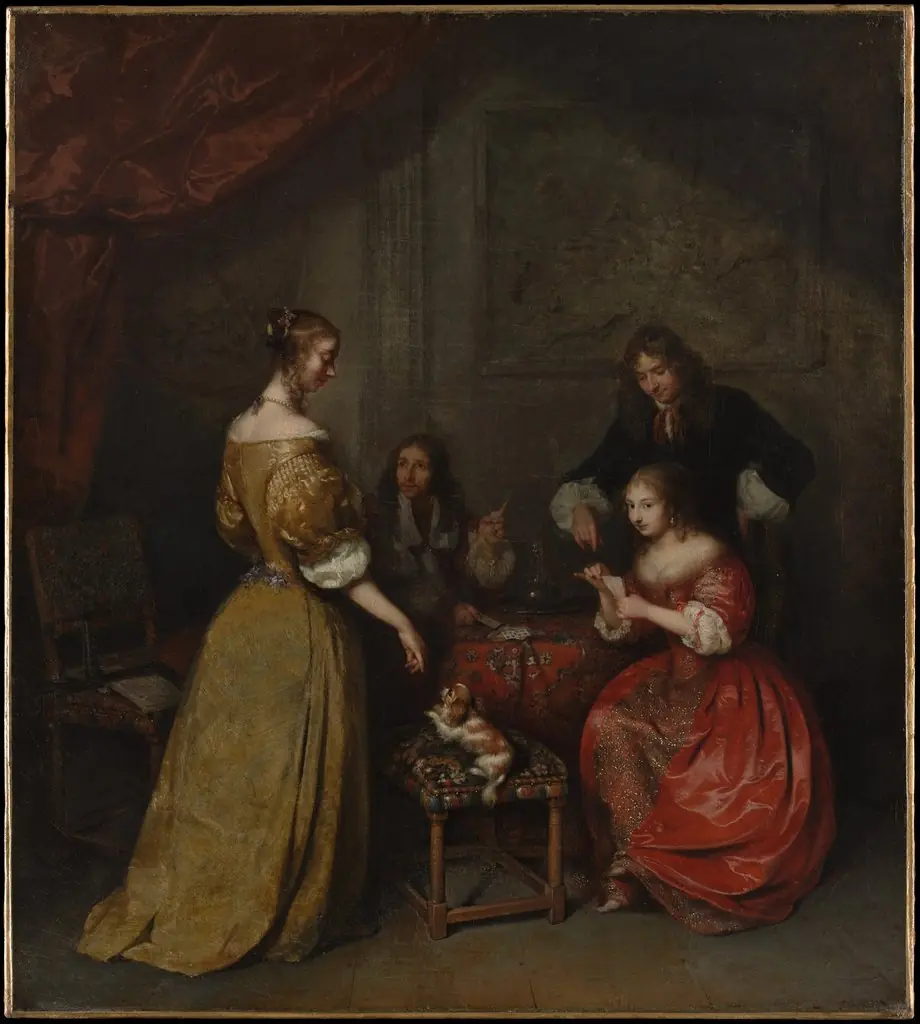 The Card Party
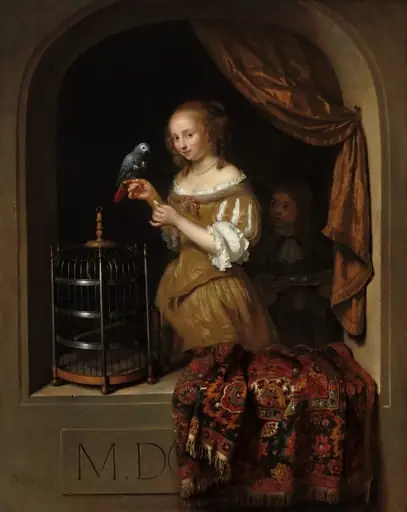 A Woman Feeding a Parrot, with a Page
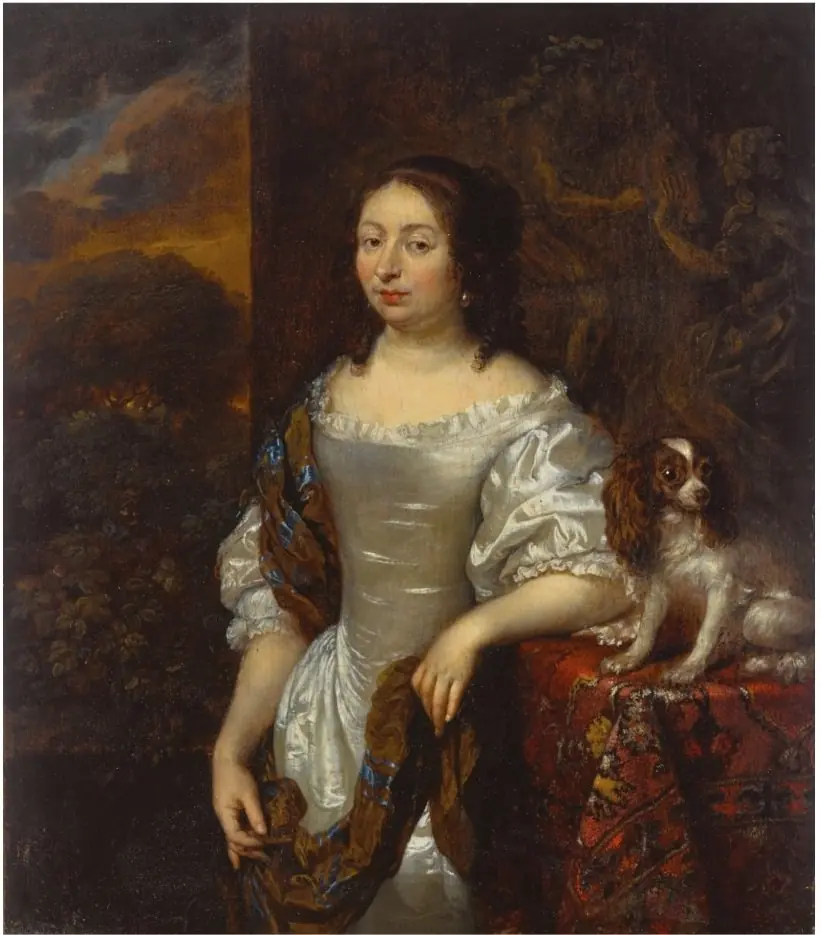 Portrait of a Lady with a Dog on a Table
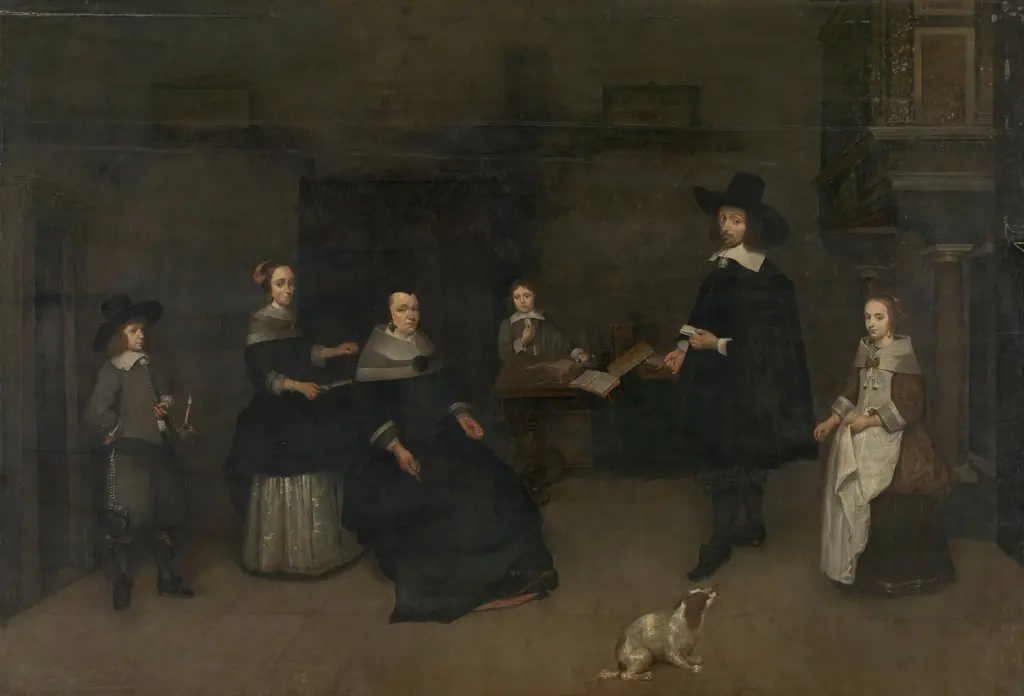 Family scene
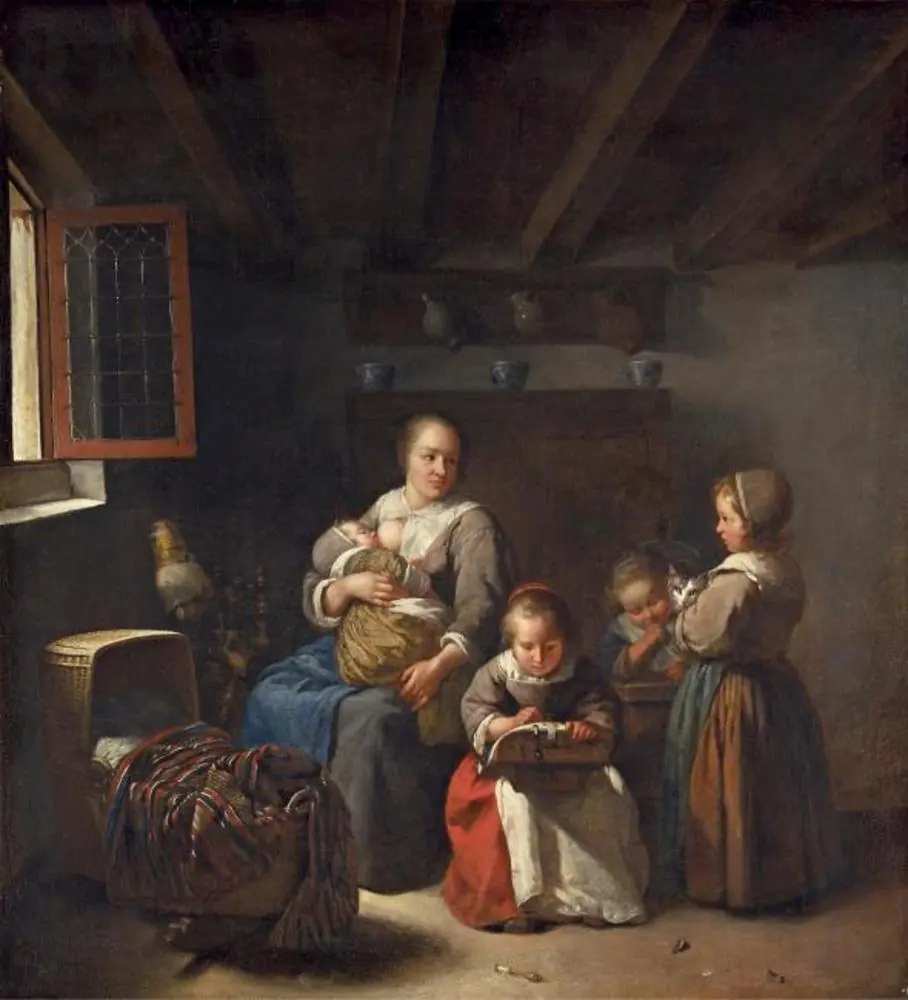 Nursing mother with three girls
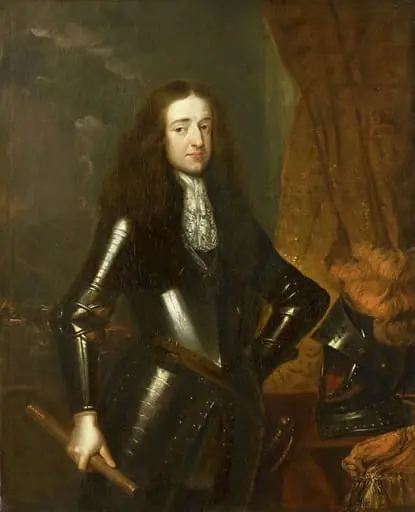 Portrait of Willem III (1650-1702), Prince of Orange and since 1689, King of England
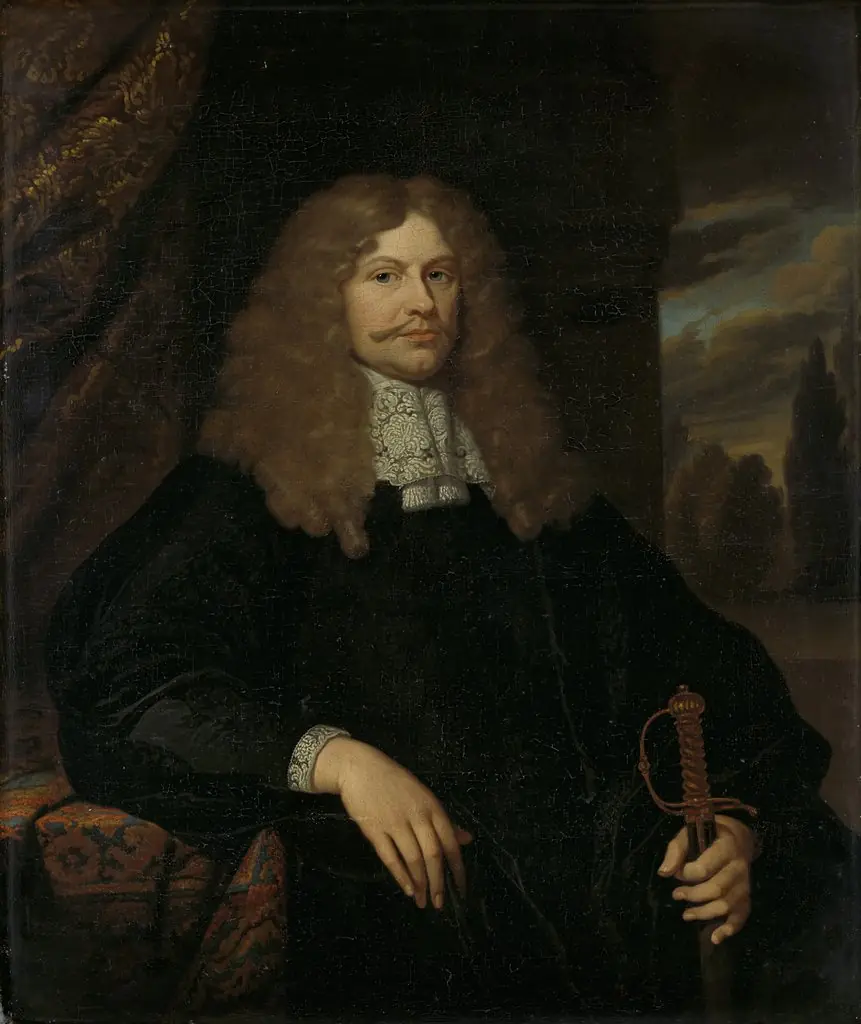 Portrait of Cornelis Backer (1633-81), councillor, alderman, and colonel of the Amsterdam militia
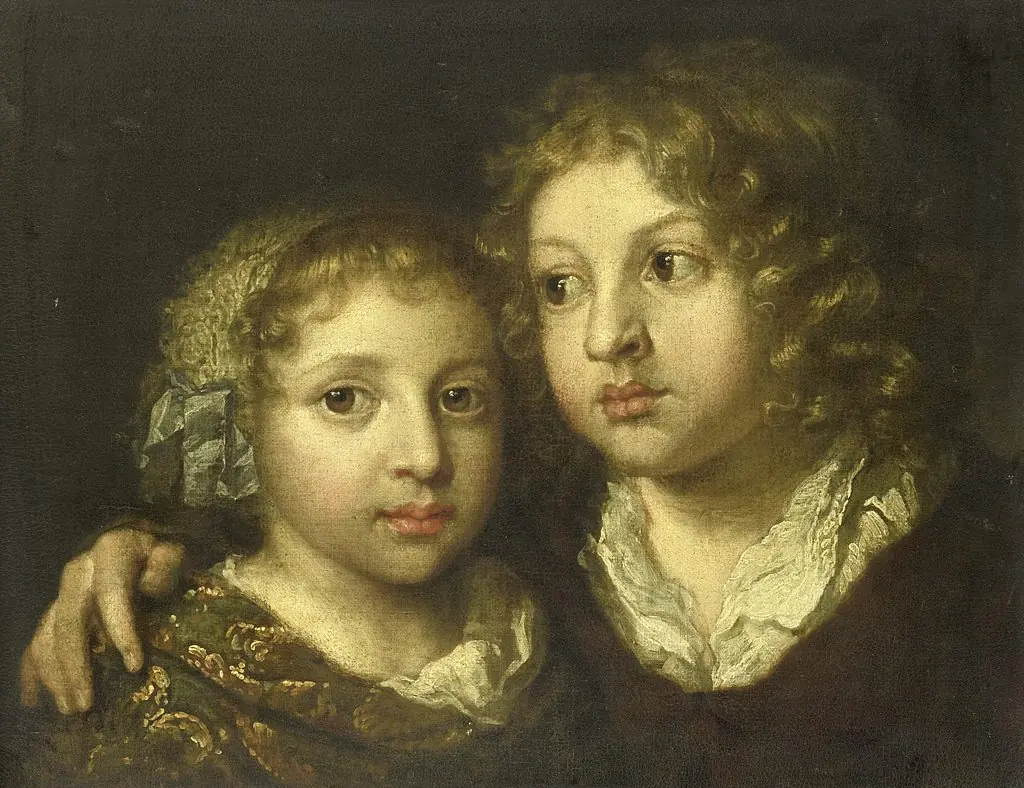 A daughter and a son (Constantijn?) of the artist
- William III (1650-1702), Prince of Orange and since 1689, King of England
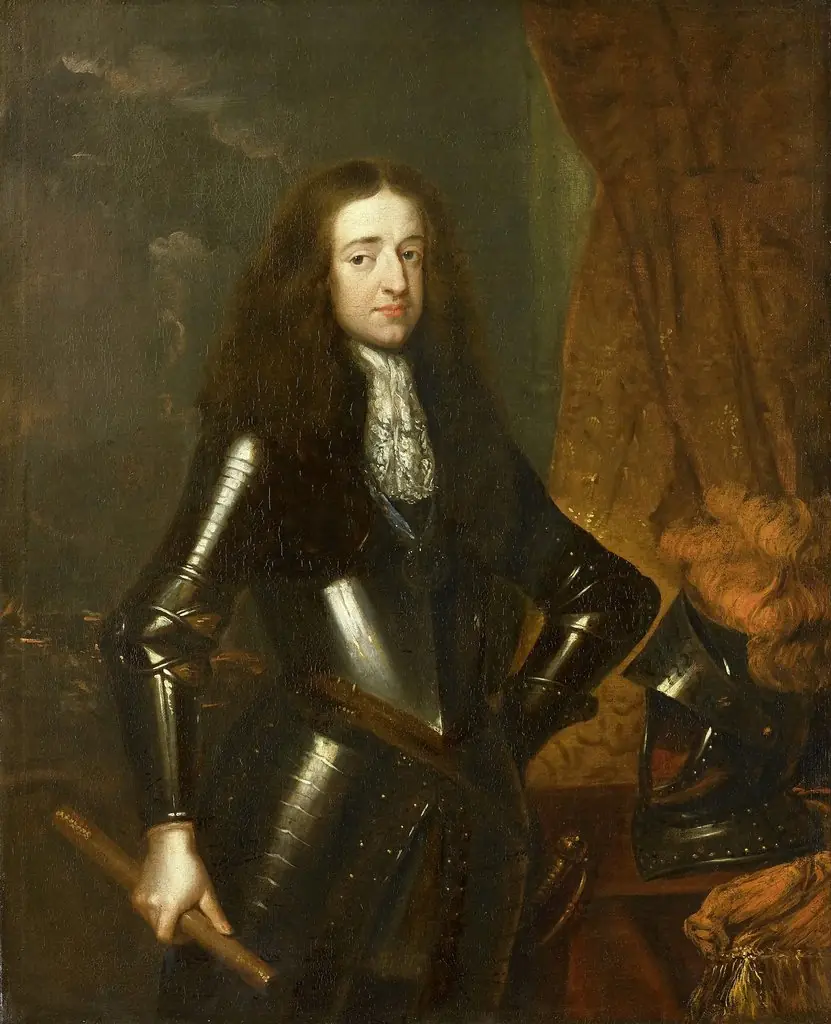 Portrait of Willem III (1650-1702), Prince of Orange and since 1689, King of England
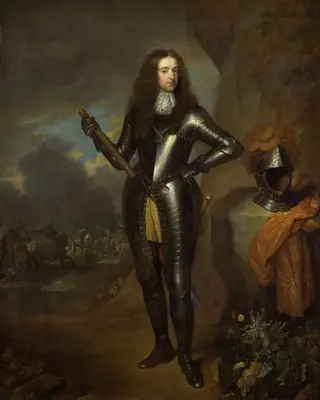 William III (1650-1702), Prince of Orange and since 1689, King of England
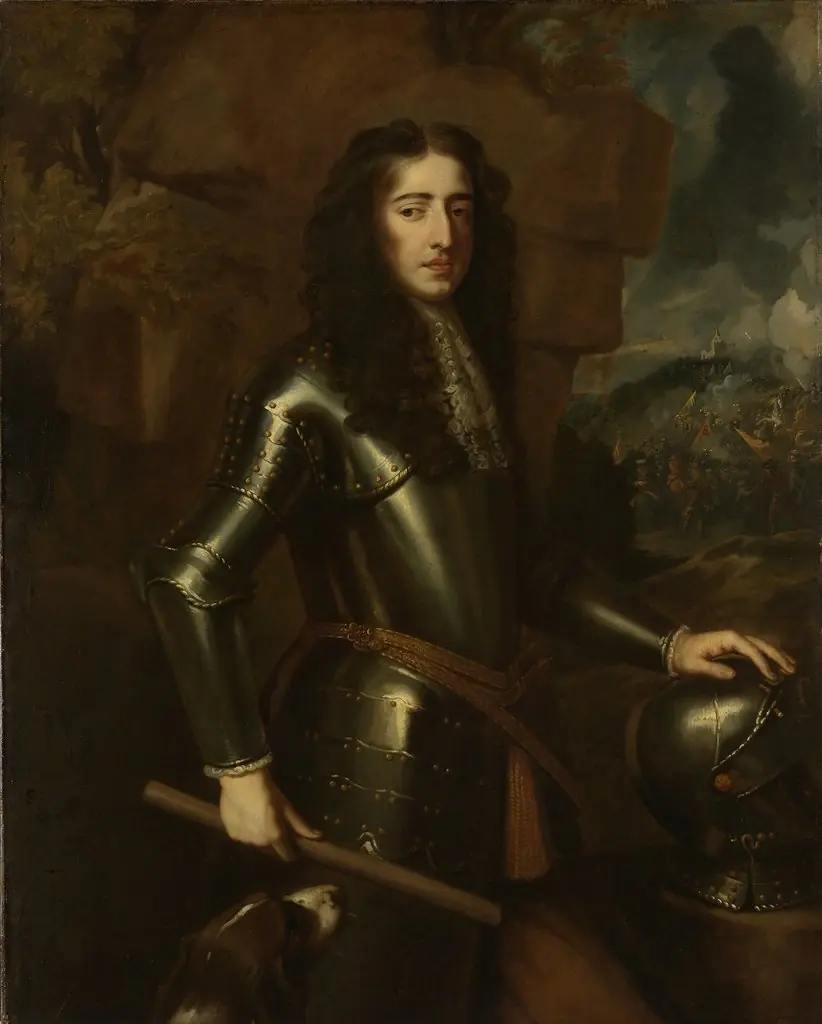 Portrait of William III, Prince of Orange, Stadtholder, after 1689 King of England
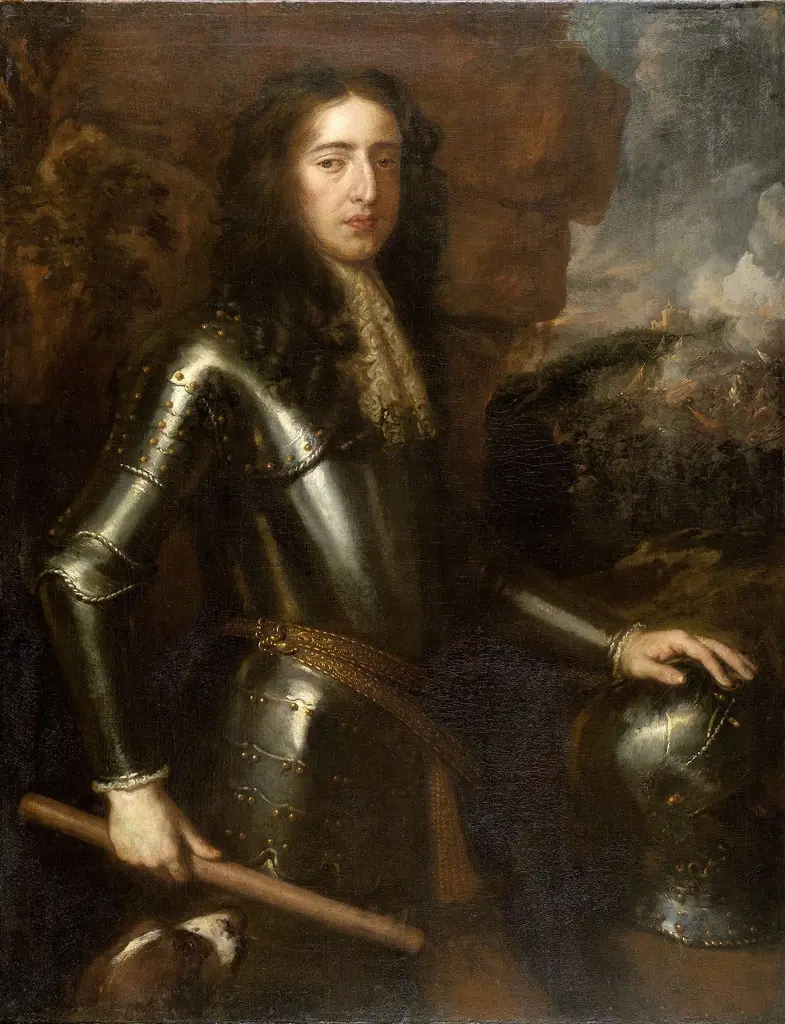 Portrait of William III (1650-1702), Prince of Orange
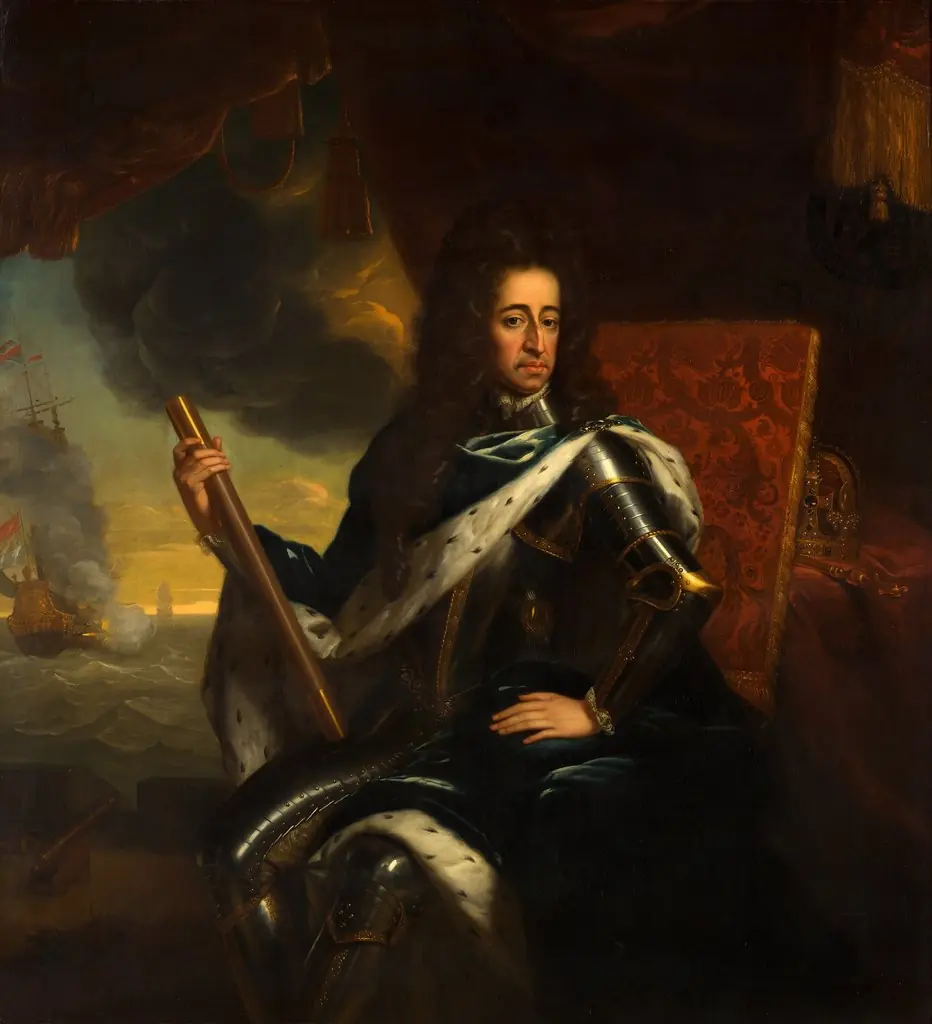 Portrait of Stadholder-King William III (1650- 1702)