Artwork
Salome with the head of John the Baptist
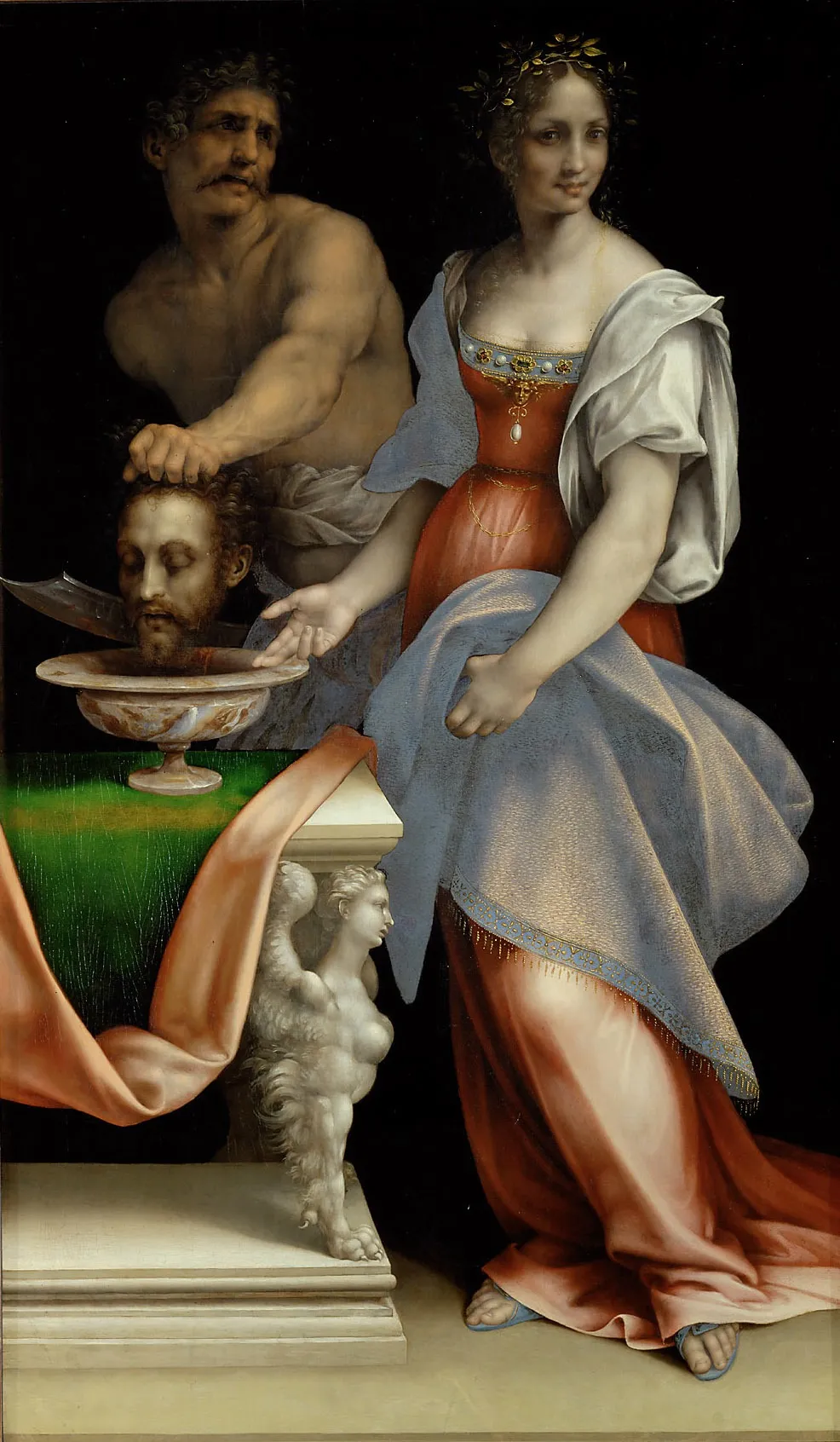
Salome with the head of John the Baptist is an unspecified painting by the Mannerist artist Cesare da Sesto. It dates from 1514 and is held in the collection of the Kunsthistorisches Museum.
About this work
Subject & Meaning
The painting depicts the biblical episode of Salome with the head of John the Baptist, drawn from the New Testament account (Mark 6 and Matthew 14) in which Salome, having pleased Herod Antipas with her dance, receives the prophet's severed head on a platter as a reward demanded by her mother Herodias. Cesare da Sesto's composition, classified as religious art, centers on this moment of presentation, with the beheaded head serving as the principal iconographic element alongside the figure of Salome herself. The subject was a popular theme in Renaissance painting, used to explore themes of moral corruption, vengeance, and the destructive power of female desire, contrasting worldly seduction with the sanctity of the martyred saint.
By isolating Salome and the head of John the Baptist as the main subject, the work invites contemplation of the narrative's tension between beauty and violence, and the consequences of Herodias's grudge against the Baptist for denouncing her marriage.
Technique & Style
Stylistically, Cesare da Sesto adopts a compositional balance typical of High Renaissance practice, arranging figures and drapery in rhythmic harmony.
The painting is executed in oil on wood panel, measuring 136.5 cm in height and 79.6 cm in width. Stylistically, Cesare da Sesto adopts a compositional balance typical of High Renaissance practice, arranging figures and drapery in rhythmic harmony. The figure of Salome is rendered with a cool, sculptural solidity, while the severed head of John the Baptist is depicted with heightened naturalism, its features softly modeled to convey both weight and fragility.
The handling emphasizes linear grace and volumetric form, with delicate transitions in light and shadow that define the anatomy and drapery.
History & Provenance
The painting Salome with the head of John the Baptist was executed by Cesare da Sesto in 1514, as indicated by the work’s date and attribution. It has been part of the collection of the Kunsthistorisches Museum in Vienna, where it remains on display. The sources do not record any earlier owners, patrons, or commission details, so the provenance prior to its entry into the museum is undocumented in the available material.
Overview
Created in 1514 by the Lombard painter Cesare da Sesto, this oil work portrays the biblical episode of Salome receiving the severed head of John the Baptist. Executed for a devotional setting, the canvas now belongs to the collection of the Kunsthistorisches Museum in Vienna, where it is displayed among other works of the High Renaissance.
Context
Cesare da Sesto, a close follower of Leonardo da Vinci, absorbed the master’s compositional balance and sfumato, evident in the softened transitions of tone. The work reflects the period’s fascination with dramatic narrative scenes from the New Testament, a motif frequently revisited by Italian artists seeking to explore human emotion within sacred stories.
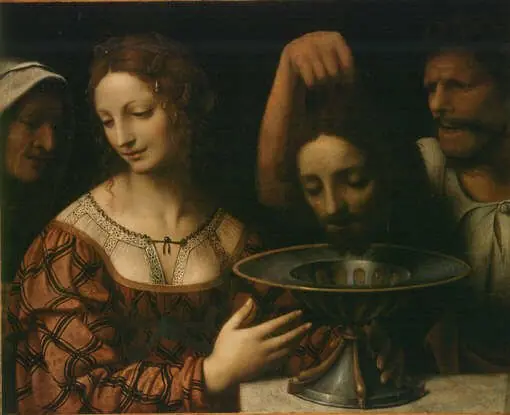
Artist & collection

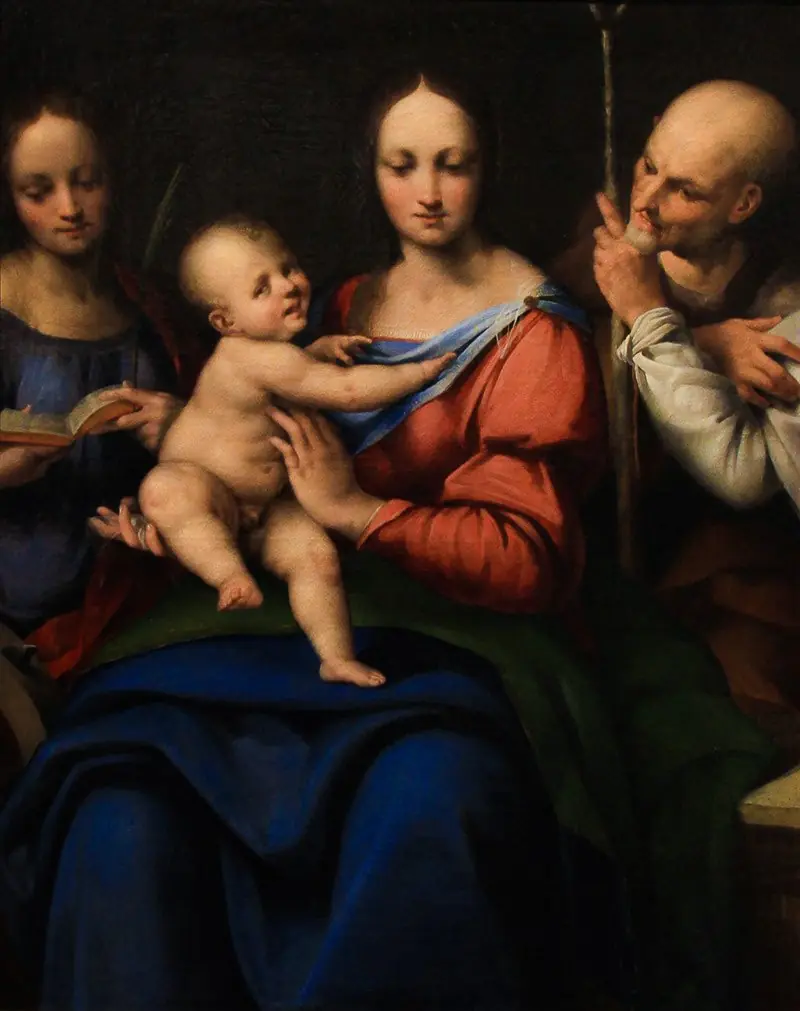
- Salome with the head of John the Baptist
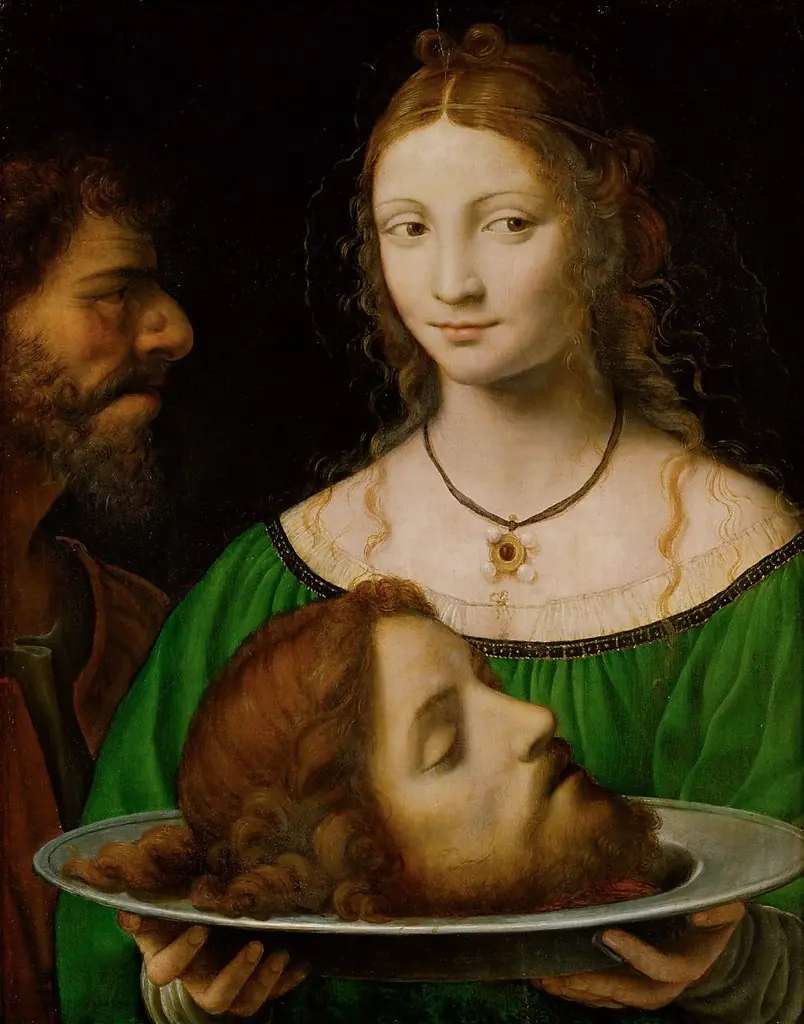 Salome with the Head of John the Baptist
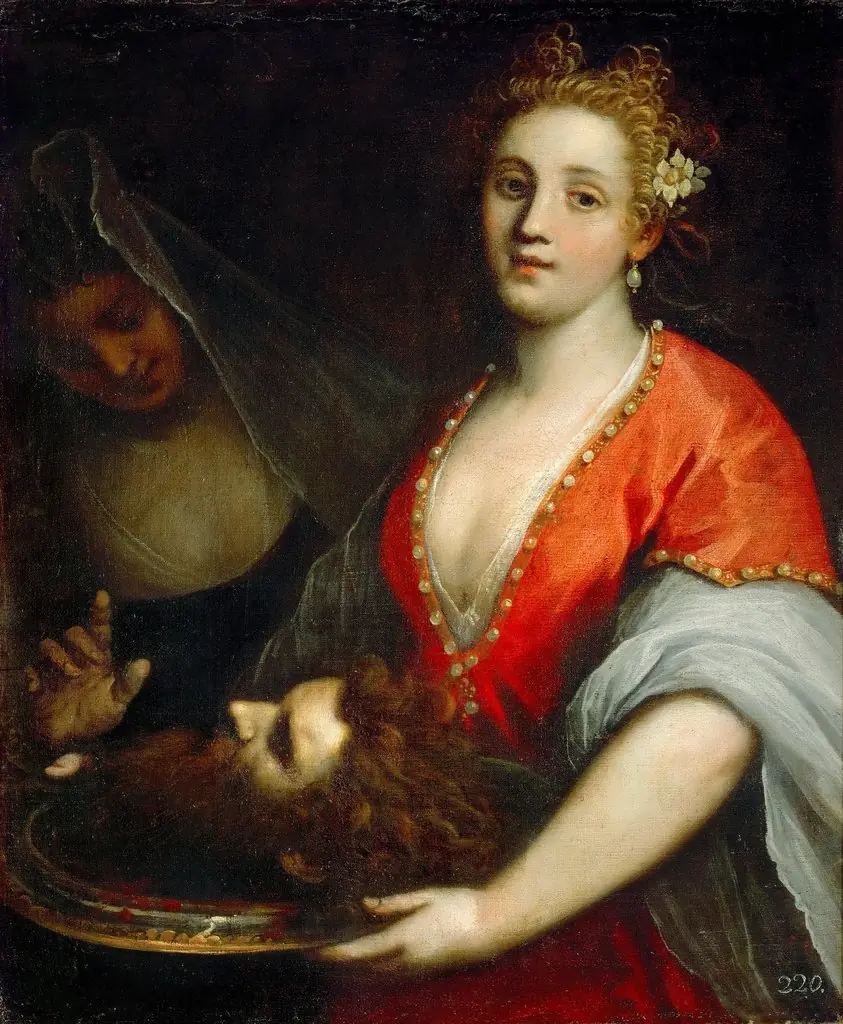 Salomé with the Head of John the Baptist
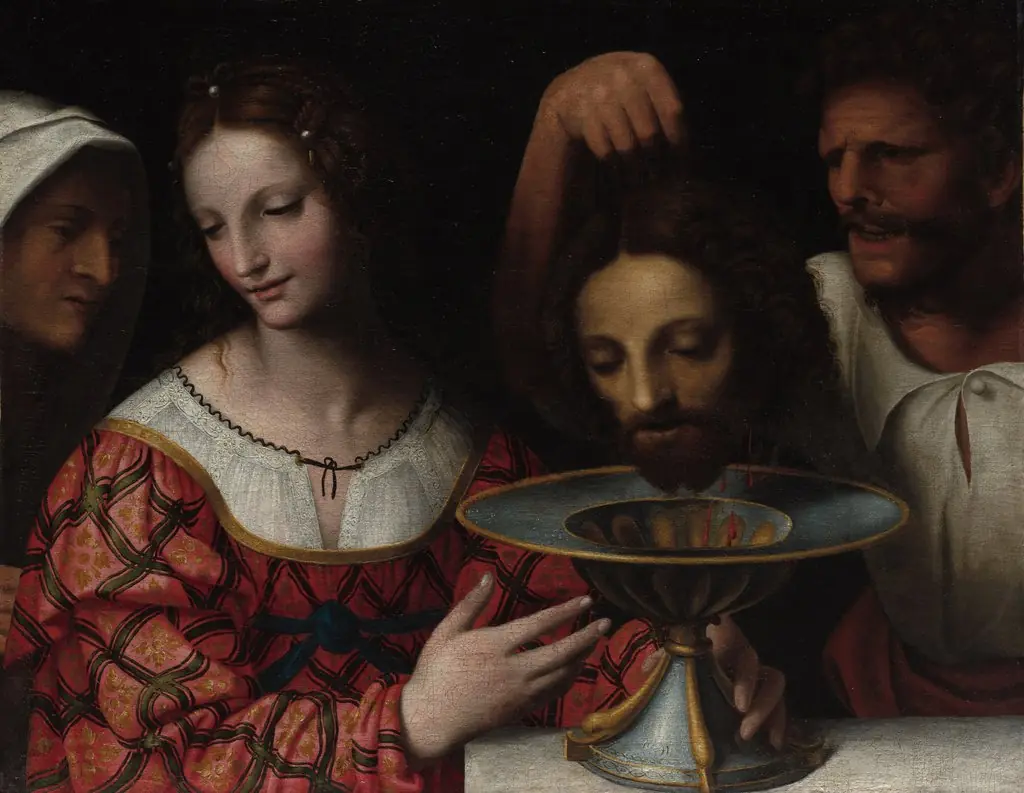 Salome with the Head of Saint John the Baptist
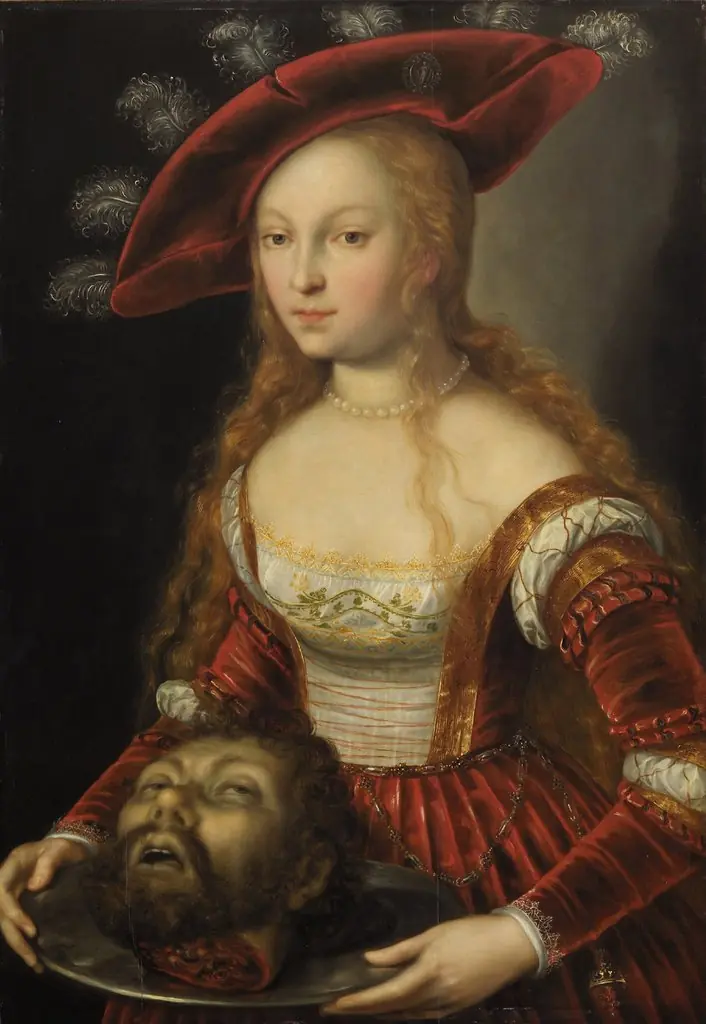 Salome with the head of John the Baptist
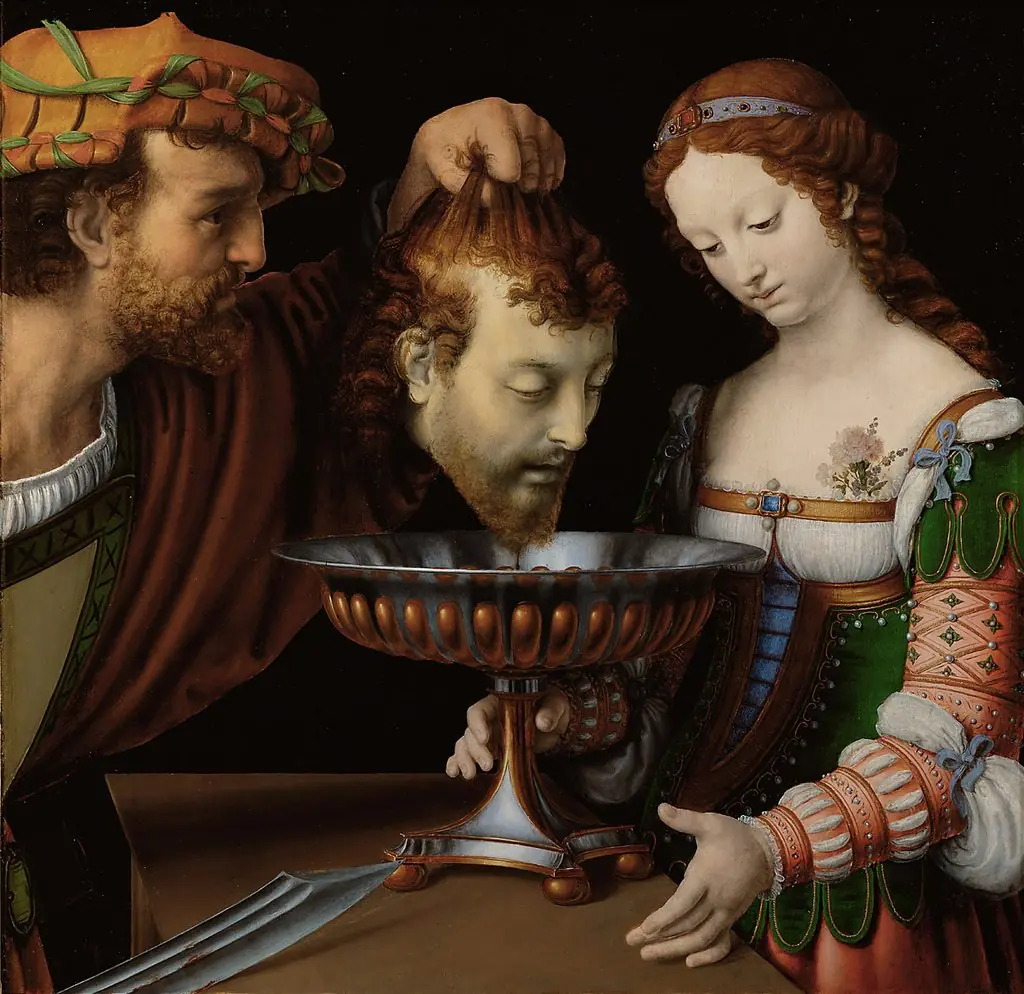 Salome with John the Baptist's head
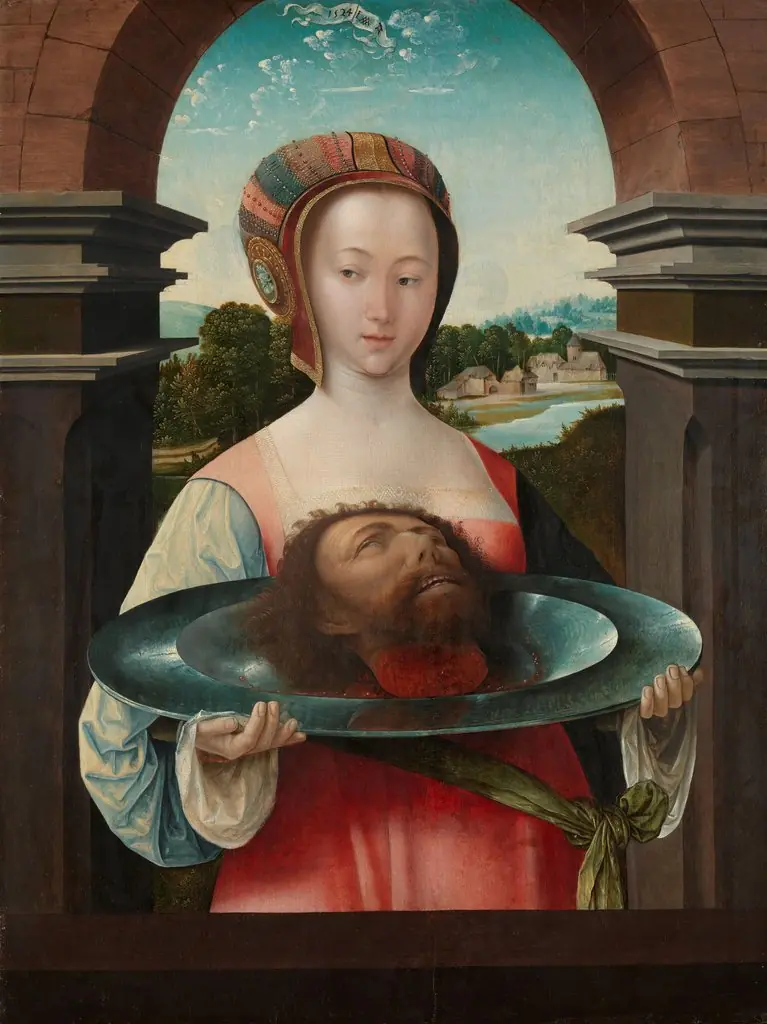 Salome with the Head of John the Baptist
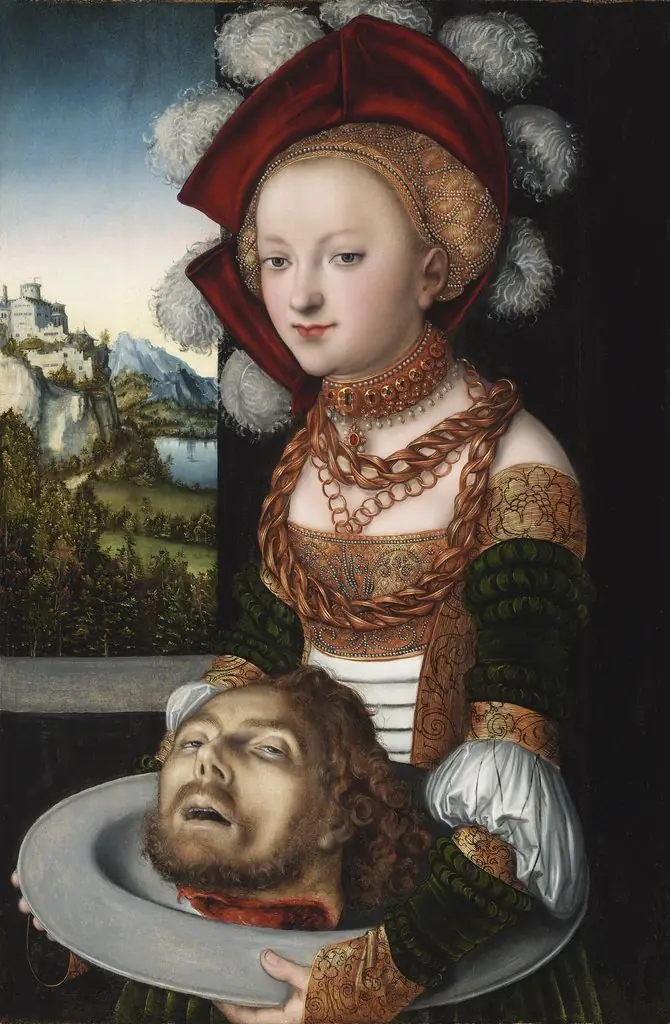 Salome with the head of Saint John the Baptist
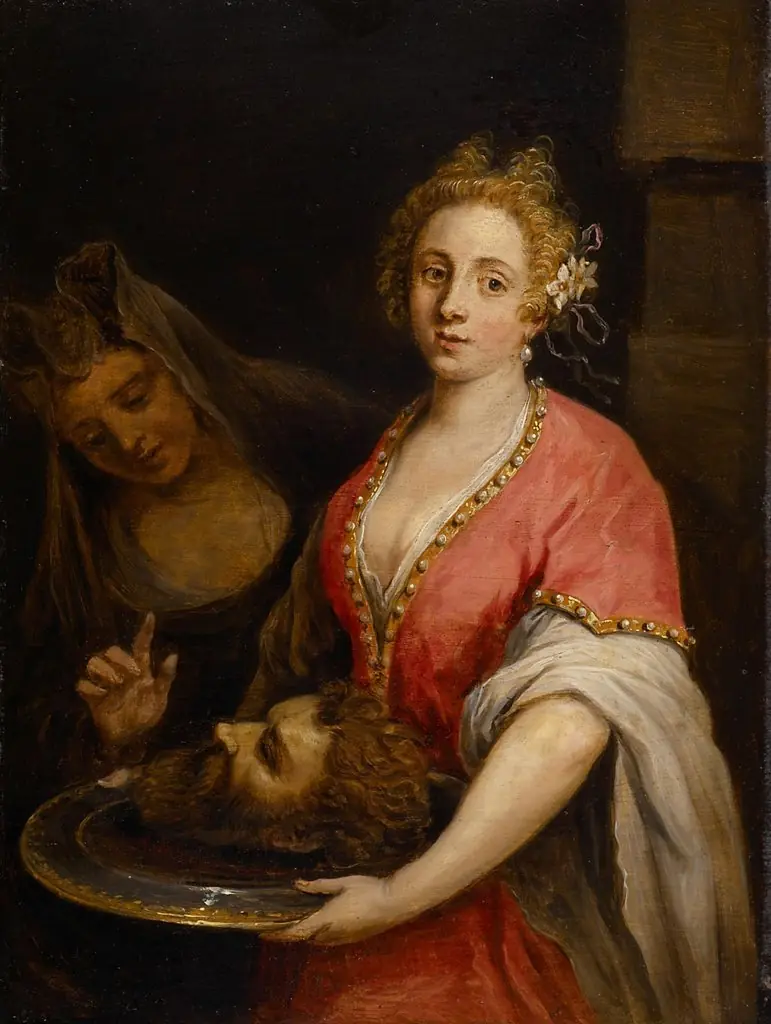 Salome with the Head of John the Baptist
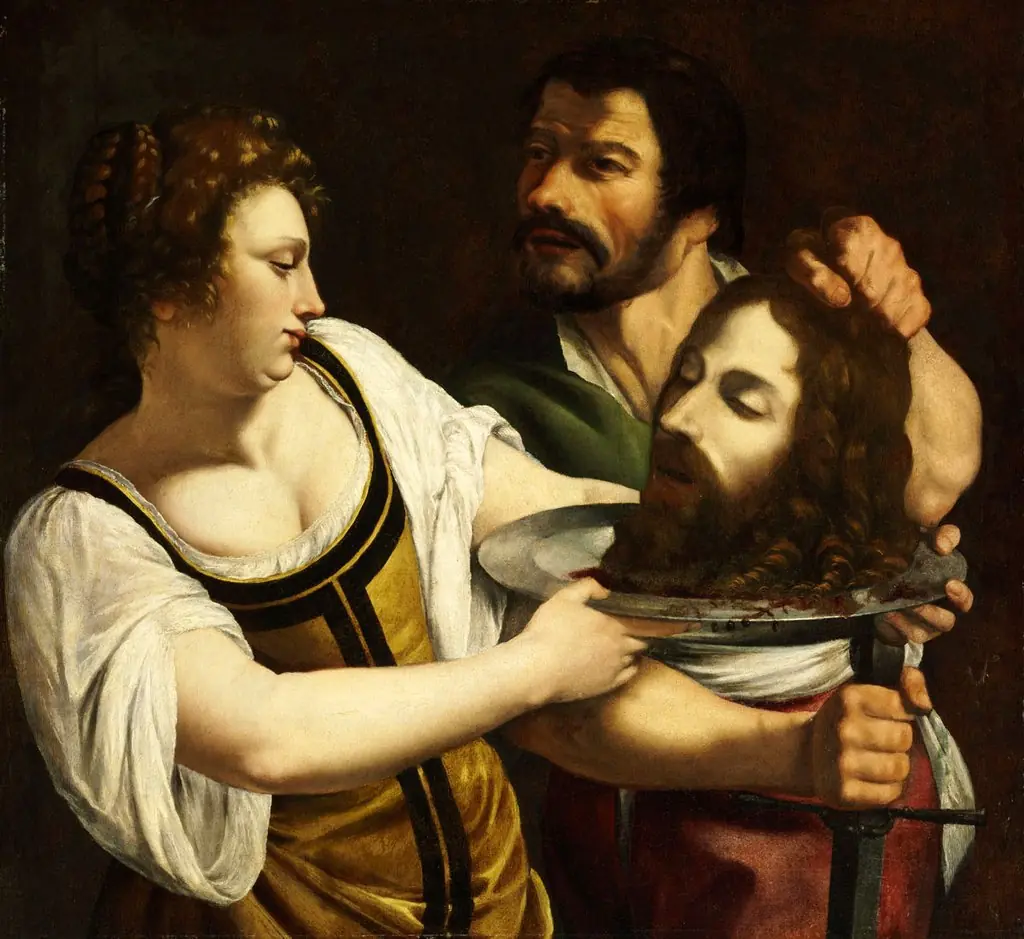 Salome with the Head of Saint John the Baptist
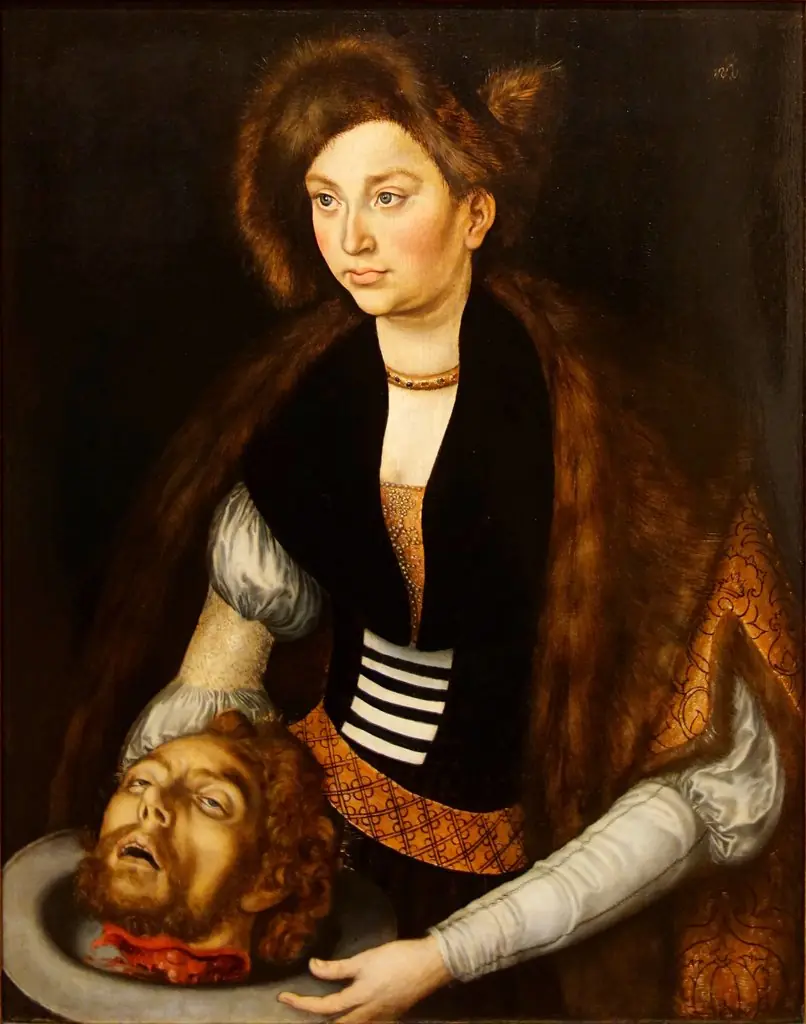 Salome with the head of Saint John the Baptist
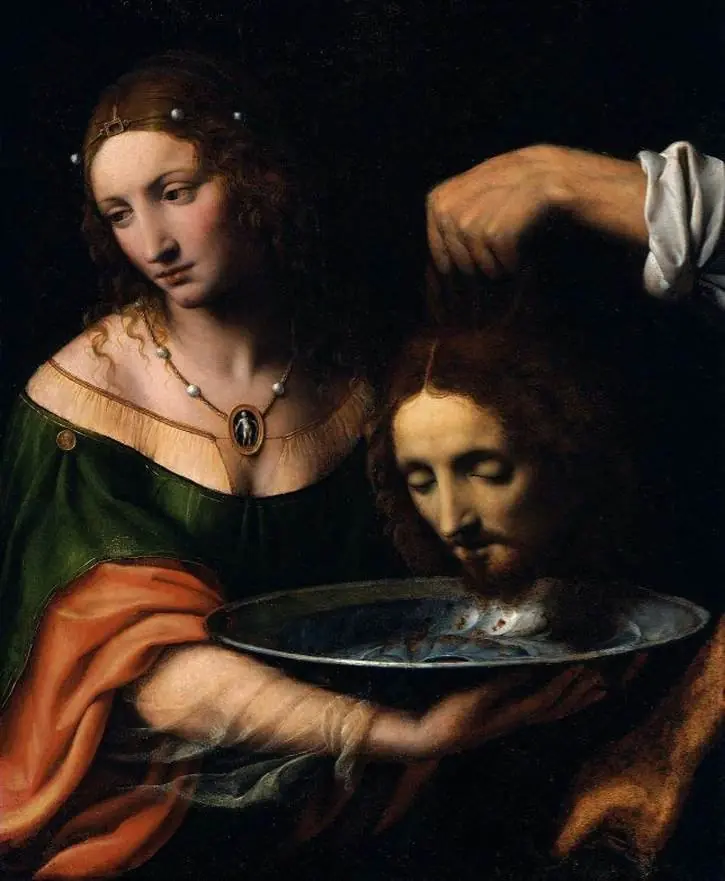 Salome with the Head of Saint John the Baptist