Artwork
Salome with the head of John the Baptist
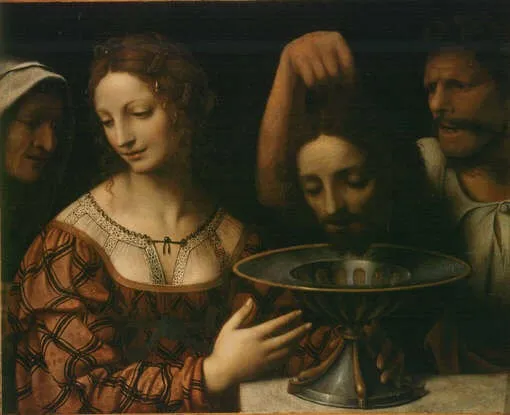
Salome with the head of John the Baptist is an oil painting by the Mannerist artist Luini Bernardino. It dates from 1527 and is held in the collection of the Uffizi Gallery.
About this work
Subject & Meaning
The work portrays Salome holding the severed head of John the Baptist, a moment drawn from the New Testament narrative of the Baptist's execution.
The work portrays Salome holding the severed head of John the Baptist, a moment drawn from the New Testament narrative of the Baptist's execution. The severed head rests on a footed stand held by the young woman, while an executioner presents it with a harsh, almost caricatured visage that emphasizes his brutality. An elderly woman, likely a servant, observes the scene from the left. Salome's lavish dress and intricate braided hair reflect early 16th-century fashion, and her face echoes Leonardo da Vinci's idealized features, particularly those seen in his La Scapigliata. The painting's composition and sfumato technique reveal Leonardo's influence, while the motif of the beheading underscores themes of martyrdom and the transience of earthly power.
The iconography aligns with Counter-Reformation preferences for vivid, emotionally charged biblical episodes, using stark contrasts to highlight moral and spiritual lessons. The work's provenance includes a 1773 exchange that moved it from the Imperial Gallery in Vienna to the Uffizi, where it remains; earlier attributions to Leonardo da Vinci were later revised to Bernardino Luini based on 19th-century inventories and scholarly analysis.
Technique & Style
The work is an oil paint on panel, measuring 51 cm in height and 58 cm in width, created circa 1527. It portrays Salome holding the severed head of John the Baptist on a tray, with a servant observing from the left; the executioner's face is rendered with caricature-like features to emphasize ugliness and malice, contrasting with the delicate, lifeless features of the Baptist. Salome's sumptuous early 16th-century dress and elaborate braided hair are highlighted, reflecting contemporary fashion, while Leonardo da Vinci's influence appears in the girl's facial modeling, particularly resembling La Scapigliata. The painting exemplifies the Leonardesque sfumato technique through its soft tonal transitions and dark background, which enhances the half-figure composition. Six autograph variants of this subject are documented in other collections, including the Kunsthistorisches Museum, the Louvre, the Boston Museum of Fine Arts, the Prado Museum, and the Prince Borromeo collection at Isola Bella.
History & Provenance
Bernardino Luini created this oil-on-panel painting around 1527, dating it to the late phase of his career. The work remained in the Imperial Gallery in Vienna until 1773, when it was exchanged for another work and transferred to Florence. Upon its arrival in Florence, the painting was initially attributed to Leonardo da Vinci. The correct attribution to Luini was later established by Gouthiez based on an 1890 inventory, and Beltrami subsequently dated the work to approximately 1527-1530. It is now held in the Uffizi Gallery. The painting is held in the Uffizi Gallery in Florence. It arrived in the city in 1773 following an exchange with the Imperial Gallery in Vienna, where it had previously been located. Upon its arrival, the work was attributed to Leonardo da Vinci, though later scholarship by Gouthiez, relying on an 1890 inventory, correctly reassigned it to Bernardino Luini. Beltrami subsequently dated the piece to approximately 1527-1530. While this specific panel resides in Florence, at least six autograph variants of the composition exist in other major collections, including the Kunsthistorisches Museum, the Louvre, the Museum of Fine Arts in Boston, the Prado Museum, and the Prince Borromeo collection on Isola Bella.
Context
Salome with the head of John the Baptist is a c. 1527 oil-on-panel painting by Bernardino Luini, currently housed in the Uffizi Gallery in Florence. Originally part of the Imperial Gallery in Vienna, the work entered the Uffizi in 1773 after an exchange, having previously been attributed to Leonardo da Vinci. Art historians reattributed it to Luini based on an 1890 inventory and later scholarship, notably Beltrami, who dated it to the artist’s late period (c. 1527-1530). Six autograph variants of the composition are documented in major institutions including the Kunsthistorisches Museum, the Louvre, the Boston Museum of Fine Arts, the Prado, and Prince Borromeo’s collection in Isola Bella. The painting exemplifies Leonardoesque sfumato and compositional influence, particularly in the delicate rendering of Salome’s face, which scholars associate with Leonardo’s La Scapigliata. Depicting Salome presenting the severed head of John the Baptist to an executioner, the work features dramatic contrasts in expression and meticulous attention to contemporary dress and hair styling. Its provenance, stylistic analysis, and place within the Leonardesque circle underscore its significance in Renaissance religious art.
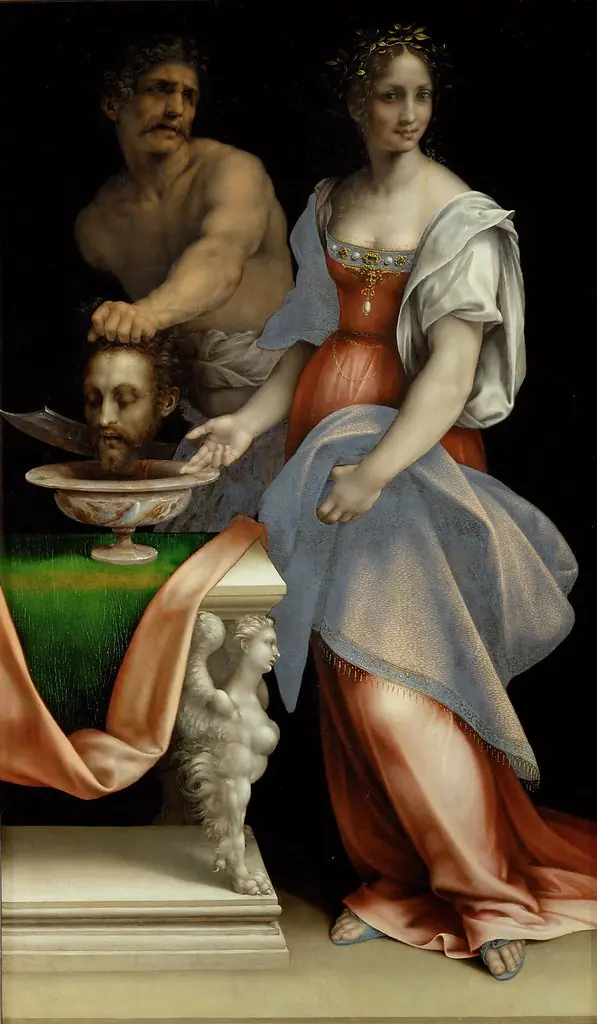
Artist & collection
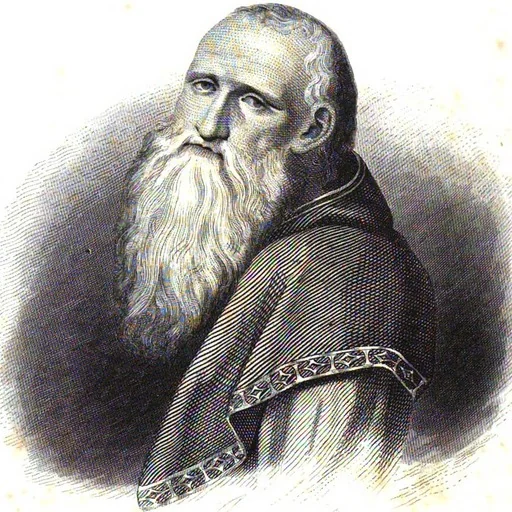
Artist
Bernardino Luini (c. 1480/82 – June 1532) was a north Italian painter from Leonardo's circle during the High Renaissance. Both Luini and Giovanni Antonio Boltraffio were said to have worked with Leonardo directly; he…

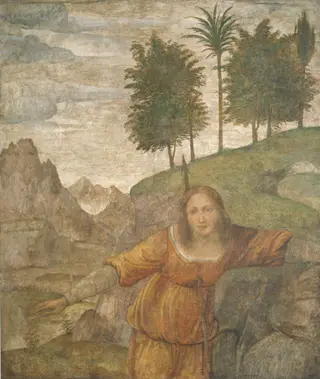
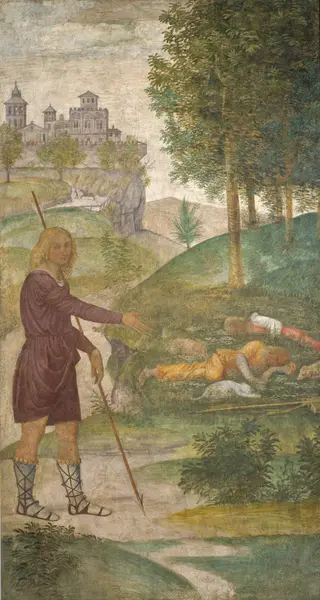
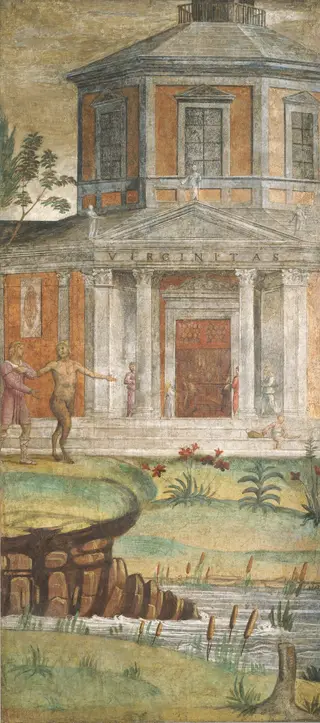
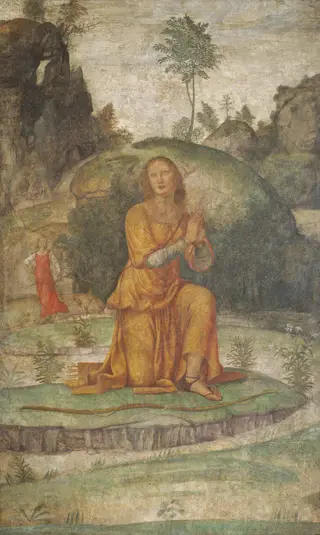
- Salome with the head of John the Baptist
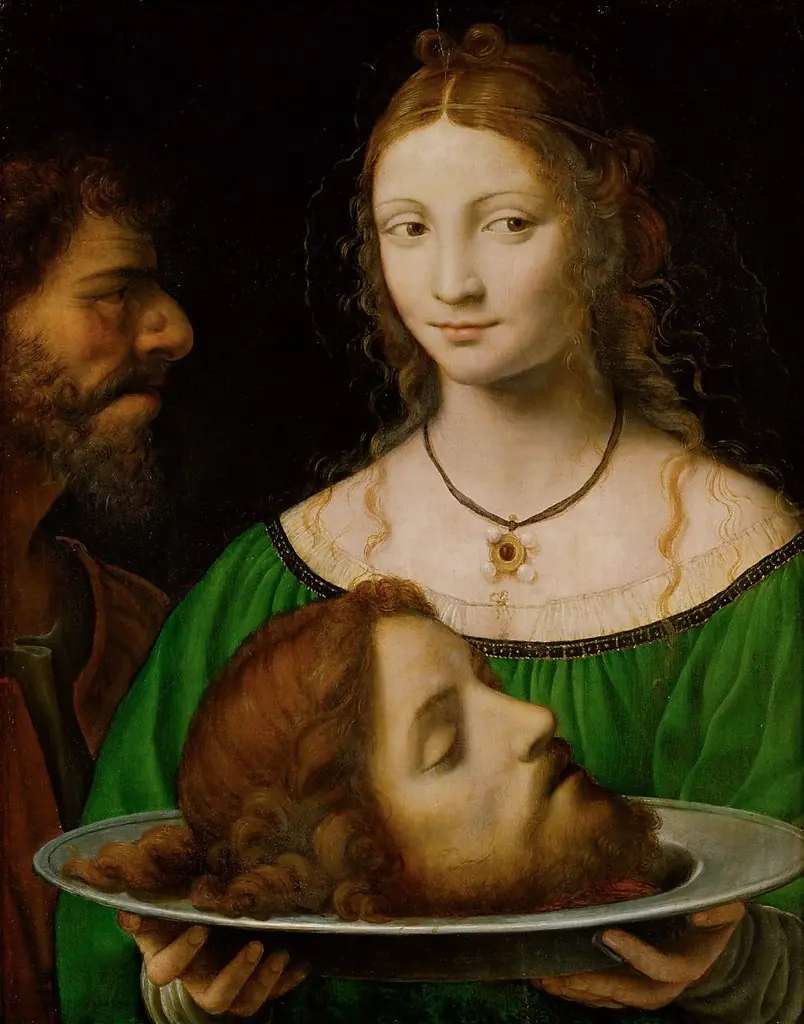 Salome with the Head of John the Baptist
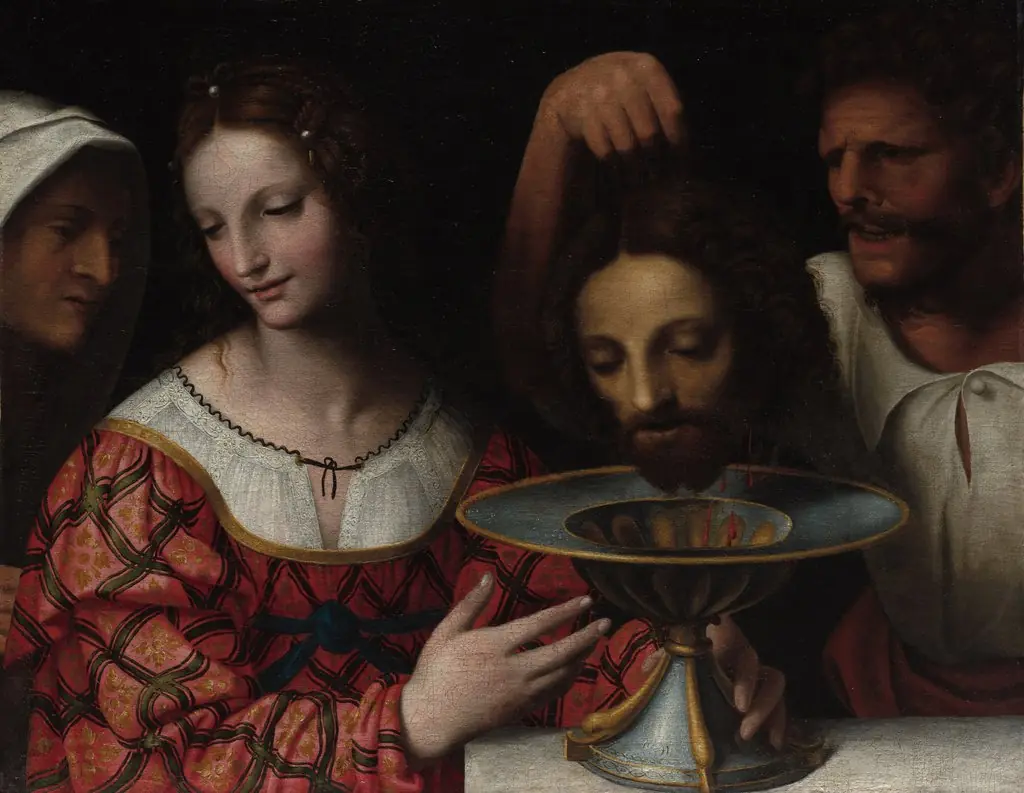 Salome with the Head of Saint John the Baptist
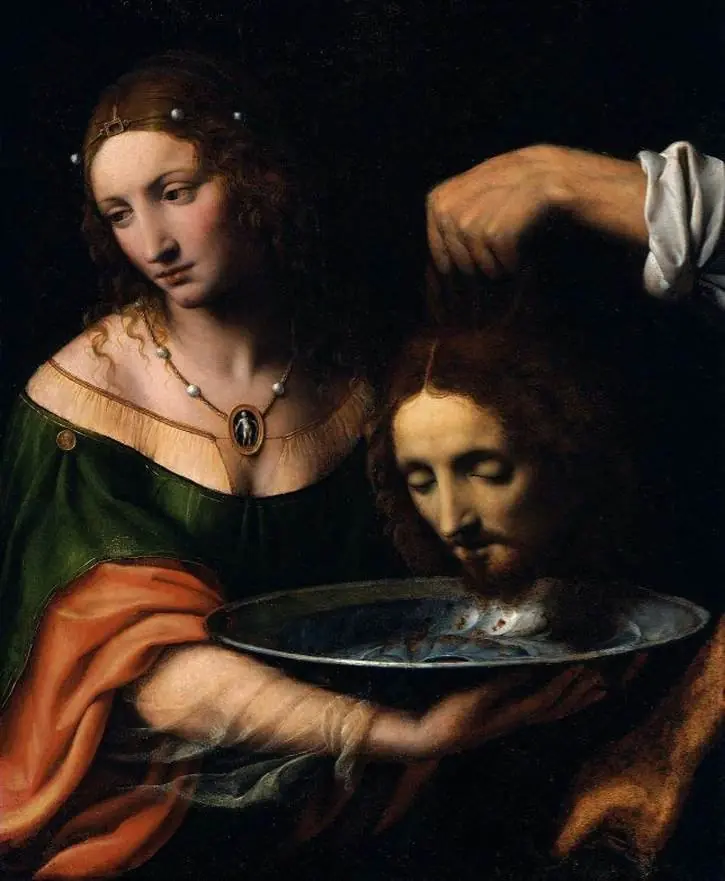 Salome with the Head of Saint John the Baptist
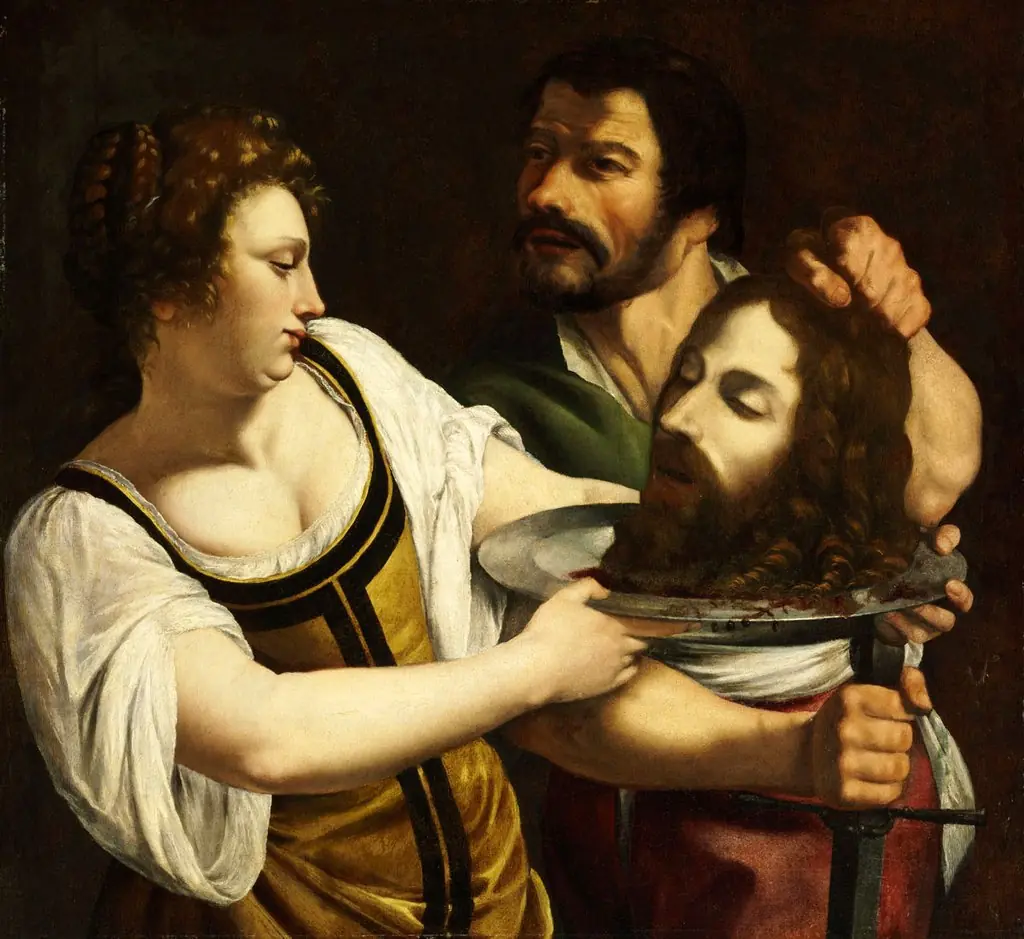 Salome with the Head of Saint John the Baptist
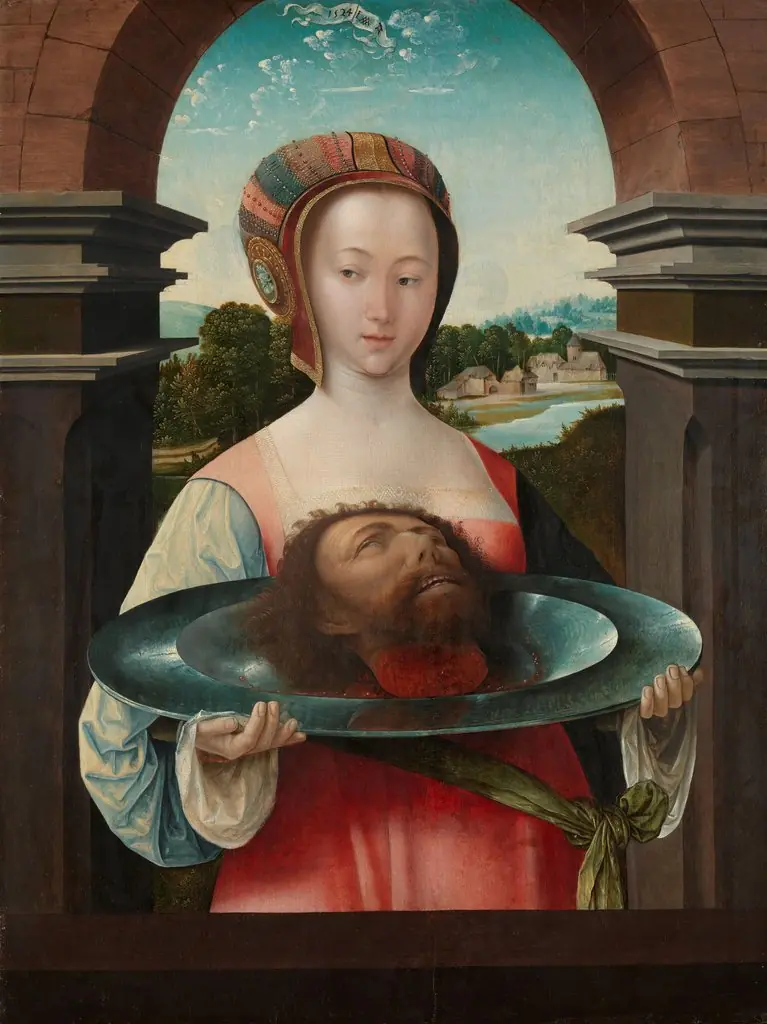 Salome with the Head of John the Baptist
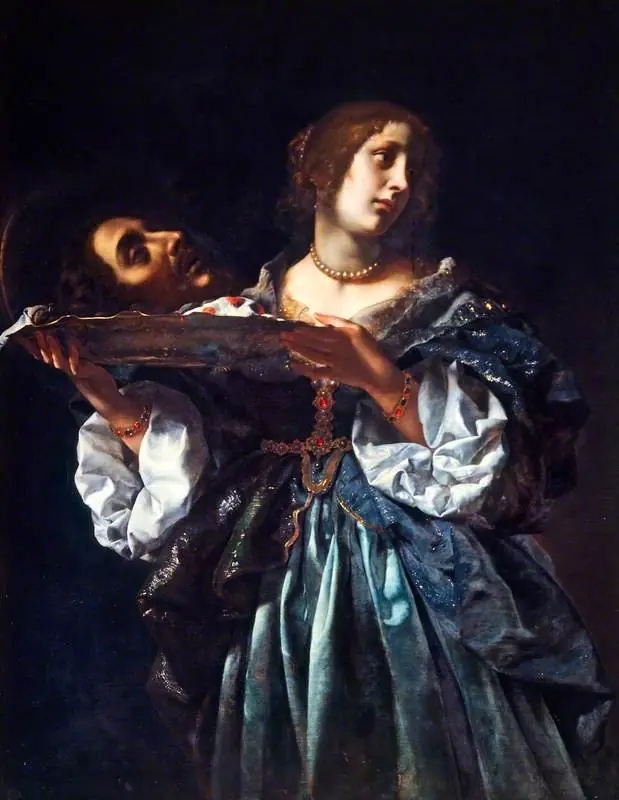 Salome with the Head of John the Baptist
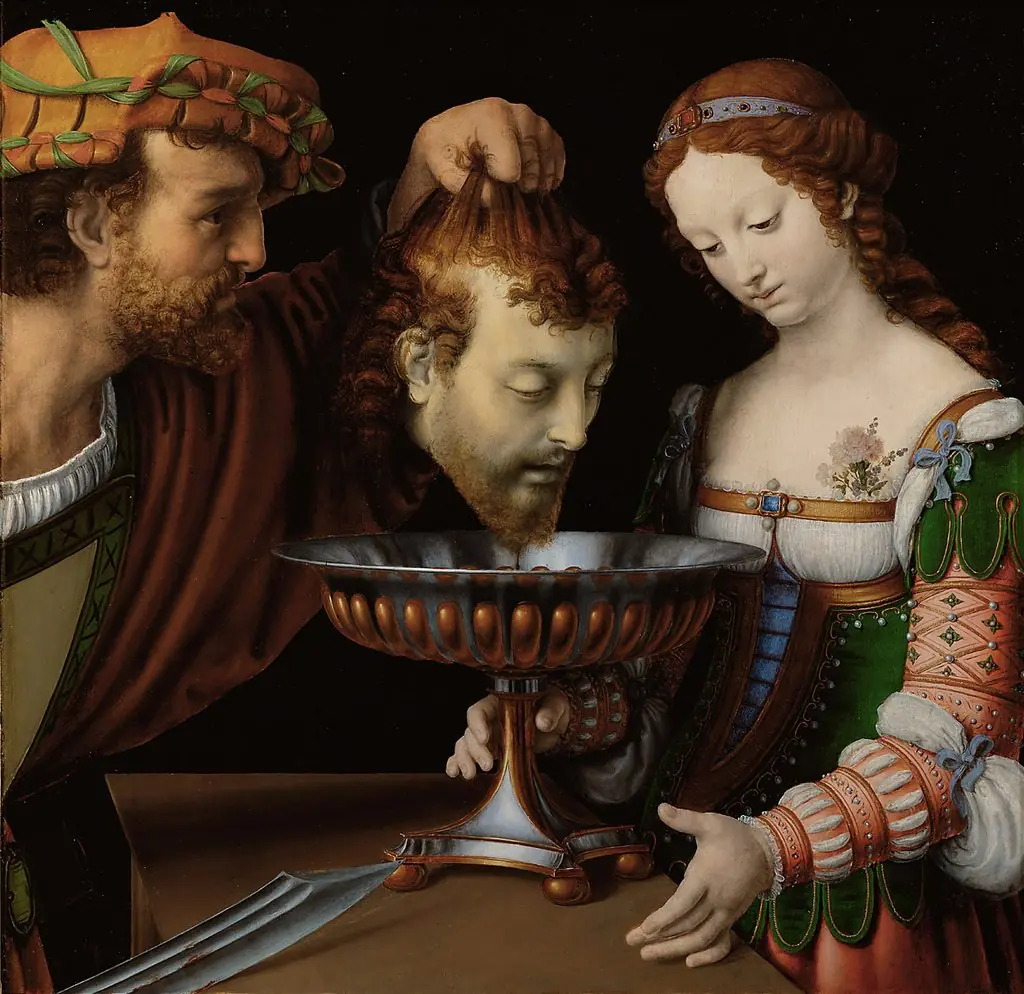 Salome with John the Baptist's head
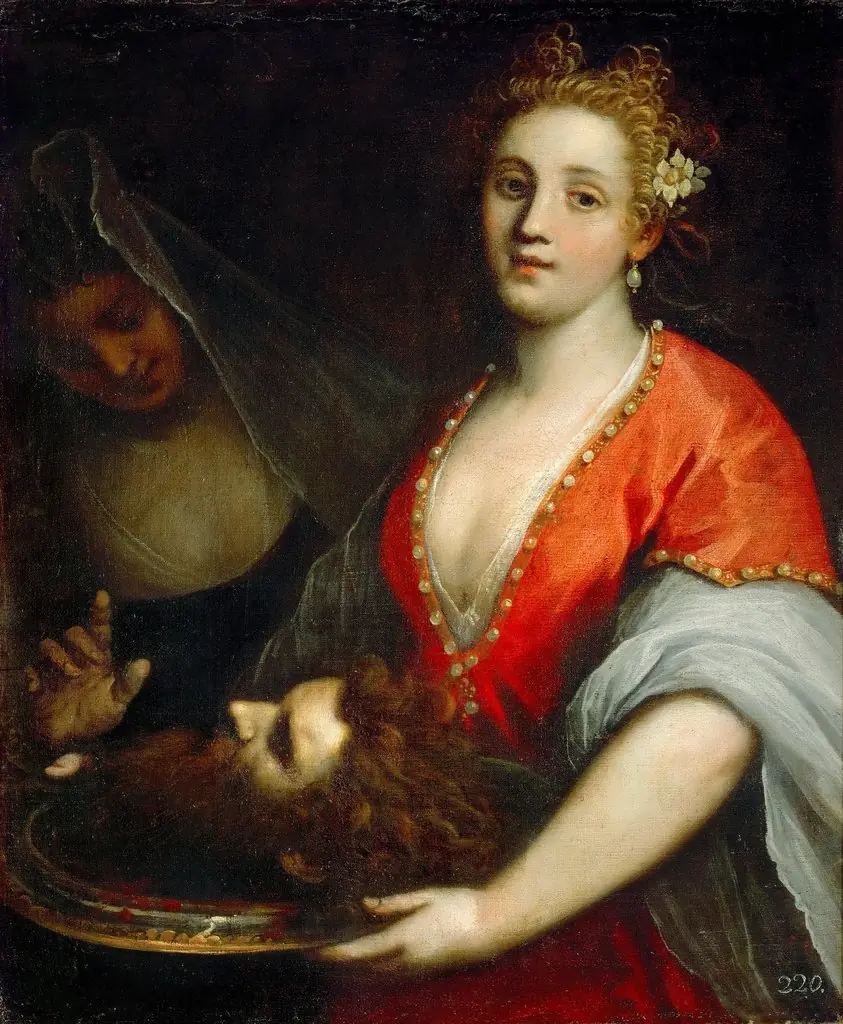 Salomé with the Head of John the Baptist
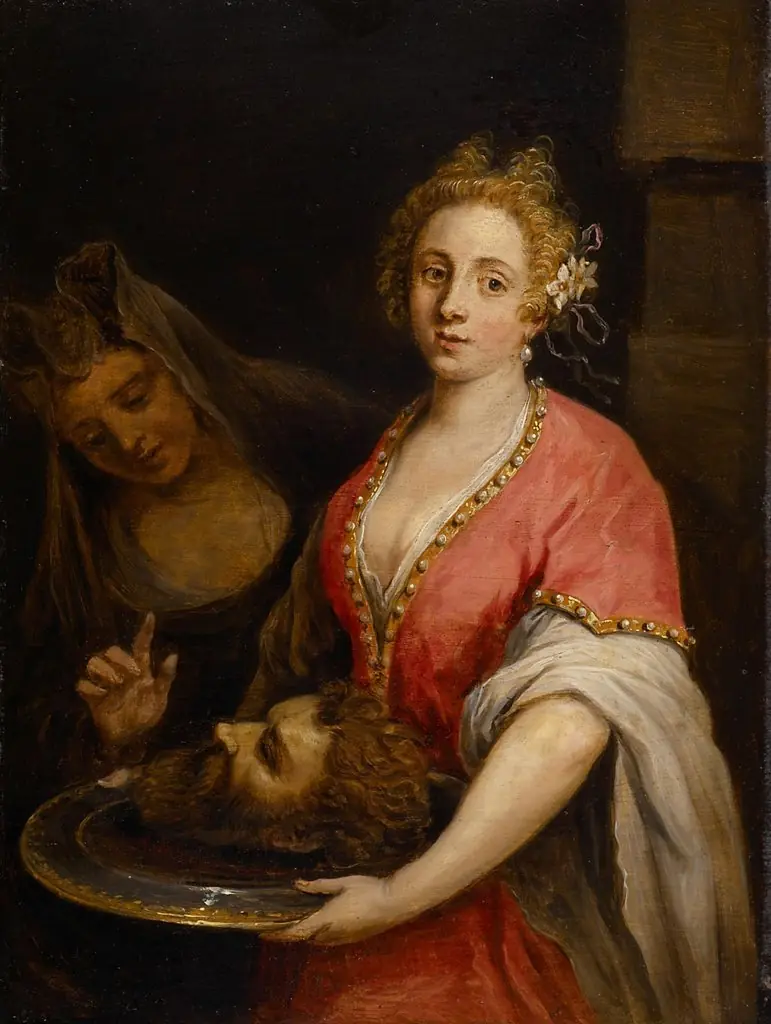 Salome with the Head of John the Baptist
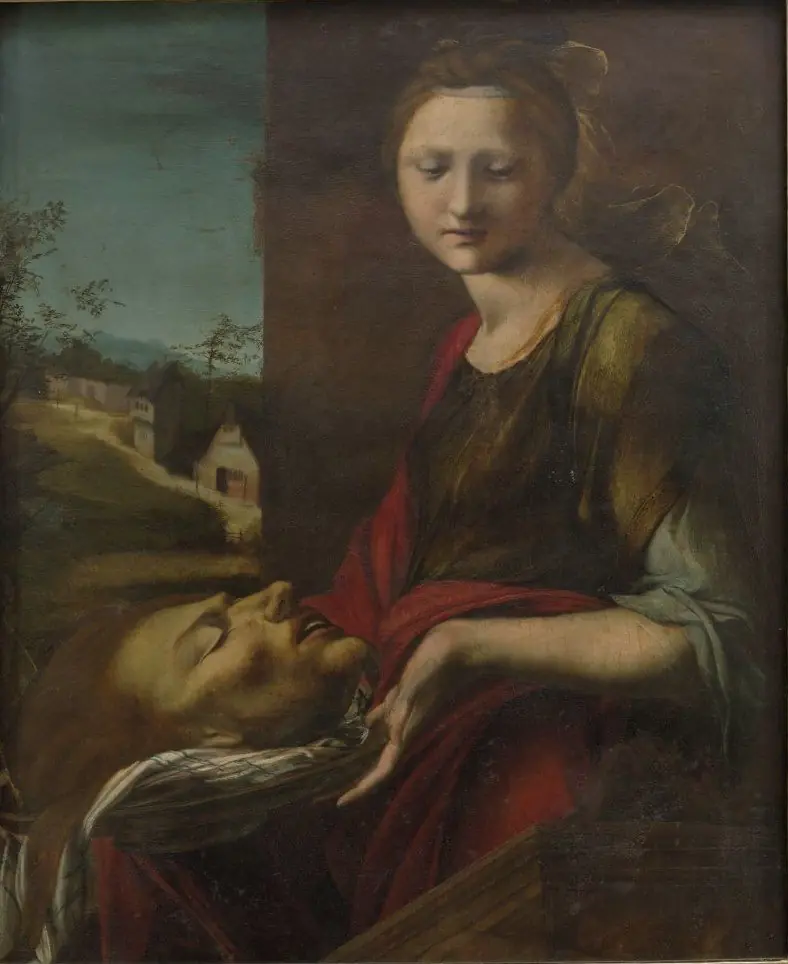 Salome with the head of John the Baptist
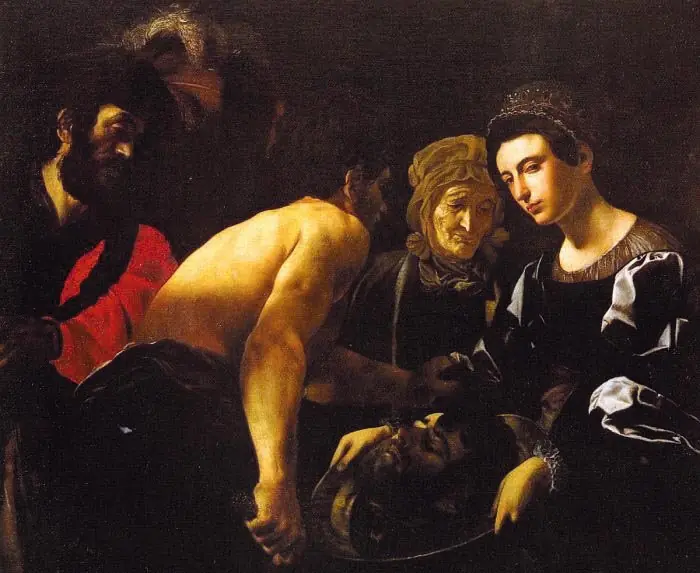 Salome receives the Head of St. John the Baptist