Artwork
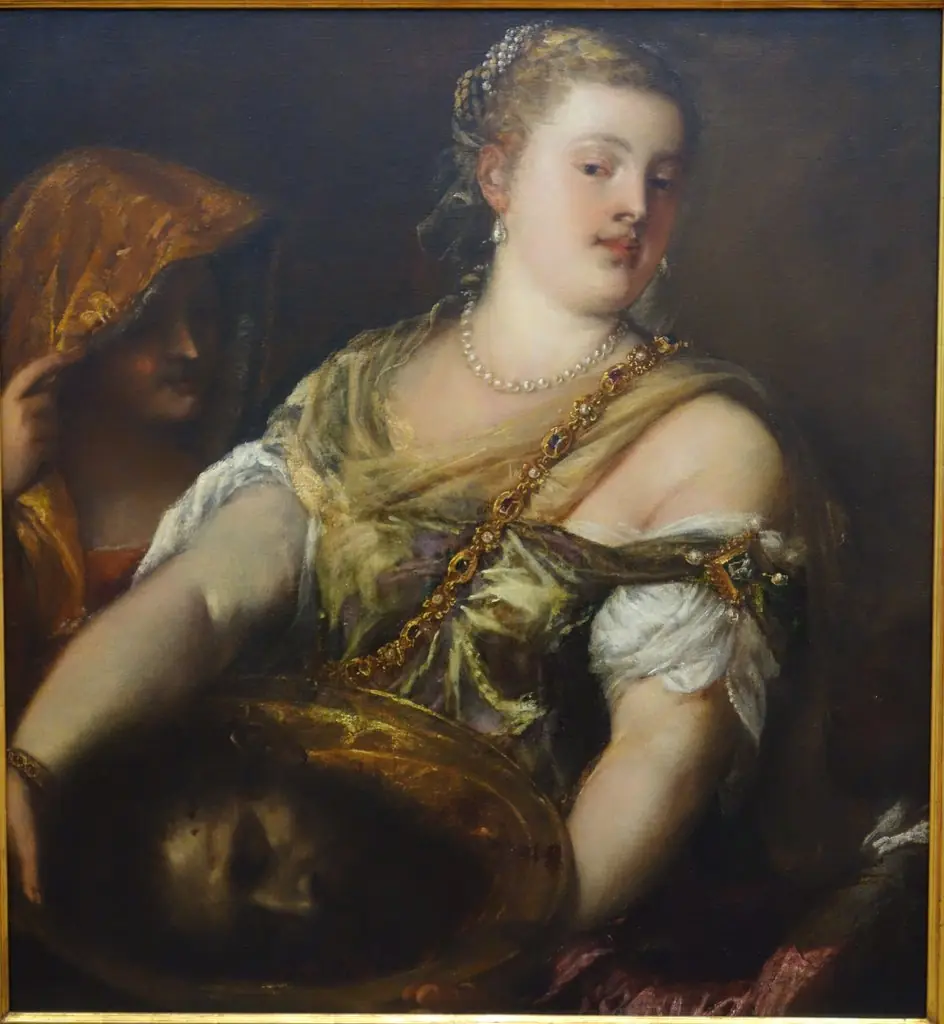
Salome with the head of John the Baptist
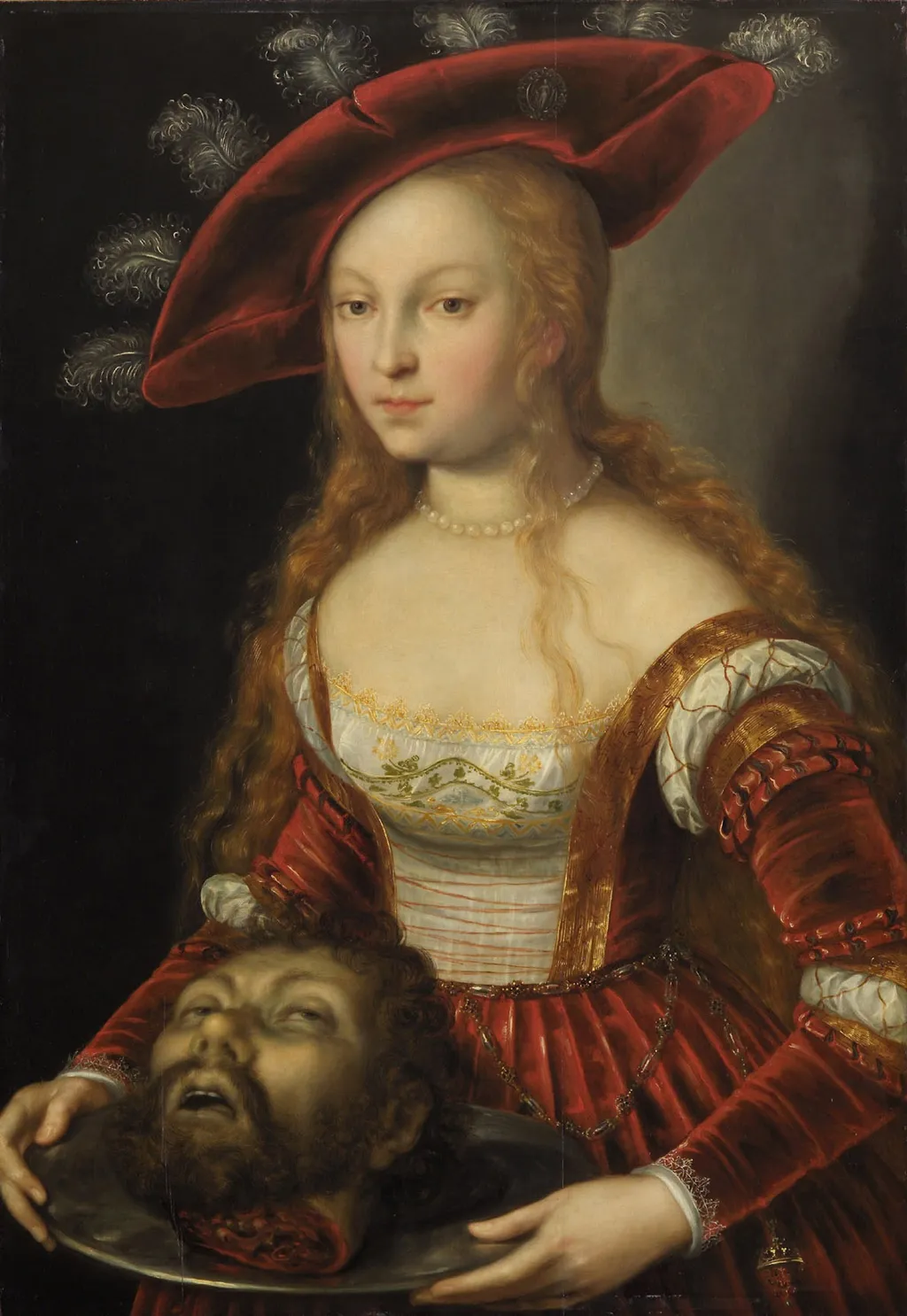
Salome with the head of John the Baptist is an oil painting by the Early Baroque Italian artist Joseph Heintz the Elder. It dates from 1600 and is held in the collection of the Kunsthistorisches Museum.
About this work
Technique & Style
Created in 1600, this religious painting by Joseph Heintz the Elder is executed in oil paint on a panel support. The work measures 94 cm in height and 71 cm in width. As a depiction of Salome holding the head of John the Baptist, the piece exemplifies the artist's engagement with biblical narrative subjects through the medium of oil on wood, a standard practice for panel paintings of this era.
History & Provenance
Created in 1600 by Joseph Heintz the Elder, this oil painting on panel depicts the biblical figure Salome holding the head of John the Baptist.
Created in 1600 by Joseph Heintz the Elder, this oil painting on panel depicts the biblical figure Salome holding the head of John the Baptist. The work was produced as a religious genre piece during the artist's mature period. Since its creation, the painting has entered the collection of the Kunsthistorisches Museum, where it remains housed.
The panel measures 94 cm in height and 71 cm in width. No specific details regarding the original commissioner or intermediate ownership transfers prior to its museum acquisition are provided in the available records.
Overview
Salome with the head of John the Baptist is a 1600 religious oil painting by Joseph Heintz the Elder. The work is part of the collection at the Kunsthistorisches Museum.
Subject & Meaning
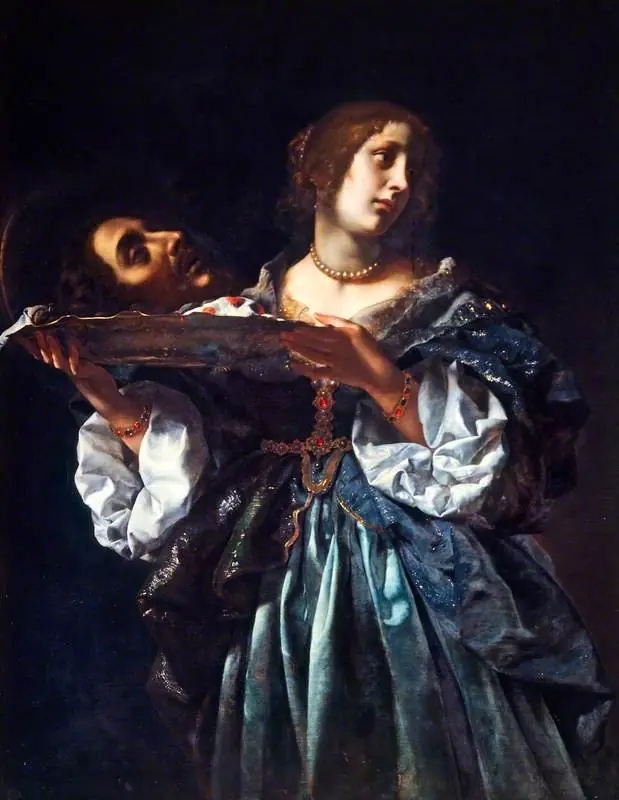
The painting depicts Salome holding a silver tray with the severed head of John the Baptist. The contrast between Salome's calm demeanor and the Baptist's open-mouthed, surprised expression underscores the dramatic and morally complex nature of the biblical scene.
Context
The subject matter draws from the New Testament's account of Salome and John the Baptist, a popular theme in early modern European art, reflecting religious and narrative interests of the time.
Legacy
While specific influences or subsequent artworks directly inspired by this piece are not highlighted, its use of chiaroscuro and dramatic lighting contributes to the broader artistic traditions of the period.
Artist & collection

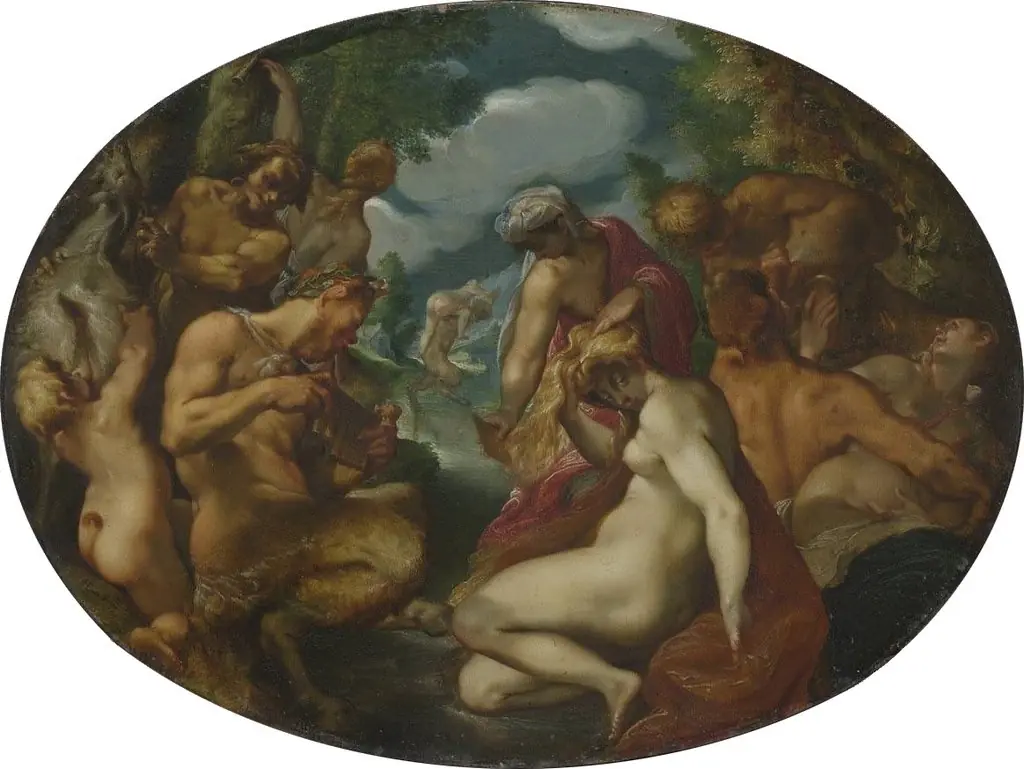 Satyrs and nymphs
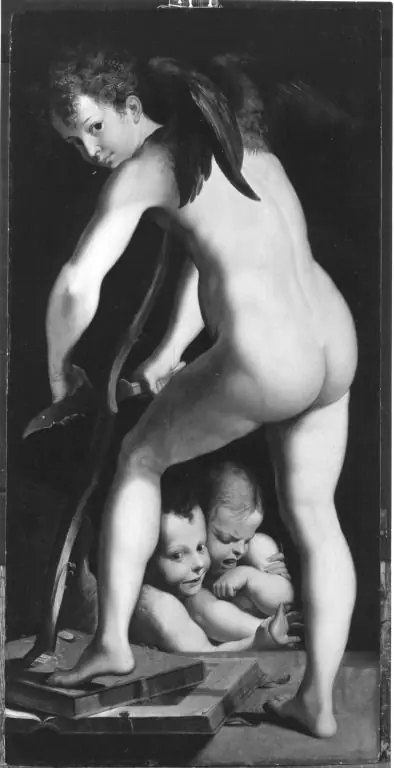 Cupid carves the bow
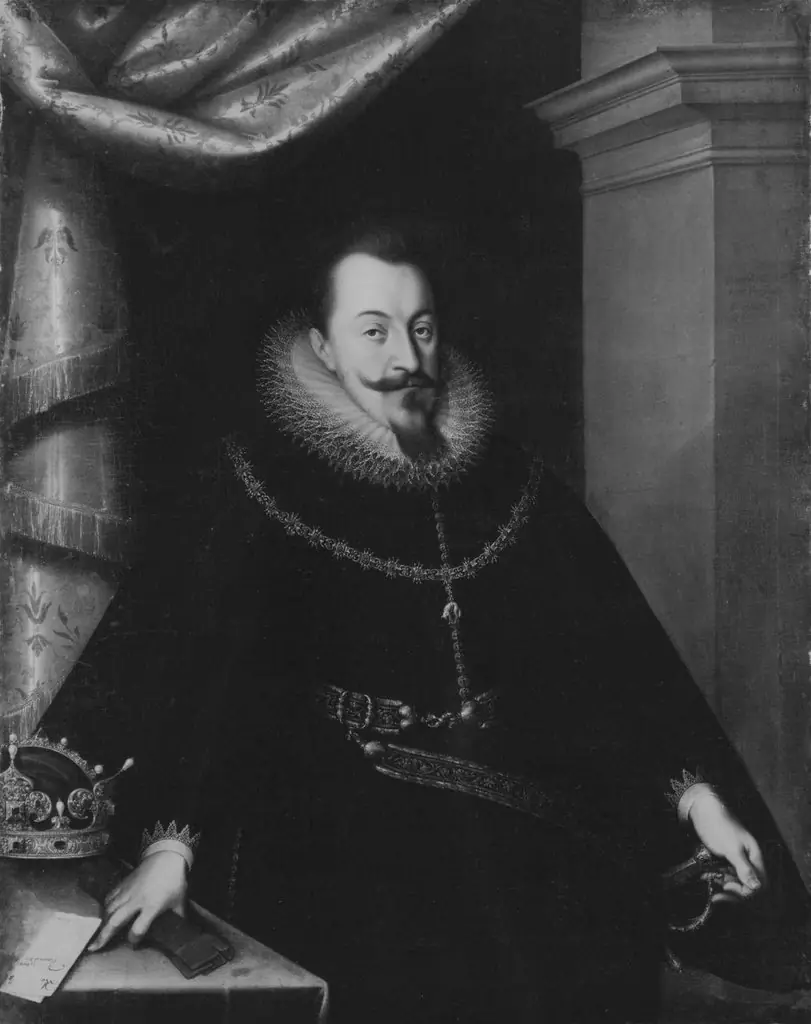 Bildnis des Königs Sigismund III. Vara von Polen und Schweden
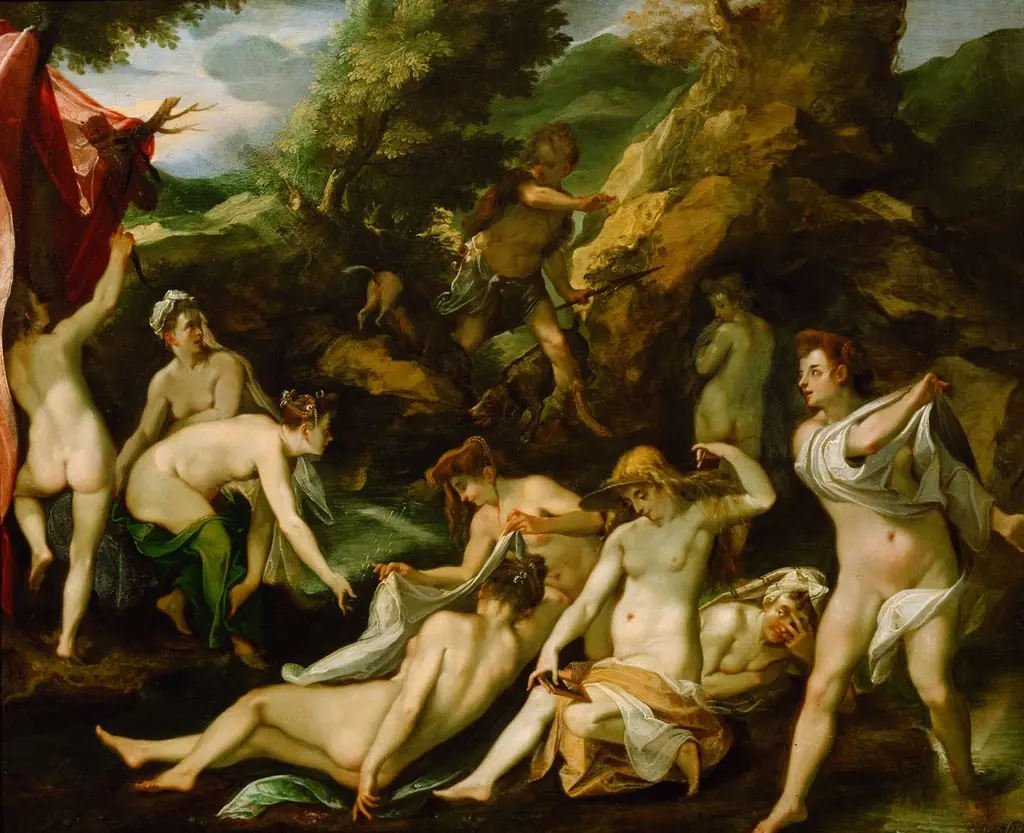 Diana and Actaeon
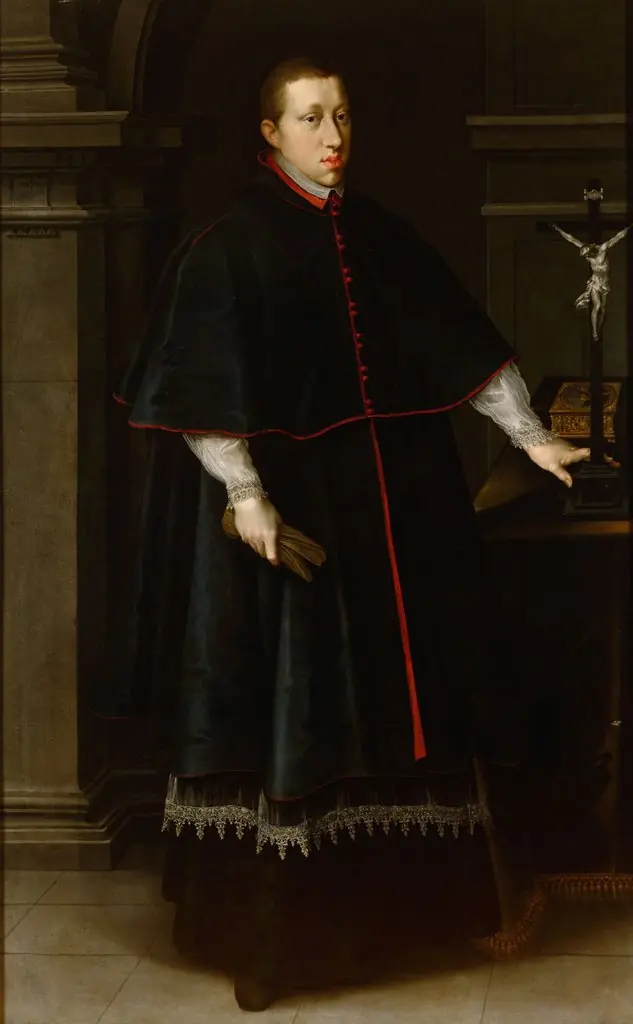 Archduke Leopold V (1586-1632) in the Spiritual Garment
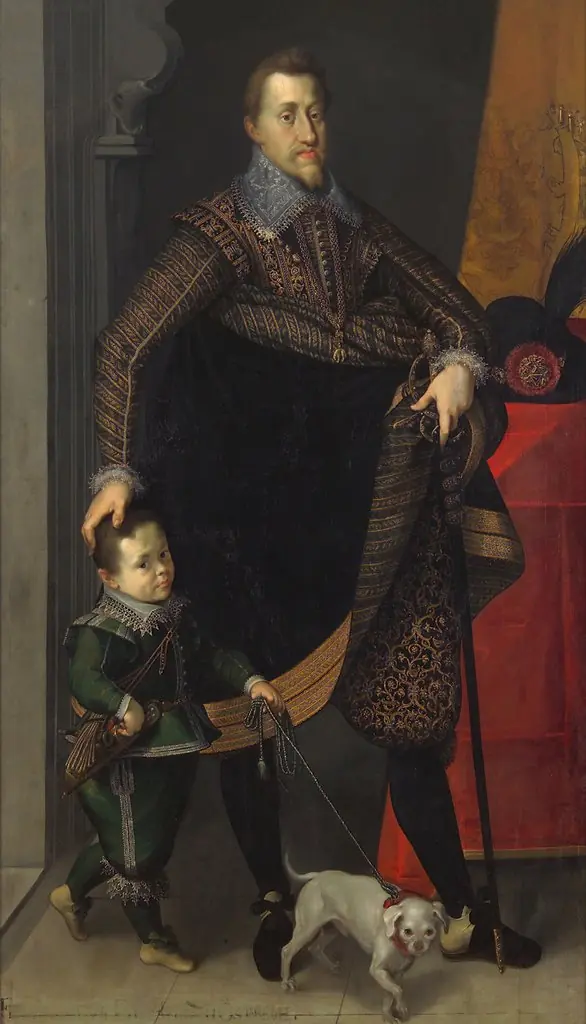 Emperor Ferdinand II (1578-1637) in Full Figure with a Court Dwarf
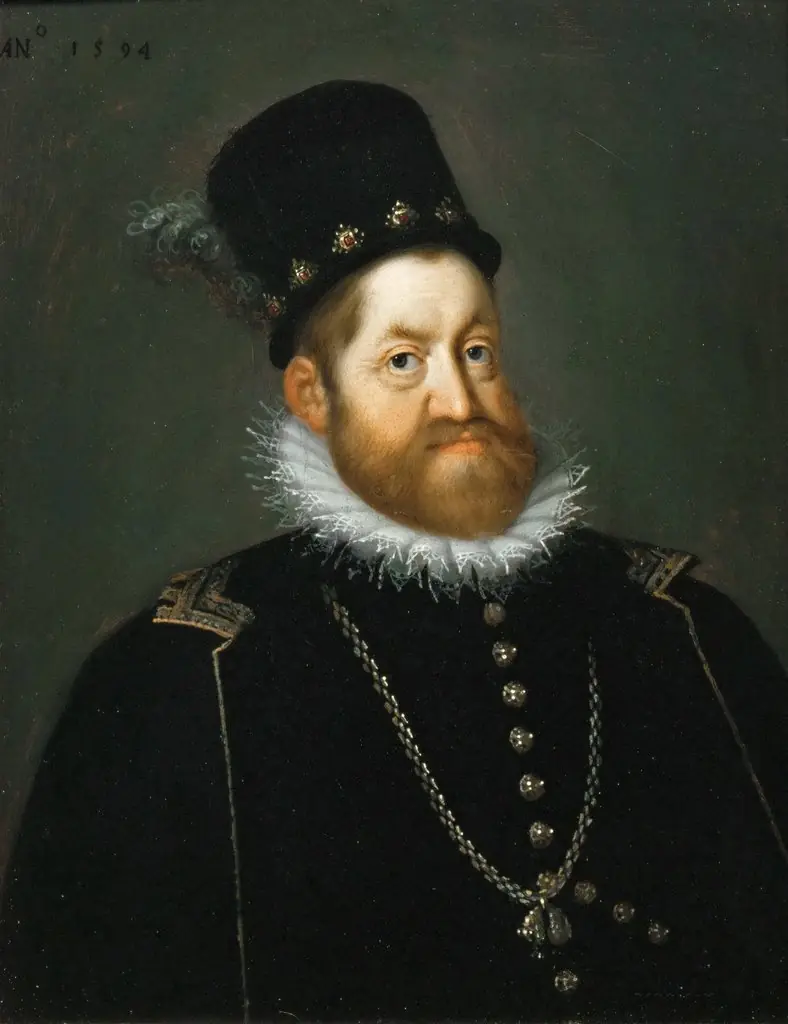 Porträt des Kaisers Rudolf II.
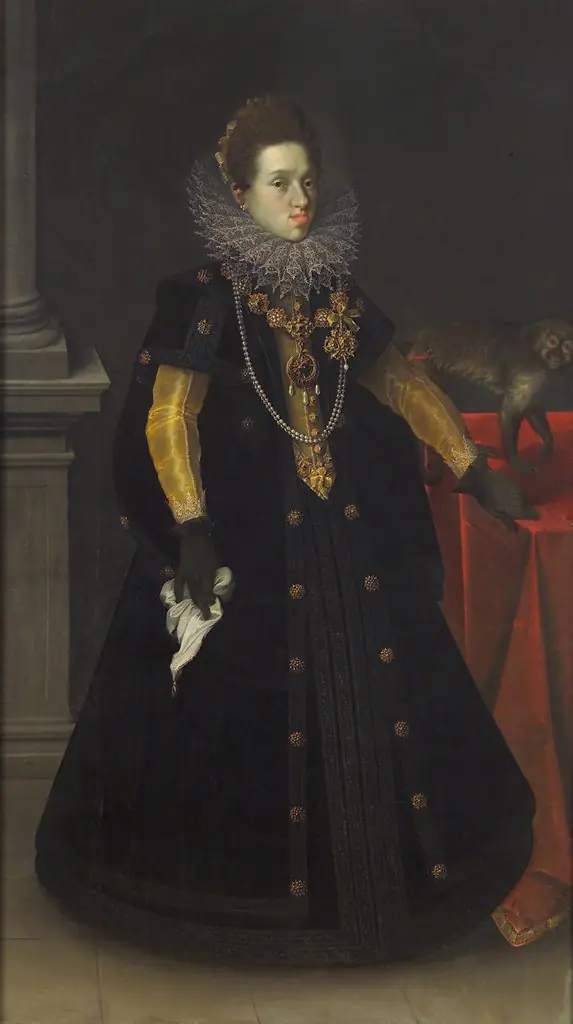 Archduchess Constance (1588-1631), Queen of Poland, with a Monkey
- Salome with the head of Saint John the Baptist
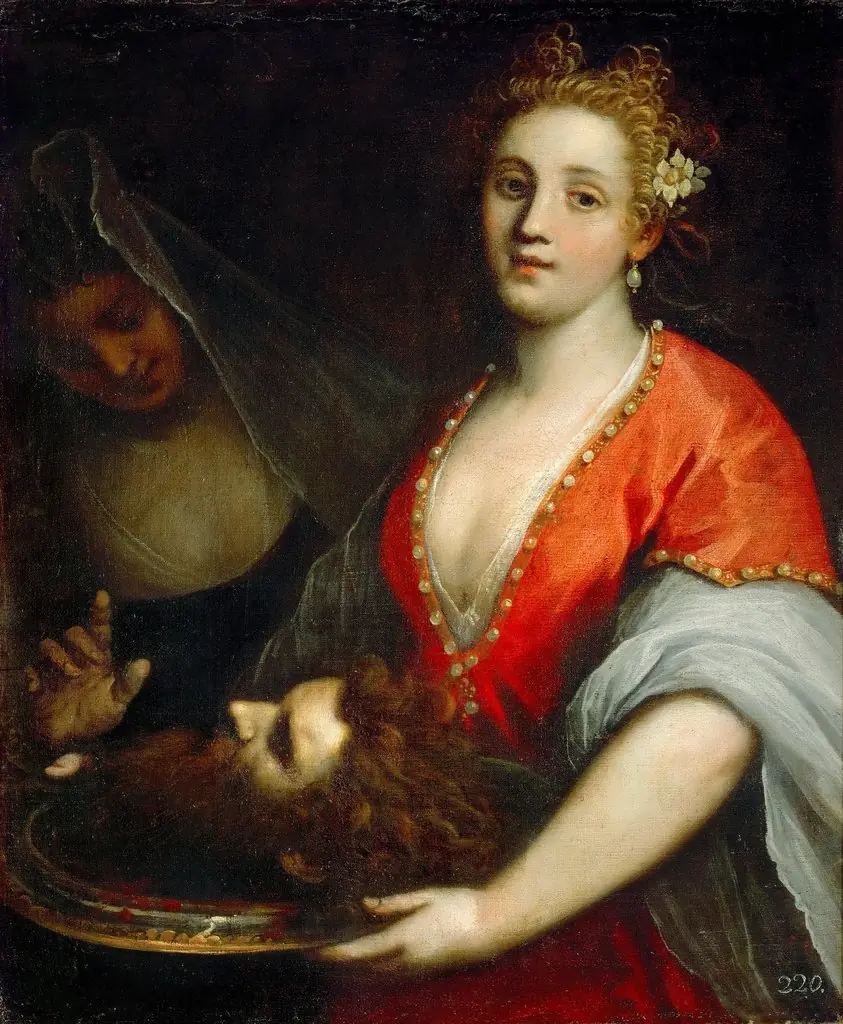 Salomé with the Head of John the Baptist
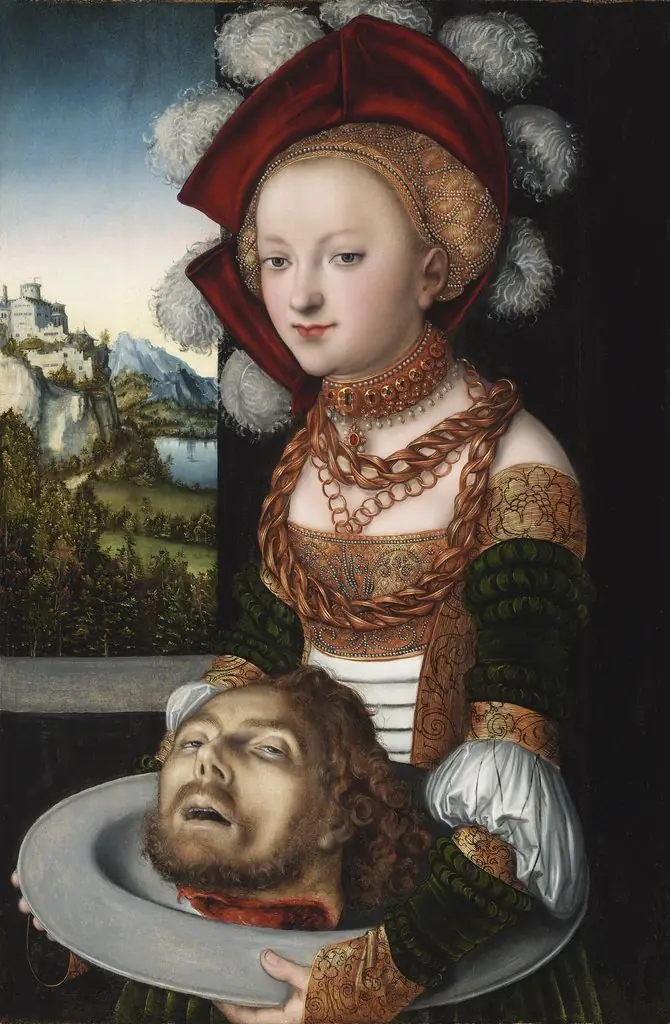
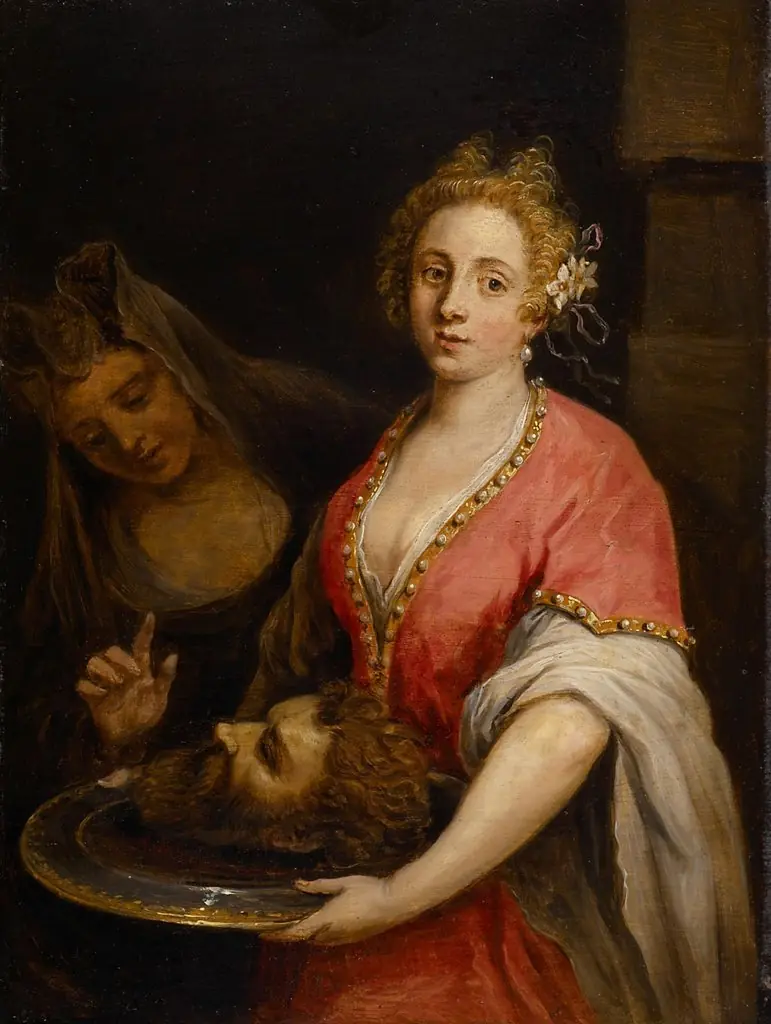 Salome with the Head of John the Baptist
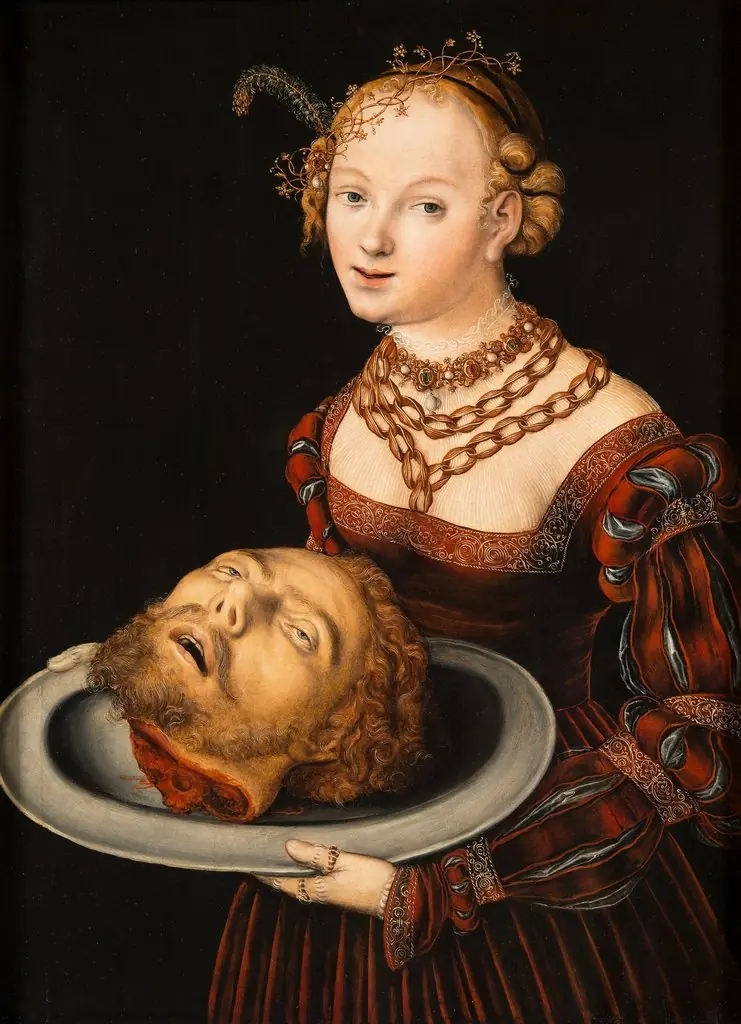 Salome with the Head of St John the Baptist
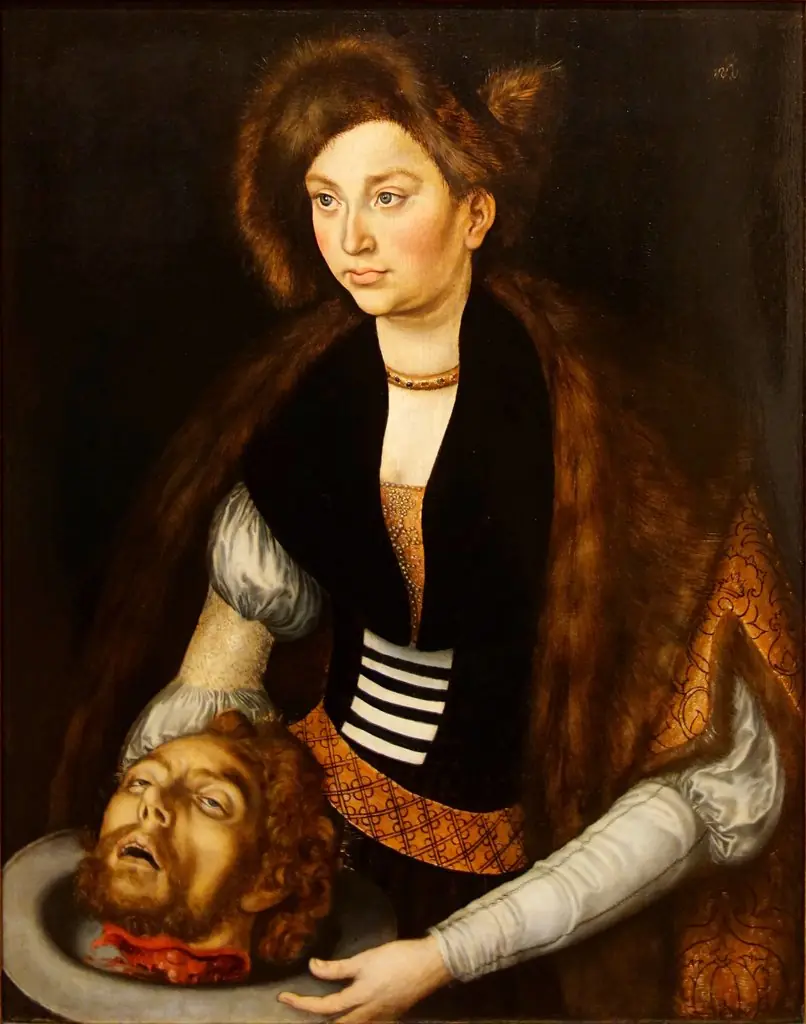 Salome with the head of Saint John the Baptist
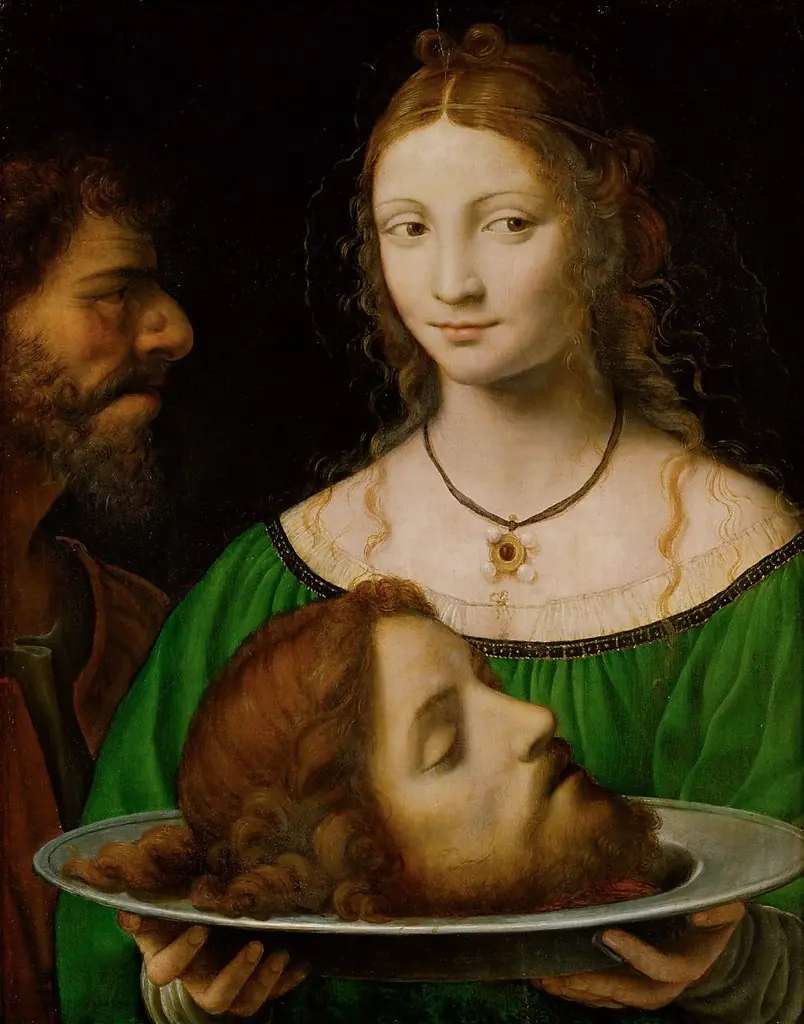 Salome with the Head of John the Baptist
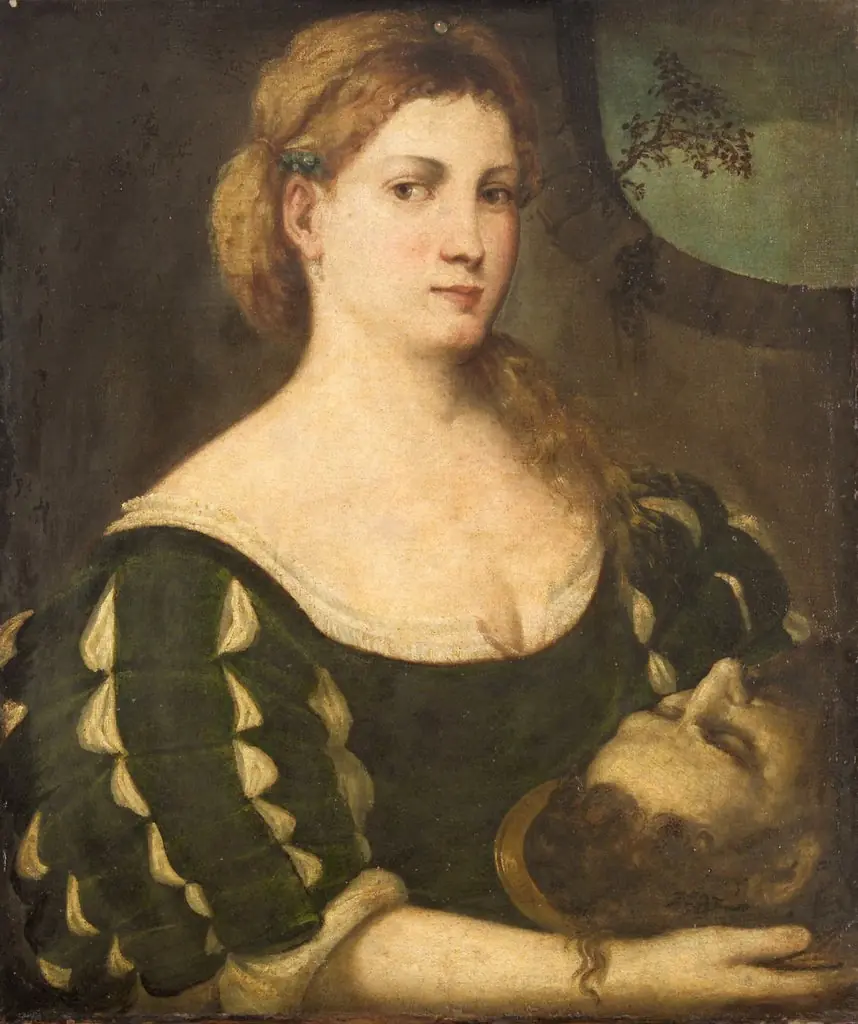 Salome with the head of John the Baptist
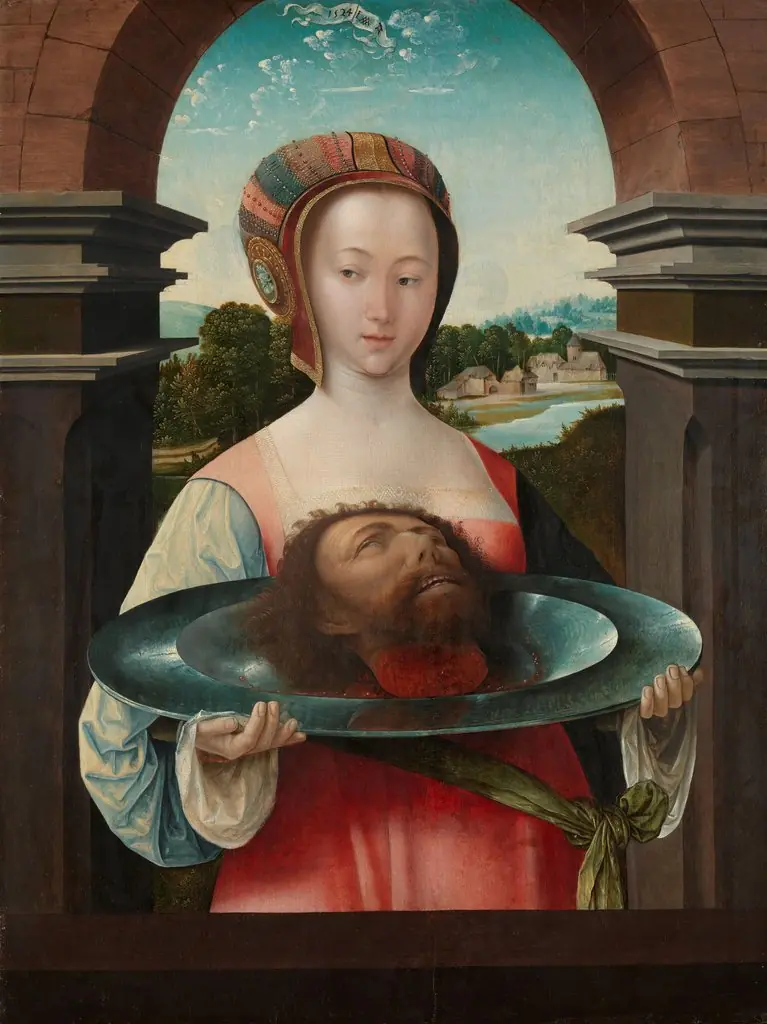 Salome with the Head of John the Baptist
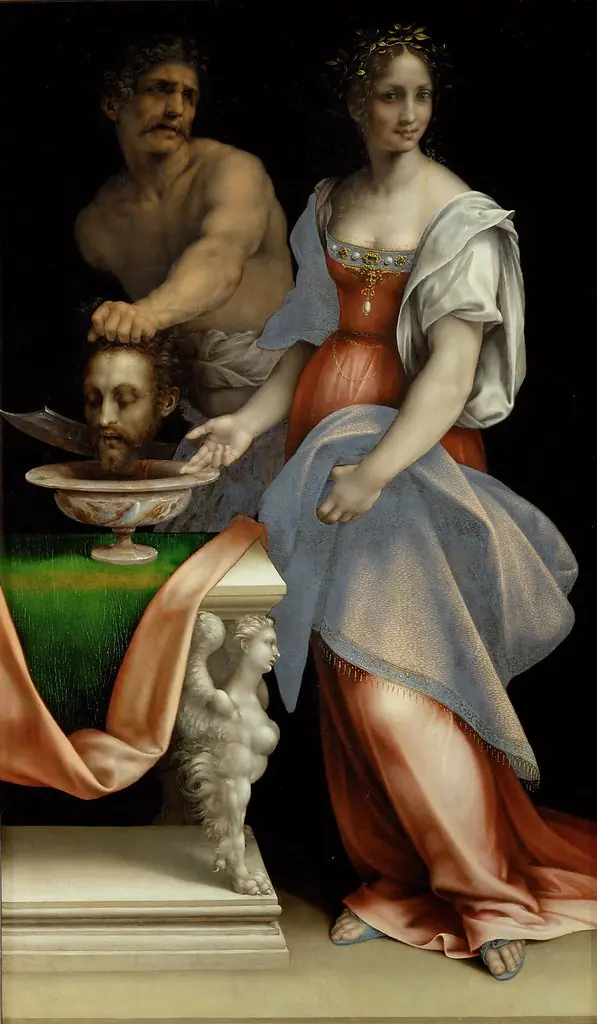 Salome with the head of John the Baptist
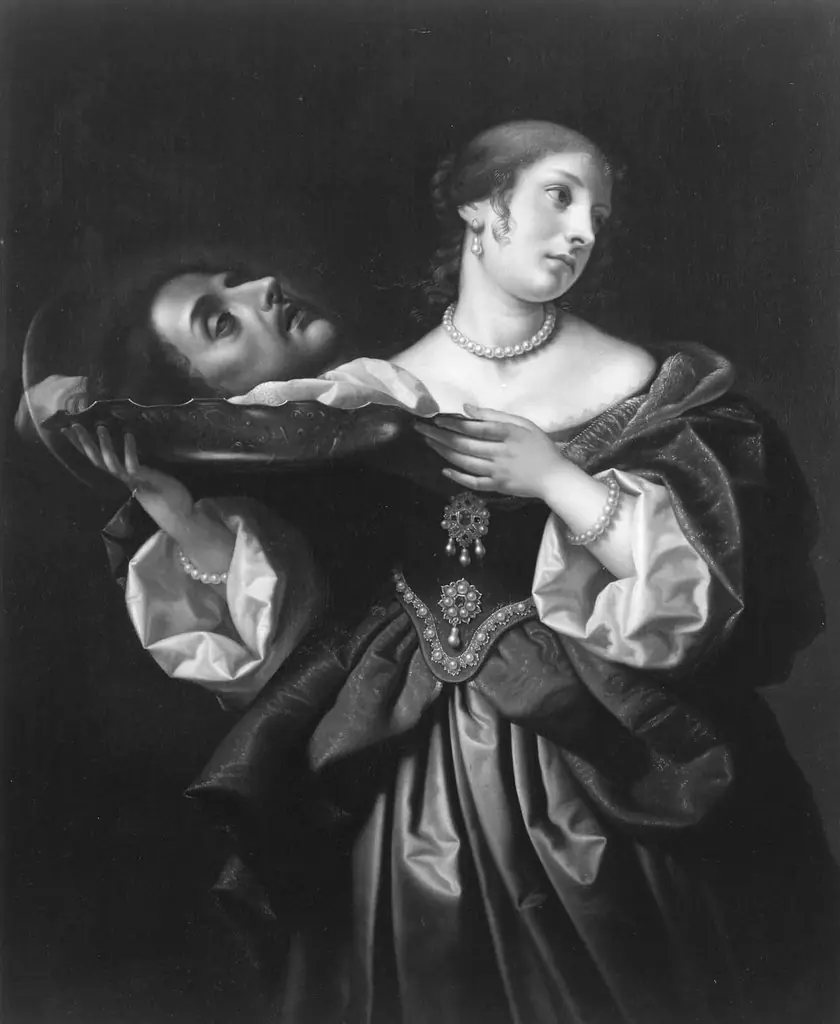 Salome with the Head of Saint John the Baptist
 Salome with the Head of John the Baptist
 Salome with the Head of John the Baptist