Artwork
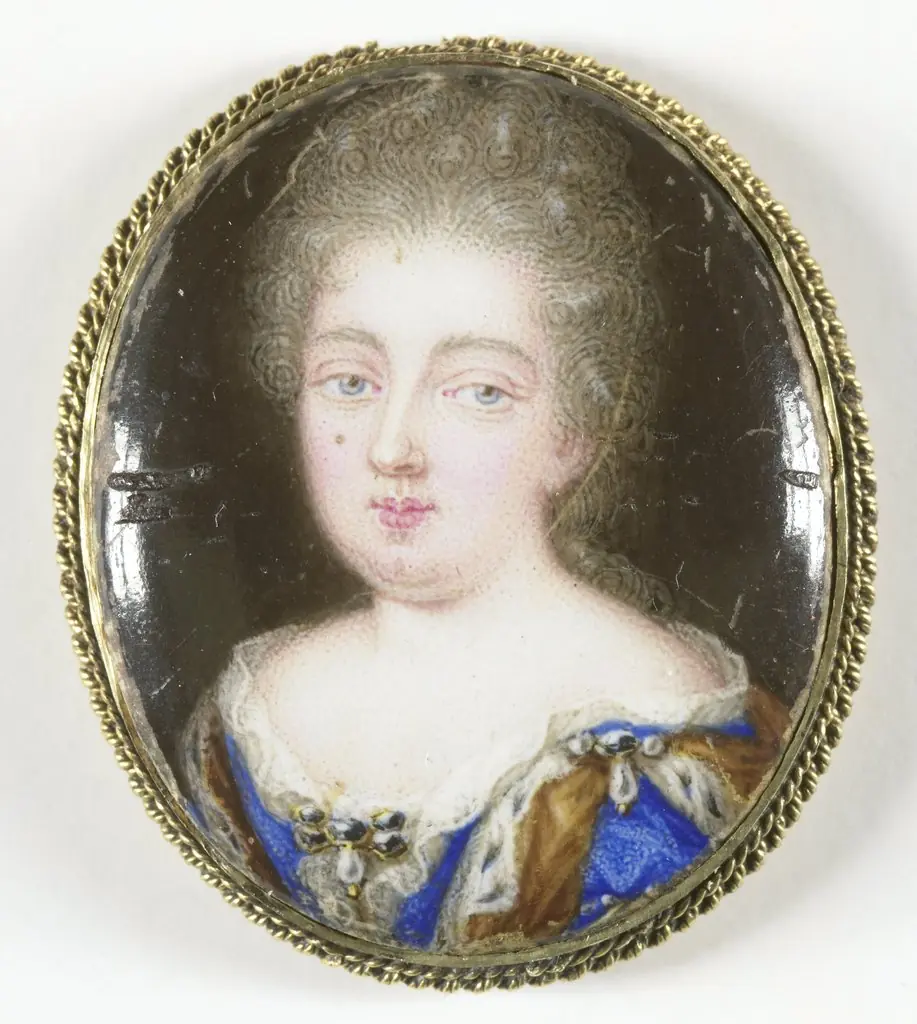
Anne Stuart (1665-1714), koningin van Engeland. Echtgenote van George van Denemarken
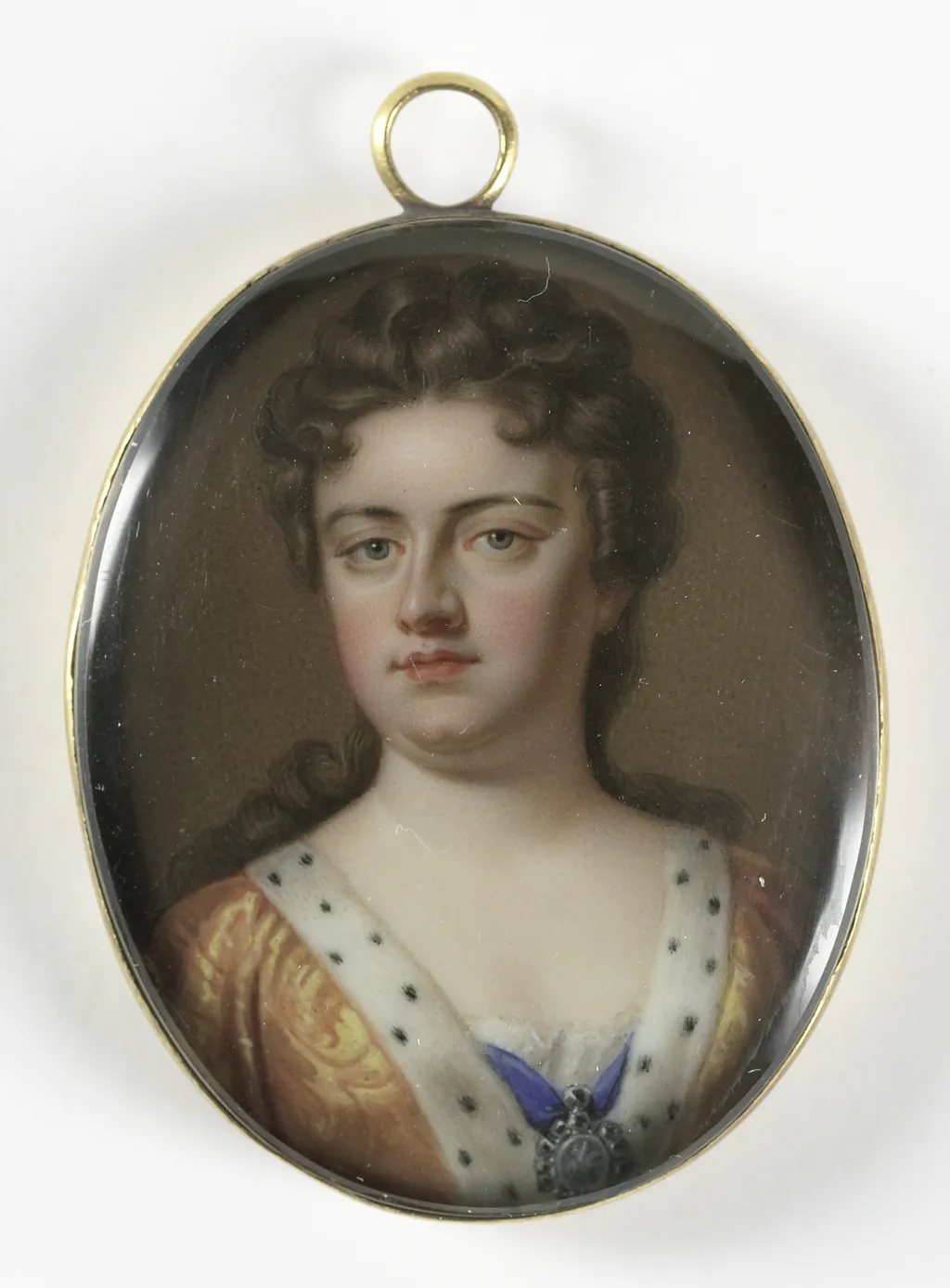
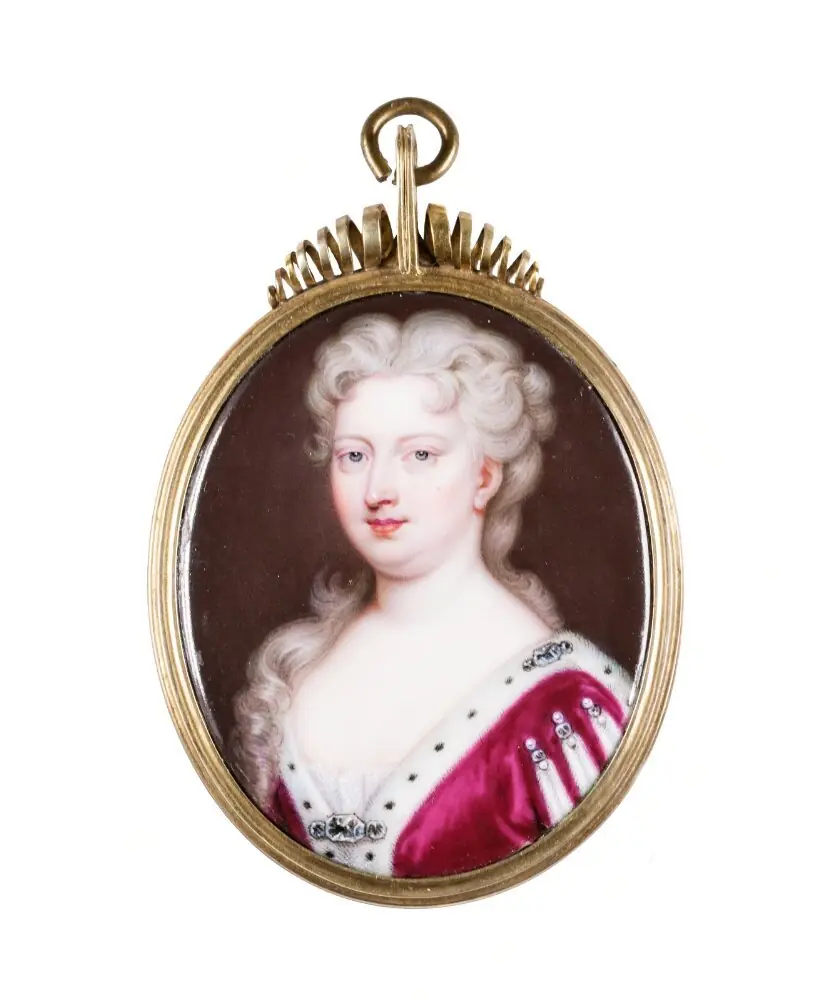
Anne Stuart (1665-1714), koningin van Engeland. Echtgenote van George van Denemarken is a copper painting by the Rococo painting artist Charles Boit. It dates from 1715 and is held in the collection of the Rijksmuseum.
About this work
Technique & Style
7 cm in width, resulting in a small-scale format typical for intimate portrait miniatures or studies of the period.
Charles Boit executed this 1715 portrait of Anne Stuart on a copper support. The artist applied casein paint to the metal surface to create the image. The work measures 4.7 cm in height and 3.7 cm in width, resulting in a small-scale format typical for intimate portrait miniatures or studies of the period.
As a portrait genre piece, the handling emphasizes the likeness of the former Queen of Great Britain. The choice of copper as a support suggests a desire for a durable, fine-grained ground that allows for precise brushwork, while the use of casein indicates a specific binding medium chosen for its matte finish and quick-drying properties.
History & Provenance
Charles Boit created the copper portrait in 1715, depicting Anne of Great Britain, who reigned as queen of England from 1665 to 1714 and was married to George of Denmark. The work was produced as a formal state portrait, reflecting contemporary expectations of royal representation. It entered the collection of the Rijksmuseum, where it remains on display in the museum's portrait gallery.
The painting was executed in casein on copper, measuring 4.7 centimeters in height and 3.7 centimeters in width. Its creation aligns with the early Georgian period, shortly after Anne's accession to the throne, and underscores the diplomatic and dynastic significance of royal imagery in early 18th-century Europe.
The painting is part of the Rijksmuseum's collection in Amsterdam and is cataloged under inventory number SK-A-1364. It has been exhibited in the museum's presentation of Dutch Golden Age portraiture, including the 2019 exhibition 'Dutch Portraits: The Court of William and Mary' which highlighted works from the Rijksmuseum's holdings of 17th- and 18th-century portraiture.
Overview
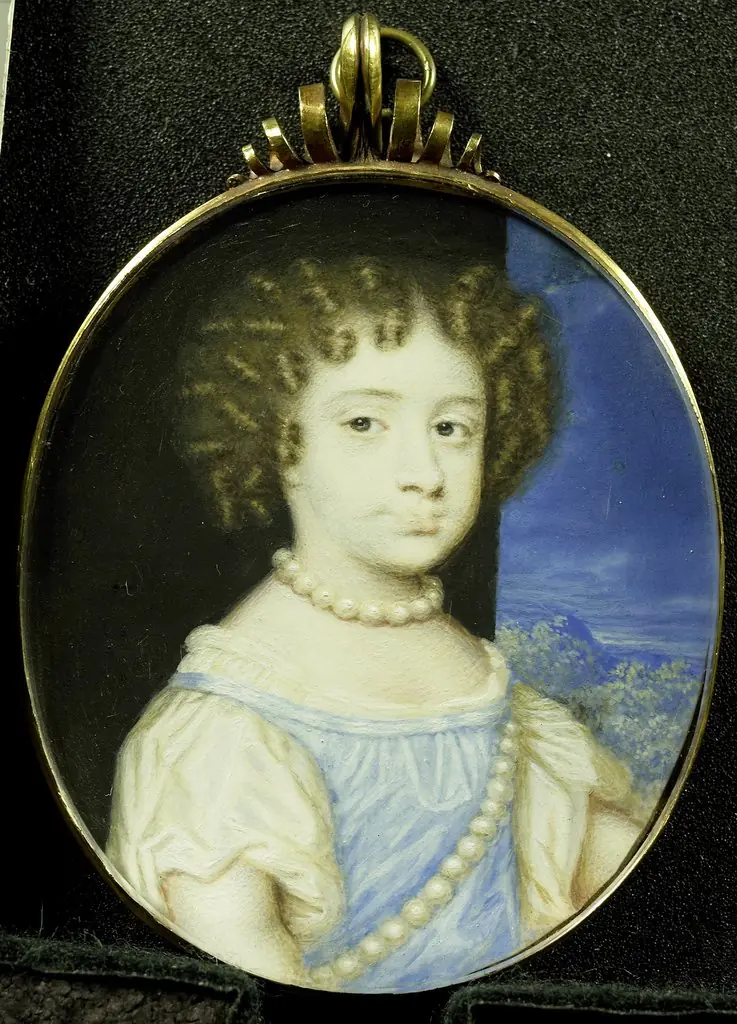
This oval enamel portrait, executed on a copper base, presents Anne Stuart, Queen of Great Britain, in a compact format suitable for pendant display. The work measures only a few centimeters across, emphasizing a refined, intimate portrayal rather than a grand, full‑length image. Its delicate coloration and smooth surface draw the viewer’s attention to the sitter’s dignified expression.
Subject & Meaning
The figure is Anne Stuart, who ruled as queen from 1702 until her death in 1714 and was married to George of Denmark. She is shown with tightly curled hair, a composed gaze, and attire that includes a white dress patterned with black dots, gold‑trimmed sleeves, and a blue ribbon adorned with a decorative pin at the chest, symbols of her royal status.
Context
During the early eighteenth century, enamel portraiture on metal was prized for its durability and brilliance, often used for personal mementos or diplomatic gifts. Boit’s work exemplifies the period’s fascination with refined, portable luxury objects, and the piece aligns with the broader Rococo trend toward graceful, ornamental aesthetics in courtly portraiture.
Own this work as a print
Artist & collection
Artist
Charles Boit (10 August 1662, in Stockholm – 6 February 1727, in Paris) was a Swedish painter in vitreous enamels who mostly worked in England, Austria and France.