Artwork
George Washington
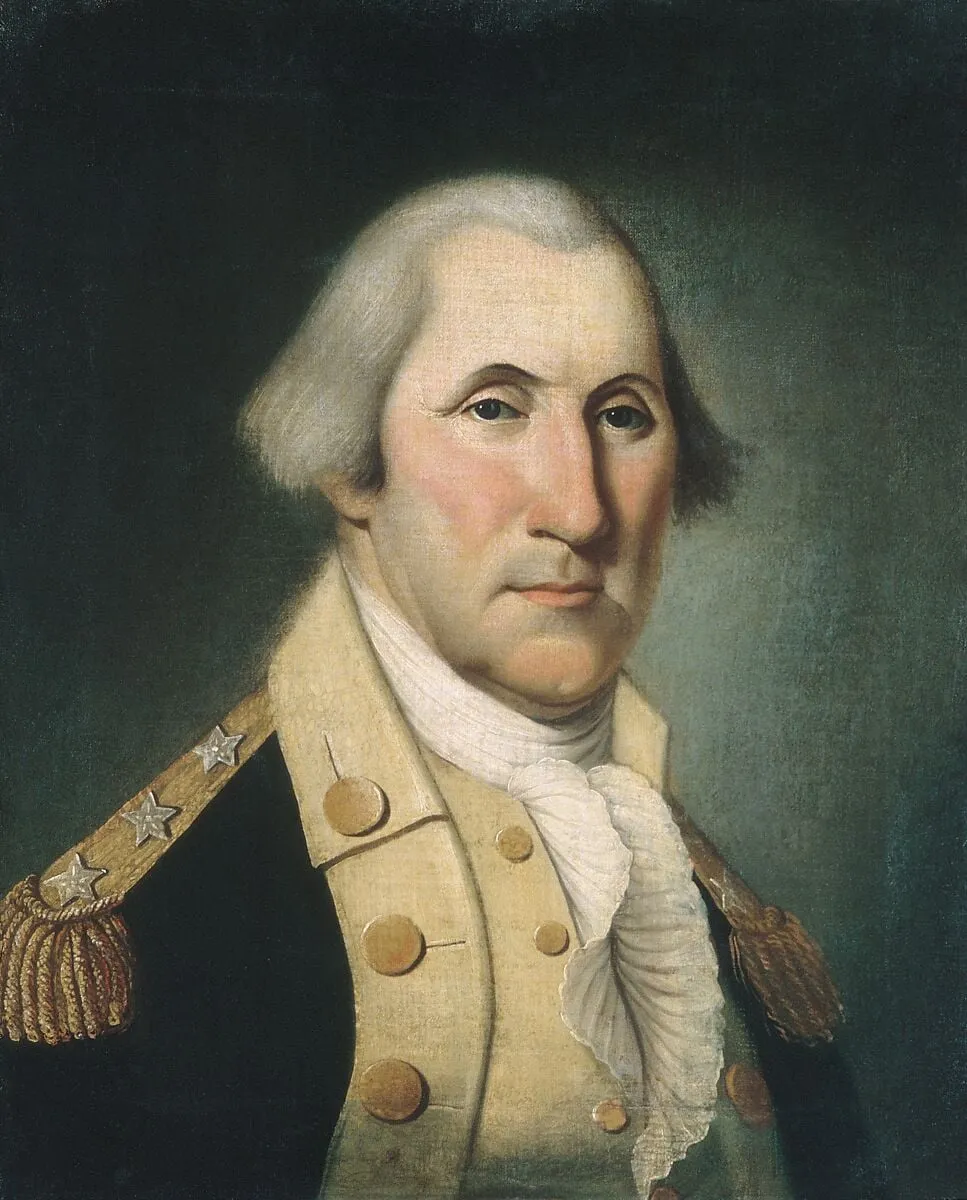
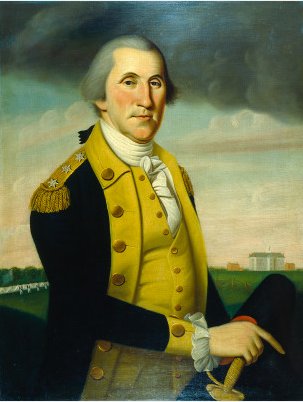
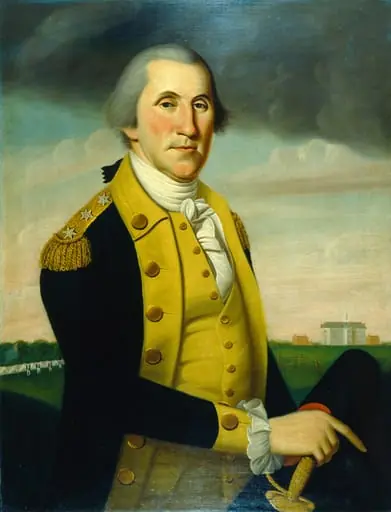
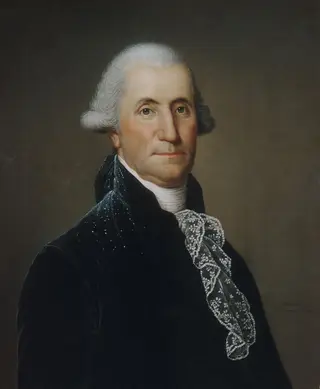
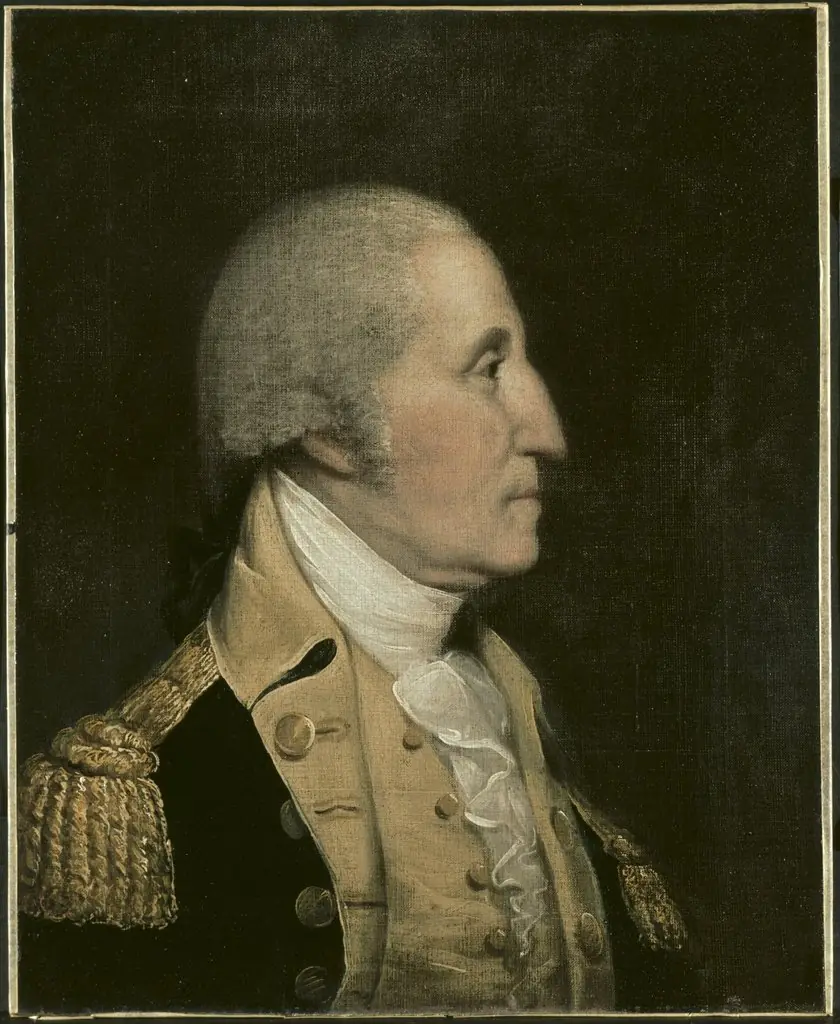
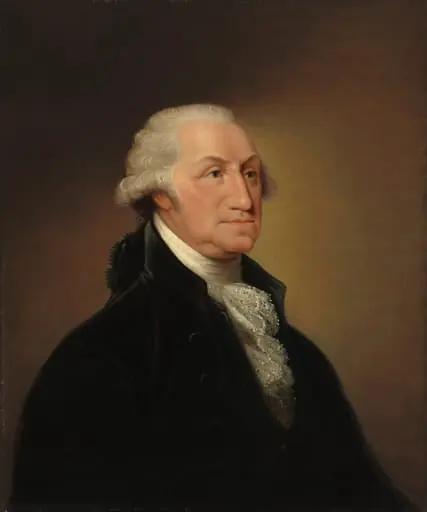
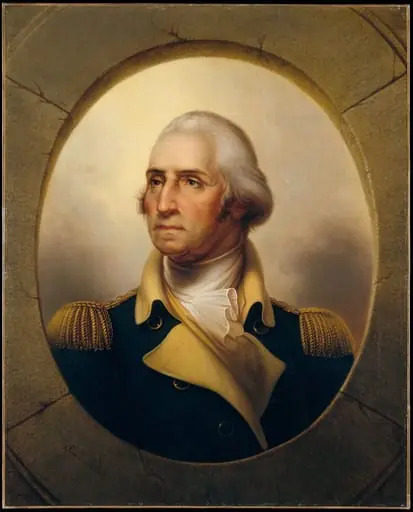
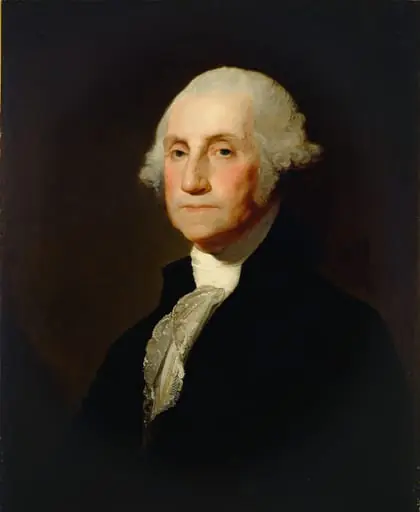
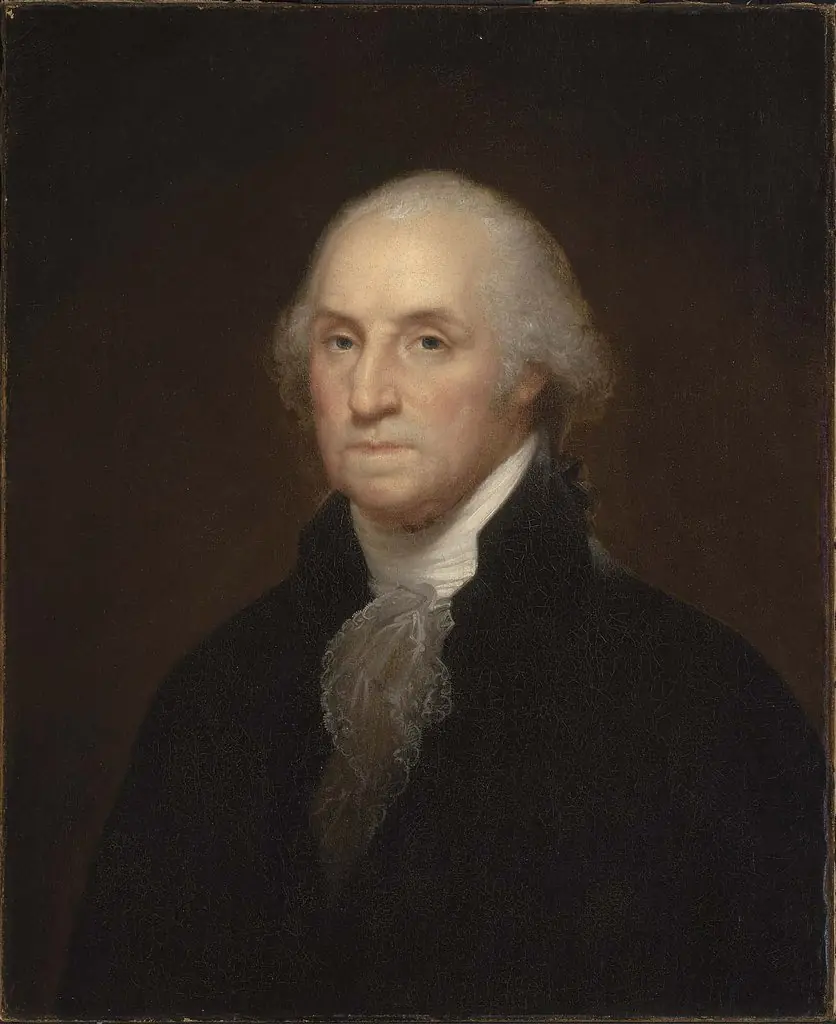
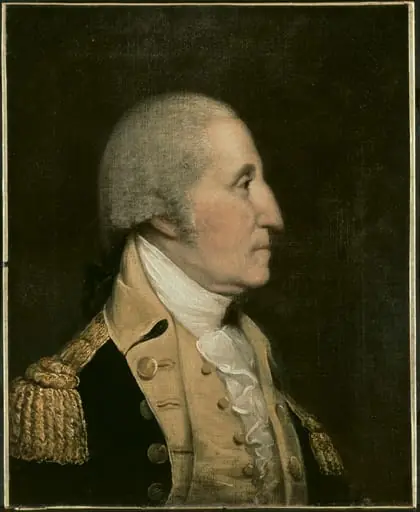
George Washington is an oil painting by the Neoclassicist artist Charles Peale Polk. It dates from 1790 and is held in the collection of the Metropolitan Museum of Art.
About this work
Subject & Meaning
The piece serves as a visual representation of the nation's founding figure, capturing his likeness during the formative years of the United States government.
The artwork is a portrait depicting George Washington, the first President of the United States, as its primary subject. Created by Charles Peale Polk in 1790, the painting presents the former president as a distinguished man, adhering to the conventions of formal portraiture from the early American republic. While the specific symbolic attributes or iconographic elements are not detailed in the available records, the work's classification as a portrait of Washington inherently signifies his historical importance and leadership.
The piece serves as a visual representation of the nation's founding figure, capturing his likeness during the formative years of the United States government.
Technique & Style
The portrait employs oil paint on a canvas support, measuring 55.2 cm in height and 45.4 cm in width. The handling reflects the conventions of late 18th-century American portraiture, with smooth, blended brushwork used to model the facial features and drapery, while the background is rendered with broader, flatter strokes. The composition is frontal and restrained, with the sitter's face illuminated against a subdued background to create a dignified presence.
History & Provenance
The portrait of George Washington was created in 1790 by the American artist Charles Peale Polk. Executed in oil on canvas, the work measures 55.2 by 45.4 centimeters and depicts the first U.S. president. The painting is held within the collection of the Metropolitan Museum of Art in New York, where it is classified under The American Wing.
While the specific details of the original commission or the initial owner are not recorded, the work's creation date is established as 1790. The piece remains a significant example of Polk's portraiture from the early national period, preserving the likeness of Washington during his presidency.
Context
Charles Peale Polk's George Washington (1790) occupies a transitional moment in early American portraiture, bridging colonial limner traditions and the emerging neoclassical idiom favored by his uncle, Charles Willson Peale, in whose workshop Polk trained. The work documents the visual codification of Washington's iconography during his presidency, a period when demand for his likeness surged. While Polk's execution lacks the refinement of contemporaneous European portraiture, the painting is noted for its earnest depiction of Washington's gravitas.
Though less studied than his uncle's portraits, Polk's George Washington contributes to understanding how provincial artists adapted grand-manner conventions to serve republican ideals.
Overview
Charles Peale Polk's oil on canvas portrait, George Washington, was created around 1790. This work represents a formal depiction of the first American president, aligning with the neoclassical artistic movement prevalent during the late 18th century. It serves as a significant example of early American portraiture, capturing a prominent historical figure through a structured and dignified approach.
Artist & collection