Artwork
Joseph Howell, Jr.
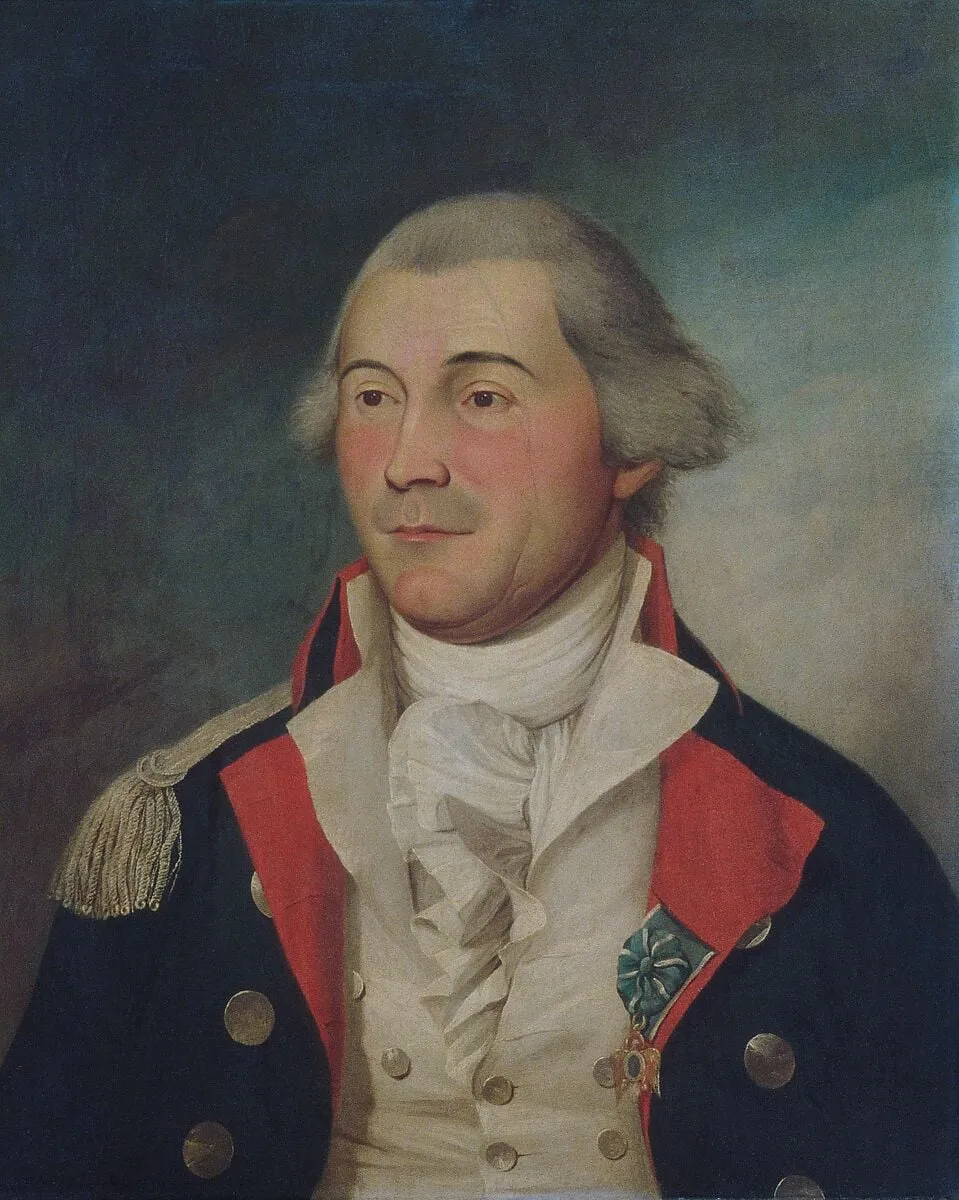
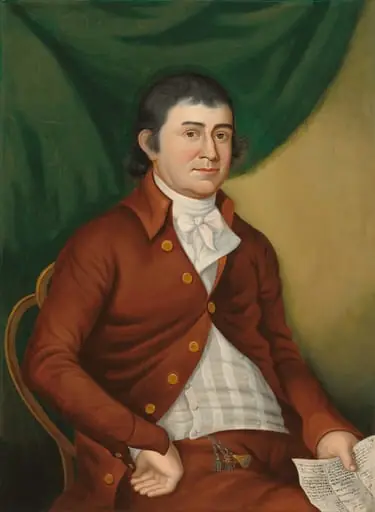
Joseph Howell, Jr. is an oil painting by the Rococo painting artist Charles Peale Polk. It dates from 1787 and is held in the collection of the Metropolitan Museum of Art.
About this work
Subject & Meaning
The portrait's composition, attire, and direct gaze convey an emphasis on dignity and individual identity typical of the period's elite sitter representations.
The painting shows a seated gentleman identified as Joseph Howell, Jr., rendered in the conventional manner of late-18th-century American portraiture. Its subject is a man of respectable standing, and the work functions as a formal record of his appearance and social position. The portrait's composition, attire, and direct gaze convey an emphasis on dignity and individual identity typical of the period's elite sitter representations.
As a work by Charles Peale Polk, it exemplifies the style adopted by early American artists to affirm the status of their patrons.
Technique & Style
Joseph Howell, Jr. is an oil-on-canvas portrait painted in 1787 by Charles Peale Polk. The work measures 58.4 by 48.9 cm, a modest scale typical of late-eighteenth-century American portraiture. Executed in oil paint on canvas support, the painting belongs to the portrait genre and exemplifies the formal conventions of the period's American elite portraiture.
As a work held in the Metropolitan Museum of Art's American Wing, it reflects the stylistic traditions of early American painting, though specific details of Polk's brushwork, surface handling, or current condition are not recorded in the available sources.
History & Provenance
The portrait of Joseph Howell, Jr. was created in 1787 by the American artist Charles Peale Polk. Executed in oil on canvas, the work measures 58.4 cm in height and 48.9 cm in width. The painting currently resides in the collection of the Metropolitan Museum of Art, where it is housed within The American Wing.
While the specific commission details and the immediate ownership chain prior to its acquisition by the museum are not detailed in the available records, the work's inception is firmly established as 1787. It serves as a formal depiction of Howell, capturing the subject in a style characteristic of Polk's portraiture during that period.
Overview
Charles Peale Polk painted this oil on canvas portrait of Joseph Howell, Jr. around 1787. The work captures a Philadelphia merchant, presenting him in a formal pose. While broadly categorized within the Rococo movement, the painting exhibits a distinctive quietude and directness.
It offers insight into American portraiture during the late 18th century, focusing on the individual rather than elaborate display.
Context
As the nephew of the more renowned painter Charles Willson Peale, Polk frequently emulated his uncle's artistic mannerisms. However, Joseph Howell, Jr. distinguishes itself through its understated quality. Unlike some of his other works that might showcase technical skill more overtly, this portrait focuses on capturing the individual's essence. It represents a more intimate and less ostentatious facet of Polk's output within the American portrait tradition.
Artist & collection

- General William Smallwood
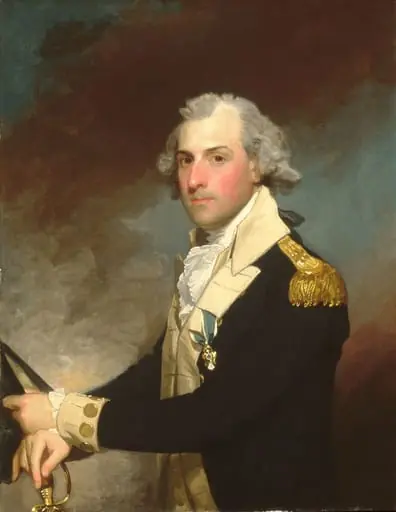 Matthew Clarkson
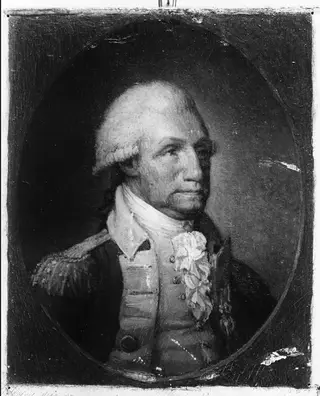 Panel of George Washington
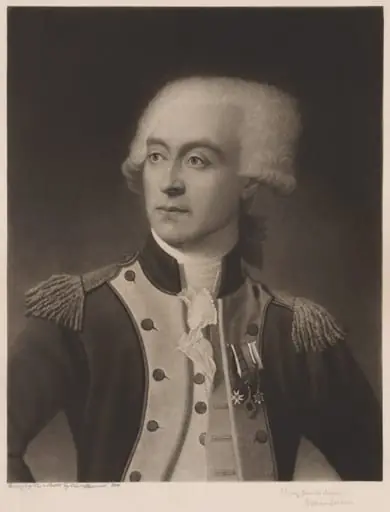 Portrait of a Man
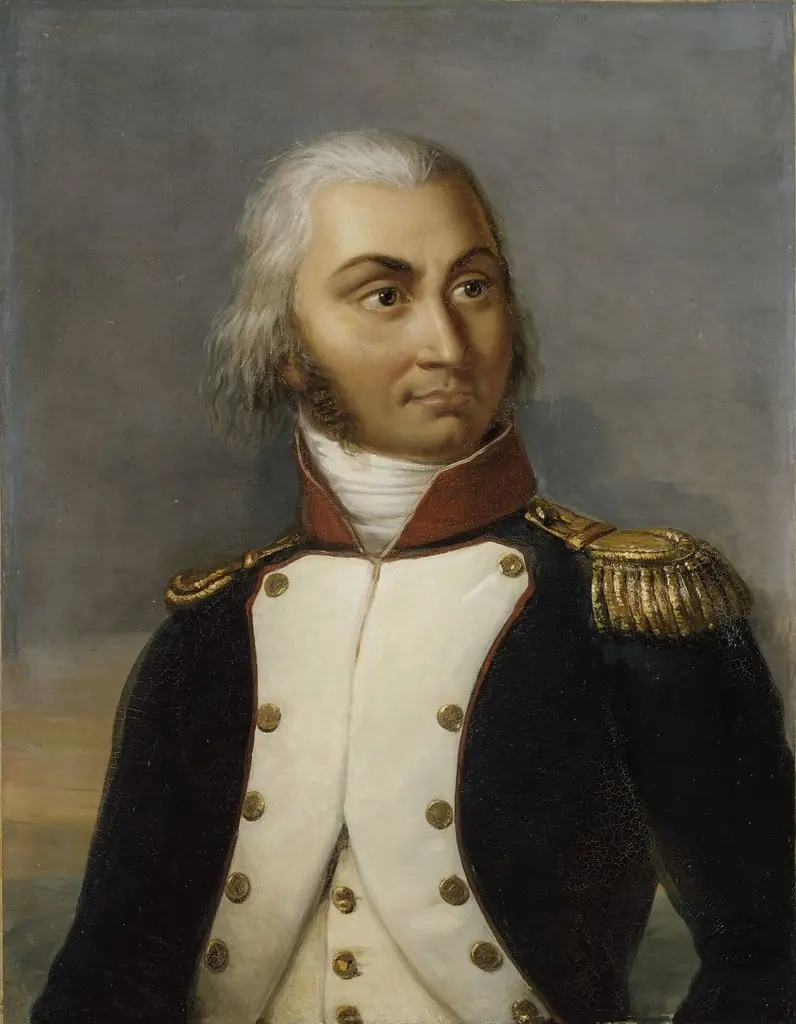 Jean-Baptiste Jourdan
 Portrait of general Mikołaj Morawski
 Luotsipäällikkö G. A. Lejonancker
 A Military Officer
 Pierre Berthelet
 Thomas Tingey
 Horatio Gates
 Portrait of prince Augustus Ferdinand von Hohenzollern (1730–1813)