Artwork
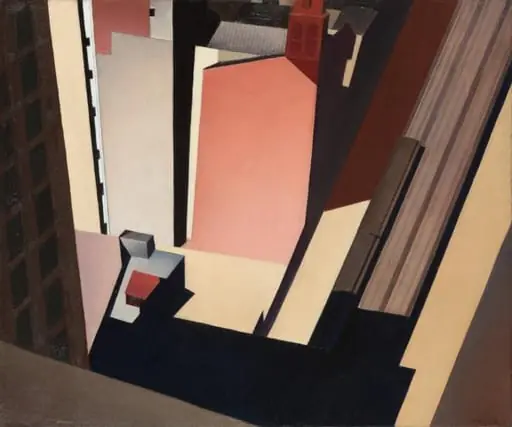
Church Street El
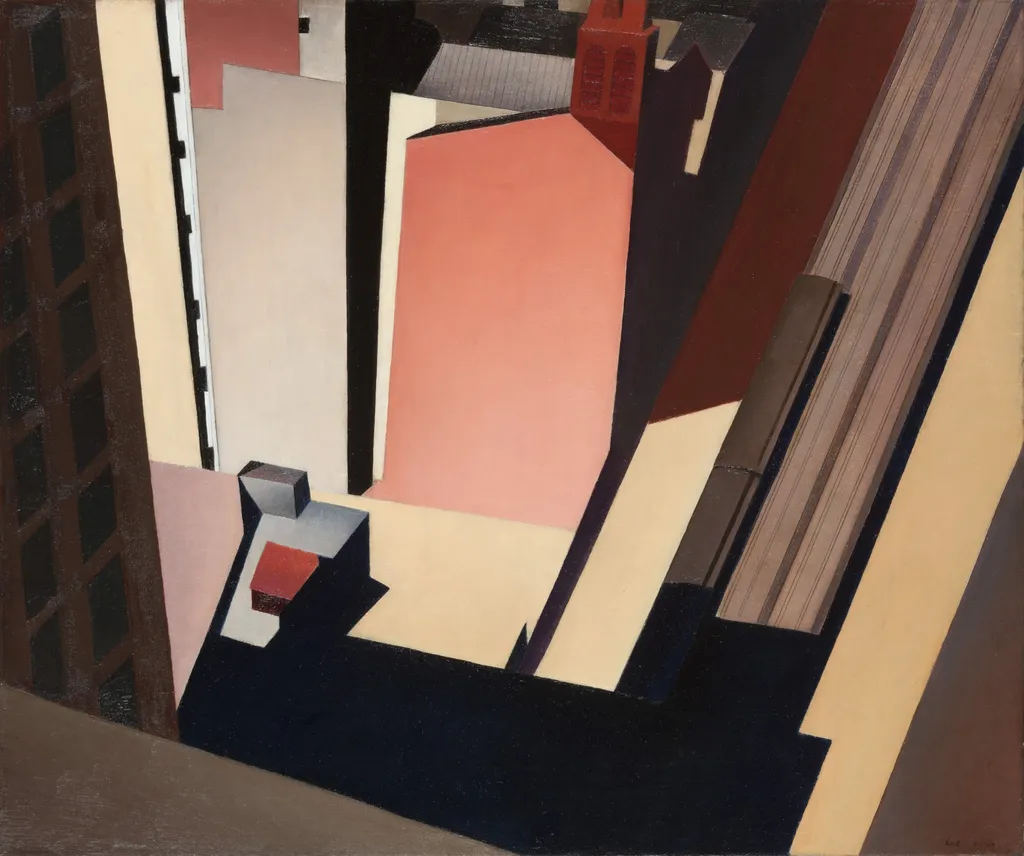
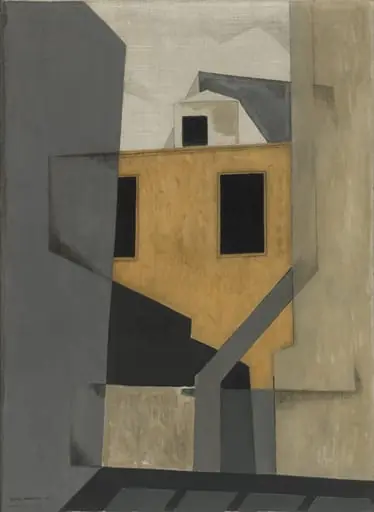
Church Street El is an oil painting by the Precisionist artist Charles Sheeler. It dates from 1920 and is held in the collection of the Cleveland Museum of Art.
About this work
Technique & Style
No information about the artist’s handling technique, surface condition, or specific stylistic qualities is supplied in the provided sources.
Church Street El is an oil painting on canvas, measuring 41 cm in height and 48.5 cm in width. The medium is oil paint and the support is a canvas ground. No information about the artist’s handling technique, surface condition, or specific stylistic qualities is supplied in the provided sources.
The work is classified simply as a painting in the source data. The painting was made in the United States according to the source data.
History & Provenance
Charles Sheeler created the oil painting Church Street El in 1920. Executed on canvas, the work was produced in the United States during the artist's exploration of industrial and urban subjects. The painting measures 41.0 cm in height and 48.5 cm in width.
It currently resides in the collection of the Cleveland Museum of Art, where it is held as part of their permanent holdings. No specific details regarding the original commission or intermediate ownership transfers prior to its acquisition by the Cleveland Museum of Art are provided in the available records.
Church Street El is held in the collection of the Cleveland Museum of Art, where it is located. The work, created in 1920, is an oil painting on canvas measuring 41.0 cm in height and 48.5 cm in width. The available sources confirm its acquisition by the institution and its physical dimensions but do not provide a specific inventory or accession number. Furthermore, no details regarding the painting's exhibition history are included in the provided records.
Overview
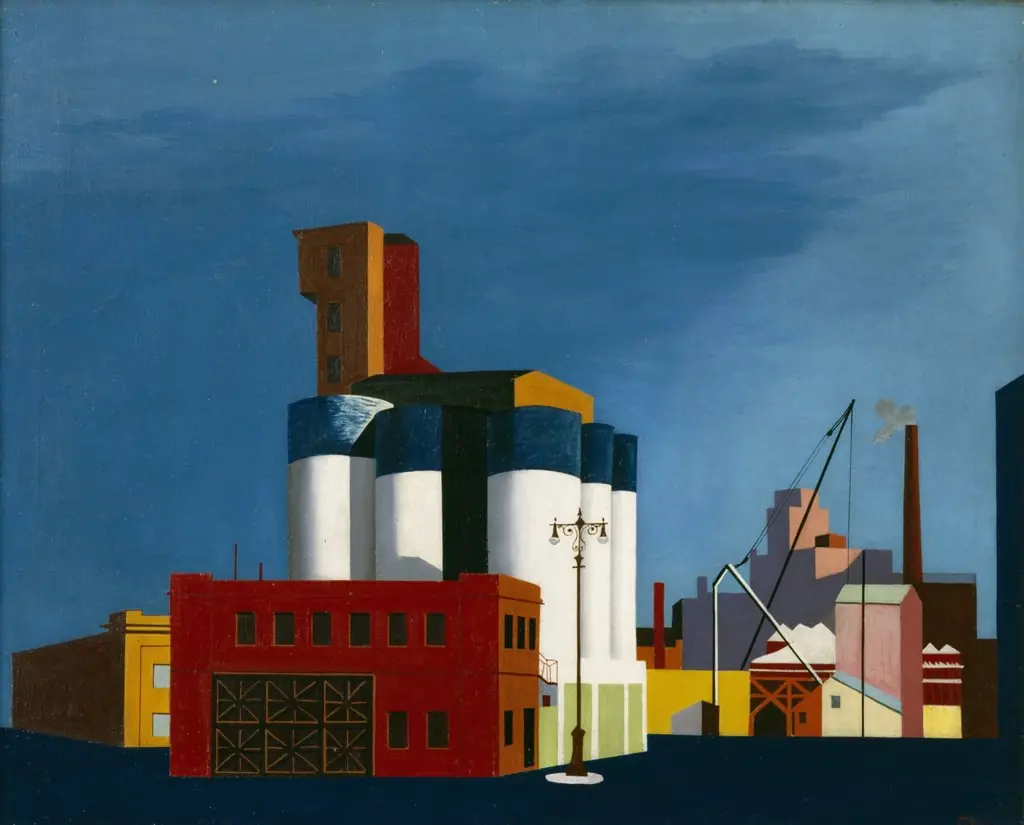
Charles Sheeler’s 1920 oil painting Church Street El presents a stylized view of an elevated train station. Rendered in flat planes of red, black, beige and white, the composition reduces the urban scene to geometric blocks that interlock like a puzzle. The perspective is tilted, giving the viewer an off‑center angle that emphasizes the structural forms over realistic detail.
Subject & Meaning
The work captures a moment of early‑20th‑century industrial growth, focusing on the architecture of a city transit hub. By stripping the station to its basic shapes, Sheeler highlights the functional beauty of modern infrastructure, suggesting both the efficiency and the visual rhythm of the burgeoning urban environment.
Context
The painting belongs to a broader movement that responded to rapid urbanization and the rise of mechanized architecture. Alongside contemporaries who explored similar themes, Sheeler’s work documents the visual language of the era’s new public works, positioning the elevated railway as both a functional structure and a subject worthy of artistic examination.
Artist & collection
Artist
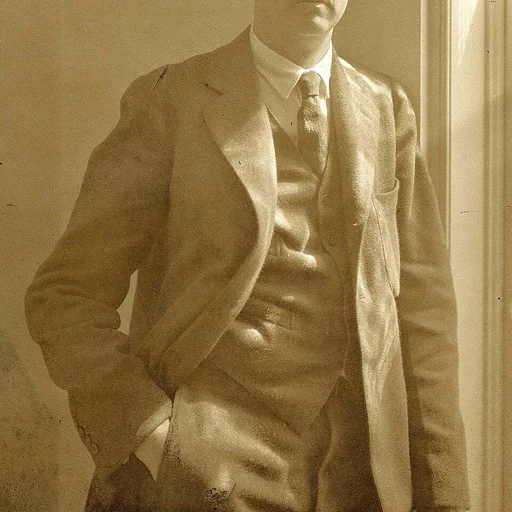
Charles Sheeler (July 16, 1883 – May 7, 1965) was an American artist known for his Precisionist paintings, commercial photography, and the 1921 avant-garde film, Manhatta, which he made in collaboration with Paul Strand.