
Subject
Abstraction
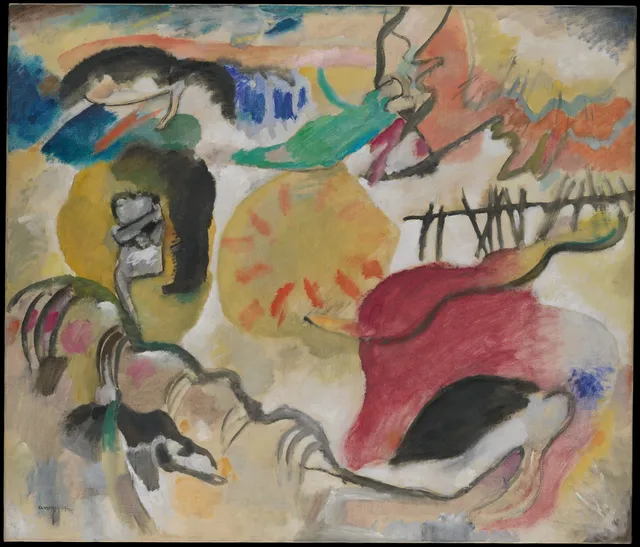
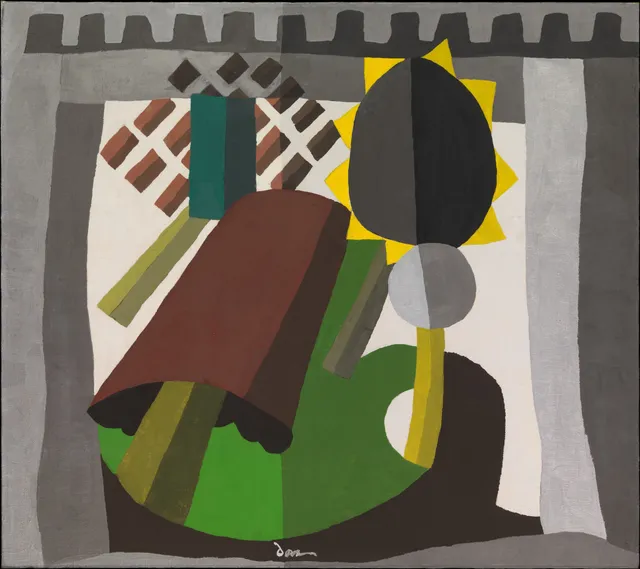
Abstraction is a subject in art. The gallery holds 43 works in this subject in art, including works by Marsden Hartley, Piet Mondrian and Juan Gris.
Typically, abstraction is used in the arts as a synonym for abstract art in general.
Key artists


Overview
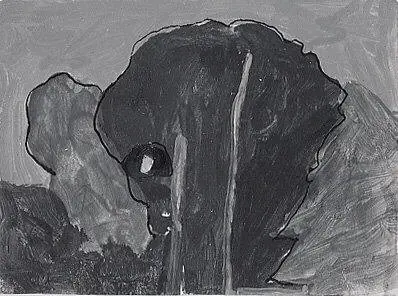
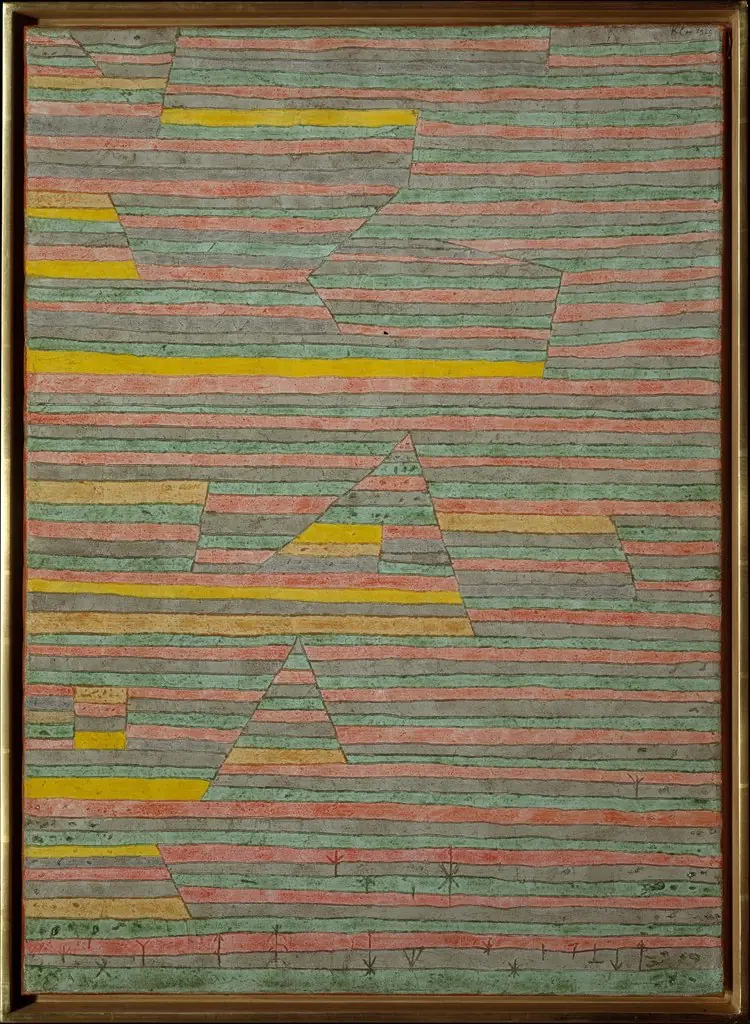
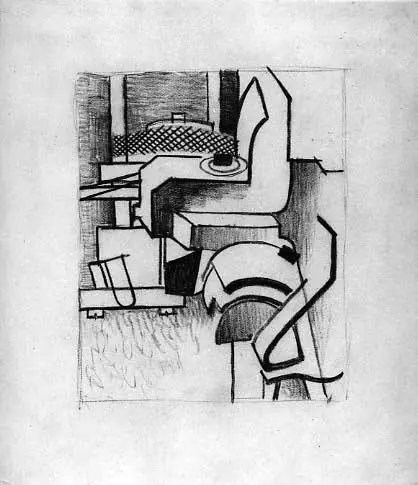
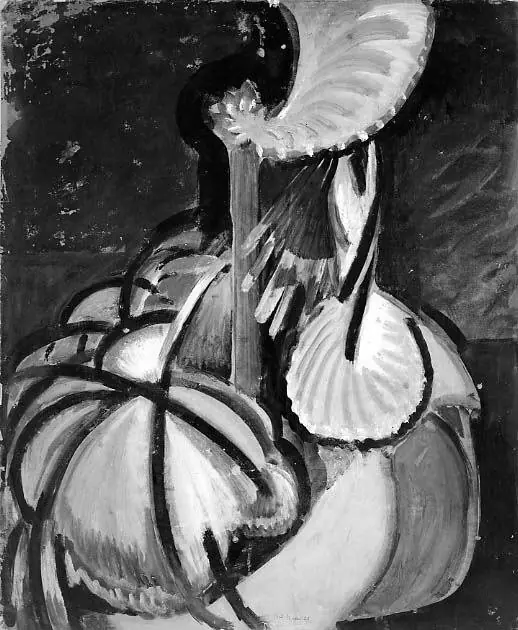
Abstraction in the visual arts refers to art unconcerned with the literal depiction of things from the visible world. While typically used as a synonym for abstract art in general, the term specifically denotes a spectrum of practices. It can describe an object or image distilled from the real world for expressive purposes, or, at its furthest extreme, nonobjective abstraction, which derives from but does not imitate any recognizable subject. The concept is rooted in the Latin abstrahere, meaning to remove or separate, reflecting the process of extracting essential forms, colors, and gestures from observable reality to create works that prioritize pure visual and emotional resonance over narrative imitation.
Iconography & meaning
The iconography of abstraction replaces traditional representational symbols with fundamental formal elements: color, line, shape, and gesture. Rather than depicting recognizable iconography, abstract art uses these formal qualities to evoke subjective emotional states, spiritual truths, or psychological tensions. Historically, this shift was theorized by Wilhelm Worringer in his 1907 text Abstraction and Empathy, which linked the urge to abstract to a state of spiritual anxiety, positioning abstraction as a protective mechanism against the chaos of the visible world. In this framework, geometric precision and nonobjective forms function as symbols of universal order and inner necessity, while gestural marks signify psychic improvisation and the force of the creative unconscious.
In the collection
Within the collection, abstraction is depicted across 55 works, spanning a diverse range of media and stylistic approaches. Representative examples include Marsden Hartley's Portrait of a German Officer, Juan Gris's Still Life with Checked Tablecloth, and Wassily Kandinsky's Improvisation 27 (Garden of Love II), all of which distill recognizable subjects into essential forms and vibrant color. Other works in the collection, such as Fernand Leger's Mechanical Elements and various pieces titled Untitled or Drawing XIII, demonstrate a move toward more purely nonobjective or geometric compositions. The collection also features later explorations of the motif, such as Sam Gilliam's radically shaped paintings and Norman Lewis's gestural drawings, which expand the boundaries of abstract form and process.
Across movements & periods
The treatment of abstraction has shifted significantly across movements and periods. Early 20th century trends coincided with advances in science, technology, urban life, and psychoanalytic theory, leading to a distillation of form. By 1912, artists in several European cities presented the first abstract pictures to the public, a movement formalized by pioneers like Vasily Kandinsky, Frantisek Kupka, Francis Picabia, and Robert Delaunay. This initial wave gave rise to geometric abstraction, championed by Kasimir Malevich and Piet Mondrian, who reduced form to basic structural designs. Following World War II, the center of abstraction shifted from Paris to New York with Abstract Expressionism. This movement split into action painting, characterized by spontaneous, dynamic brushwork and chance operations, and color-field painting, which used large areas of flat, thin paint to achieve meditative effects. Later movements like Tachisme and lyrical abstraction emphasized freedom, gestural expression, and emotional application of color, while constructive abstraction maintained a strict, cold formalism.
Notable depictions
Canonical depictions of abstraction mark radical shifts in artistic practice. Wassily Kandinsky's Composition VII, created in 1913, is widely regarded as a turning point for its elimination of recognizable subjects in favor of musical, rhythmic forms. Kazimir Malevich pushed this further with Suprematist Composition: White on White, stripping painting to a tilted white square on a white ground. In the United States, Jackson Pollock introduced drip painting with works like No. 5, 1948 and Blue Poles, emphasizing the physical act of creation. Mark Rothko became known for color-field abstraction, creating immersive, large-scale combinations of soft-edged rectangular areas as seen in No. 61 (Rust and Blue). Helen Frankenthaler pioneered the soak-stain method in Mountains and Sea, while Julie Mehretu has updated the tradition by combining architectural drawing and digital layering in works like Stadia II.
Legacy
The legacy of abstraction extends beyond early European modernism into broader cultural and demographic contexts. Historically, narratives of abstract art emphasized European and white American male artists, but contemporary reappraisals have highlighted the significant contributions of black abstractionists. Exhibitions such as The Shape of Abstraction and Revelation: A Journey into Abstraction have reintroduced key works by African American artists from the 1940s onward, who navigated racial inequality and exclusion from professional circles to forge their own networks. For these artists, abstraction served as a language of cultural memory, protest, and identity. Today, the influence of abstraction persists in contemporary design, architecture, and digital branding, with living artists utilizing new materials, sustainable practices, and digital transfers to push the genre forward, ensuring its relevance across global and transnational platforms.
Works
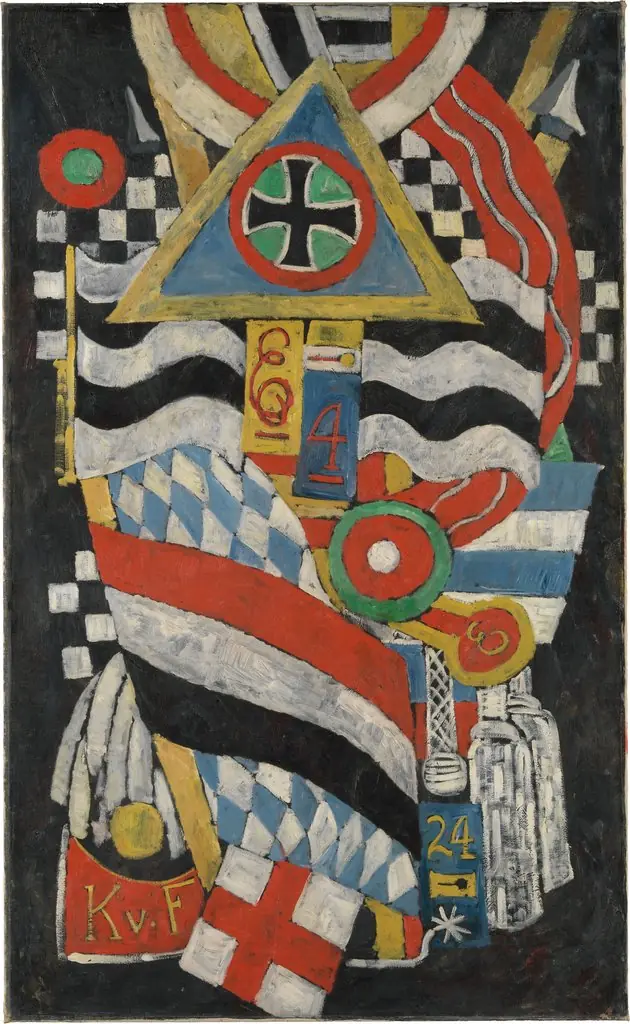 Portrait of a German Officer
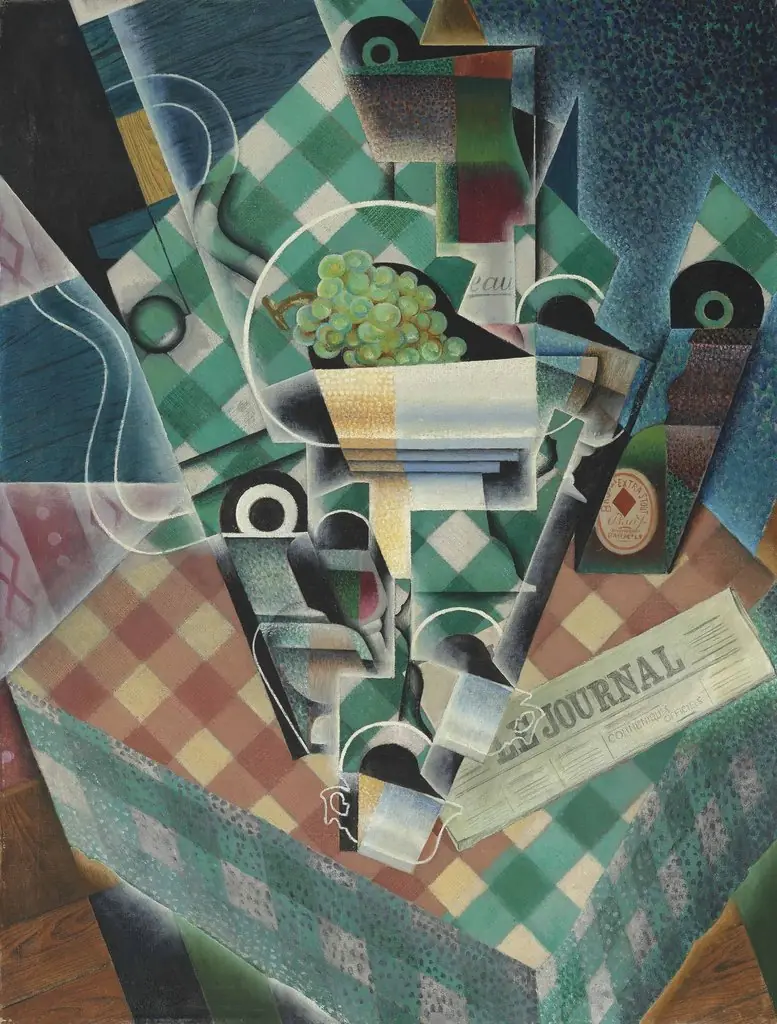 Still Life with Checked Tablecloth
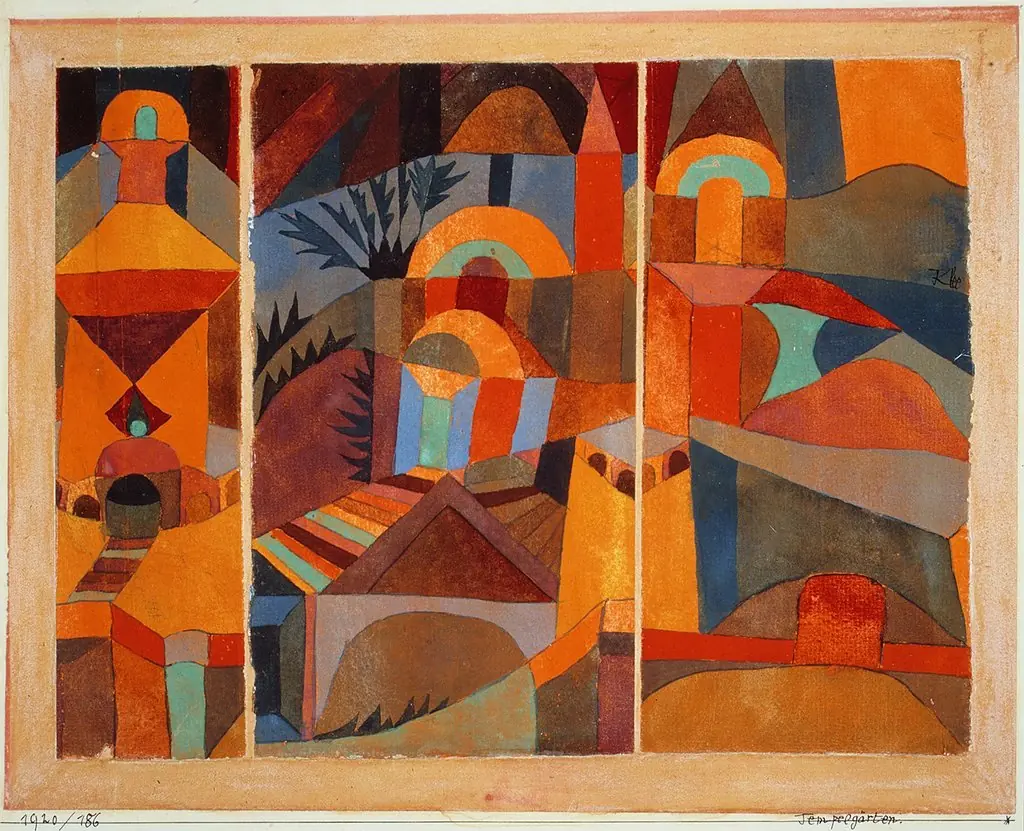 Temple Gardens
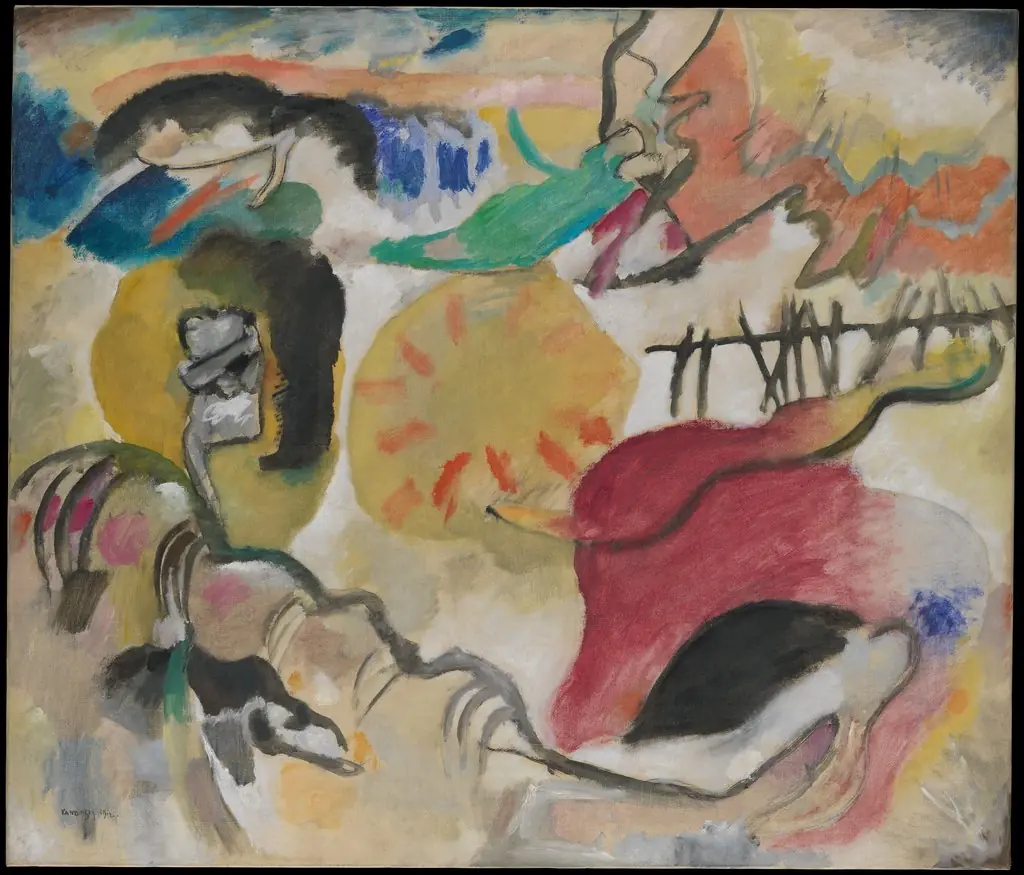 Improvisation 27 (Garden of Love II)
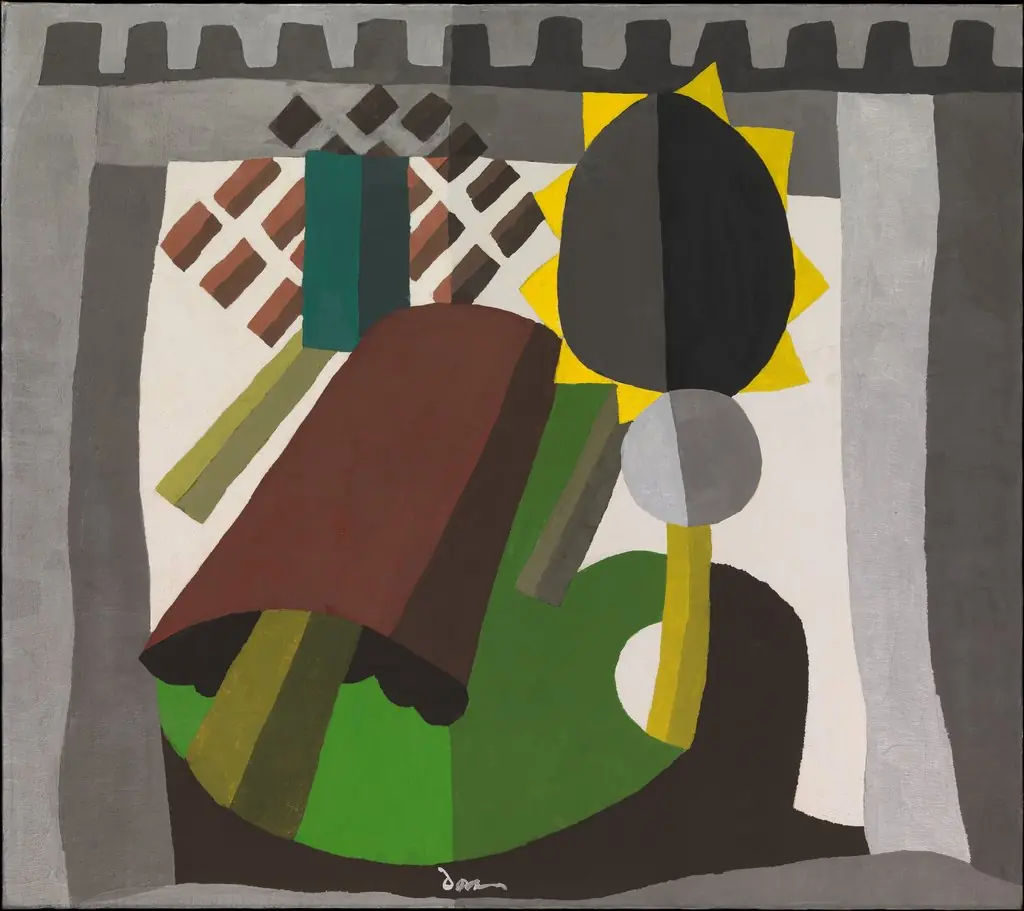 The Inn
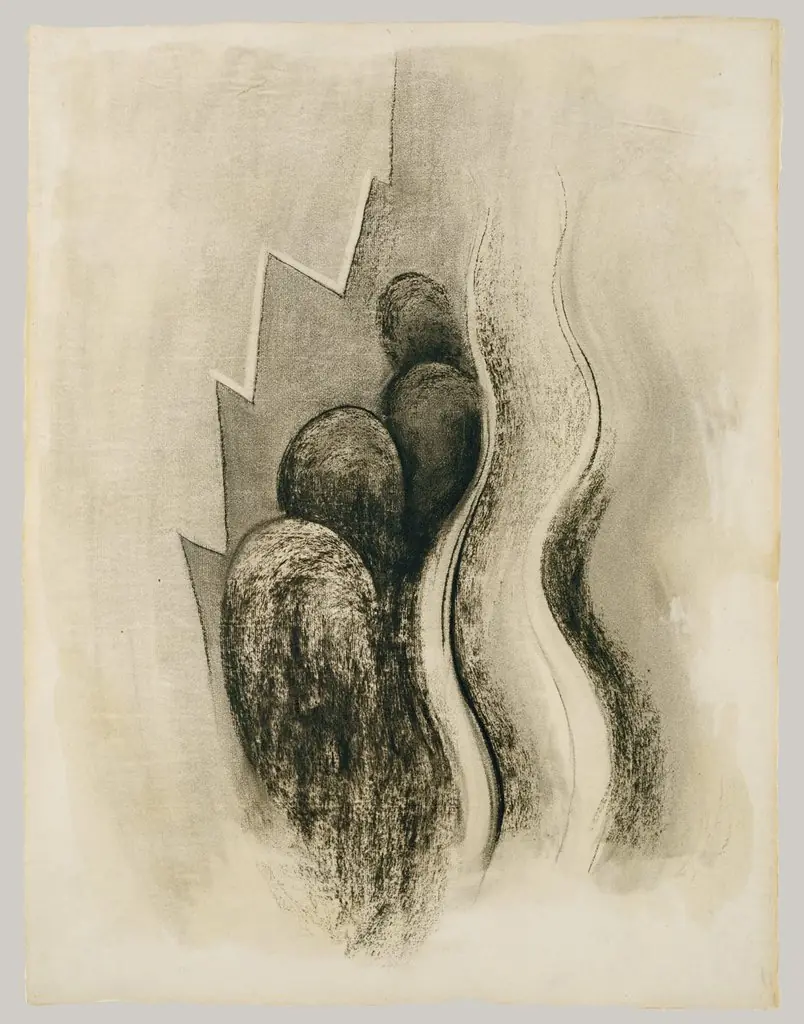 Drawing XIII
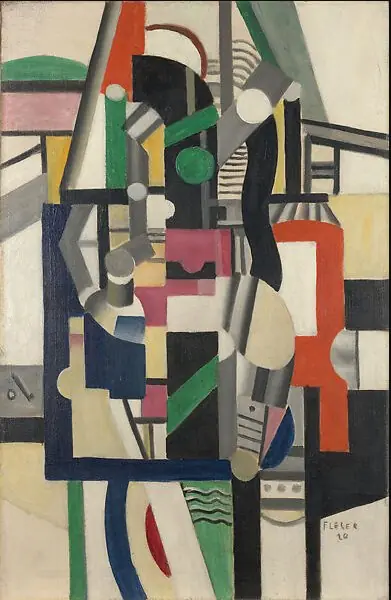 Mechanical Elements
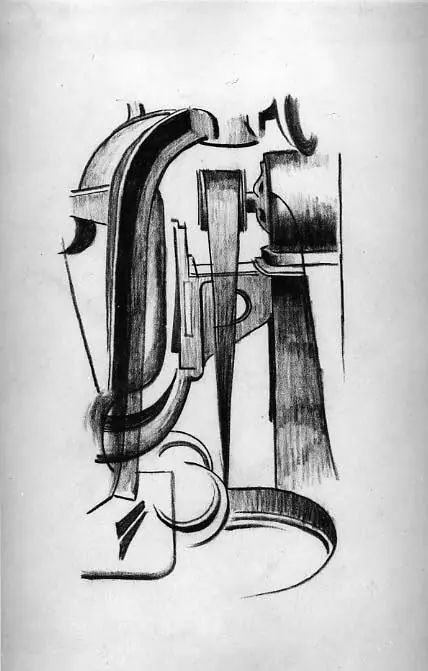 Untitled
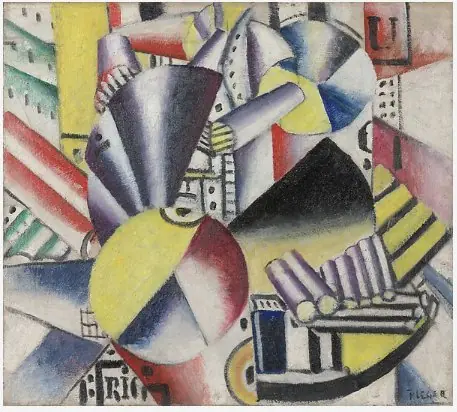 The Bargeman
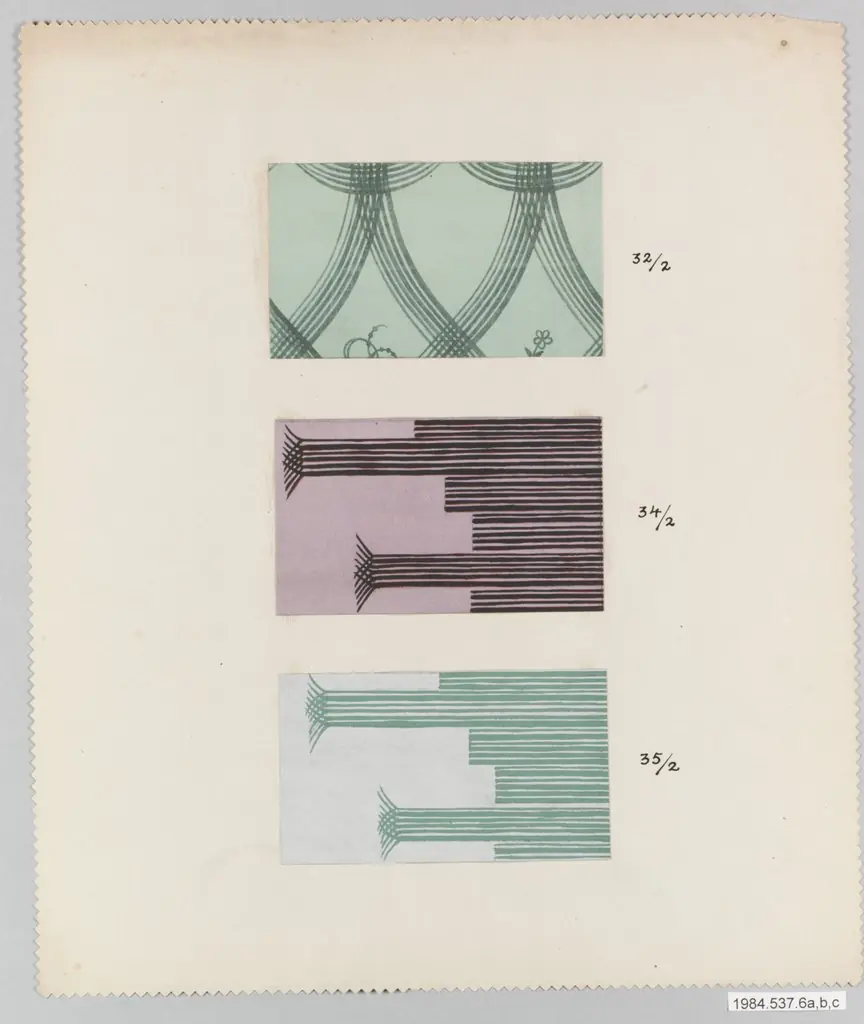 PRISM
PRISM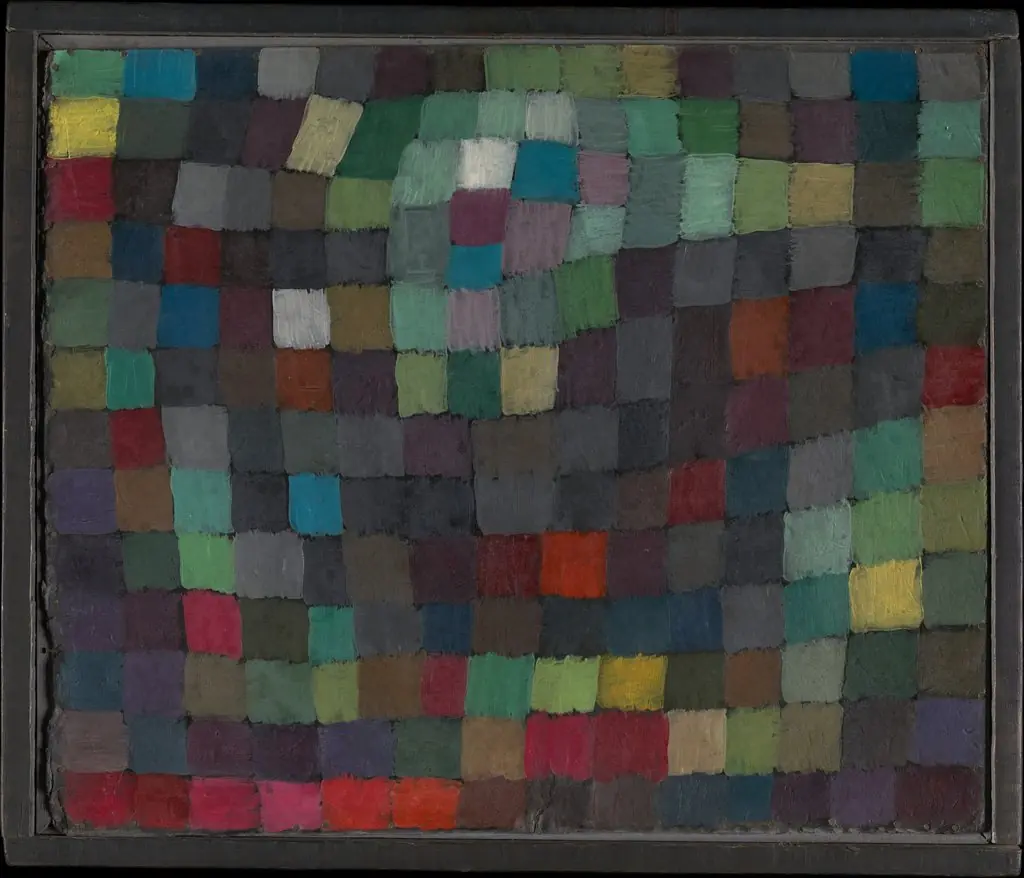 May Picture
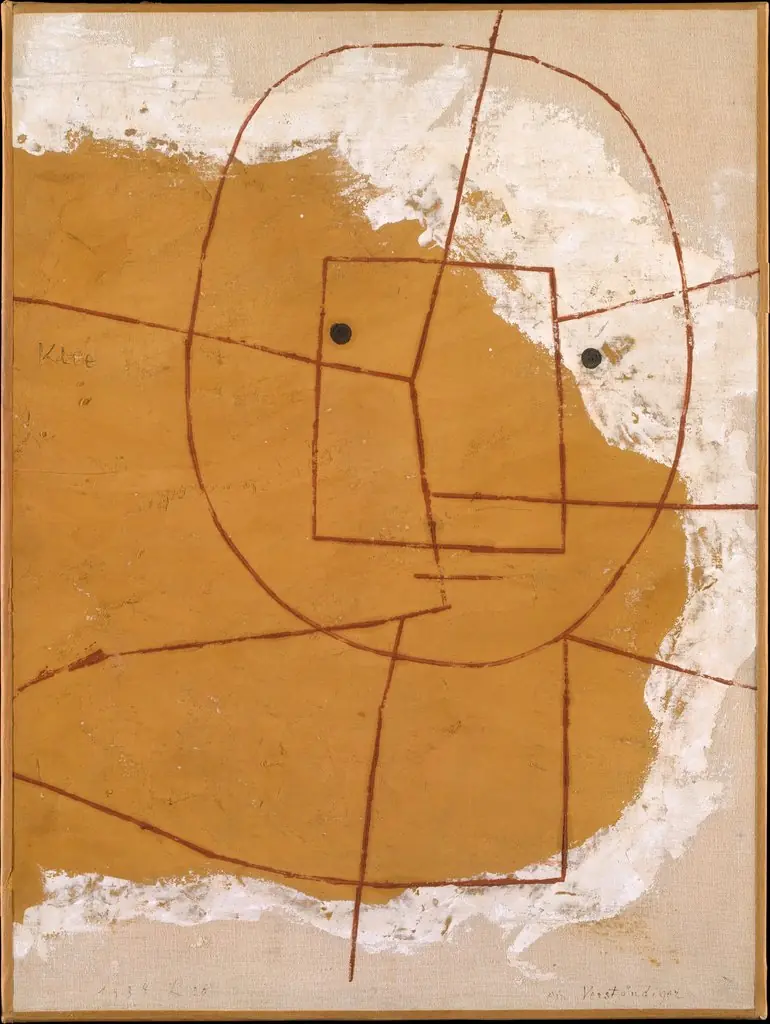 One Who Understands
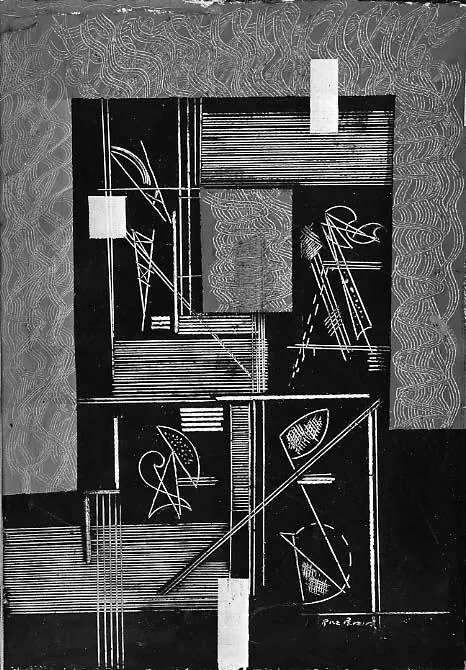 White Lines
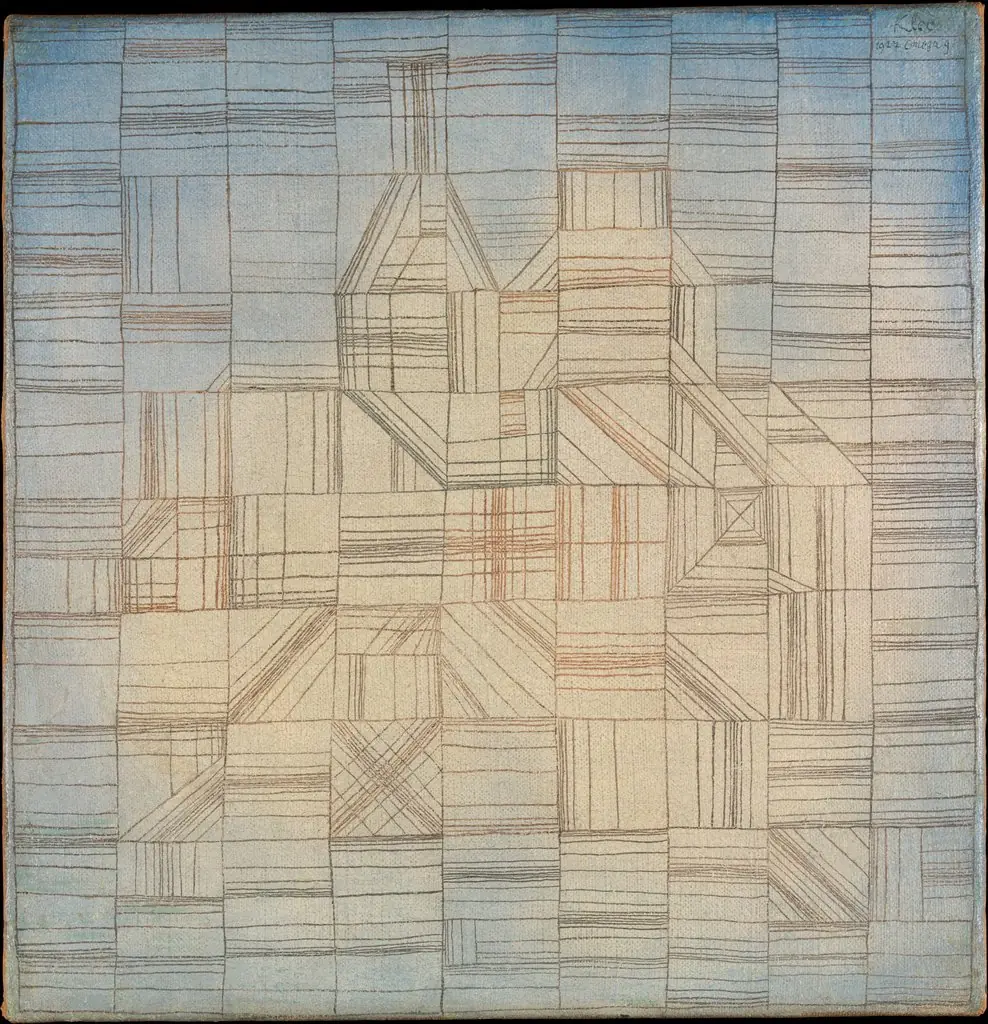 Variations (Progressive Motif)
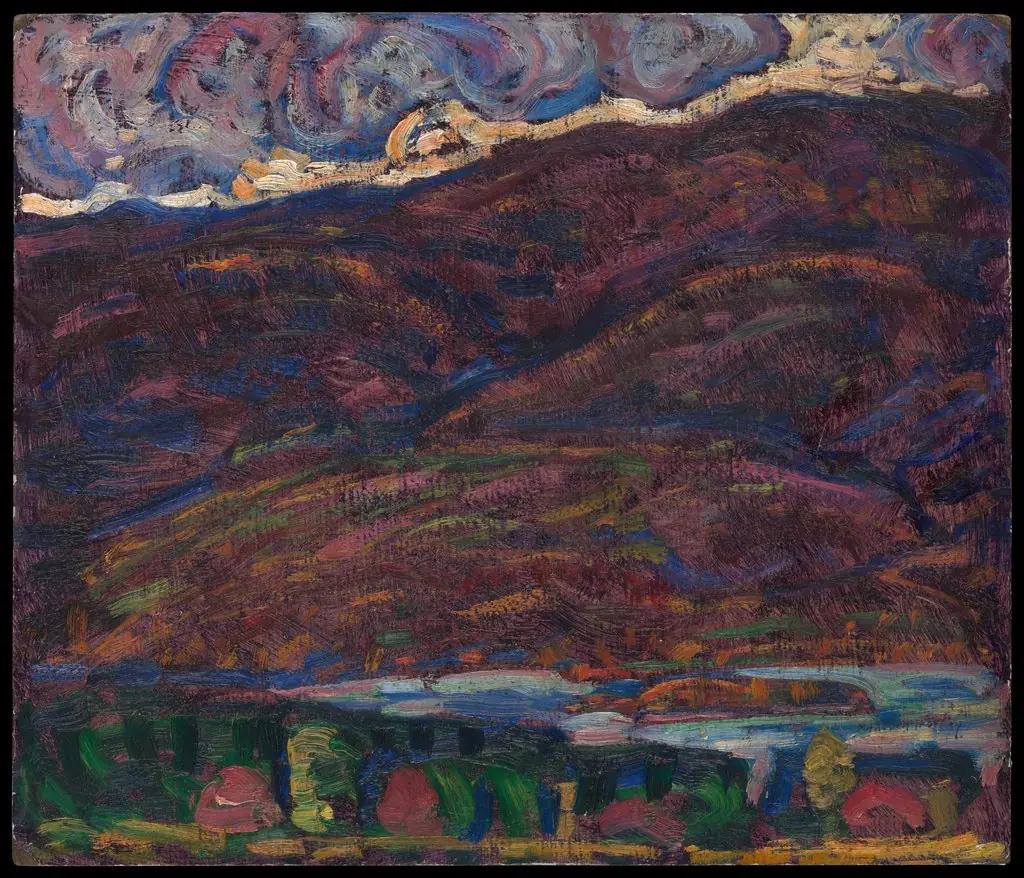 Autumn Color
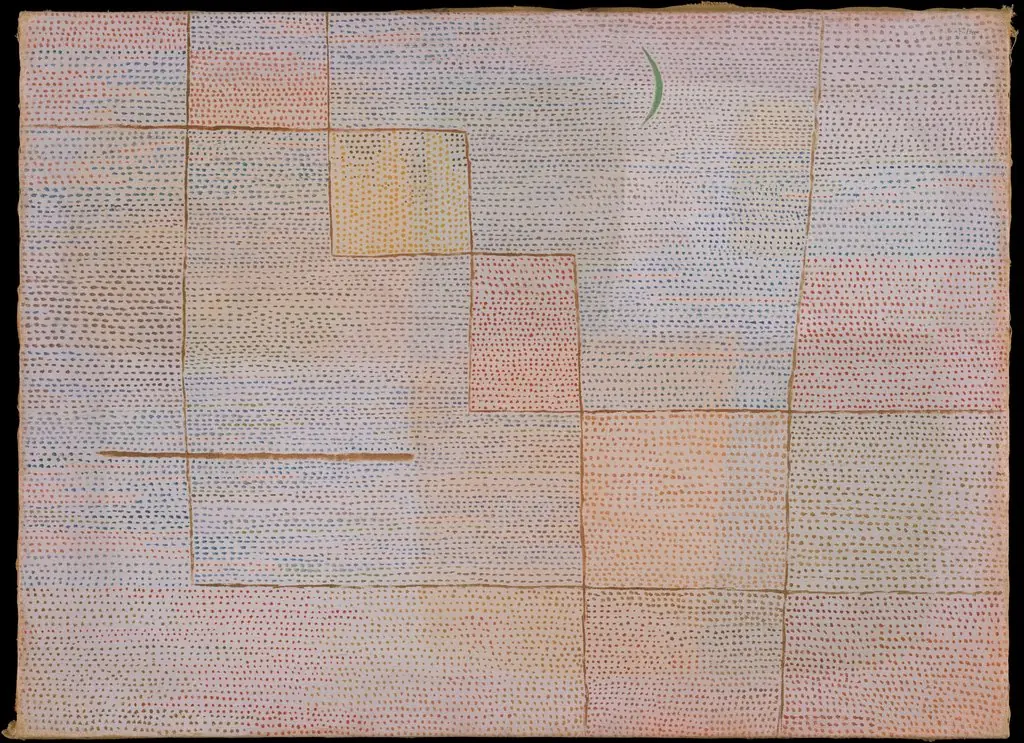 Clarification
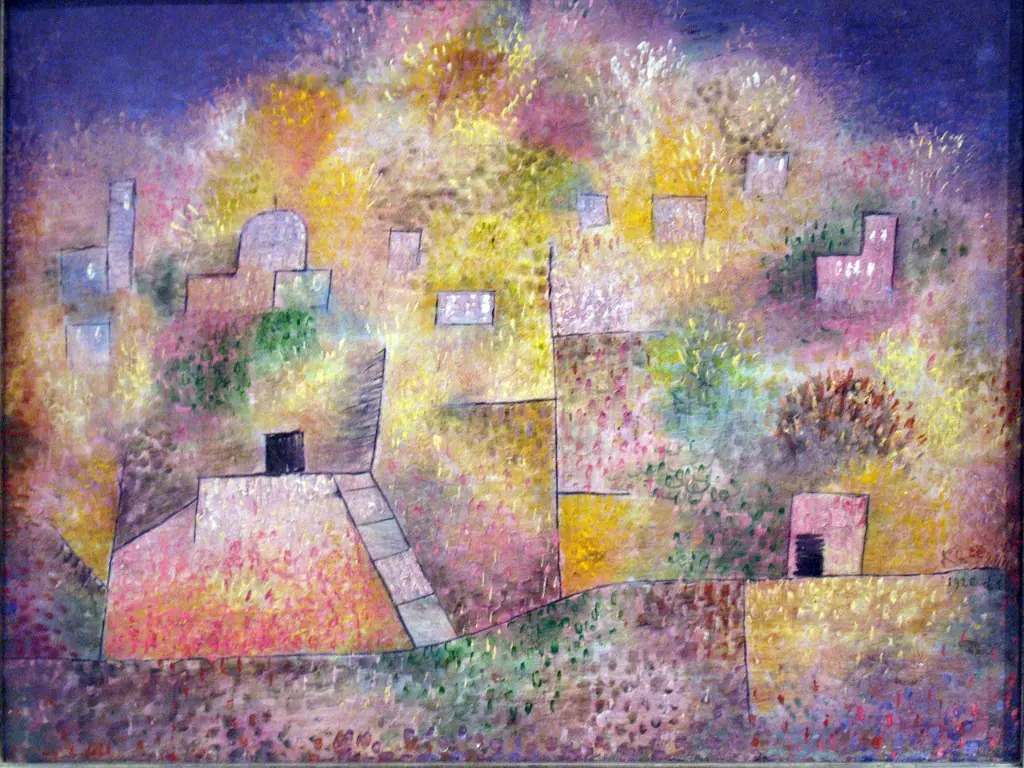 Oriental Pleasure Garden
 Untitled
 Monuments at G.
 Untitled
 Abstraction
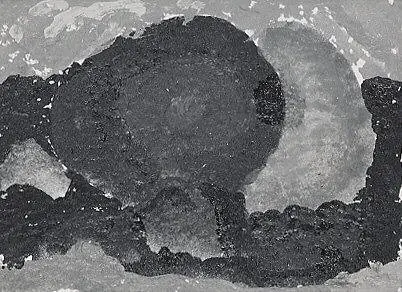 Untitled
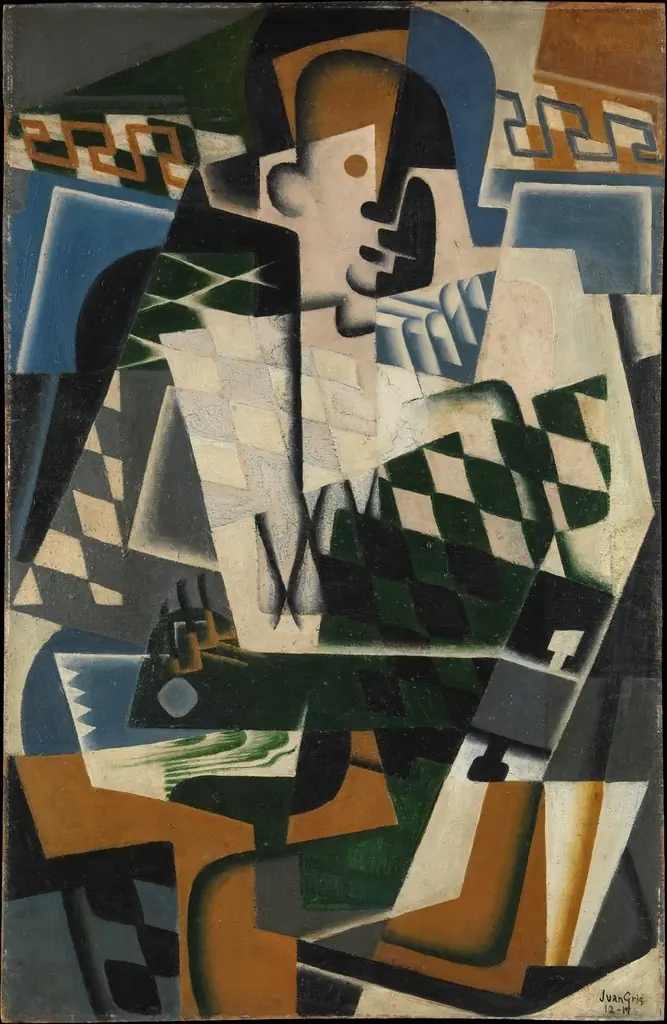 Harlequin with a Guitar
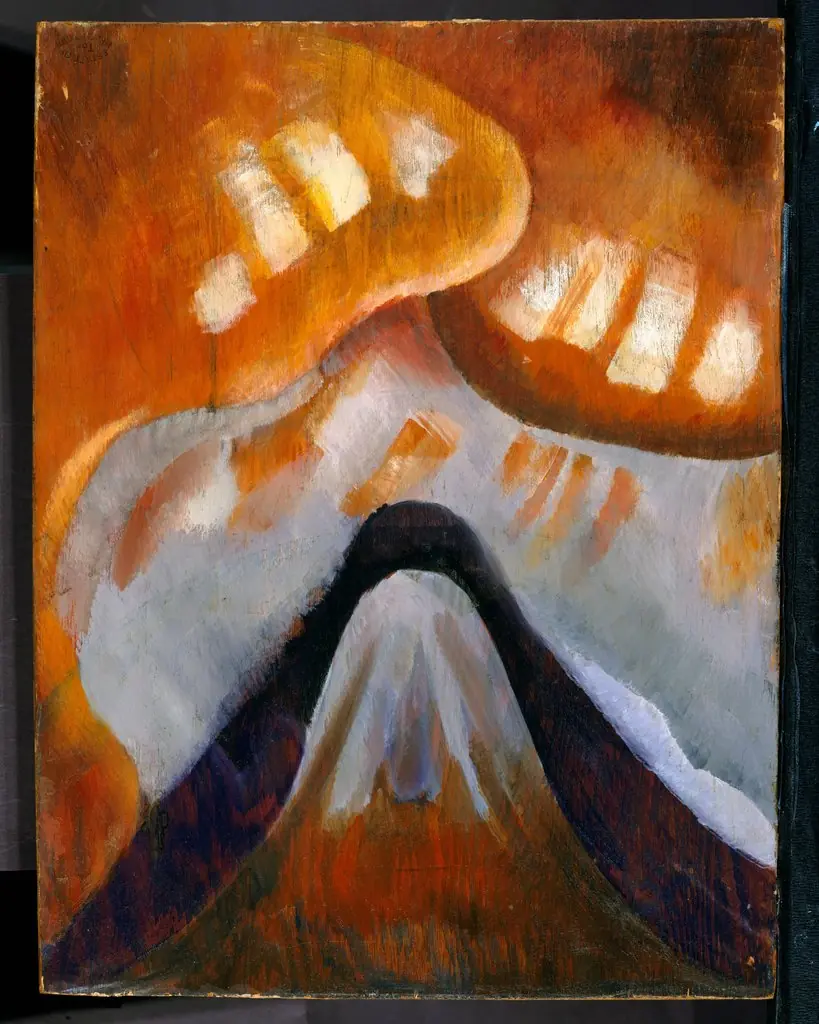 Mountain and Sky
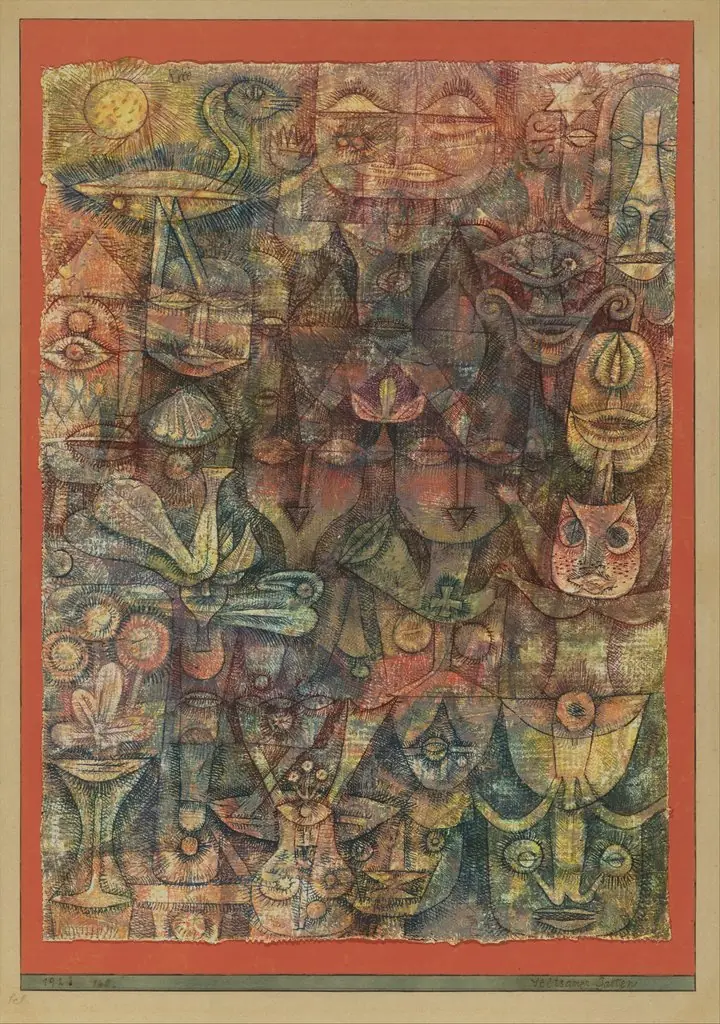 Strange Garden
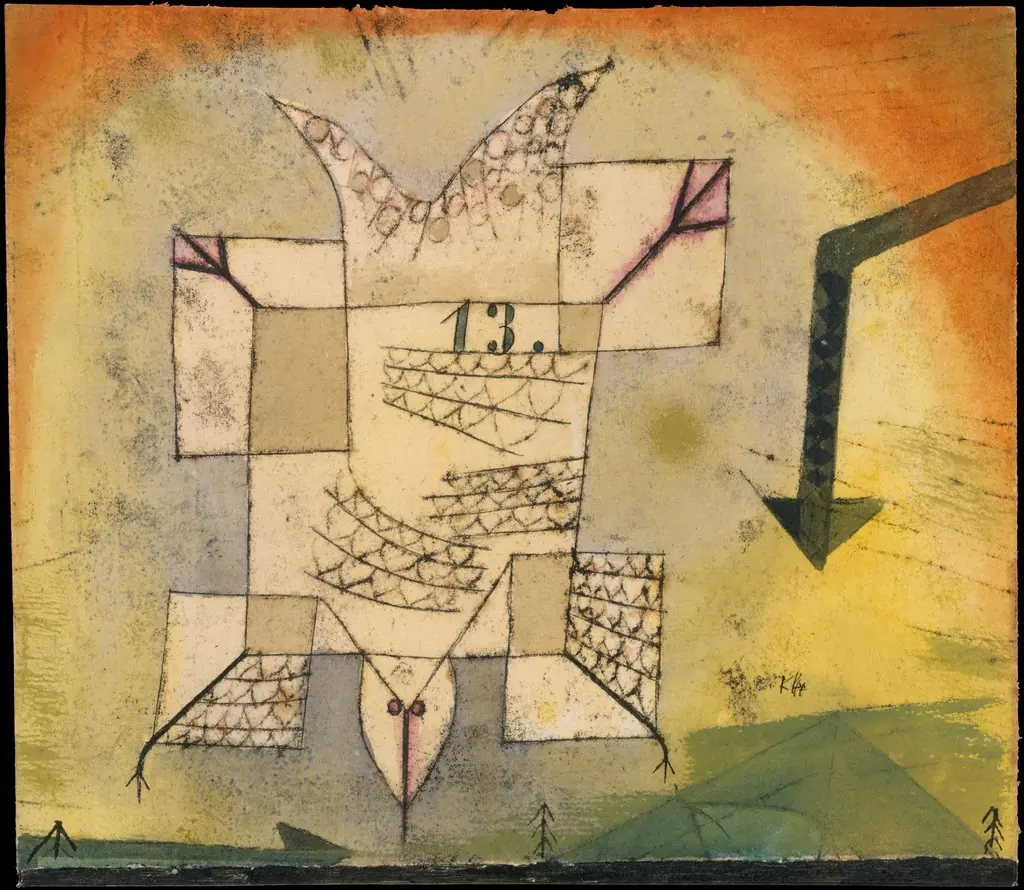 Falling Bird
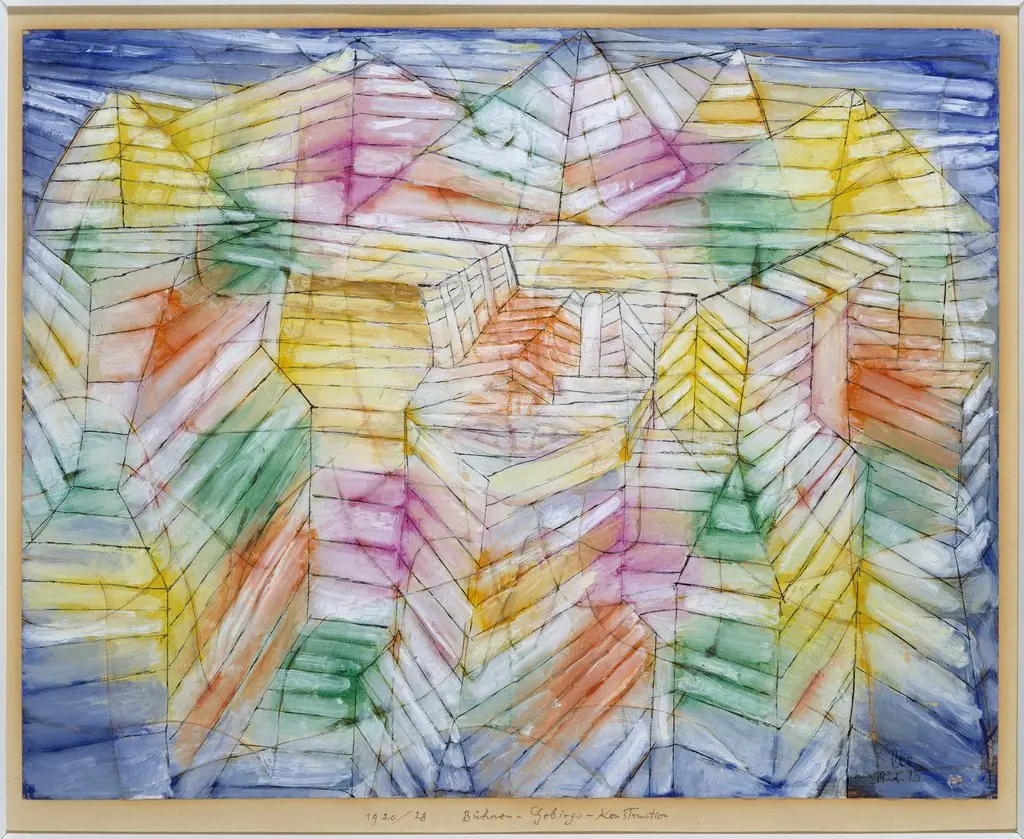 Theater-Mountain-Construction
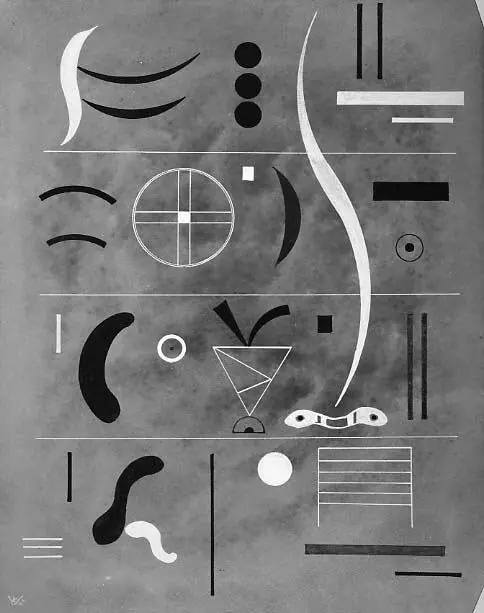 Four Parts
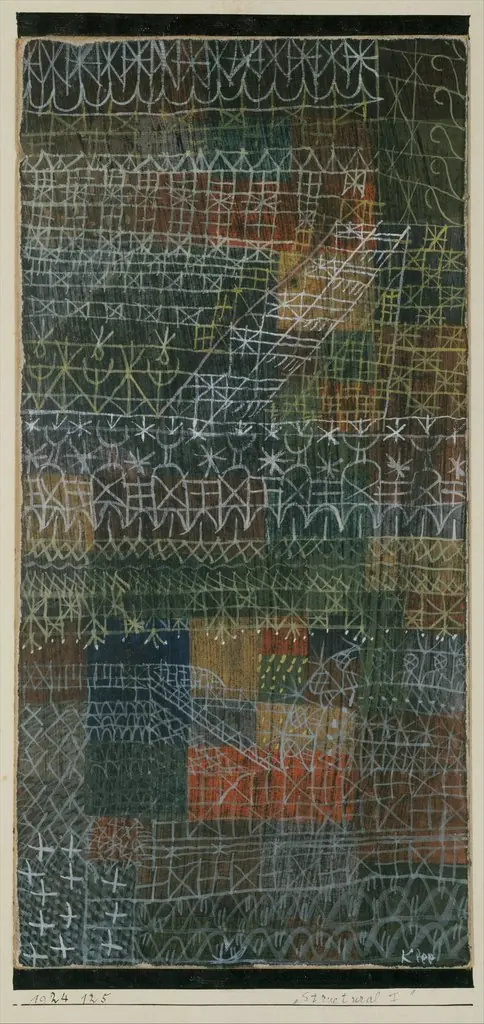 Structural I
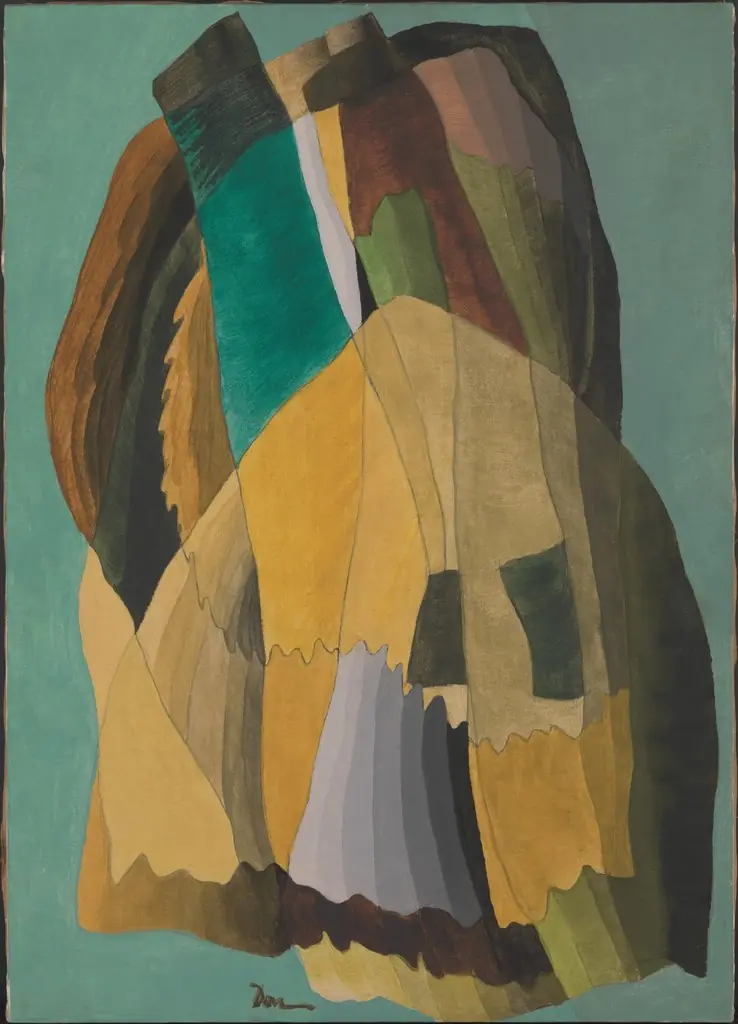 Shore Road
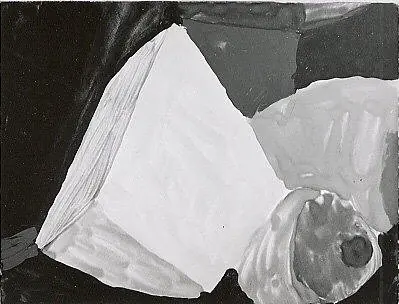 Untitled
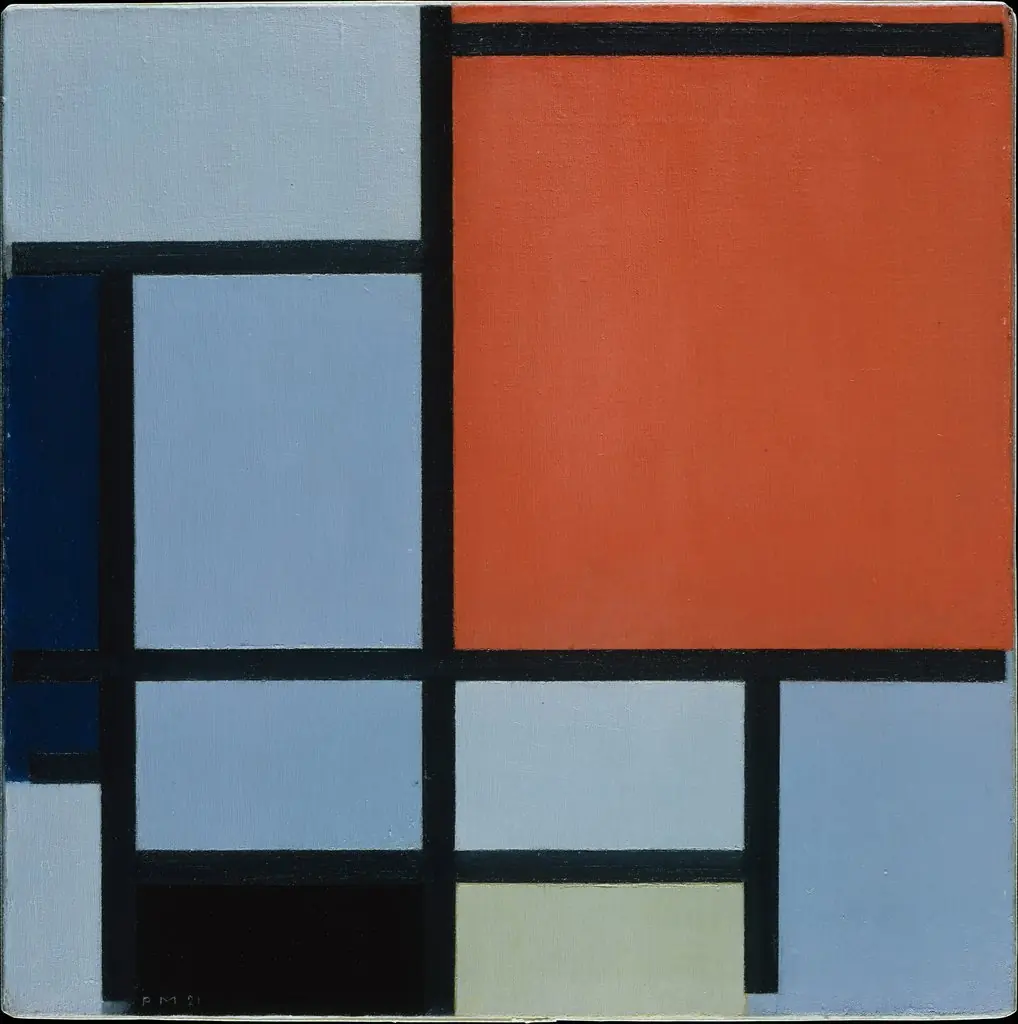 Composition
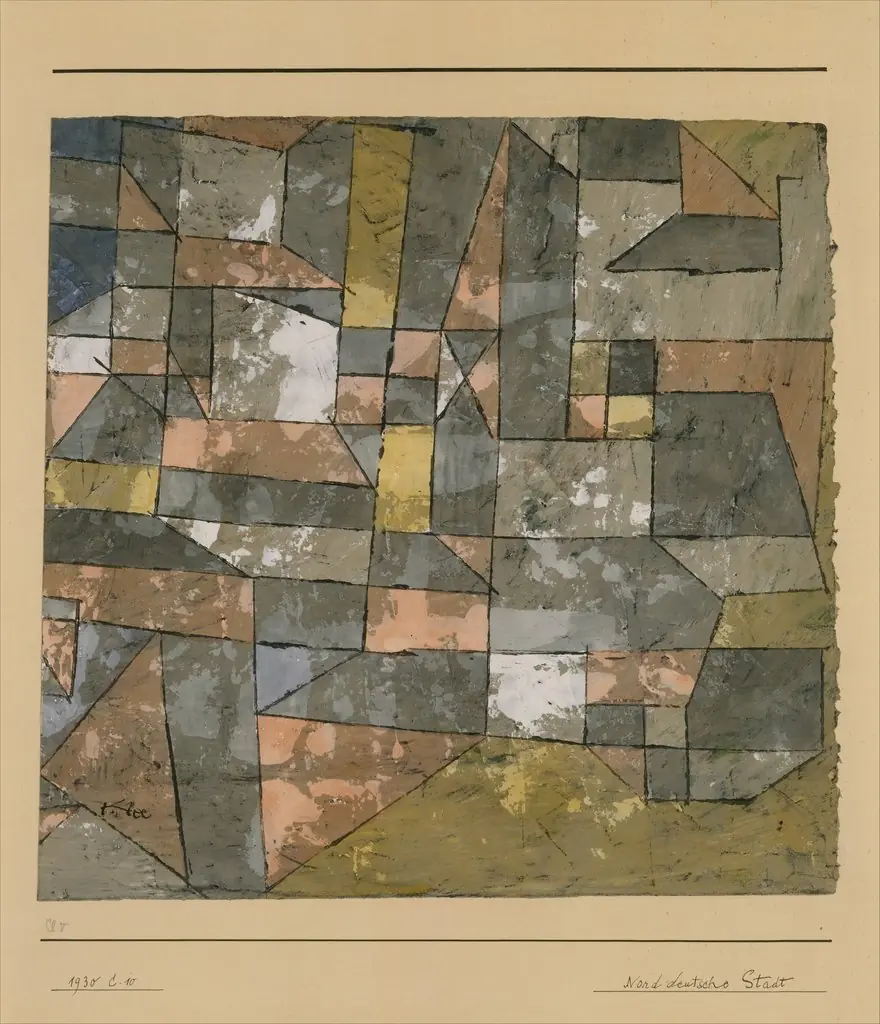 North German City
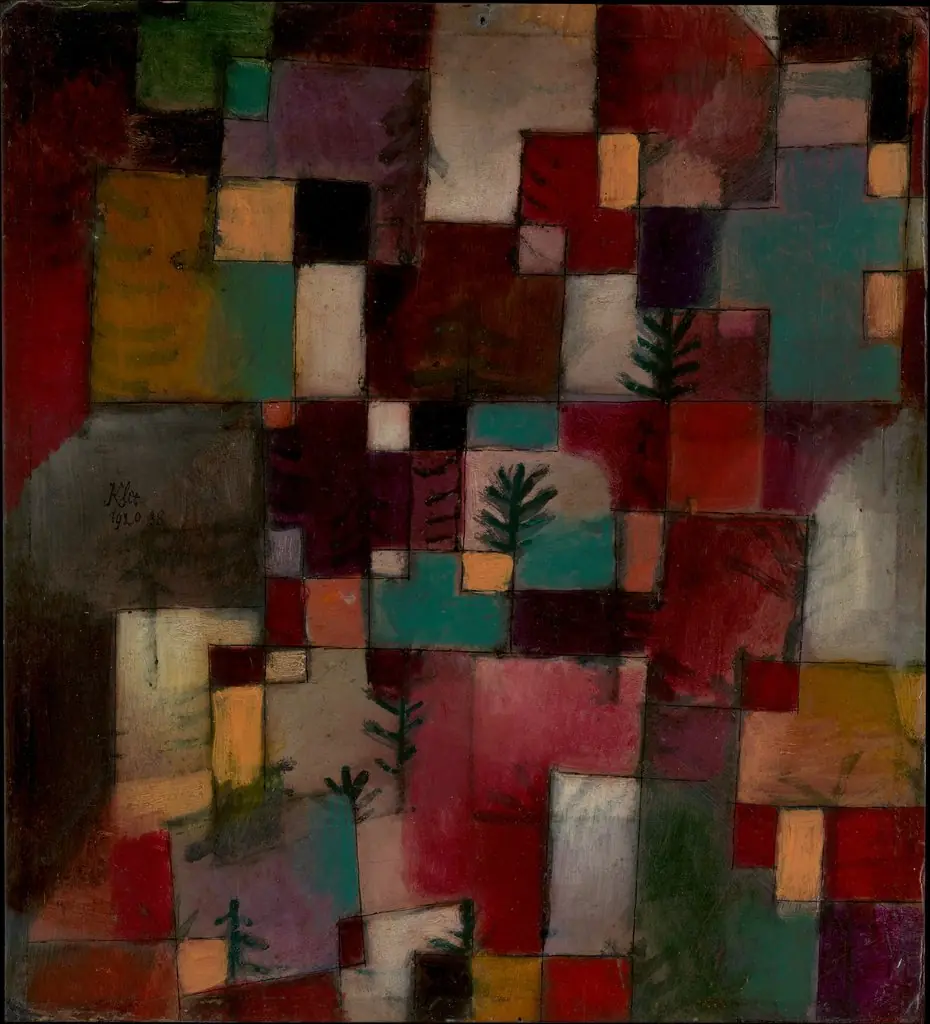 Redgreen and Violet-Yellow Rhythms
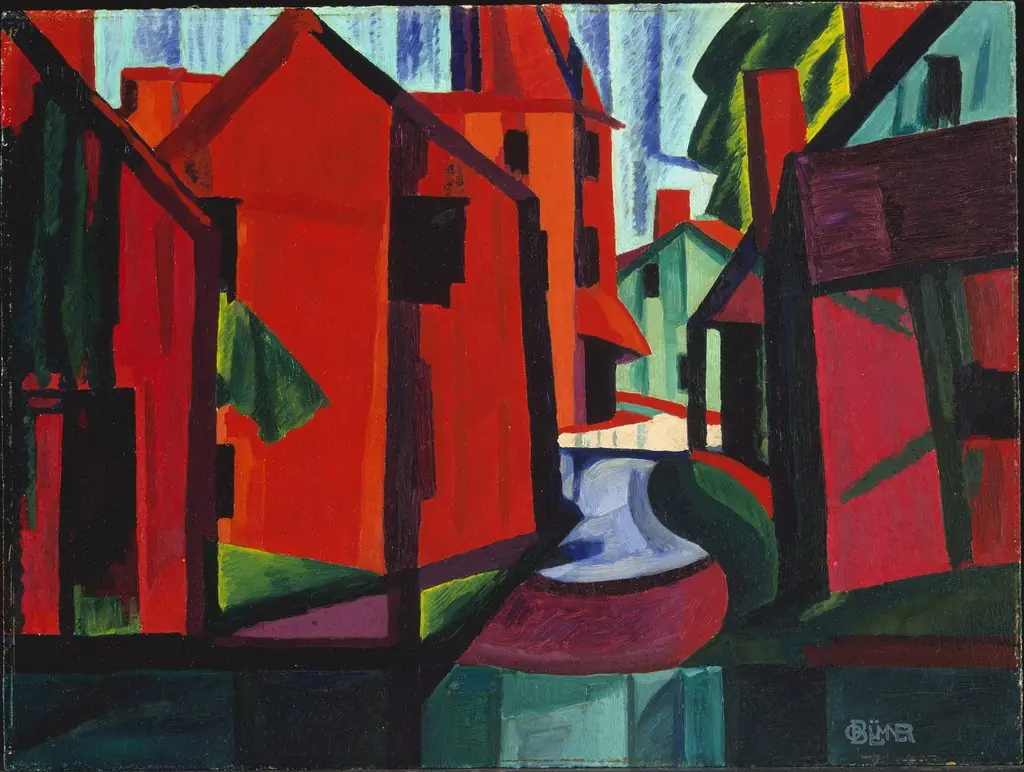 Little Falls, New Jersey
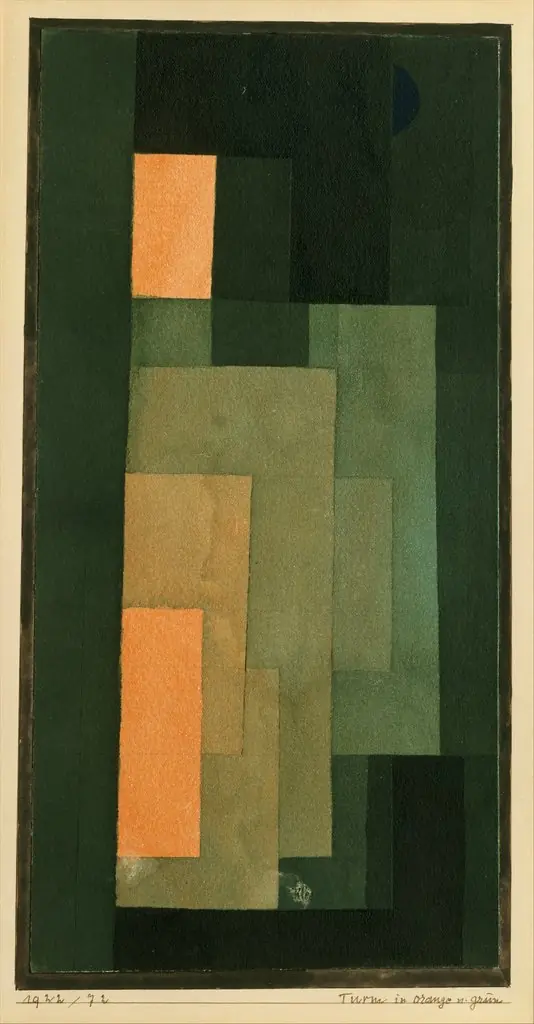 Tower in Orange and Green
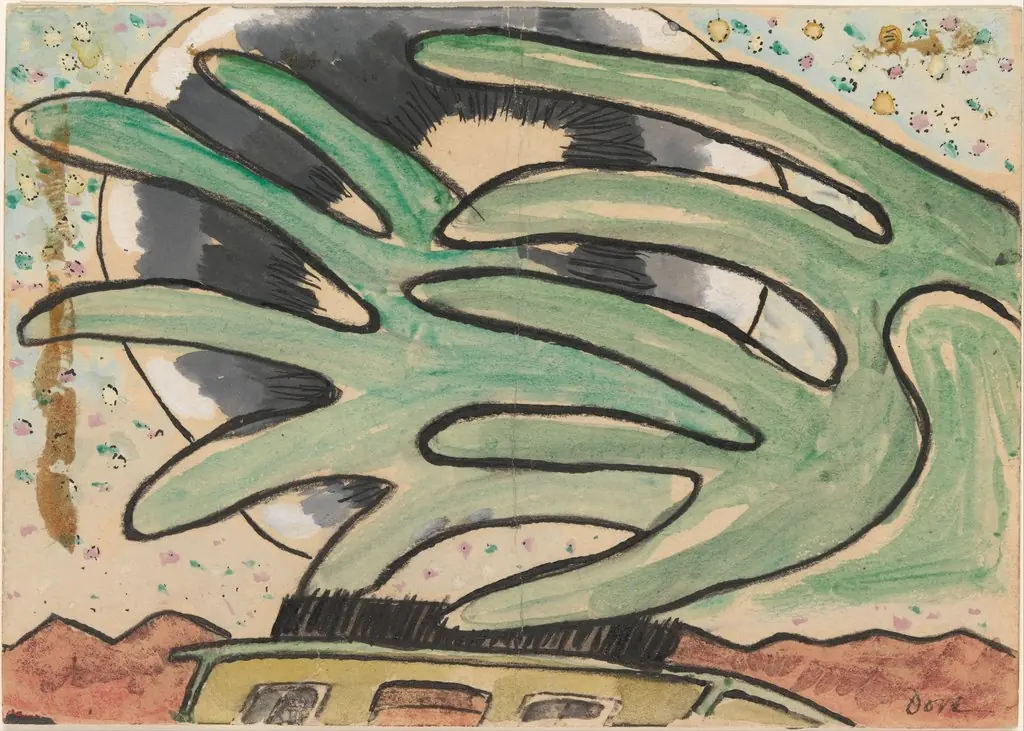 Silver Ball, Barge, and Trees
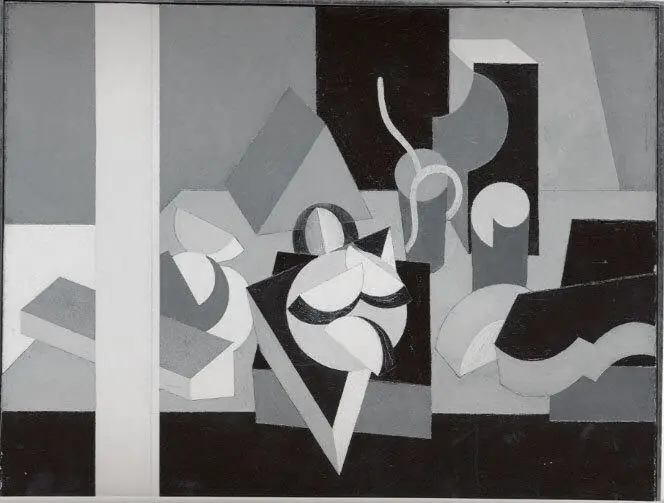 Objects on a Table
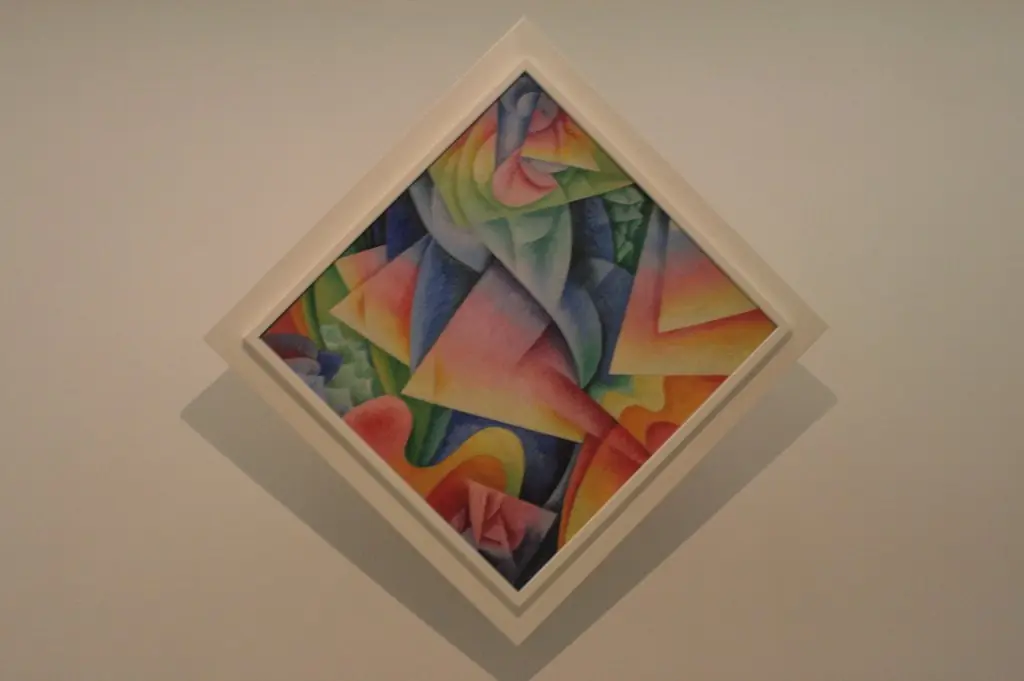 Dancer = Propeller = Sea
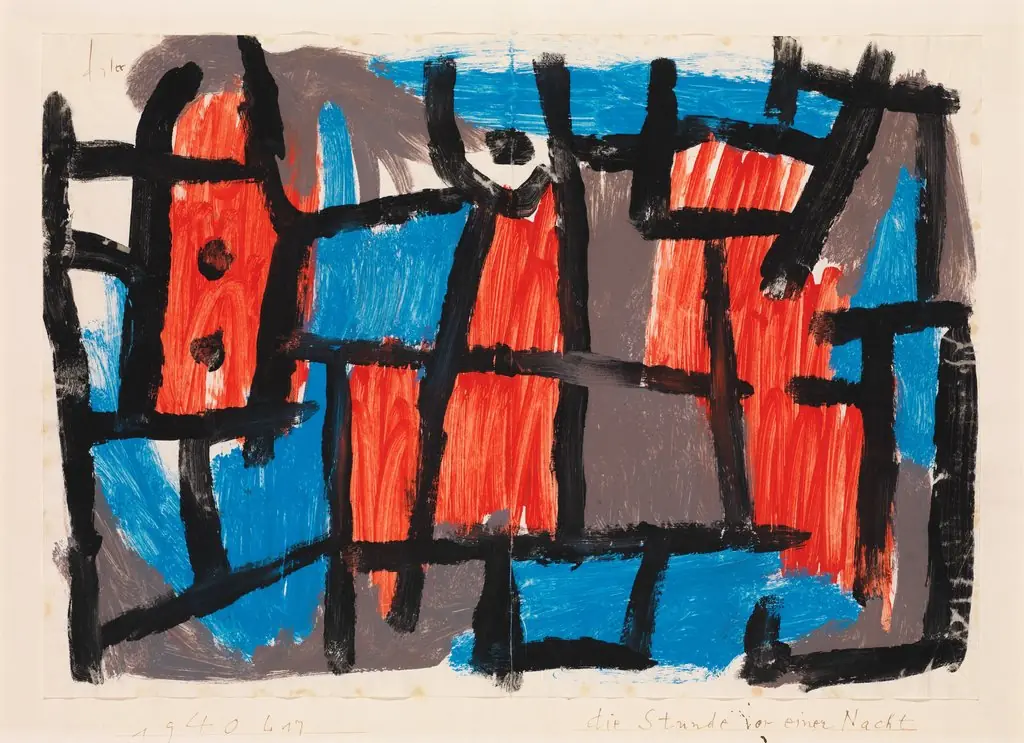 The Hour Before One Night
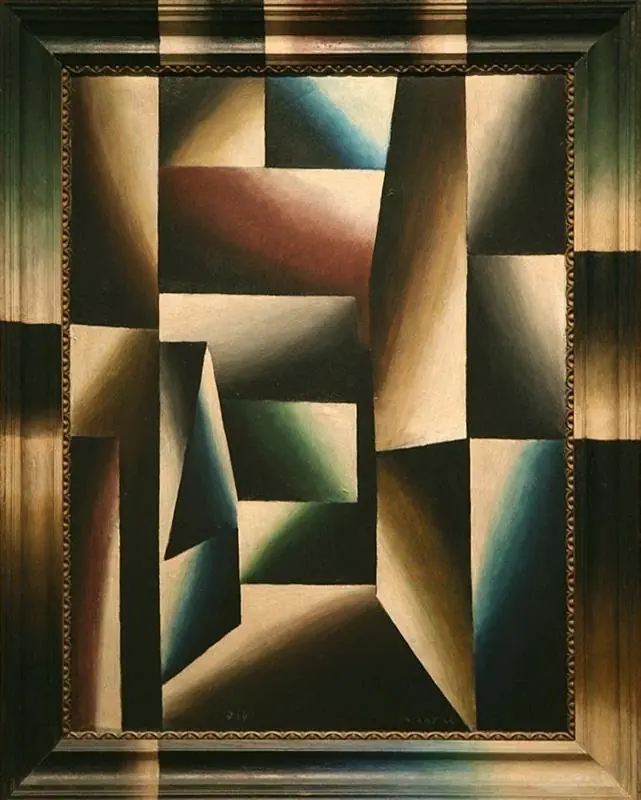 Strasse auf Helgoland II
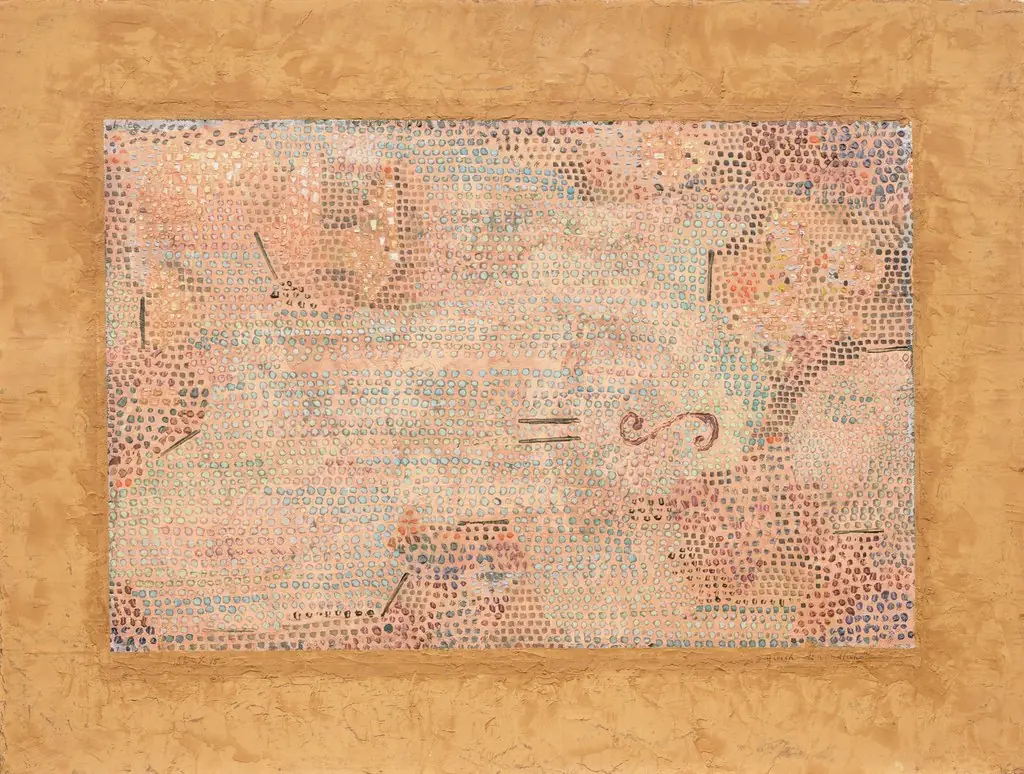 Equals Infinity
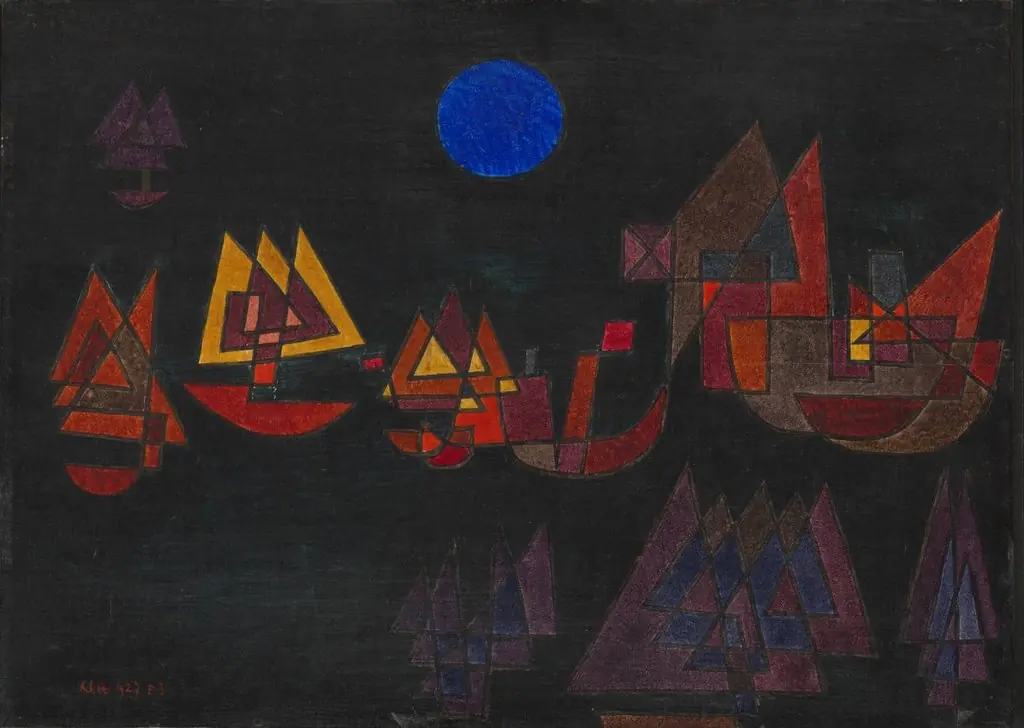 Ships in the Dark
Frequently asked questions
What is Abstraction?
Abstraction is a subject in art. Typically, abstraction is used in the arts as a synonym for abstract art in general.
How many Abstraction works does Artifact World Gallery have?
Artifact World Gallery holds 43 public-domain Abstraction works, all free to view and download.
Who are the key Abstraction artists?
Key Abstraction artists in the collection include Marsden Hartley, Piet Mondrian and Juan Gris.
Where can I see Abstraction works?
Abstraction works in the collection are held by Metropolitan Museum of Art, Tate Modern and Museum of Modern Art.