Artwork
The City
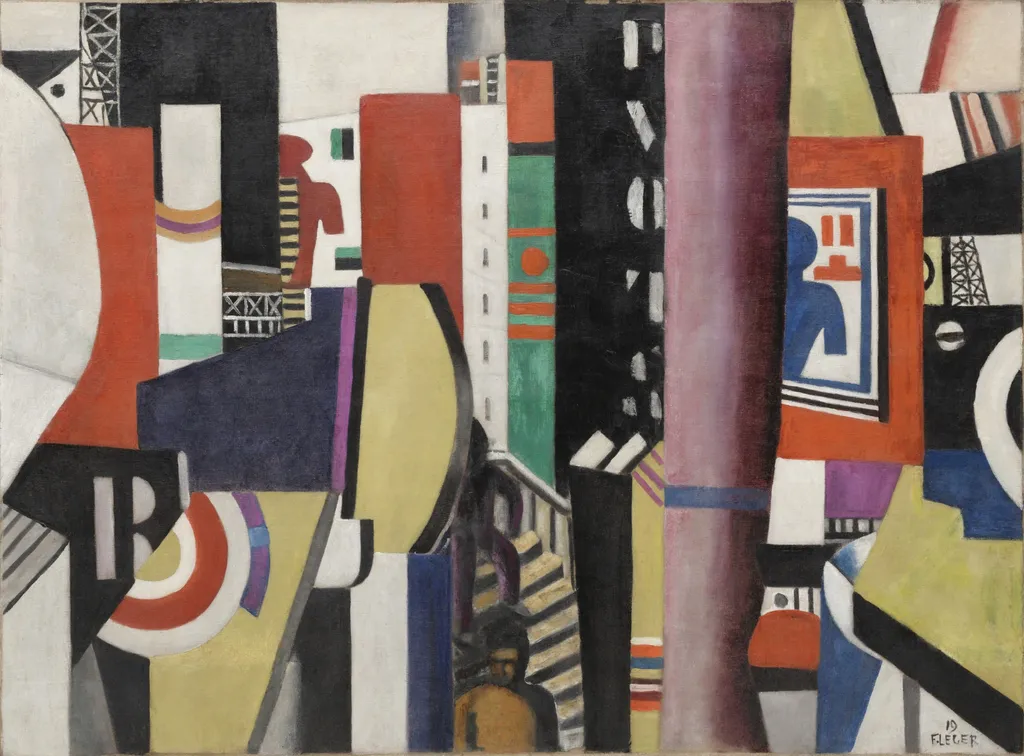
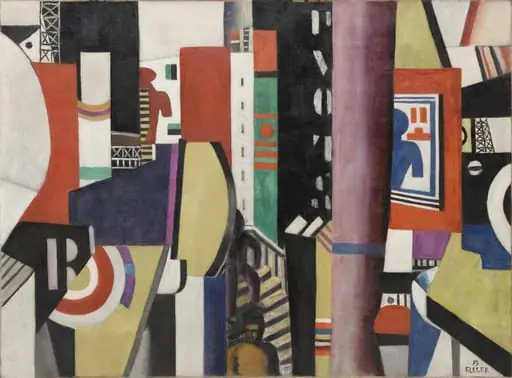
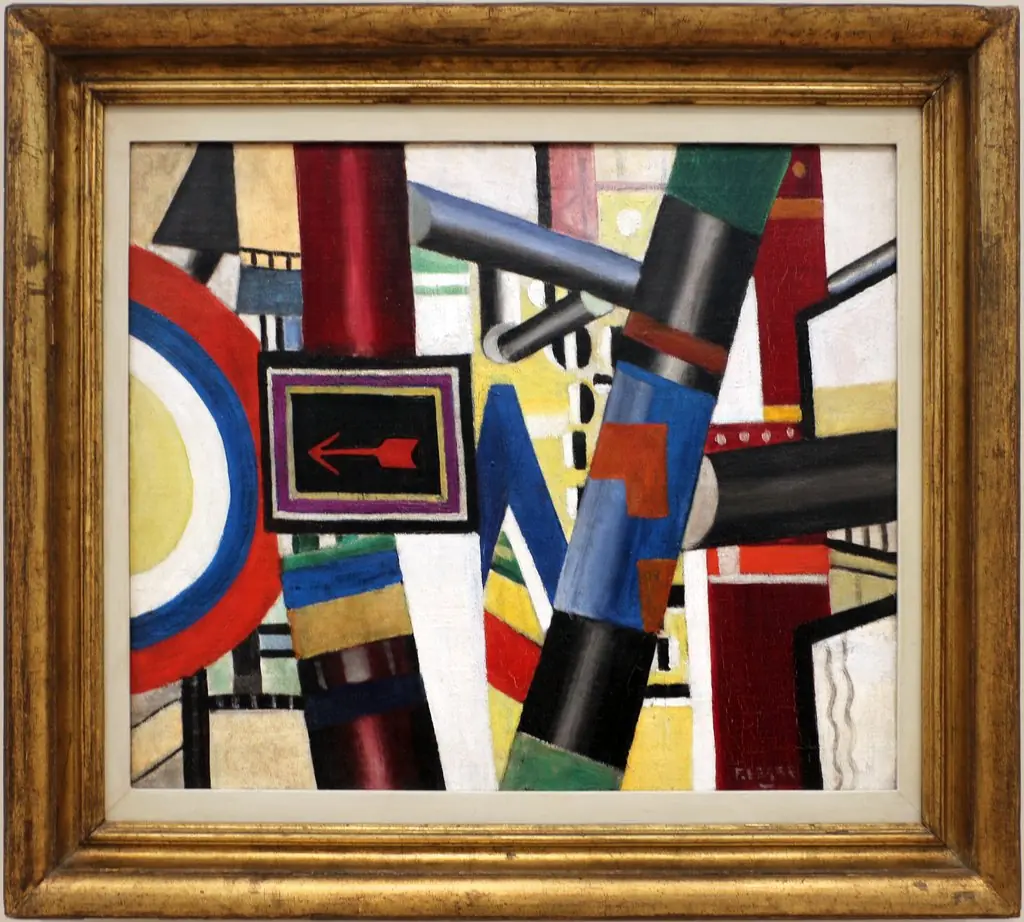
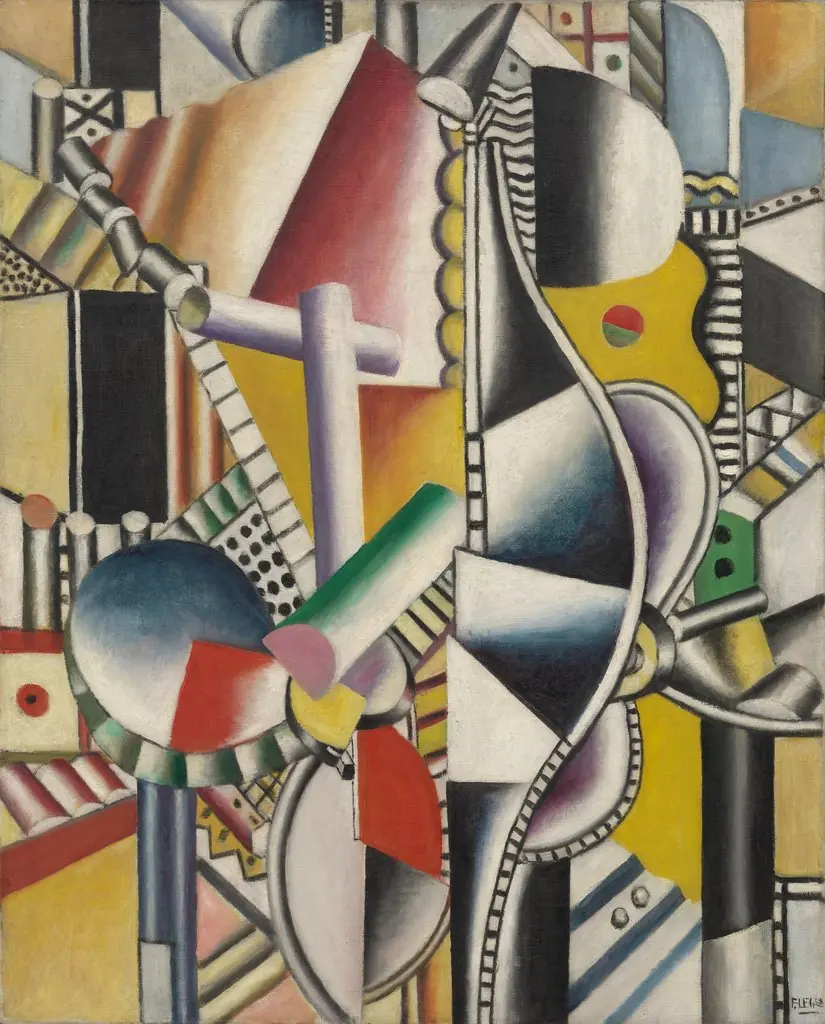
The City is an oil painting by the Cubism Synthetic artist Fernand Léger. It dates from 1919 and is held in the collection of the Museum of Modern Art.
About this work
Overview
It stands as a definitive example of French Purism and the artist's unique ability to merge Cubist structure with a vibrant, almost cinematic sense of movement.
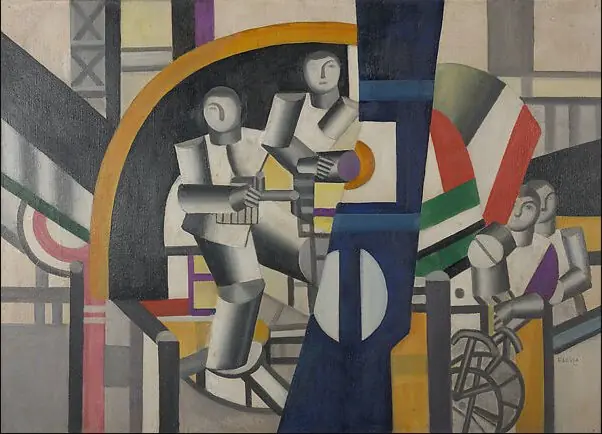
Fernand Léger's The City (1919) is a monumental oil painting that synthesizes Cubist fragmentation with the dynamic energy of the modern metropolis. Executed shortly after World War I, the work reflects Léger's fascination with industrial machinery, urban architecture, and the mechanical aesthetics of the early 20th century. The composition is a dense, flat arrangement of geometric planes, bold black outlines, and primary colors, red, blue, and yellow, interspersed with black and white.
Unlike traditional perspective, the canvas presents a simultaneous view of billboards, scaffolding, and human figures, all reduced to tubular and rectangular forms that suggest the rhythm of city life rather than a specific location. The figures are depicted as anonymous, mechanized entities, blending seamlessly with the surrounding architectural elements. This piece marks a pivotal moment in Léger's career, transitioning from his wartime experiences to his mature 'Mechanical Period,' where he celebrated the beauty of the constructed environment.
It stands as a definitive example of French Purism and the artist's unique ability to merge Cubist structure with a vibrant, almost cinematic sense of movement.
Subject & Meaning
The painting depicts a bustling metropolis, populated by stylized buildings and human figures. By abstracting the city’s elements into simplified shapes, Léger conveys the dynamism of modern life, suggesting movement and the collective energy of an industrialized environment.
Technique & Style
Léger employs bold, intersecting lines and flat planes of primary colors, red, blue, yellow, alongside stark black accents. The geometric treatment reflects his interest in mechanistic forms, while the vivid palette amplifies the sense of motion and visual tension across the canvas.
History & Provenance
Created in the immediate post‑World War I period, The City exemplifies Léger’s shift toward a more structured, machine‑inspired aesthetic. The painting entered the Museum of Modern Art’s holdings through acquisition, where it remains on display as a representative example of early twentieth‑century modernist painting.
Own this work as a print
Artist & collection
Artist
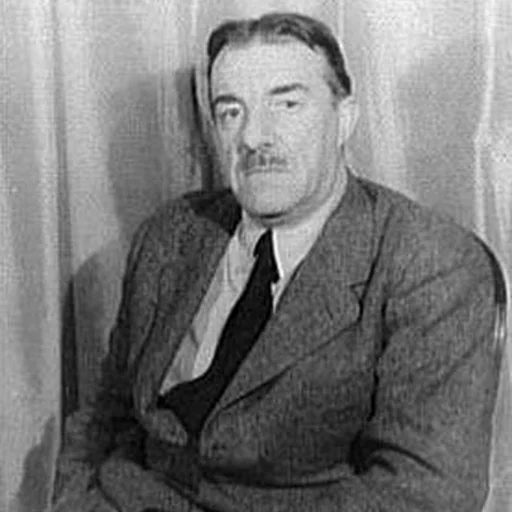
Joseph Fernand Henri Léger was a French painter, sculptor, and filmmaker. In his early works he created a personal form of cubism which he gradually modified into a more figurative, populist style. His boldly simplified…