Artwork
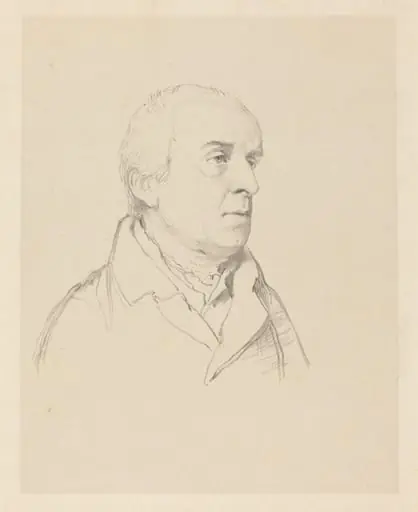
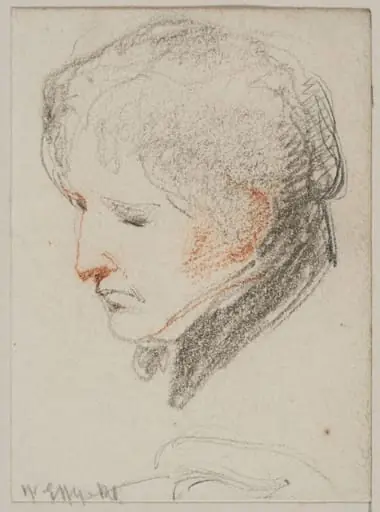
Head of a Man
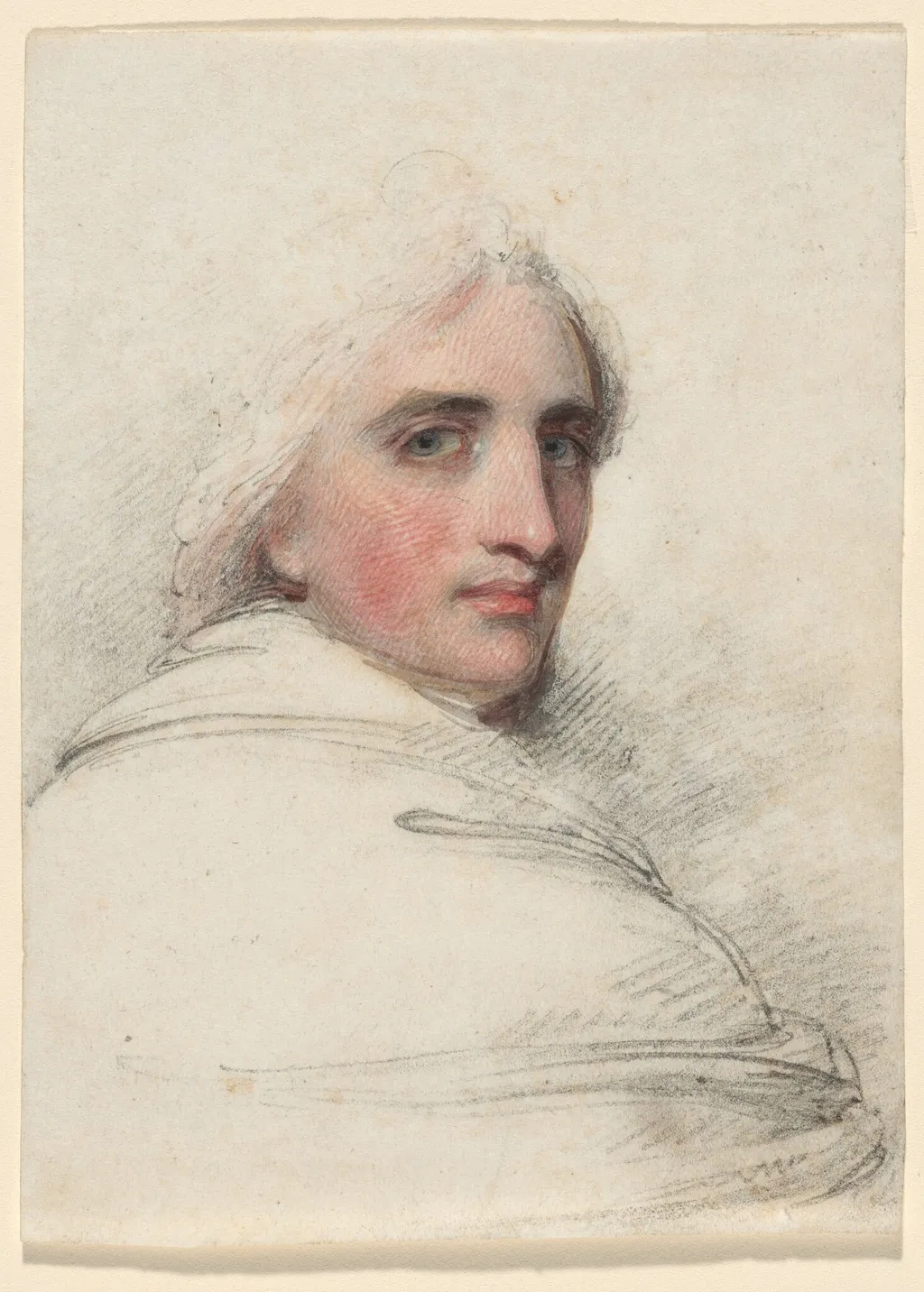
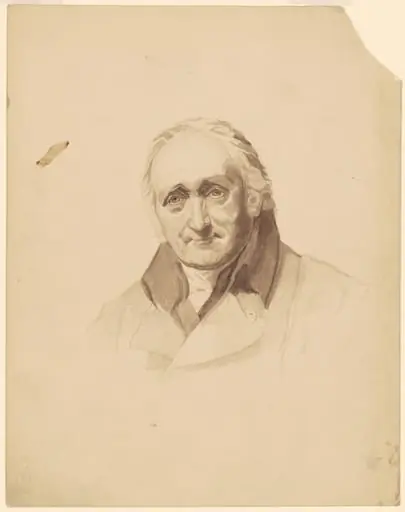
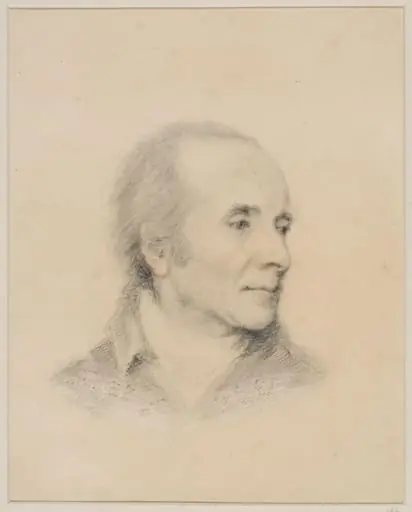
Head of a Man is a watercolor drawing by the Romanticist artist George Chinnery. It dates from 1818 and is held in the collection of the National Gallery of Art.
About this work
Overview
Head of a Man, created by George Chinnery around 1818, is a graphite and watercolor drawing on laid paper. It is part of the National Gallery of Art collection in Washington.
Subject & Meaning
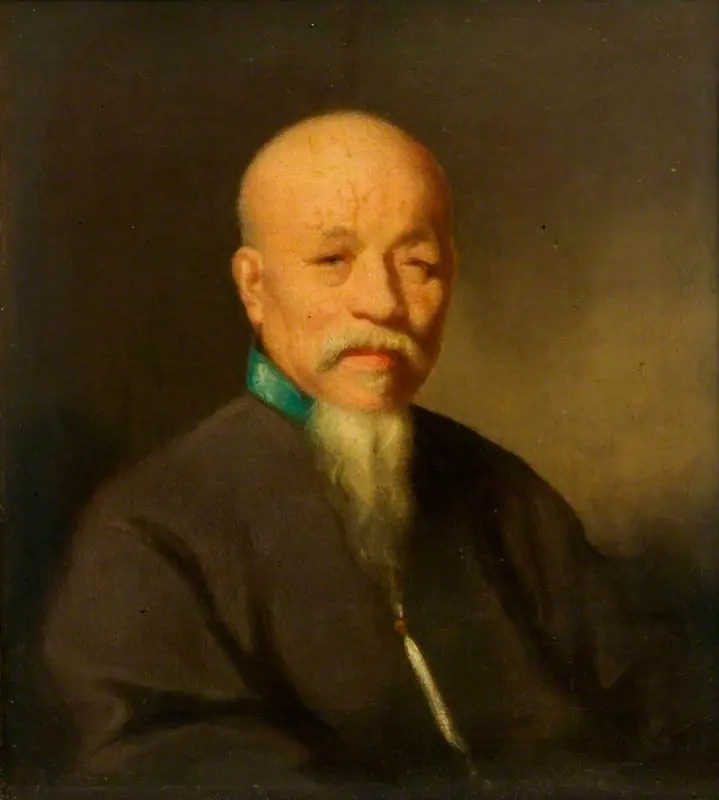
The drawing portrays a light-skinned, light-haired man wearing a white shirt, with a neutral expression and contemplative gaze directed to the right and slightly downward, suggesting introspection.
Technique & Style
Chinnery employed soft, gentle lines and subtle shading with graphite and watercolor, achieving a delicate and subtle portrayal that emphasizes the subject's quiet features.
History & Provenance
Created during Chinnery's time in Asia, the work reflects his practice of depicting regional figures. It is now held in the National Gallery of Art, Washington.
Context
As an English artist based in India and southern China, Chinnery's subjects often reflected his surroundings, though this work's specific inspiration remains unclear.
Legacy
While specific impact of Head of a Man is not detailed, it contributes to Chinnery's broader oeuvre, characteristic of European artistic engagement with Asian subjects during the early 19th century.
Own this work as a print
Artist & collection
Artist
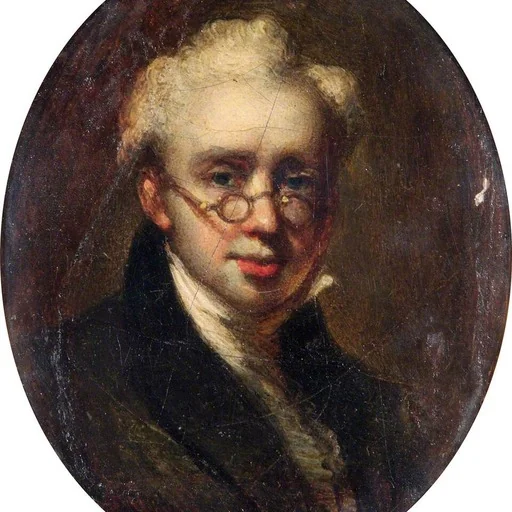
George Chinnery (Chinese: 錢納利; 5 January 1774 – 30 May 1852) was an English painter who spent most of his life in Asia, especially India and southern China.