Artwork
Indian village dwellings
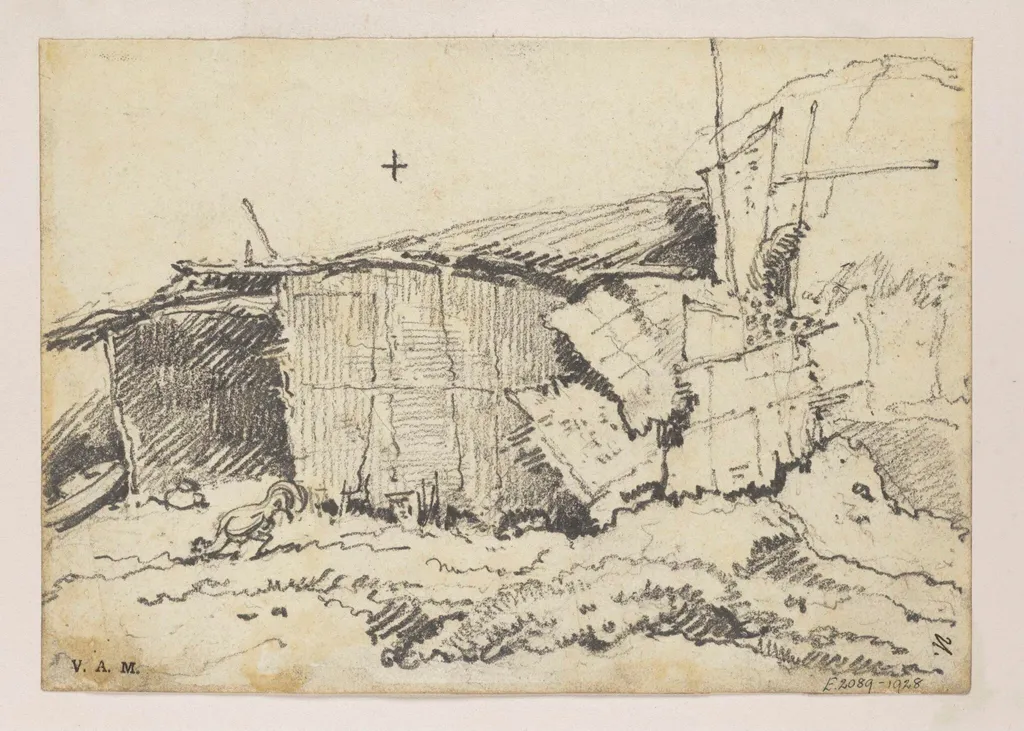
Indian village dwellings is a drawing by the Romanticist artist George Chinnery. It dates from 16 and is held in the collection of the Victoria and Albert Museum. A drawing depicts rural Bengal dwellings constructed from interwoven bamboo lattices, with a chicken foraging outside.
About this work
Chinnery sketched this in 1802, when British rule was reshaping India.
This drawing shows Bengal village huts made of bamboo lattices. The roofs sag and the walls lean. A scrawny chicken pecks at the dirt outside.
Chinnery sketched this in 1802, when British rule was reshaping India. The huts look worn down, but the chicken keeps life going. It’s not fancy art, just a hard look at daily struggle.
It feels like a snapshot from a time before cameras. See it in person at the Victoria and Albert Museum.
Overview
A drawing depicts rural Bengal dwellings constructed from interwoven bamboo lattices, with a chicken foraging outside.
Subject & Meaning
The image captures the rustic, worn condition of village huts, conveying a sense of everyday life amidst dilapidation. The presence of the chicken adds a touch of vitality to the scene.
History & Provenance
Created in 1802 by Chinnery, this drawing reflects the artist's observation of Indian village life during a period of significant change under British rule.
Technique & Style
The drawing's straightforward representation of its subject gives it a candid, observational quality, akin to a snapshot from a bygone era.
Own this work as a print
Artist & collection
Artist
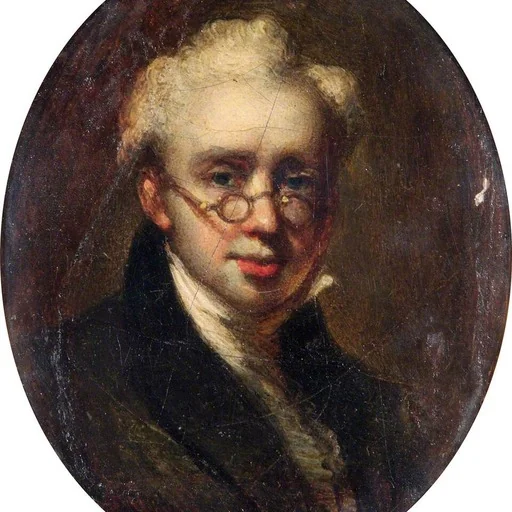
George Chinnery (Chinese: 錢納利; 5 January 1774 – 30 May 1852) was an English painter who spent most of his life in Asia, especially India and southern China.


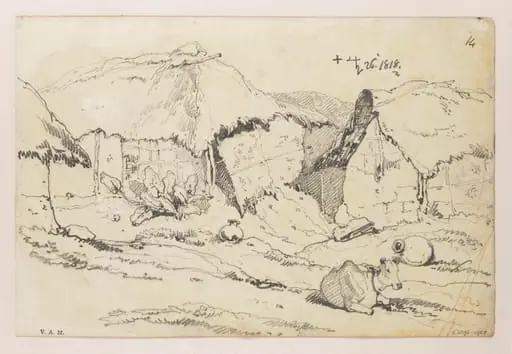 Indian village dwellings with a humped ox
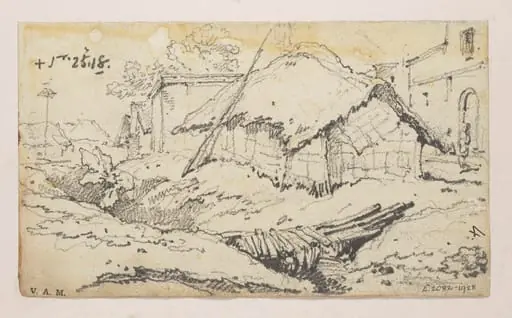 An Indian village
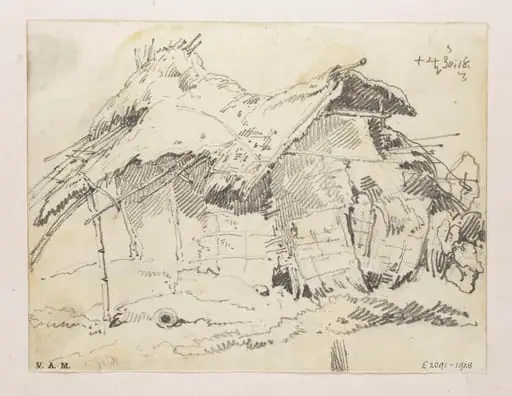 A dilapidated Indian village dwelling
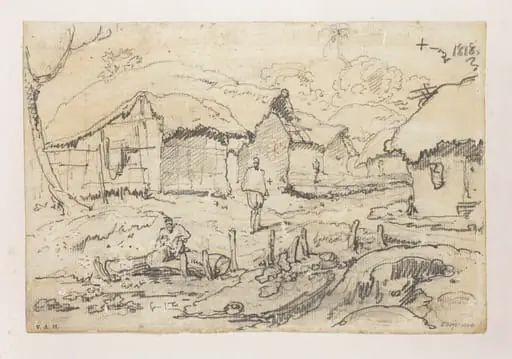 A village street, Bengal
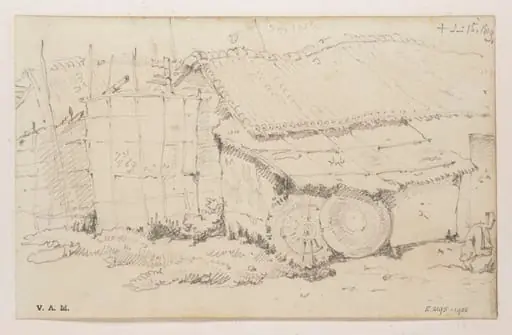 Thatched village dwellings, Bengal
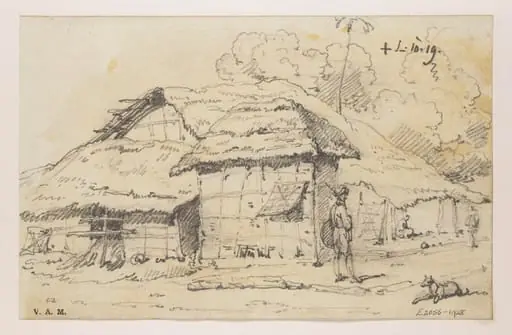 Village huts, Bengal
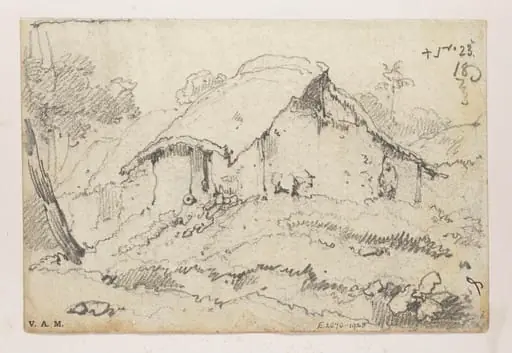 A village dwelling, Bengal
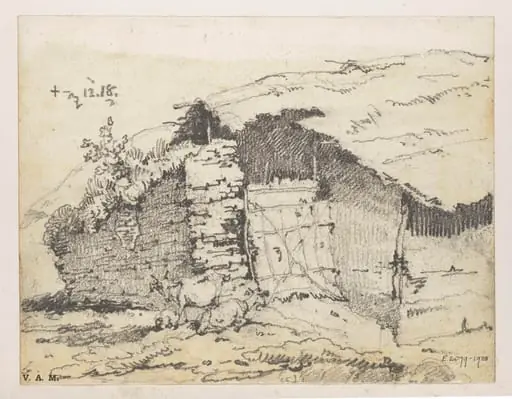 A Bengal village hut
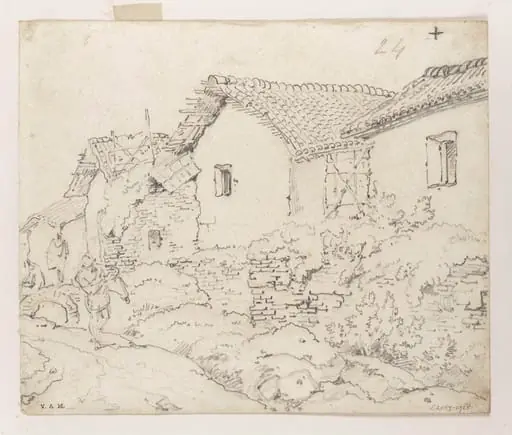 A village street, Bengal
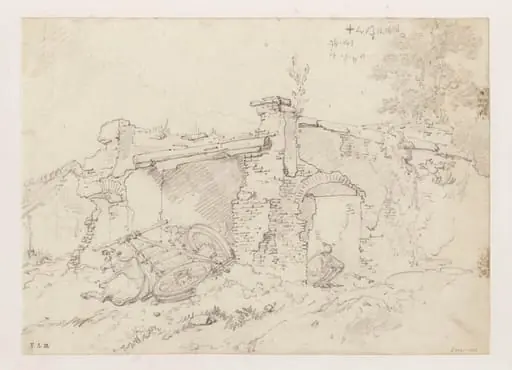 A ruined building in Bengal, with a figure and an ox and cart
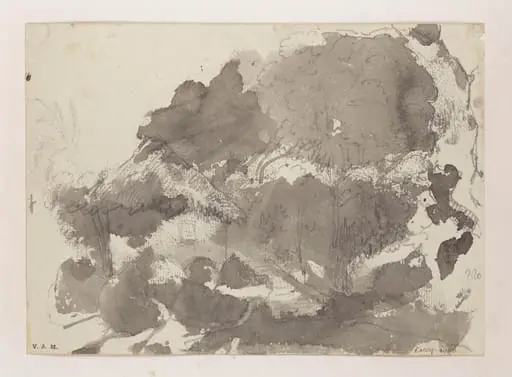 A thatched dwelling amid trees, Bengal