Subject
Windmill
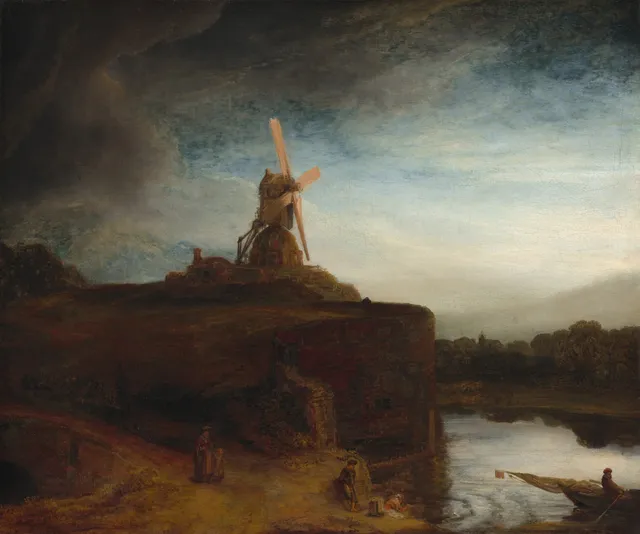
Windmill is a subject in art. The gallery holds 200 works in this subject in art, including works by Jean Baptiste Camille Corot, Jean Léon Gérôme and Claude Monet.
The windmill is one of the most enduring motifs in Western art, and its rise as a subject is inseparable from the technology itself. The horizontal or panemone windmill first appeared in Persia in the 9th century, and the vertical windmill — the form that would dominate the European imagination — emerged in northwestern Europe in the 12th century. As mills spread across the medieval and early modern countryside to grind grain, saw timber, and, crucially in the Low Countries, pump water from reclaimed land, they became fixtures of the worked landscape and, in time, of the painted one. By the 17th century the mill was less a curiosity than a defining feature of the terrain artists chose to depict.
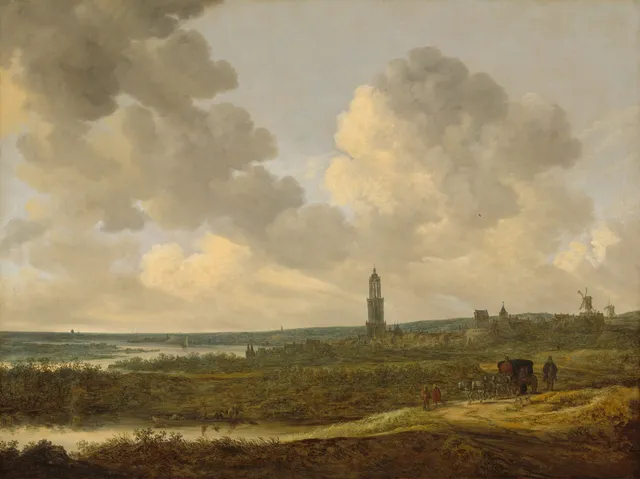
It was Dutch Golden Age painting that turned the windmill into an icon. In a republic built on land reclamation and wind-driven industry, the mill read as a symbol of prosperity, ingenuity, and national identity, silhouetted against the vast skies that the flat polder afforded. Jacob van Ruisdael (c. 1628–1682), the era's pre-eminent landscapist, gave the theme its most monumental statement in The Windmill at Wijk bij Duurstede (c. 1668–1670, Rijksmuseum), where the mill towers over castle, church, and the River Lek beneath turbulent clouds. Rembrandt van Rijn treated the post mill dramatically in twilight in The Mill (1645–48), and Salomon van Ruysdael, Jan van Goyen, and Meindert Hobbema — Ruisdael's pupil — wove mills through their river views and panoramas.
Visually, the windmill offered painters a tall vertical accent in an otherwise horizontal scene, a pivot for light, weather, and reflection. The motif outlived the Golden Age: the 19th-century Hague School revived it, as in Paul Joseph Constantin Gabriël's luminous A Windmill on a Polder Waterway, known as 'In the Month of July' (c. 1889), where Gabriël insisted Dutch land was "not grey." Most strikingly, the young Piet Mondrian painted mills repeatedly — including Oostzijdse Mill along the River Gein by Moonlight — before abstracting the form on his path toward De Stijl. From medieval engineering to modernist threshold, the windmill remained a touchstone of how landscape carries meaning.
Key artists

Artist
Works
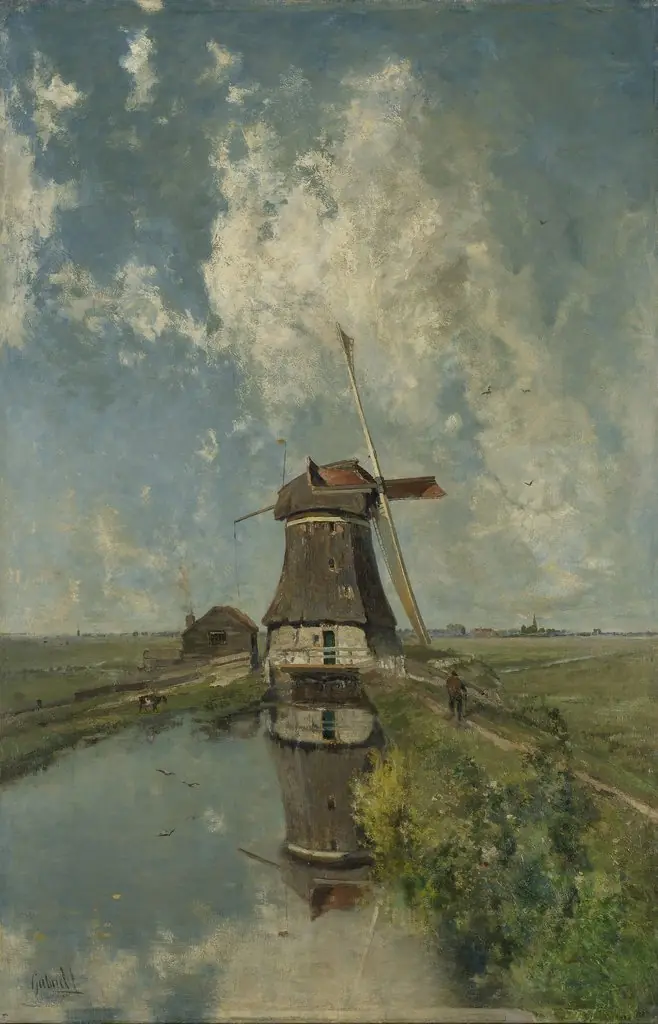 A Windmill on a Polder Waterway, Known as ‘In the Month of July’
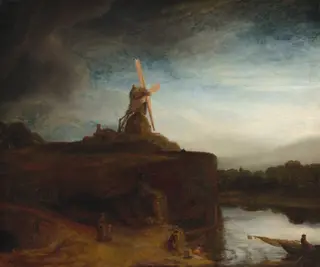 The Mill
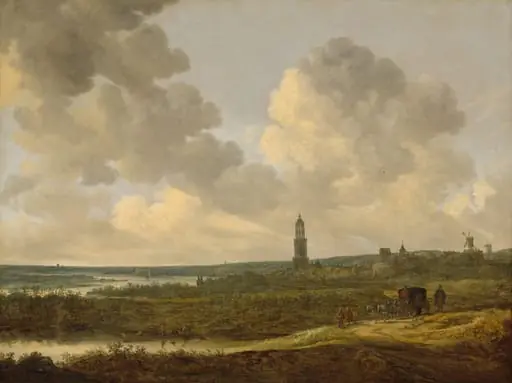 View of Rhenen
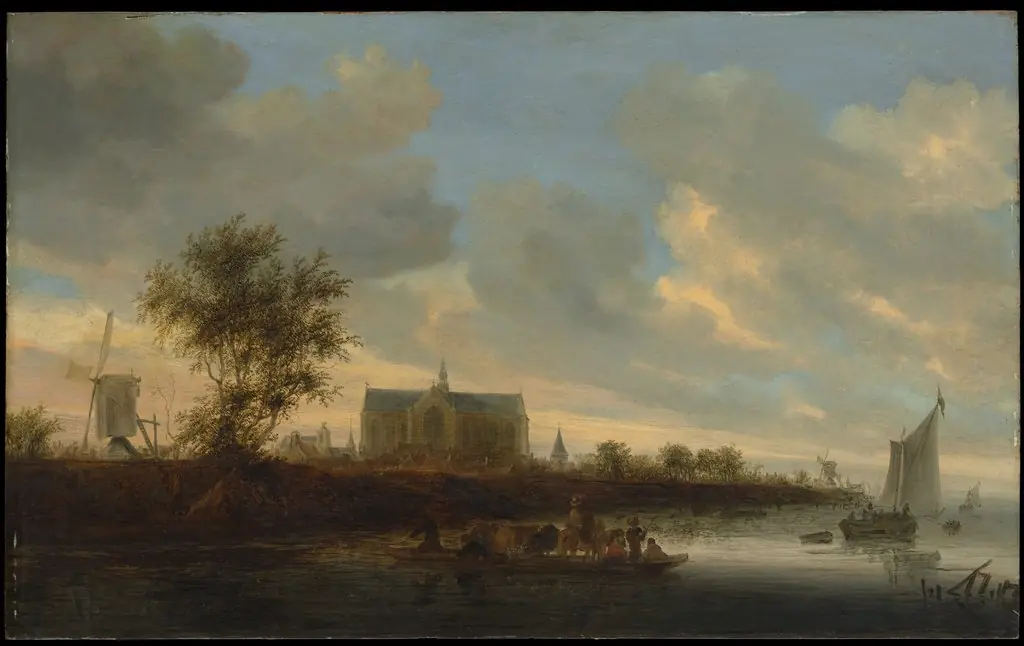 View of the Town of Alkmaar
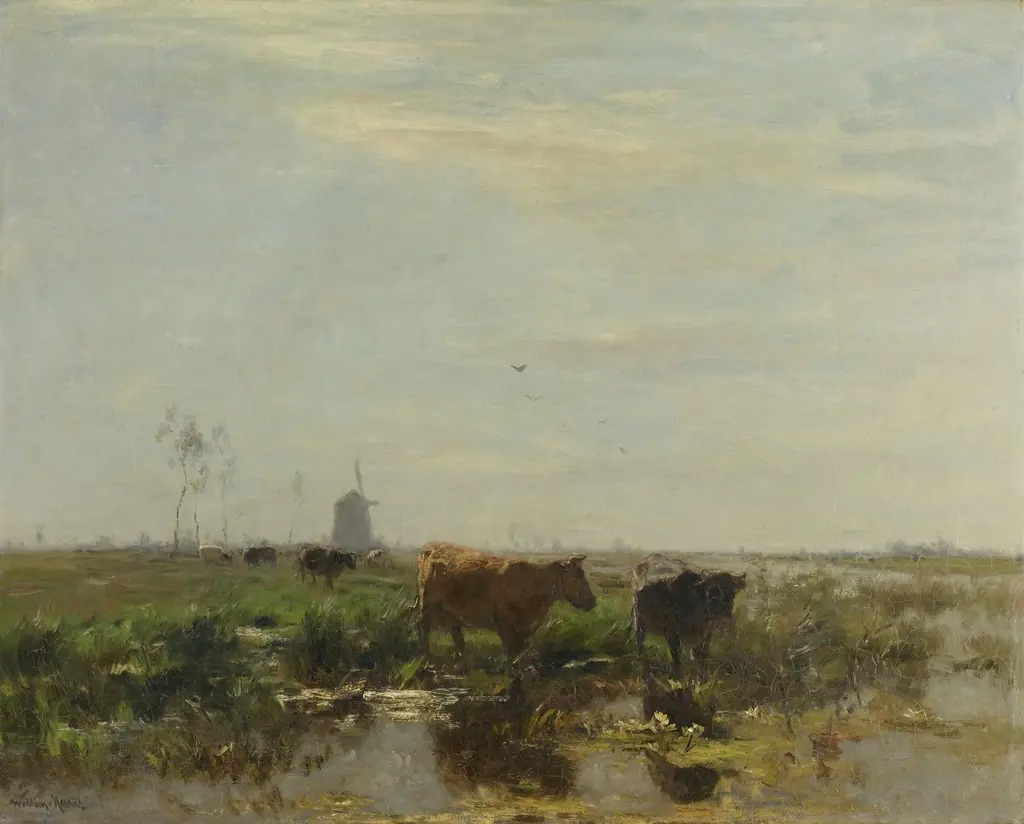 Meadow with Cows by the Water
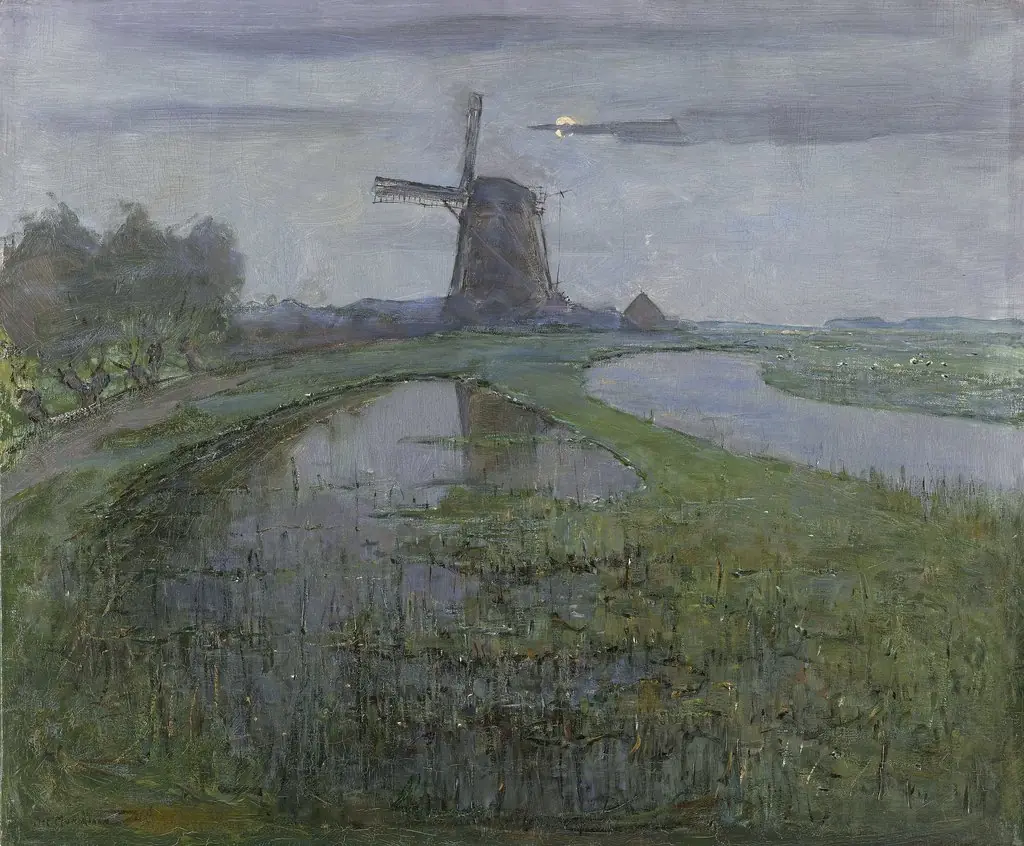 Oostzijdse Mill along the River Gein by Moonlight
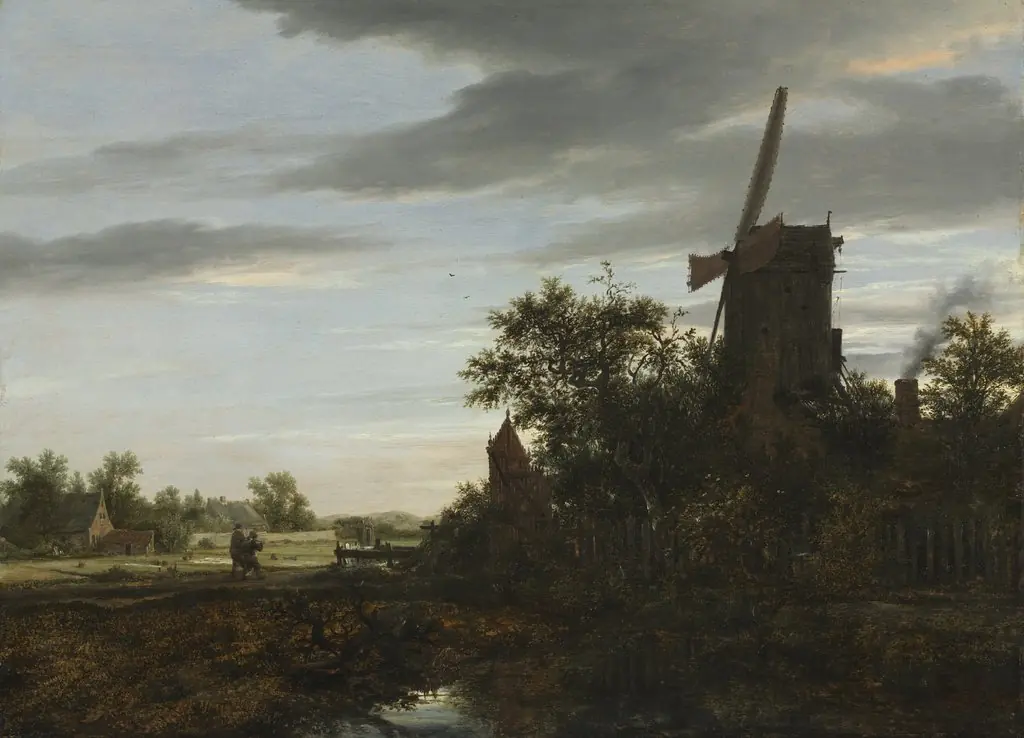 Landscape with a Windmill
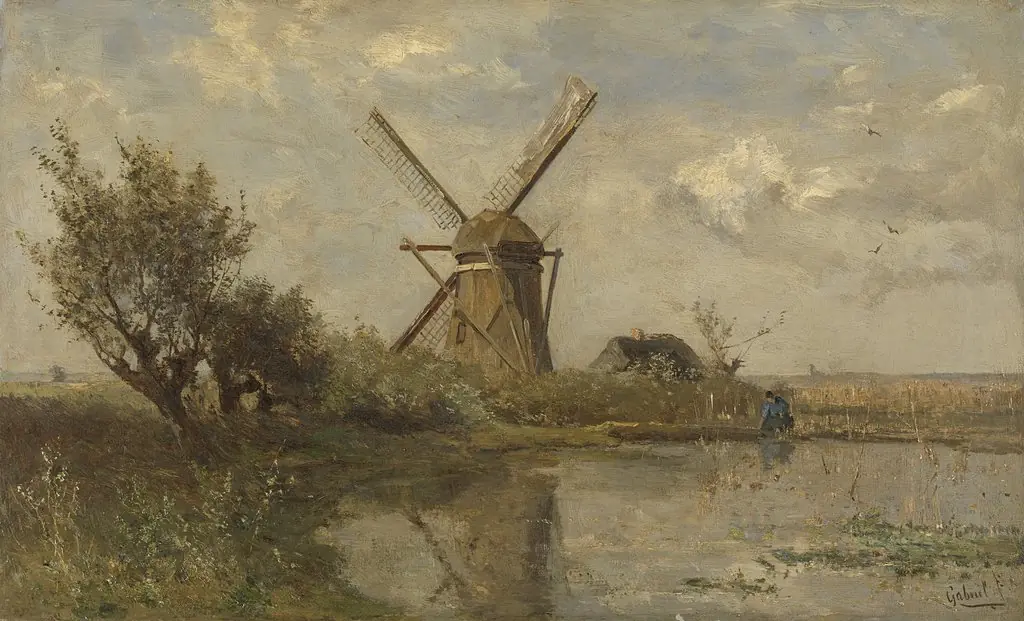 Windmill on a pond
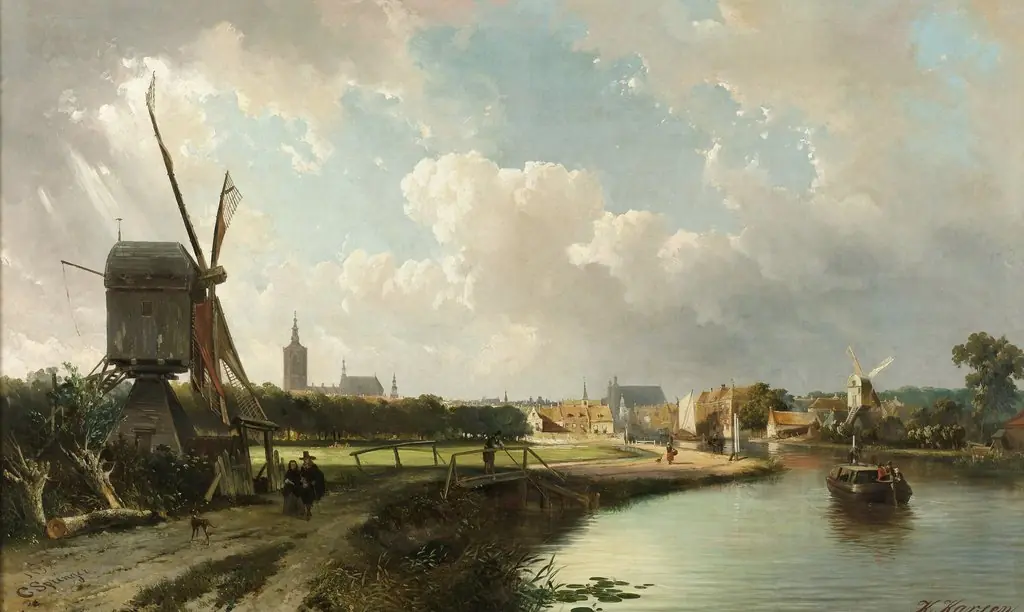 View of The Hague from the Delftse Vaart in the 17th Century
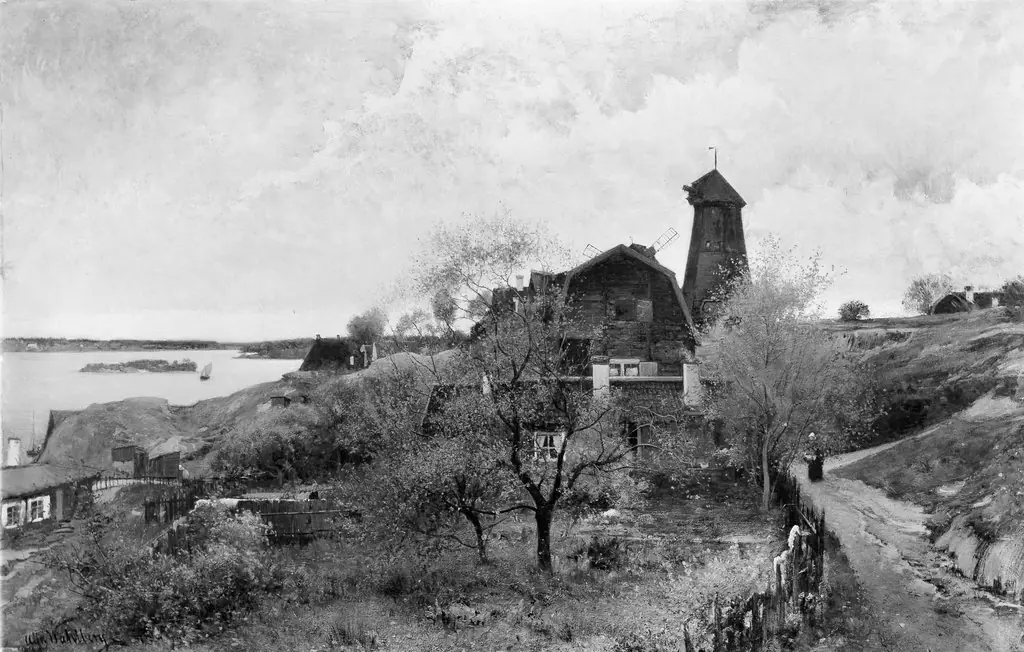 A Day in October, near Waxholm, Sweden
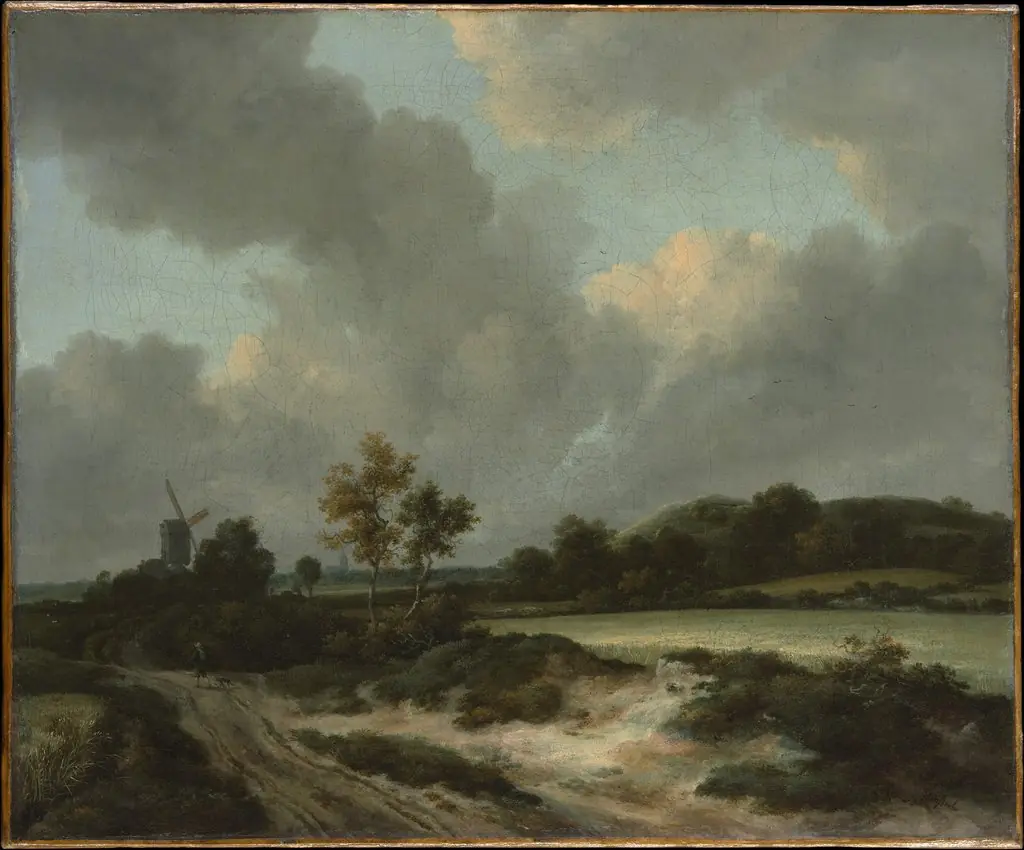 Grainfields
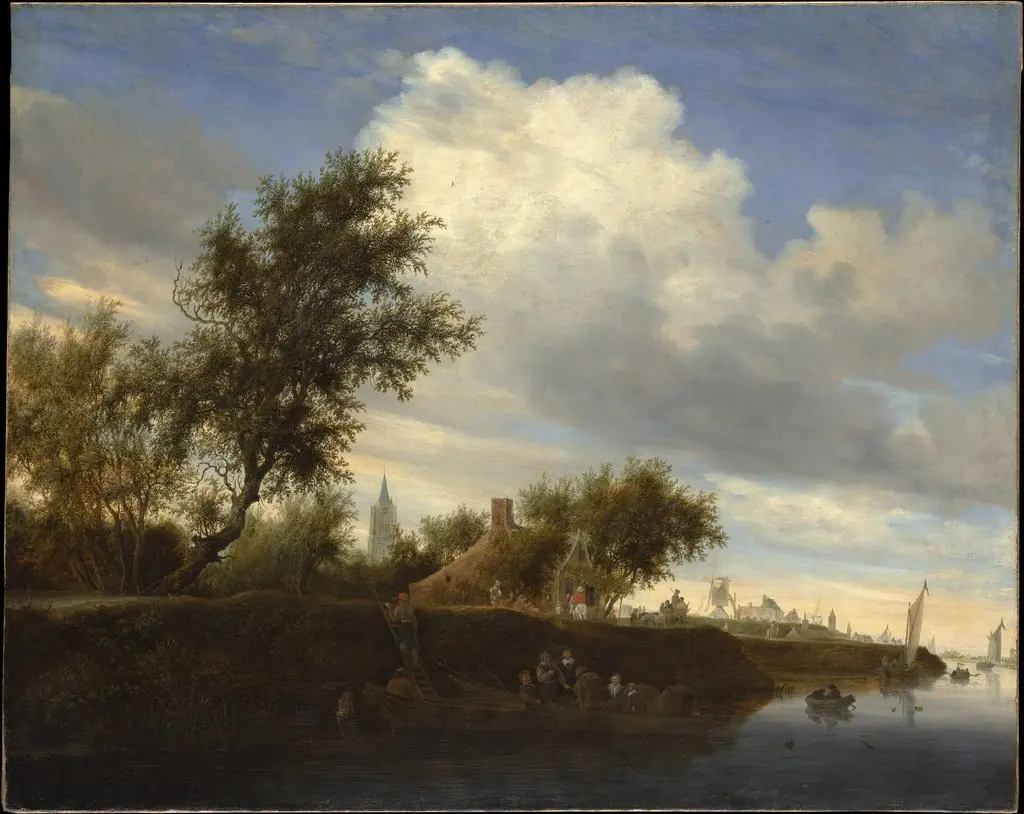 Ferry near Gorinchem
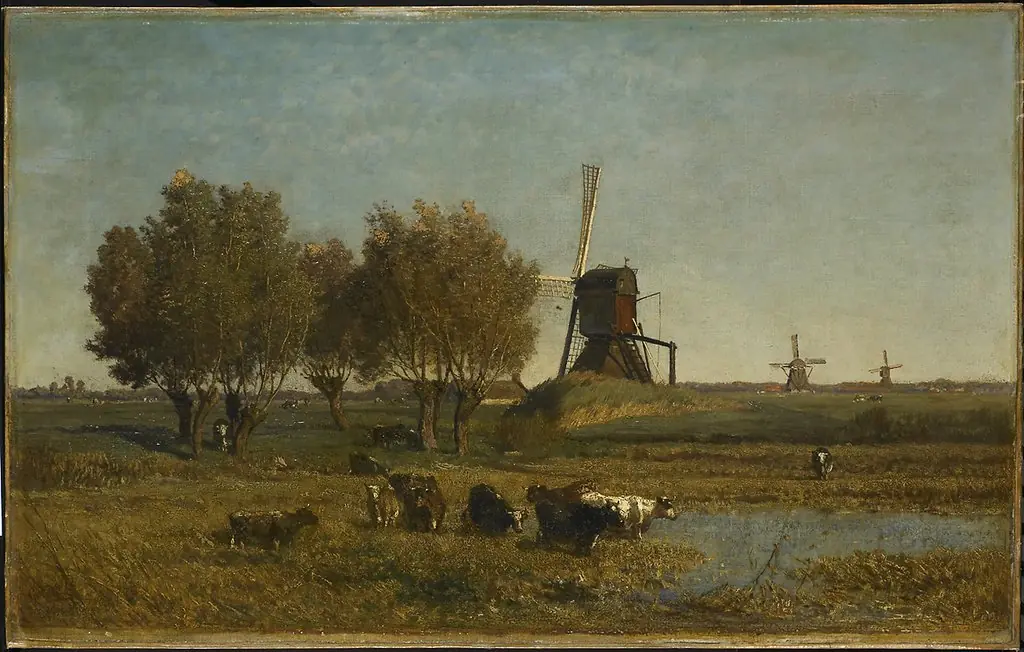 De Winkel near Abcoude
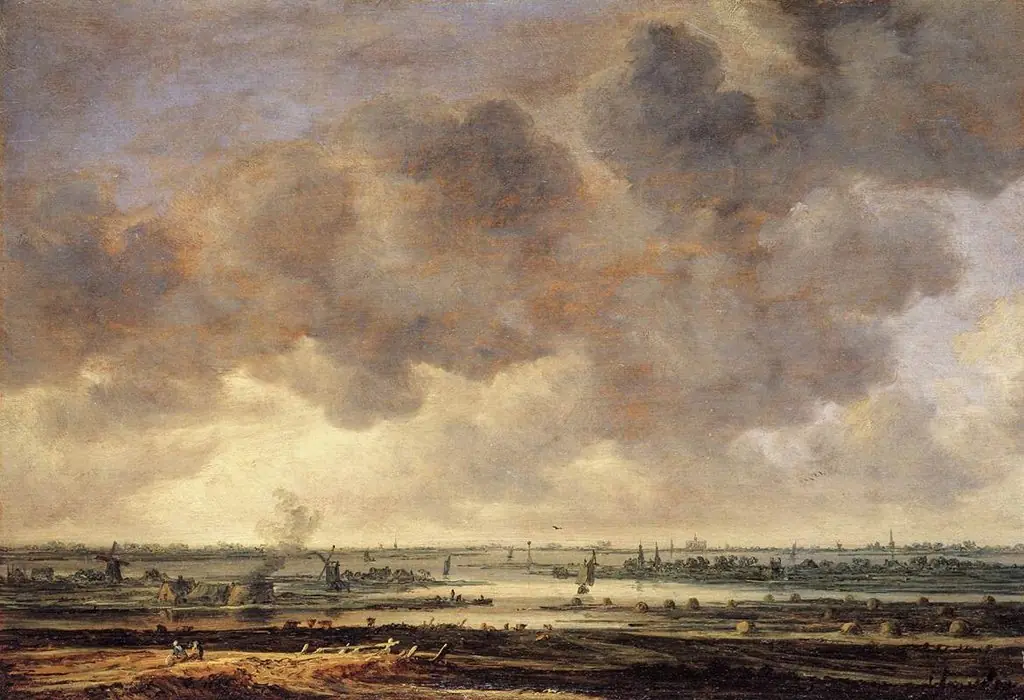 View of Haarlem and the Haarlemmer Meer
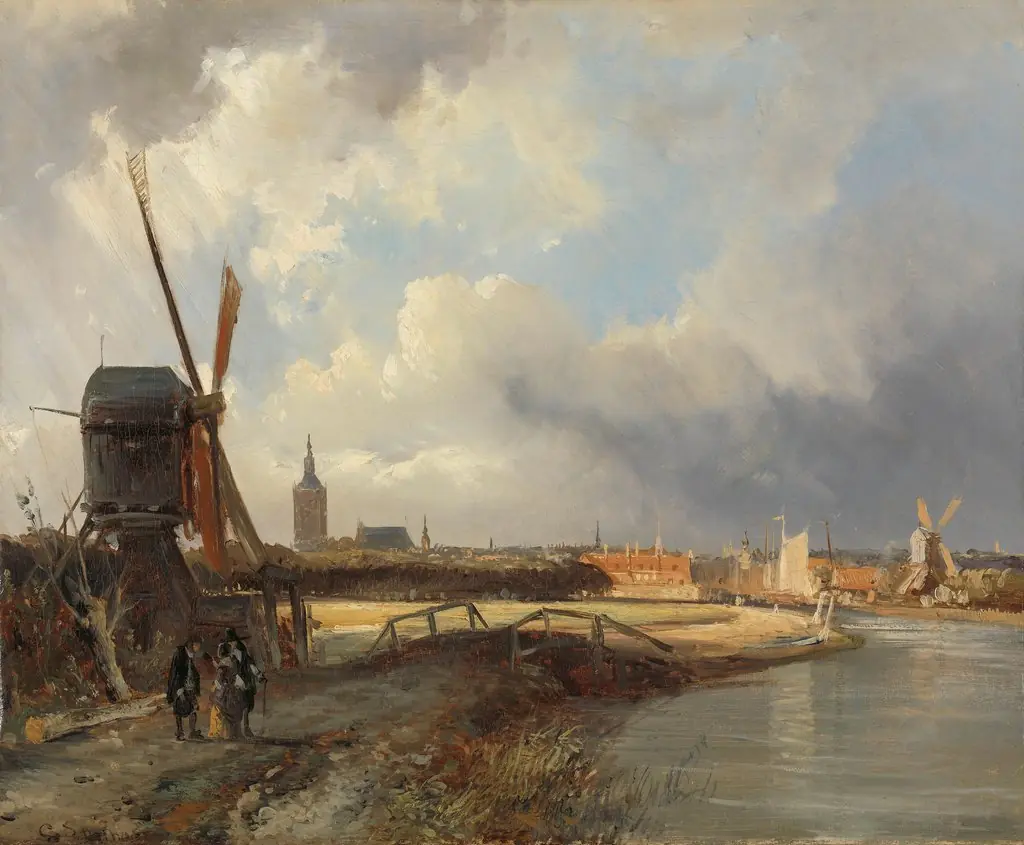 View of The Hague
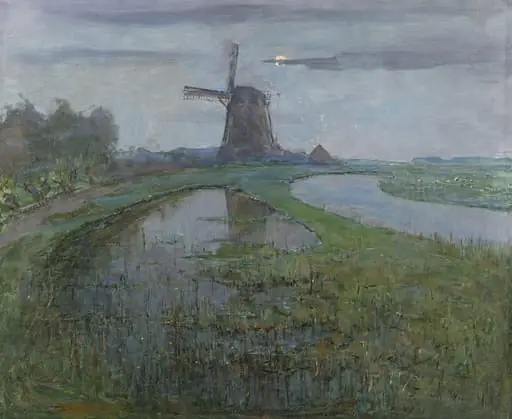 Oostzijdse Mill along the River Gein by Moonlight
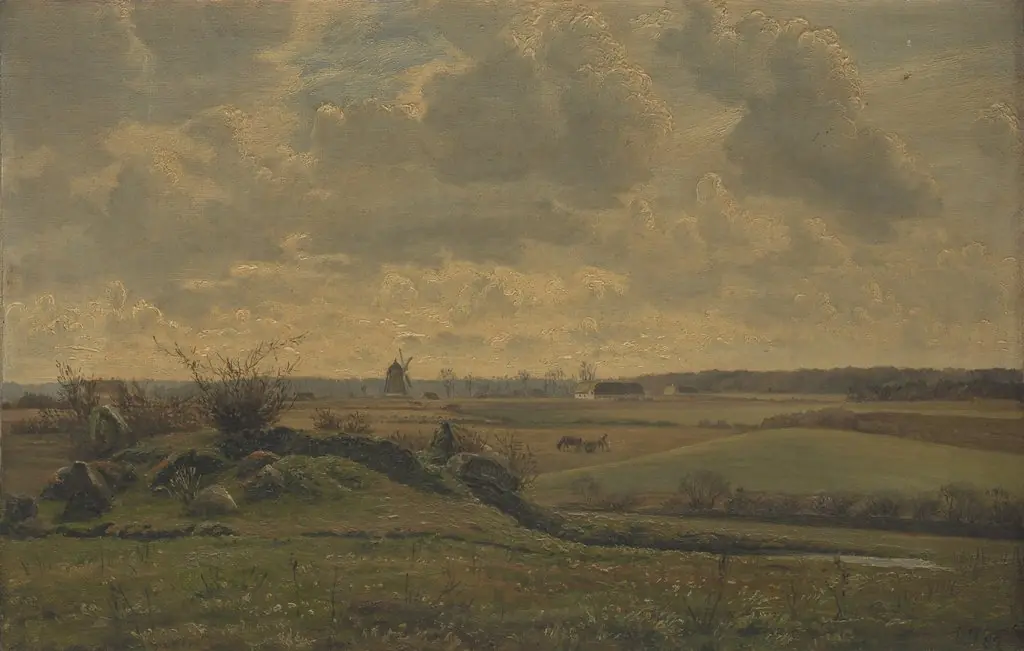 Landskab ved Gyrstinge
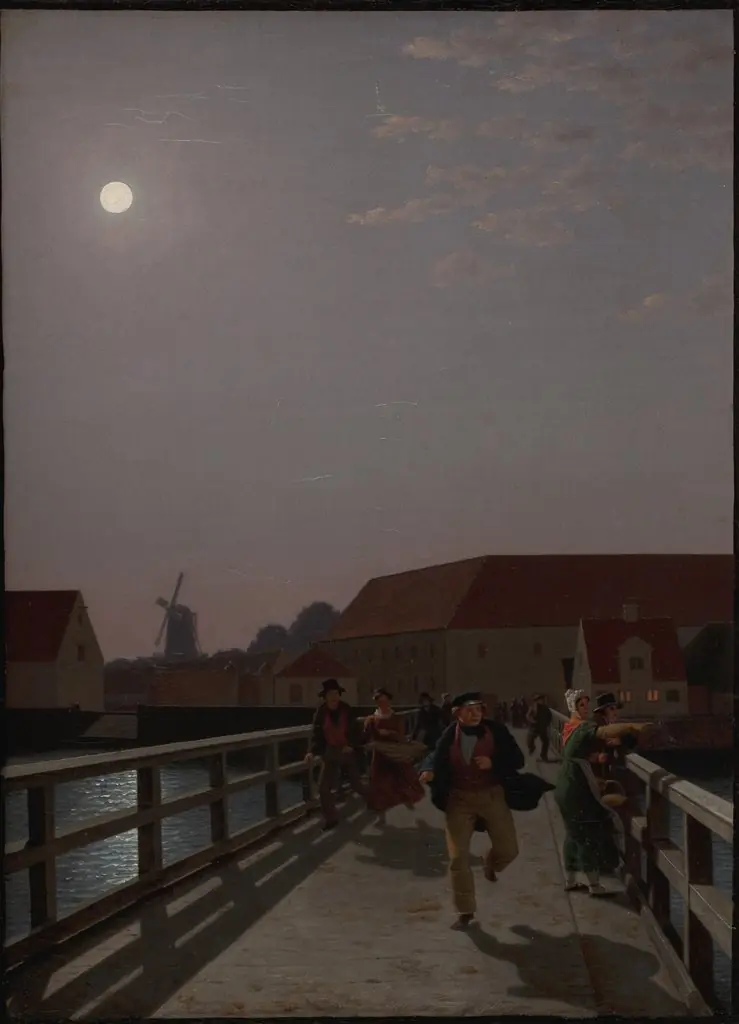 Langebro, Copenhagen, in the Moonlight with Running Figures
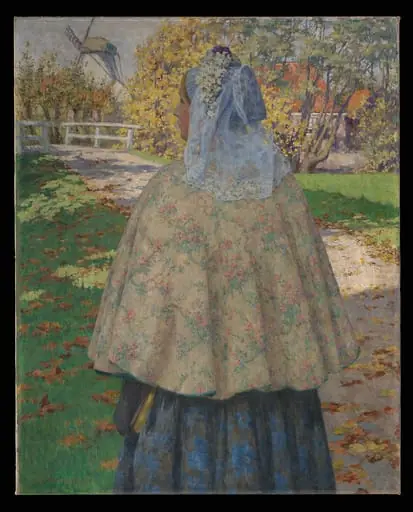 Vespers
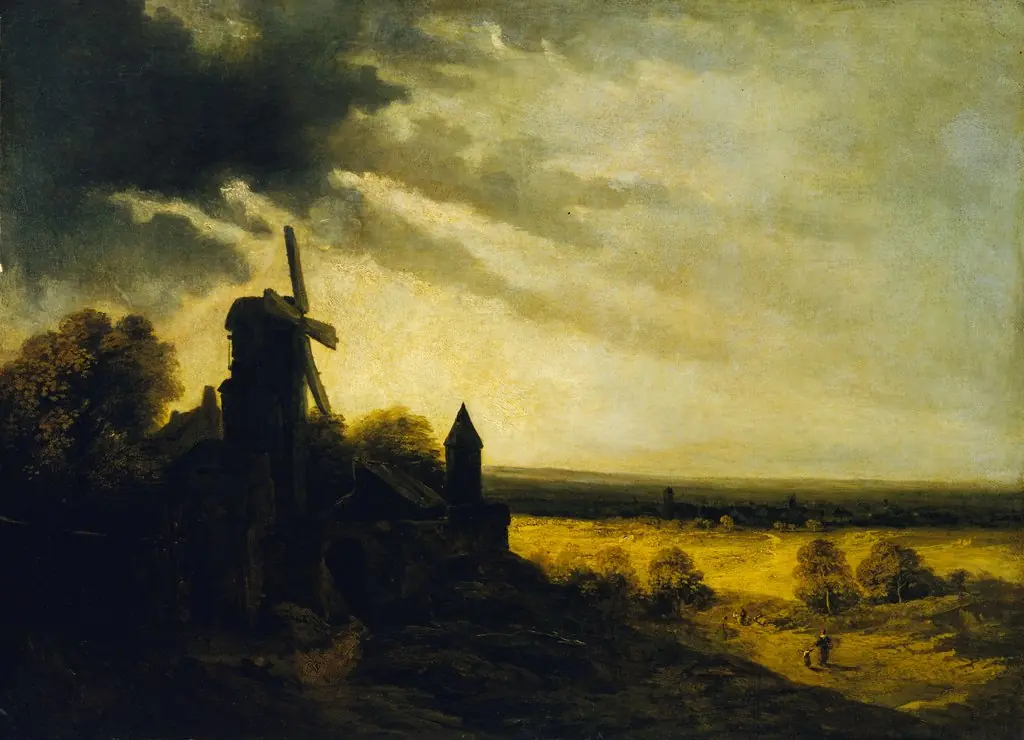 The Mill of Montmartre
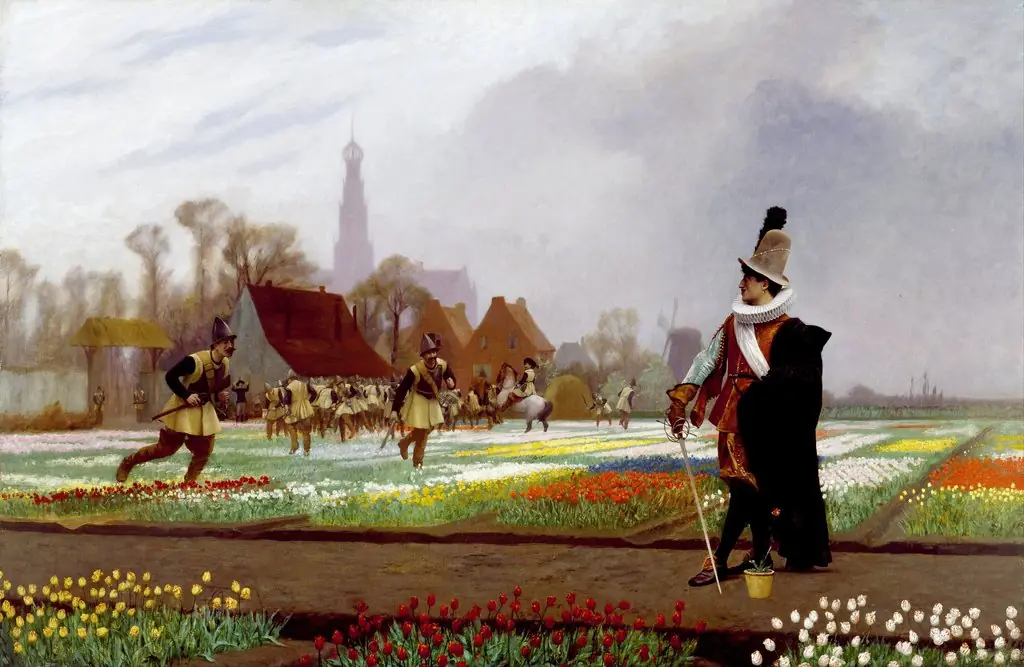 The Tulip Folly
 Death and the Miser (outer doors); St. Nicolas with donor and St. Godelieve with donor (inner doors)
 Windmill with Summerhouse II
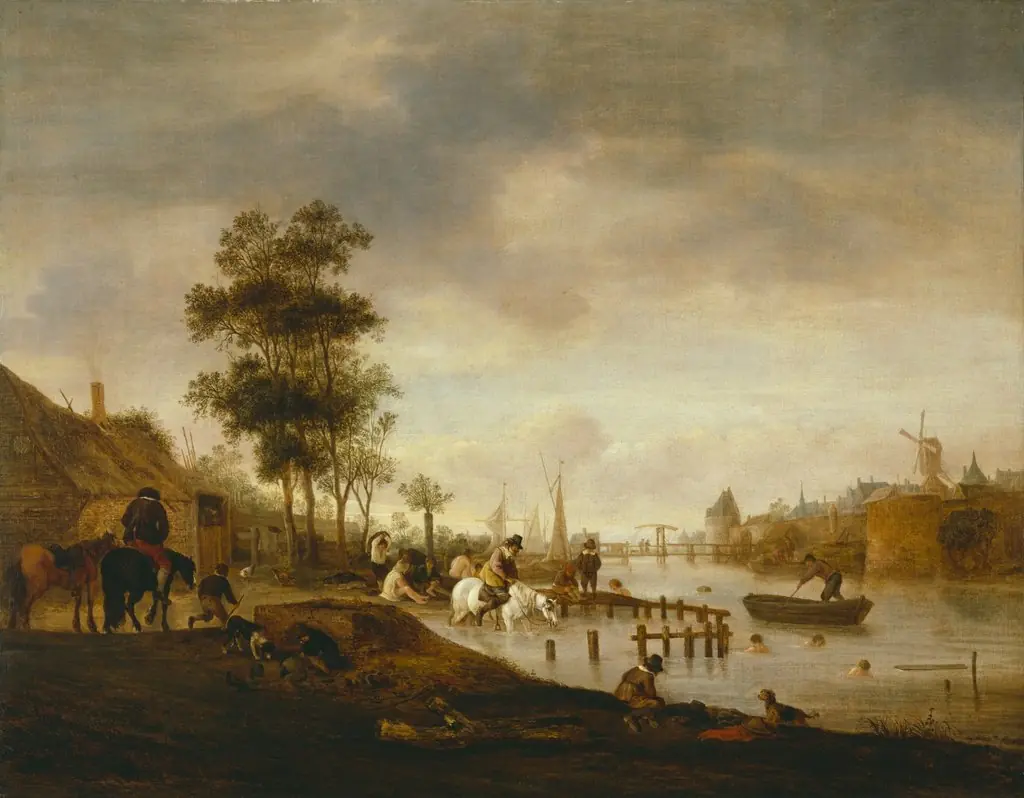 River Landscape with Swimmers
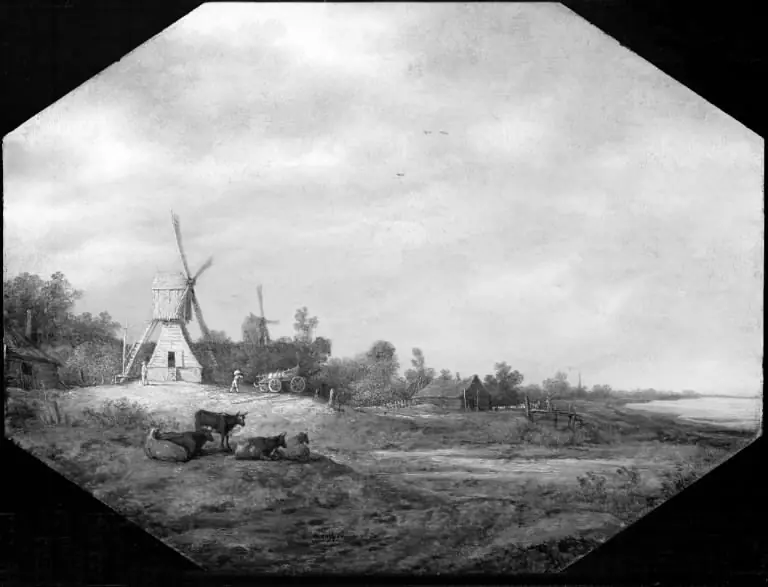 Landscape with Windmills
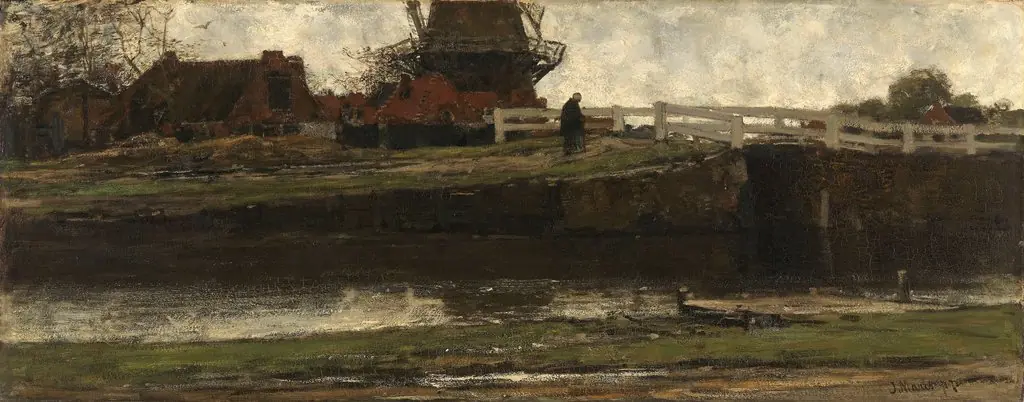 The Truncated Windmill
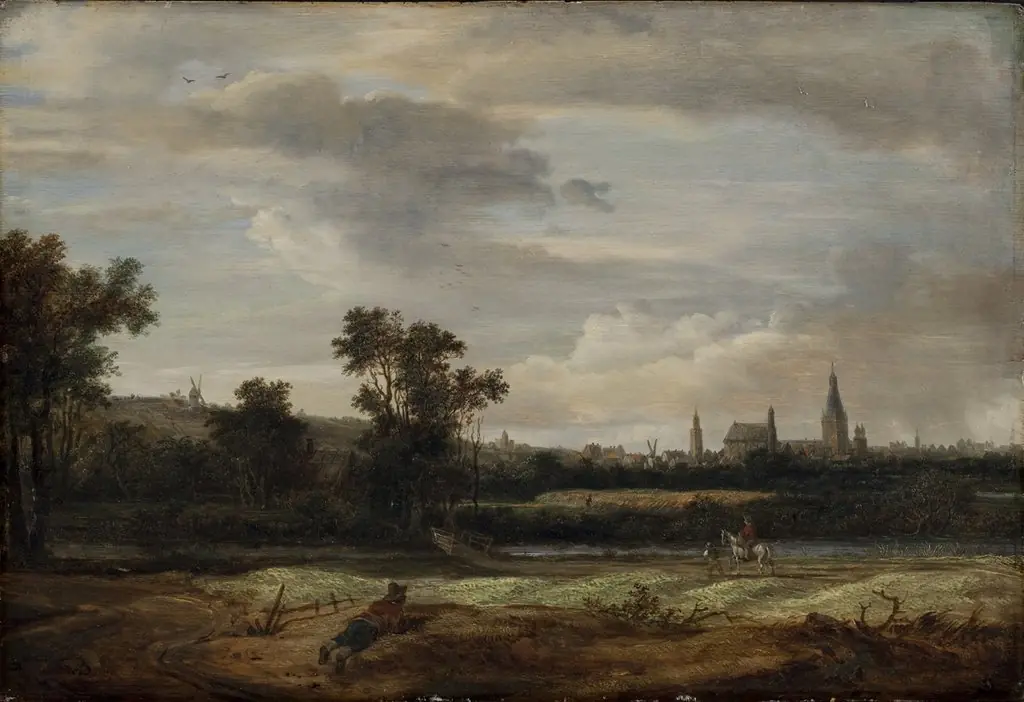 Landscape with a View Towards a Town
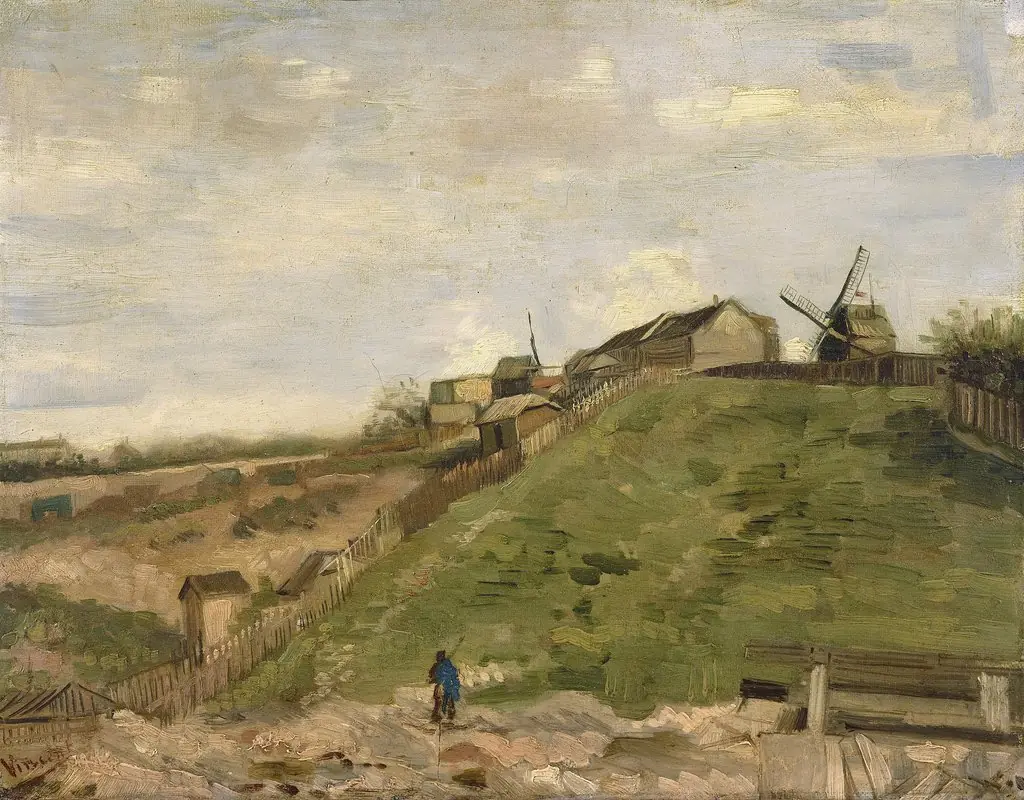 The Hill of Montmartre with Stone Quarry
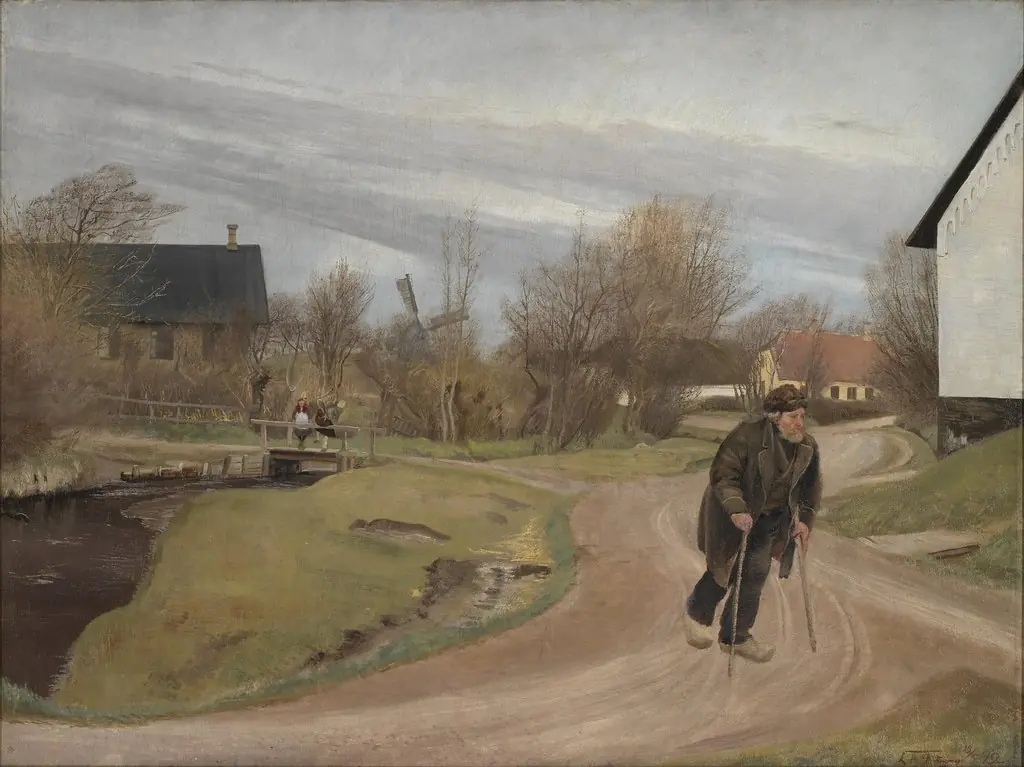 Springtime in Hals, Jutland
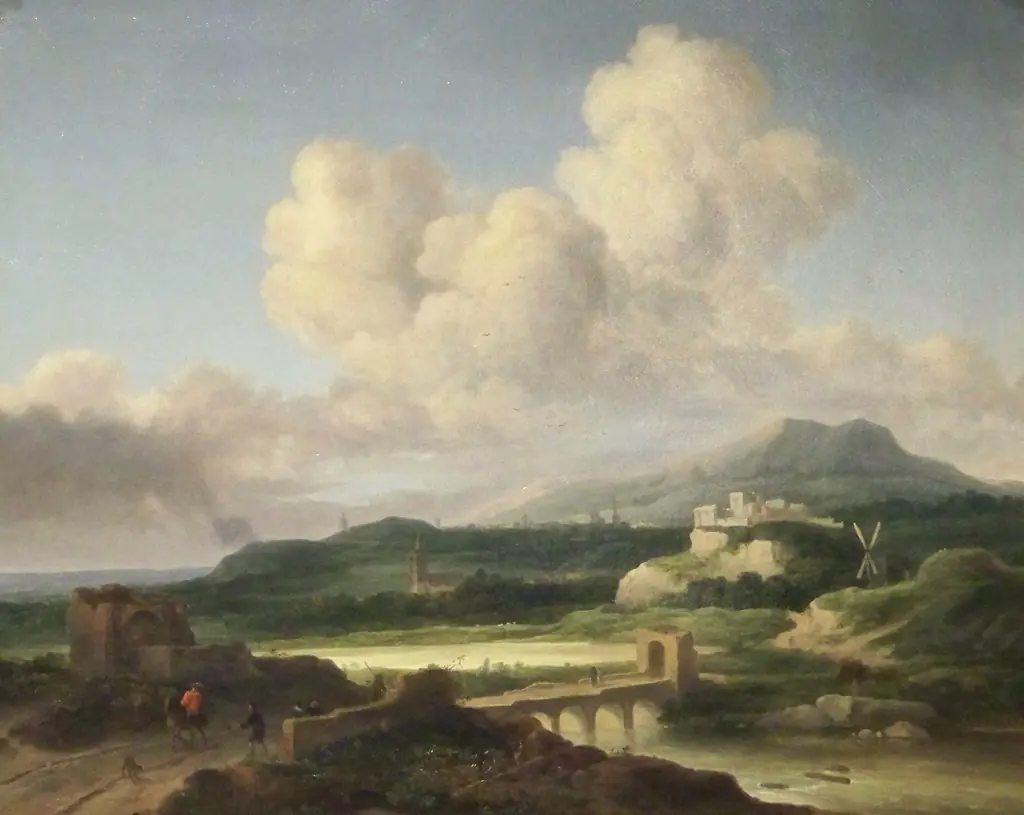 Landscape after Ruisdael
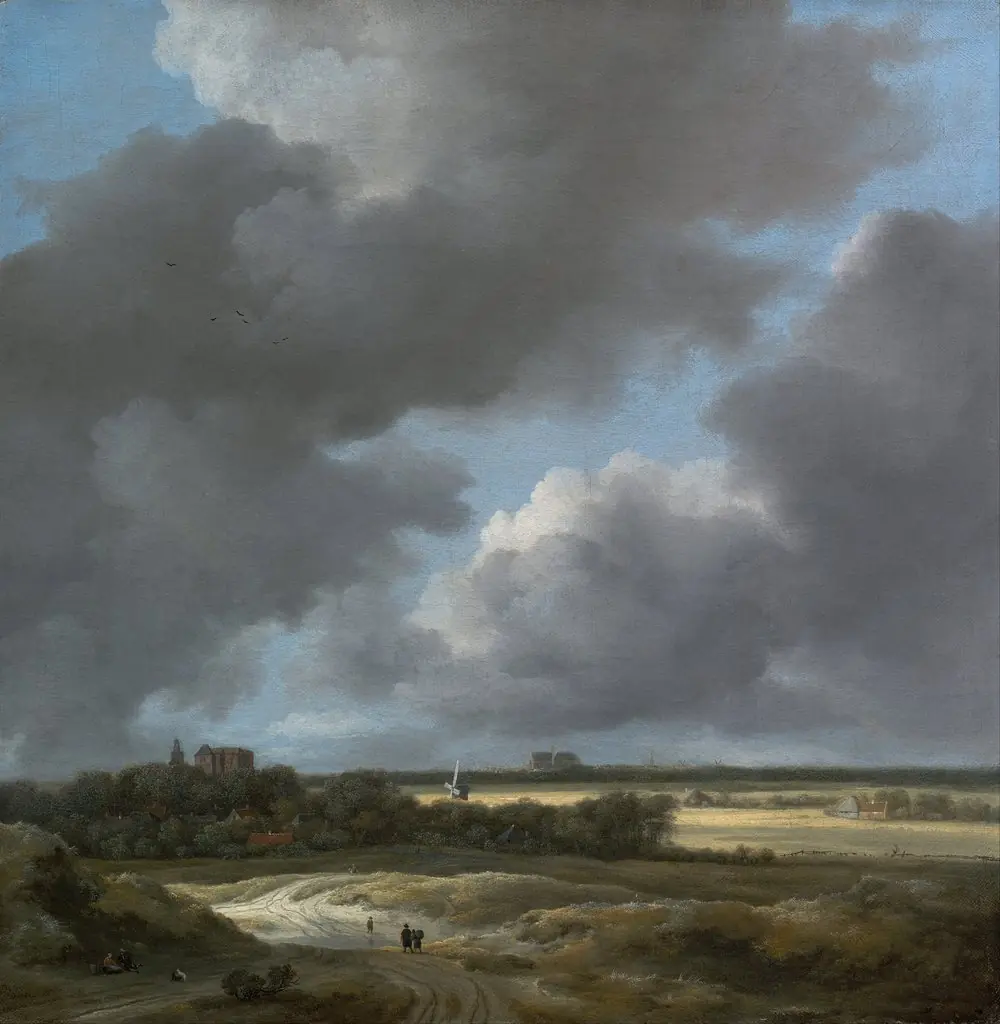 View of Alkmaar
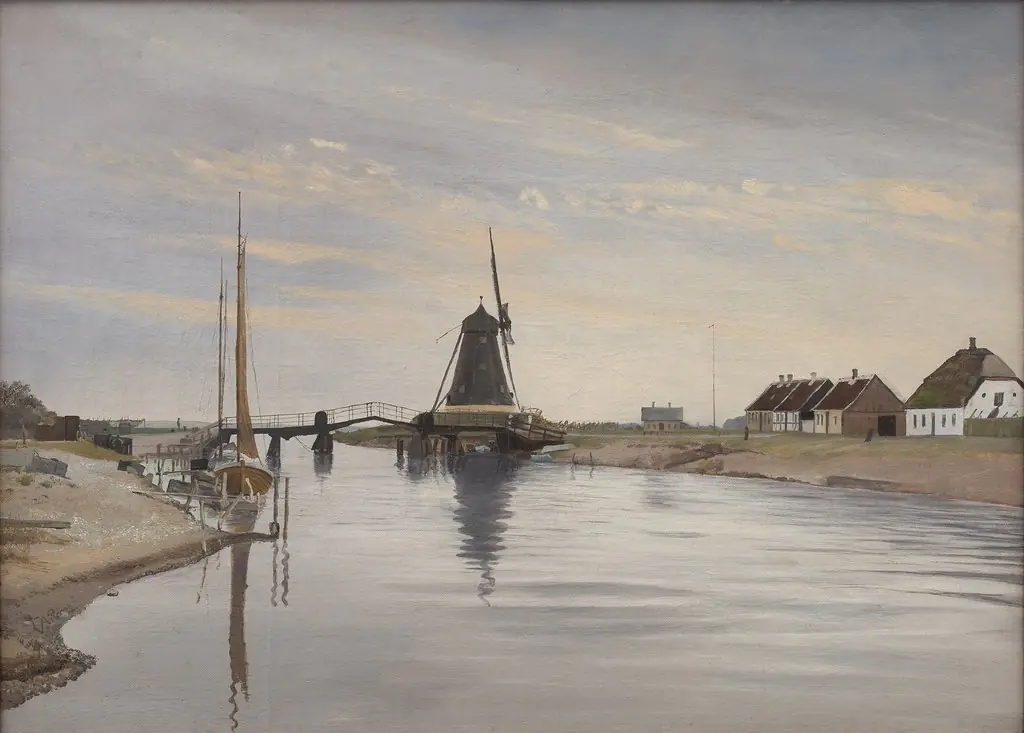 Susåen. The Bridge and the Mill at Karrebæksminde
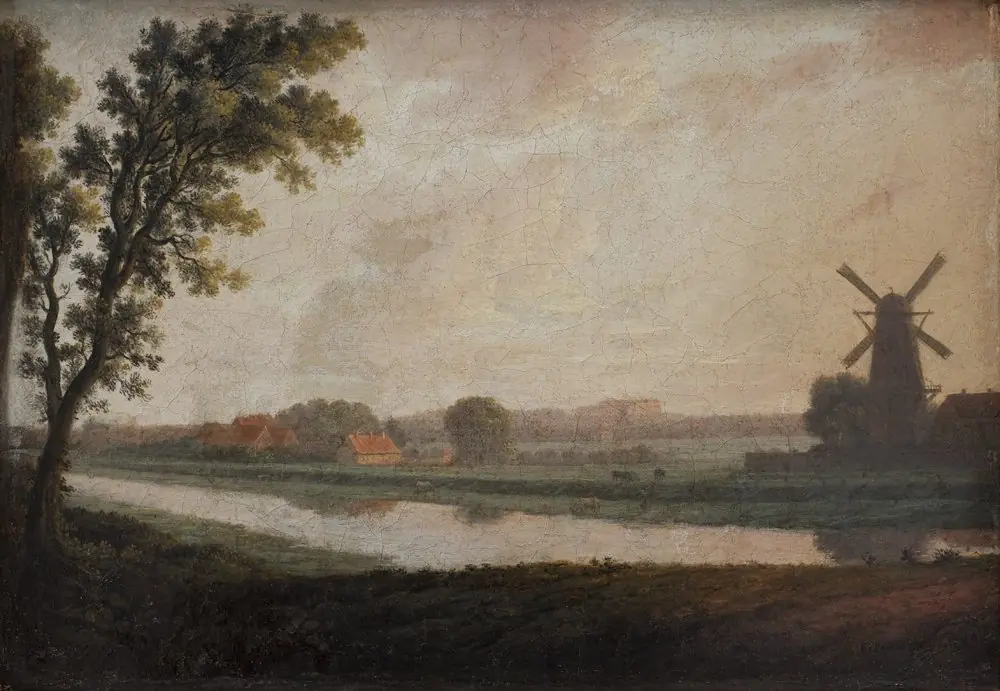 Landscape outside Copenhagen with Frederiksberg Church and Palace in the Distance
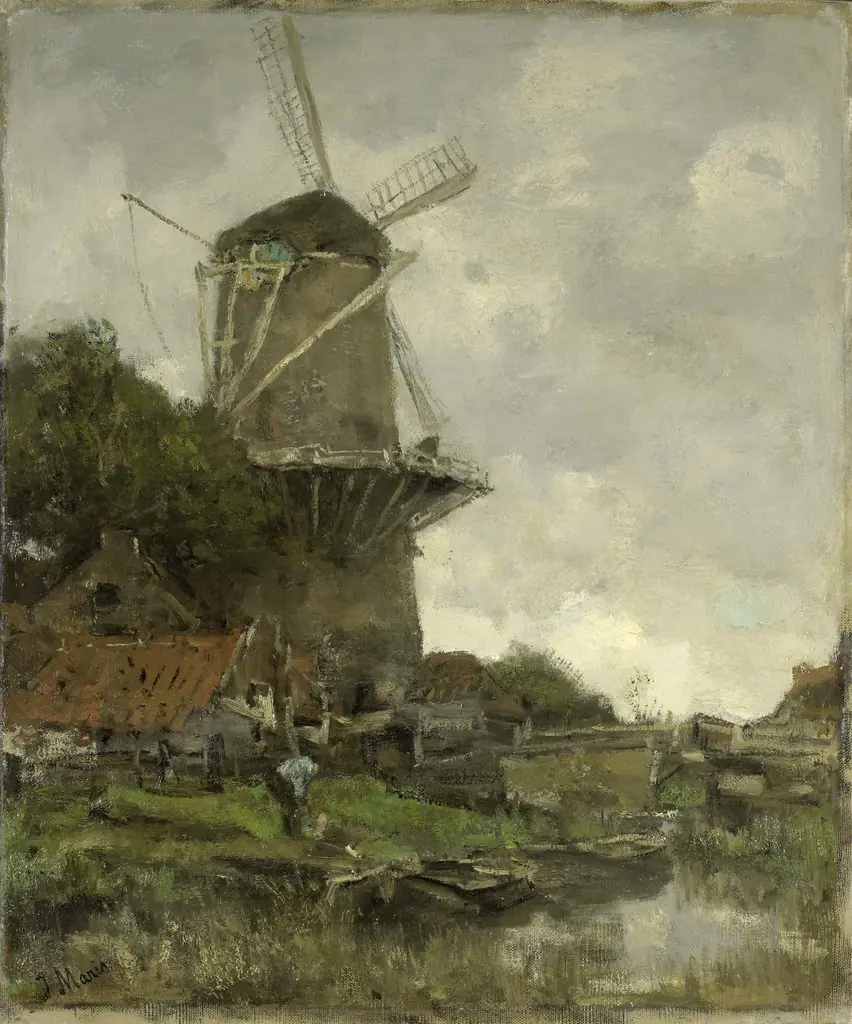 The Windmill
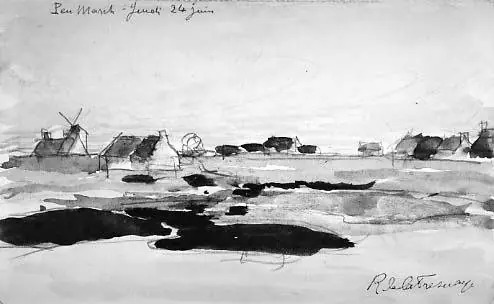 Study for the painting "The Windmill of Penmarch, Northern France"
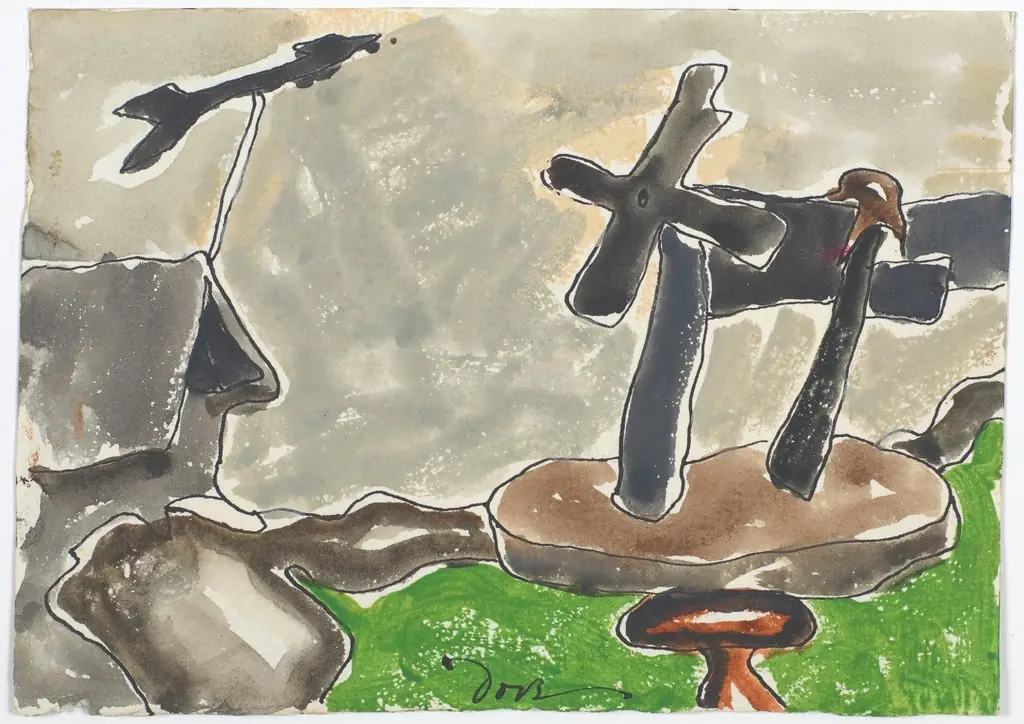 Wind Wheel
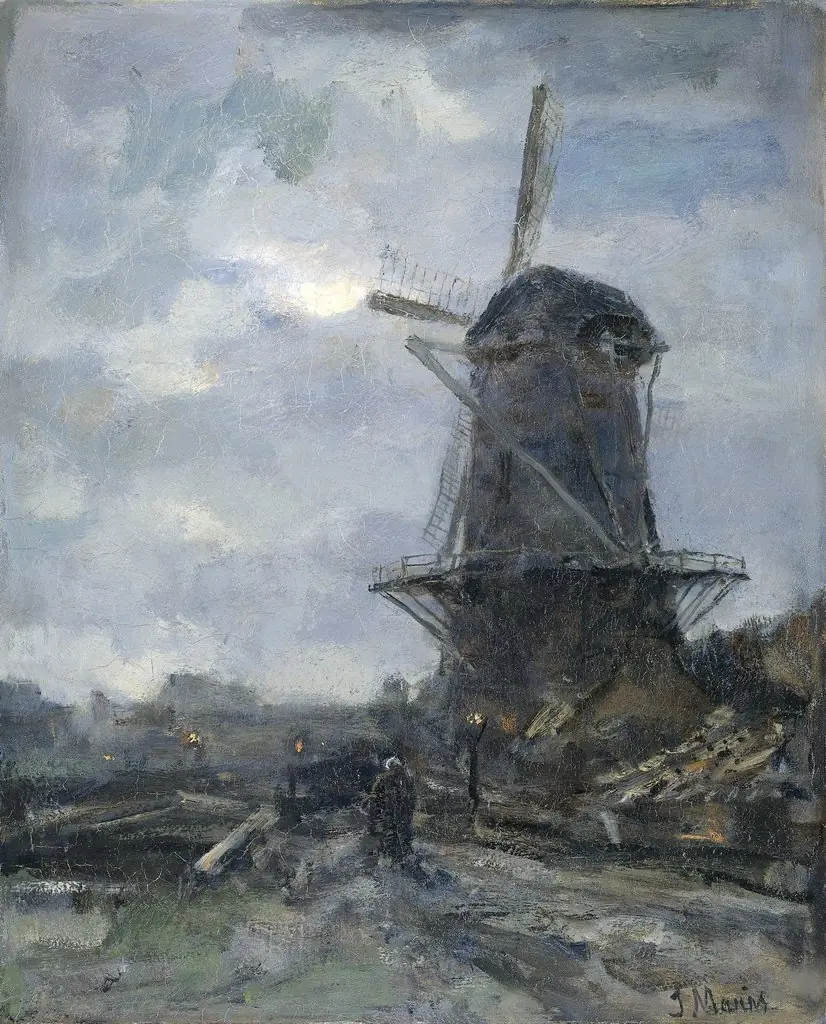 Windmill by moonlight
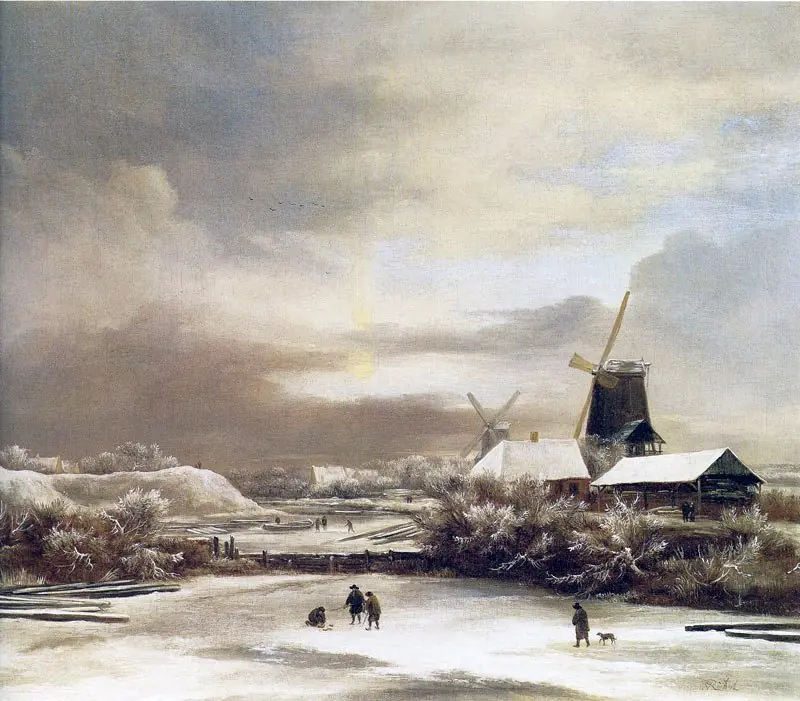 Winter Landscape with Two Windmills
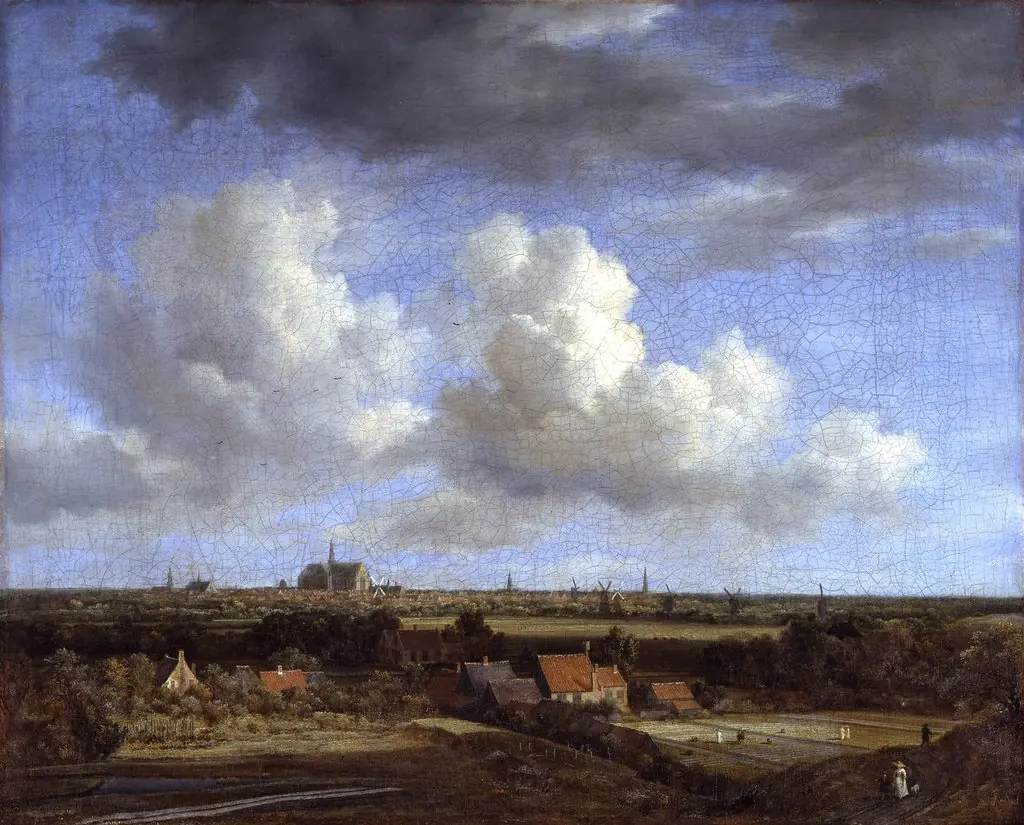 View of Haarlem from the Northwest
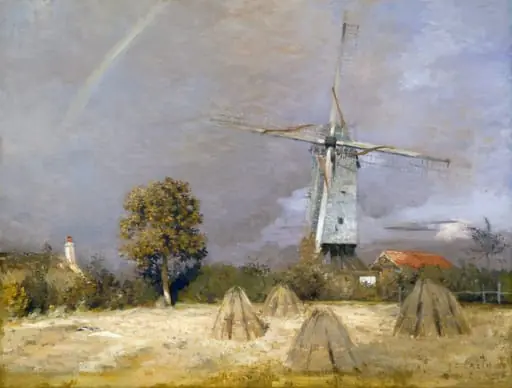 The Great Windmill and the Rainbow
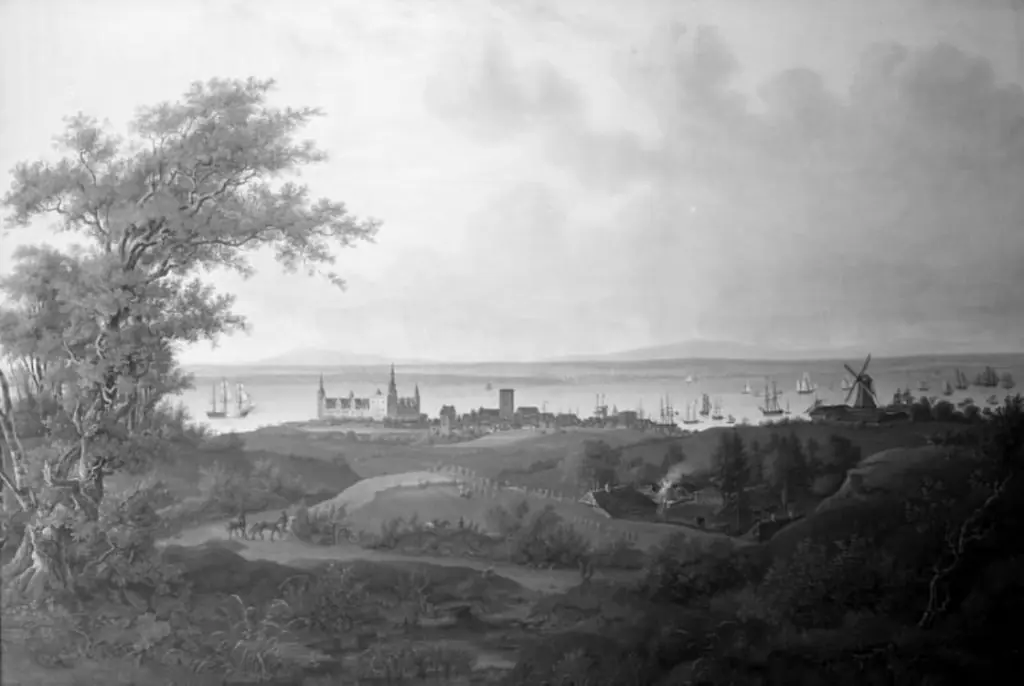 Udsigt over Kronborg, Helsingør og Sundet
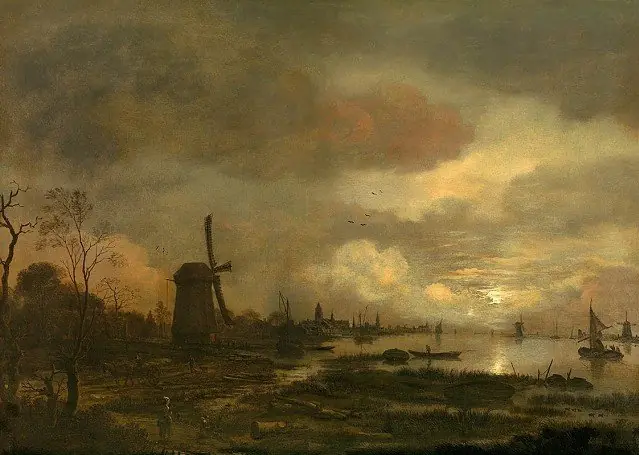 Landscape by moonlight
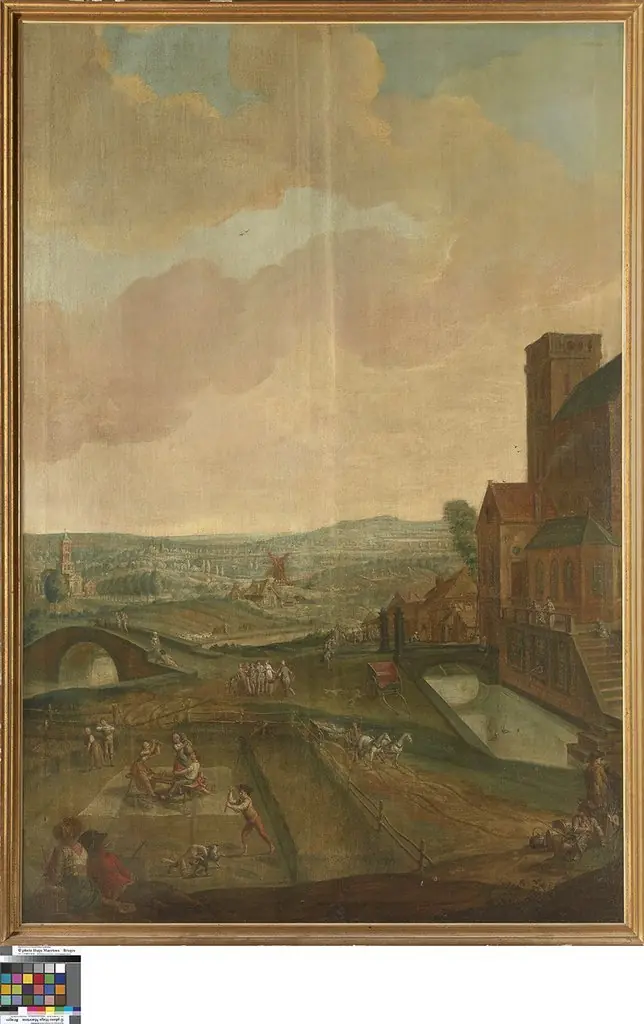 Vlasfeest
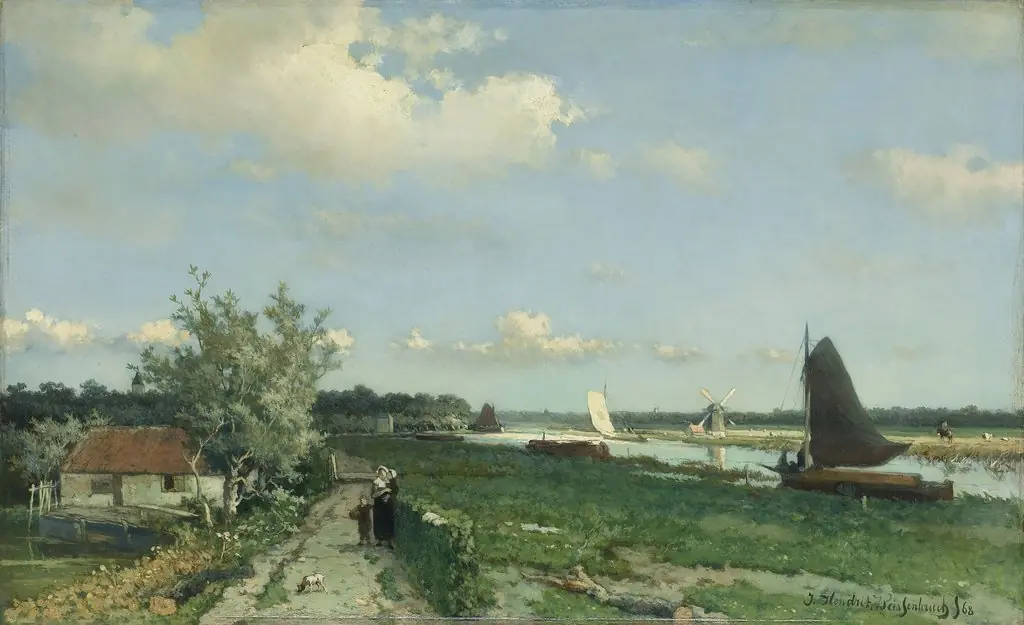 The Trekvliet Shipping Canal near Rijswijk, known as the ‘View near the Geest Bridge’
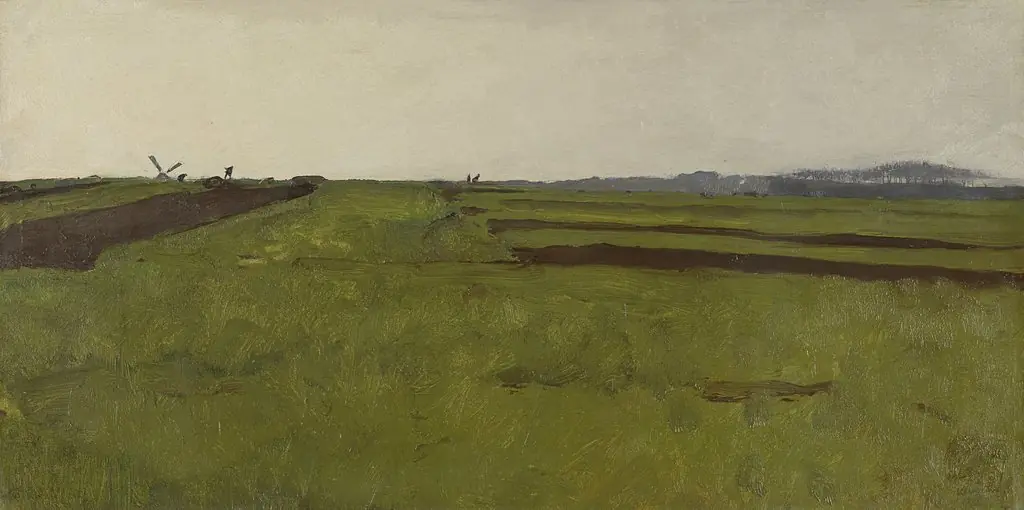 Landscape with fields
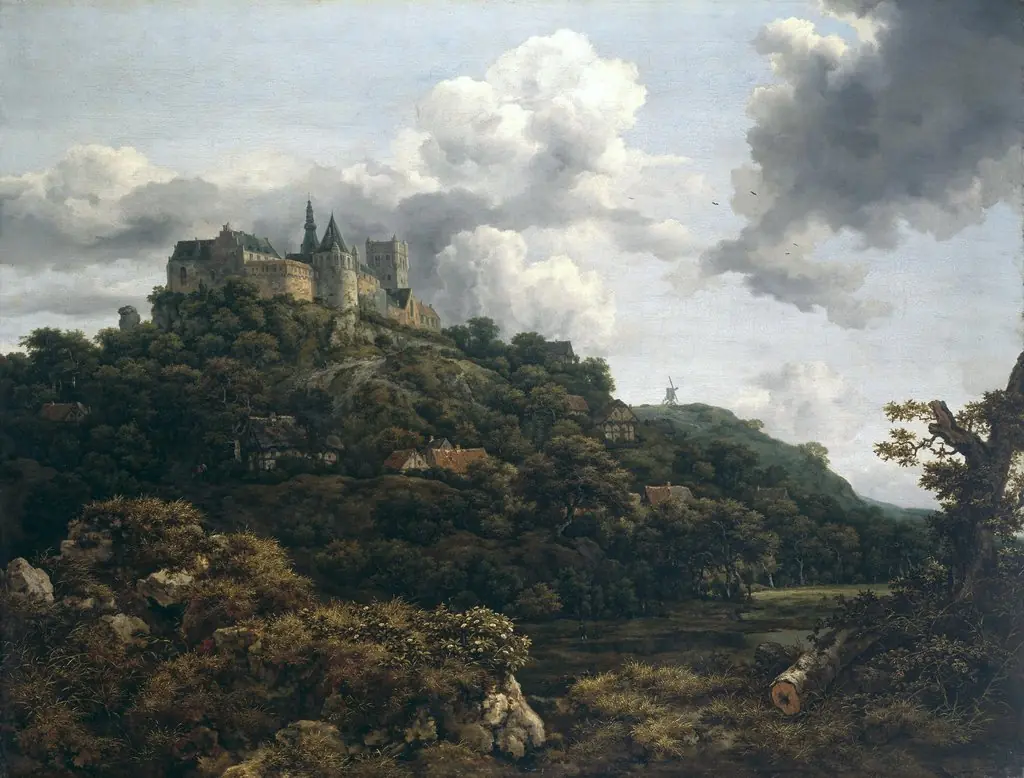 Castle Bentheim
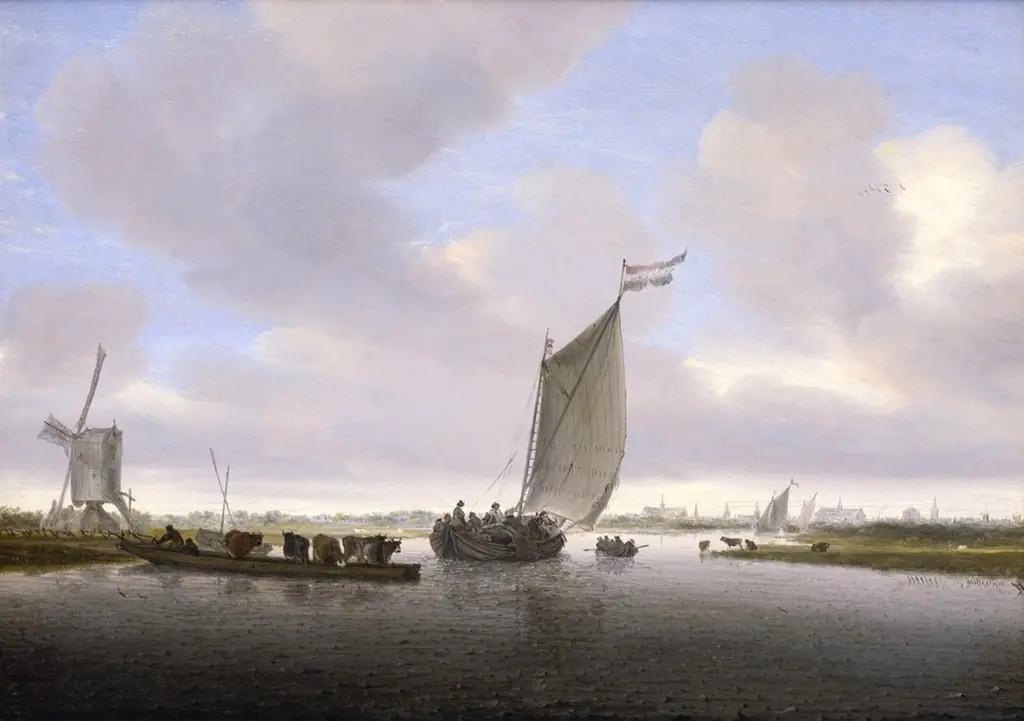 River landscape with a sailing boat and a ferry with cattle, the city of Leiden beyond
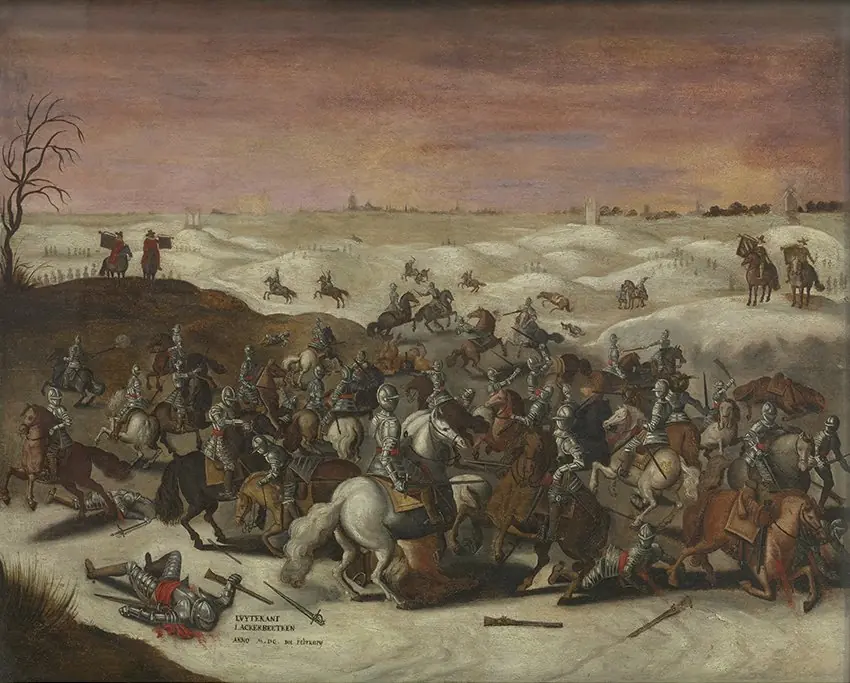 The Battle of Lekkerbeetje
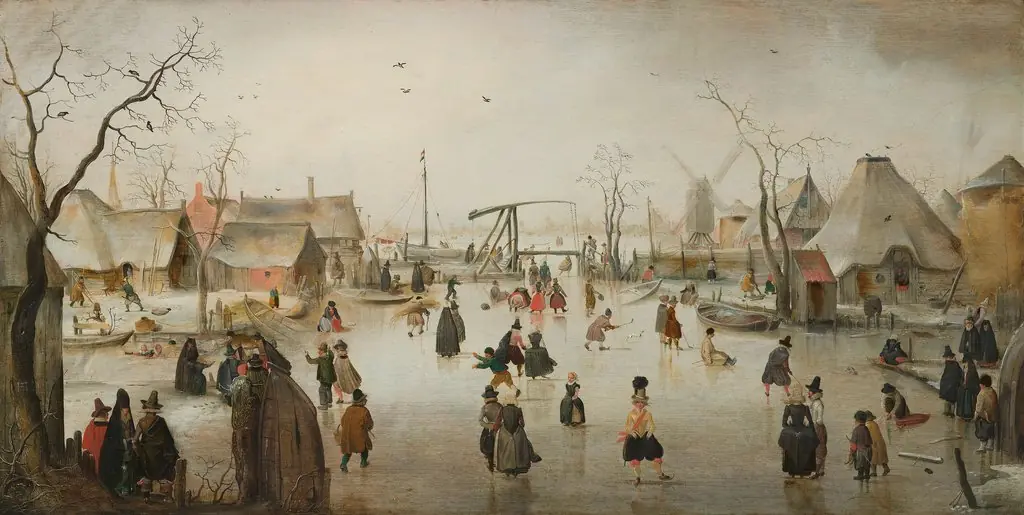 Ice Scene
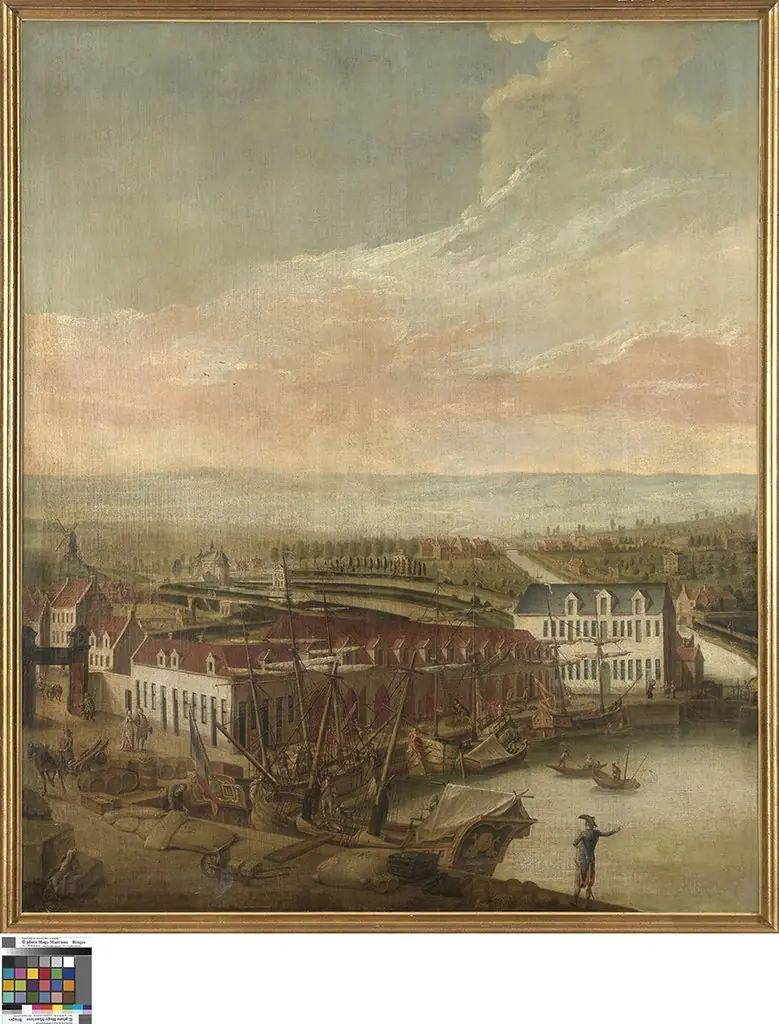 De Handelskom in Brugge
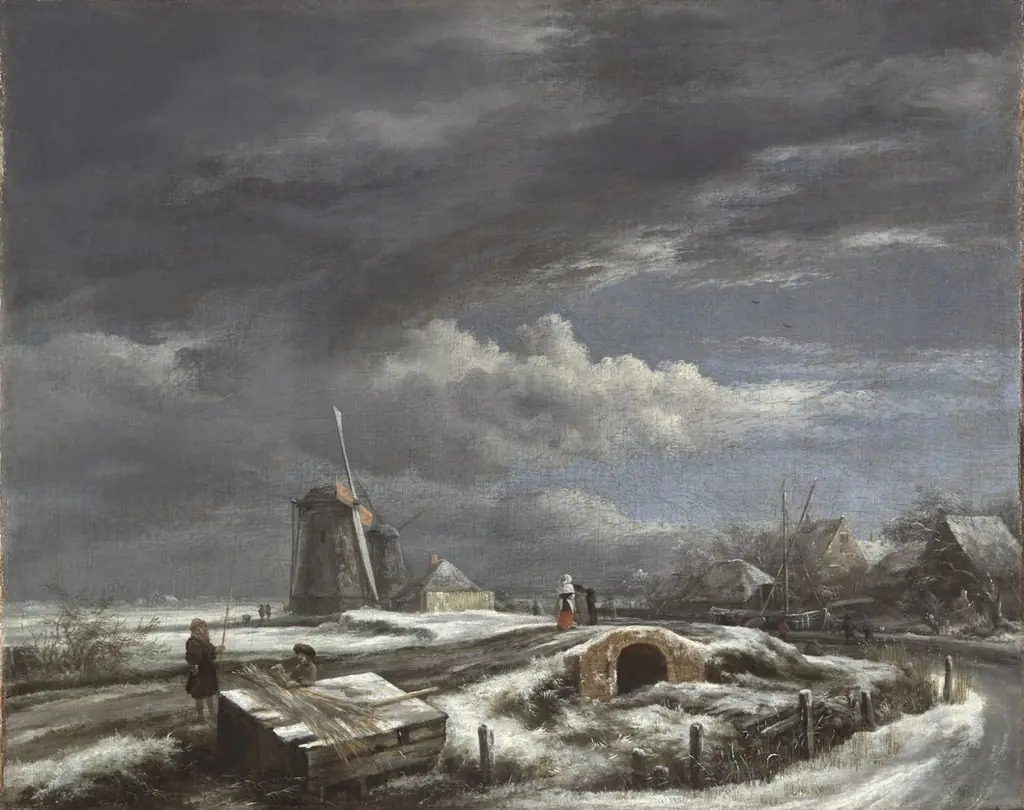 Winter Landscape
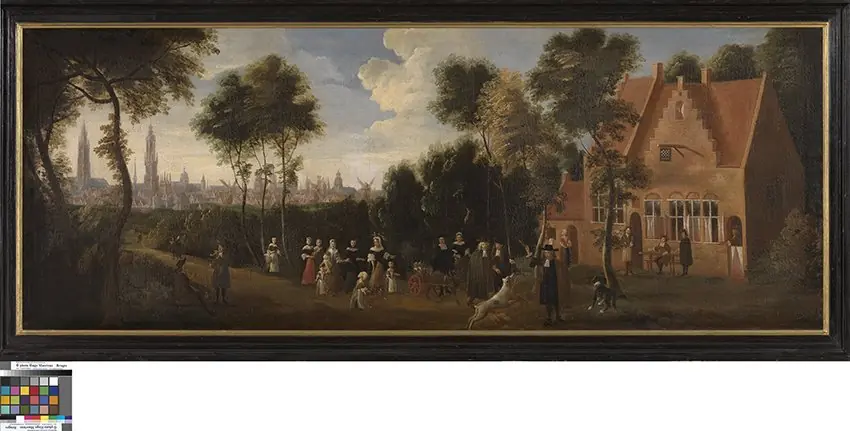 Gezicht op Brugge vanuit Sint-Kruis
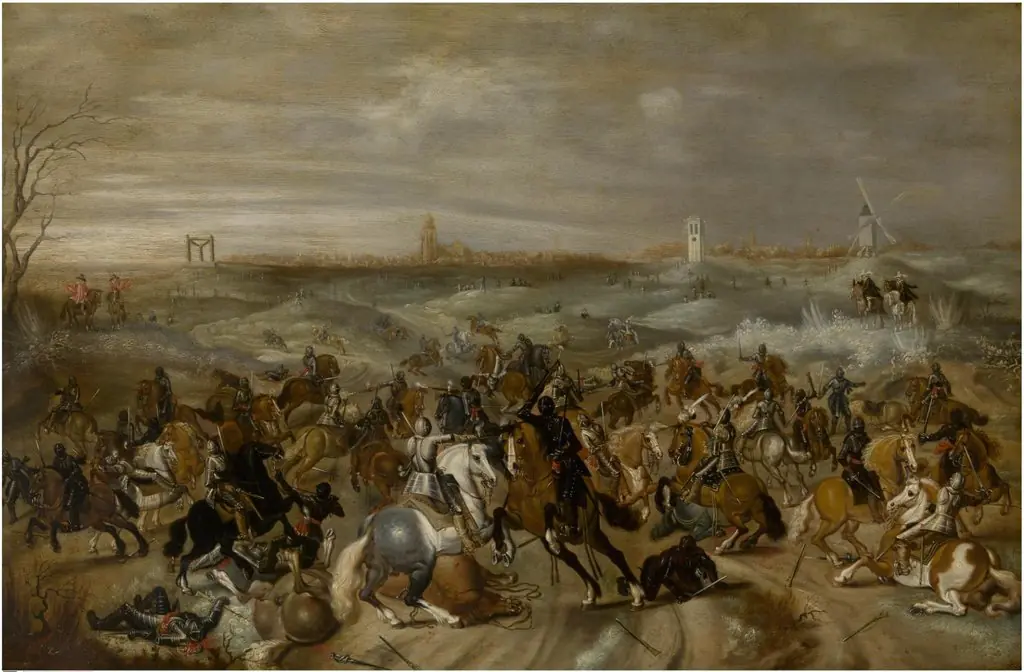 The battle of Leckerbeetje
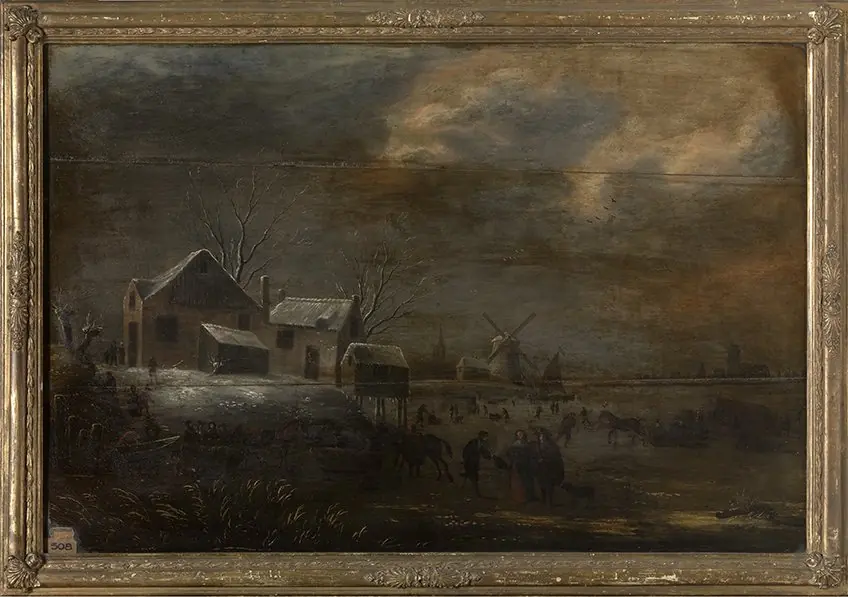 Winterlandschap met ijspret
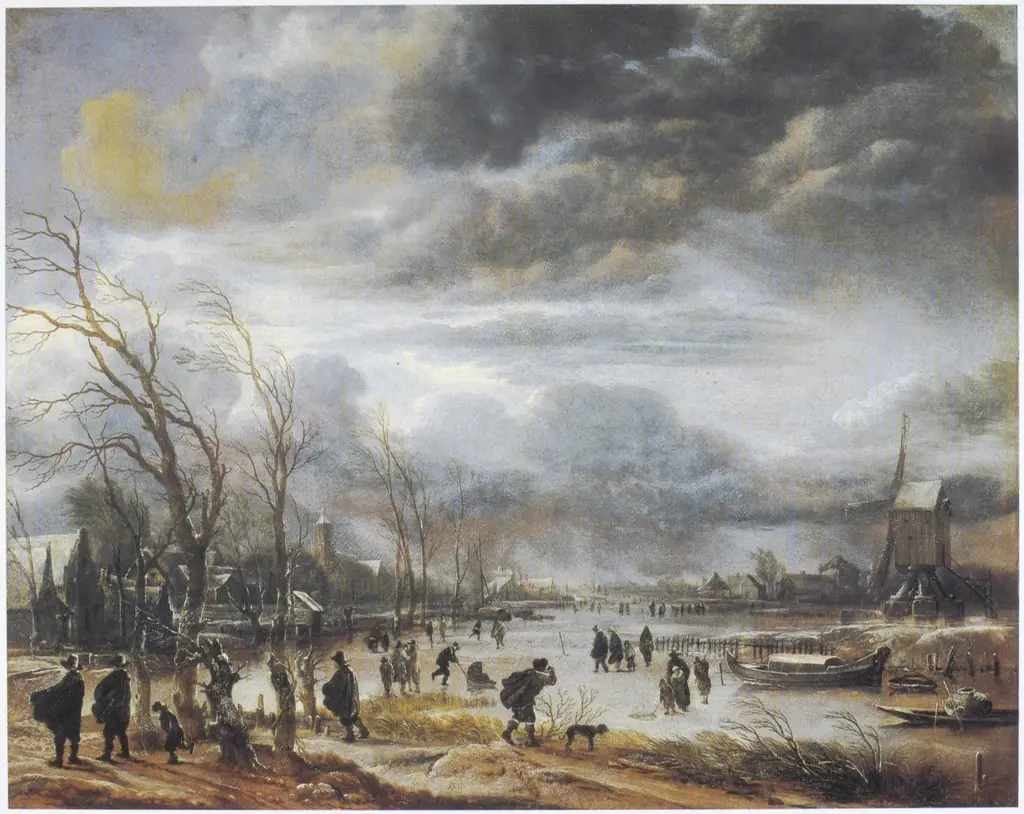 Winter Landscape
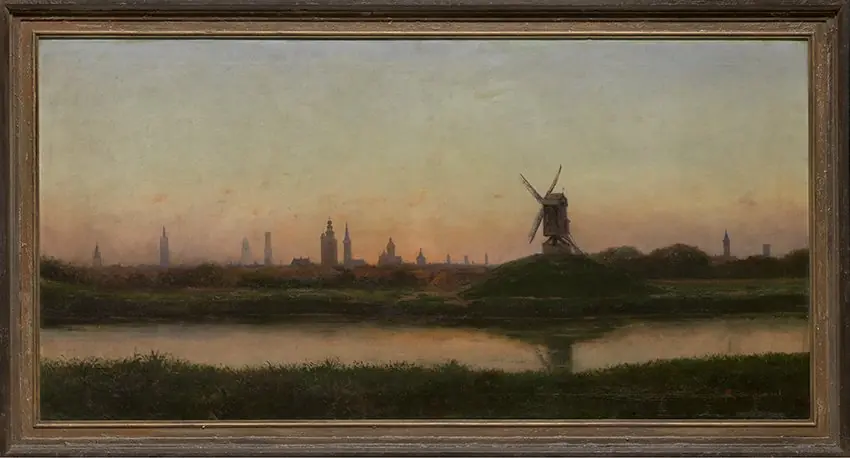 Gezicht op Brugge, Kruisvest
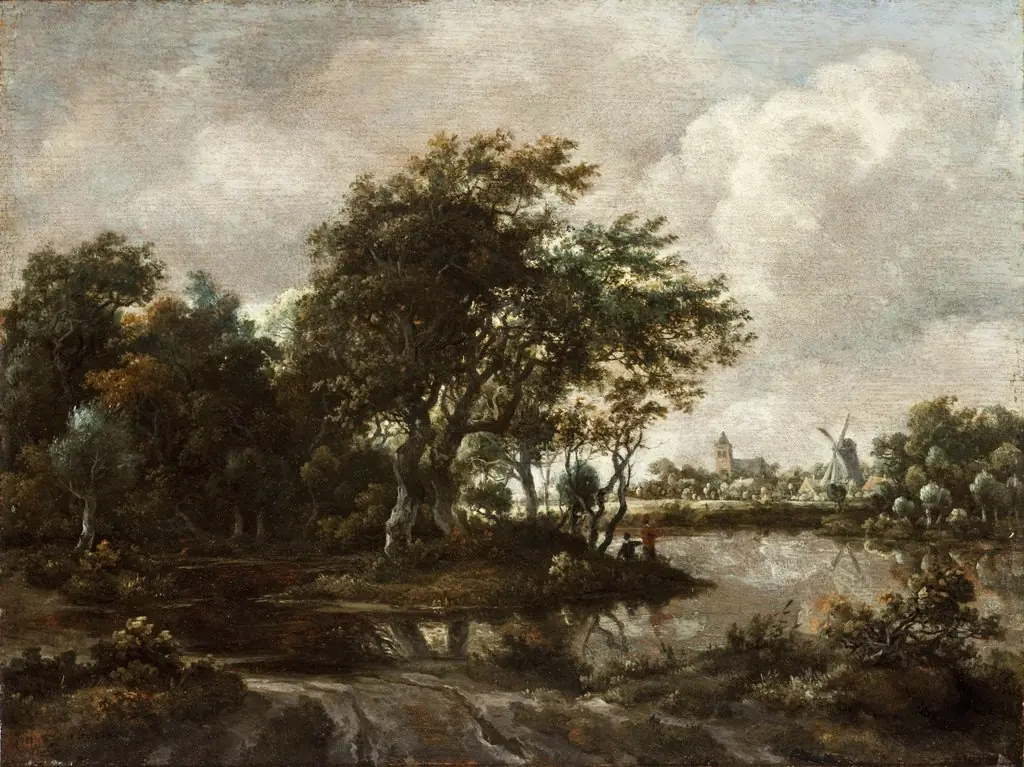 Landscape with Anglers and a Distant Town
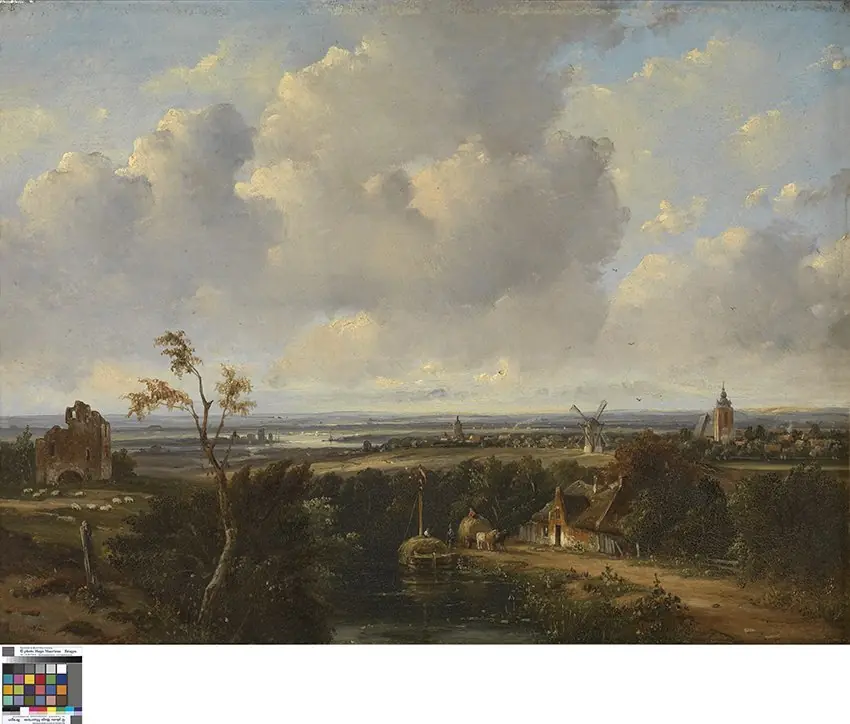 Landschap in Holland
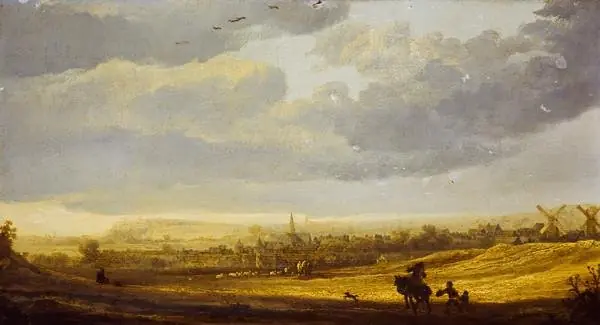 Landscape with a Town
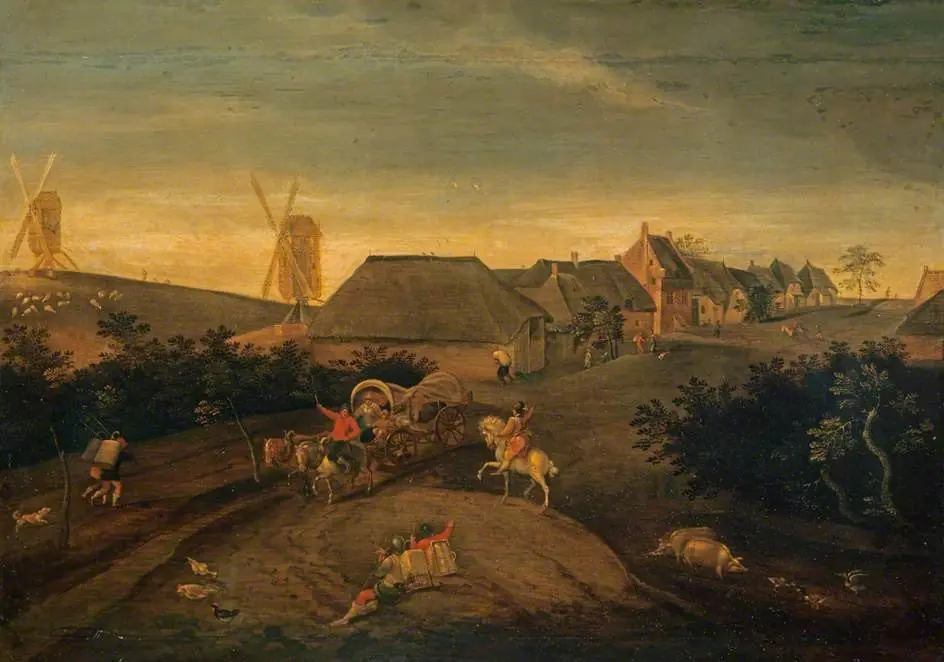 A Flemish Village
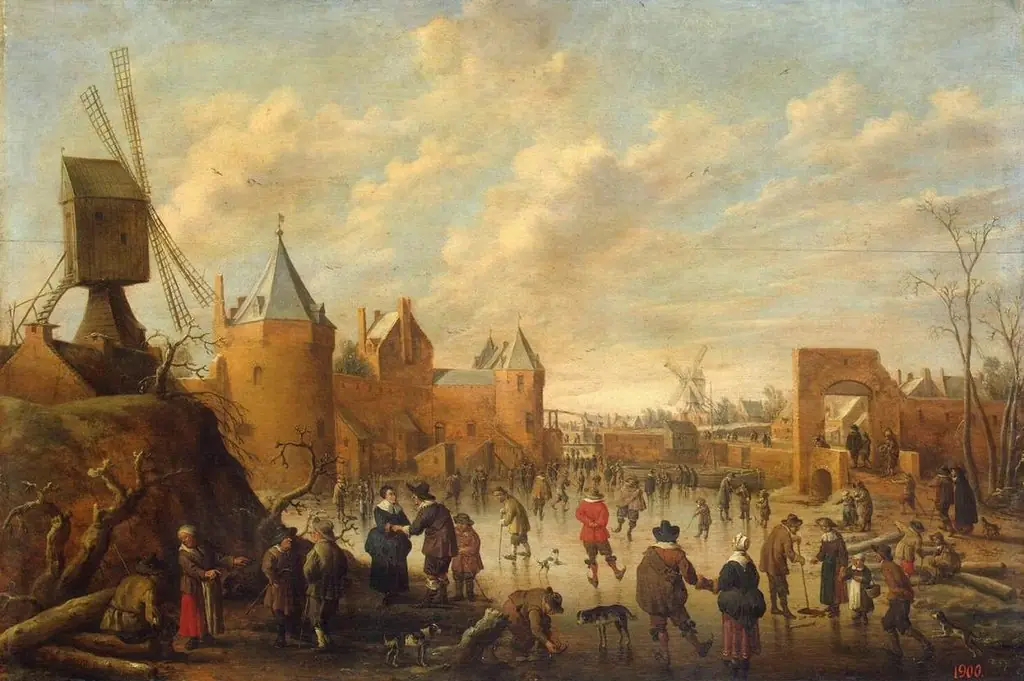 Winter in a Dutch Town
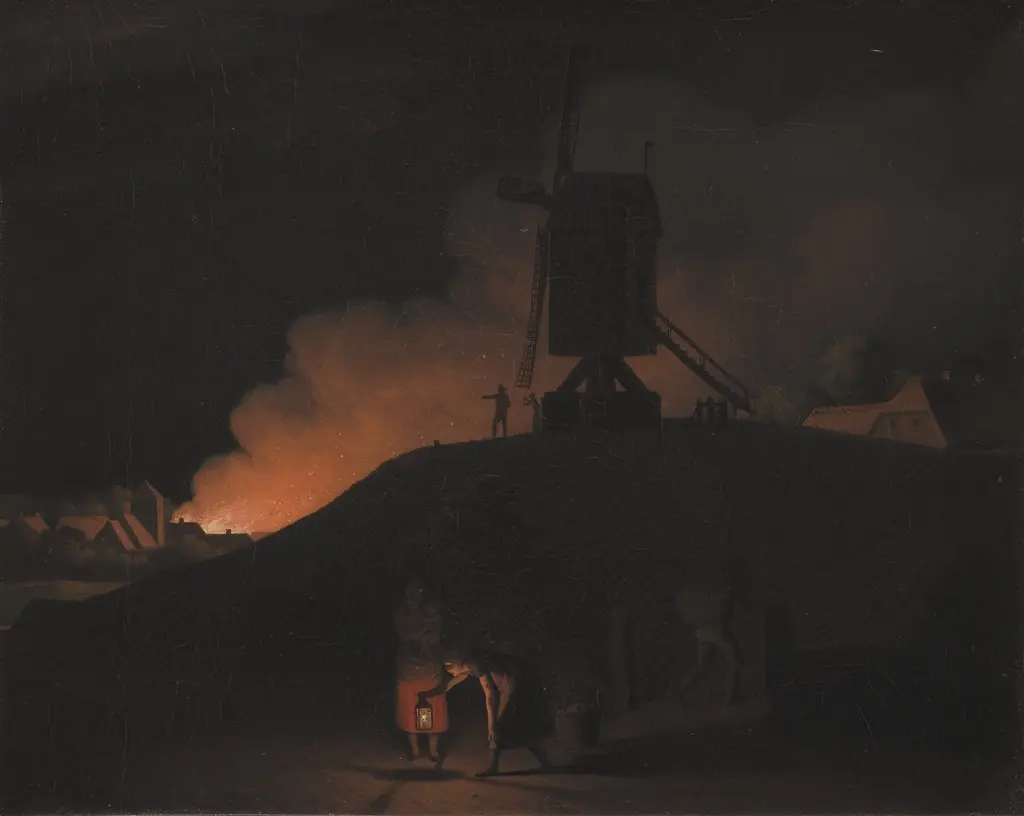 A Fire at Night
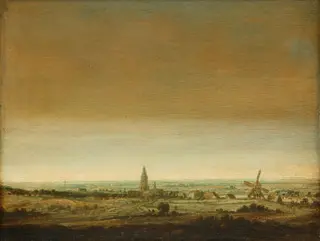 Landscape with City on a River
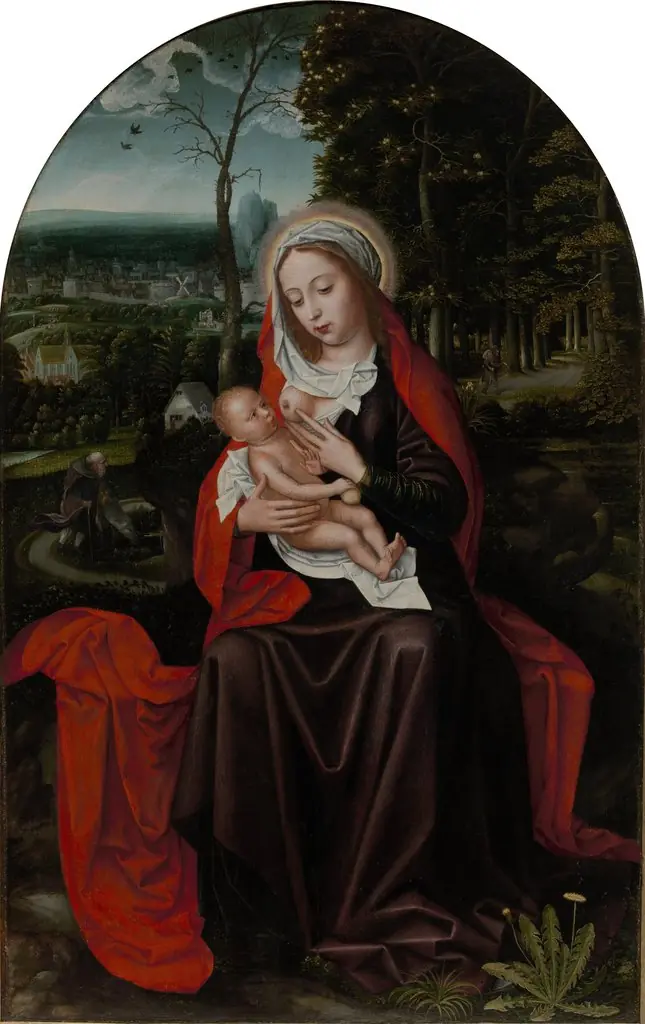 Rest on the flight into Egypt
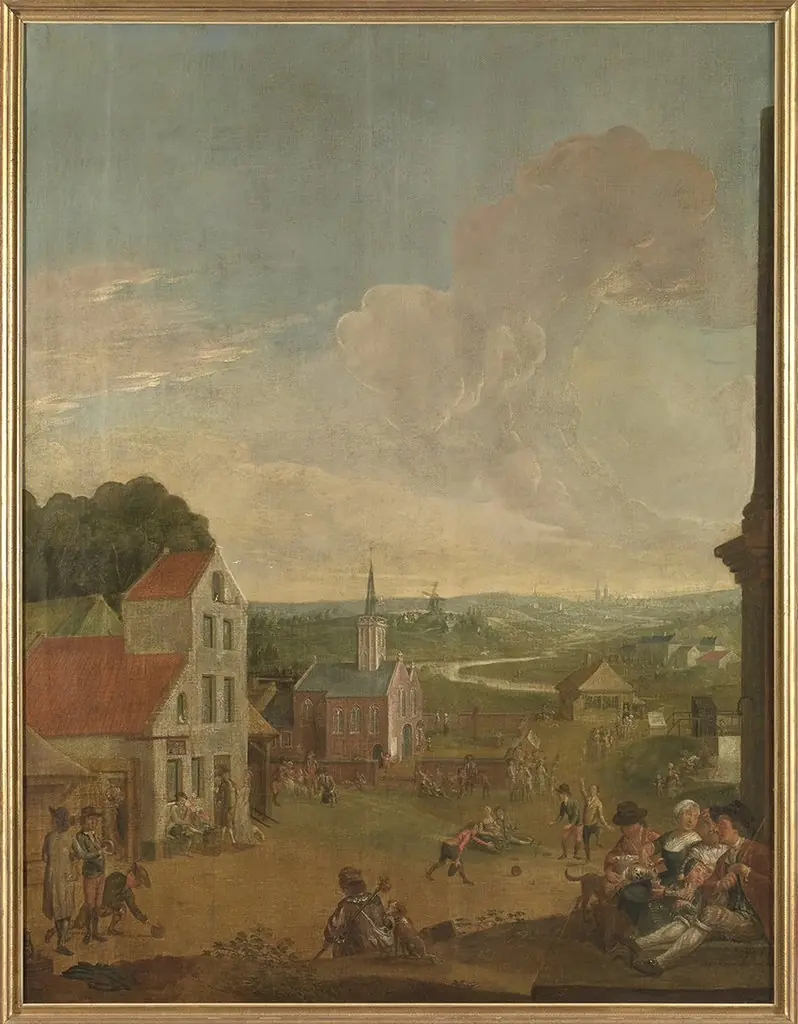 Gezicht op Sint-Michiels
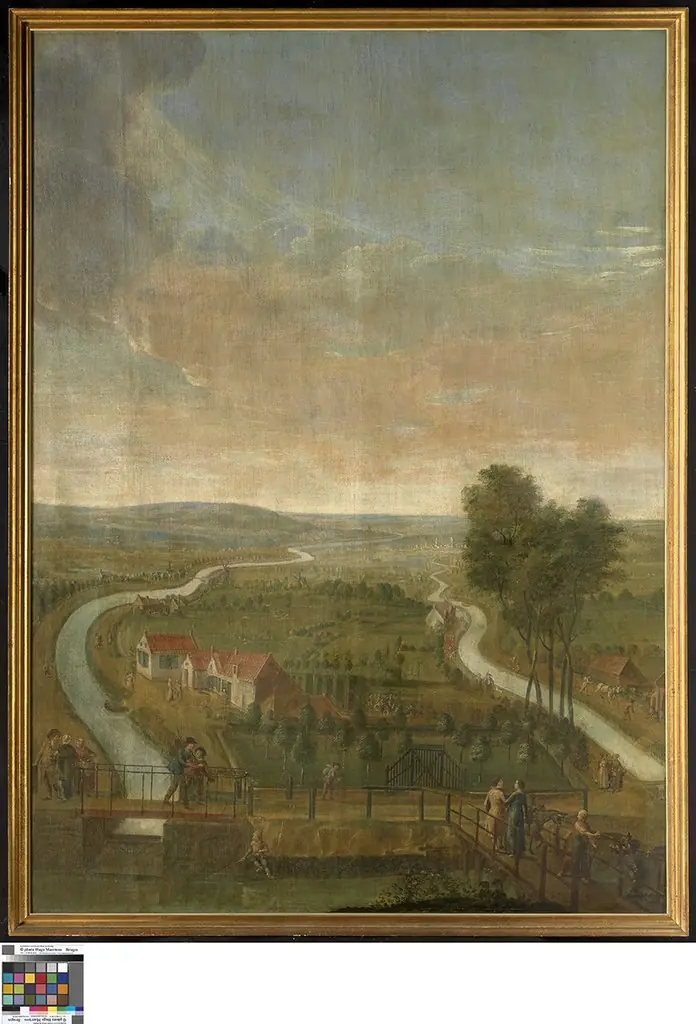 De Handelskom in Brugge
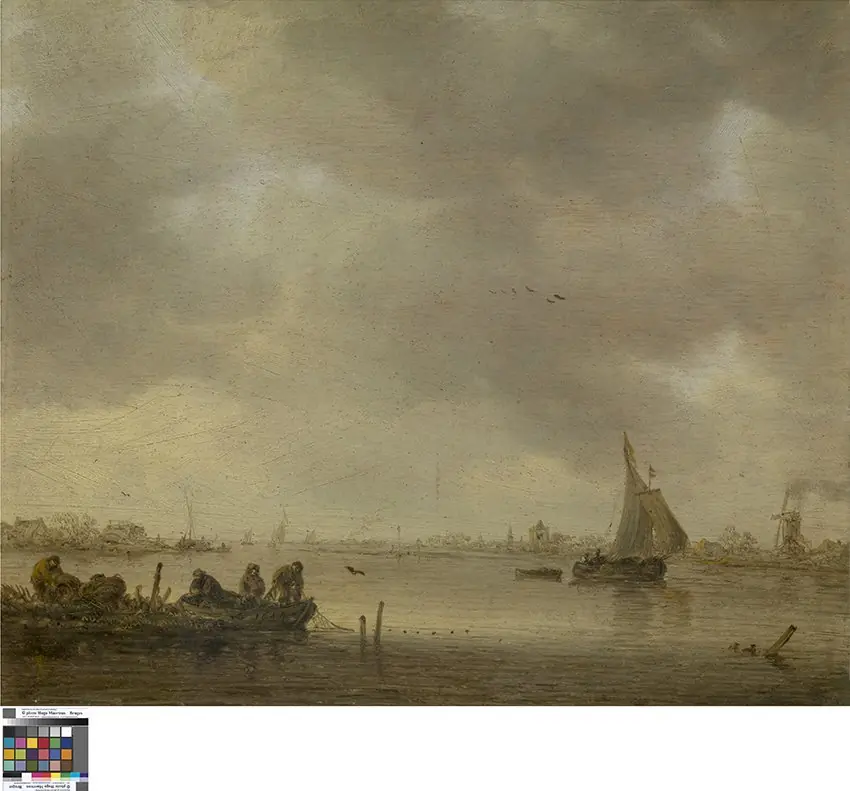 Rivierlandschap
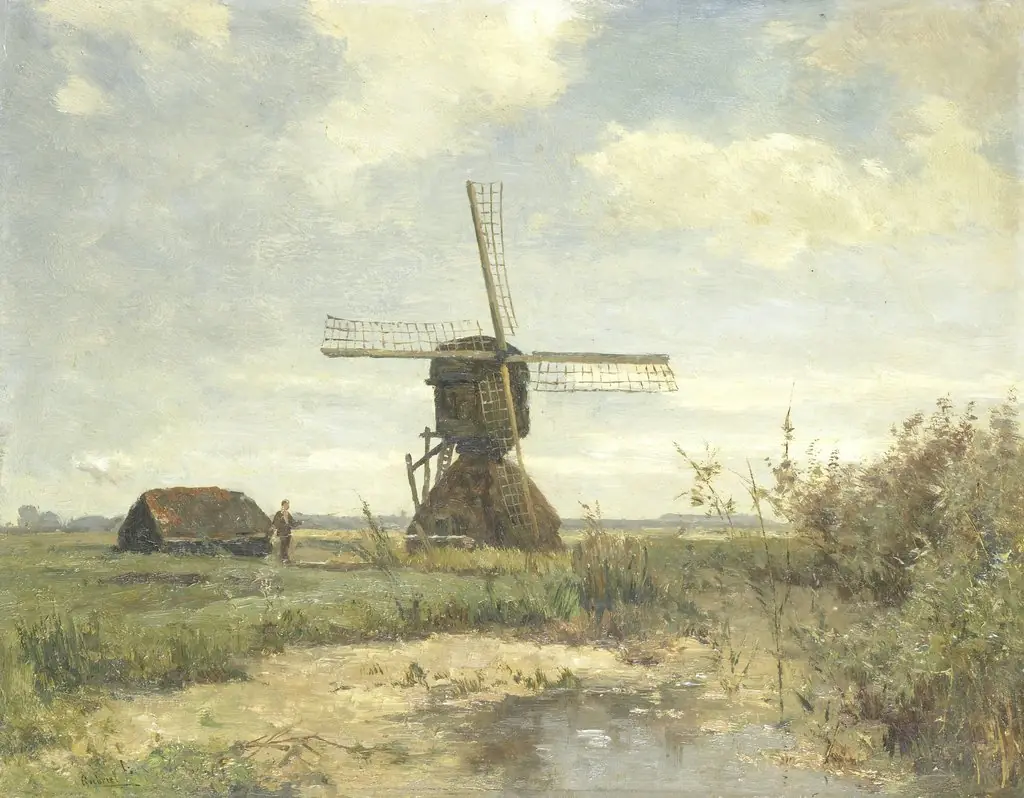 ‘Sunny Day’: a windmill on a watercourse
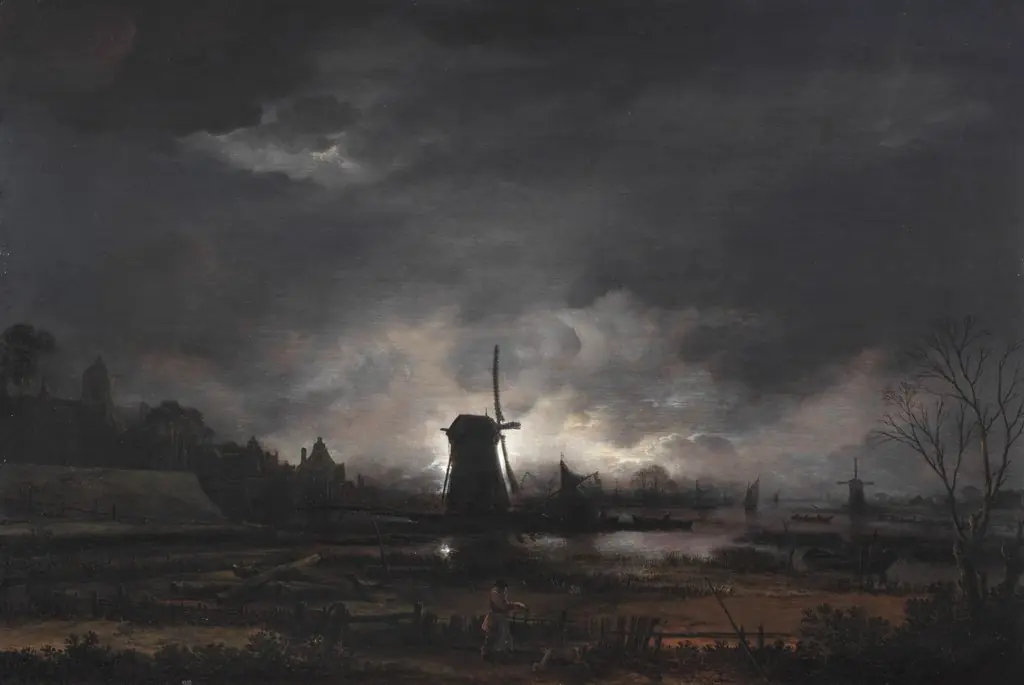 Moonlit Landscape with a Windmill
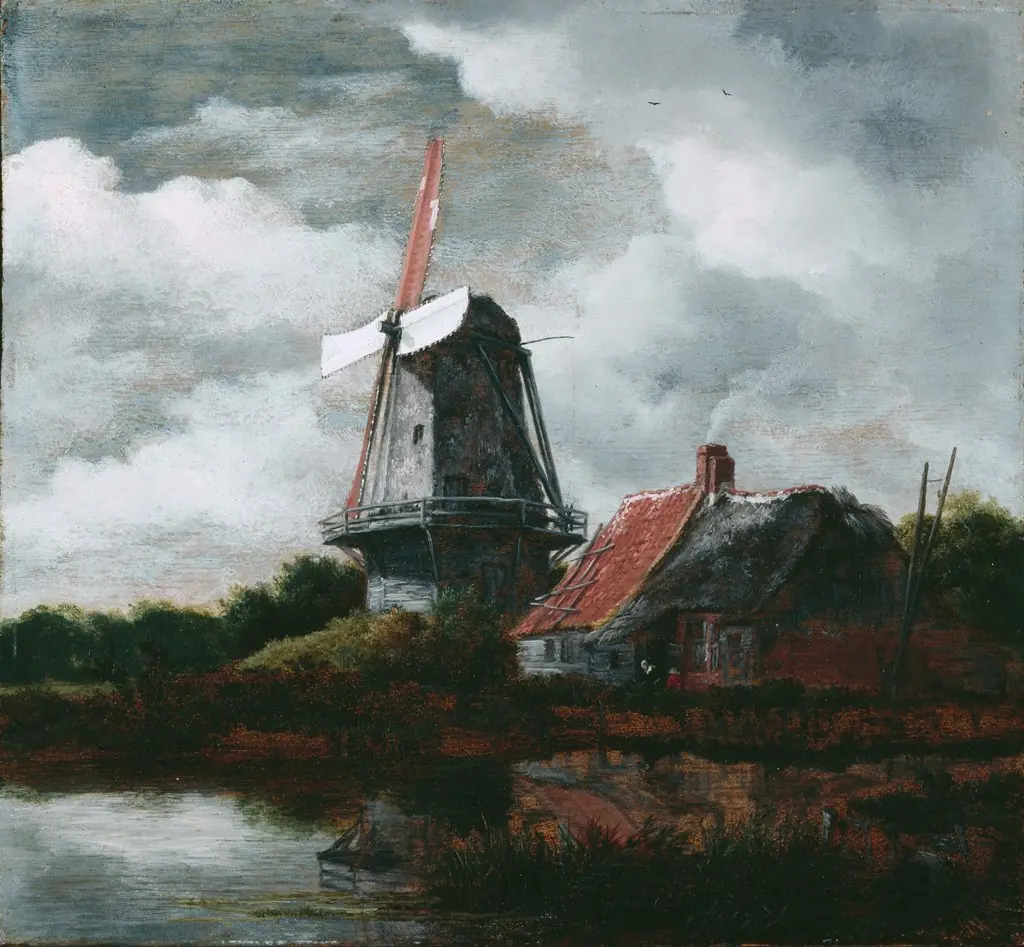 Landscape with a Farm House and Windmill
 By Evening
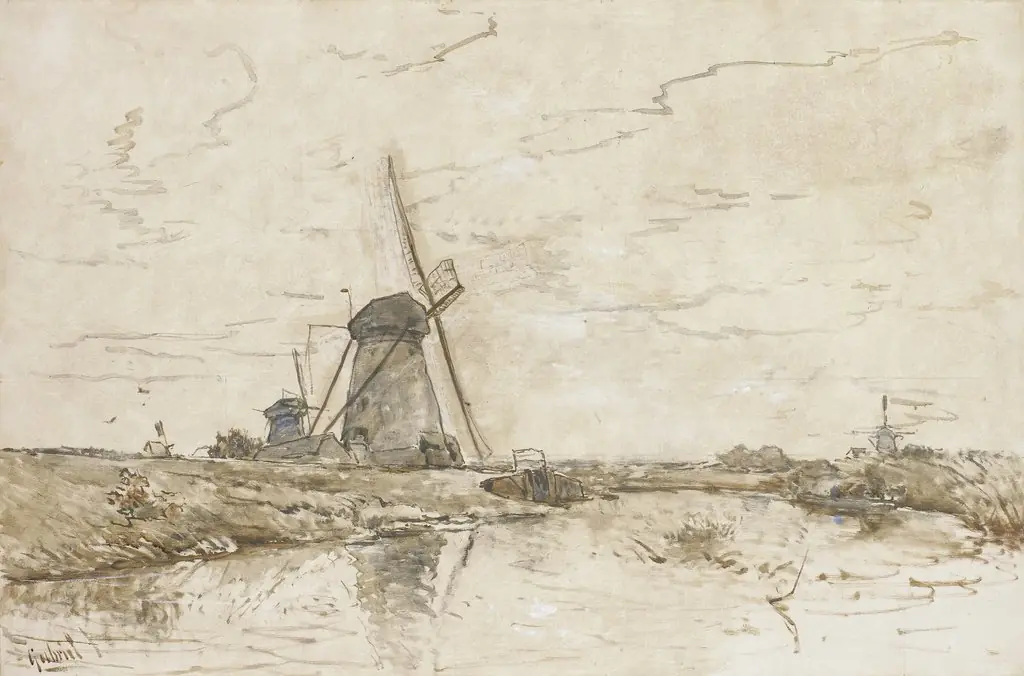 Landscape with windmills
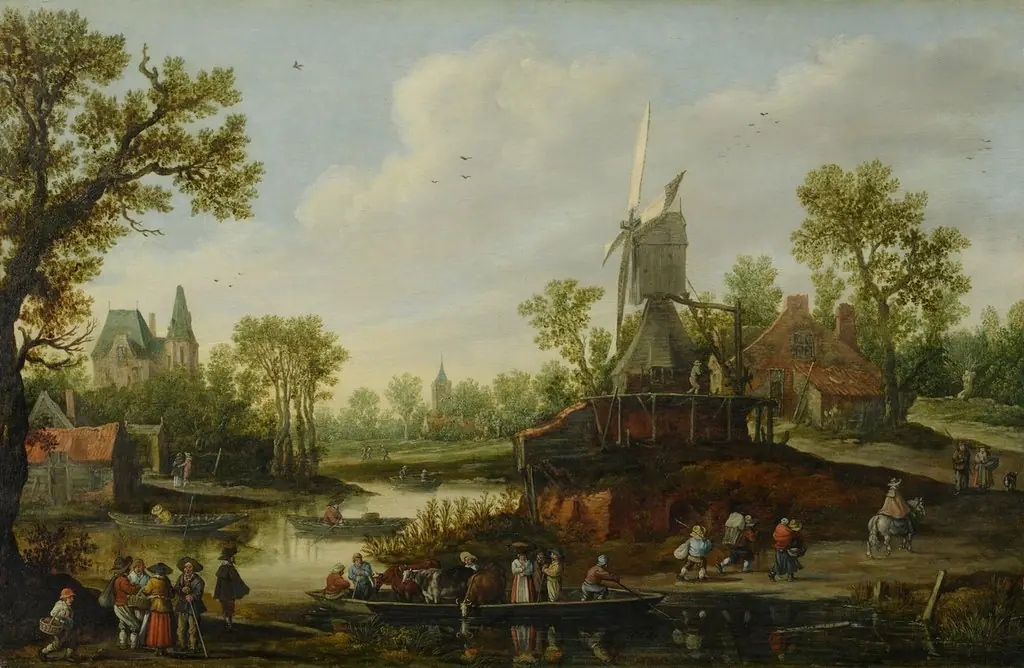 River Landscape with a Ferry
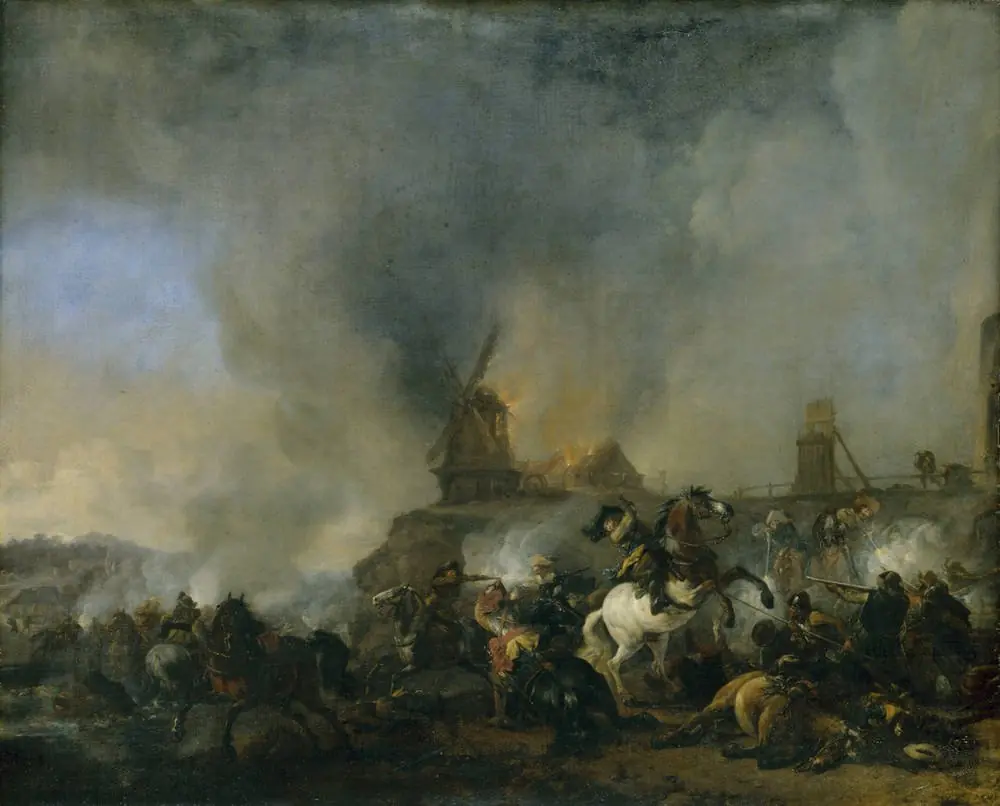 Cavalry in front of a Burning mill
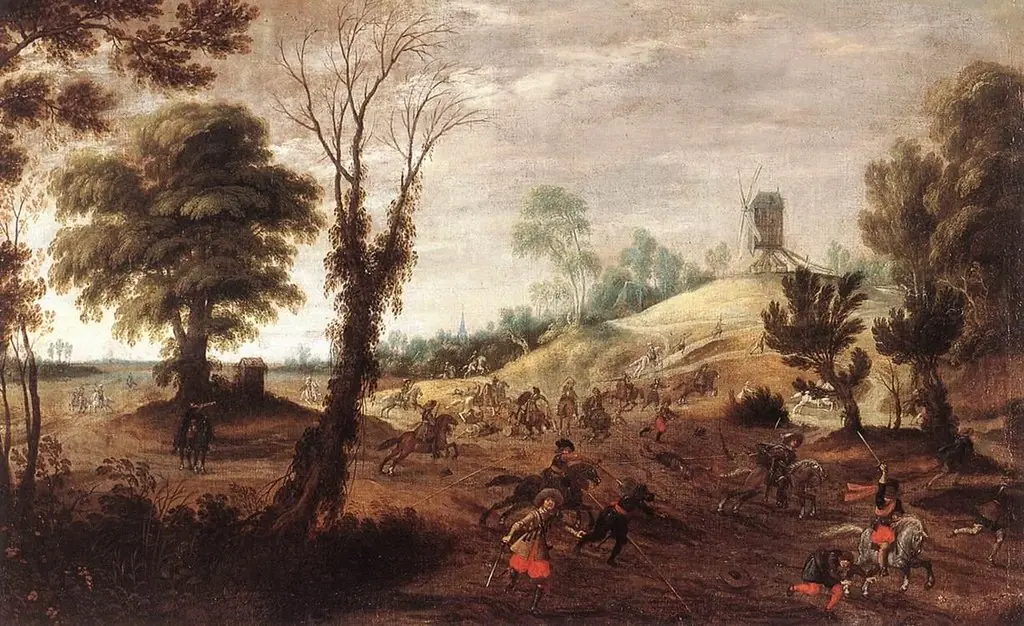 Landschap met ruitergevecht
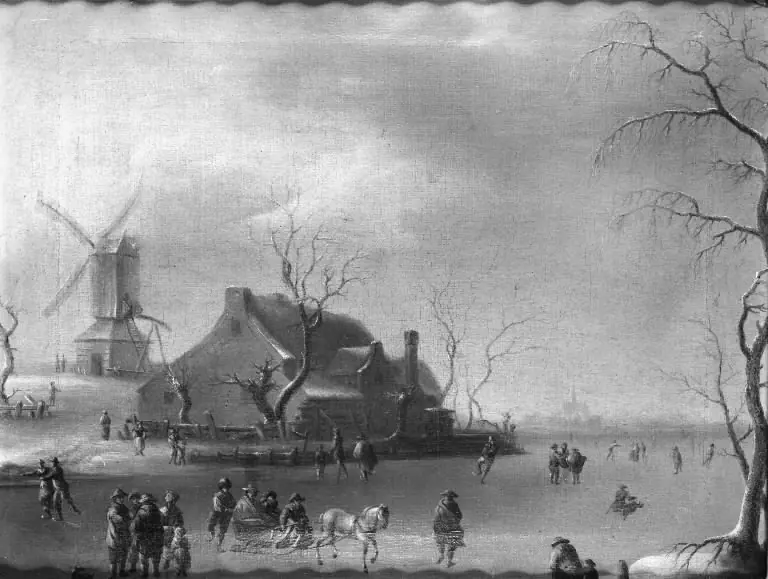 Winter Scenery with Ice Skaters, a Mill to the Left
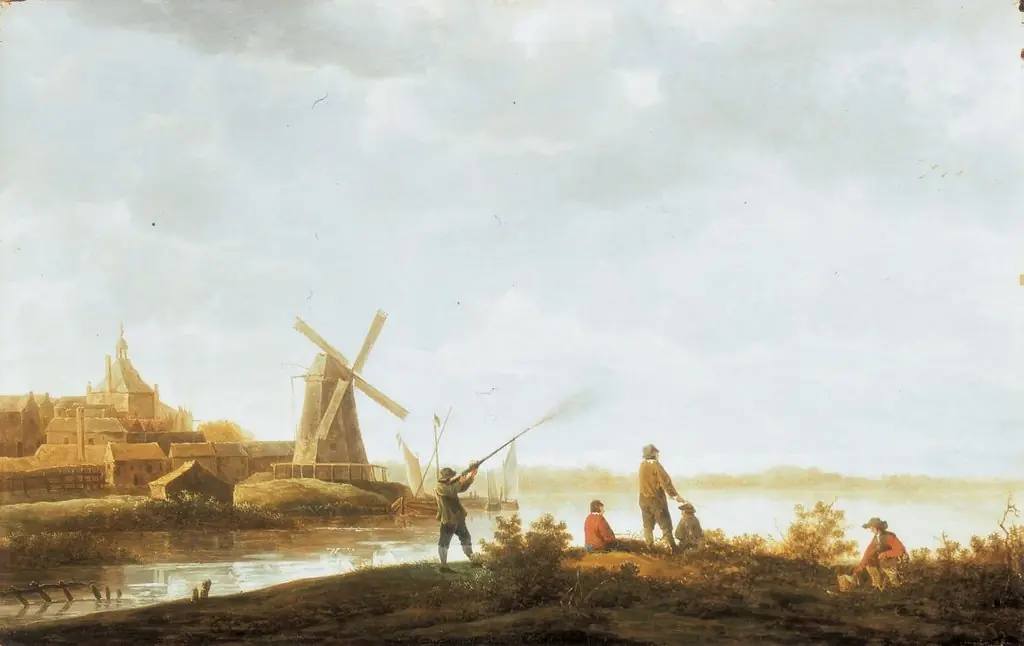 View of Dordrecht with the Rietdijkse Poort
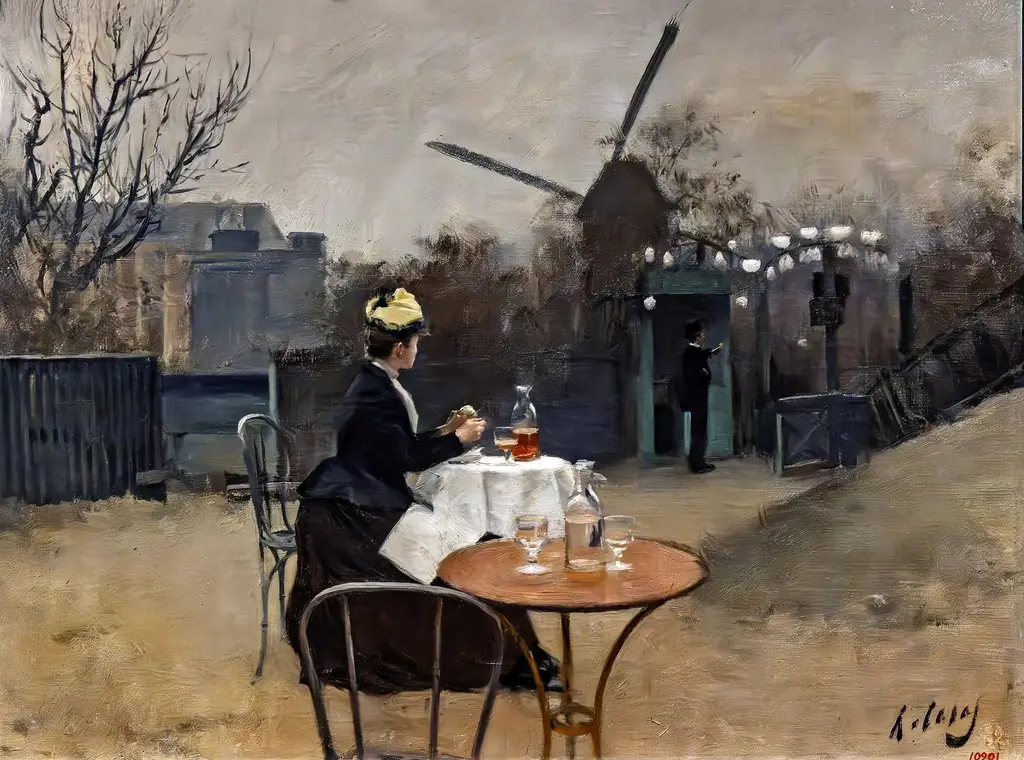 Plein air
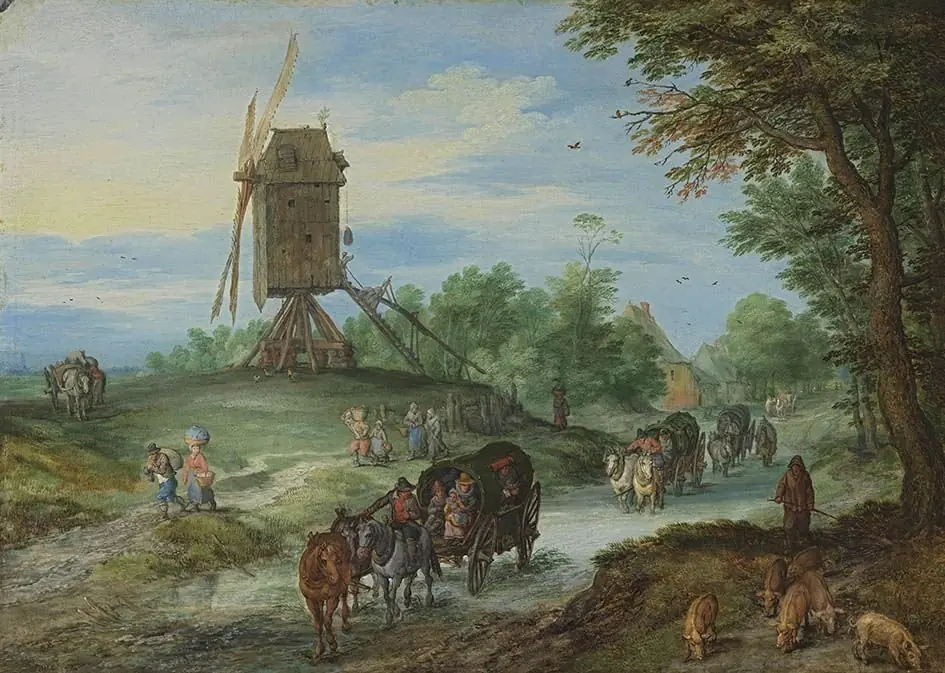 Travelers on Flooded Road Near a Windmill
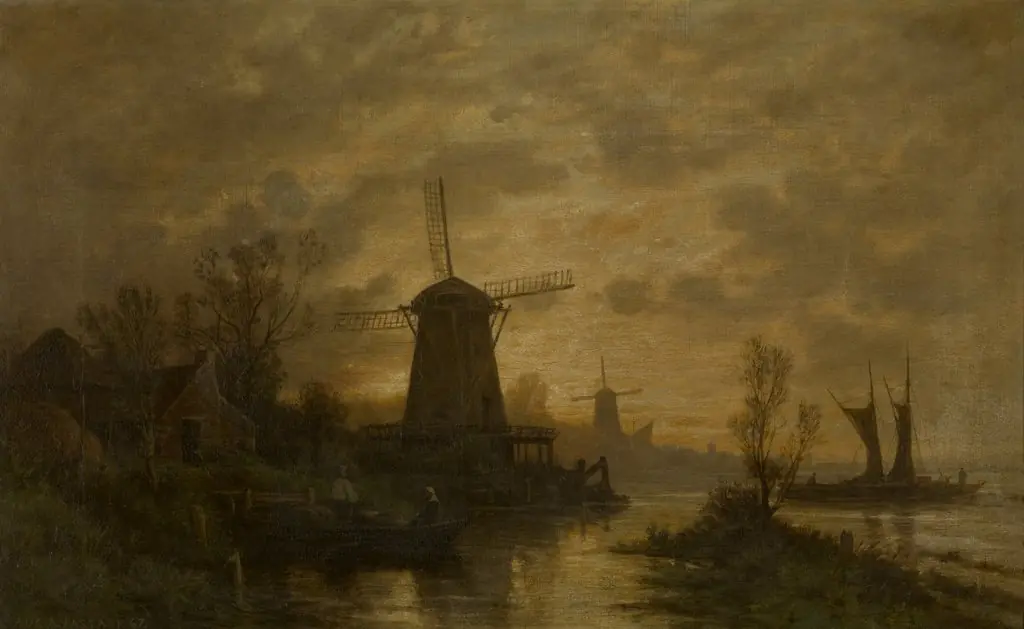 Windmills in Schiedam
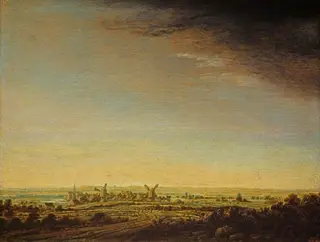 View of Wageningen
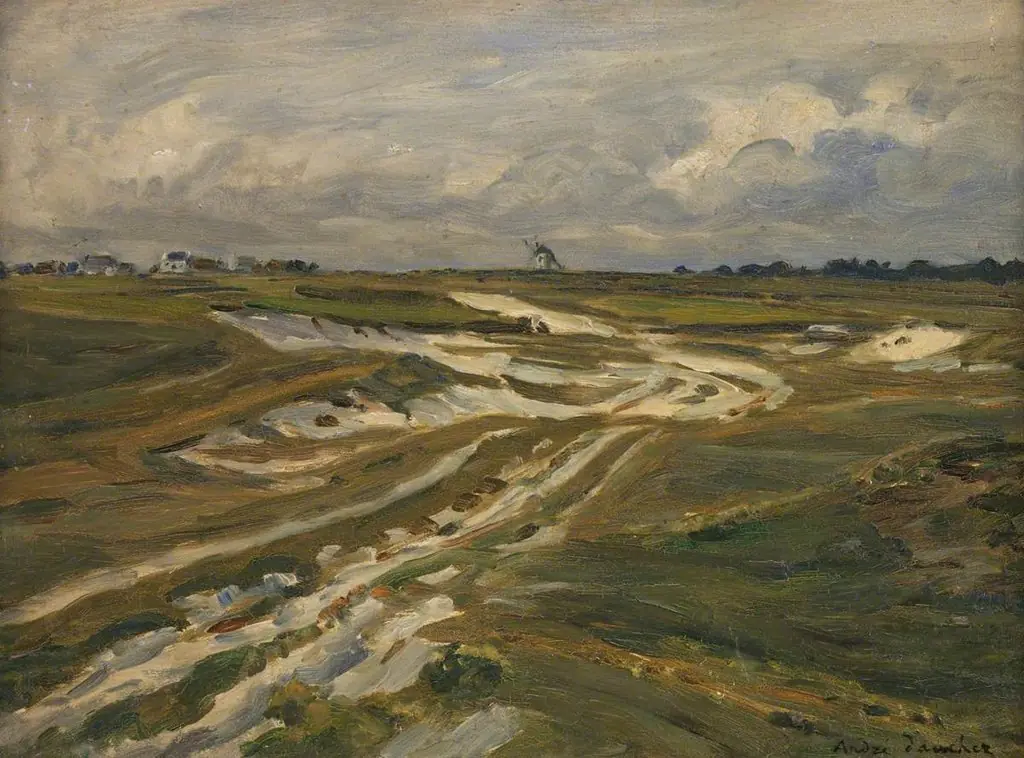 Landscape with Mill
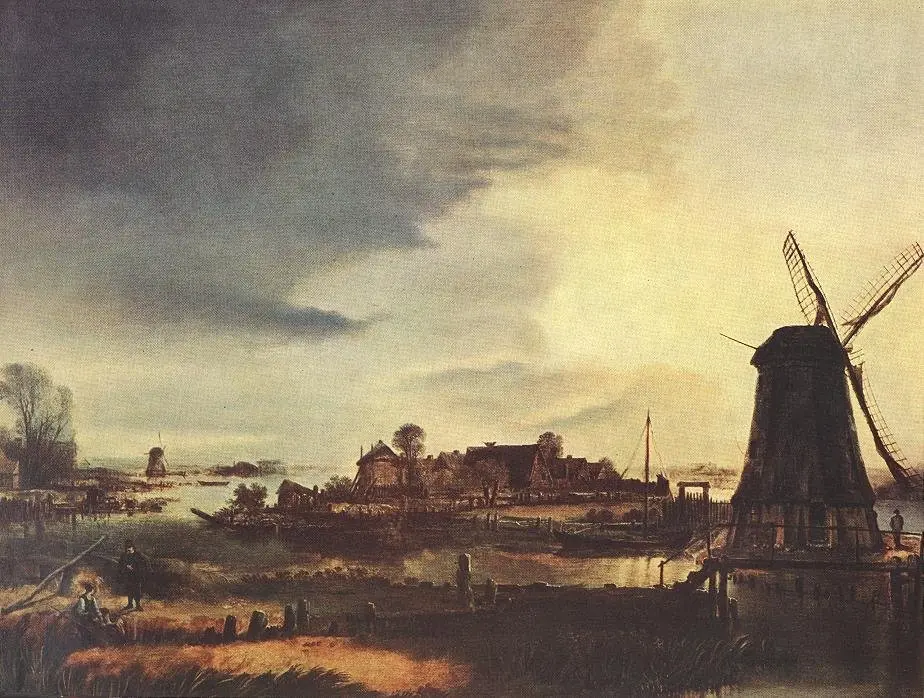 Landscape with a Windmill
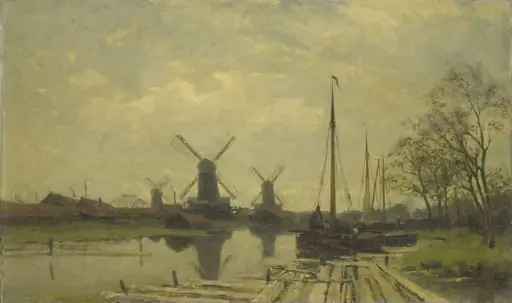 Waterway near the Baarsjes, Amsterdam
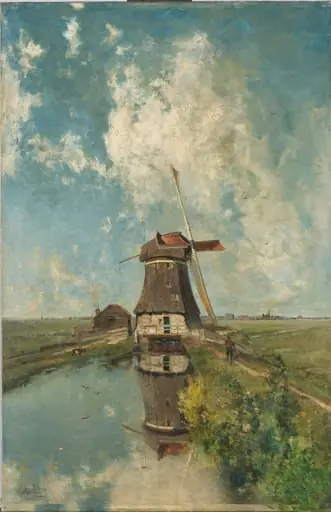 A Windmill on a Polder Waterway, Known as ‘In the Month of July’
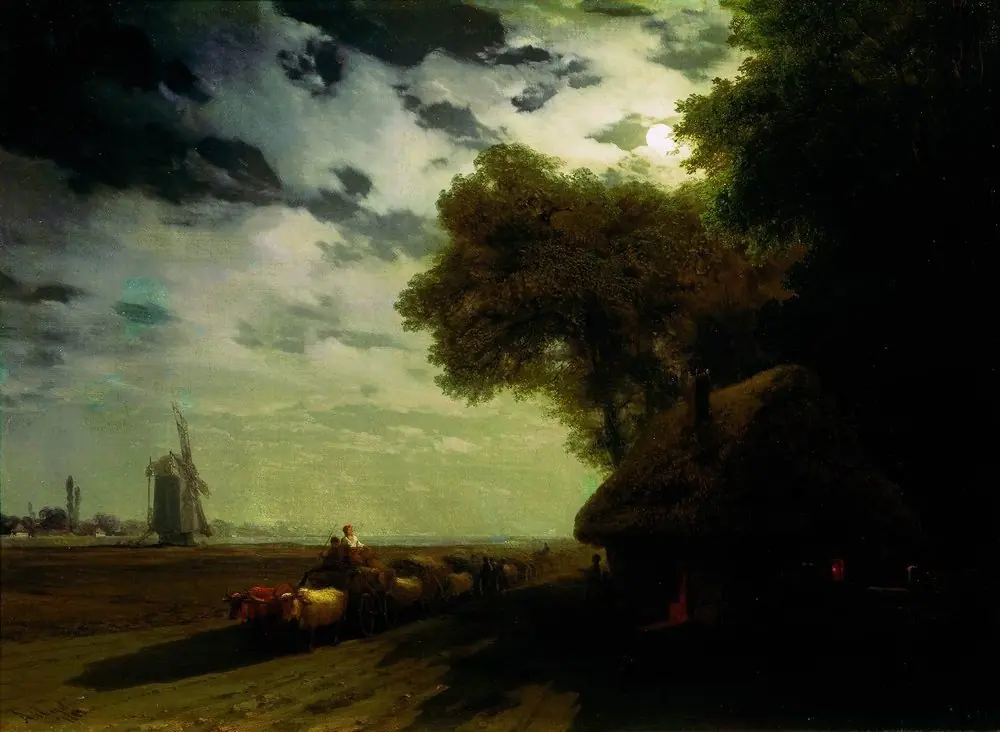 Ukrainian landscape with chumaks in the moonlight
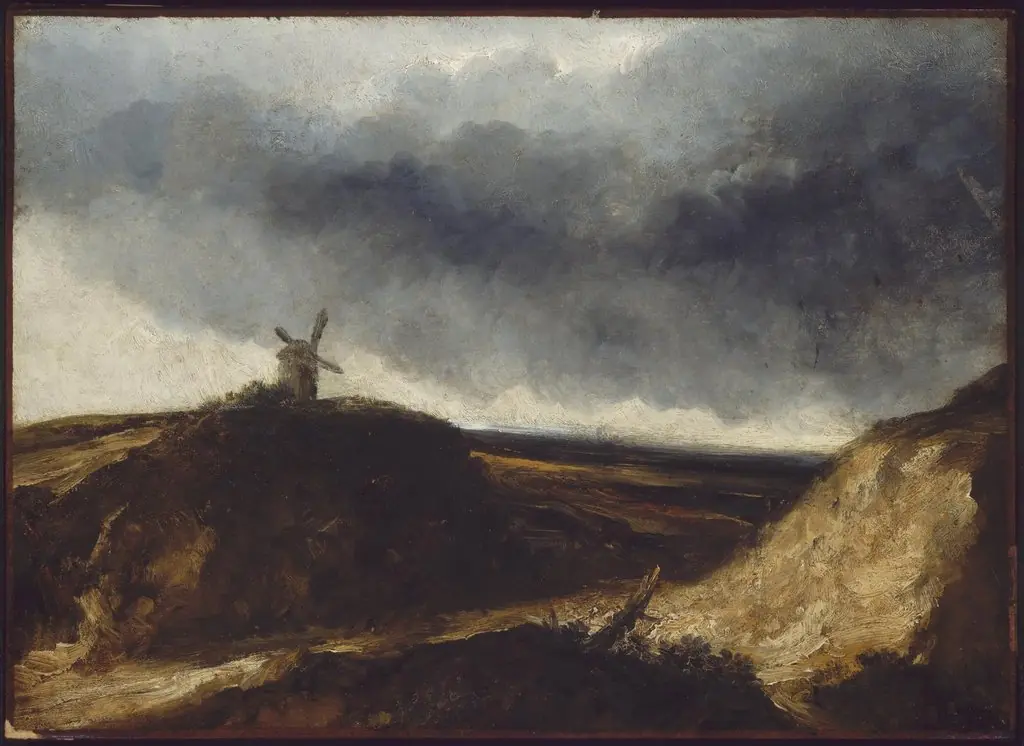 Landscape with a Windmill
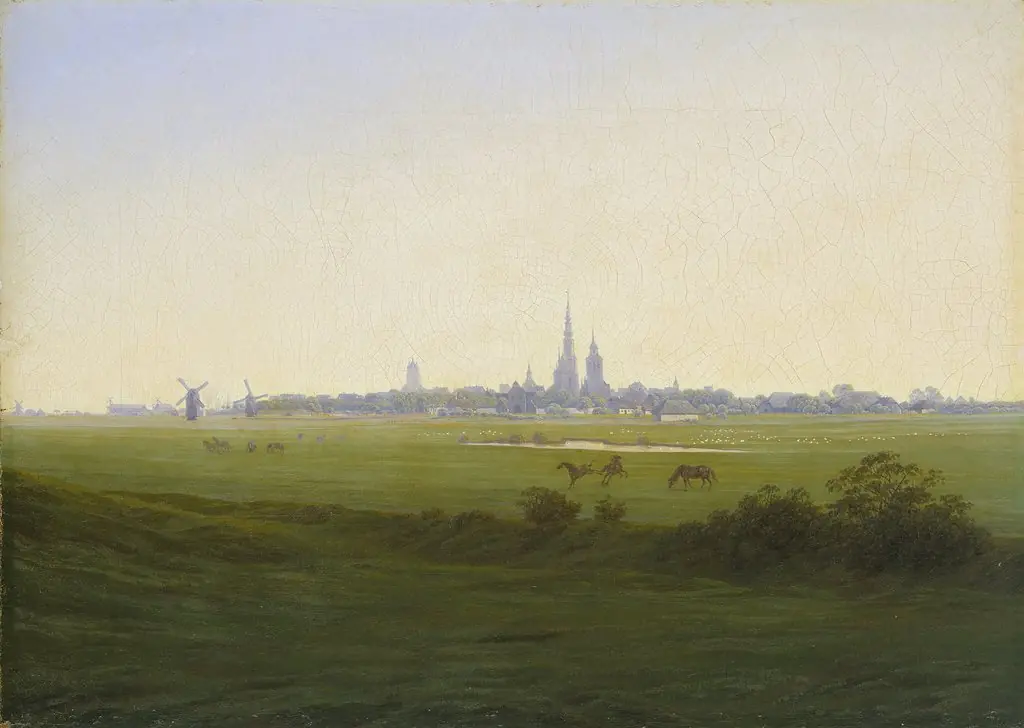 Meadows near Greifswald
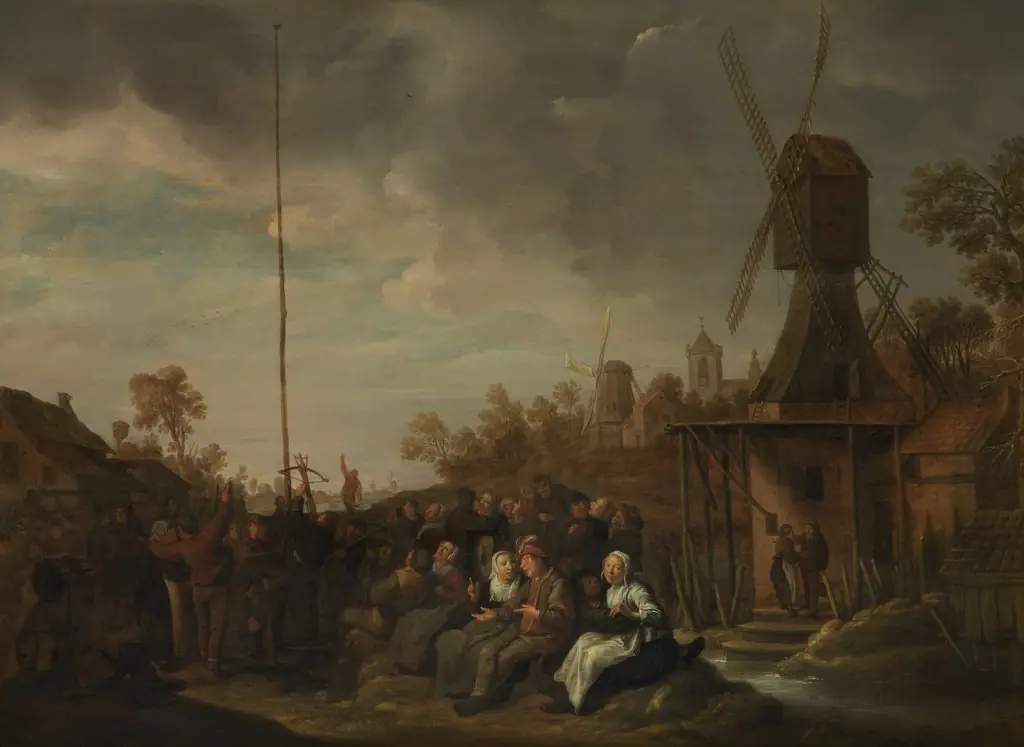 Shoot for a Prize
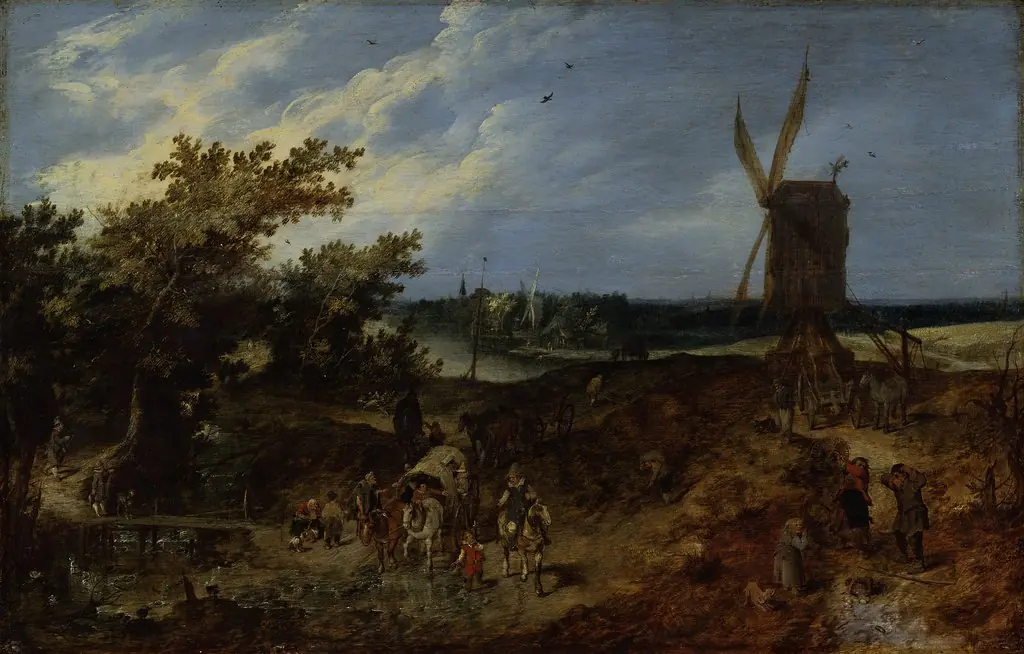 The Summer
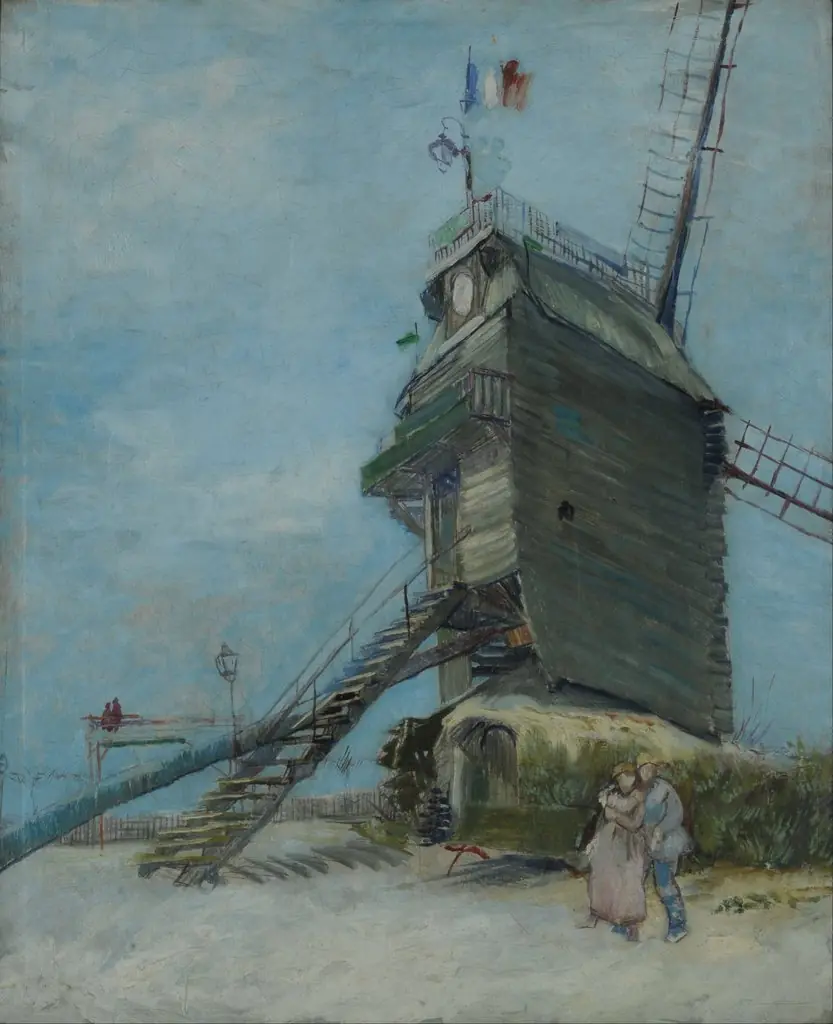 Le Moulin de la Galette
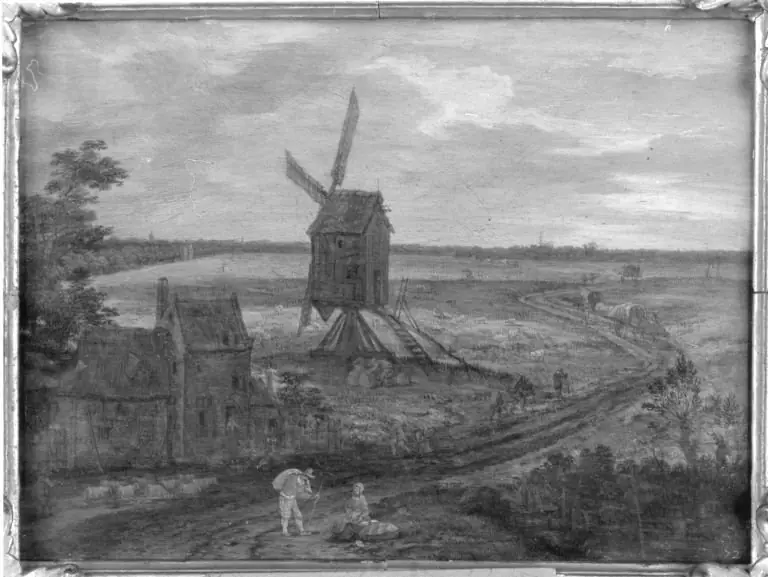 Windmühle
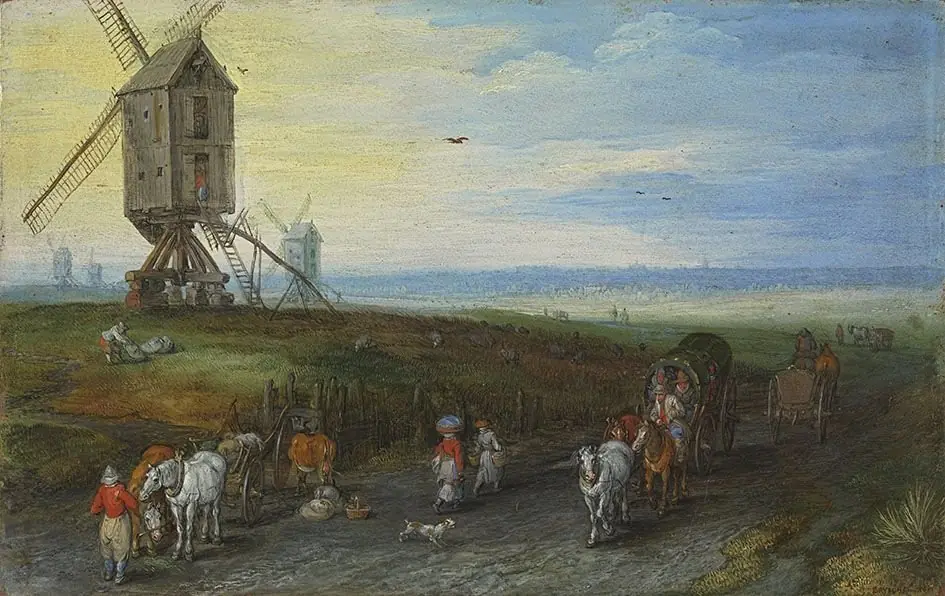 Country Road with Windmill
 Village with a Windmill
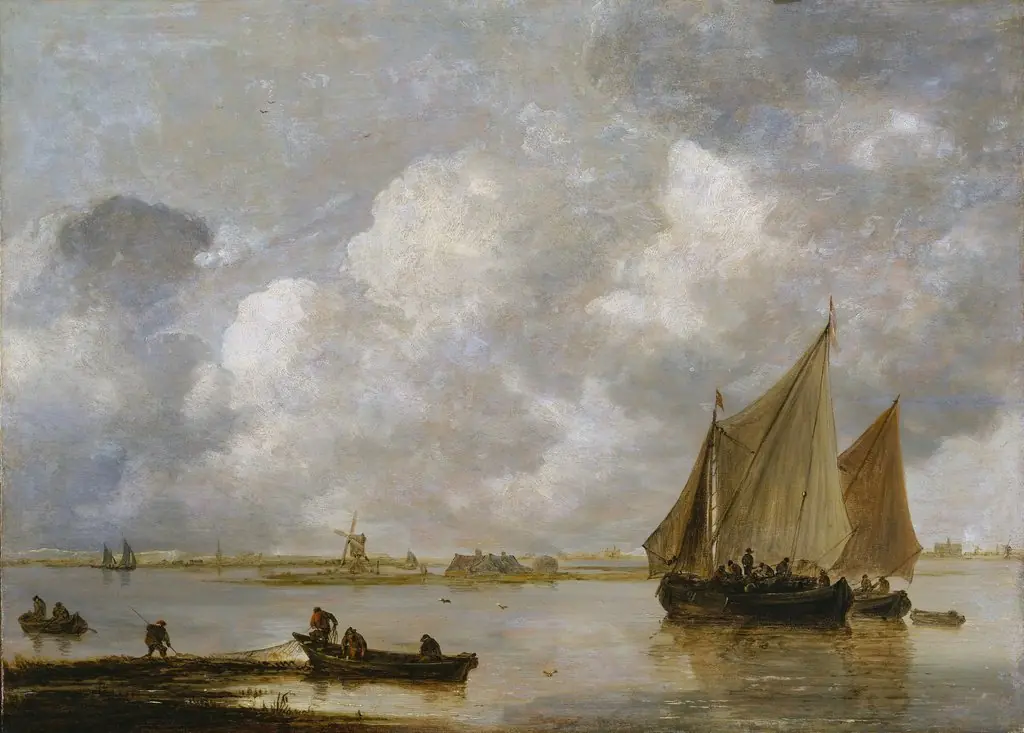 View of the Haarlemmermeer
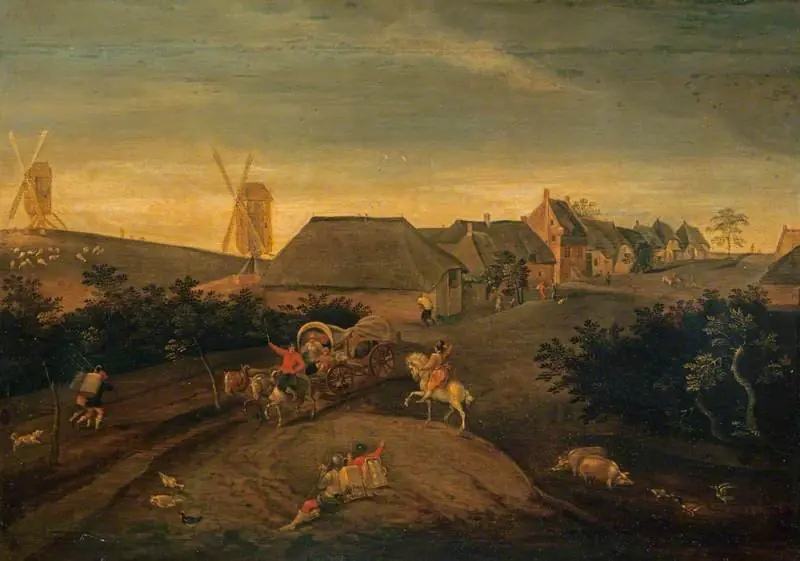 A Flemish Village
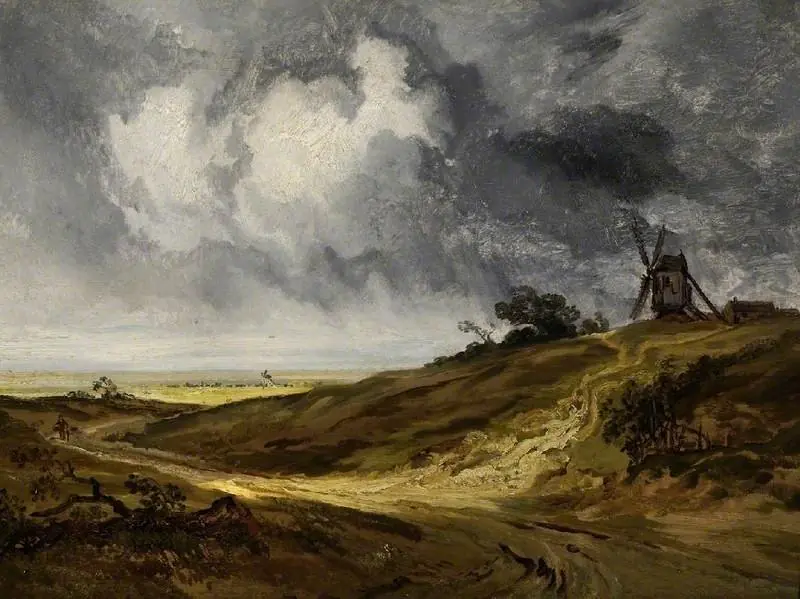 Landscape with a windmill
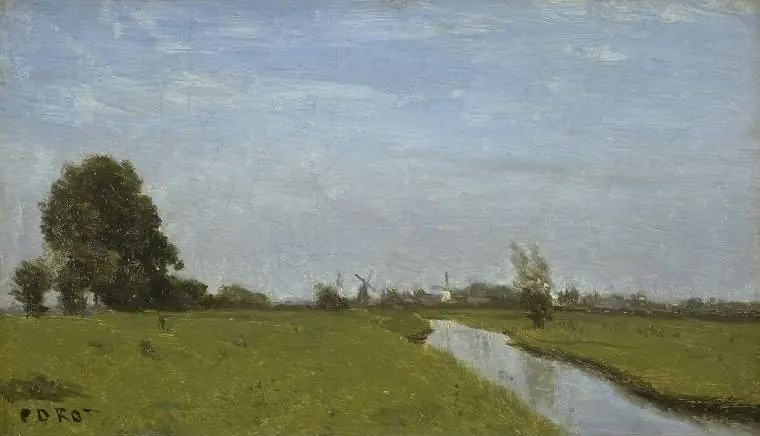 Dutch Landscape in Holland
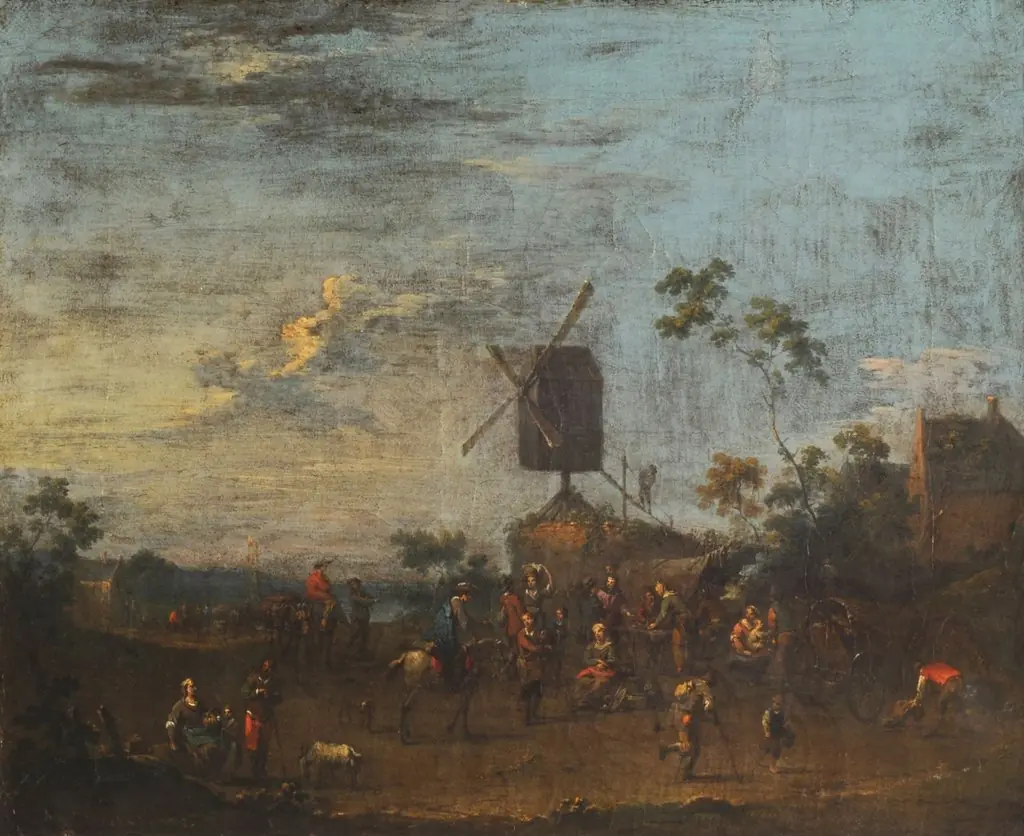 Peasant Fair
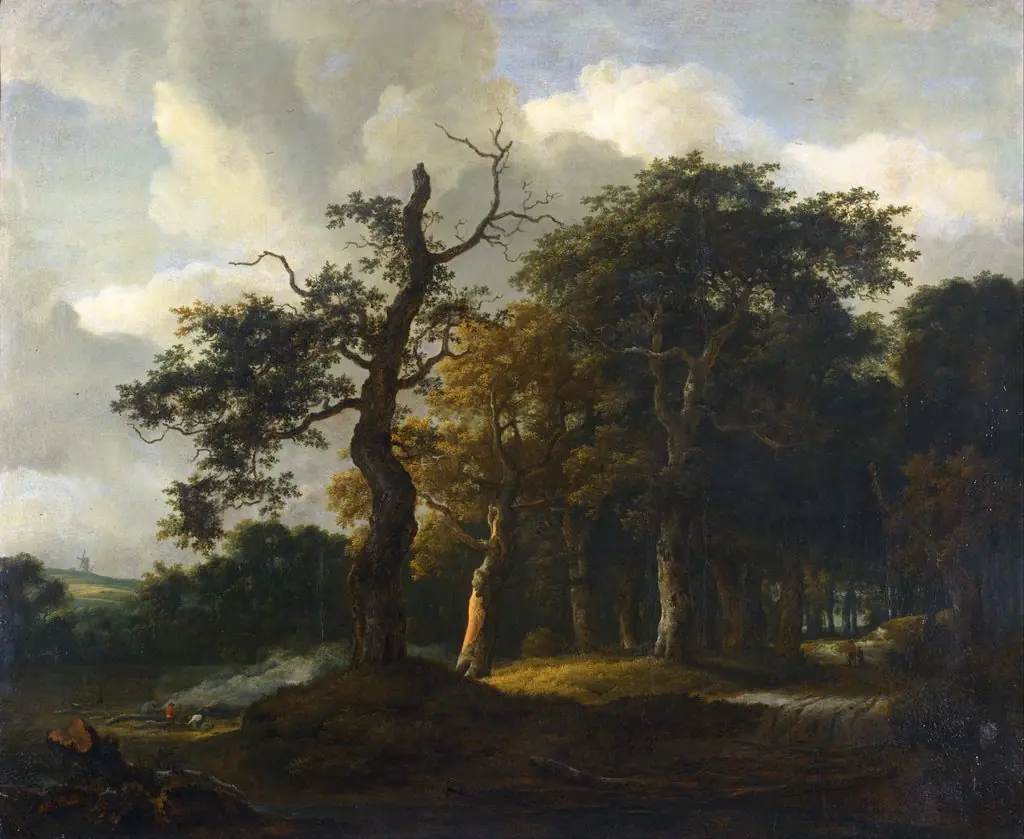 A Road through an Oak Wood
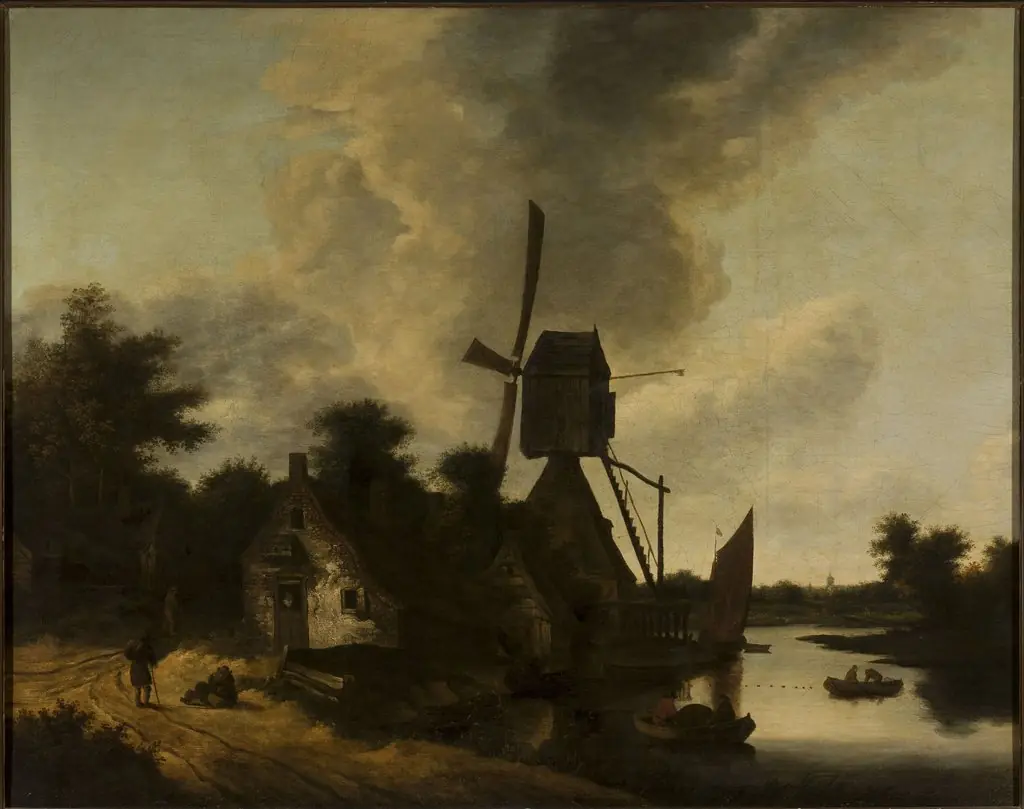 Landscape with a windmill
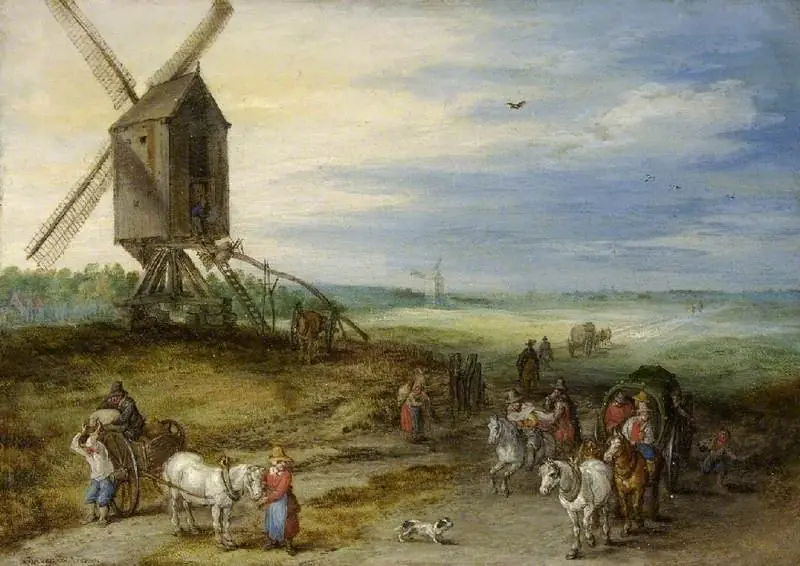 Landscape with mill and carts
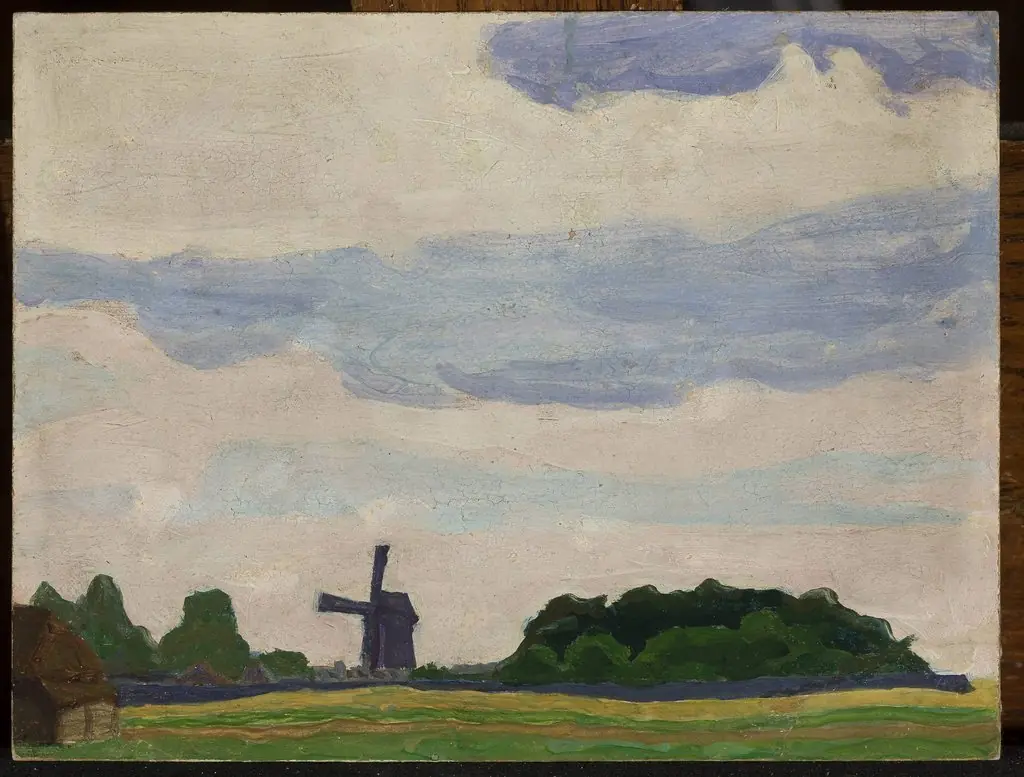 Landscape with a windmill
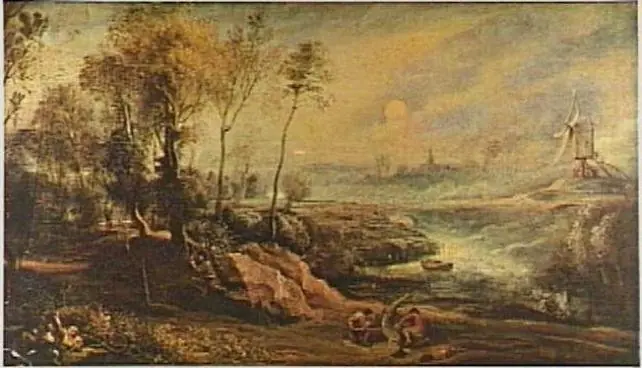 Landscape with bird catcher
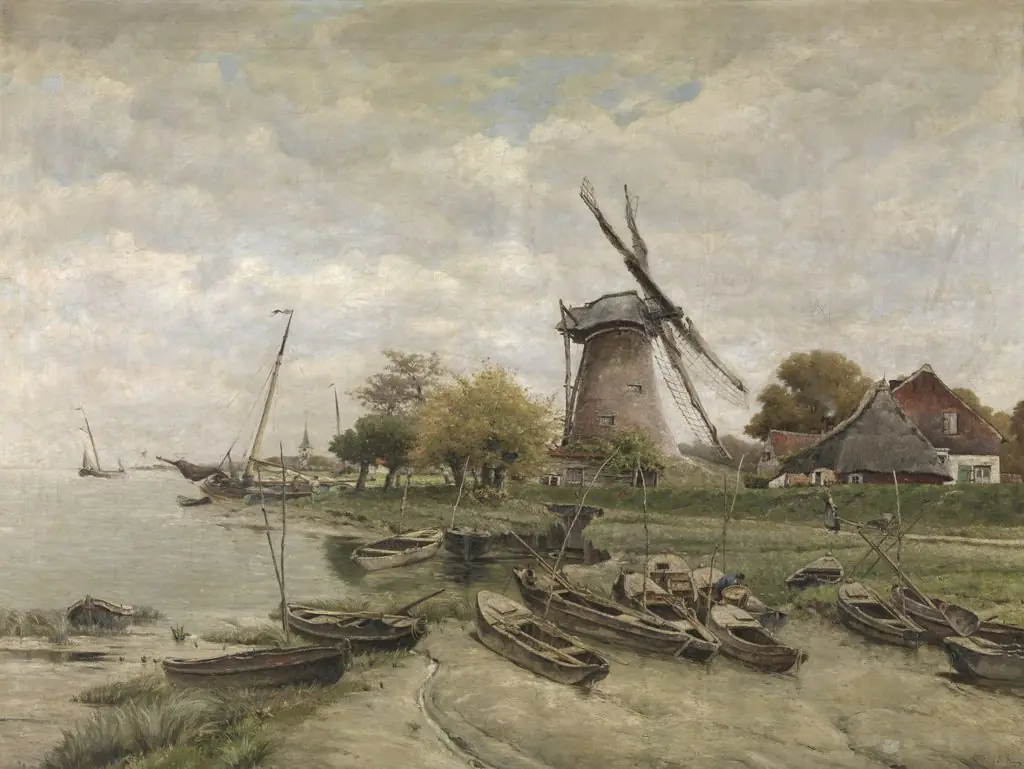 The Scheldt in Mariekerke
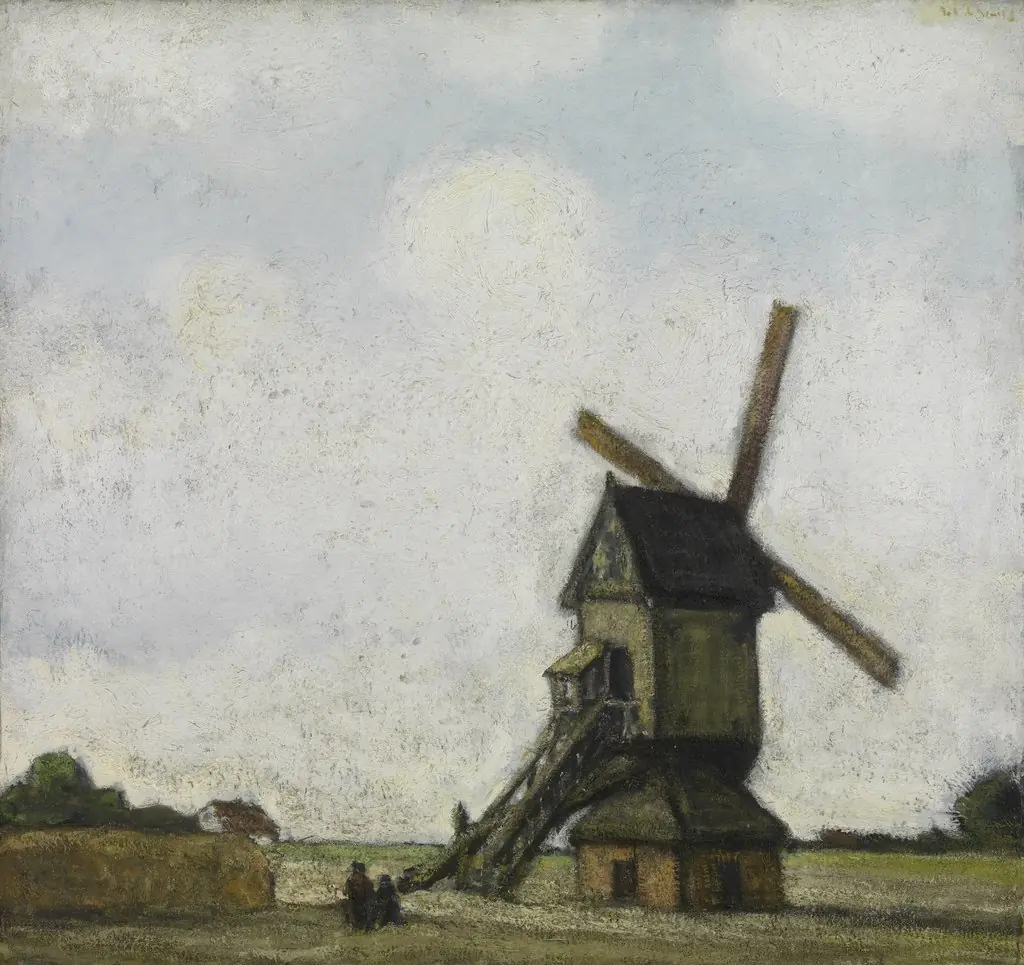 Windmill in the Kempen
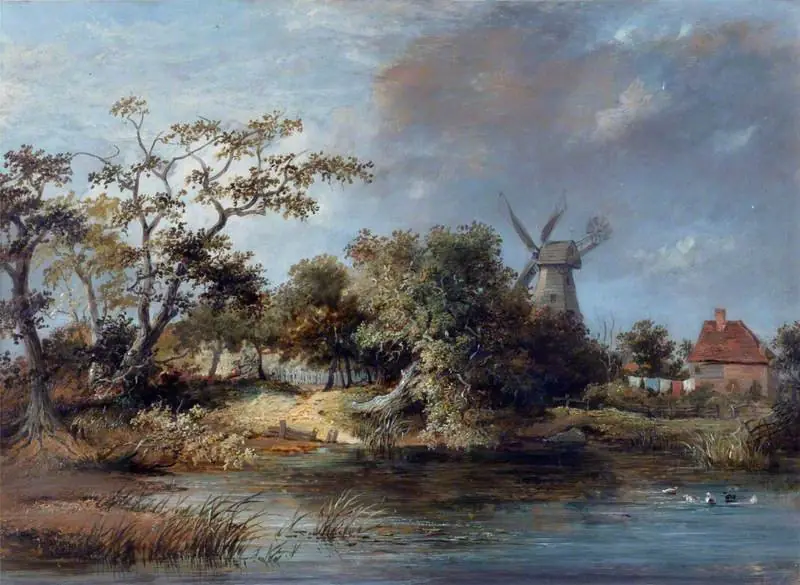 Ponds and a Windmill, Hastings
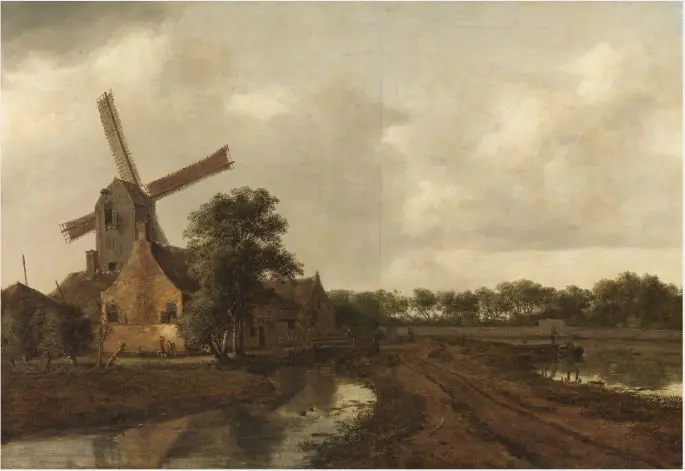 The Windmill
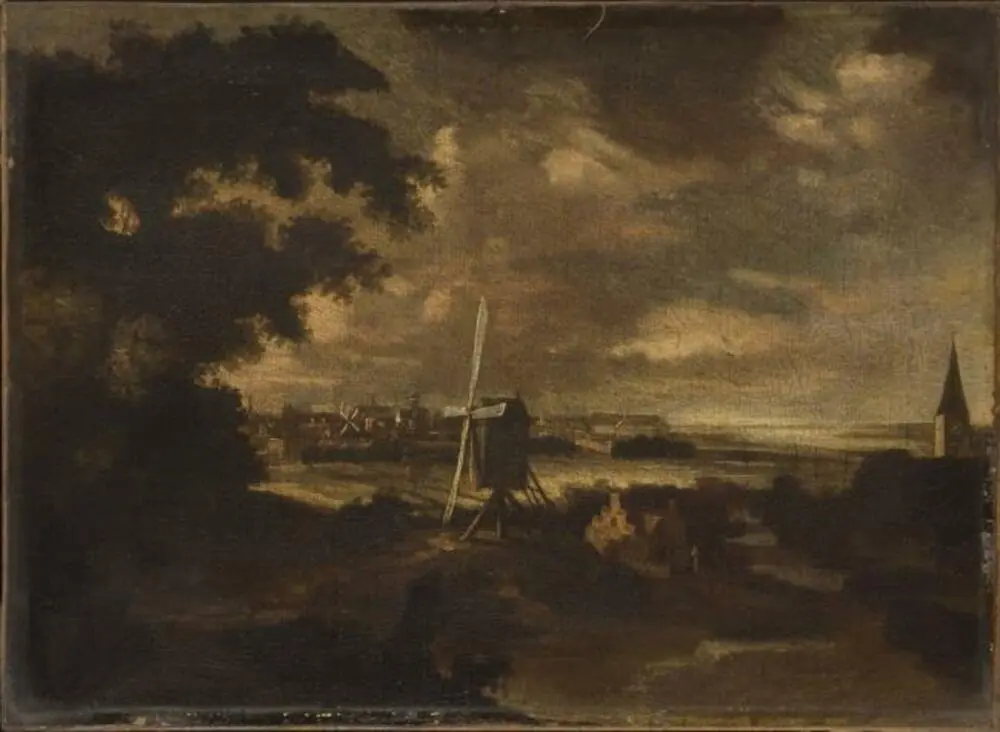 Landscape with a Windmill
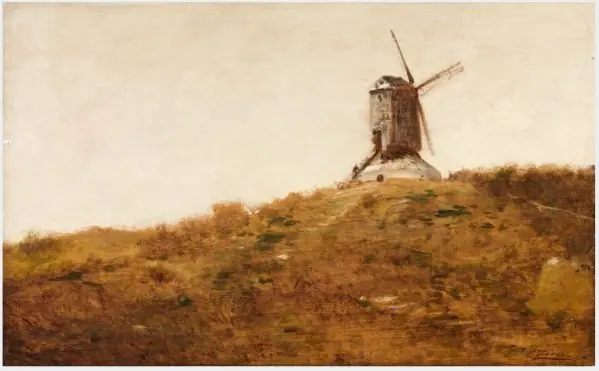 Windmill in Montmartre
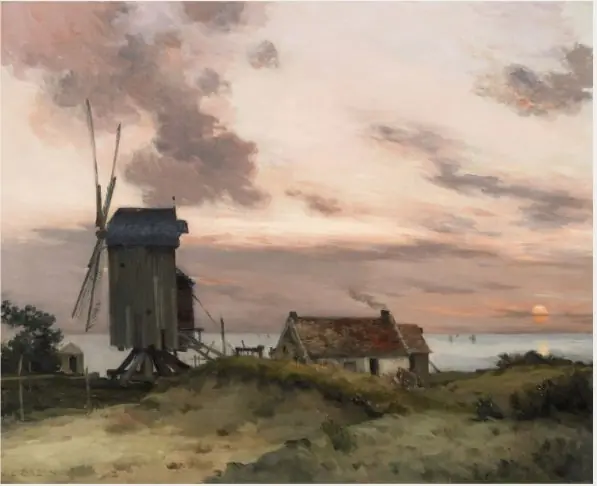 Windmill on a Beach
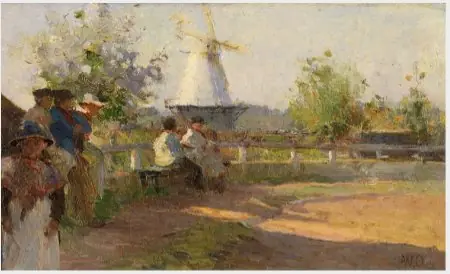 A Sketch at Rye
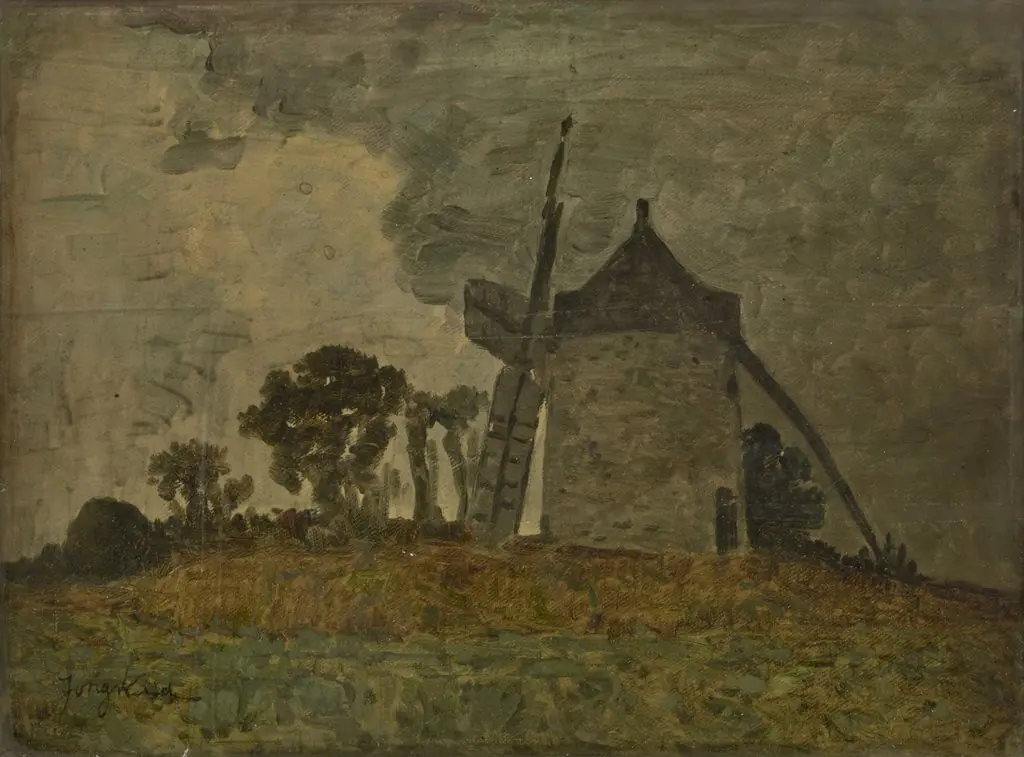 Landscape with a Windmill
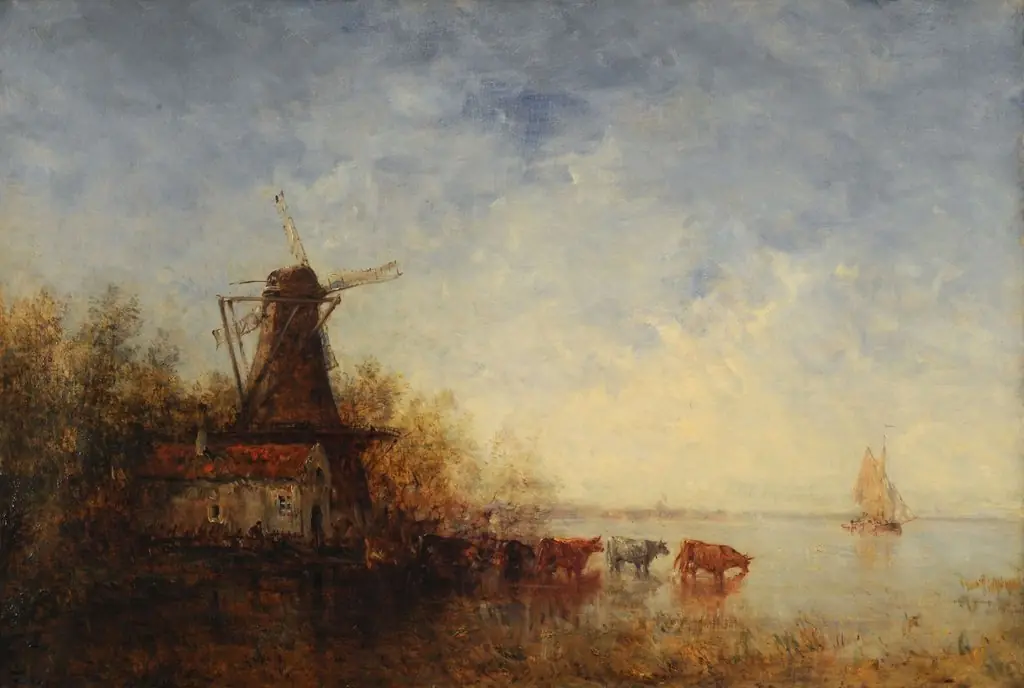 Windmill on riverbank
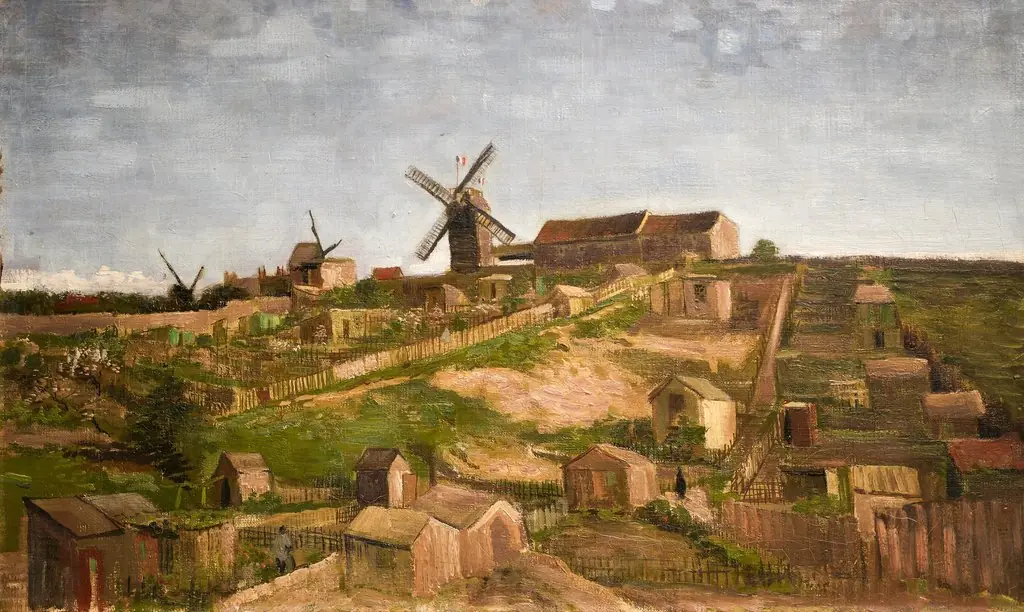 The Hill of Montmartre
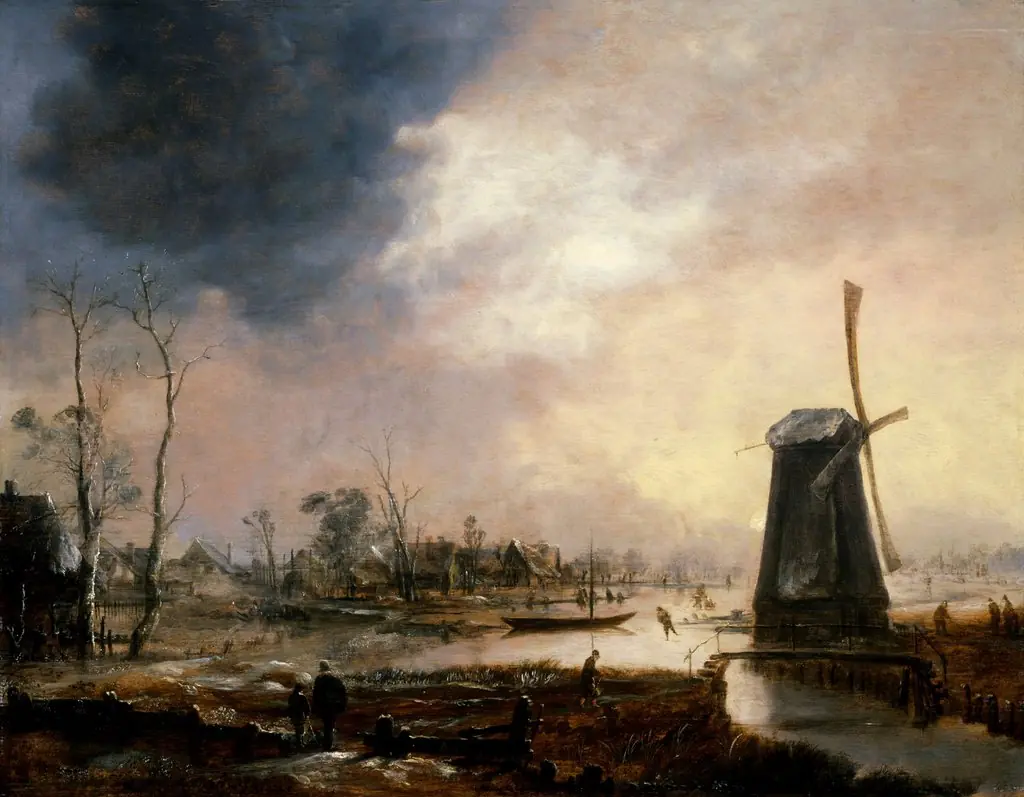 A Winter Landscape with a Windmill
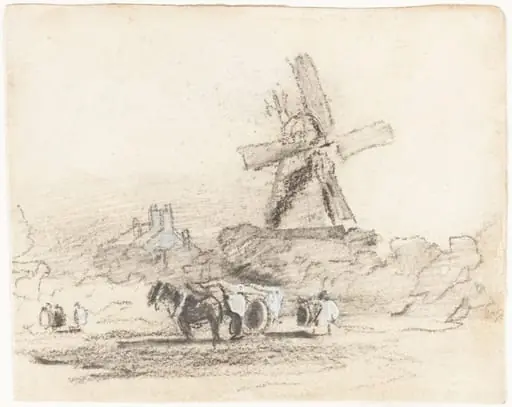 A Cart with Two Horses near a Windmill
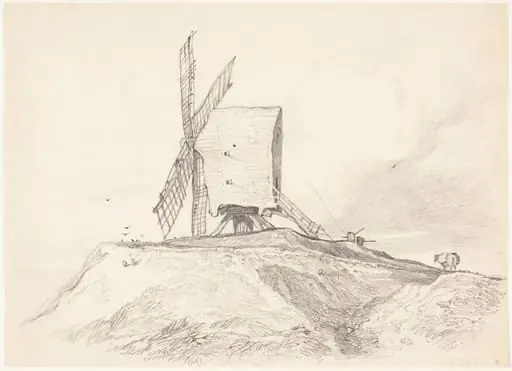 Eye Mill in Suffolk
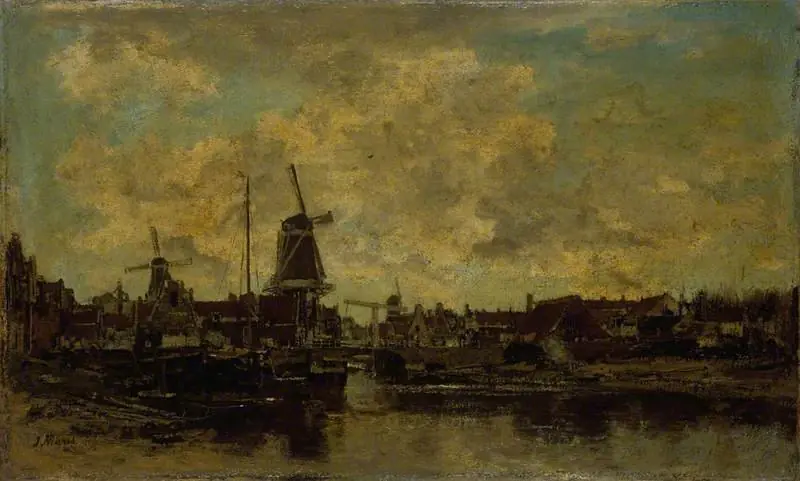 Amsterdam
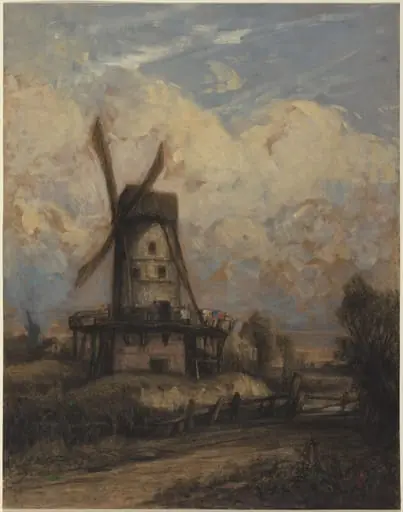 A Windmill against a Cloudy Sky
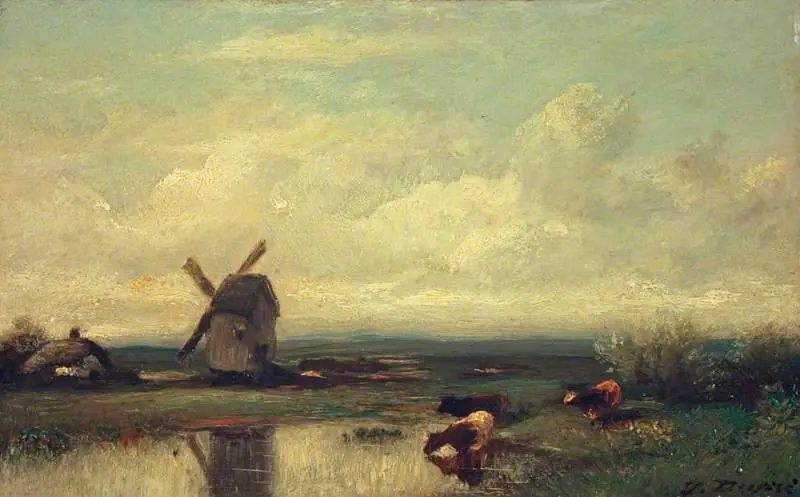 The Windmill
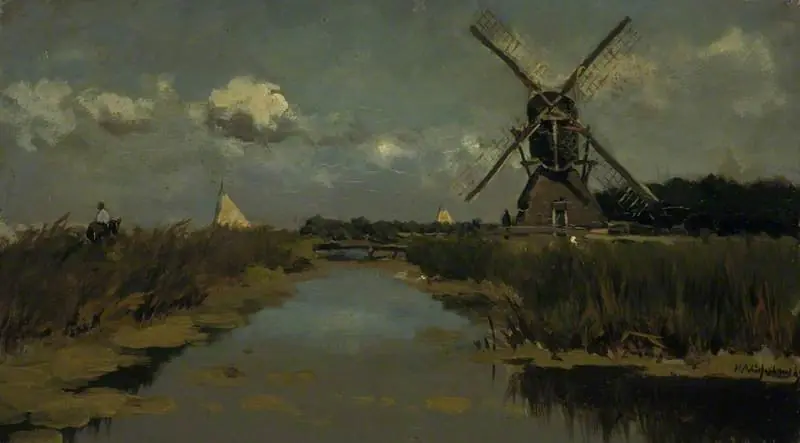 Near Dordrecht
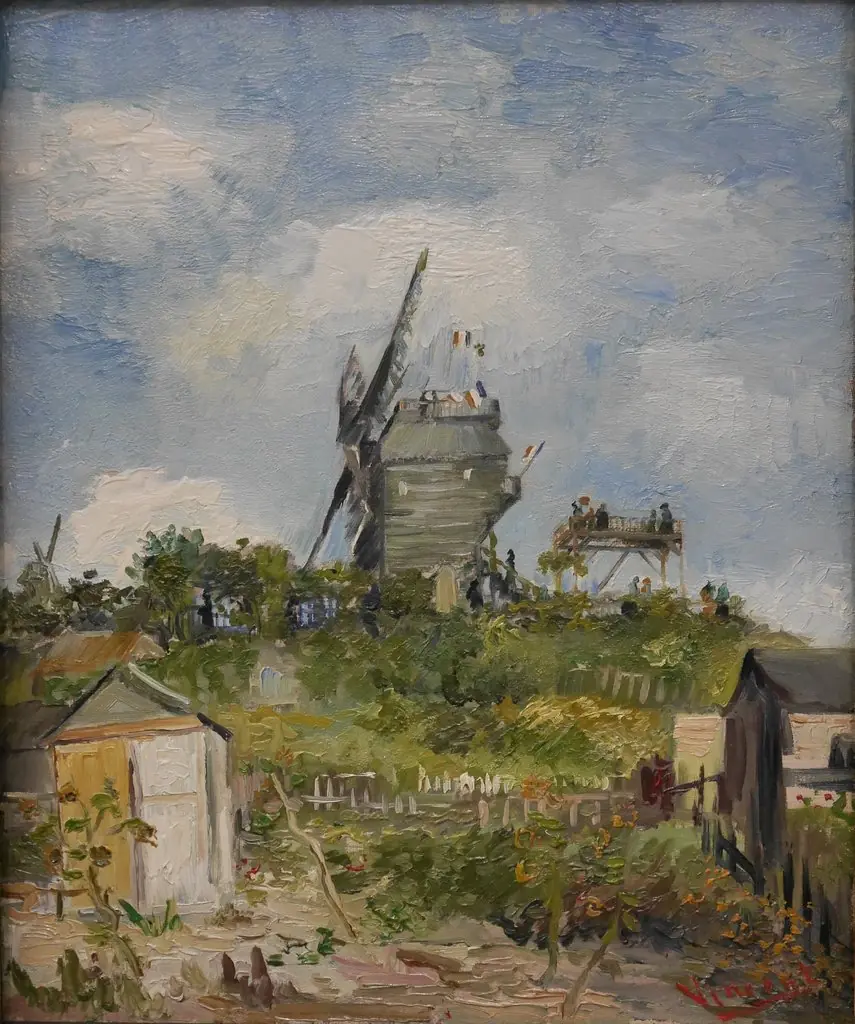 Le Moulin de la Galette
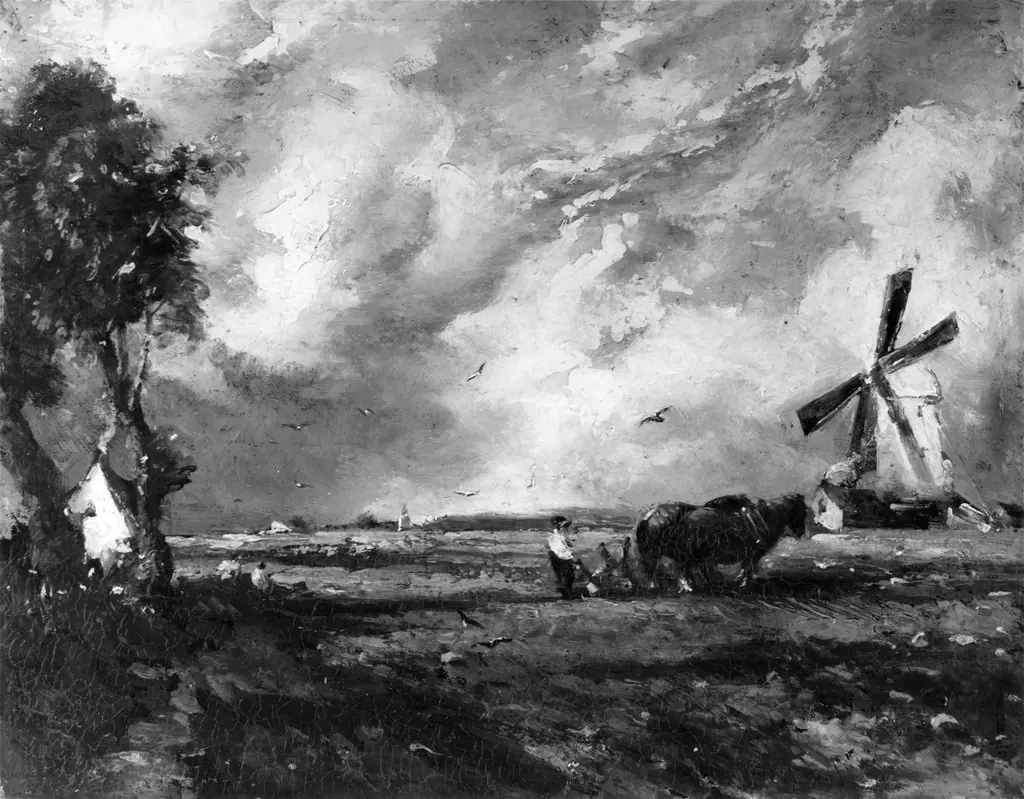 Landscape With Windmill
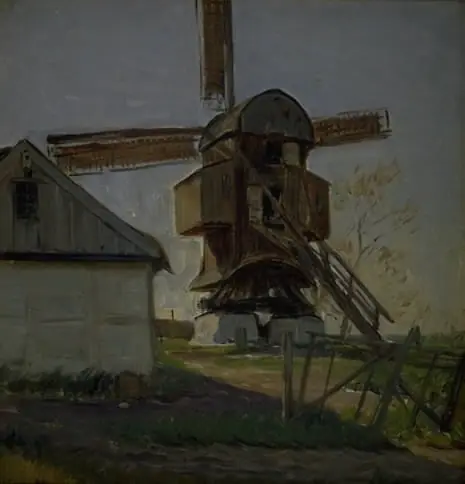 Stubmølle ved Køge
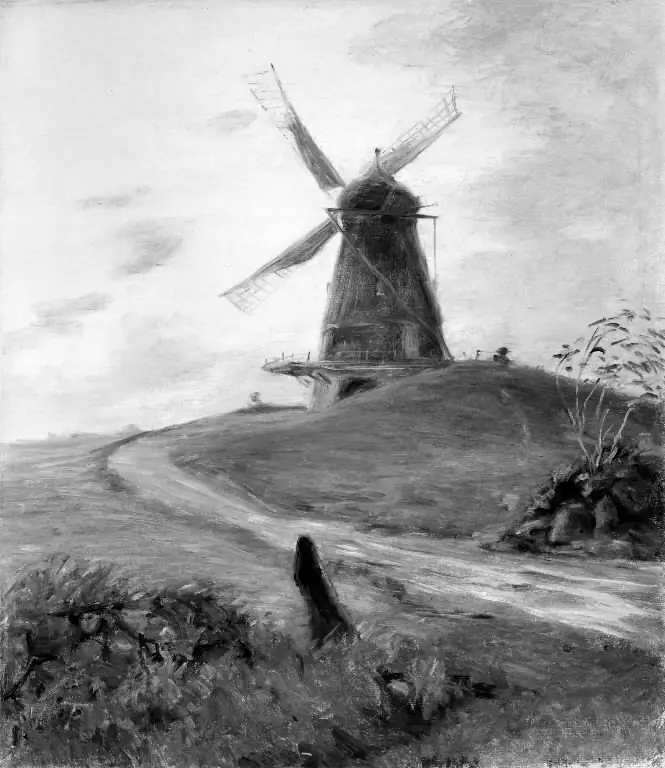 Kimmerlev Mill, Zealand. Sunset
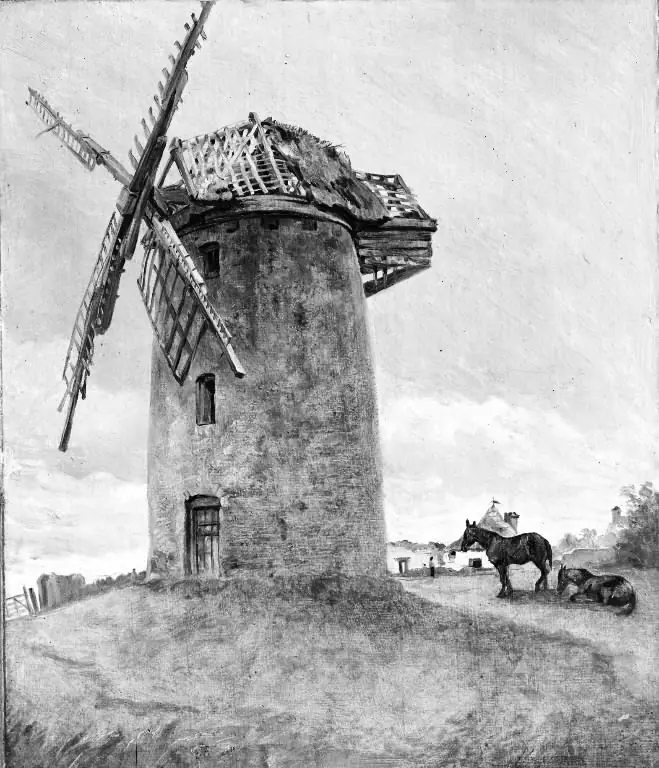 Study of a Windmill
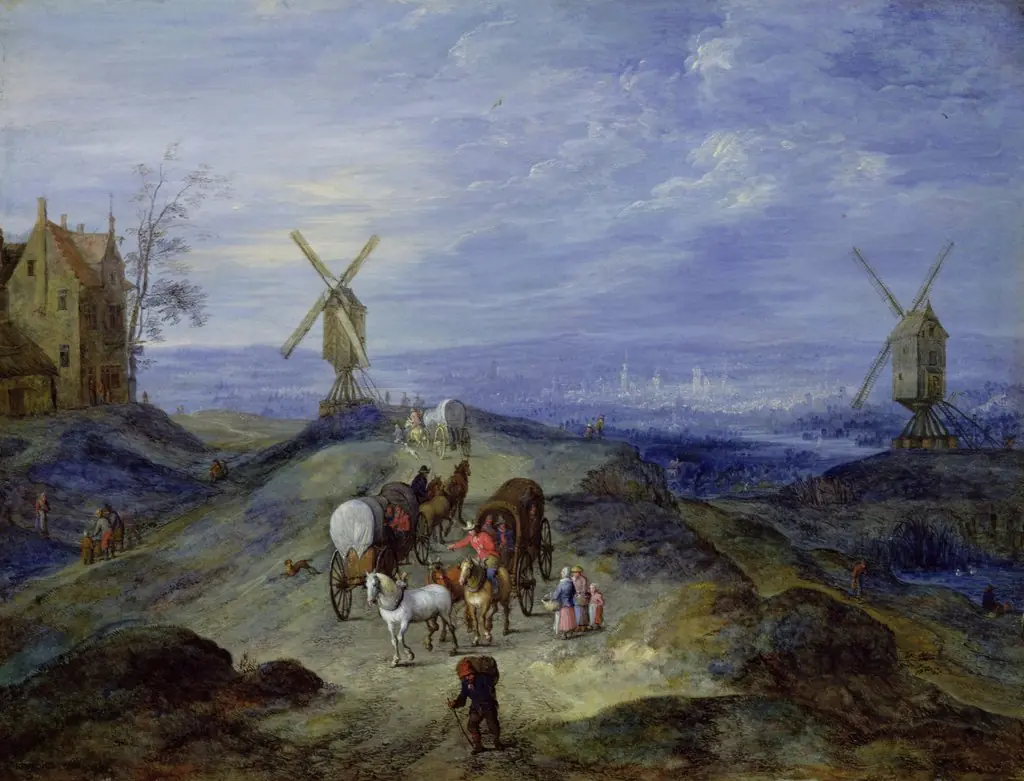 Landscape with two Windmills
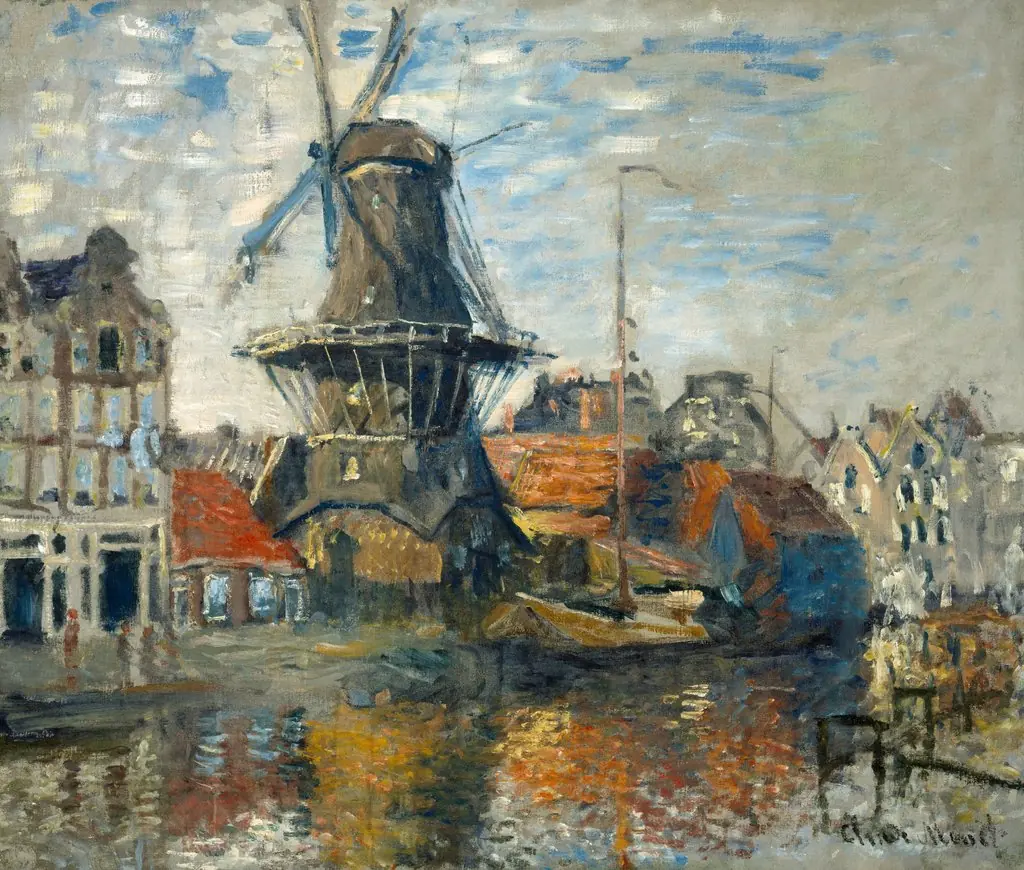 The Windmill on the Onbekende Gracht, Amsterdam
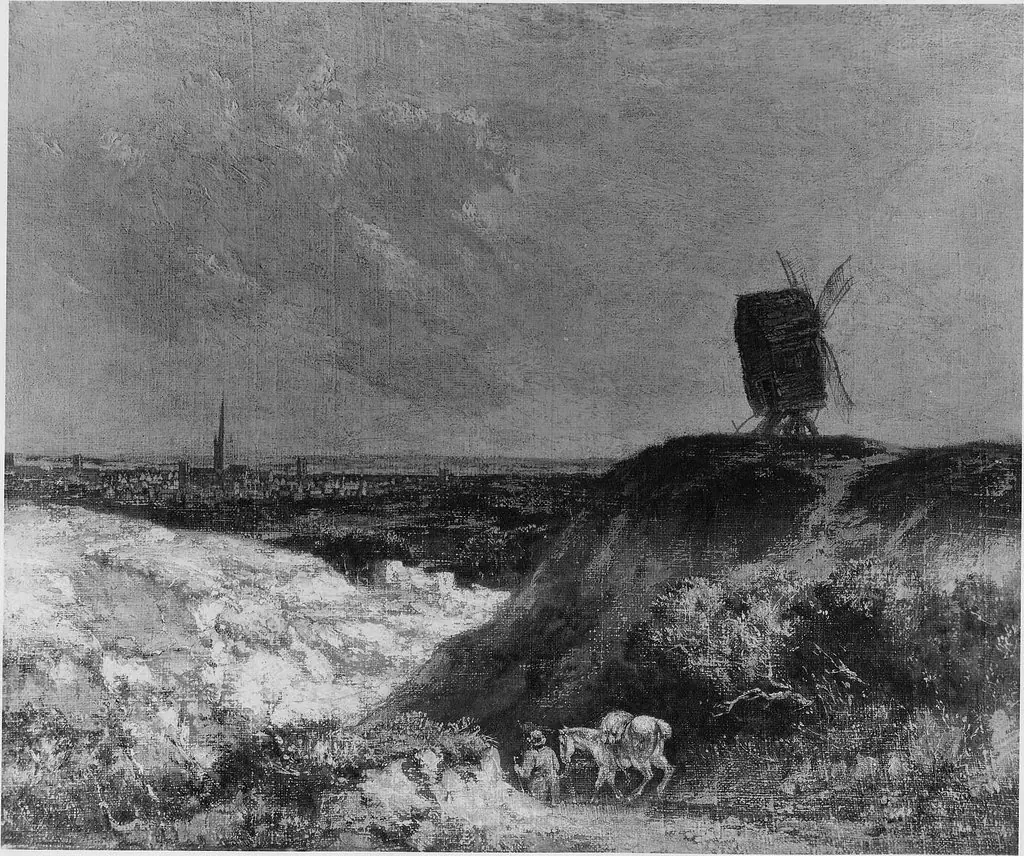 Windmill near Norwich
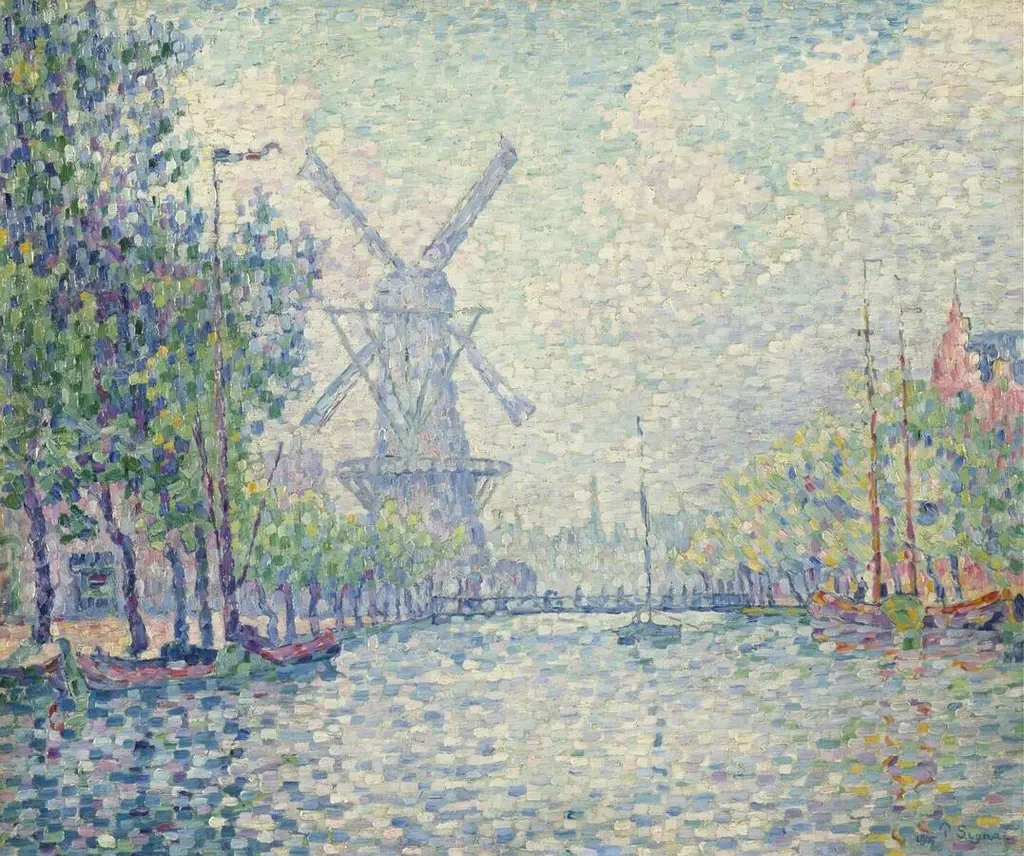 Rotterdam, the mill, the canal, the morning
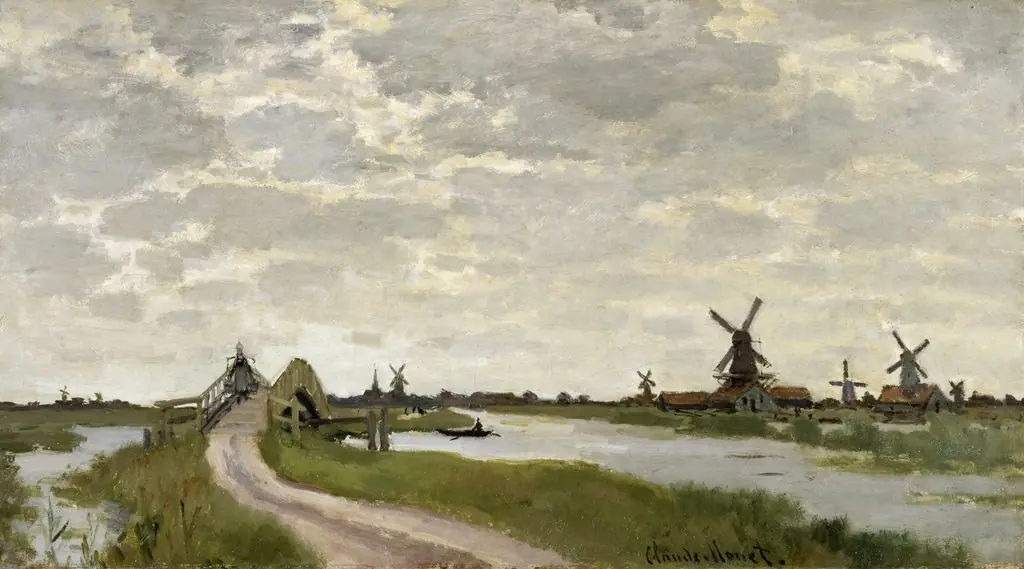 Windmills Near Zaandam
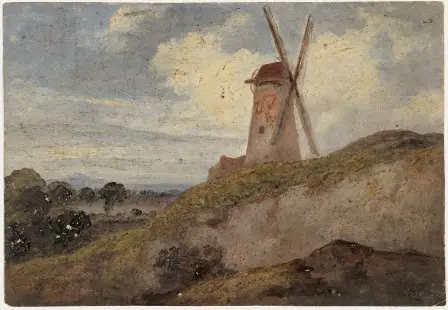 A Windmill; Woodland Glade (on reverse)
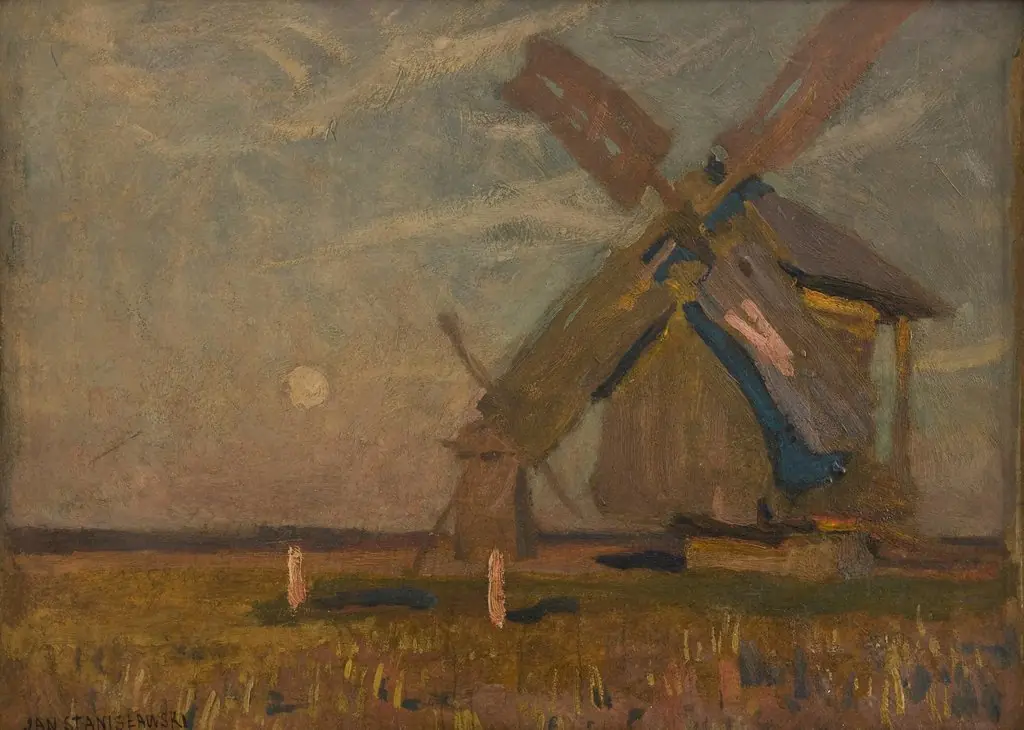 Landscape with Windmills
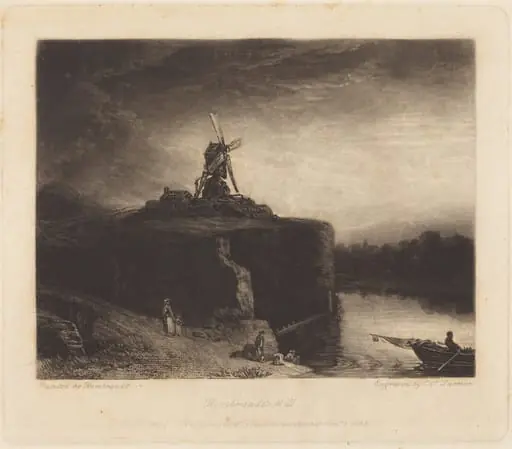 The Mill
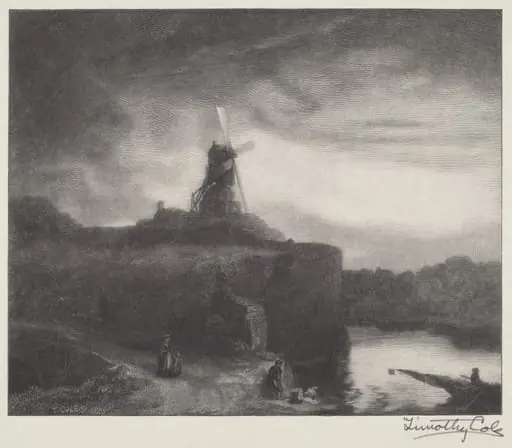 The Mill
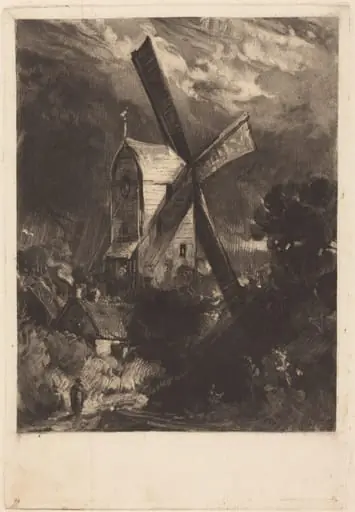 Mill near Brighton
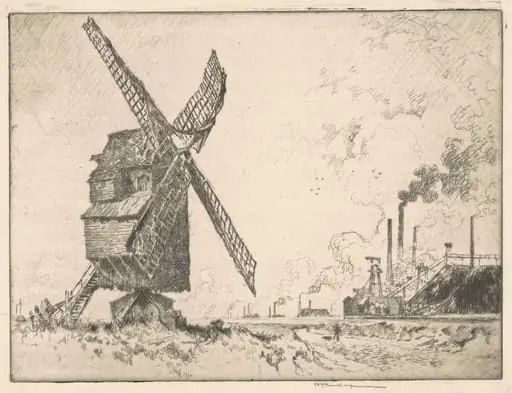 Old and New Mills, Valenciennes
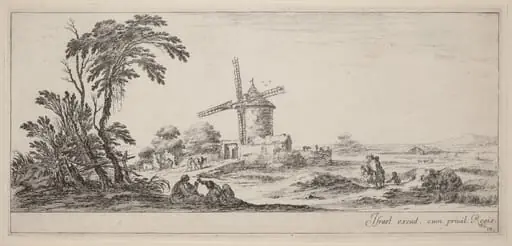 Landscape with Windmill
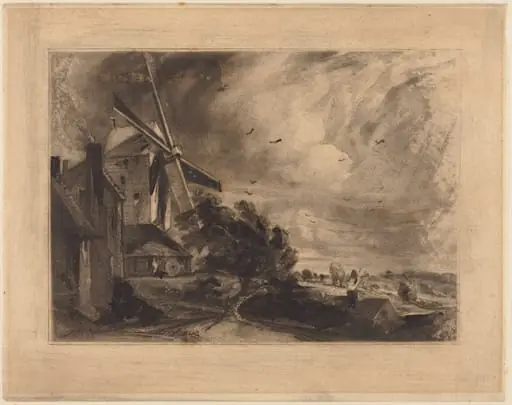 A Mill
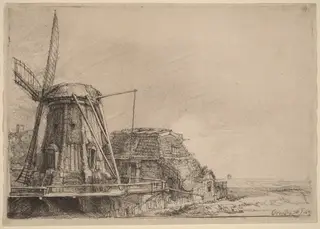 The Windmill
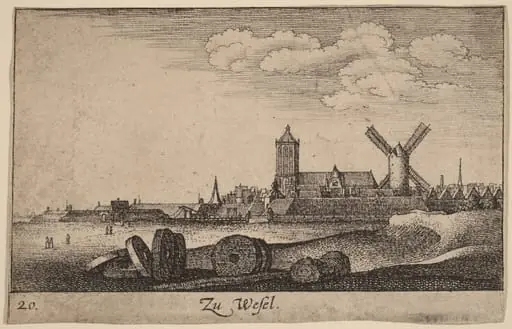 Wesel
Wesel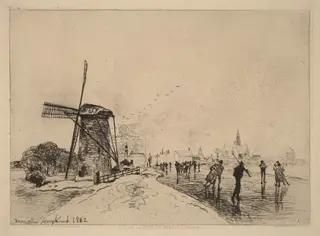 View of the Village of Maaslins (Vue de la ville de Maaslins (Hollande))
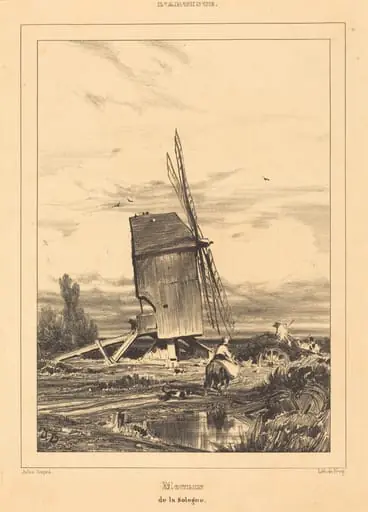 Mill of the Sologne (Moulin de la Sologne)
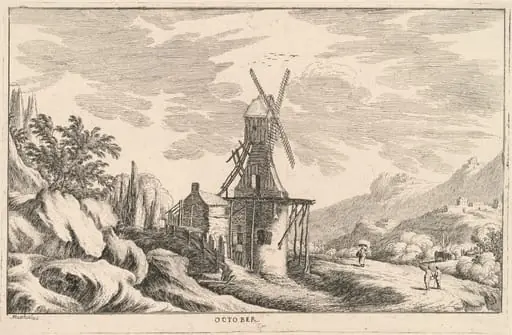 October
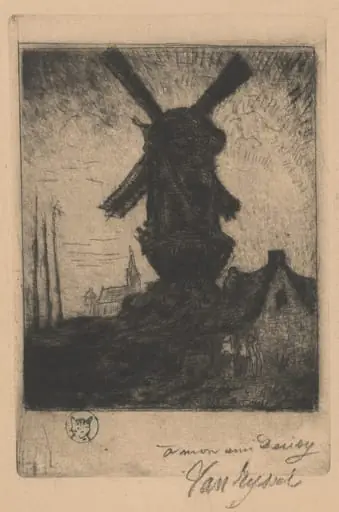 North Windmill in the Creuse Valley
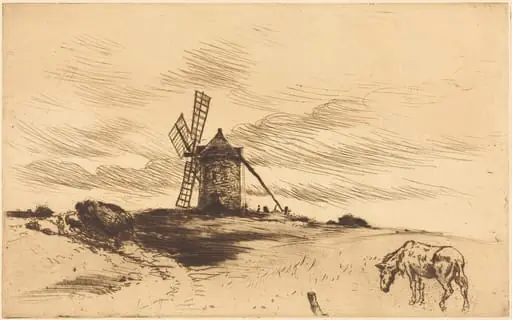 The Mill at Saint Jacut (Le moulin de Saint Jacut)
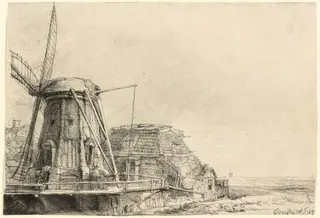 The Windmill
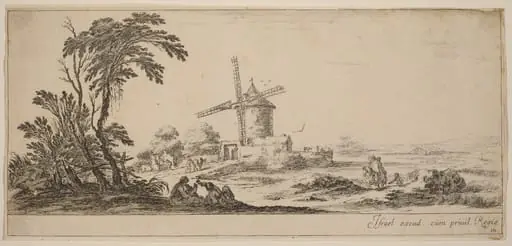 Landscape with Windmill
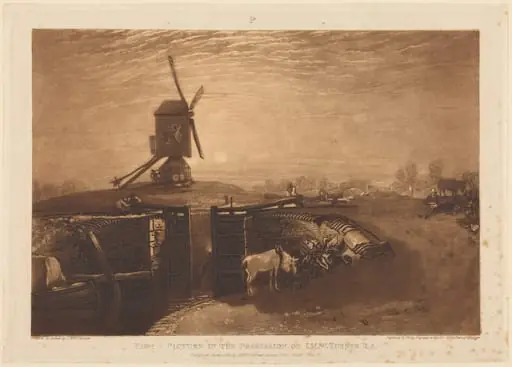 Windmill and Lock
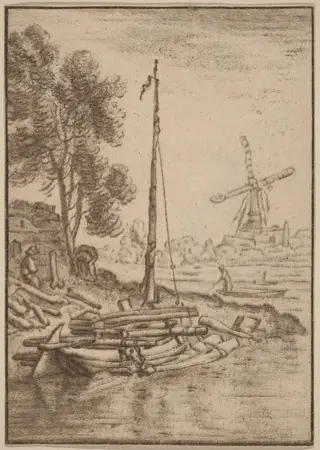 Winding River
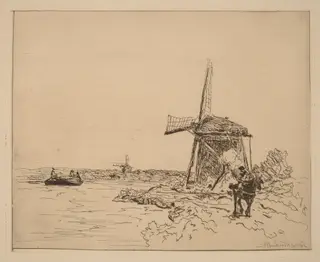 The Towpath (Le Chemin de Halage)
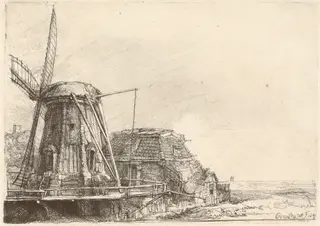 The Windmill
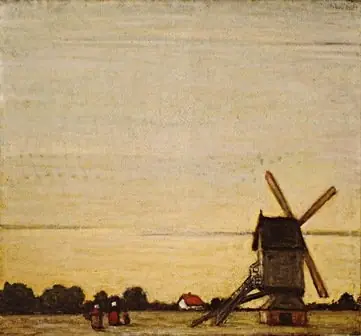 Het gouden ochtendgloren
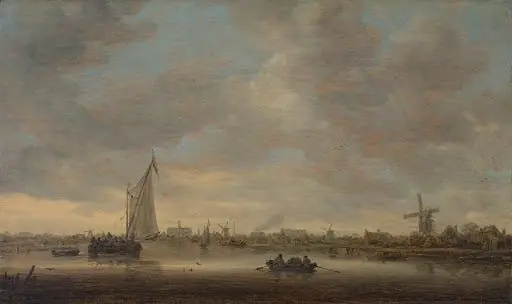 View over the Haarlemmer Meer
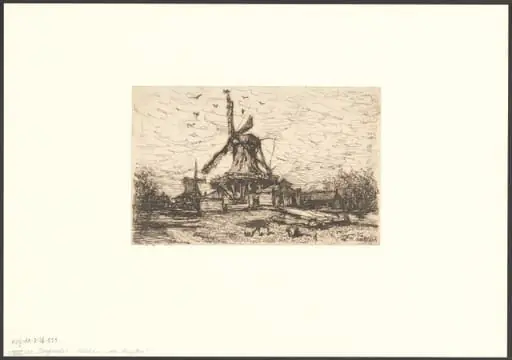 Untitled
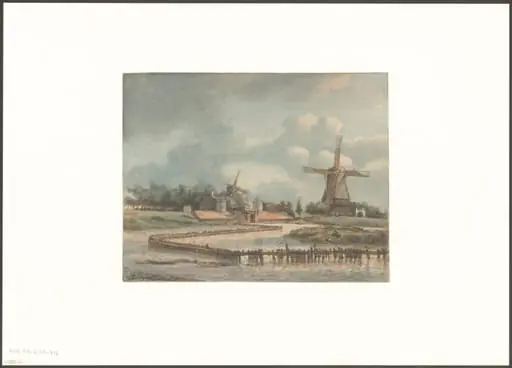 Untitled
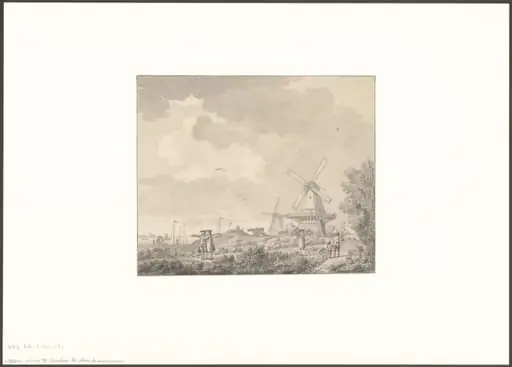 Untitled
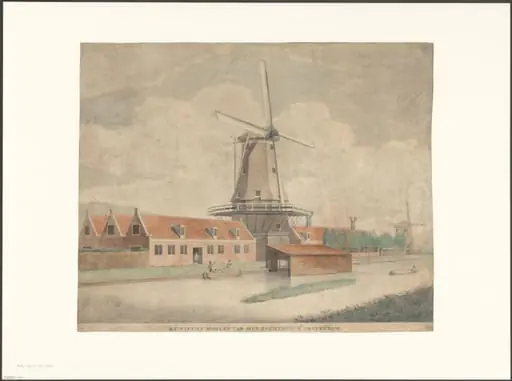 Untitled
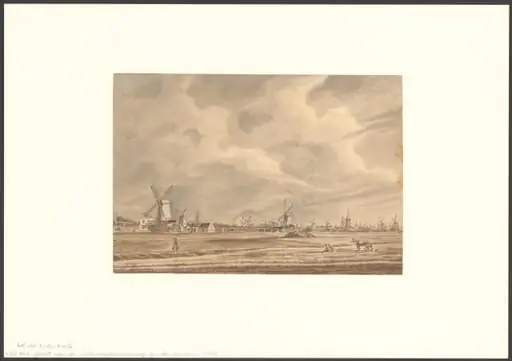 Untitled
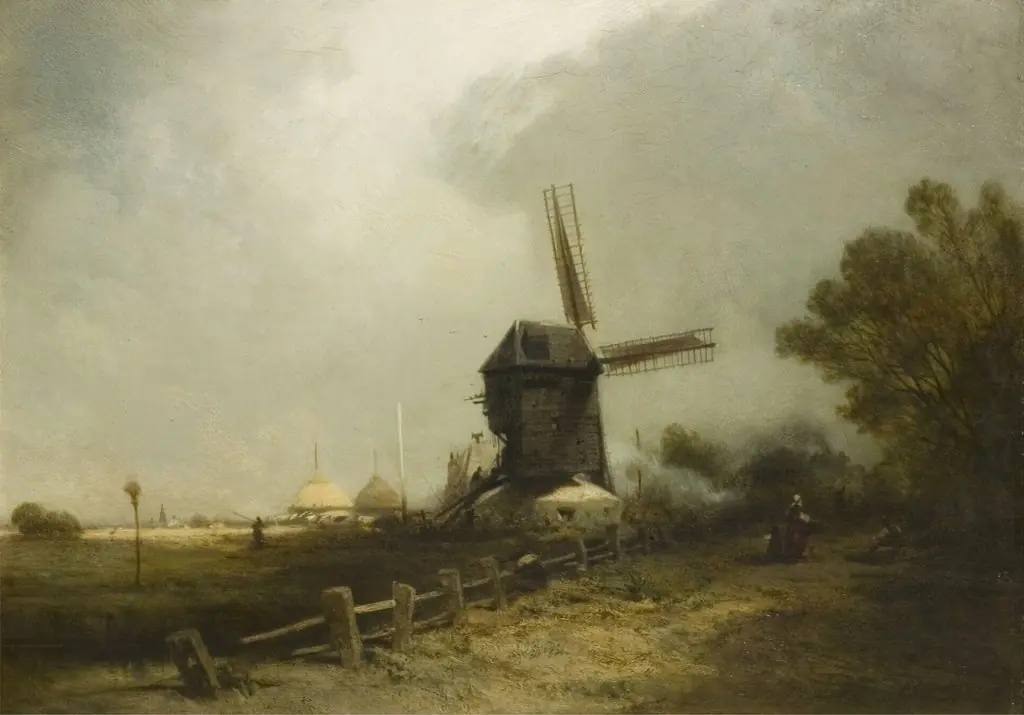 The Windmill
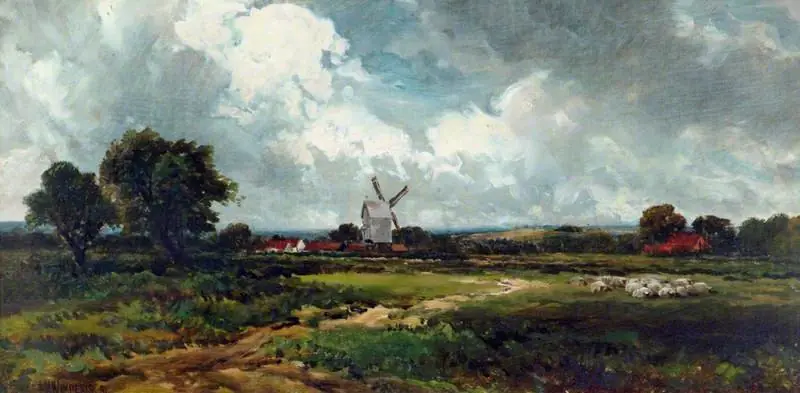 Landscape with a Windmill
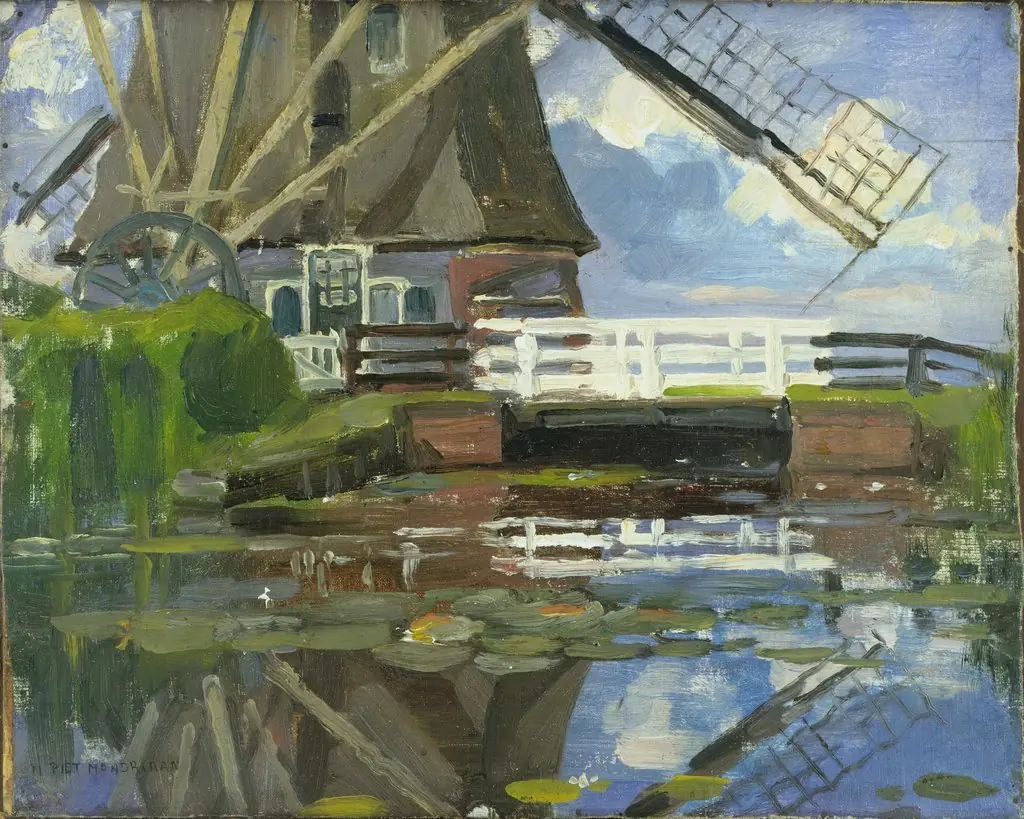 Truncated View of the Broekzijder Mill on the Gein Wings Facing West
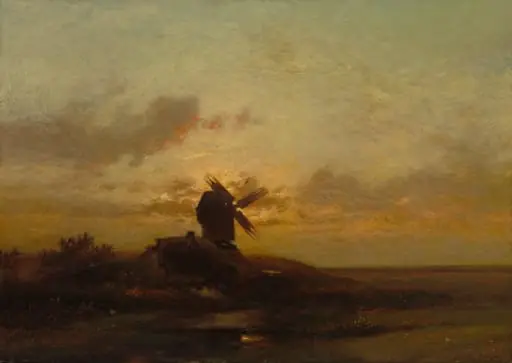 The Windmill
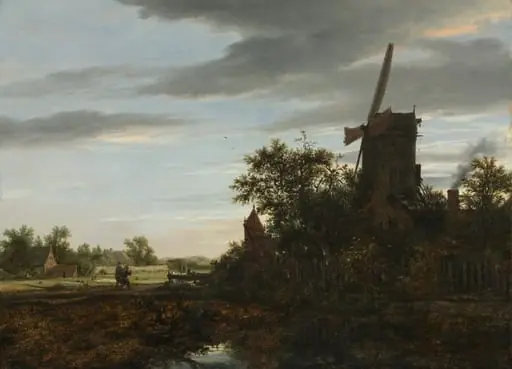 Landscape with a Windmill
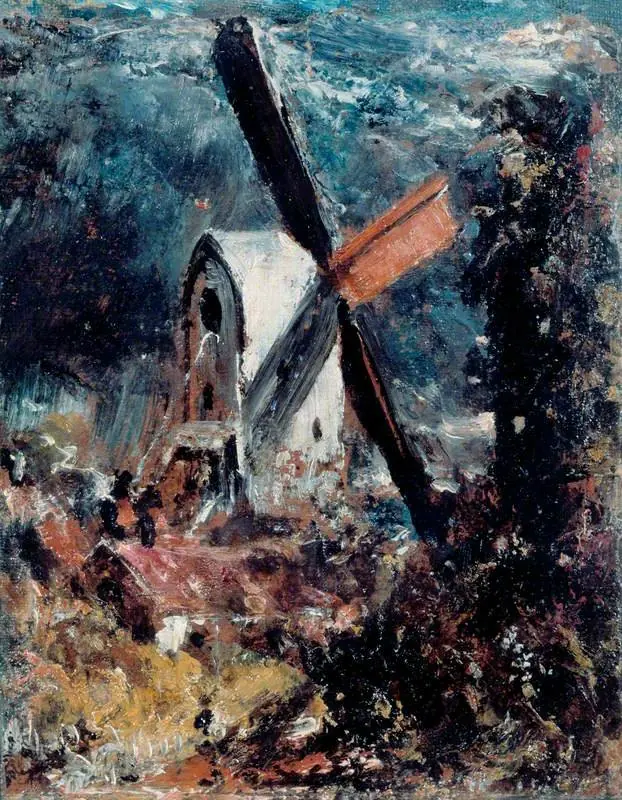 A Windmill near Brighton
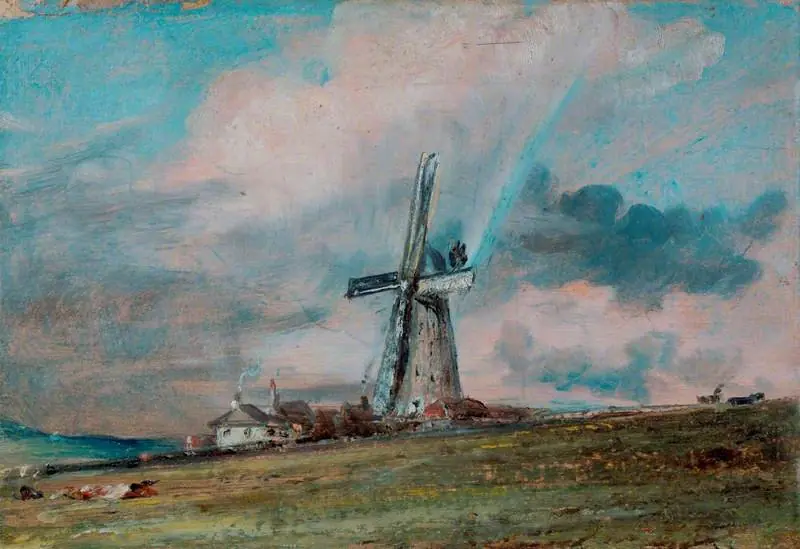 A Windmill on the Downs near Brighton
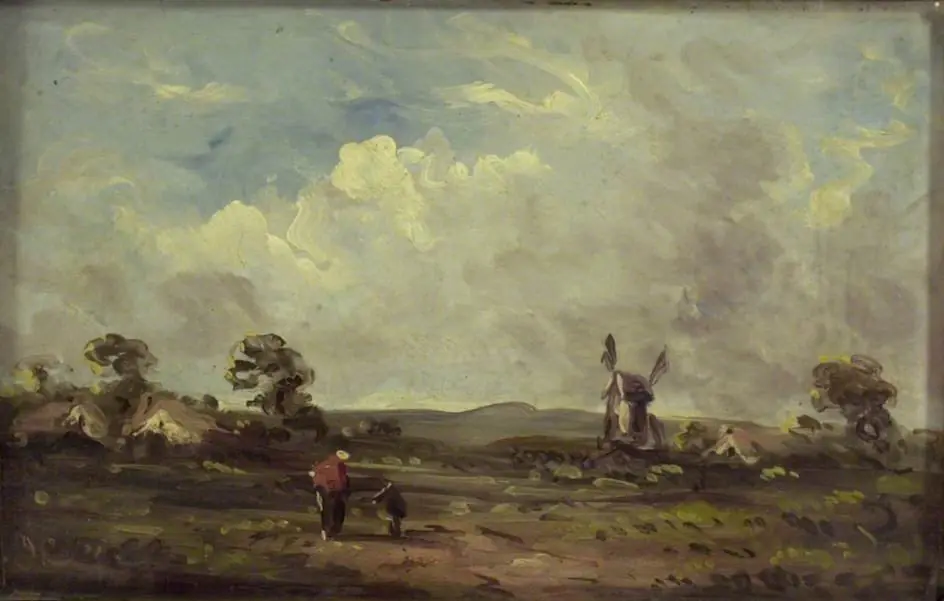 A View in Suffolk
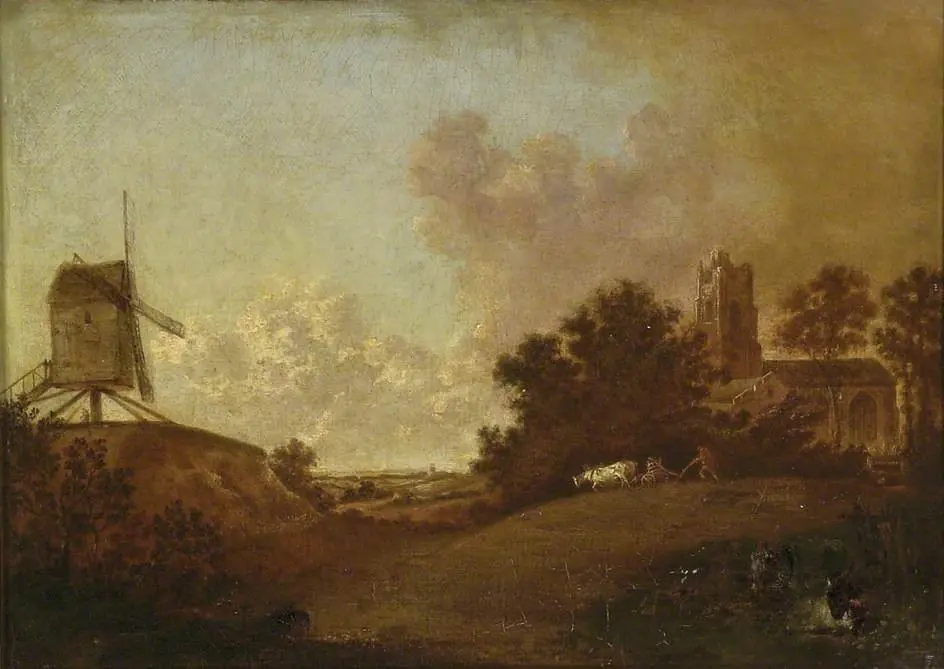 Old Orford Church and Mill, Suffolk
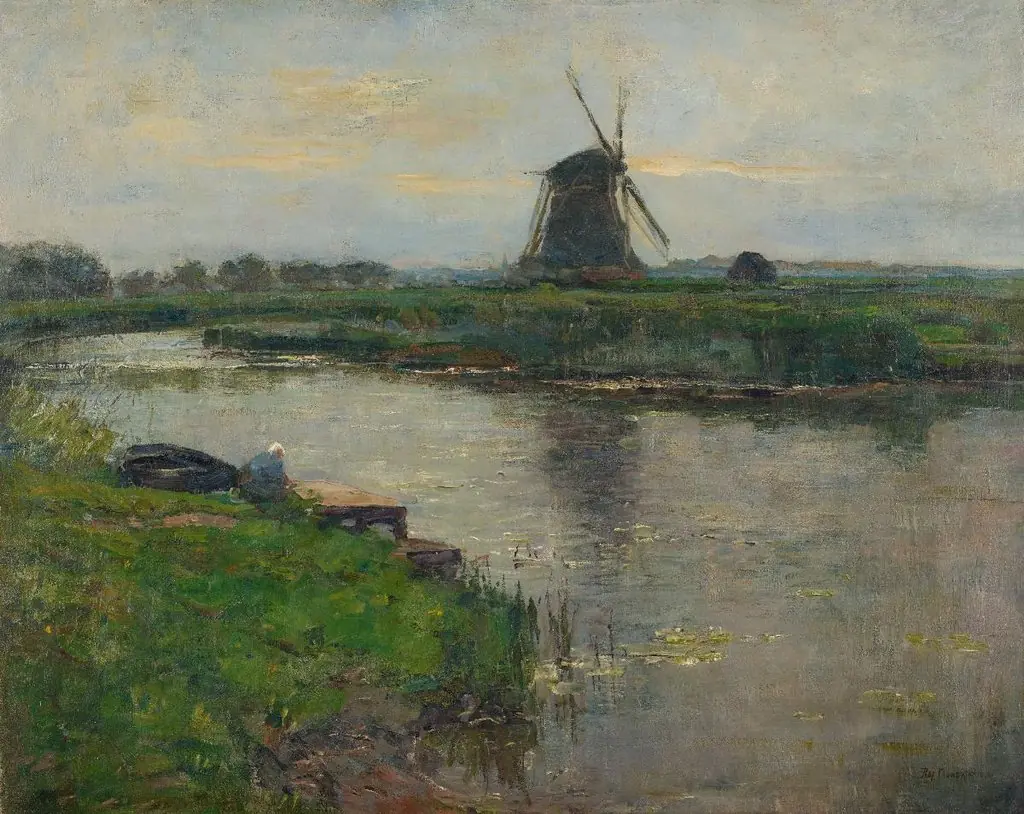 Windmühle an der Gein
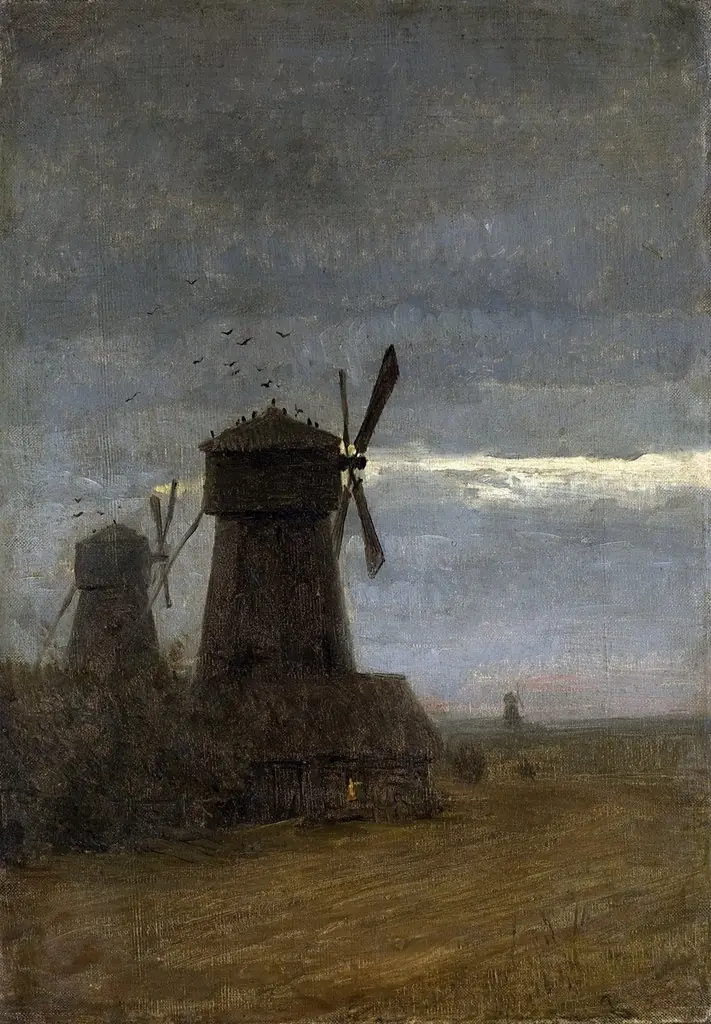 Sukarn, gavef nom
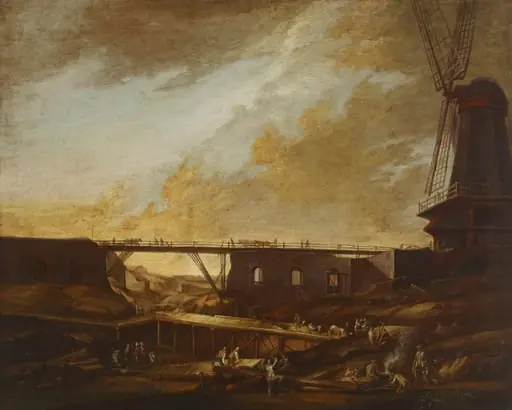 Suomenlinnan rakentamisen ajalta, Thunbergin mylly
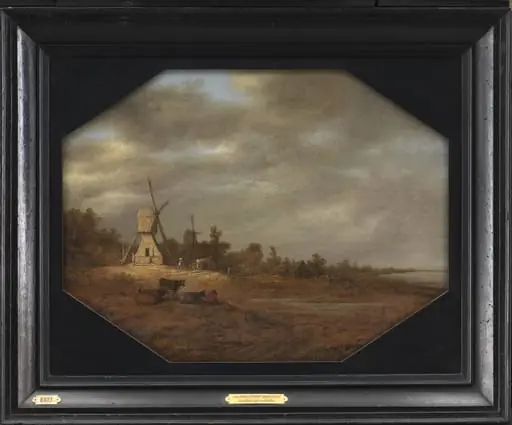 Landscape with Windmills
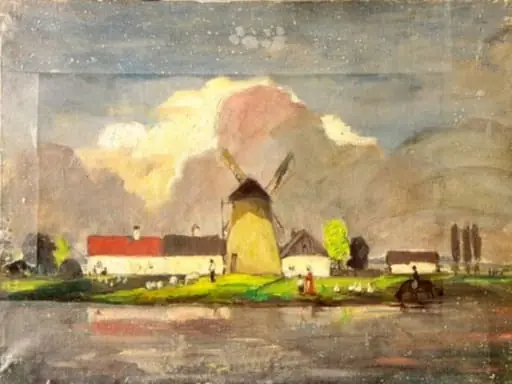 Peisaj cu o moară
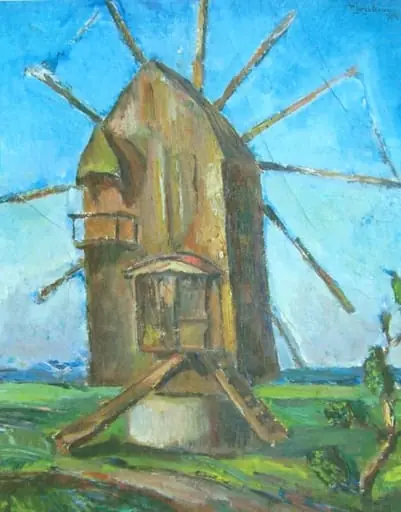 Moară de vânt
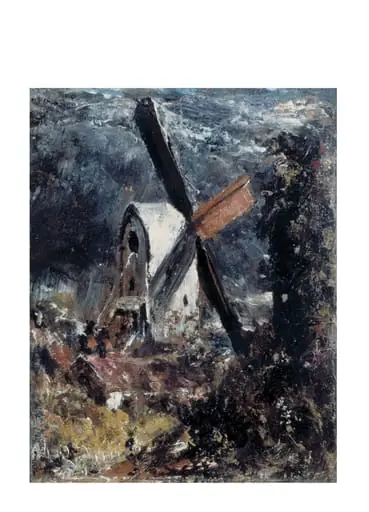 A Windmill near Brighton
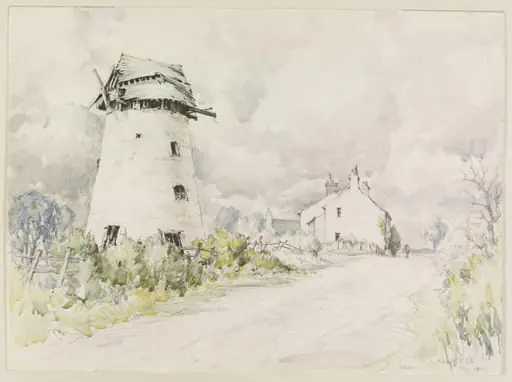 Windmill at Staining, near Blackpool
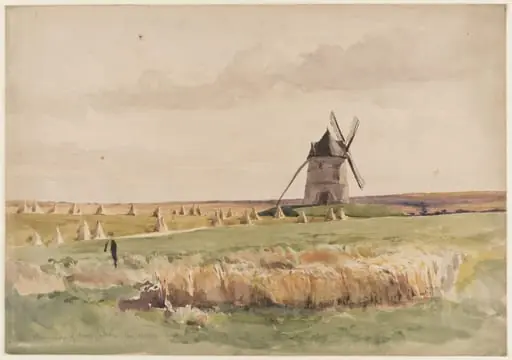 Untitled
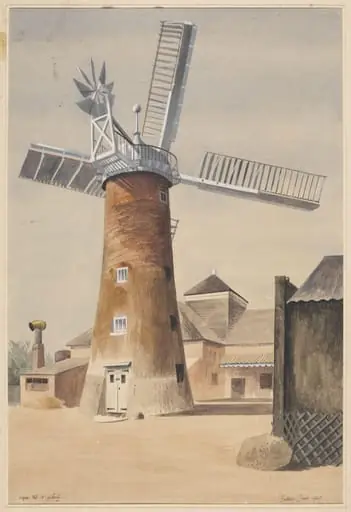 The Mill, Walpole Highway, near Wisbech
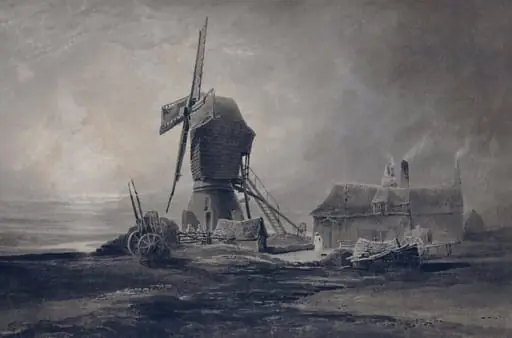 Old Windmill on Windmill Hill, Gateshead
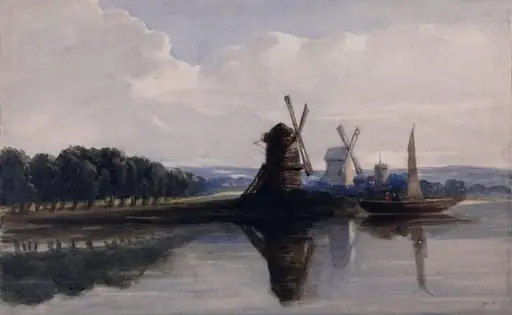 Windmills by a River
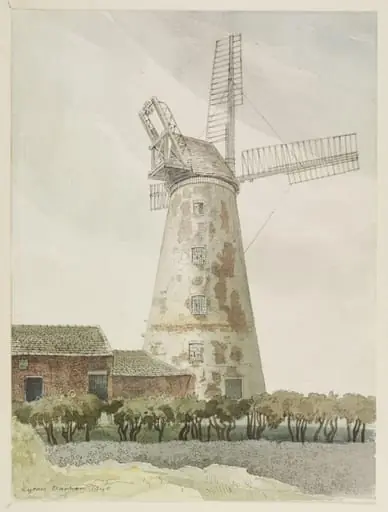 Clifton Mill, near Preston
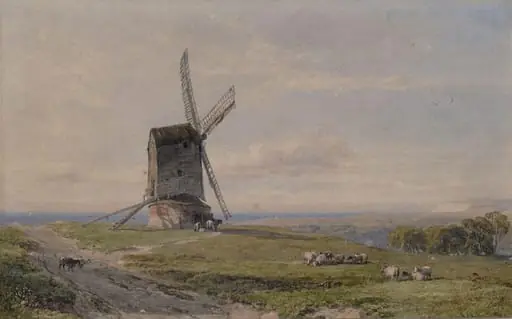 Old Windmill, near Eastbourne
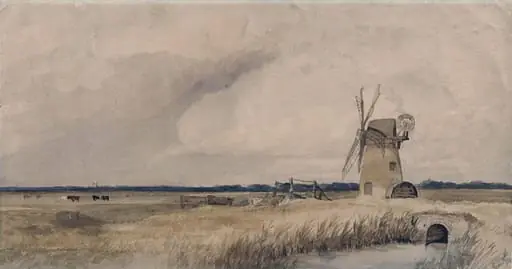 Landscape with windmill, stream and cattle
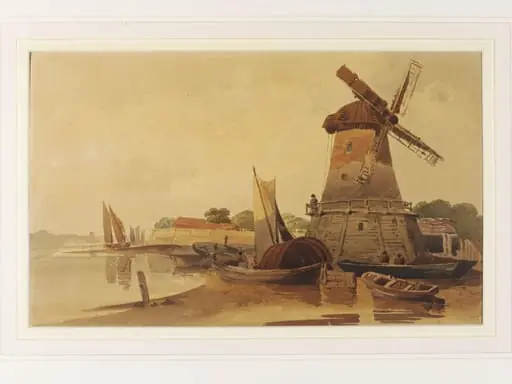 View on the Thames, with windmill and boats
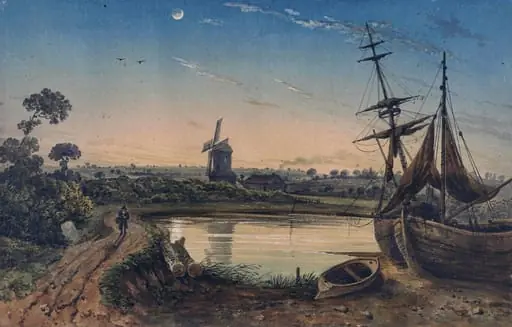 Near Rye, Sussex: Evening
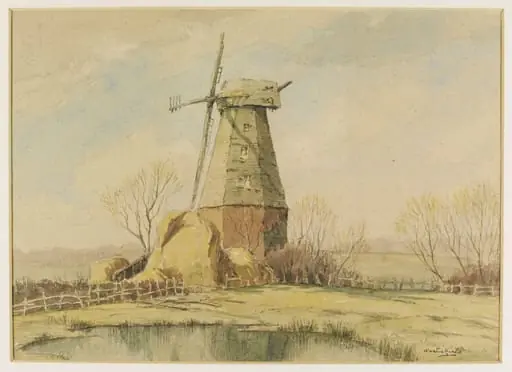 The Mill, Biddenden
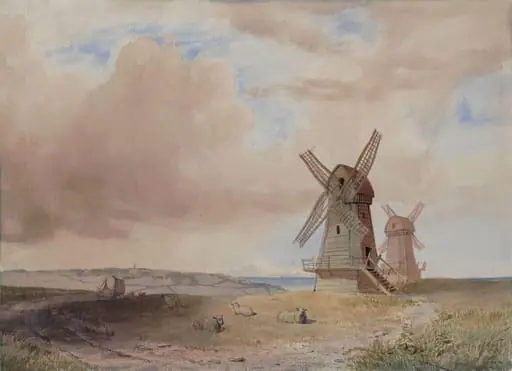 Landscape with Windmills
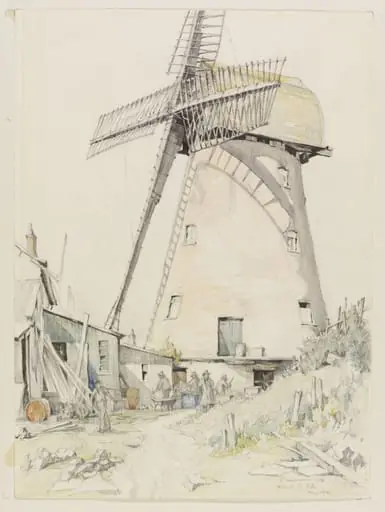 Windmill at Little Marton, near Blackpool
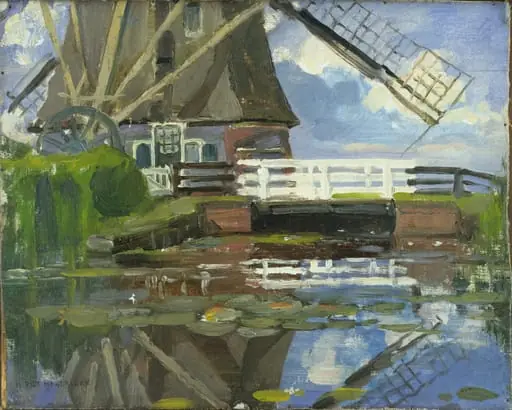 Untitled
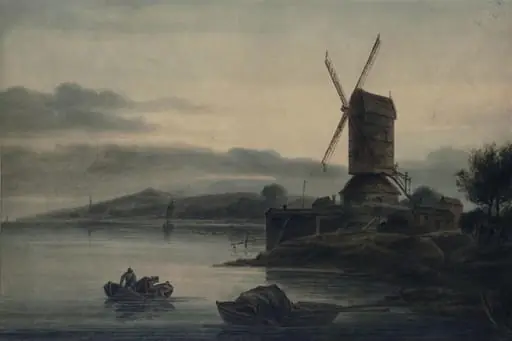 River scene with a windmill
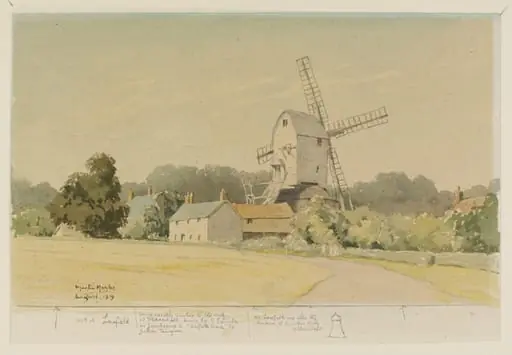 Laxfield Mill
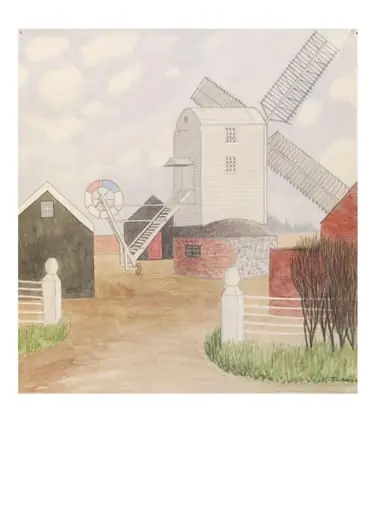 The Mill at Parham
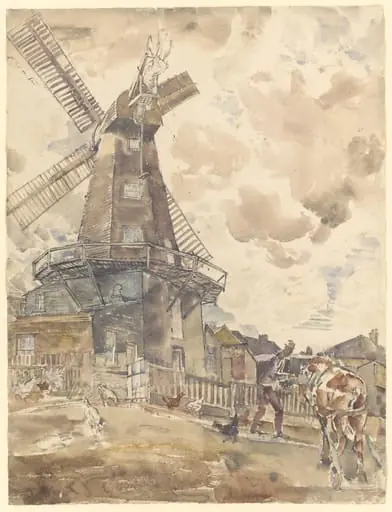 Delce Mill, Rochester
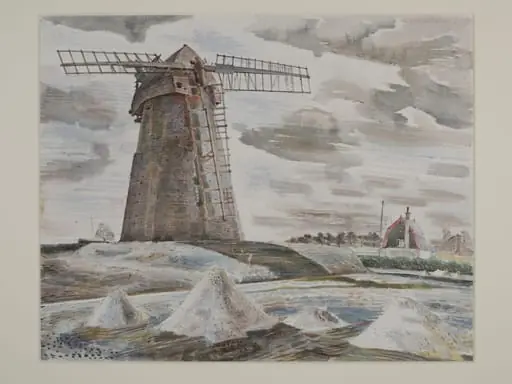 Gibraltar Tower Mill, Great Bardfield
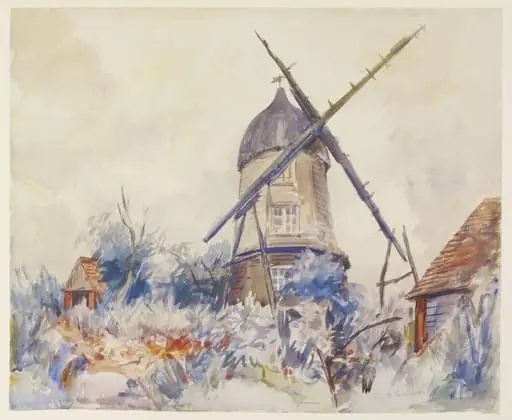 The Old Mill, Fingest
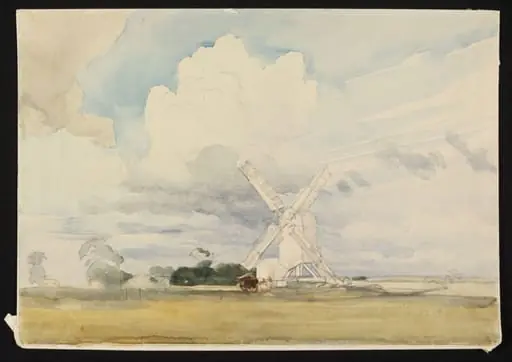 Nonington Mill
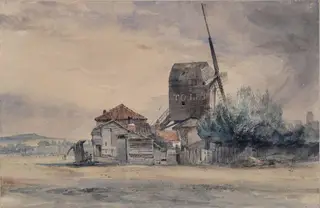 Windmill, Blackheath
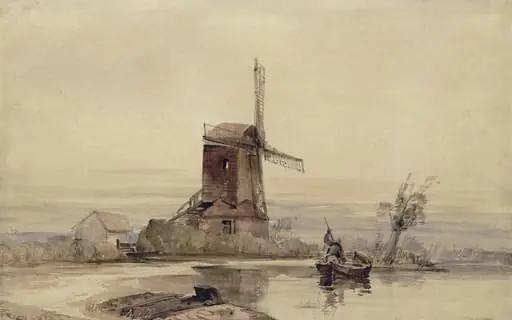 Old windmill by the side of a river, in the foreground a man in a boat
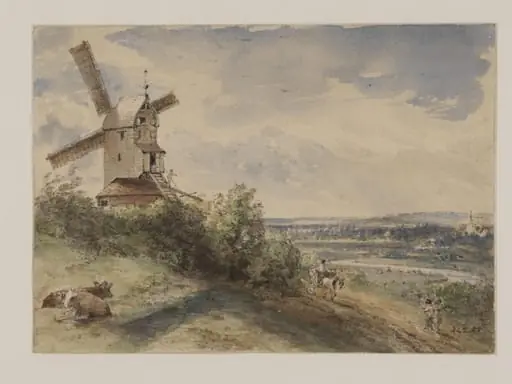 A windmill at Stoke, near Ipswich
Frequently asked questions
What is Windmill?
Windmill is a subject in art. A windmill is a machine operated by the force of wind acting on vanes or sails to mill grain (gristmills).
How many Windmill works does Artifact World Gallery have?
Artifact World Gallery holds 200 public-domain Windmill works, all free to view and download.
Who are the key Windmill artists?
Key Windmill artists in the collection include Jean Baptiste Camille Corot, Jean Léon Gérôme and Claude Monet.
Where can I see Windmill works?
Windmill works in the collection are held by Victoria and Albert Museum, National Gallery of Art and Rijksmuseum.