
Artist
Subject
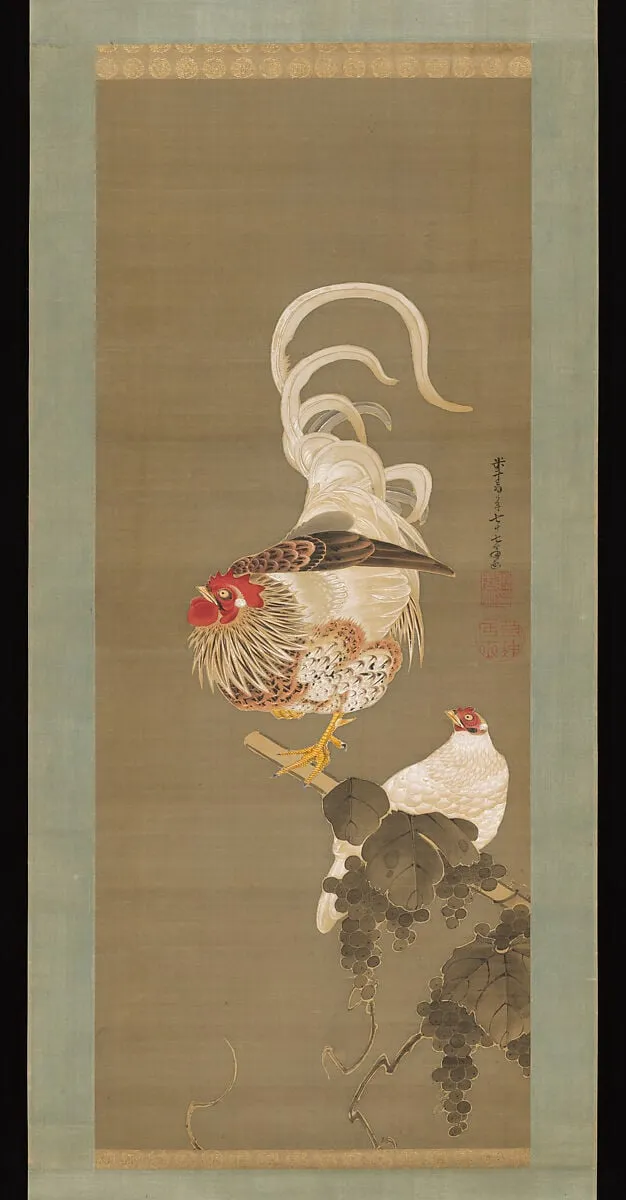
Rooster is a subject in art. The gallery holds 64 works in this subject in art, including works by Rembrandt van Rijn, Pieter Cornelisz. van Slingelandt and Gabriel Metsu.
Few barnyard animals carry as much symbolic weight in art as the rooster. The bird is the male of the domesticated chicken (Gallus gallus domesticus), bred from the red junglefowl of Southeast Asia some eight thousand years ago and carried westward along trade routes into Persia, Greece, and Rome. Because the cock crows at first light, ancient cultures across Eurasia read it as a solar emblem—a herald of dawn whose call dispelled darkness and the evil spirits that travelled with it. This association of the rooster with vigilance, courage, and the triumph of light over night underlies almost every later tradition that took the bird as a subject.
In Christian Europe the motif acquired a specifically moral charge. The Gospel account of Peter denying Christ three times "before the cock crows" made the rooster a sign of repentance, watchfulness, and the soul's awakening. According to tradition, in the ninth century Pope Nicholas I encouraged churches to be topped with a cockerel weathervane, and the weathercock duly became fixed atop steeples across France and beyond. A Latin pun—gallus meaning both "cock" and "inhabitant of Gaul"—helped the bird emerge in the Middle Ages as the Gallic rooster, France's enduring emblem of defiance and national pride.
The richest pictorial tradition, however, belongs to East Asia, where the rooster is a staple of the bird-and-flower genre (Japanese kachō-e, Korean hwajodo). Its supreme master is Itō Jakuchū (1716–1800), who kept dozens of fowl in his Kyoto garden and rendered them with near-theological precision in the thirty-scroll Colorful Realm of Living Beings (c. 1757–1766); our collection holds his Hen and Rooster with Grapevine. Korean hwajodo screens such as the anonymous Joseon-dynasty Golden Rooster and Hen paired the birds as auspicious symbols of marriage and fertility.
In the West the rooster recurs as game in Dutch still lifes—Willem van Aelst's Still Life with Dead Game—as combative spectacle in Jean-Léon Gérôme's The Cock Fight (1846), and as a vehicle for modernist energy in Pablo Picasso's charcoal and oil cockerels of 1938 and Constantin Brâncuși's soaring sculpture The Cock. Across these traditions the bird endures as a figure of dawn, pride, and untamed vitality.
Artist
The rooster, a fertile adult male chicken (Gallus gallus domesticus), ranks among the most frequently depicted domestic animals in art history, appearing in 90 works within this collection alone. Descended from the red junglefowl native to Southeast Asia and domesticated approximately 8,000 years ago, the rooster has transcended its agricultural origins to become a versatile artistic motif across cultures and periods. Its distinctive physical attributes, the prominent comb and wattles, iridescent plumage, and characteristic crowing behavior, have made it instantly recognizable and symbolically potent. The collection's holdings span diverse media and traditions, from East Asian ink paintings to European still lifes and religious scenes, reflecting the bird's global cultural presence and its capacity to carry multiple layers of meaning.
The rooster carries a remarkably dense cluster of symbolic meanings that have evolved across religious, cultural, and national contexts. In Christian iconography, the rooster serves as the traditional attribute of Saint Peter, referencing his triple denial of Christ and subsequent repentance, a meaning so established that roosters frequently appear carved on confessionals. The Dutch tradition additionally associates the rooster with vigilance and, through its use as Mercury's chariot-puller, with commerce and travel. The French Wikipedia source notes that the rooster's crowing before mechanical clocks functioned as a timekeeping device across Eurasia, even regulated by Ottoman law under Mehmed II. National symbolism has proven equally powerful: the Gallic rooster became an emblem of France, the rooster of Barcelos represents Portugal, and the bold rooster serves as the symbol of Wallonia. The bird also embodies fertility, masculinity, and in some contexts personified lust. Its territorial crowing and protective behavior toward hens translate visually into themes of guardianship and dominance.
The treatment of the rooster shifts markedly across artistic movements and cultural contexts. In East Asian traditions, particularly Chinese and Japanese painting of the Edo period and earlier, roosters appear within flower-and-bird painting genres, often paired with hens to symbolize conjugal harmony and prosperity. The Jakuchu work exemplifies the Japanese tendency toward meticulous observation combined with decorative patterning. European still life traditions from the seventeenth century onward treated dead game, including roosters, as vanitas motifs or demonstrations of painterly skill in rendering texture and feather. The Dutch Golden Age particularly excelled in this genre. Religious art from medieval through Baroque periods employed the rooster as narrative detail in Passion scenes or as standalone symbolic image. The collection's inclusion of a game piece with poultry suggests decorative and functional objects also carried the motif. Across these variations, the rooster moves from auspicious living symbol to hunted nature morte, from sacred attribute to national emblem, its treatment conditioned by cultural context and artistic purpose rather than any fixed iconographic rule.
The rooster's afterlife in visual culture extends far beyond these 90 collection works into pervasive national and popular iconography. The Gallic rooster remains among the most recognizable national animal symbols, its origins in ancient Roman wordplay on Gallus meaning both Gaul and rooster. The Barcelos rooster in Portugal and the Walloon bold rooster demonstrate how regional identities have claimed the bird. In sports, Tottenham Hotspur's cockerel emblem perpetuates the tradition of masculine vigor and territorial defense. The Dutch and broader European tradition of the weather vane, noted in sources, transforms the rooster's crowing at dawn into architectural function. Contemporary legal cases, such as that involving Maurice the rooster in Saint-Pierre-d'Oléron, demonstrate the bird's continued cultural presence and capacity to generate social conflict. The rooster's persistence across millennia of artistic representation, from ancient Asian ink traditions to modern national branding, testifies to its unique combination of visual distinctiveness, behavioral charisma, and symbolic adaptability. The collection's 90 works constitute a significant archive for tracing this enduring motif across cultures and purposes.
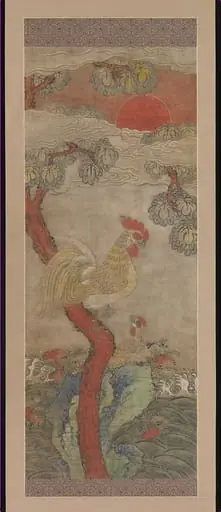 작자미상 화조도 조선|作者未詳 花鳥圖 朝鮮|Golden Rooster and Hen
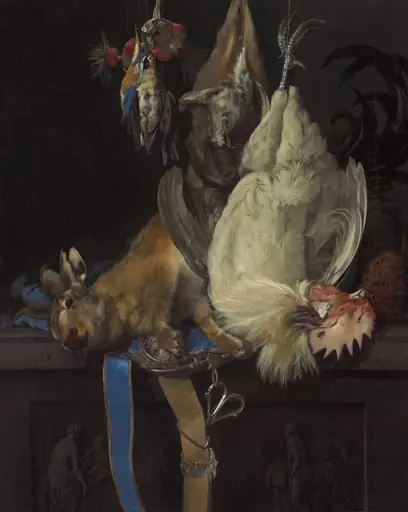 Still Life with Dead Game
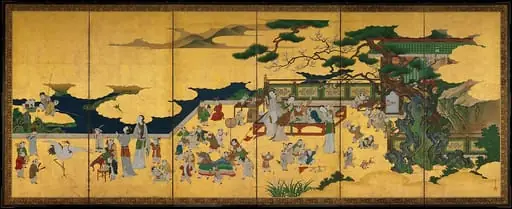 狩野永納筆 唐子遊図屏風|One Hundred Boys
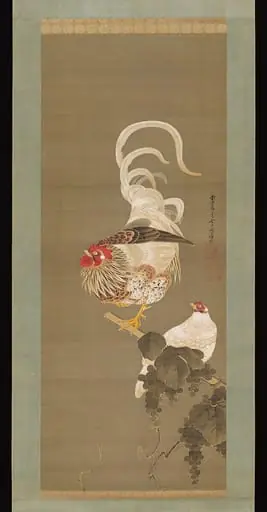 伊藤若沖筆 葡萄双鶏図|Hen and Rooster with Grapevine
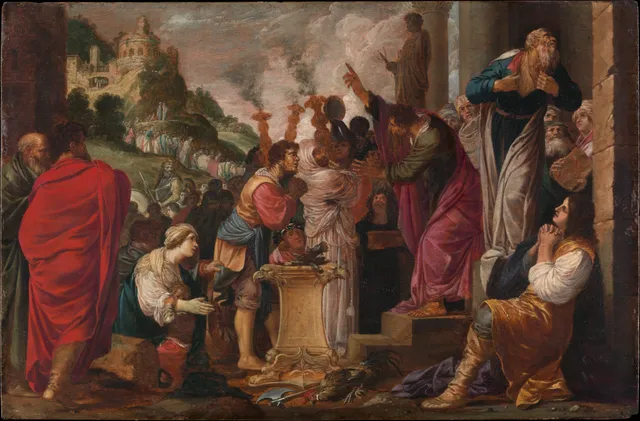
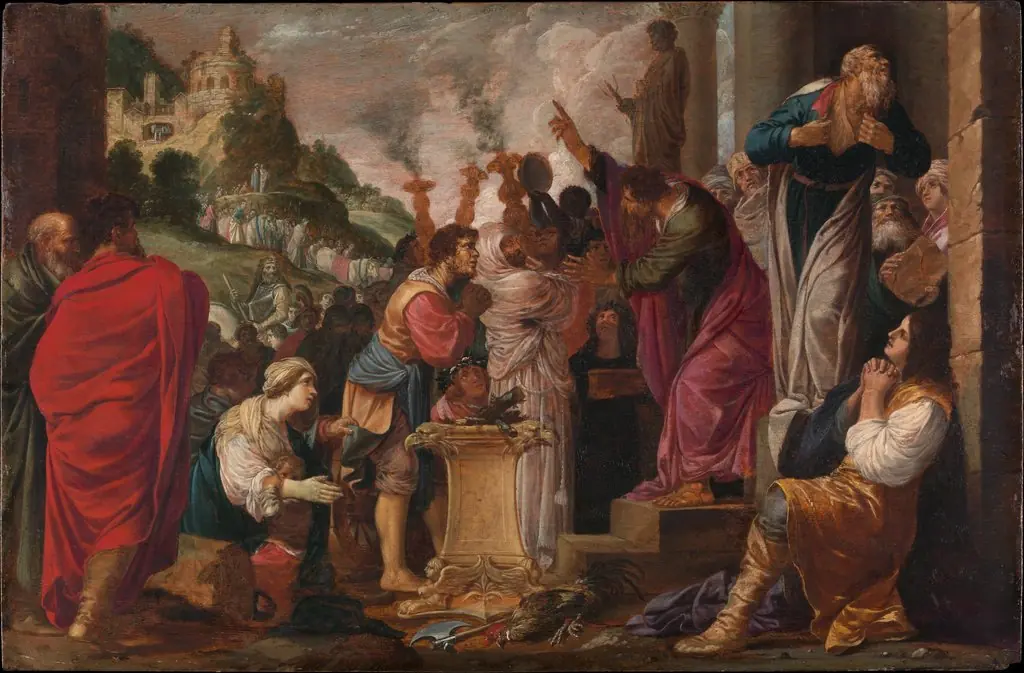 Paul and Barnabas at Lystra
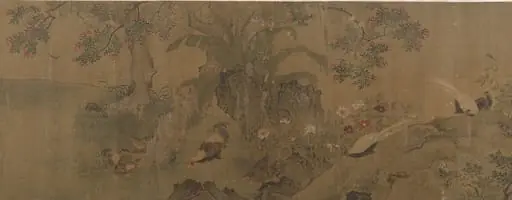 Untitled
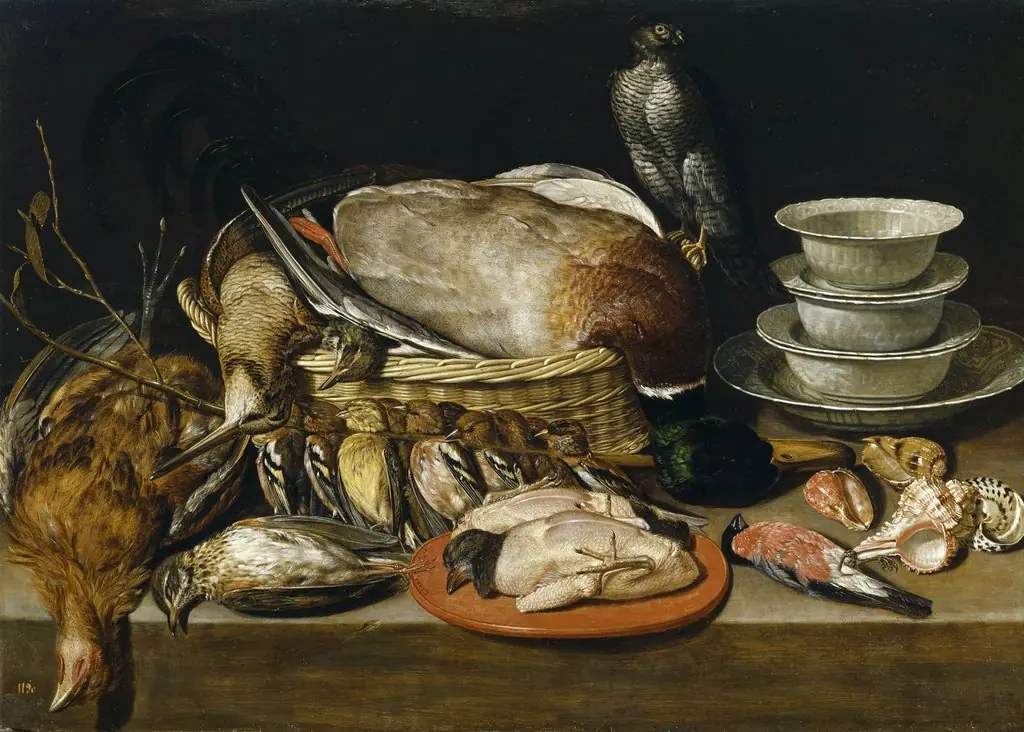 Game piece with poultry
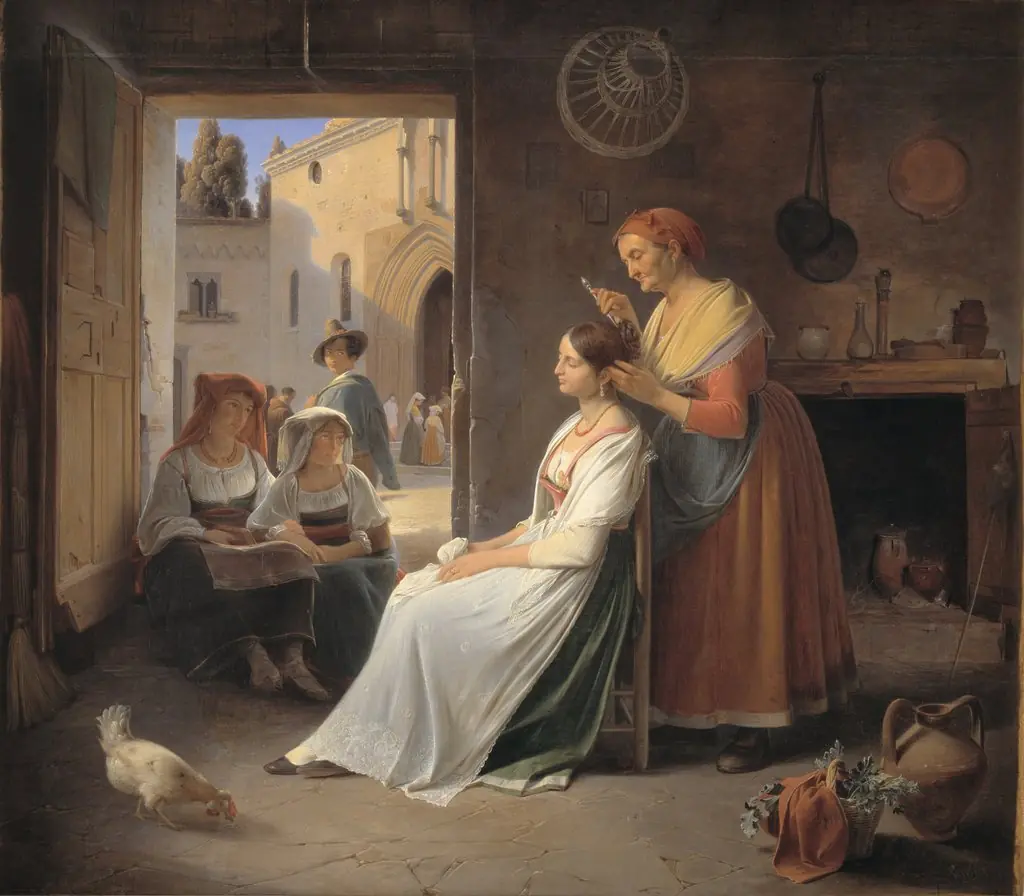 A Young Italian Woman being Adorned by her Mother
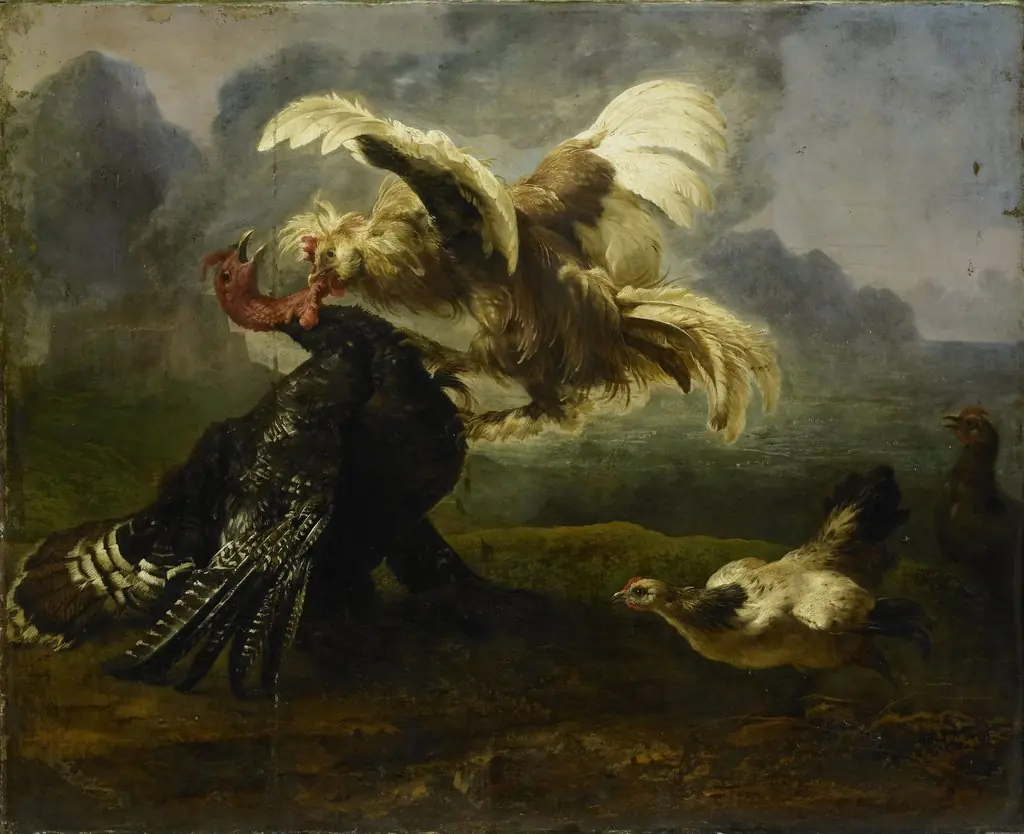 Birds fighting
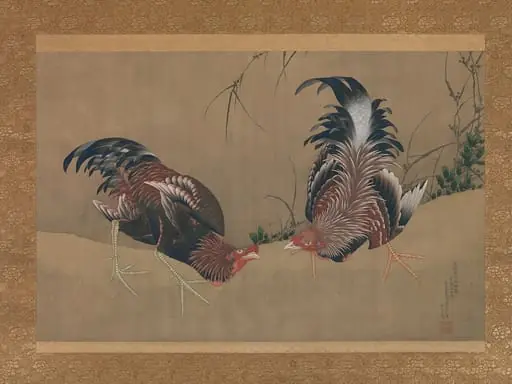 軍鶏図|Gamecocks
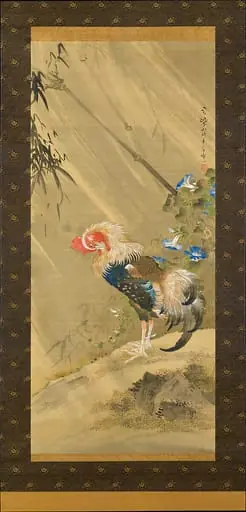 宋紫山筆 嵐に鶏図|Rooster in a Storm
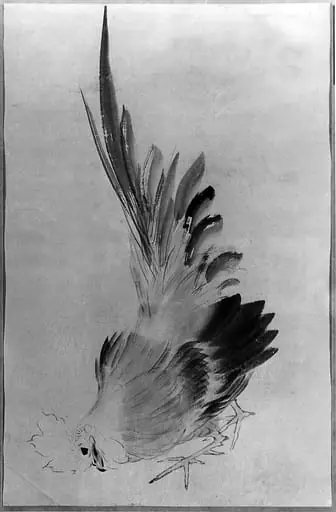 Untitled
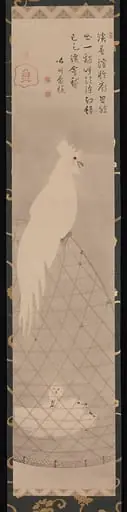 白鶏図|Rooster, Hen, and Chicks
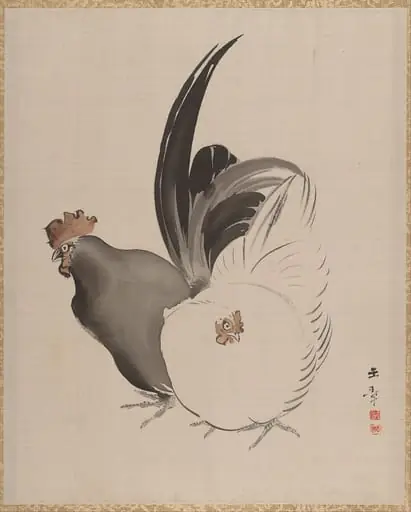 Untitled
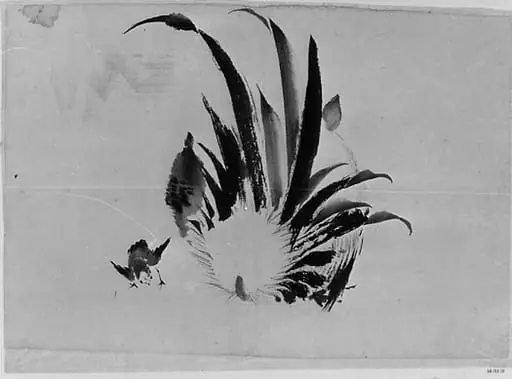 Untitled
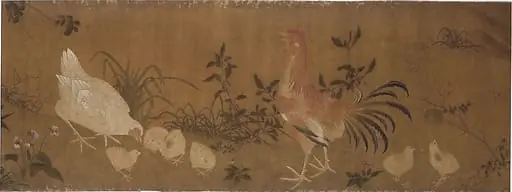 Untitled
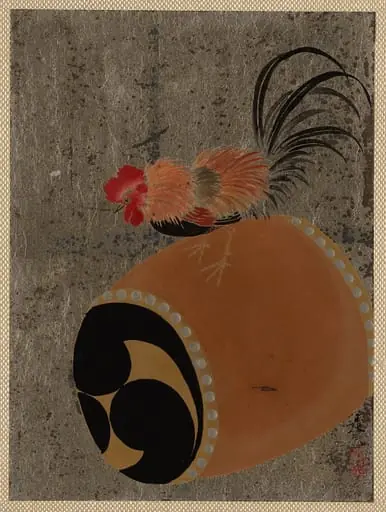 Untitled
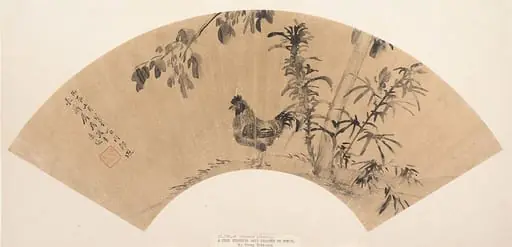 明 程嘉燧 園鷄圖 扇|Landscape with Chicken
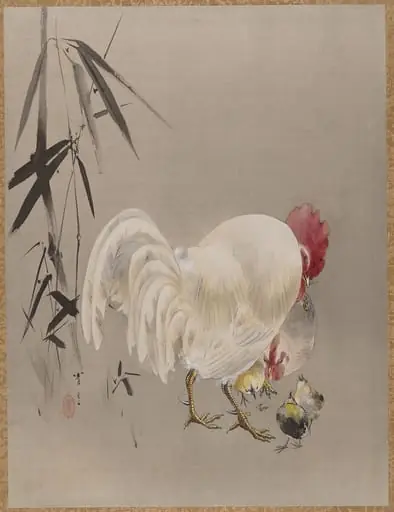 Untitled
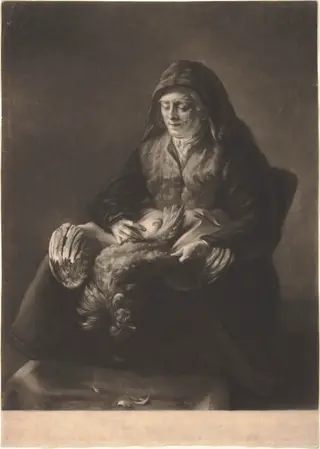 Woman plucking a fowl
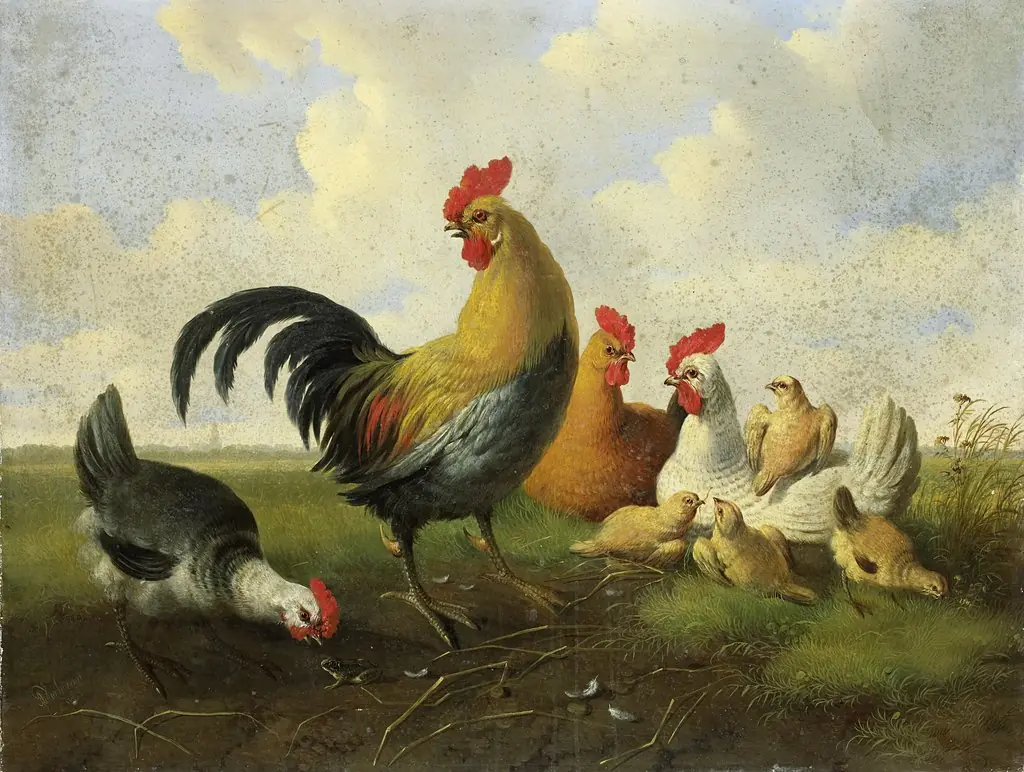 A rooster with Hens and Chicks
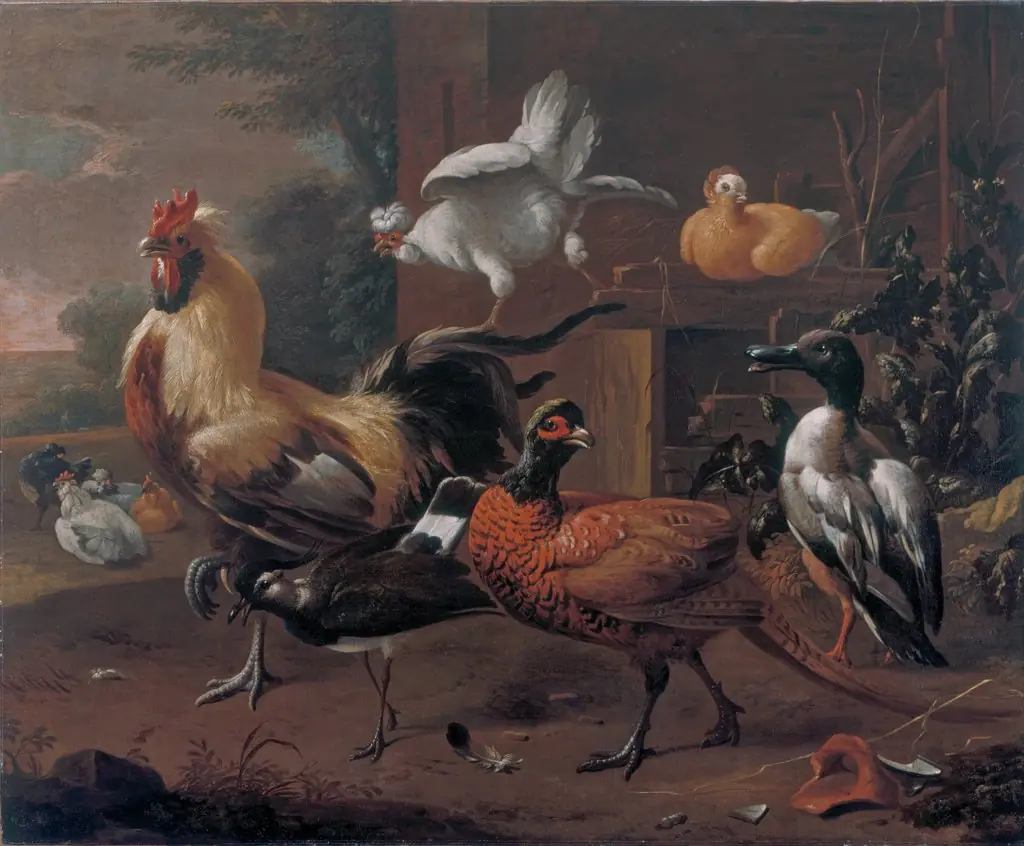 Poultry-yard
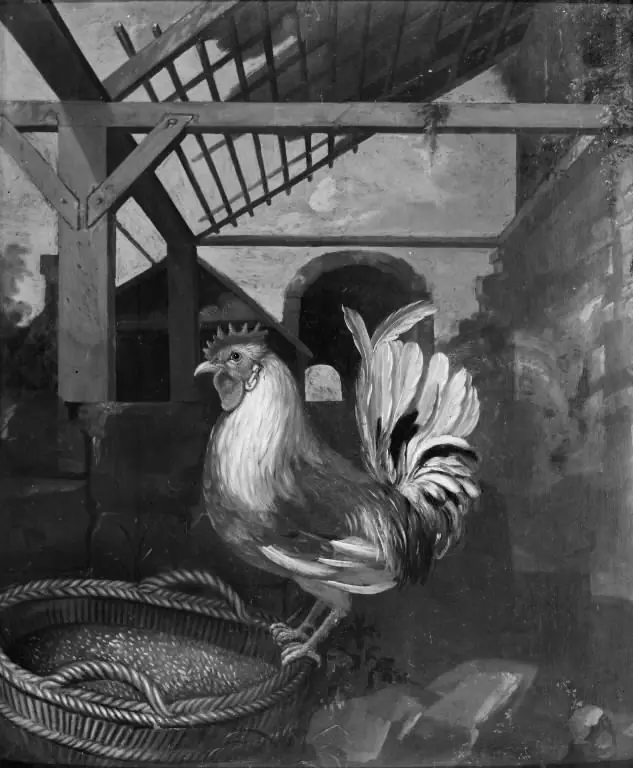 En hane sidder på en kurv fyldt med korn i stald, bag ved blå himmel
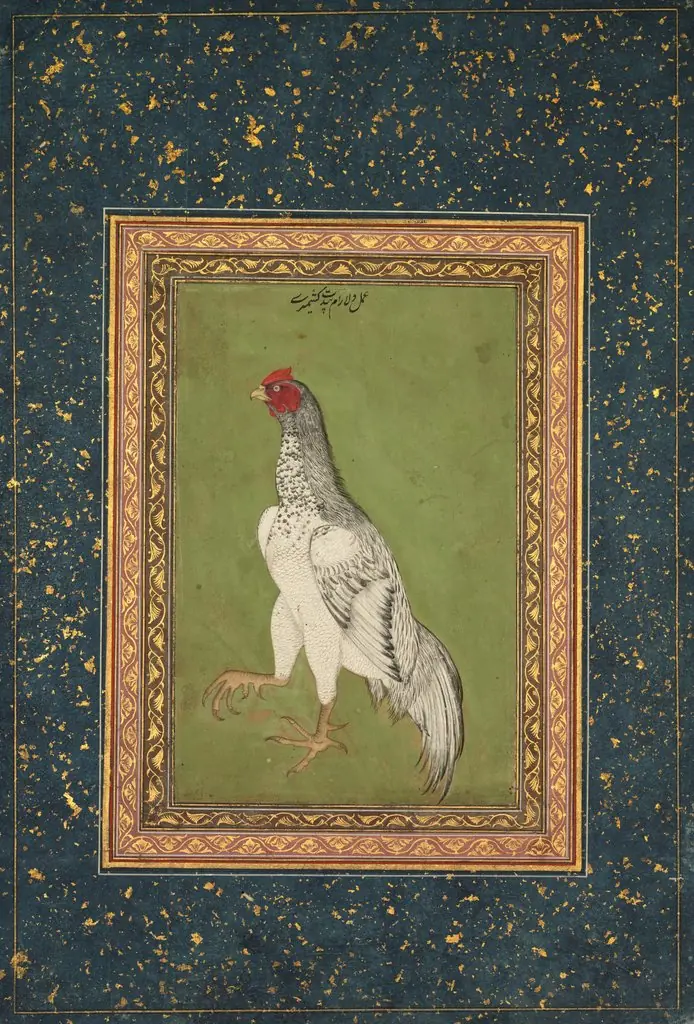 Rooster
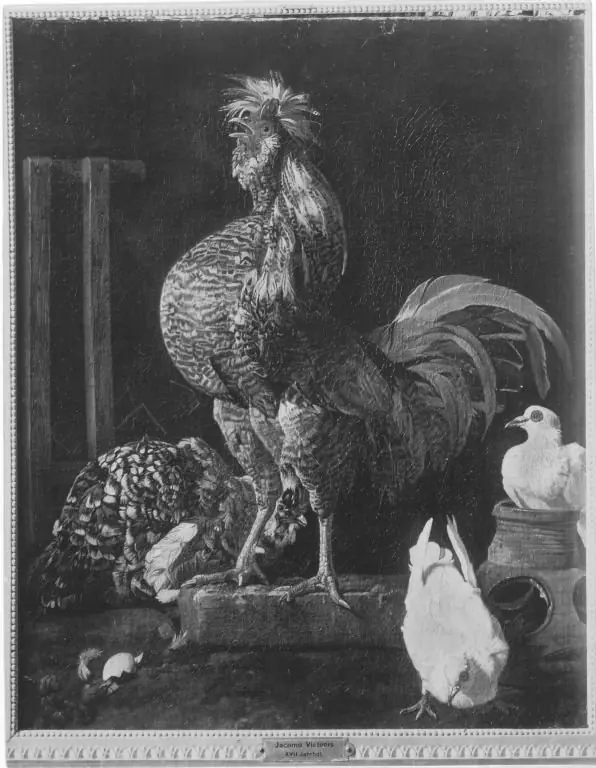 Rooster, Hen and Pigeons
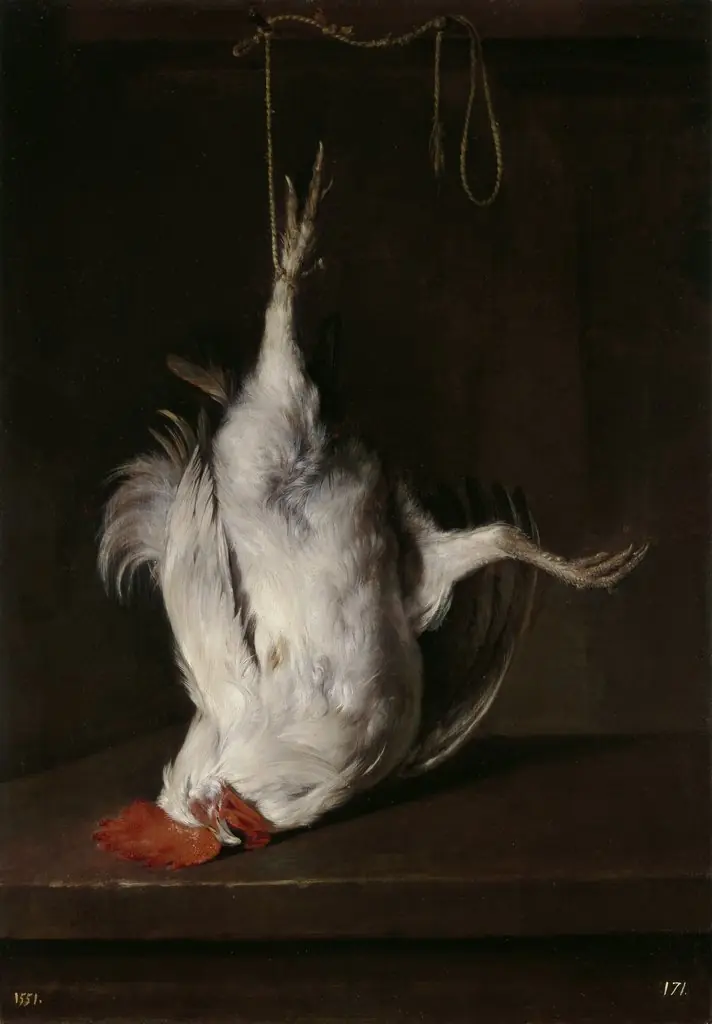 Dead Cockdkg
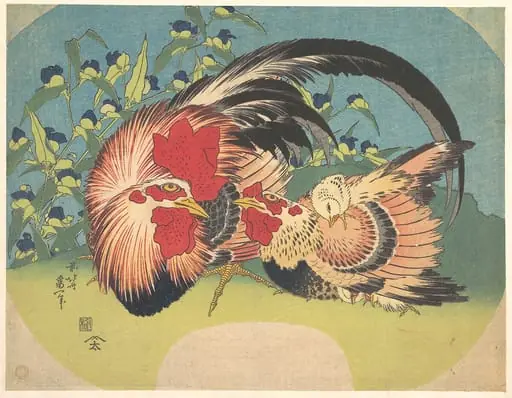 露草に鶏と雛|Rooster, Hen and Chicken with Spiderwort
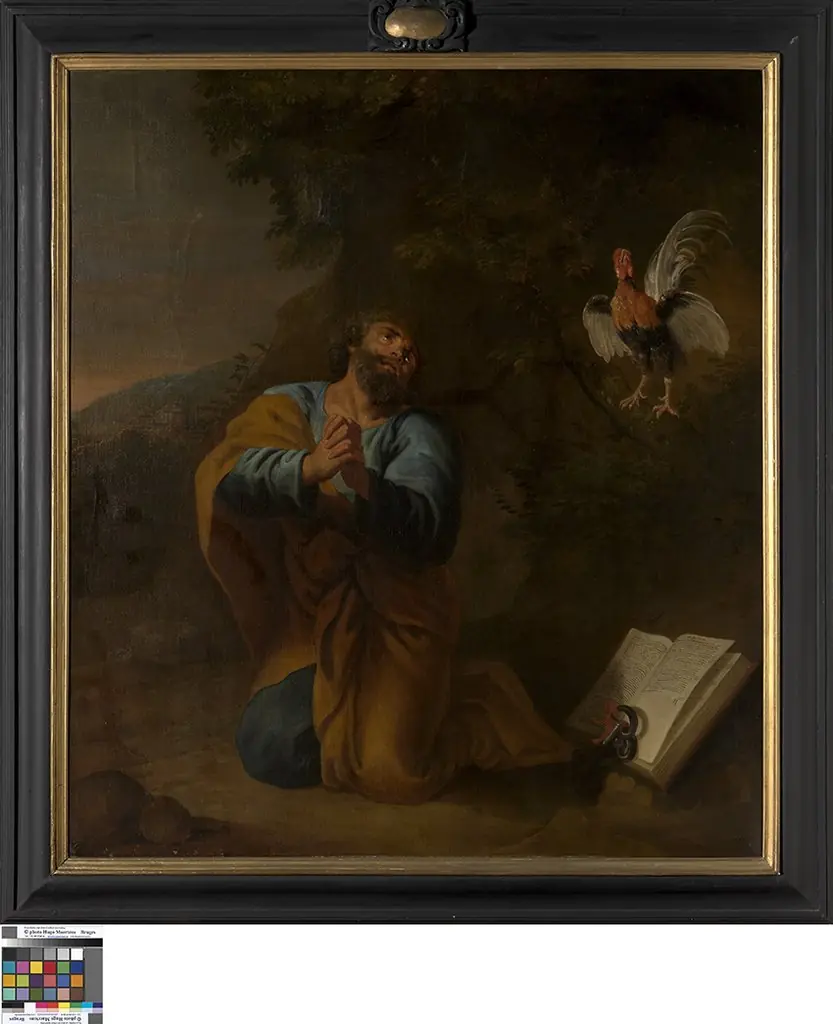 Petrus' berouw
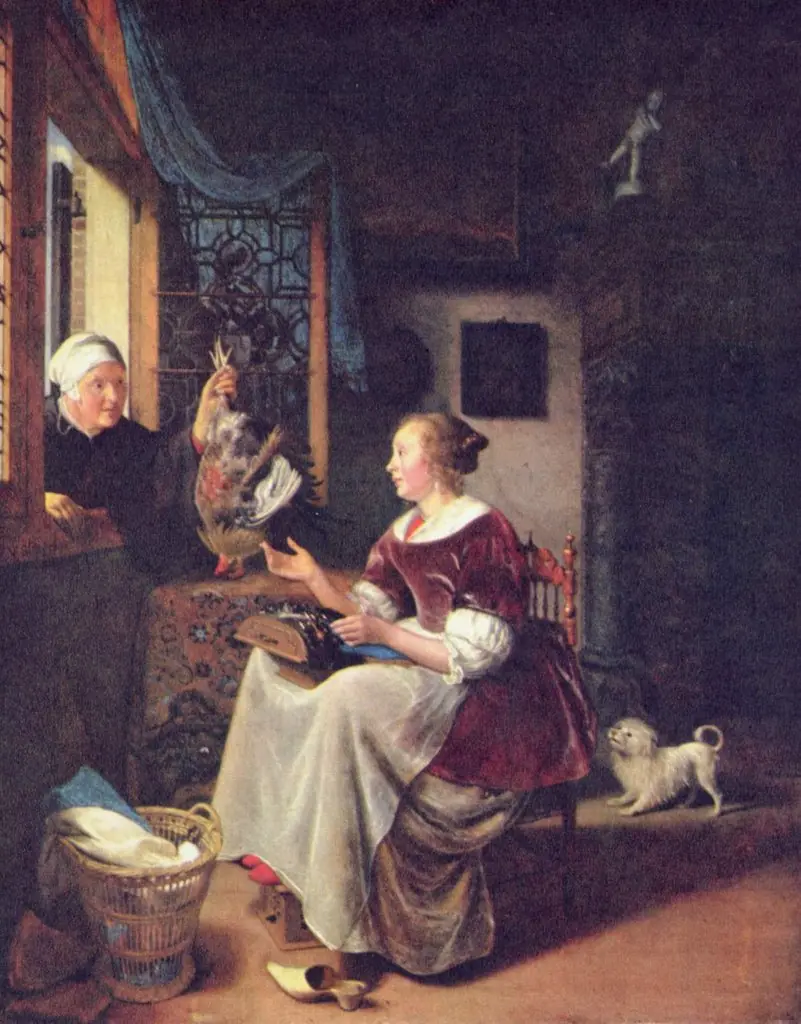 A young lacemaker is interrupted by a birdseller who offers her ware through the window
 Chickens
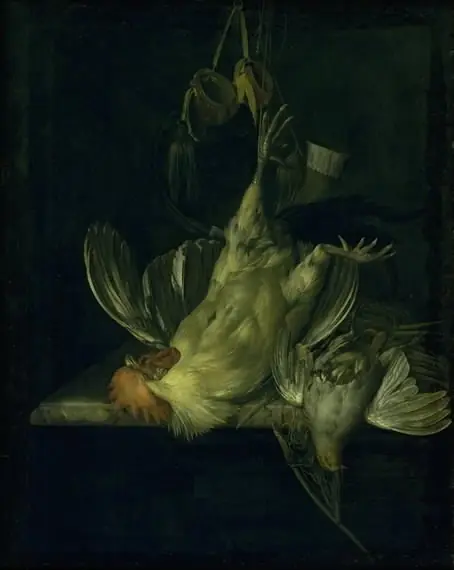 A Dead White Cock
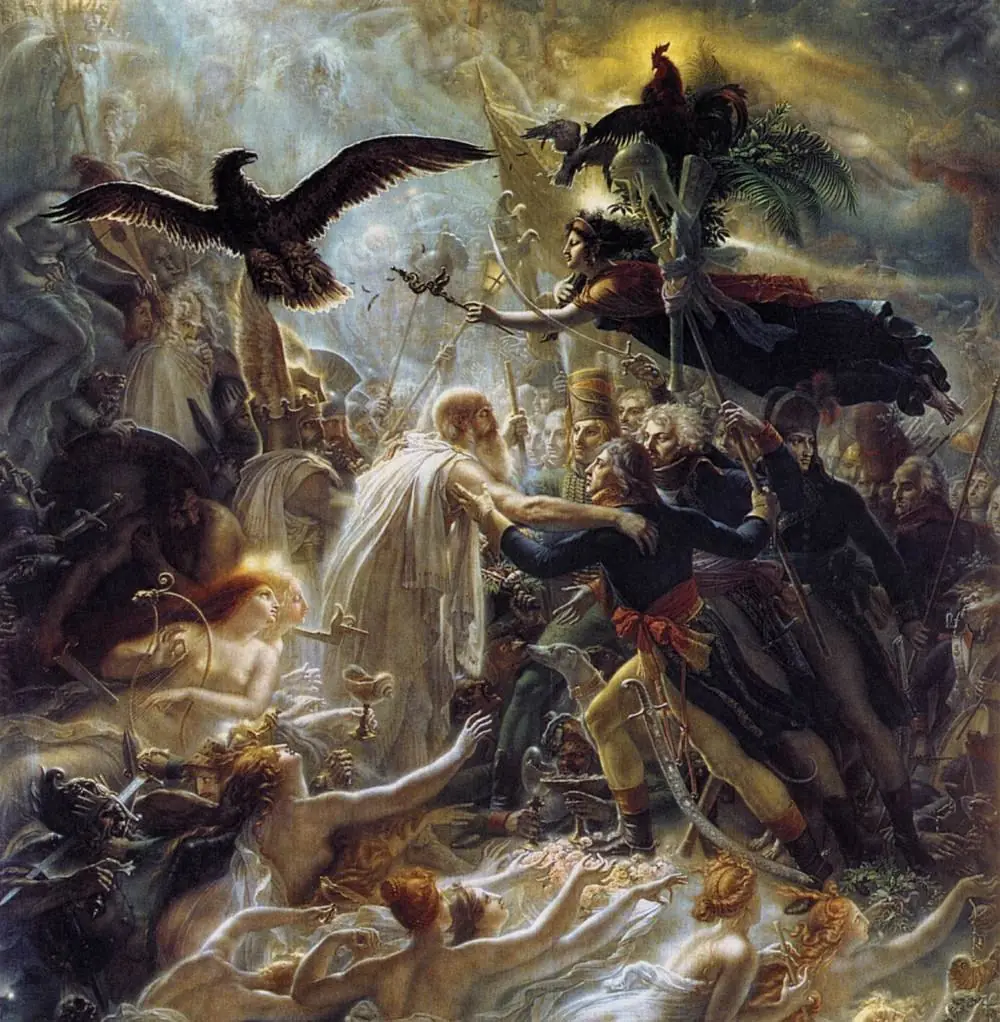 Apotheosis of the French Heroes that Died for the Fatherland during the War of Liberation
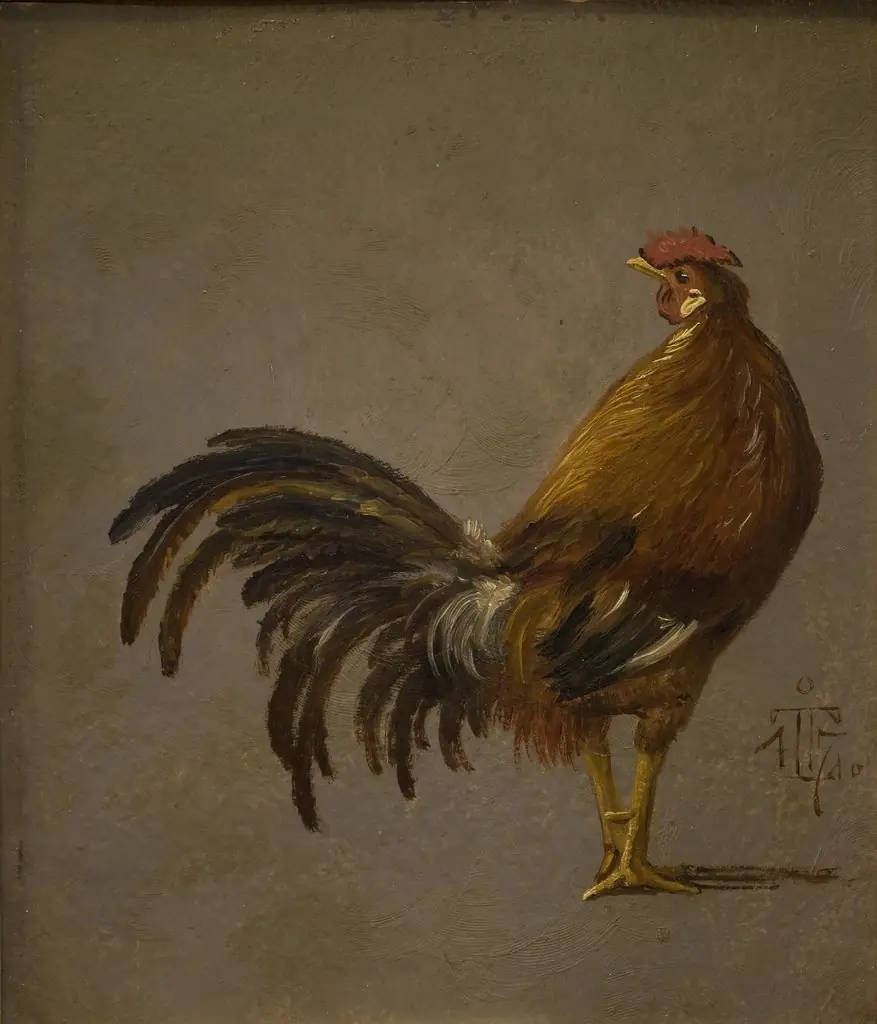 En hane
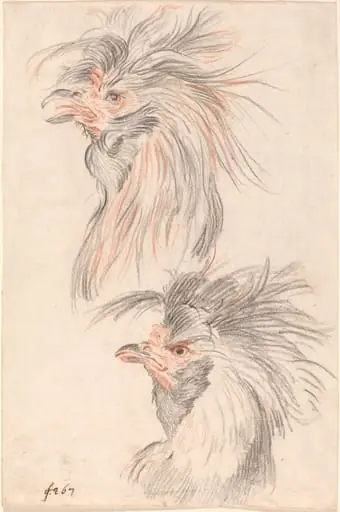 Fighting Cock
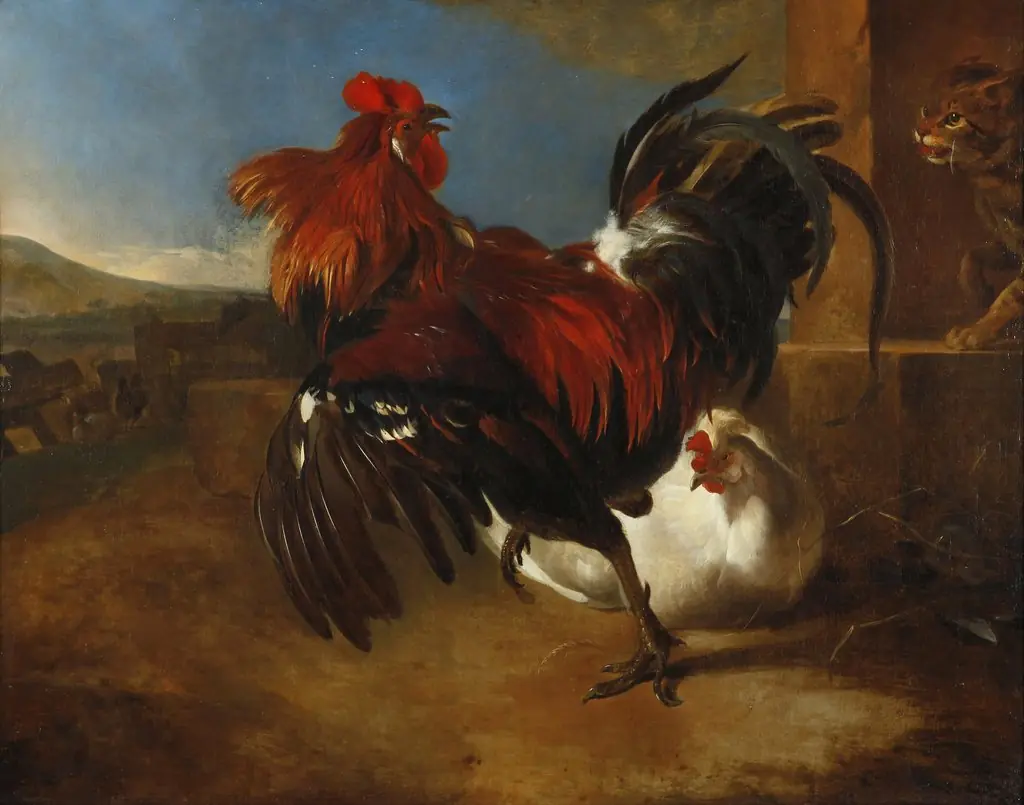 Poultry-yard with angered cock
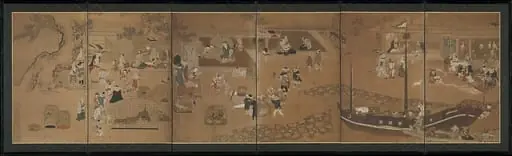 異国人交易図屏風|Foreign Merchants in Japanese Trade Port
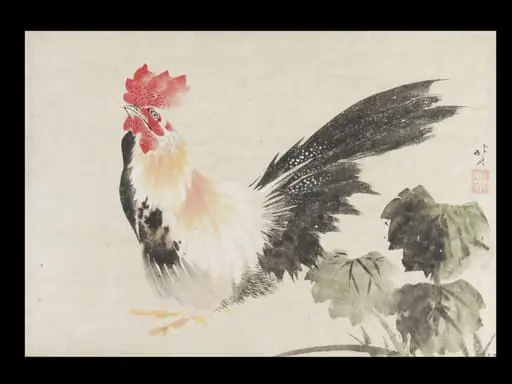 Rooster
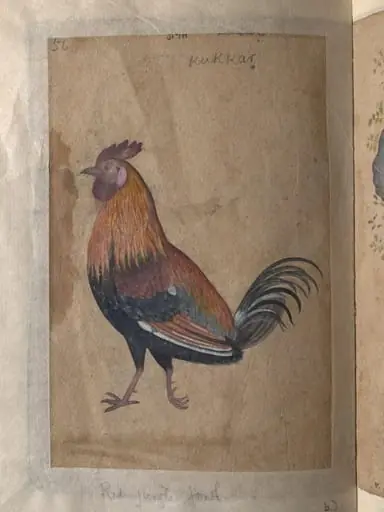 Depictions of a Coppersmith and a Red jungle-fowl of Northern India
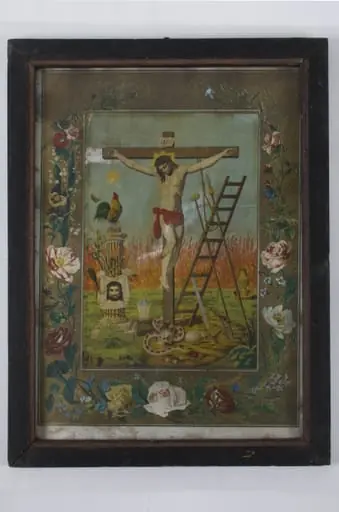 Icoană pe carton, conținând o imagine centrală și un chenar dreptunghiular. Chenarul are fondul auriu și are pictat motive vegetale și florale. Scena din interior reprezintă o abordare originală a Răstignirii. Fondul este de culoare verde-gri (culoarea oului de rață). În partea de jos este iarbă de culoare verde deschis, nuanță caldă, iar între cele două nuanțe de verde este dispusă pe toată lungimea imaginii centrale o perdea de flăcări. În centrul imaginii este Iisus răstignit pe cruce, picioarele sunt bătute cu un singur cui, ceea ce indică faptul că este o icoană romano-catolică sau greco-catolică. La stânga, la dreapta și sub cruce sunt toate simbolurile patimilor și ale răstignirii. Sub cruce este craniul lui Adam, un șarpe, la botul căruia este "fructul oprit", de culoare roșie în pictură. La stânga crucii este un stâlp cu două postamente pătrate succesive, pe stâlp este un cocoș. De stâlp sunt legate cu o sfoară obiecte referitoare la Patimile lui Iisus: trestia cu care a fost batjocorit, o făclie, un bici și marama Sf. Veronica cu chipul Mântuitorului. Între stâlpi și cruce este un felinar. La dreapta crucii este o scară de care sunt sprijinite
 Formă circulară adâncită, decorată în centru cu motive fitomorfe și avimorfe (copaci, cocoș și trei păsărele), iar pe margine trei flori stilizate despărțite de registre cu flori stilizate albastre încadrate de două linii întrerupte cu puncte. Pe fund sunt prezente cercuri concentrice cu ștanță. Cromatică: fond alb; albastru; verde; galben; vișiniu; negru.
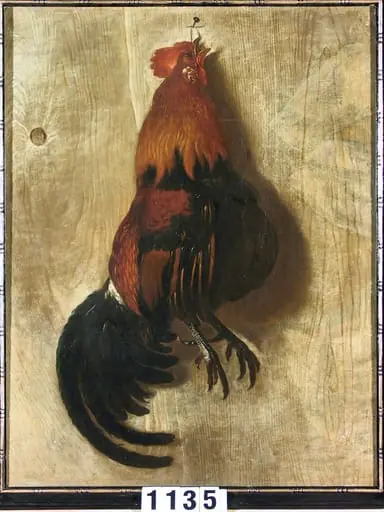 Natură moartă cu cocoș de casă
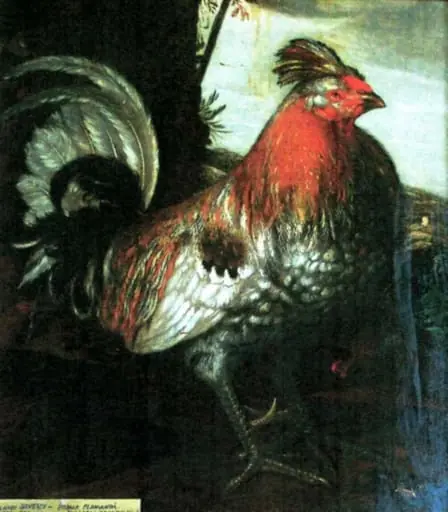 Parabola cocoșului
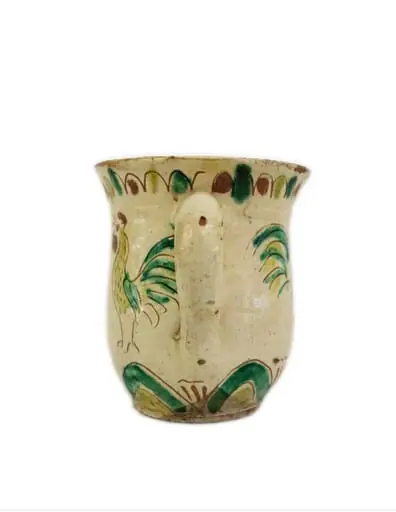 Căniță lucrată în manieră Kuty, de formă cilindrică, bombată la mijloc, modelată la roată; prezintă o toartă pentru prindere; decor geometrizant organizat la extremități: la bază semicercuri despărțite de linii curbe iar spre gura vasului un șir de semiovaluri alternând cromatic; pe restul suprafeței apar motive avimorfe: cocoșul alternând cu sabie și halebardă întretăiate; cromatică: fond alb dat de angobă, decor cu verde, galben și cărămiziu.
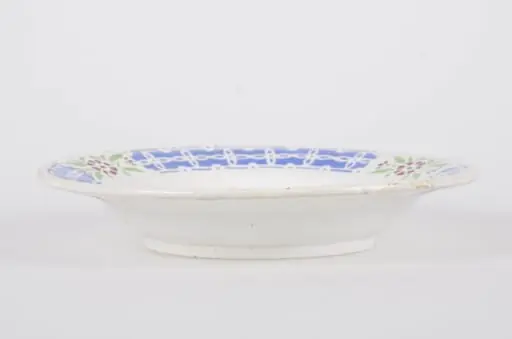
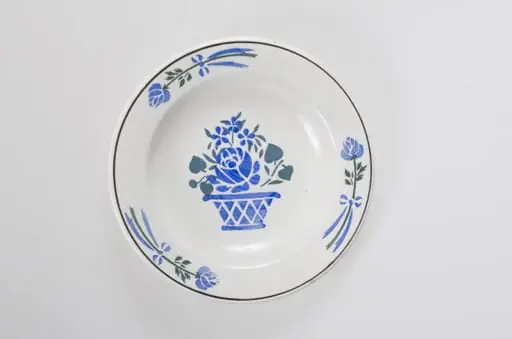 Vas tronconic și adânc realizat din porțelan. Pe fondul alb, central se află un coș albastru (realizat din motive geometrice: romuri și triunghiuri încadrate de două linii) cu un trandafir și trei floricele: pe marginimea farfuriei se observă trei secvențe cu trandafiri legate cu o fontiță. Marginea vasului este decorată cu un cerc. Cromatică: alb; motive: albastru; verde; negru.
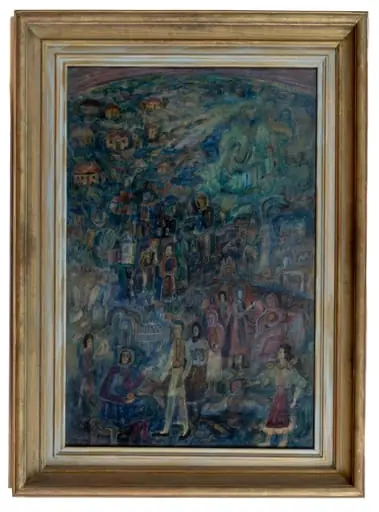 Legendă
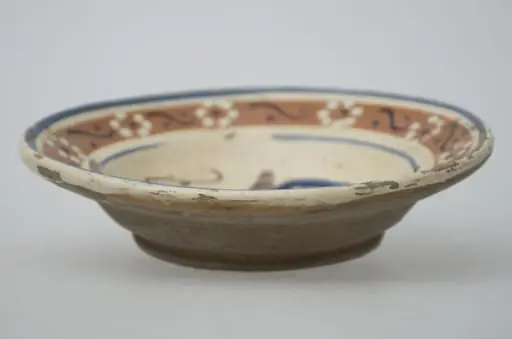 Farfurie de formă tronconică, de dimensiuni mai mici cu pereții ușor curbați și marginea evazată; Smălțuită în interior. Decorat cu motiv avimorf, central un cocoș, iar pe margine două cercuri încadrează un chenar floral. Cromatică: fond: alb; motive: verde; albastru; brun; negru.
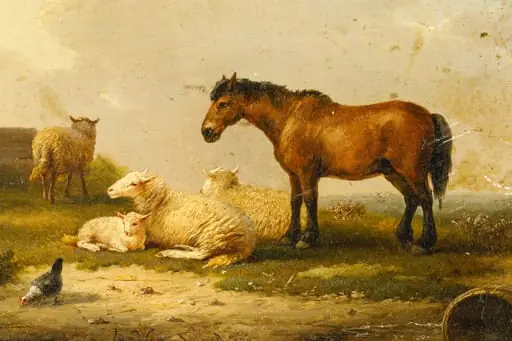 Peisaj cu animale
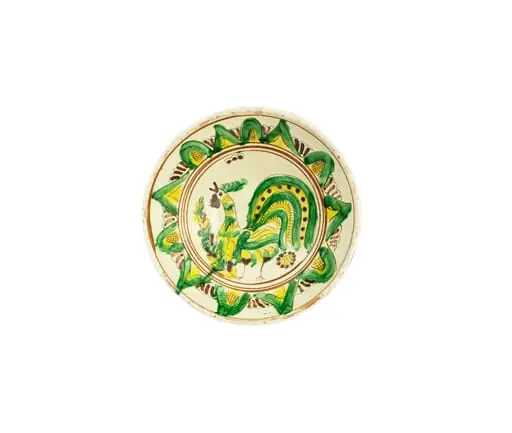 Strachină lucrată în manieră Kuty, de formă tronconică, modelată la roată; decor naturalist amplasat pe toată suprafața vasului organizat în două registre despărțite de linii circulare concentrice realizate cu cornul; central prezintă un motiv avimorf: cocoș; în registrul de la extremitatea vasului sunt desenate motive geometrice unghiulare alternând cu motive semiovoidale realizate cu linii drepte, linii curbe și hașuri; cromatică: fond alb dat de angobă, decor cu galben, verde și brun. Pe exterior este ștampilat numele meșterului cu majusculă și caractere italice: Colibaba.
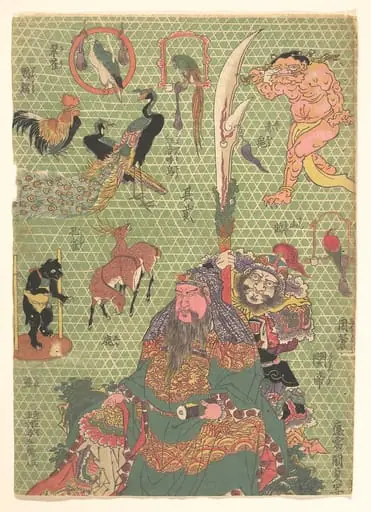 歌川国貞画 「籠細工 浪花細工人 一田庄七郎」|Basketry Work: By the Craftsman Ichida Shōshichirō of Naniwa (Kagozaiku Naniwa saikunin Ichida Shōshichirō)
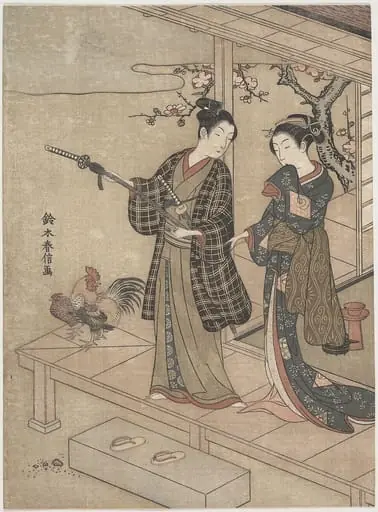 Untitled
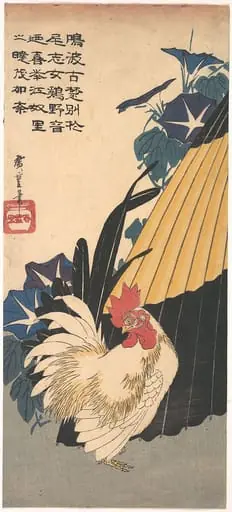 歌川広重画 朝顔に鶏と傘|Rooster, Umbrella, and Morning Glories
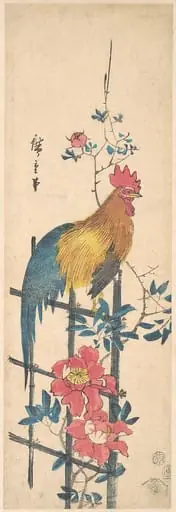 Untitled
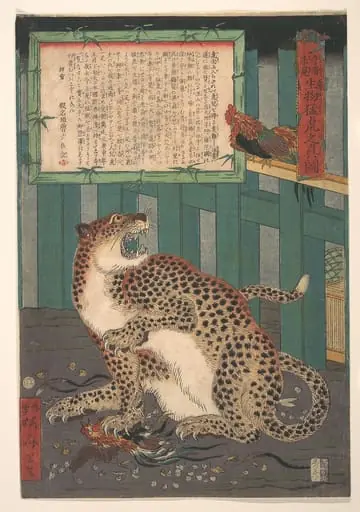 「今昔未見 生物猛虎之真図」|Never Seen Before: True Picture of a Live Wild Tiger (Konjaku miken, Ikimono mōko no shinzu)
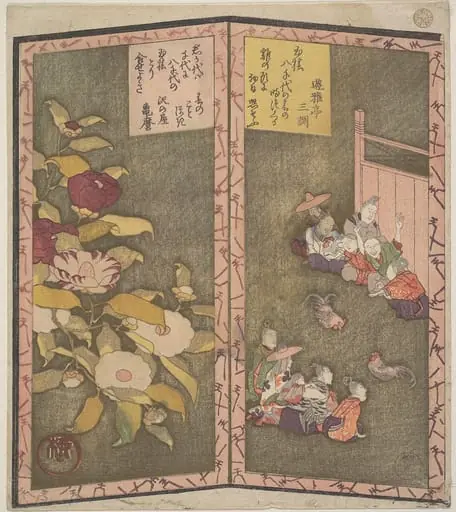 Untitled
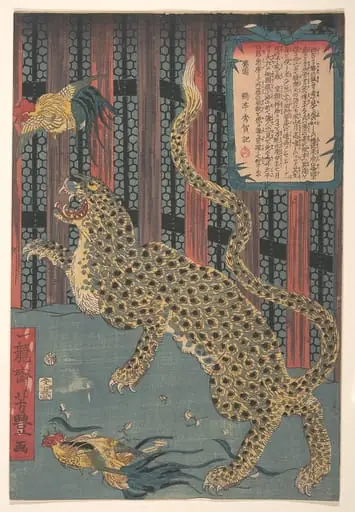 Untitled
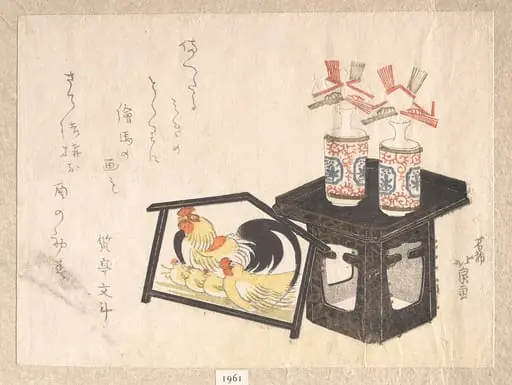 Untitled
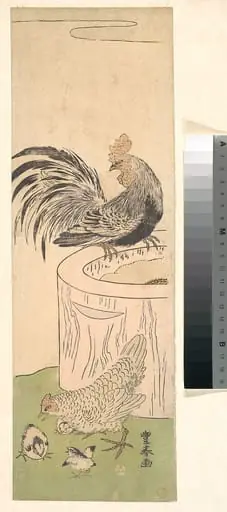 Untitled
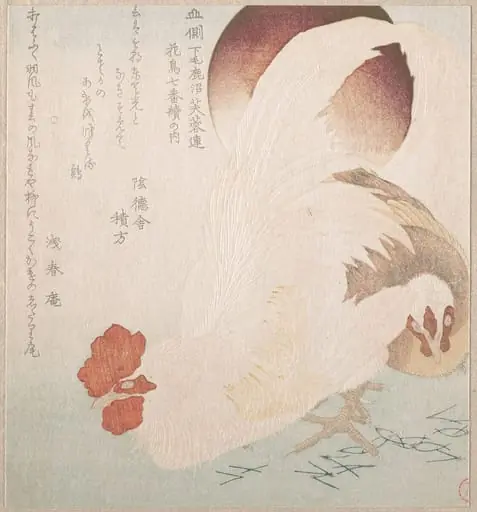 Untitled
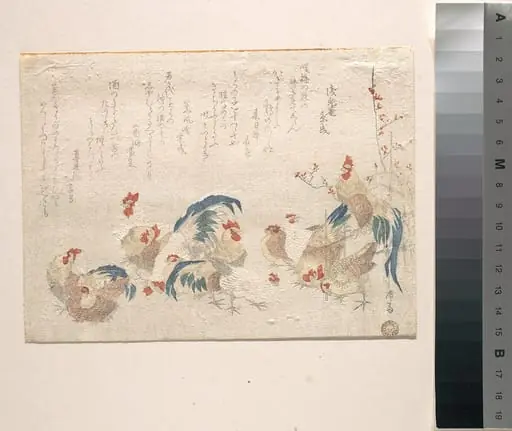 Untitled
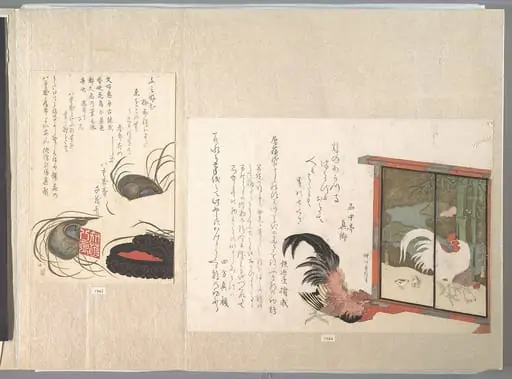 鶏図衝立を見る鶏|Cock Eyeing a Free-standing Screen Painted with Cock, Hen, and Chicks, from Spring Rain Surimono Album (Harusame surimono-jō), vol. 1
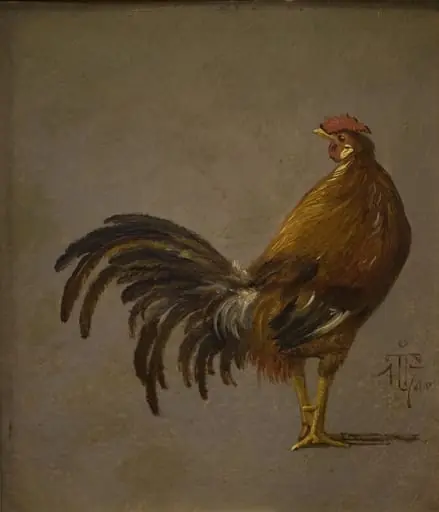 En hane
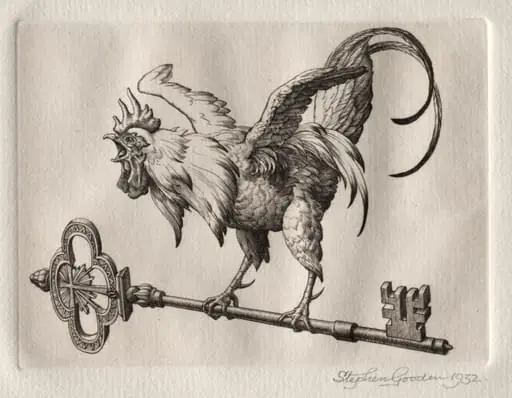 Illustration for "Peronnik the Fool": Cock Key
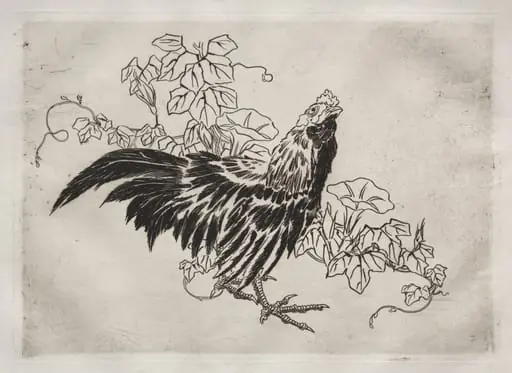 Dinner Service (Rousseau service): Rooster and morning glories (no. 25)
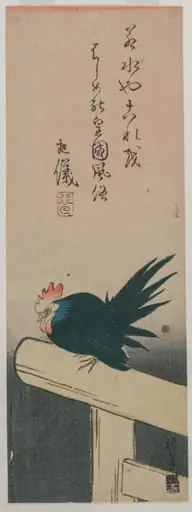 Green Rooster Perched on Torii (Shrine Gate)
Rooster is a subject in art. The chicken (Gallus gallus domesticus) is a domesticated form of the red junglefowl (Gallus gallus), originally native to Southeast Asia.
Artifact World Gallery holds 64 public-domain Rooster works, all free to view and download.
Key Rooster artists in the collection include Rembrandt van Rijn, Pieter Cornelisz. van Slingelandt and Gabriel Metsu.
Rooster works in the collection are held by Metropolitan Museum of Art, Statens Museum for Kunst and Cleveland Museum of Art.
Your cart is empty
Browse artworks →