Artwork
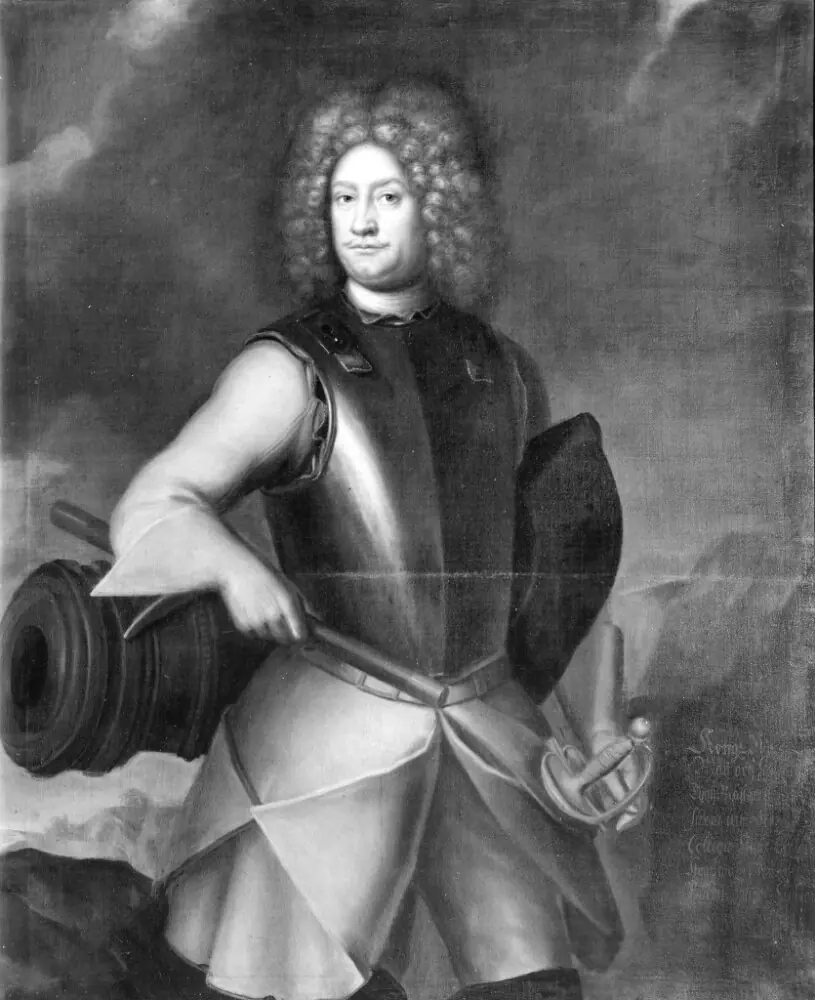
Portrait of King Władysław IV Vasa
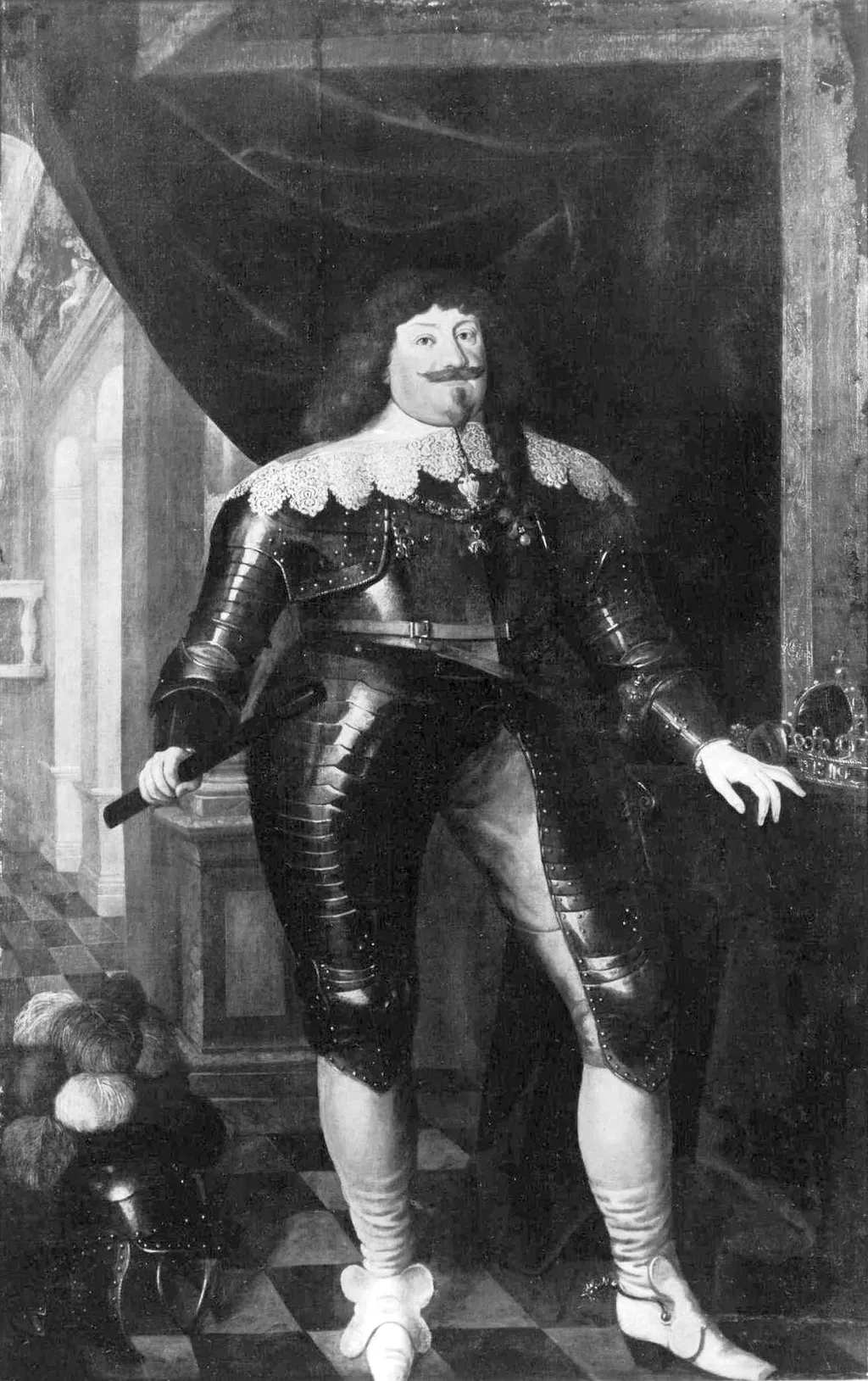
Portrait of King Władysław IV Vasa is an oil painting by the Flemish Baroque painting artist Christian Melich. It dates from 1640 and is held in the collection of the Bavarian State Painting Collections.
About this work
Subject & Meaning
As the main subject, the monarch is presented in a manner consistent with the genre of portraiture, emphasizing his status and identity.
The painting depicts Władysław IV Vasa, the King of Poland, serving as a formal royal portrait created in 1640 by Christian Melich. As the main subject, the monarch is presented in a manner consistent with the genre of portraiture, emphasizing his status and identity. The work functions as a visual representation of the king's authority during his reign, capturing his likeness on a large scale measuring 225 cm in height and 140 cm in width.
Executed in oil on canvas, the piece currently held by the Bavarian State Painting Collections focuses entirely on the figure of the ruler without additional narrative elements specified in the available records.
Technique & Style
The portrait is executed in oil paint on canvas, a standard support for mid-seventeenth-century European portraiture. According to the catalogue record, the work measures 225 cm in height and 140 cm in width, giving it a substantial, full-length vertical format suited to a royal sitter.
Stylistically, the painting belongs to the formal portrait tradition associated with Christian Melich, who produced it in 1640. The work is classified as a portrait and is held in the Bavarian State Painting Collections at the Alte Pinakothek.
History & Provenance
The portrait was painted by Christian Melich in 1640, as indicated by the artist’s signature and the date inscribed on the canvas.
By the mid-19th century, the work entered the collection of King Ludwig I of Bavaria, who assembled a significant group of European royal portraits for the Wittelsbach dynasty. It was subsequently transferred to the Alte Pinakothek in Munich, where it remains part of the Bavarian State Painting Collections.
Context
Christian Melich’s Portrait of King Władysław IV Vasa (1640) occupies a distinctive place in Central European Baroque portraiture, reflecting the artist’s engagement with courtly representation during the Thirty Years’ War. Scholarship situates the work within Melich’s broader oeuvre, which often depicted Habsburg and Vasa dynasts, underscoring his role as a court painter navigating transnational patronage networks. The portrait’s monumental scale (225 × 140 cm) and formal rigidity align with contemporary conventions for royal imagery, though its muted palette and restrained ornamentation diverge from the more extravagant styles favored in Southern European courts.
Critical reception has emphasized the painting’s dual function as both dynastic propaganda and a document of diplomatic exchange between the Polish-Lithuanian Commonwealth and the Holy Roman Empire. Its inclusion in the Bavarian State Painting Collections (Alte Pinakothek) has facilitated comparative studies with coeval Habsburg portraits, positioning Melich as a mediator of Northern Baroque aesthetics in Central Europe.
Overview
Christian Melich’s oil portrait, executed in 1640, presents the Polish monarch Władysław IV Vasa. The work is part of the collection of the Alte Pinakothek in Munich. It captures the king in a formal pose, emphasizing his authority through costume and regalia.
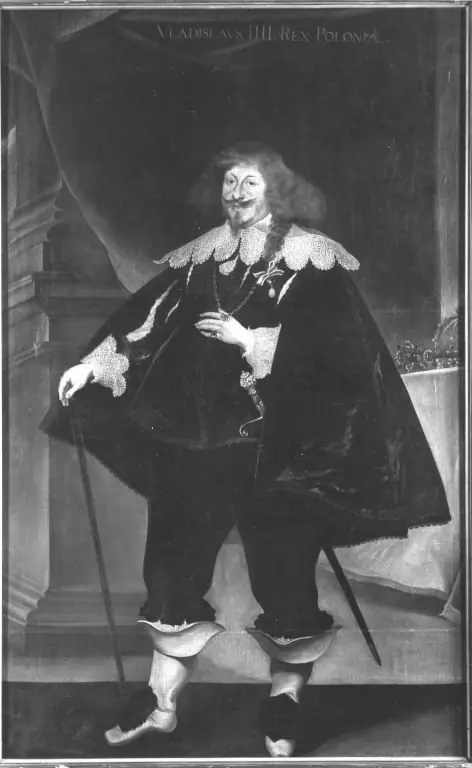
Own this work as a print
Artist & collection
Artist
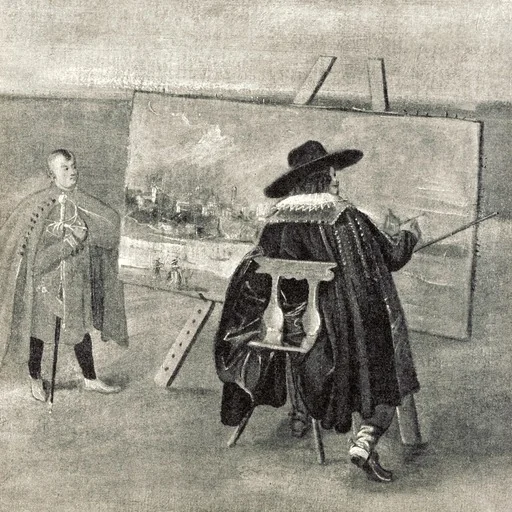
A Czech painter from the early 1600s, Christian Melich specialized in polished oil portraits and sweeping cityscapes.

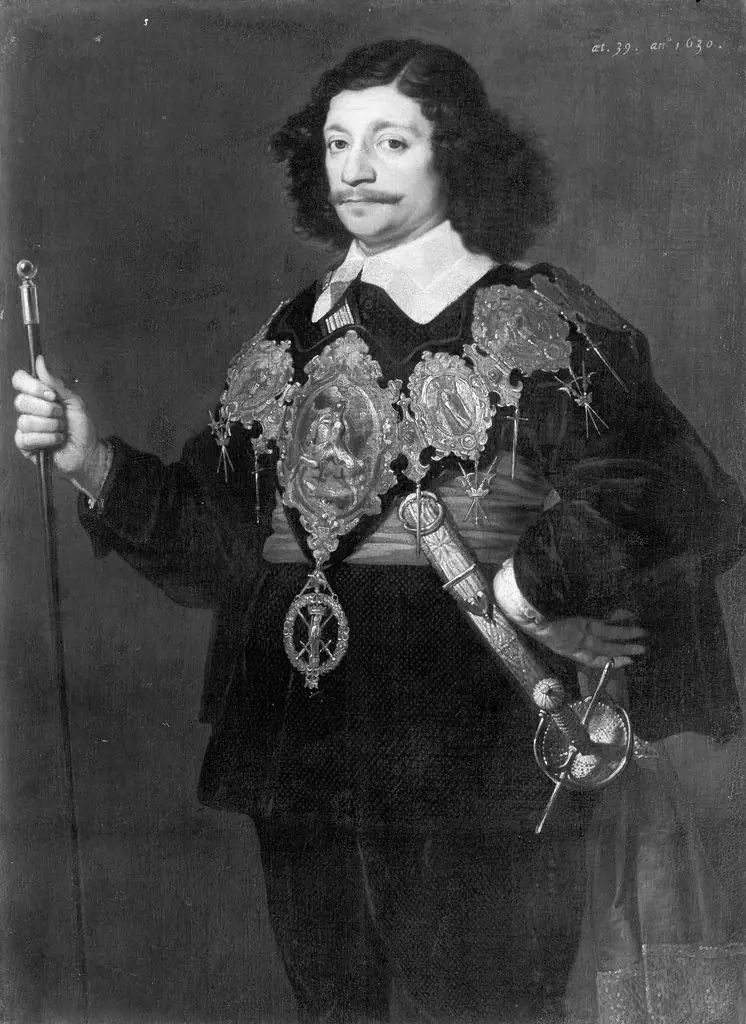 Portrait of a man with the insignia of the Order of S. Jago
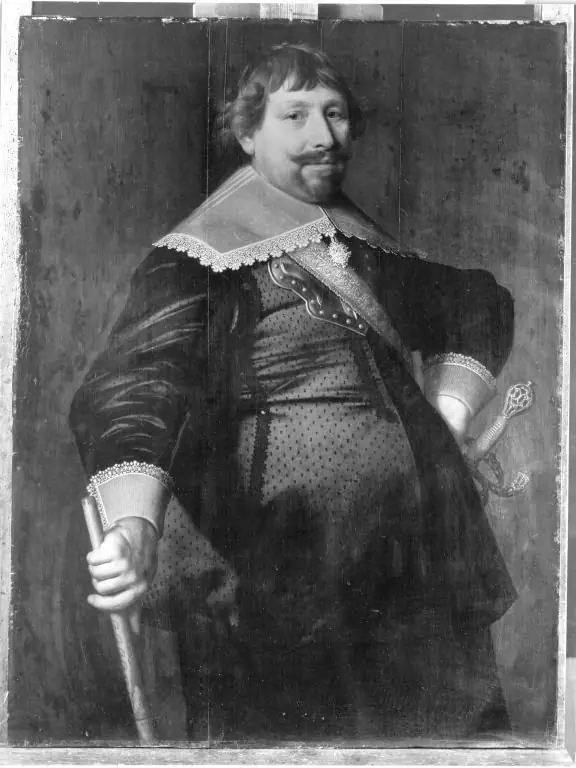 Portrait of a man
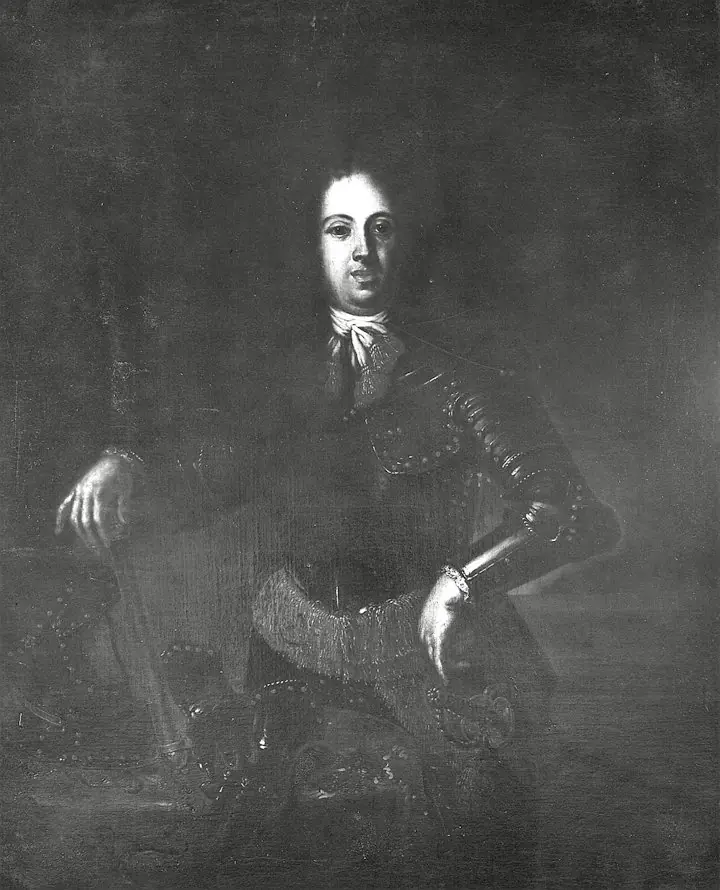 Portrait of Ferdinando de' Medici, Grand Prince of Tuscany
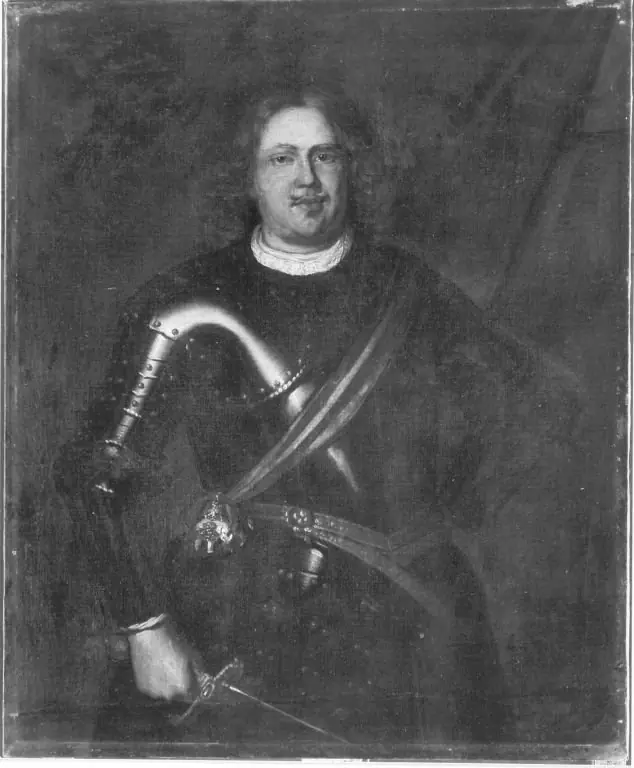 Bildnis eines jungen Fürsten
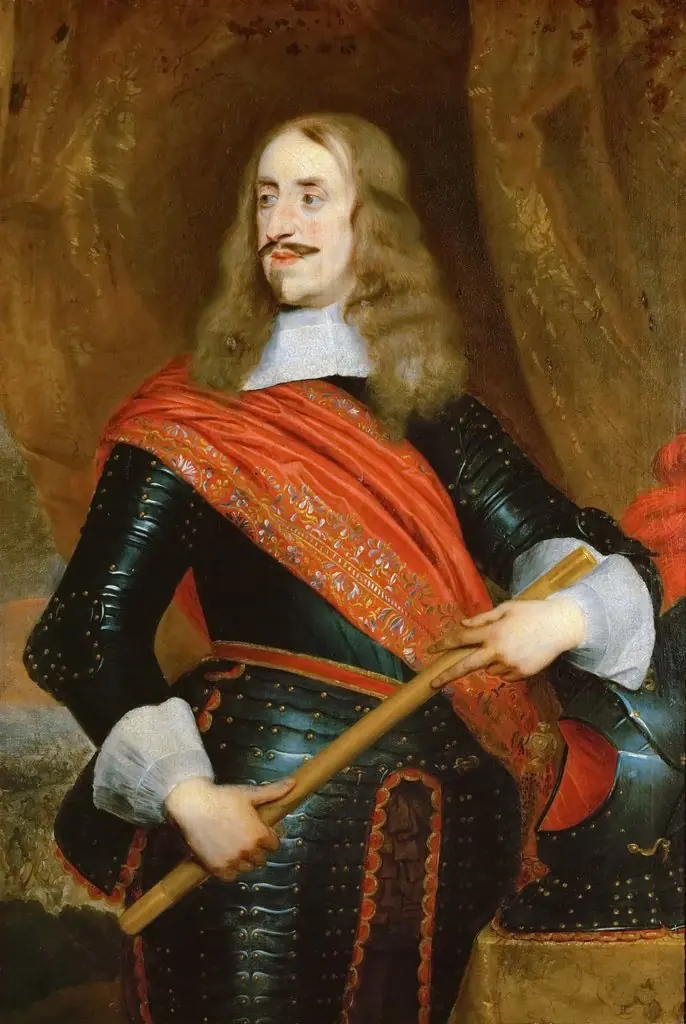 Portrait of Archduke Leopold Wilhelm (1614-1662)
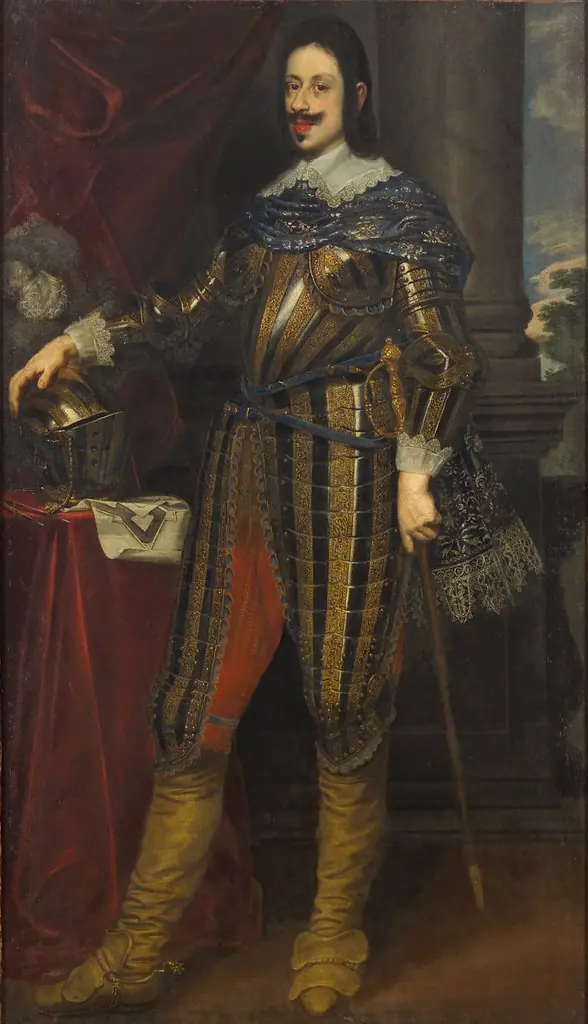 Grand-duke Ferdinand II of Tuscany (1610-1670) in Armour
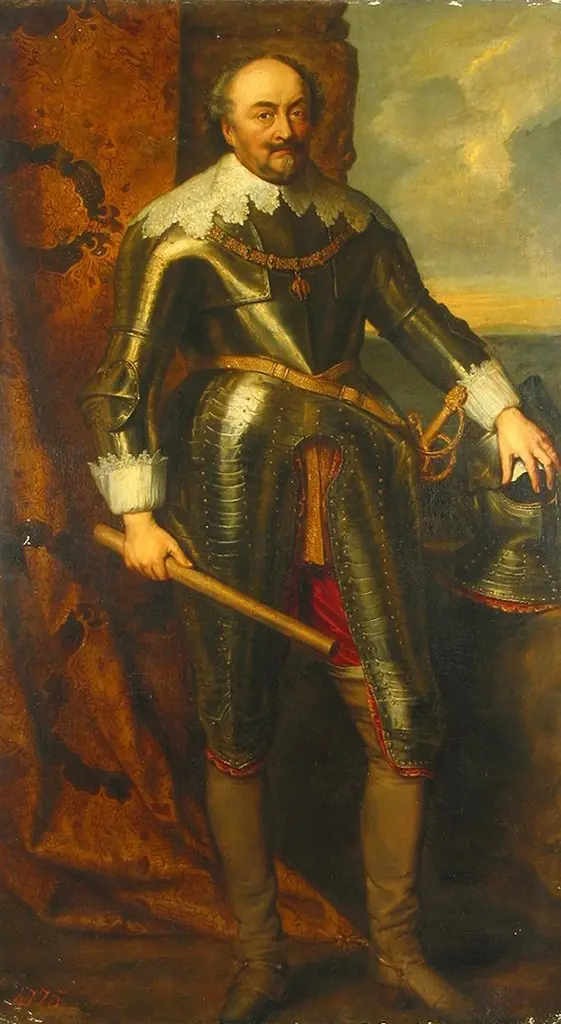 Portrait of Johan, Count of Nassau-Siegen (1583-1638)
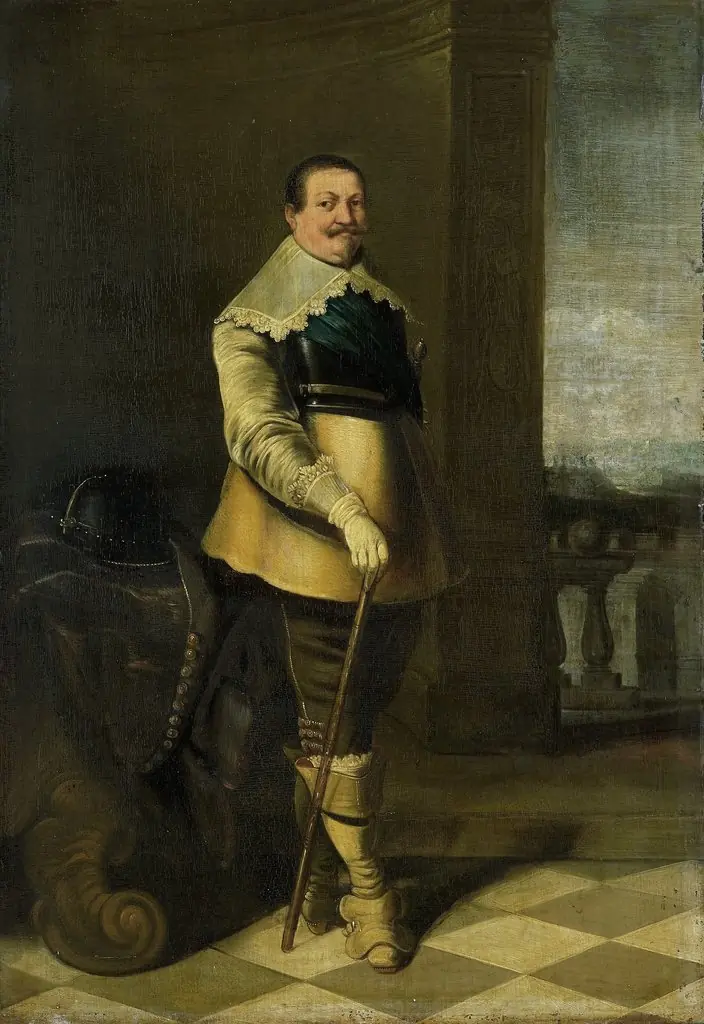 Portrait of Pieter Pietersz Heijn (1577-1629)
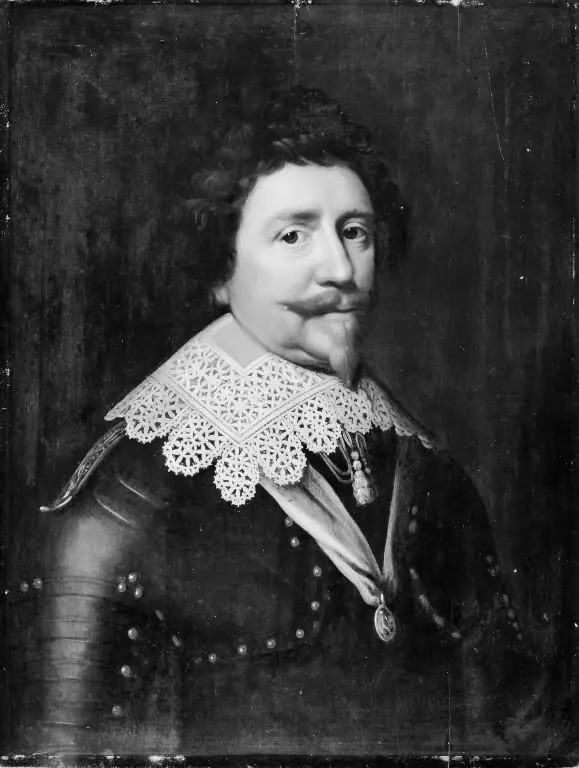 The Count of Mansfeldt
 Johan Siöblad (1644-1710), friherre, generalfälttygmästare