Artwork
Portrait of a man
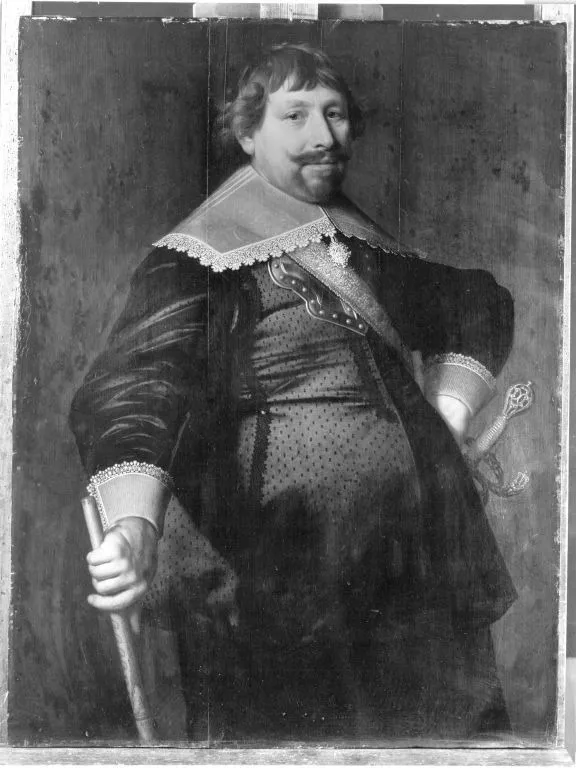
Portrait of a man is an oil painting by the Dutch Golden Age artist Nicolaes Eliaszoon Pickenoy. It dates from 1622 and is held in the collection of the Bavarian State Painting Collections.
About this work
Technique & Style
The overall condition appears stable, with no significant losses reported in the paint layer or ground, though no detailed condition report is provided.
The painting is executed in oil on an oak panel support with dimensions of 112 × 85 cm, consistent with early 17th-century Dutch portrait practice. The handling emphasizes smooth, even transitions in the modeling of the face, with careful attention to the fall of light across the sitter’s forehead and cheek. The restrained palette and precise detailing in the ruff and costume suggest a conservative, formal approach aligned with Pickenoy’s portrait style.
The overall condition appears stable, with no significant losses reported in the paint layer or ground, though no detailed condition report is provided.
History & Provenance
Created in 1622, the Portrait of a Man is an oil-on-panel painting executed by the Dutch artist Nicolaes Eliaszoon Pickenoy. The work depicts a male subject and measures 112 cm in height by 85 cm in width. It is currently held within the collection of the Bavarian State Painting Collections, specifically displayed at the Alte Pinakothek in Munich. The painting was dated to January 1, 1622, establishing its place within the artist's early seventeenth-century output.
The painting is held by the Bavarian State Painting Collections and is on view at the Alte Pinakothek in Munich. It is catalogued as part of that institution's holdings, with no further accession number specified in the available records.
No exhibition history is documented in the consulted sources.
Overview
This 1622 oil painting by Nicolaes Eliaszoon Pickenoy presents a single male figure in formal dress, executed during the Dutch Golden Age. The artist, of Flemish origin and active in the Dutch Republic, produced the work in a period when portra.Marshal individual likeness occupied a central place in Netherlandish art. The painting now resides in the Alte Pinakothek in Munich.
Subject & Meaning
The sitter appears as a sober, well-appointed gentleman whose clothing signals social standing. He wears a dark coat with lace trim, a ruffled collar, and a patterned vest, with an ornate belt and tassel at his waist. His right hand holds a walking stick while his left rests at his hip.
The absence of additional attributes or a setting focuses attention on the man himself, suggesting the portrait's purpose was to commemorate individual identity and status rather than narrate a specific role or achievement.
Artist & collection
Artist
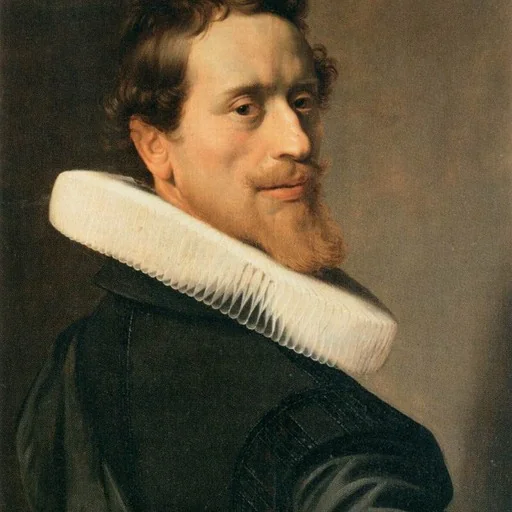
Nicolaes Eliaszoon Pickenoy (10 January 1588 – 1653/1656) was a Dutch painter of Flemish origin. Pickenoy was possibly a pupil of Cornelis van der Voort and presumably Bartholomeus van der Helst was his own pupil.

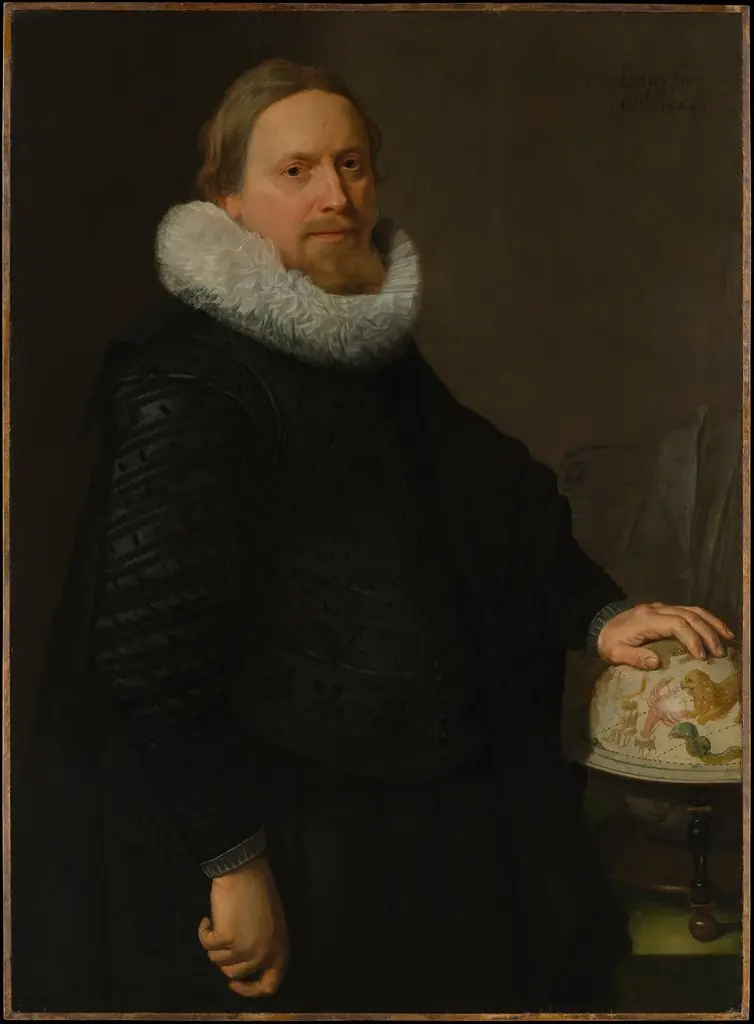 Man with a Celestial Globe
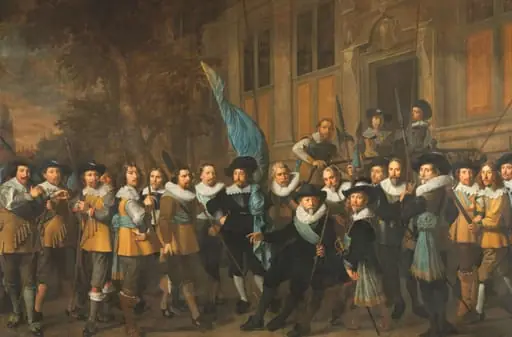 Officers and Other Civic Guardsmen of the IVth District of Amsterdam, under the Command of Captain Jan Claesz van Vlooswijck and Lieutenant Gerrit Hudde
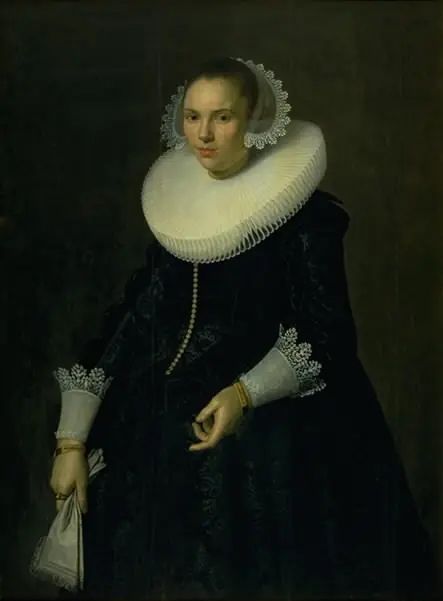 Portrait of a Lady
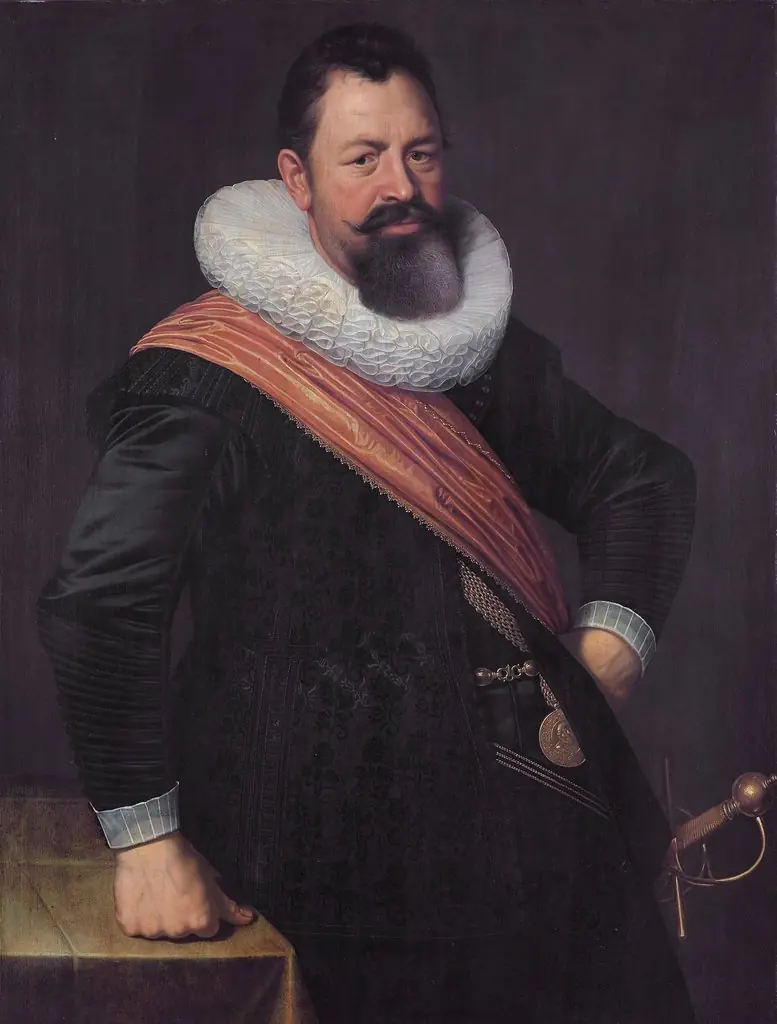 Portrait of Jochem Hendricksz Swartenhont (1566-1627)
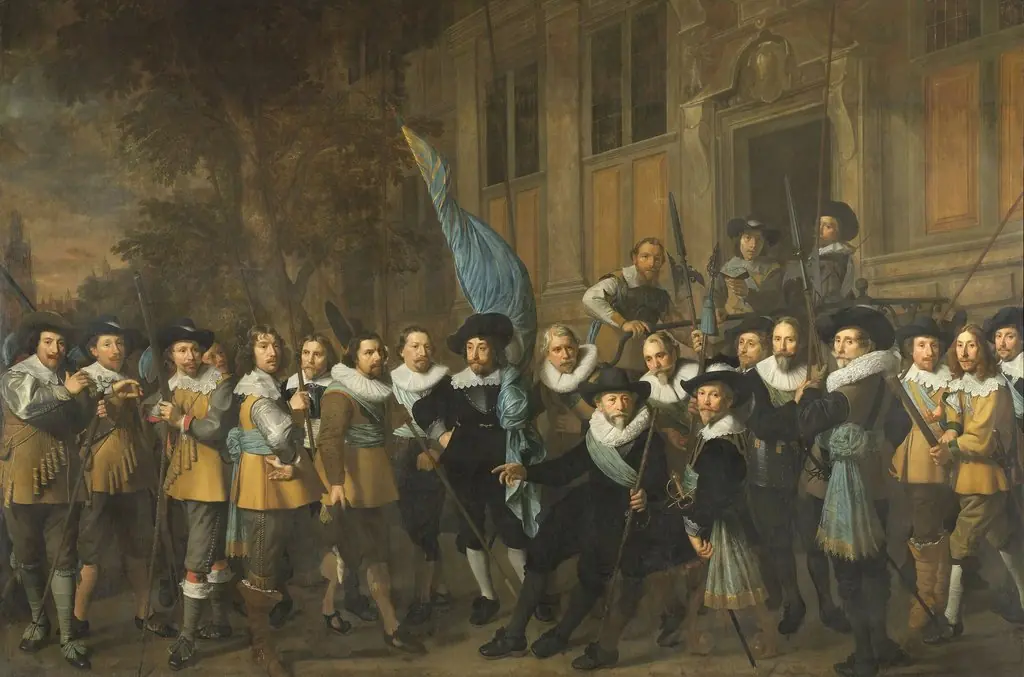 Officers and other civic guardsmen of the IVth District of Amsterdam, under the command of Captain Jan Claesz van Vlooswijck and Lieutenant Gerrit Hudde
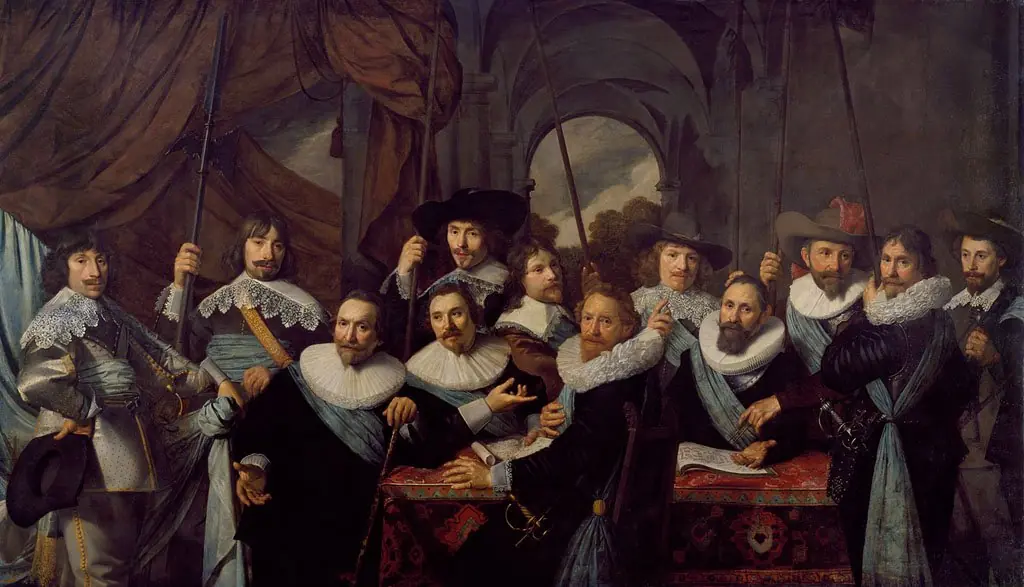 Members of the civic guard company of Captain Dirck Tholinx and Lieutenant Pieter Adriaenszn Raep
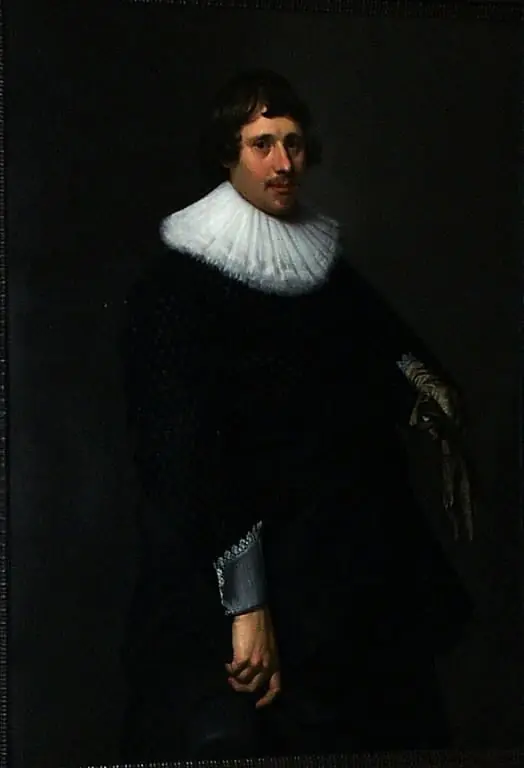 Portrait of a Man
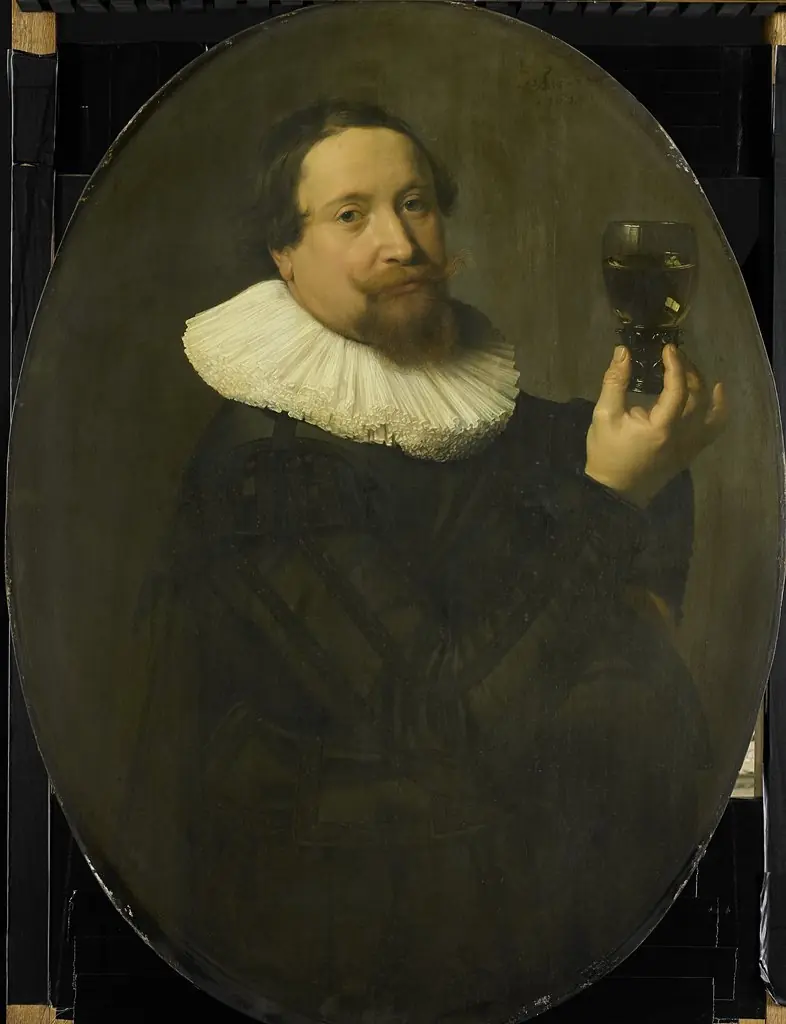 Portrait of Maerten Rey (1595/96-1632)
- Portrait of an admiral
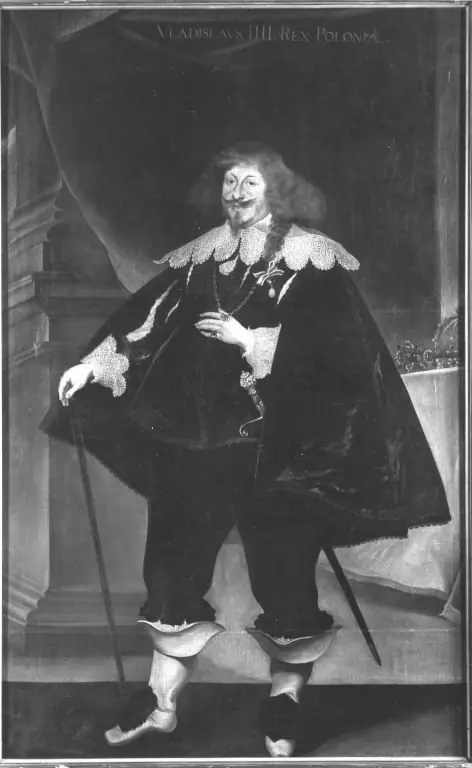 Portrait of King Ladislaus IV Vasa.
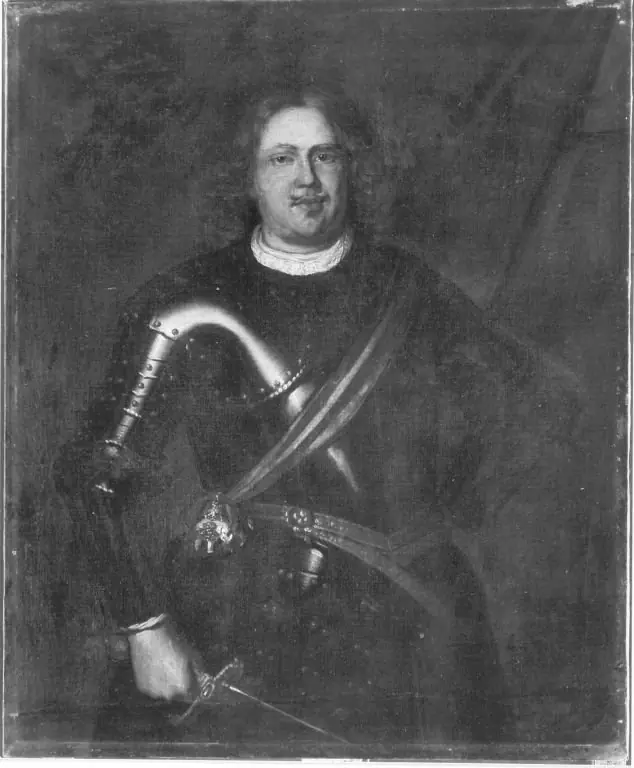 Bildnis eines jungen Fürsten
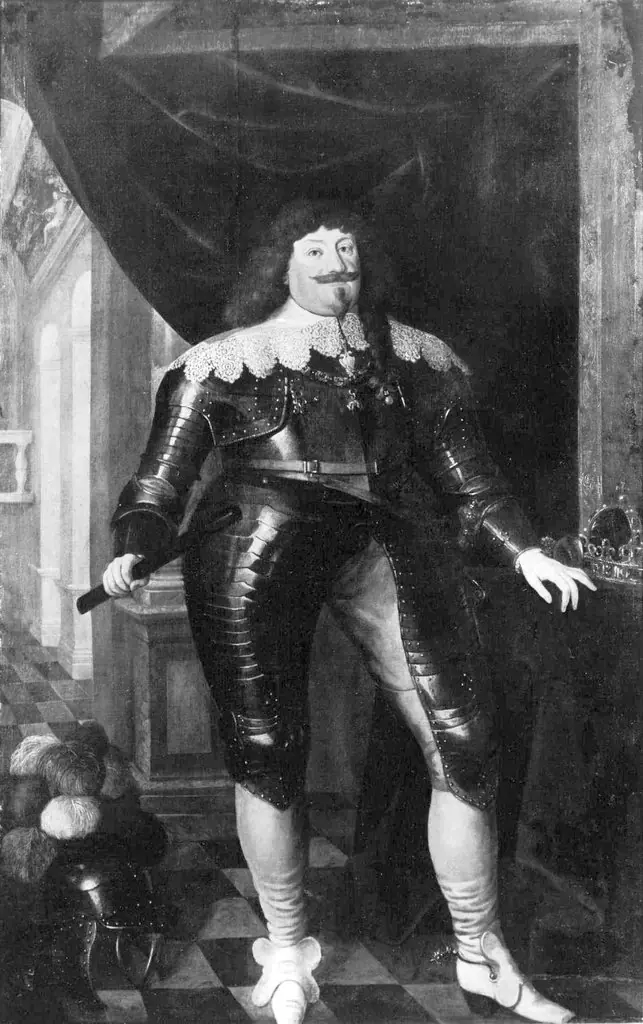 Portrait of King Władysław IV Vasa
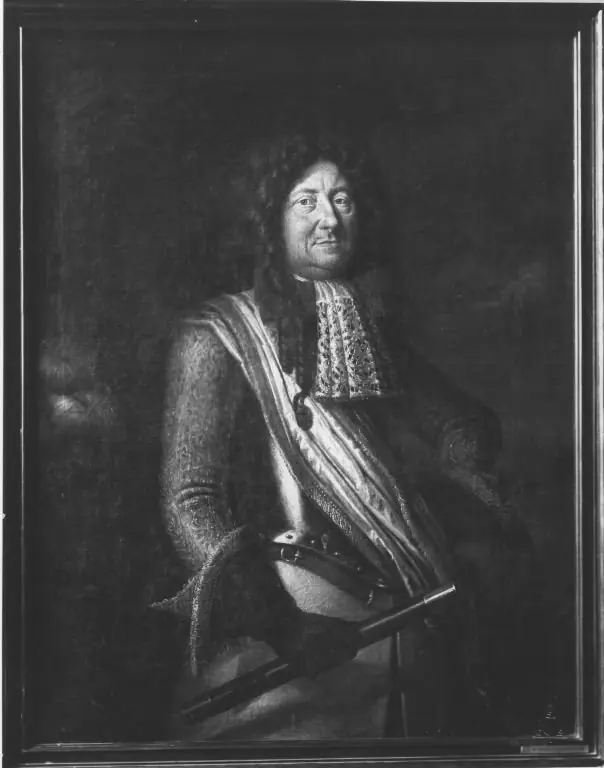 Unbekannter Feldmarschall (Prinz von Homburg?)
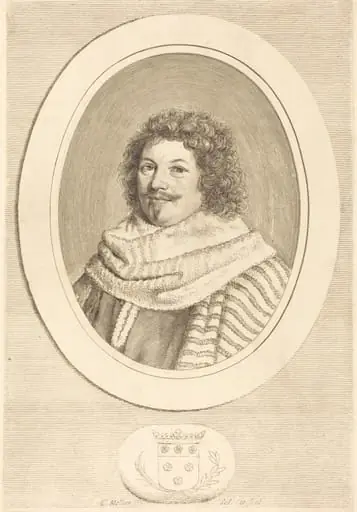 René de Longueil
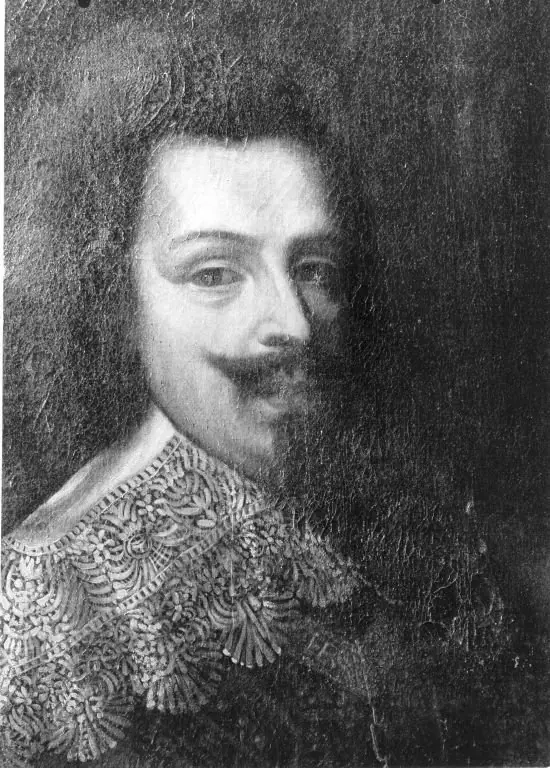 Carl Amadeus, Herzog von Savoyen
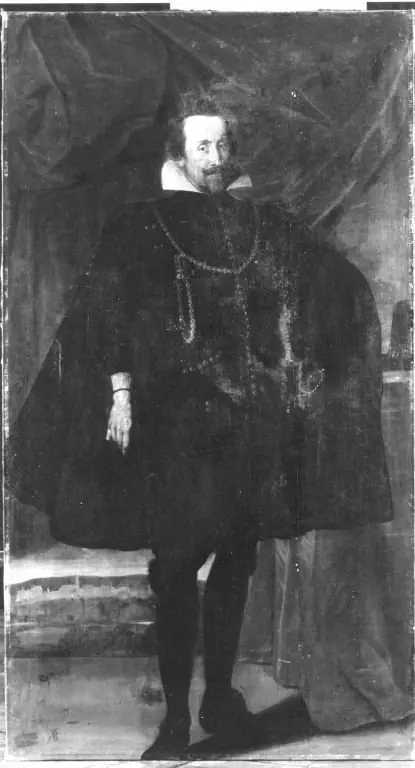 Portrait of Wolfgang Wilhelm van Wittelsbach
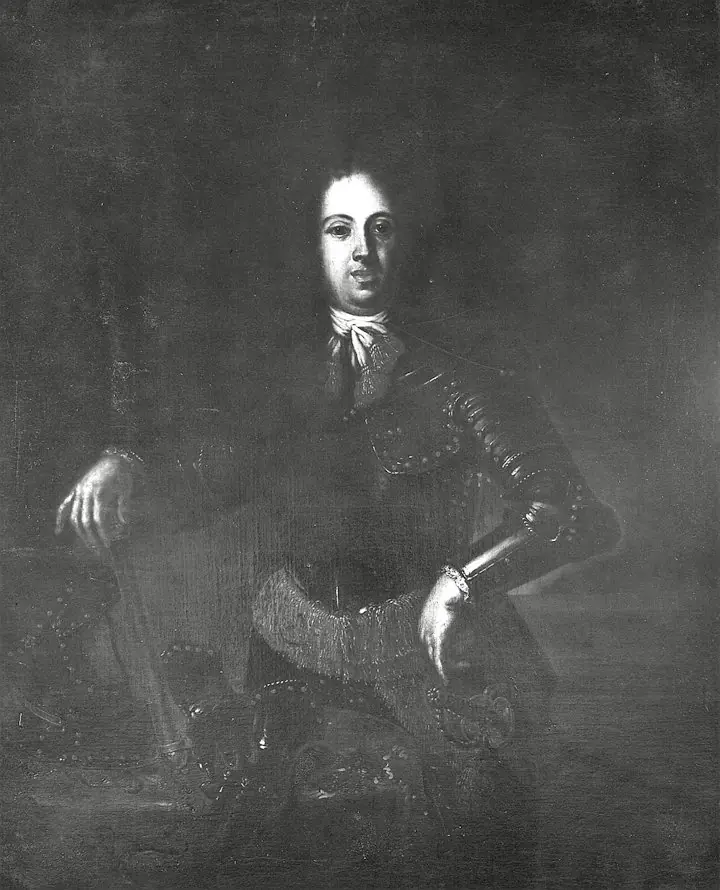 Portrait of Ferdinando de' Medici, Grand Prince of Tuscany
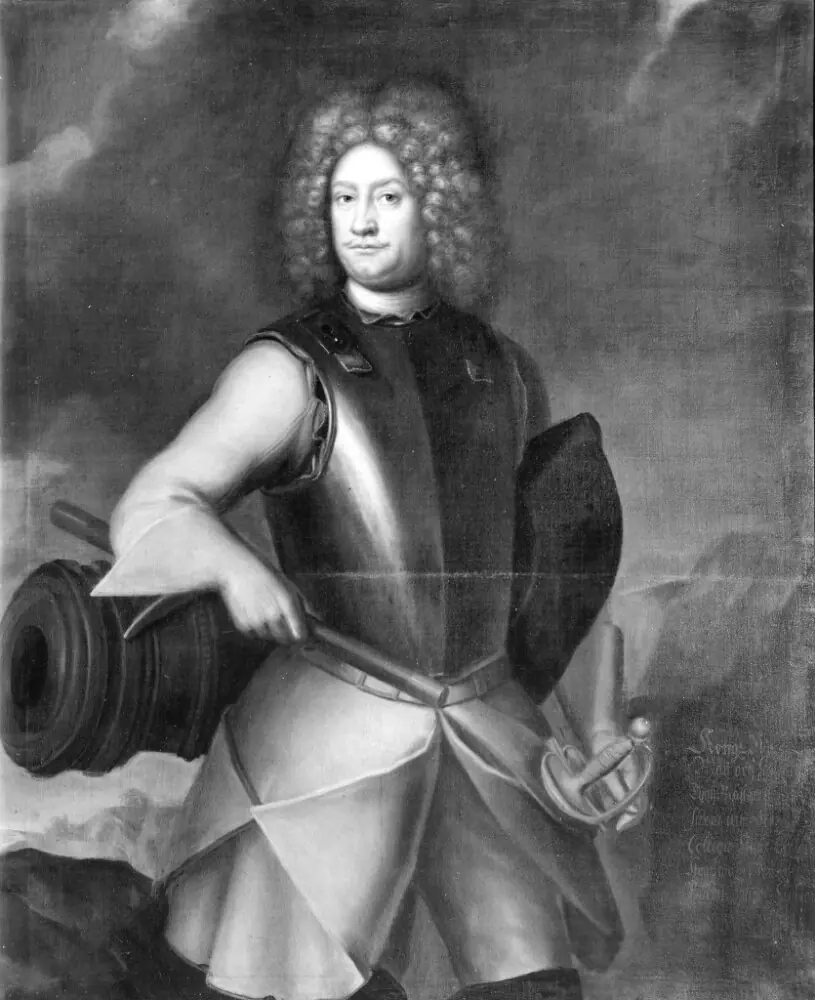 Johan Siöblad (1644-1710), friherre, generalfälttygmästare
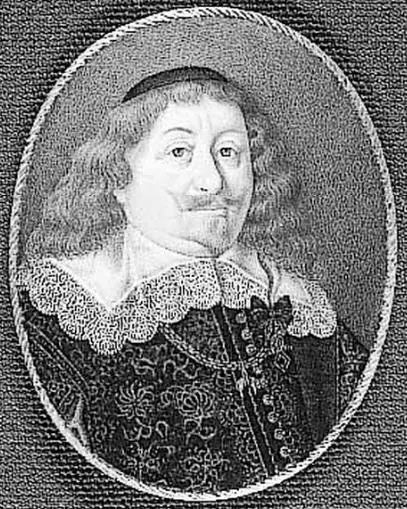 Miniature of King Ladislaus IV Vasa
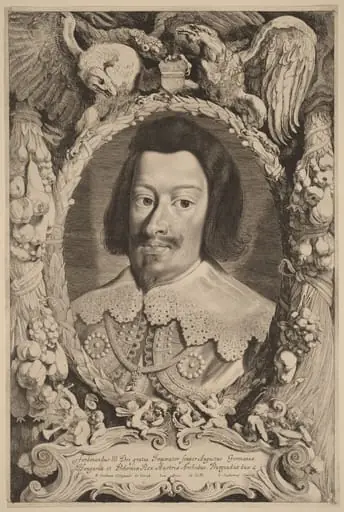 Emperor Ferdinand III