Artwork
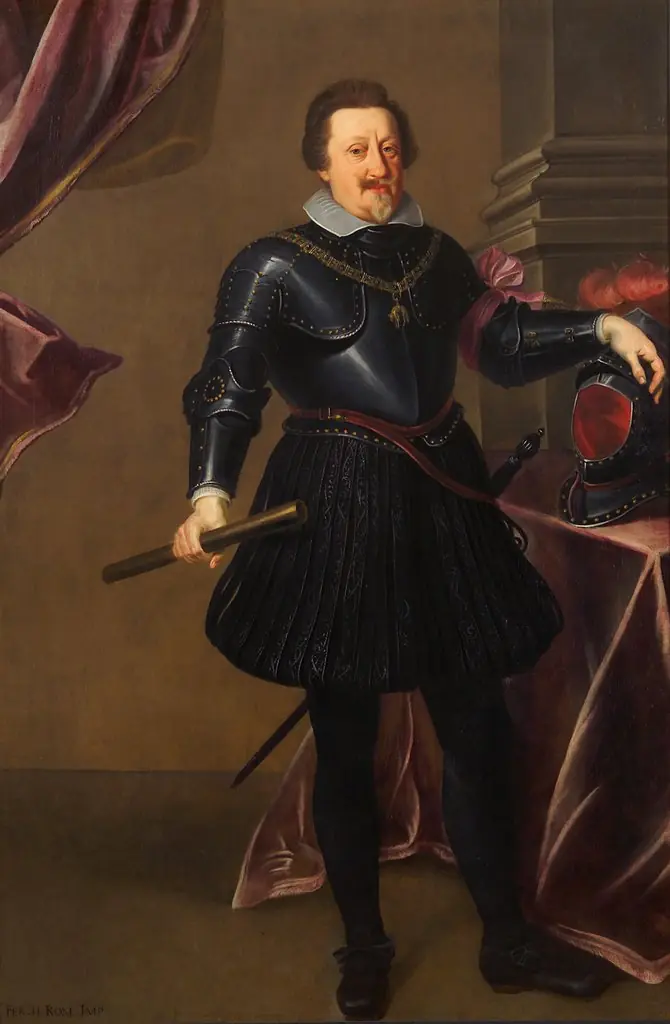
Grand-duke Ferdinand II of Tuscany (1610-1670) in Armour
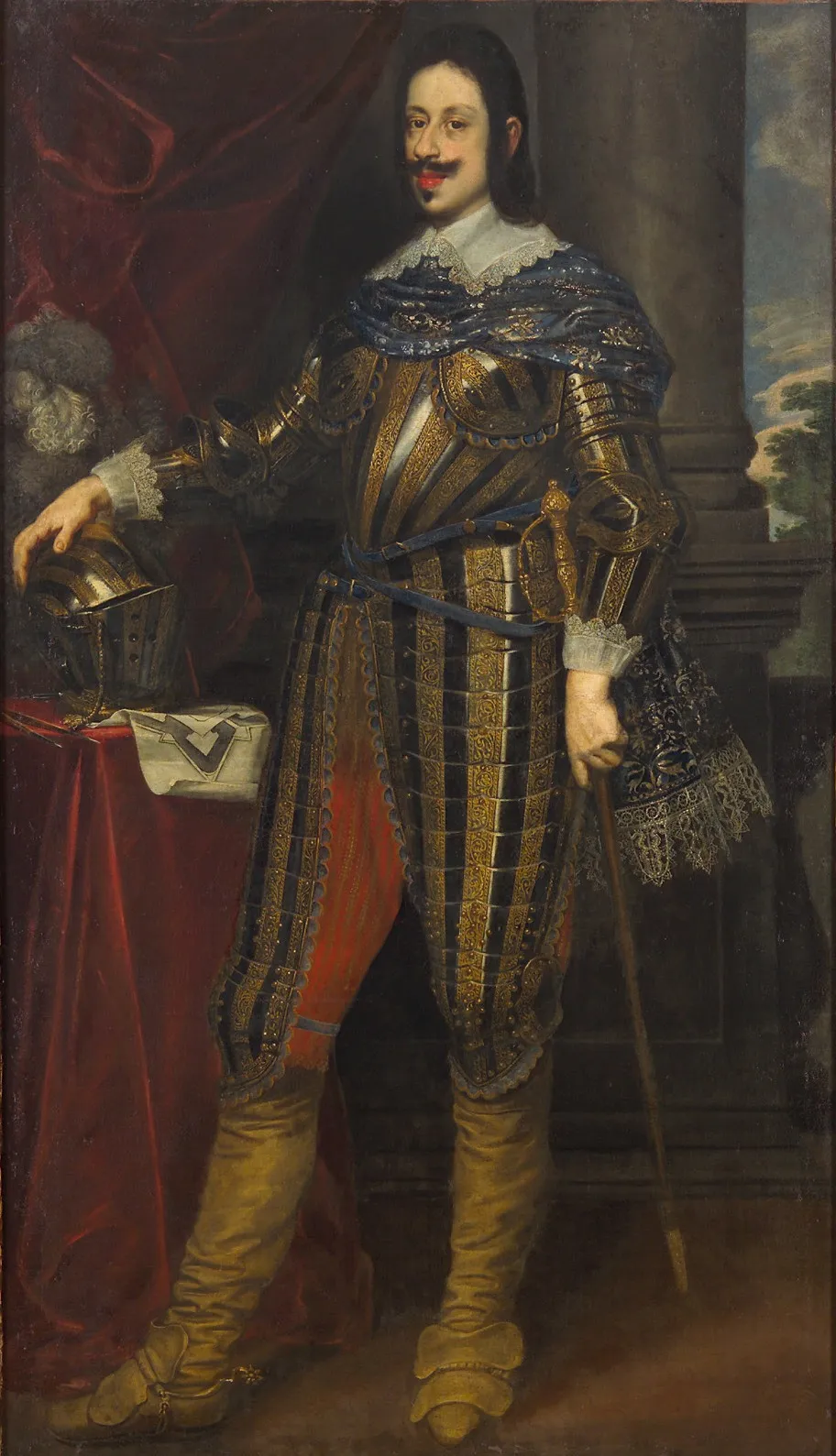
Grand-duke Ferdinand II of Tuscany (1610-1670) in Armour is an oil painting by the Early Baroque Italian artist Justus Sustermans. It dates from 1600 and is held in the collection of the Kunsthistorisches Museum.
About this work
Subject & Meaning
The painting depicts Ferdinando II de' Medici, Grand Duke of Tuscany, portrayed as the main subject. He is shown wearing body armor, a visual element that identifies his role and status. As a portrait genre work, the piece represents the sitter's identity and authority through this specific iconography of martial attire.
Technique & Style
The work is classified as a portrait, showing Ferdinando II de' Medici dressed in elaborate body armor, which emphasizes his status and martial identity.
Grand-duke Ferdinand II of Tuscany in Armour is executed in oil paint on a canvas support, a technique typical of 17th‑century European portraiture. The work is classified as a portrait, showing Ferdinando II de' Medici dressed in elaborate body armor, which emphasizes his status and martial identity. The use of oil allows for subtle modeling of the armor’s reflective surfaces and the sitter’s facial features, while the canvas provides a flexible ground for the artist’s brushwork. No specific information regarding the painting’s handling or current condition is provided in the sources.
History & Provenance
The painting is attributed to Justus Sustermans and dated to around 1600. Executed in oil on canvas, it measures approximately 200 cm in height and 116 cm in width and depicts Ferdinando II de' Medici wearing body armor, a portrait that exemplifies the artist’s courtly style.
It has been part of the Kunsthistorisches Museum’s holdings in Vienna, where it remains today; the sources do not record any earlier owners, commissions, or subsequent transfers of the work.
Context
The portrait of Grand-duke Ferdinand II of Tuscany in armour, attributed to Justus Sustermans, exemplifies early Baroque court portraiture and reflects the political symbolism embedded in Medici patronage. Its formal composition and richly detailed armour underscore the Grand-duke's military stature, aligning with broader trends in European portraiture that emphasized authority and legitimacy. Scholarship situates the work within Sustermans' oeuvre as a key representative of Medici-aligned artistic production in the early 17th century, linking it to diplomatic gift exchanges between Tuscan and Austrian courts.
The painting's presence in the Kunsthistorisches Museum collection further highlights its significance in the transnational circulation of Baroque art.
Contextual analysis places the work amid a network of artists serving Medici interests, illustrating how visual culture reinforced dynastic power. Its stylistic features, such as the rendering of metallic textures and psychological depth, anticipate later developments in court portraiture across Europe, cementing its role in narratives of artistic exchange and political iconography.
Legacy
The portrait of Grand-duke Ferdinand II of Tuscany in Armour, painted by Justus Sustermans around 1600, is recognized for shaping later representations of Medici authority through its dignified portrayal of the ruler in ceremonial armor. Its inclusion in the Kunsthistorisches Museum collection has ensured continued scholarly attention to Sustermans' role in Baroque court portraiture, influencing both academic discourse and museum displays of Medici-era imagery.
The work's legacy is anchored in its status as a key example of early Baroque portraiture, frequently cited in studies of Medici visual culture and referenced in exhibitions examining the artistic patronage of the period.
Legacy assessments highlight its contribution to the evolution of aristocratic portraiture, with its compositional elements echoed in subsequent depictions of European nobility.
Overview
Justus Sustermans’ oil portrait presents Grand‑Duke Ferdinand II of Tuscany in full armor. The figure stands before a darkened interior, a richly draped table to his left, and a window that opens onto a distant landscape. The composition balances the duke’s martial attire with subtle domestic elements, emphasizing both his status and personal bearing.
Artist & collection
Artist
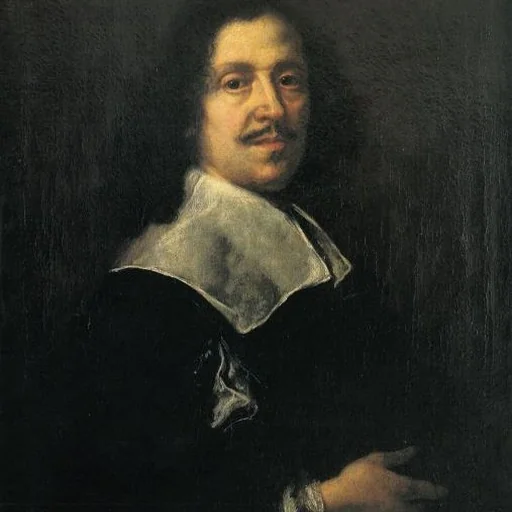
Justus Sustermans, Joost Sustermans or Suttermans, his given name Italianised to Giusto (28 September 1597 – 23 April 1681), was a Flemish painter and draughtsman who is mainly known for his portraits.

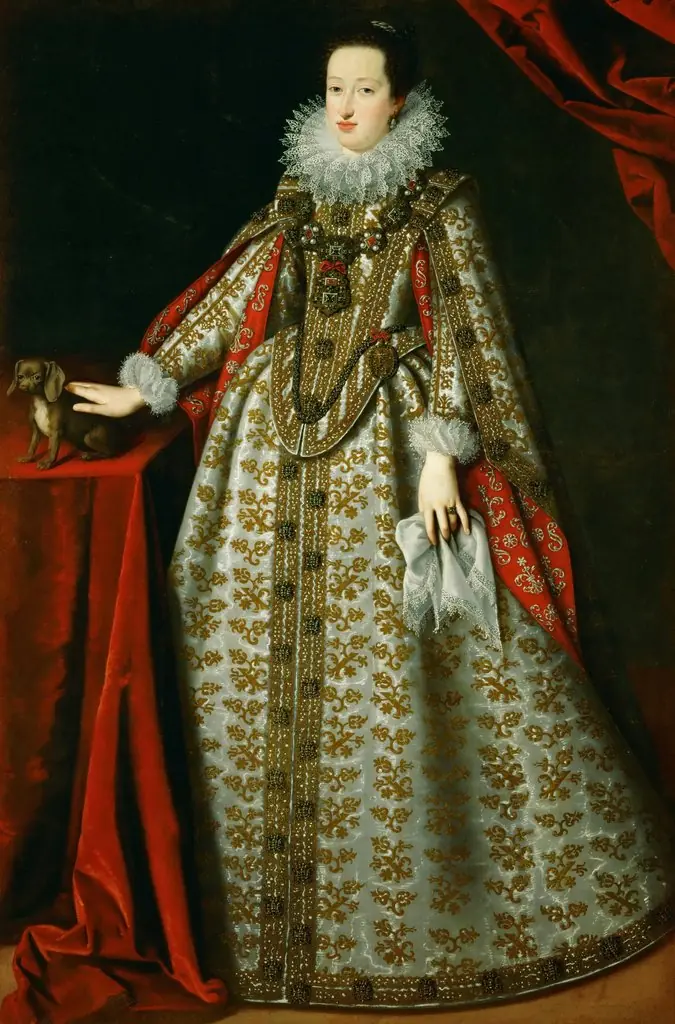 Portrait of Eleonore von Gonzaga (1598-1655), wife of Ferdinand II
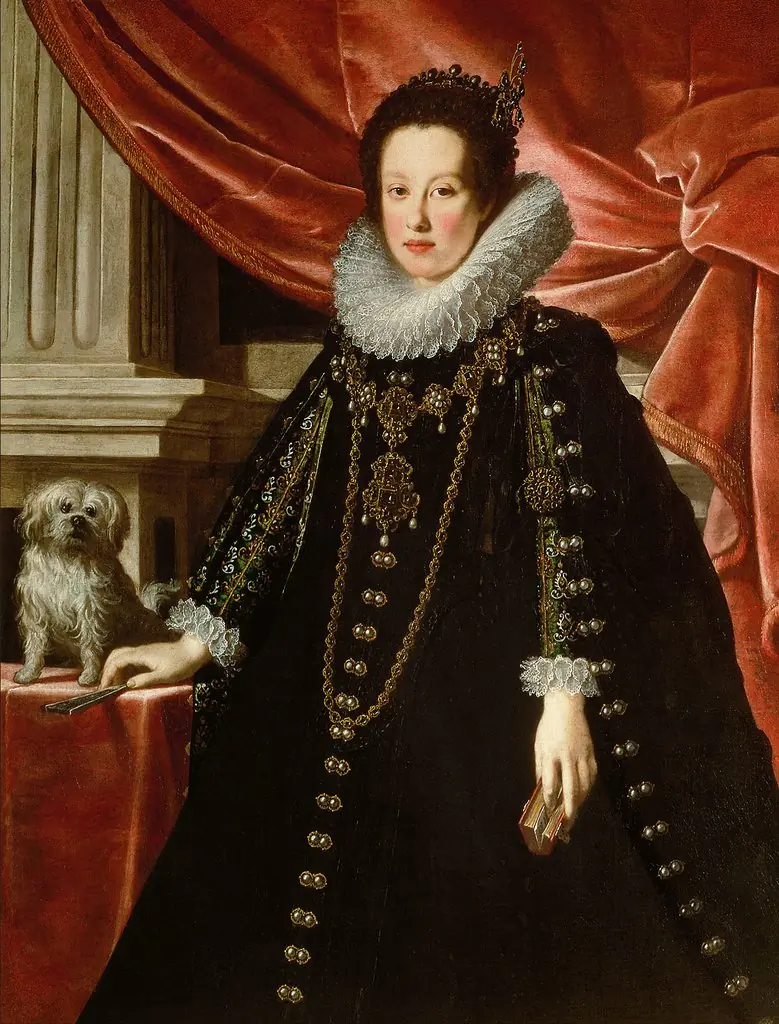 Portrait of Anna de' Medici (1616-1676), Archduchess with her Lapdog
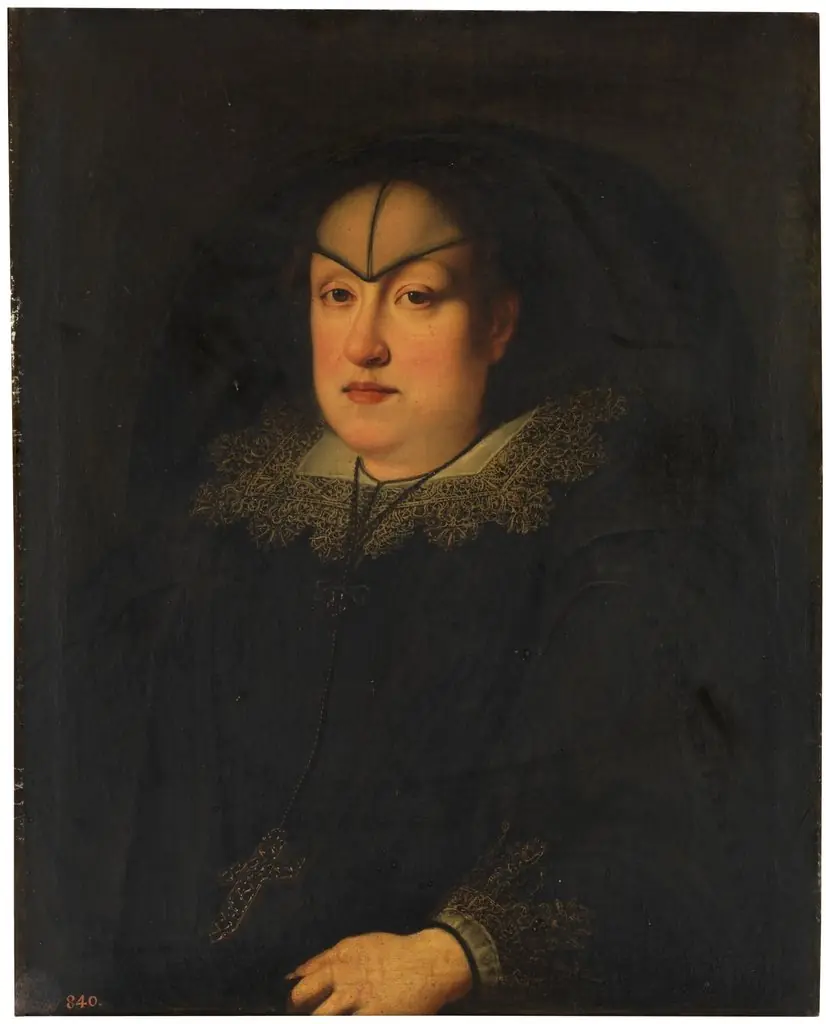 Portrait of Maria Maddalena of Austria as a widow
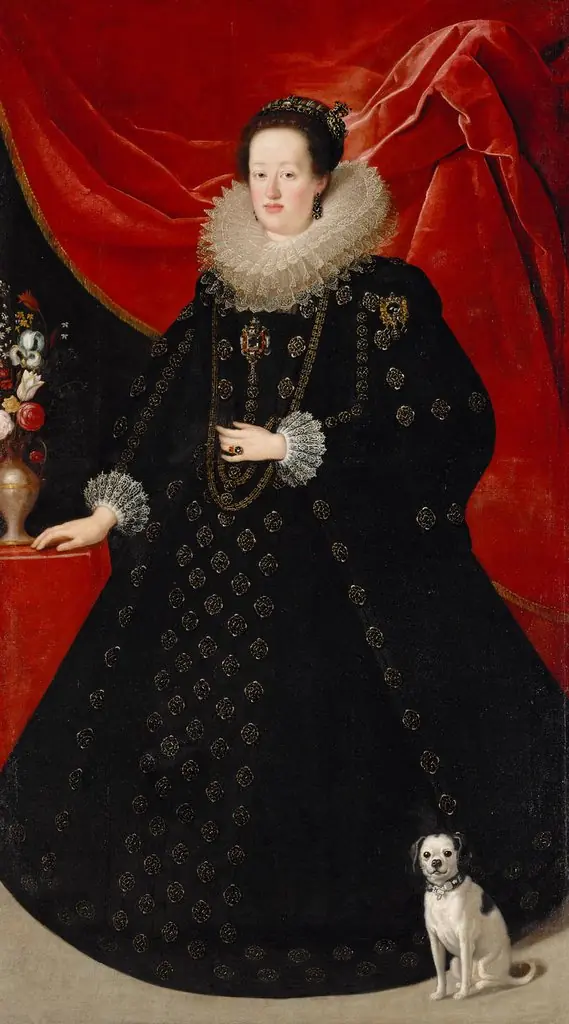 Portrait of Eleonore von Gonzaga (1598-1655), Empress in Black Dress
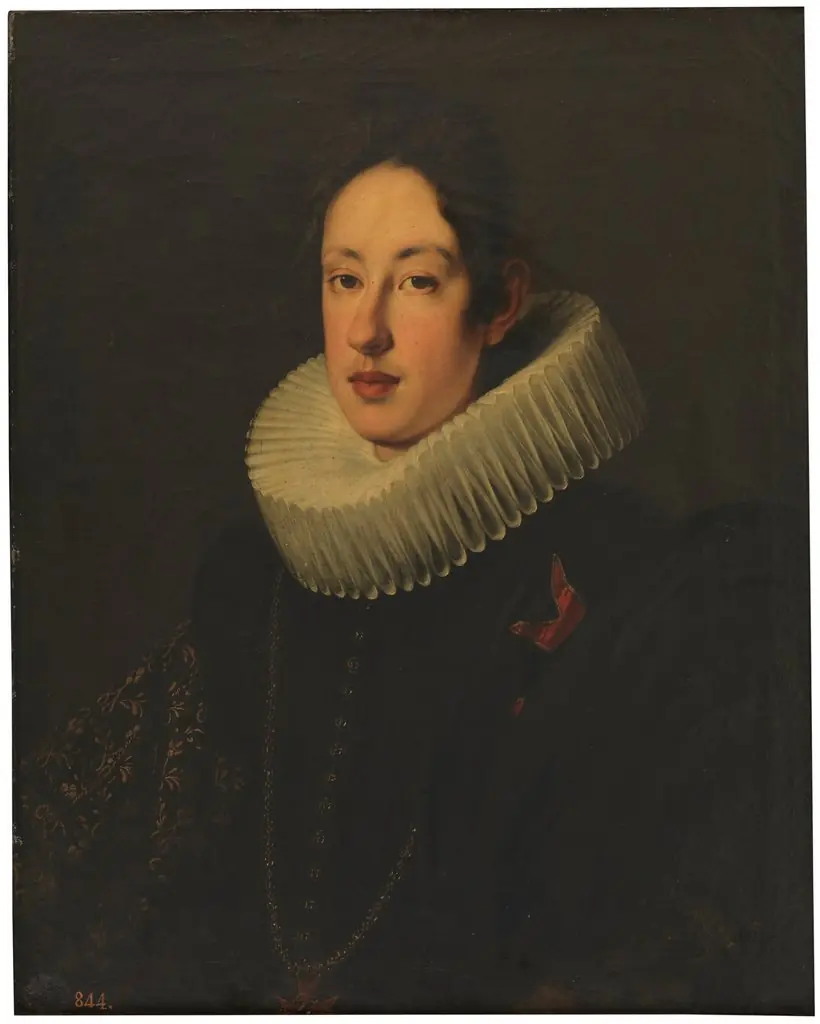 Portrait of Ferdinand II of Tuscany
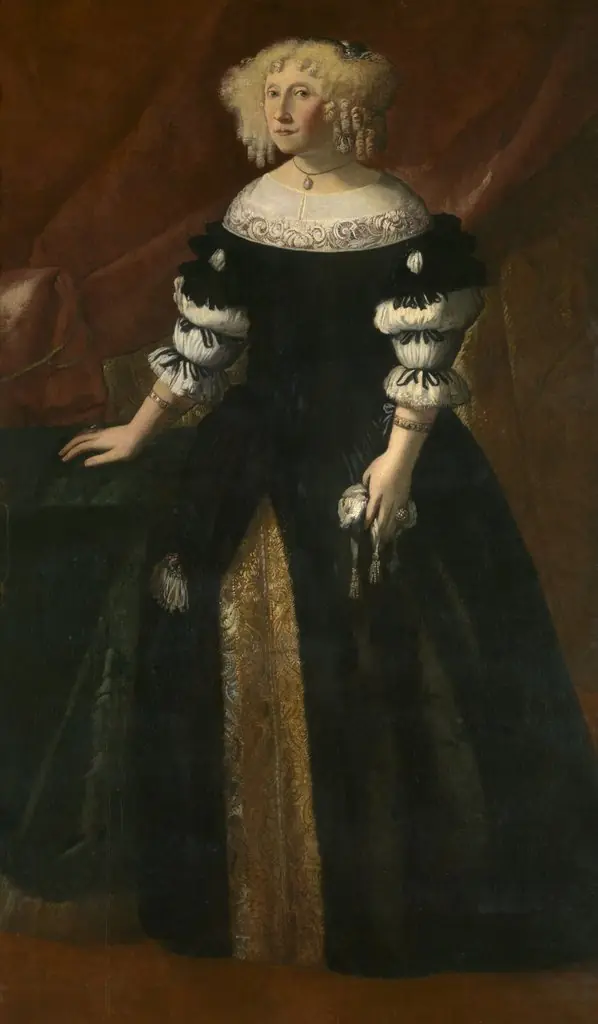 Portrait of a Woman
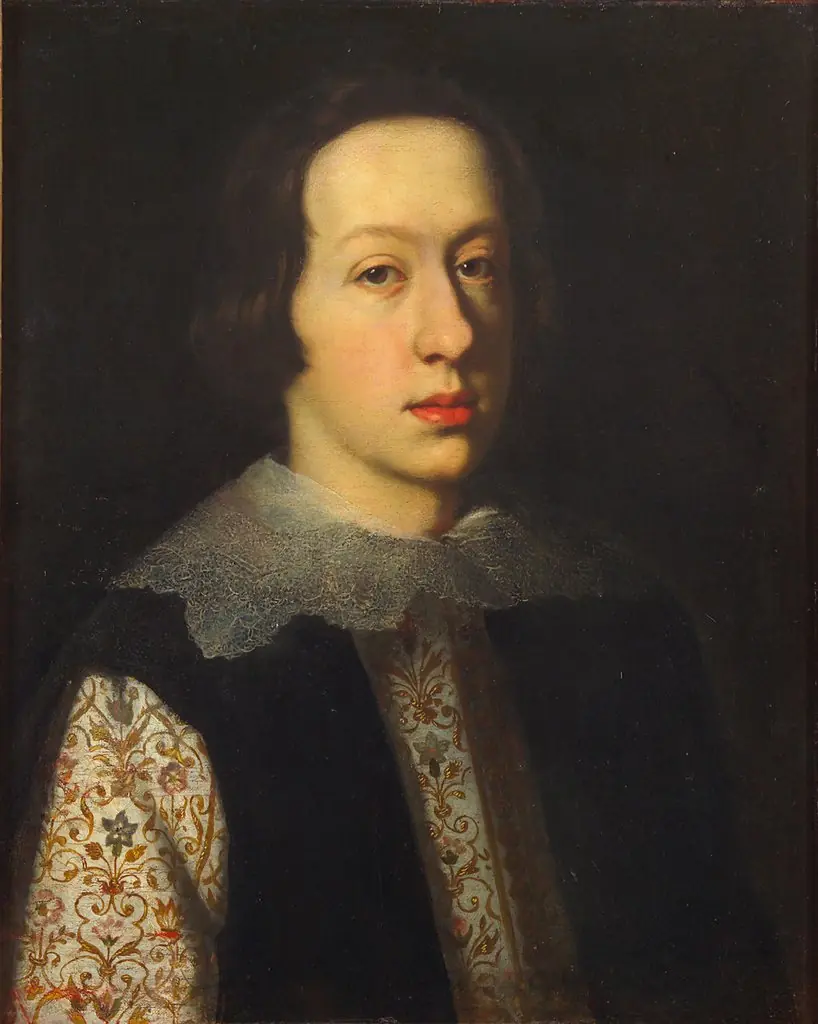 Portrait of Mattias de' Medici
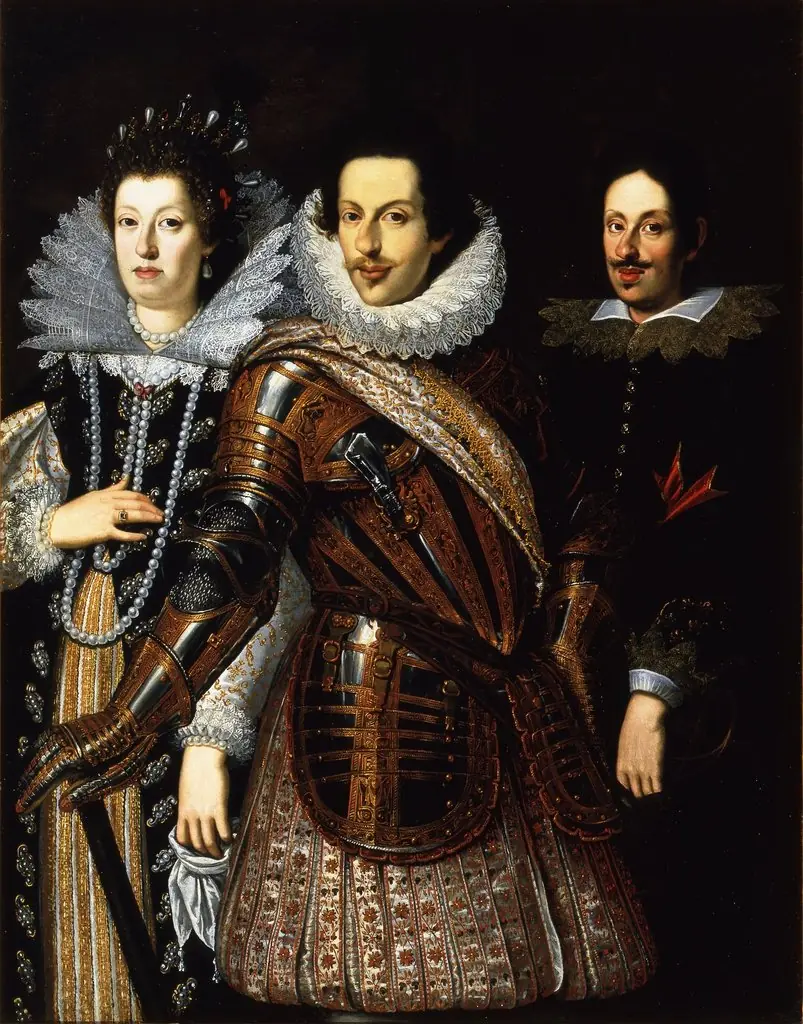 Cosimo II de’ Medici with his wife, Maria Maddalena of Austria and their son, Ferdinando II