Artwork
Loki and Sigyn
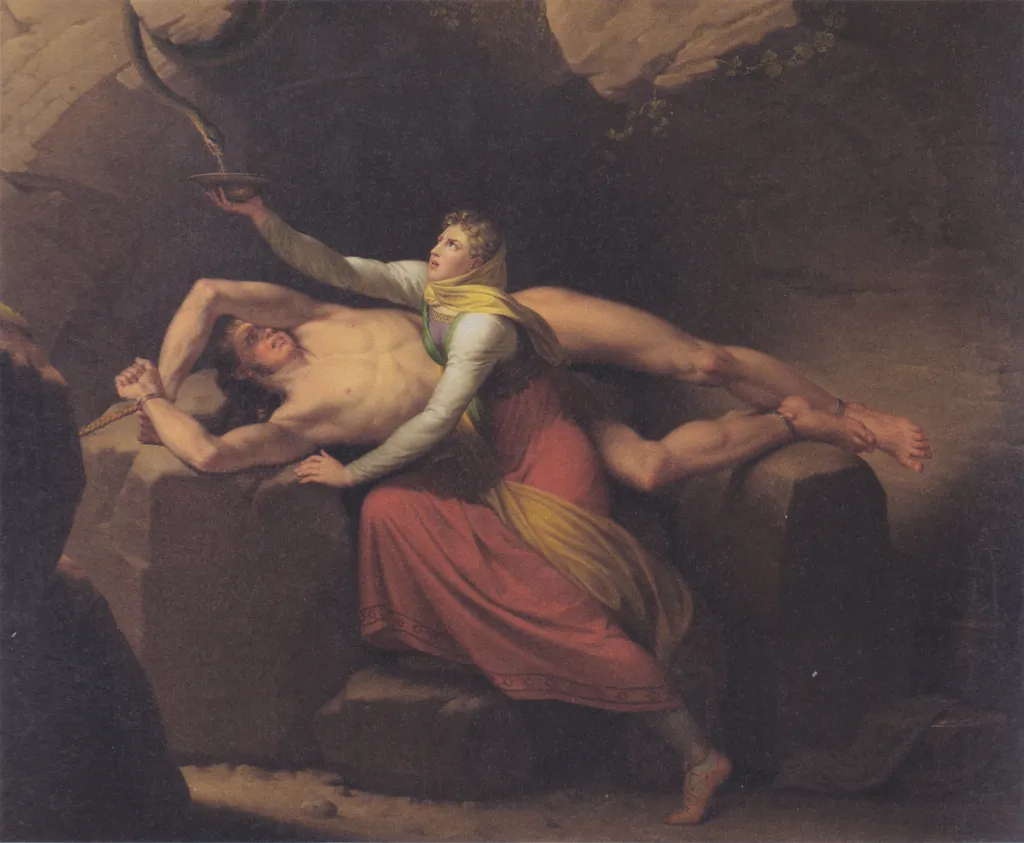
Loki and Sigyn is an oil painting by Christoffer Wilhelm Eckersberg. It dates from 1810 and is held in the collection of the Statens Museum for Kunst.
About this work
Subject & Meaning
This work is classified as a mythological painting that visualizes a specific episode from Norse legend regarding the binding of the trickster god.
Christoffer Wilhelm Eckersberg's 1810 oil painting depicts the Norse mythological figures Loki and Sigyn. The scene illustrates the punishment of Loki, who is shown bound while a snake drips venom onto his face. His wife, Sigyn, stands beside him holding a bowl to catch the poison and shield him from the pain.
This work is classified as a mythological painting that visualizes a specific episode from Norse legend regarding the binding of the trickster god. The composition focuses on the interaction between the three depicted elements: Loki, Sigyn, and the snake, emphasizing themes of suffering and devotion within the myth.
Technique & Style
The painting employs oil on canvas, with the support measuring 134 cm in height and 162.5 cm in width. Eckersberg’s handling is precise and linear, emphasizing clarity and contour over painterly texture. The composition is staged in a shallow, theatrical space, with figures arranged in a frieze-like arrangement against a neutral ground.
Sigyn’s serene profile and Loki’s bound posture are rendered with smooth modeling, while the serpent above is depicted with coiled realism. The palette is restrained, relying on earthy tones and muted highlights to convey the mythological narrative without dramatic chiaroscuro.
History & Provenance
Christoffer Wilhelm Eckersberg created the oil painting Loki and Sigyn in 1810. The work depicts the figures of Loki and Sigyn alongside a snake and a bowl within the context of Norse mythology. Currently, the painting is held in the collection of the Statens Museum for Kunst.
It measures 134 cm in height and 162.5 cm in width. The artwork was featured in the exhibition titled "A beautiful lie - Eckersberg."
Christoffer Wilhelm Eckersberg's oil painting Loki and Sigyn, created in 1810, is held in the collection of the Statens Museum for Kunst. The work depicts the mythological figures Loki and Sigyn alongside a snake and a bowl. It has been featured in the exhibition titled A beautiful lie - Eckersberg.
The painting measures 134 cm in height and 162.5 cm in width. While the specific inventory or accession number is not provided in the available records, its presence in the Statens Museum for Kunst collection is confirmed.
Overview
Christoffer Wilhelm Eckersberg’s 1810 oil painting Loki and Signa presents a compact, dramatic tableau drawn from Norse mythology. The composition centers on a reclining male figure, his torso exposed, while a female figure holds a bowl aloft, attempting to shield him from a coiling snake. The work is part of the Statens Museum for Kunst’s collection.
Context
Eckersberg, often called the father of Danish painting, was instrumental in establishing a national artistic identity after the Napoleonic Wars. By choosing a Norse legend, he aligned his academic training with a growing cultural fascination for native myths, contributing to the Romantic‑nationalist currents that shaped Danish art in the period.
Own this work as a print
Artist & collection
Artist
Christoffer Wilhelm Eckersberg
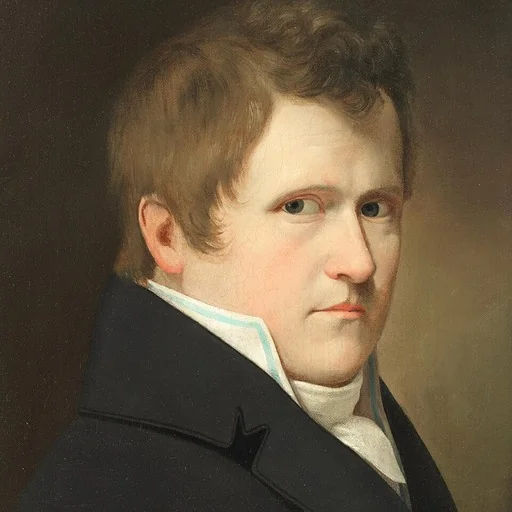
Christoffer Wilhelm Eckersberg (2 January 1783 – 22 July 1853) was a Danish painter.

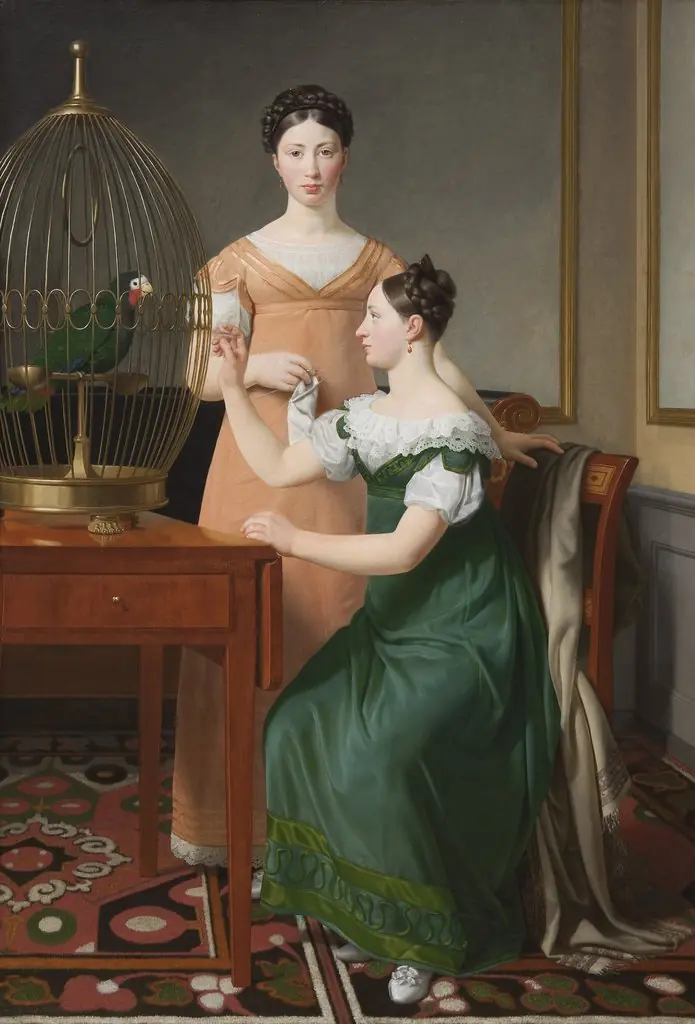 Bella and Hanna. The Eldest Daughters of M. L. Nathanson
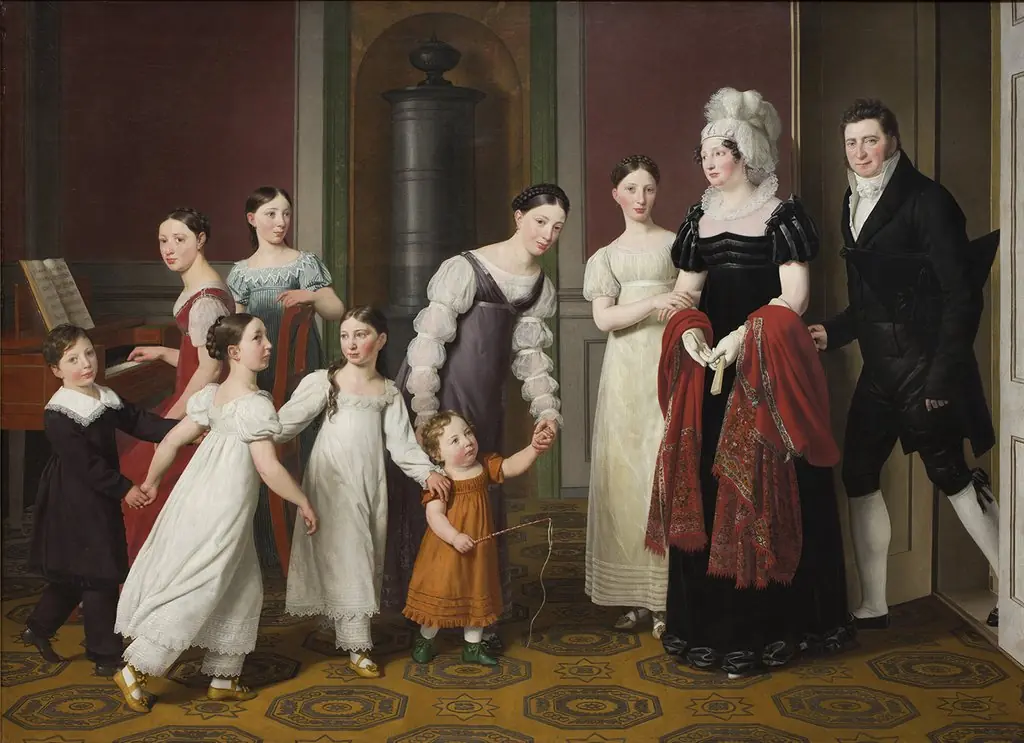 Familien Nathanson
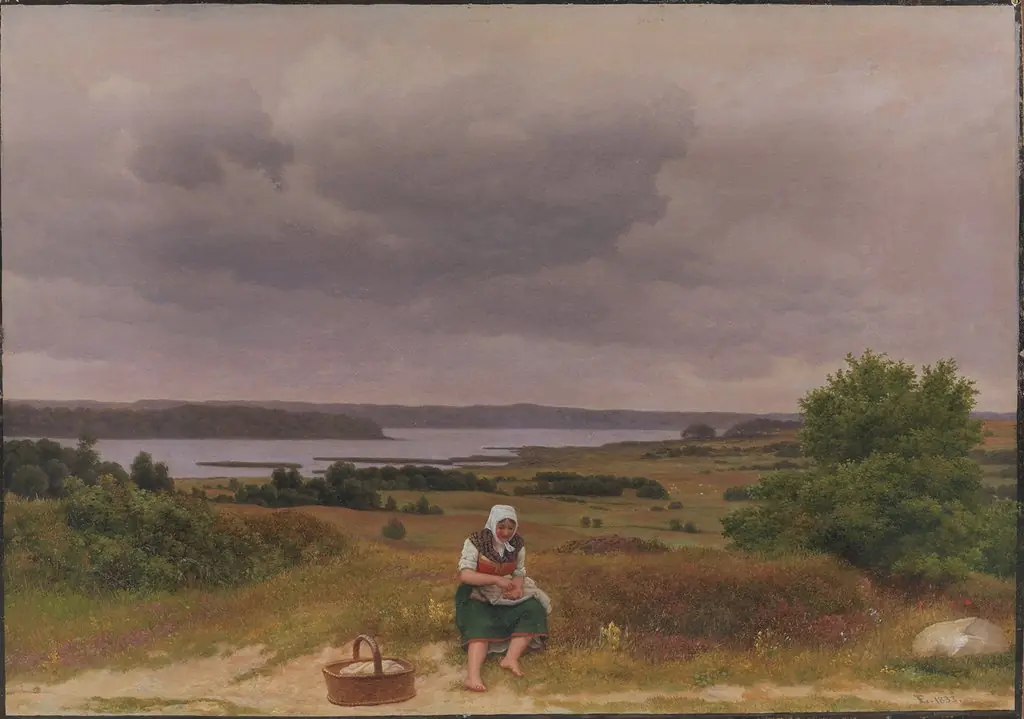 View of Lake Fure near Rudersdal, North Sealand.
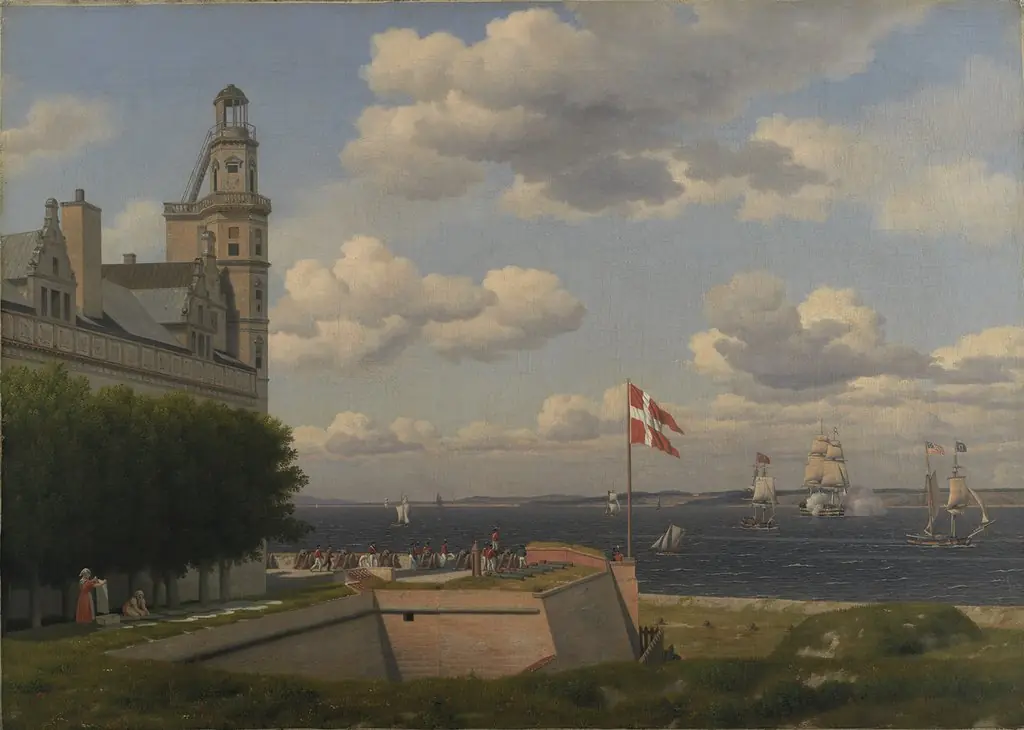 A View towards the Swedish Coast from the Ramparts of Kronborg Castle
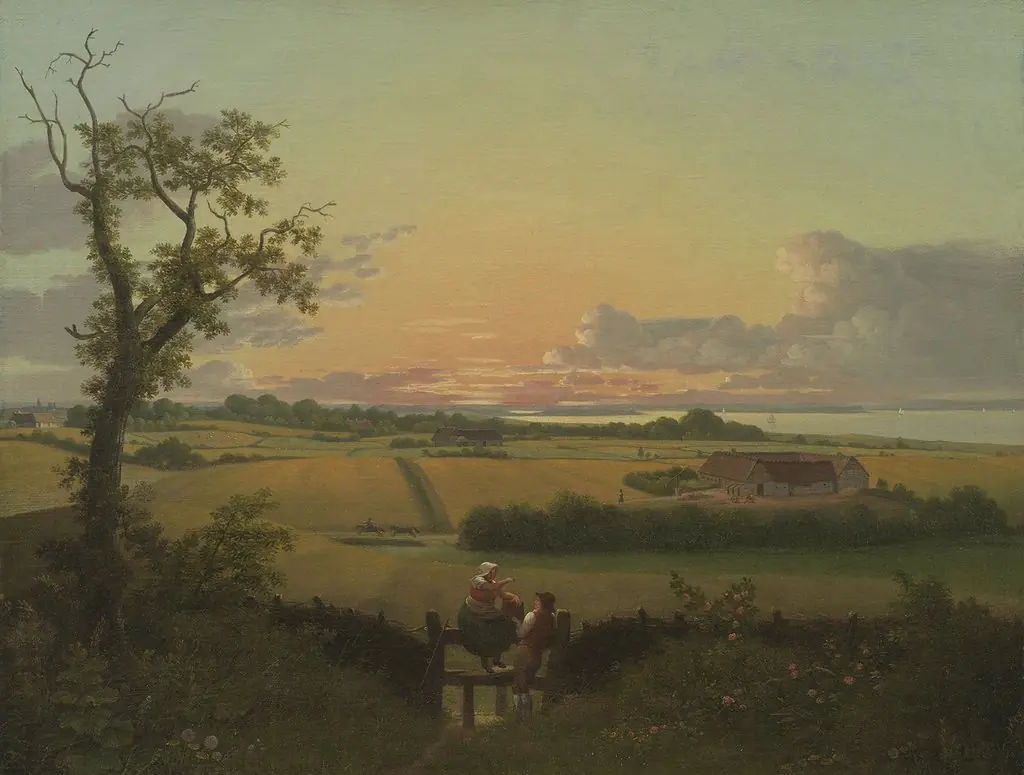 Landscape with a Stile. The Isle of Møn
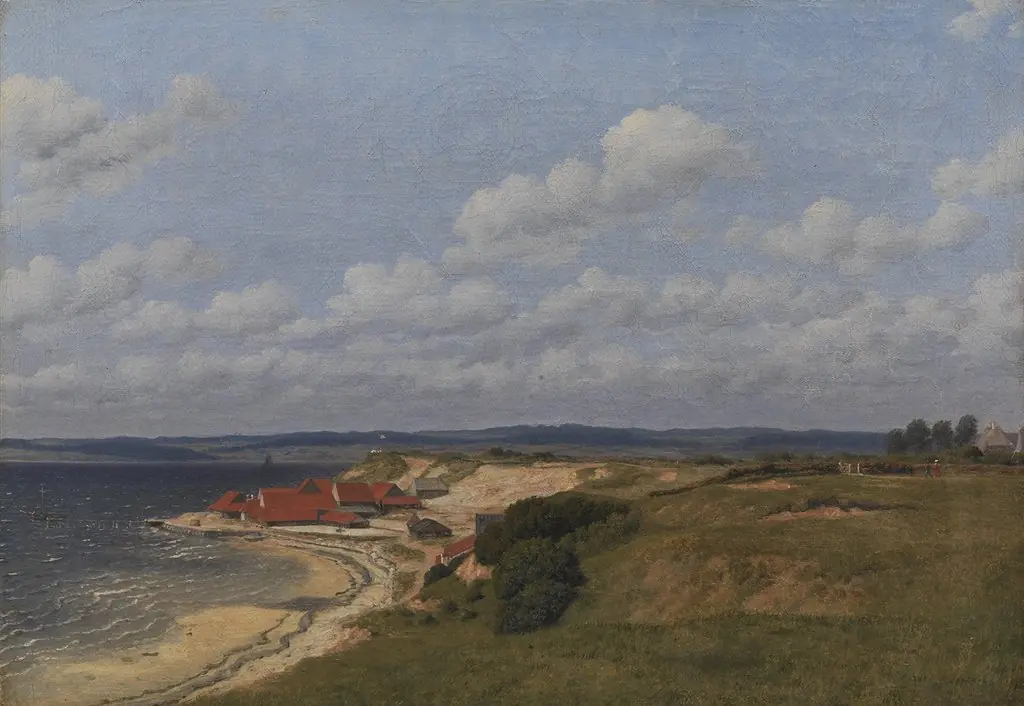 Renbjærg Tileworks by Flensburg Fiord
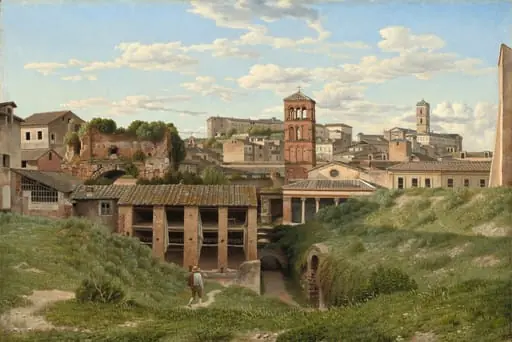 View of the Cloaca Maxima, Rome
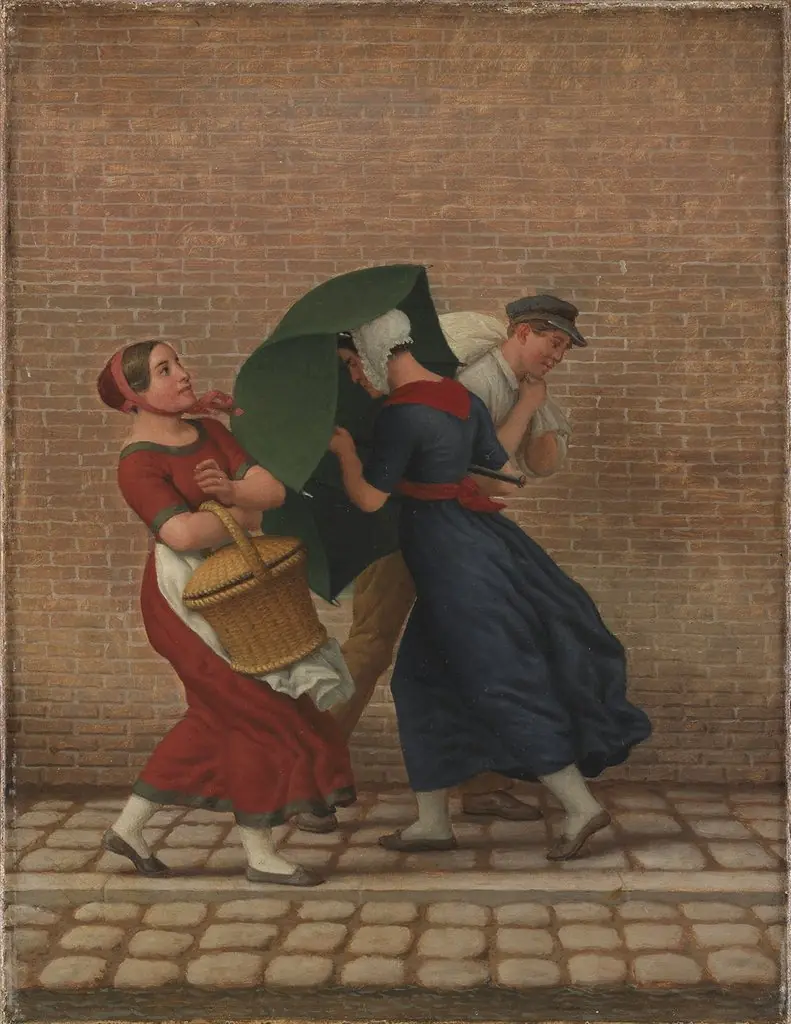 Street Scene in Windy and Rainy Weather
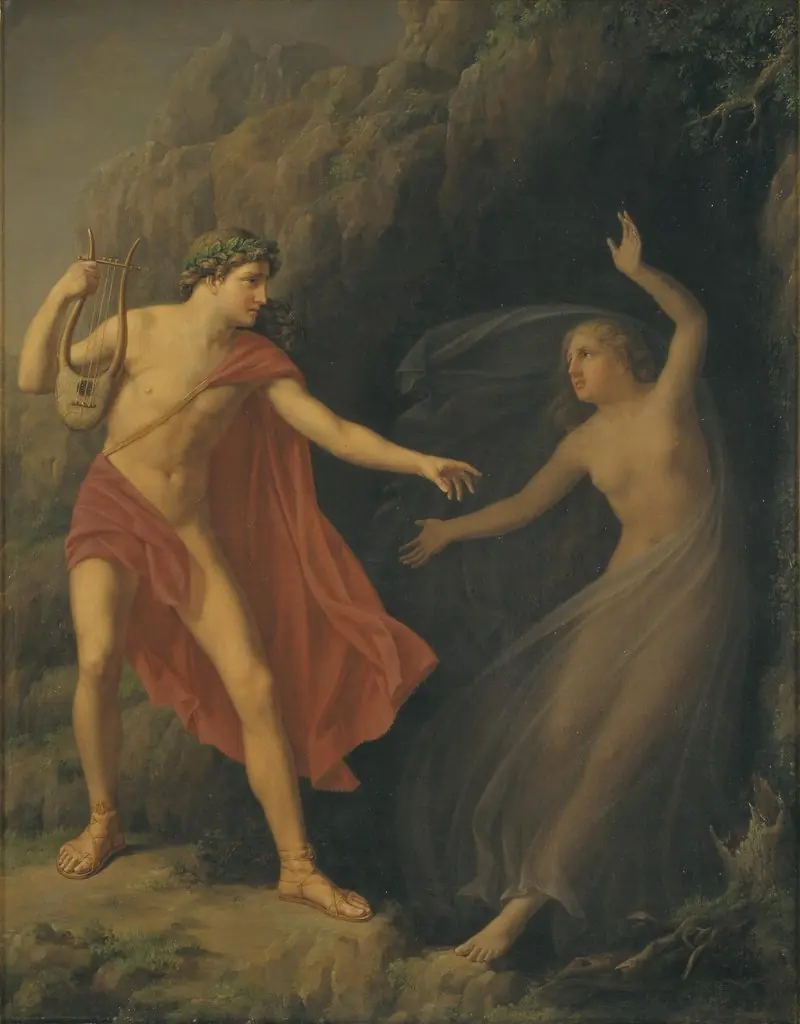 Orpheus and Eurydice
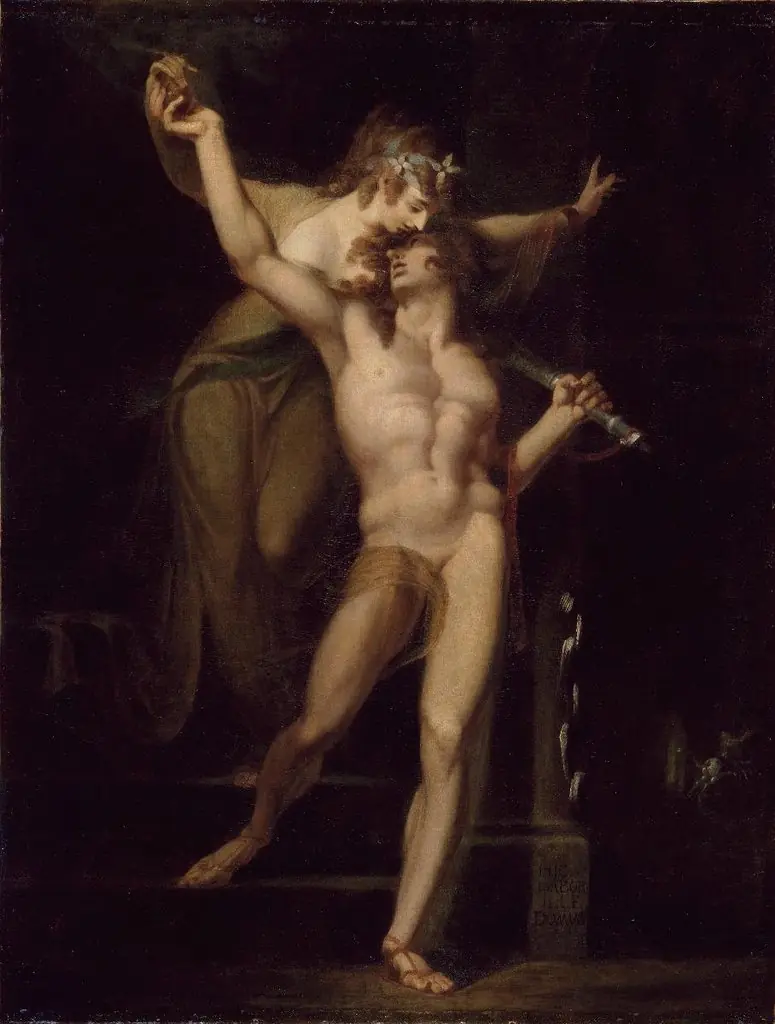 Theseus und Ariadne
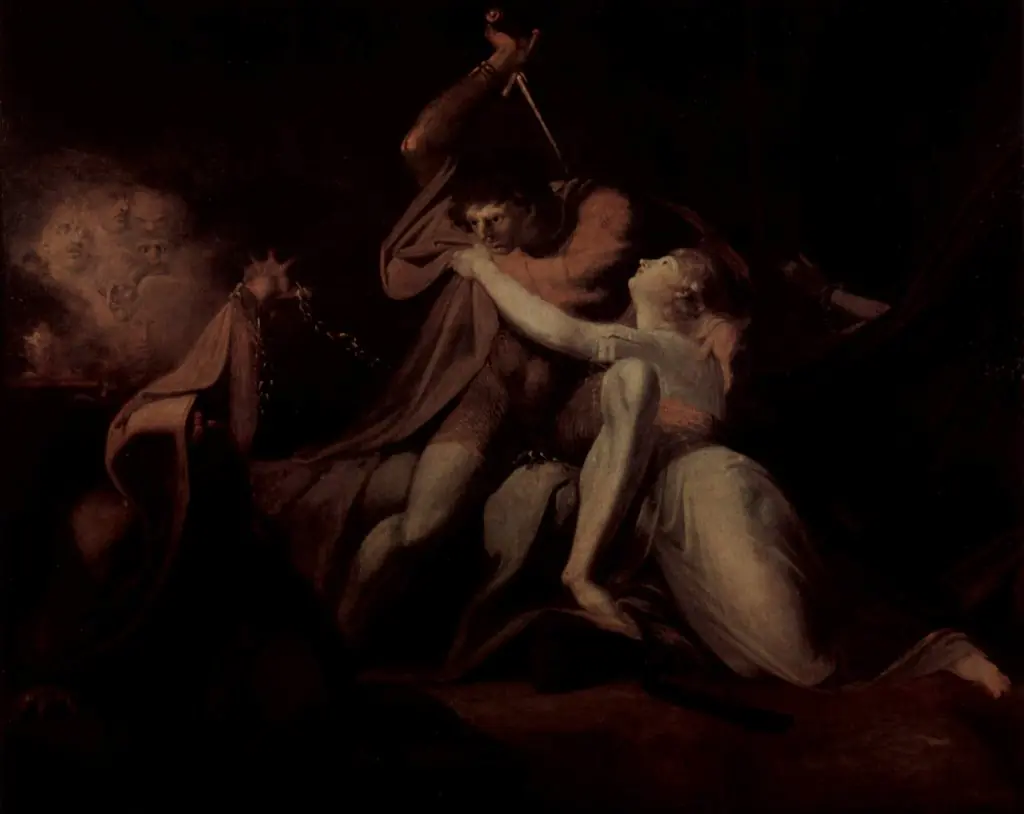 Parcival befreit Belisane von den Zaubereien des Urma
 Sulmalla prøver forgæves at overtale sin elsker Cathmor til at slutte fred med Fingal
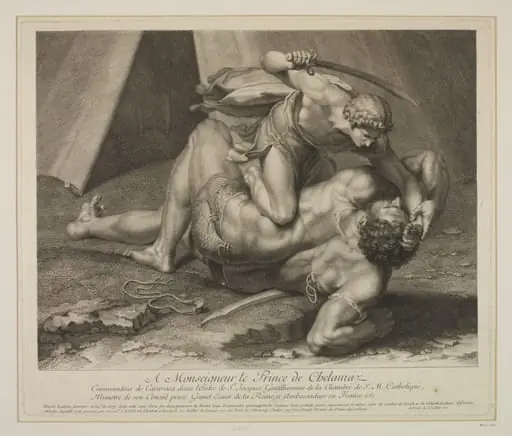 David Slaying Goliath
 Killing an Enemy
 Percival Delivering Belisane from the Enchantment of Urma
 The Farewell of Telemachus and Eucharis
 Two Young Men Confessing to Alexander the Great their Conspiracy against Him
 Cain Killing Abel
 Sulmalla prøver forgæves at overtale sin elsker Cathmor til at slutte fred med Fingal
- Loki snd Sigyn